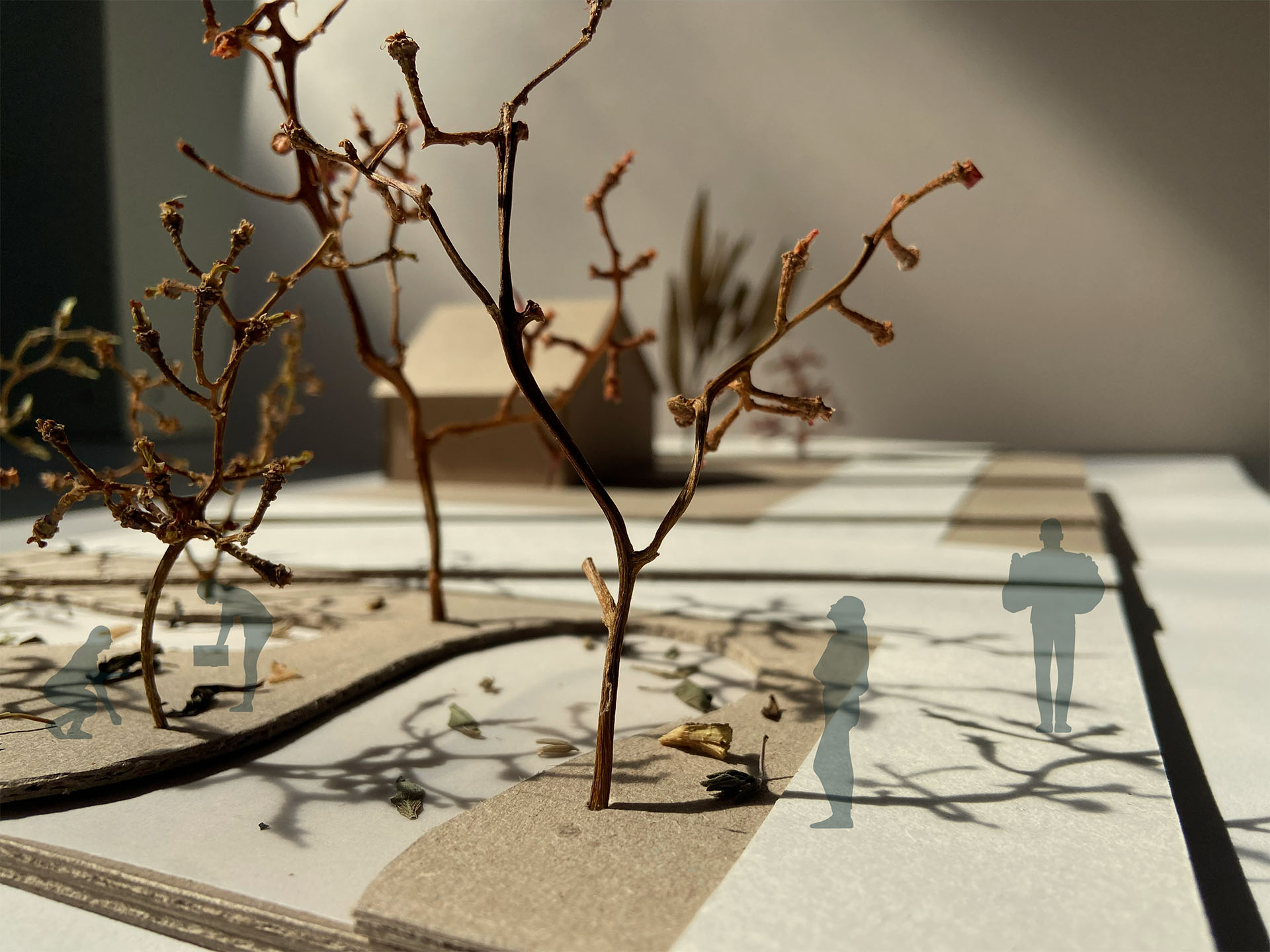
The mechanisation of food production (agroindustry) has led to the loss of food production as a cultural act (agriculture). This has distanced people both physically and cognitively from our food. While large-scale agriculture remains necessary to feed the world’s population, its globalisation has pushed food systems toward efficiency and uniformity, producing homogenised landscapes and increasingly tenuous supply chains. This project does not seek to replace industrial agriculture entirely, but to lessen its demand by introducing local complexity through the reimagining of agricultural components as urban infrastructure to be experienced and inhabited in everyday life.
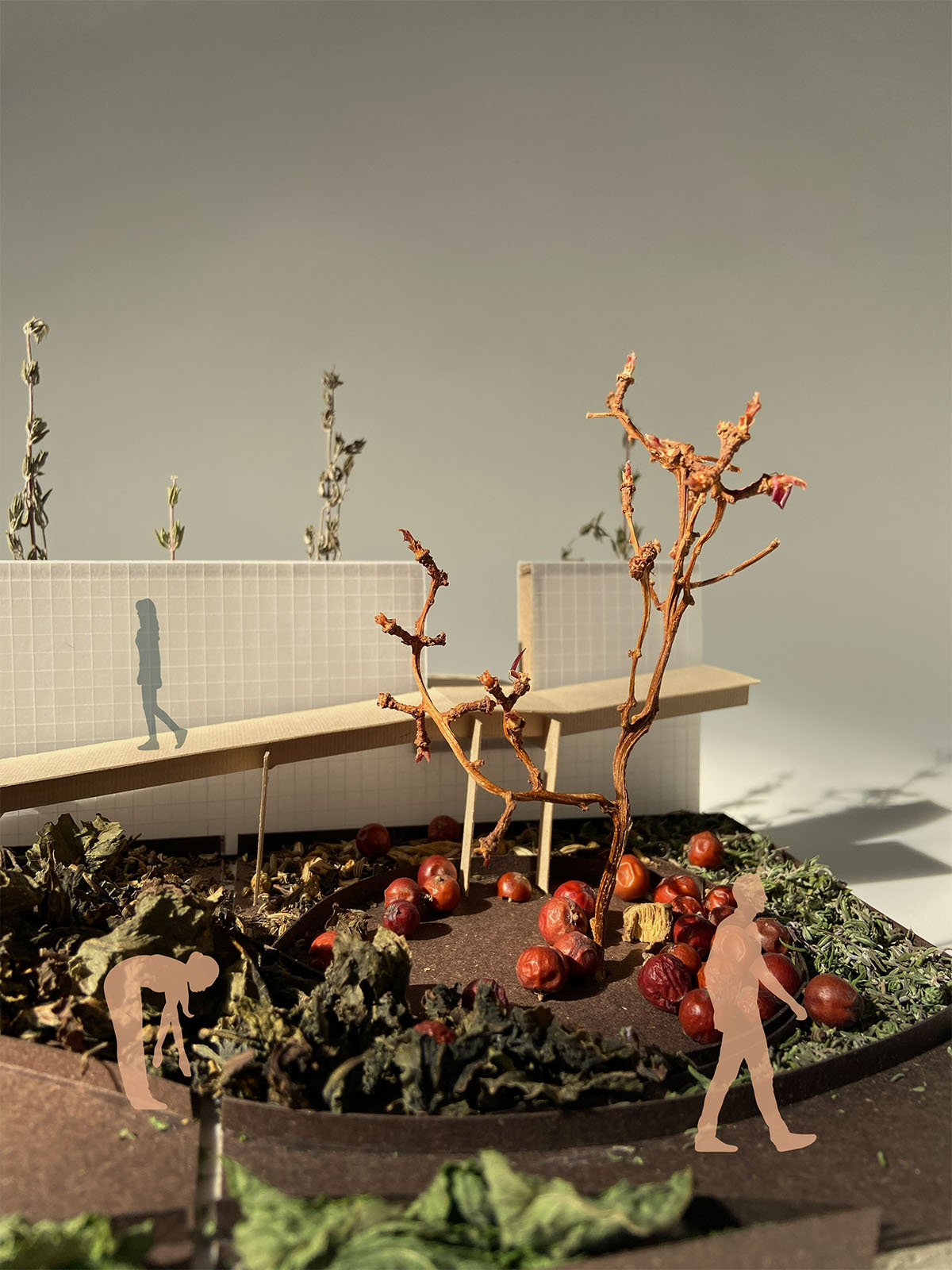
Reimagined in this way, food holds the capacity to do more than feed us: it can expand equitable access, reintroduce nature into our towns, and cultivate a deeper awareness of its production. Edible plants can provide habitats and social spaces for humans and more-than-humans alike, strengthen ecological resilience, and reconnect people to cyclical time through seasonal rhythms of growth and decay. In doing so, food becomes not merely sustenance, but a lens through which we might reorient ourselves toward more reciprocal ways of living.
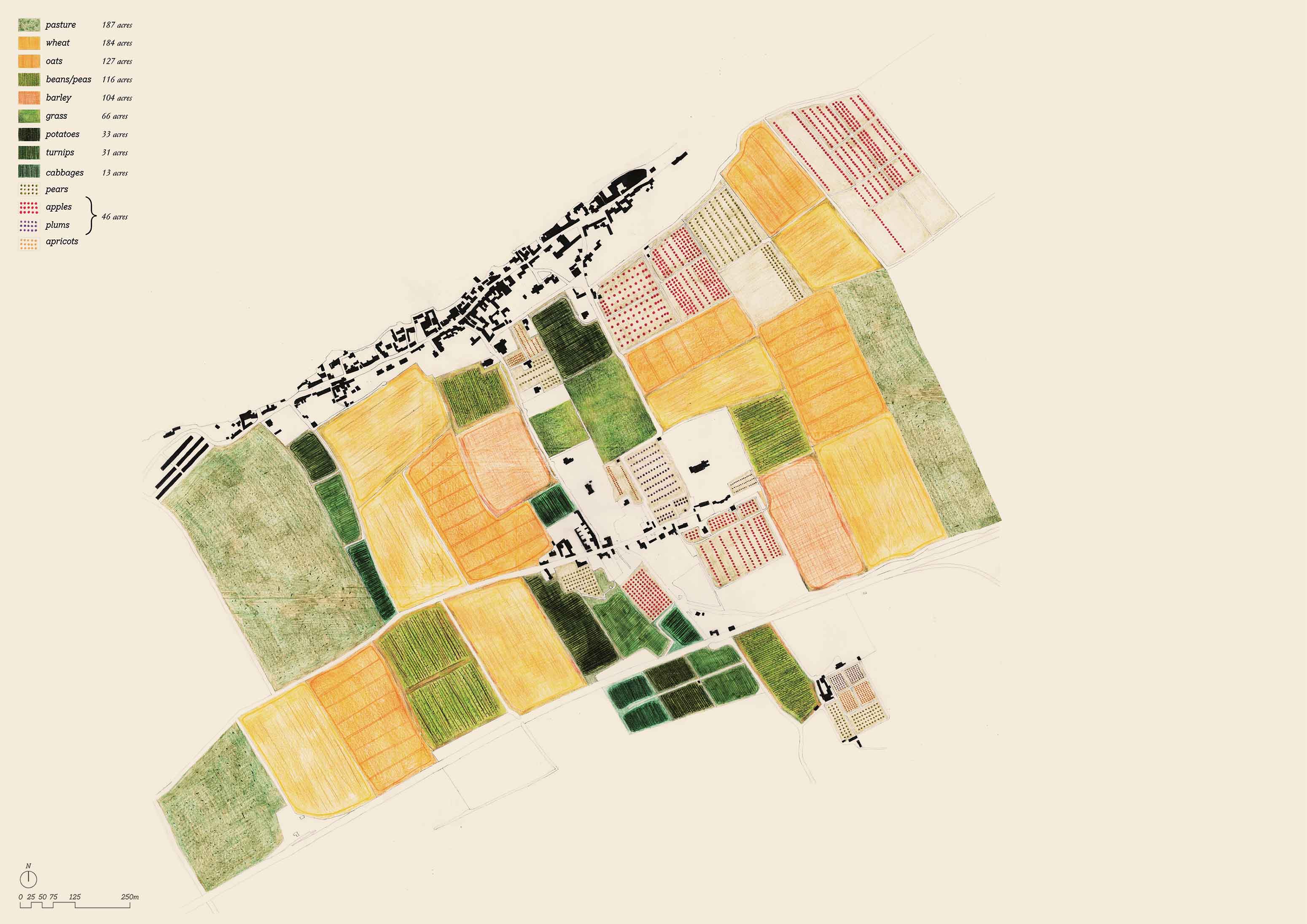
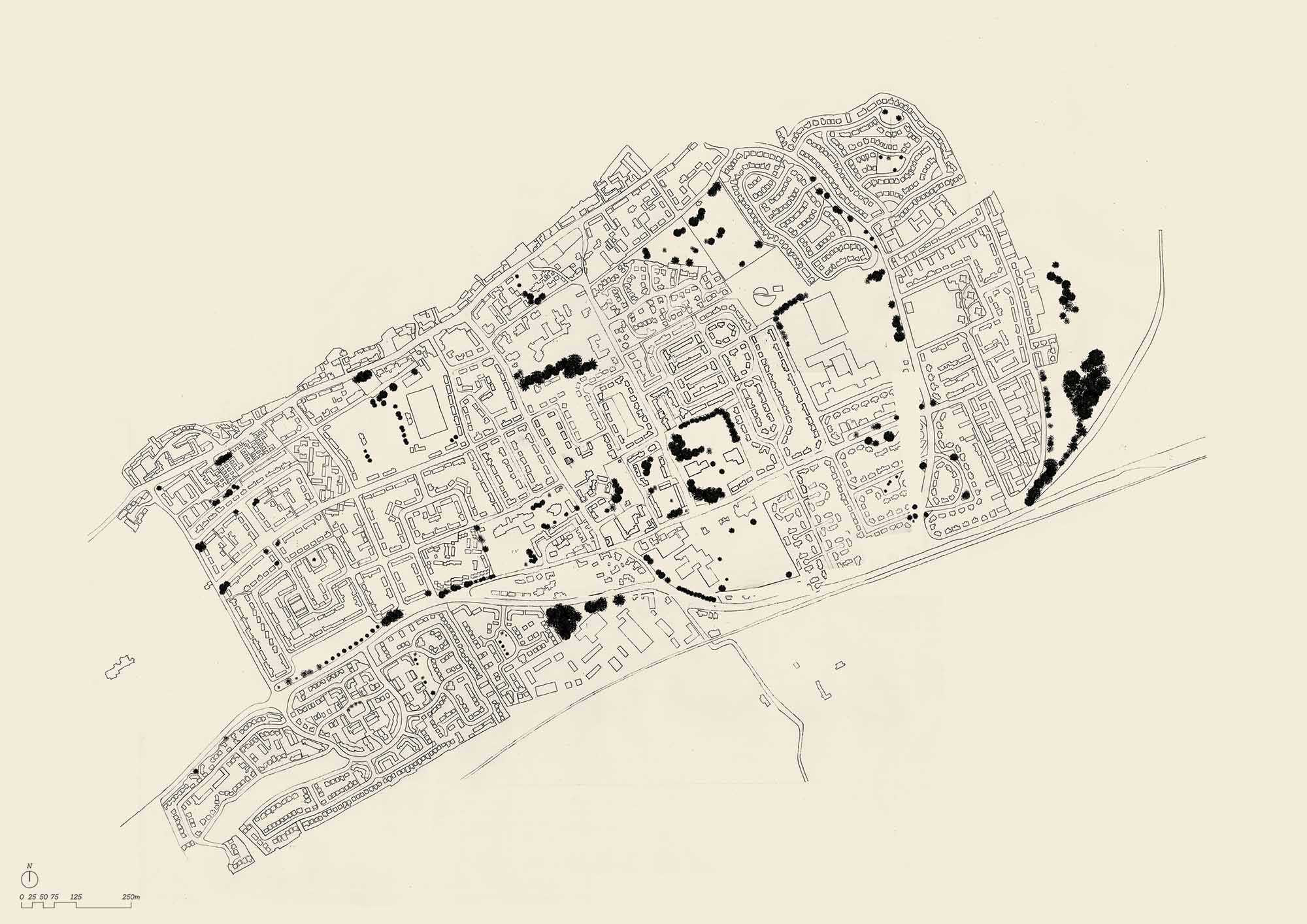
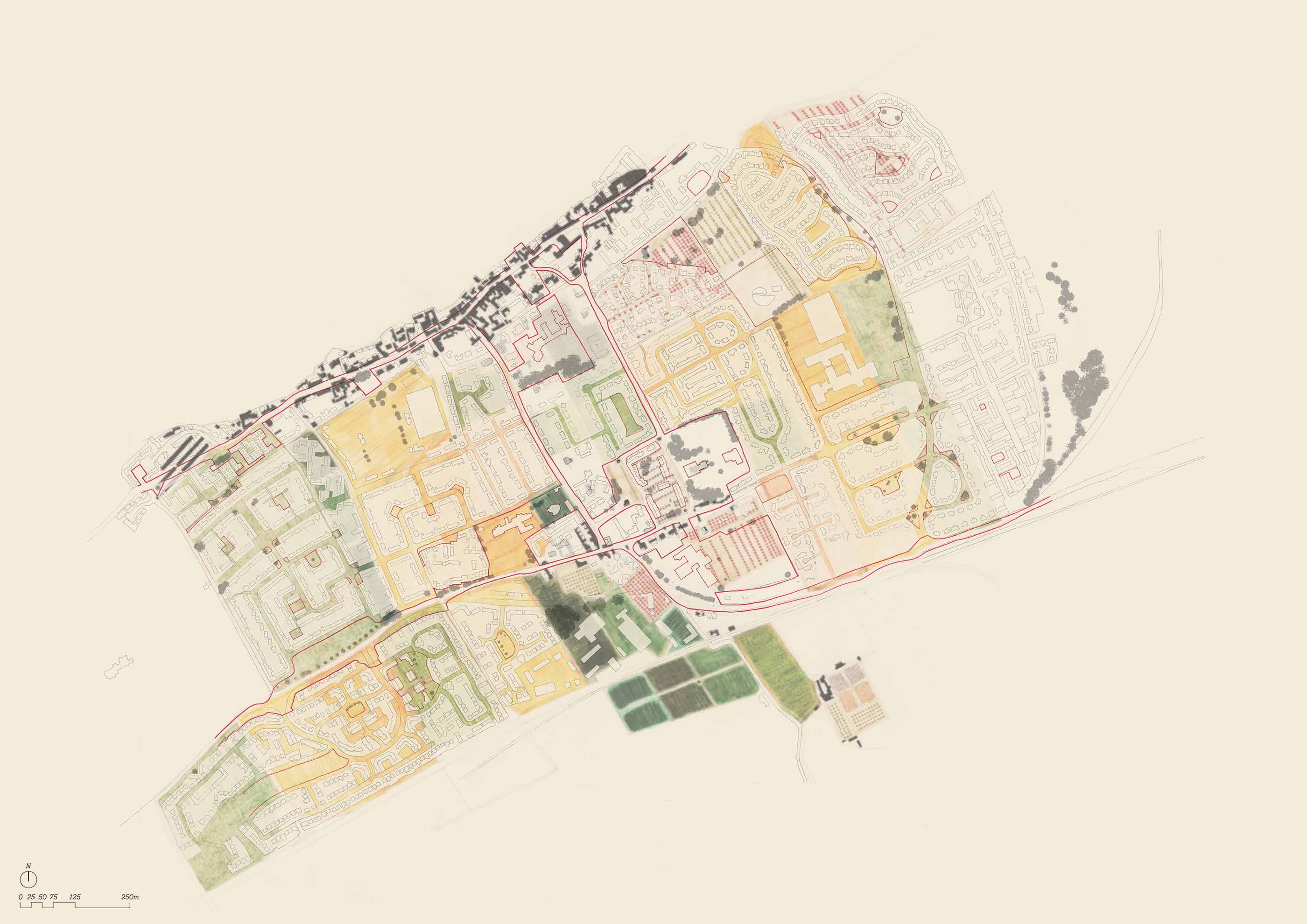
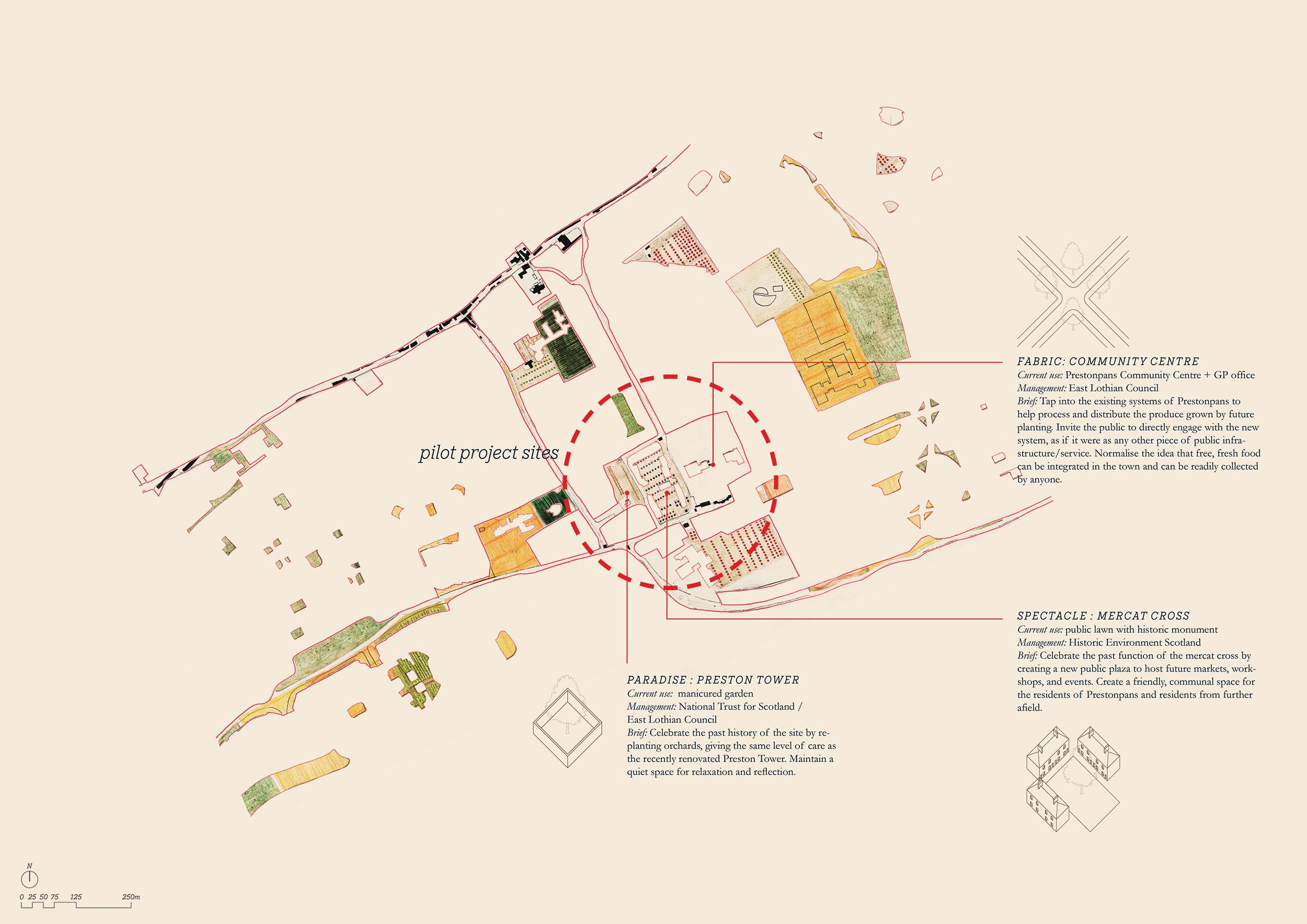
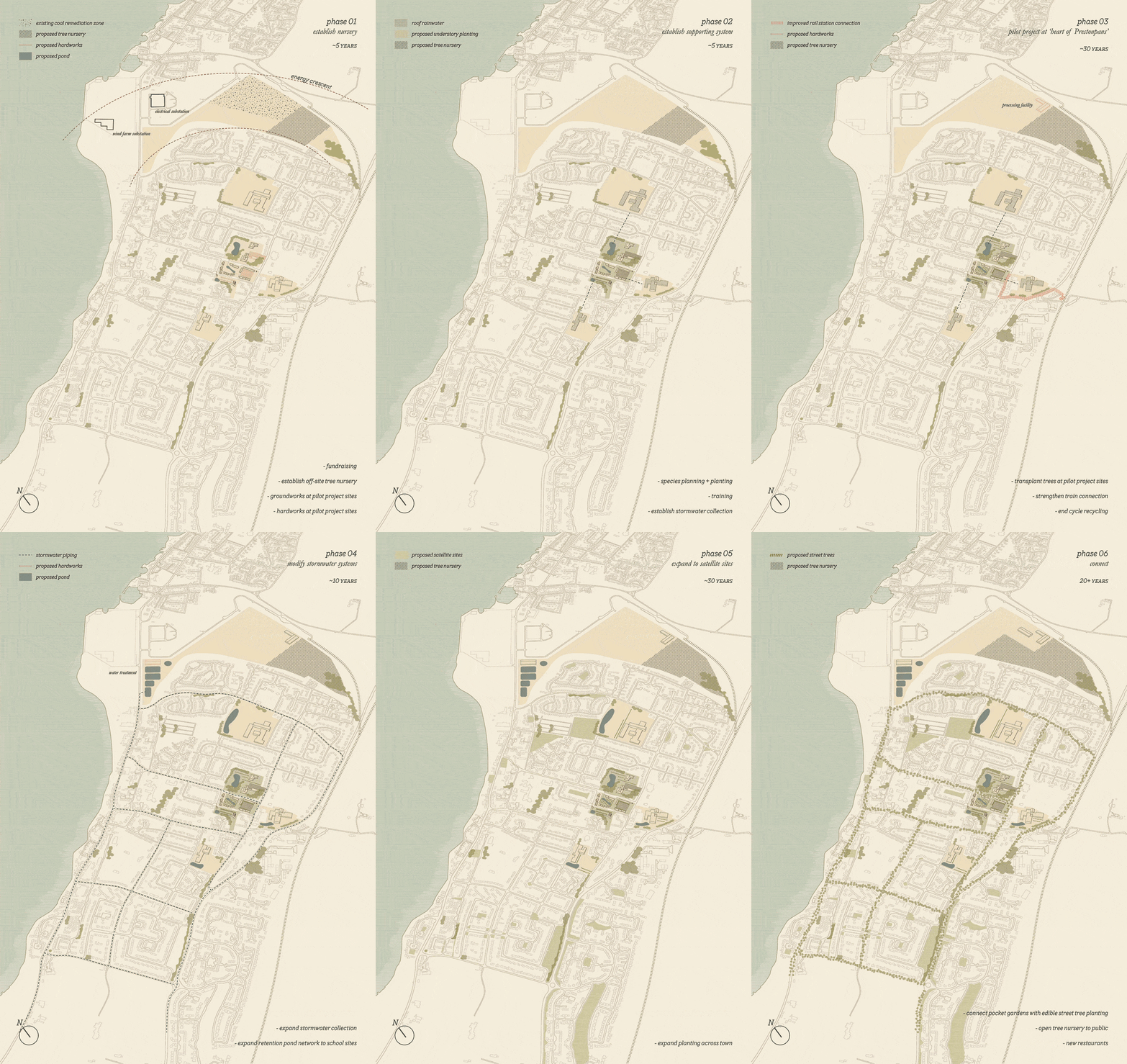
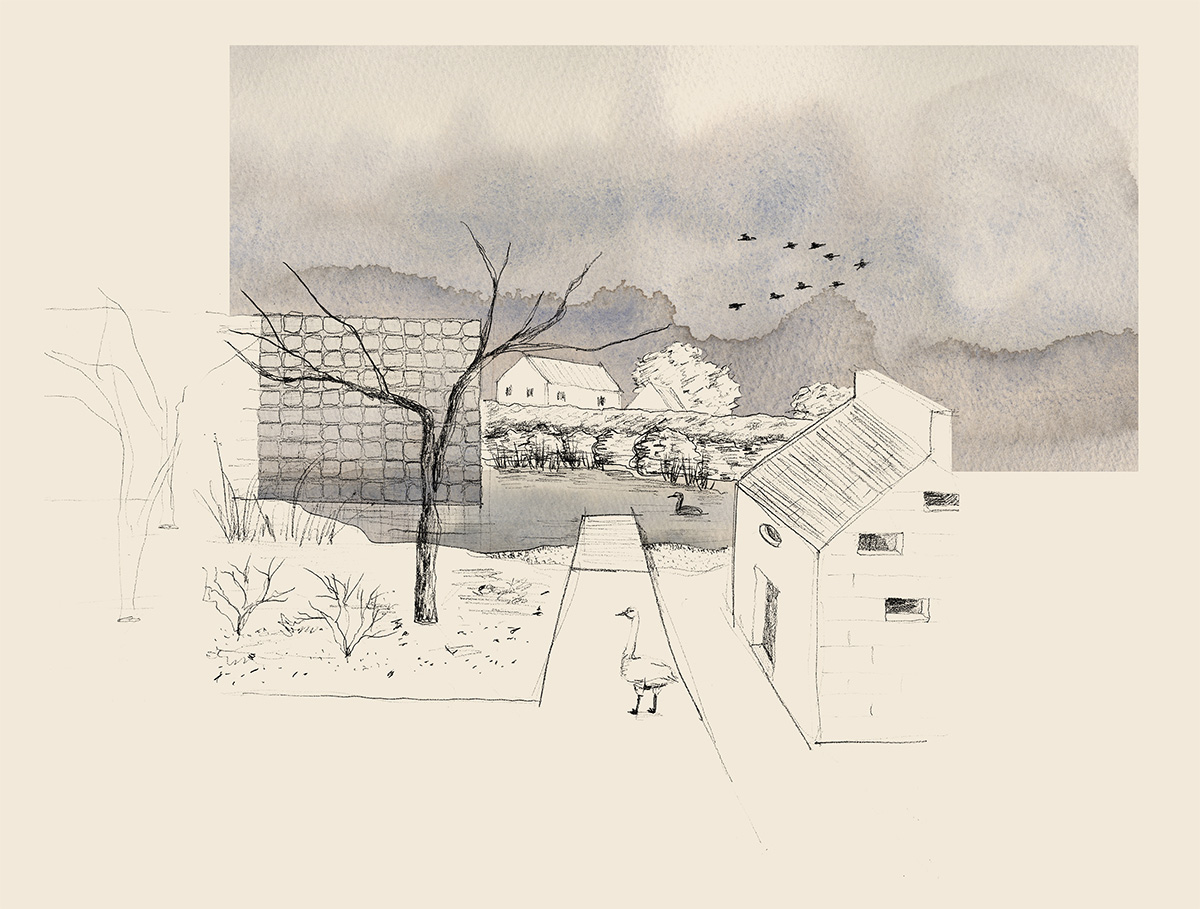
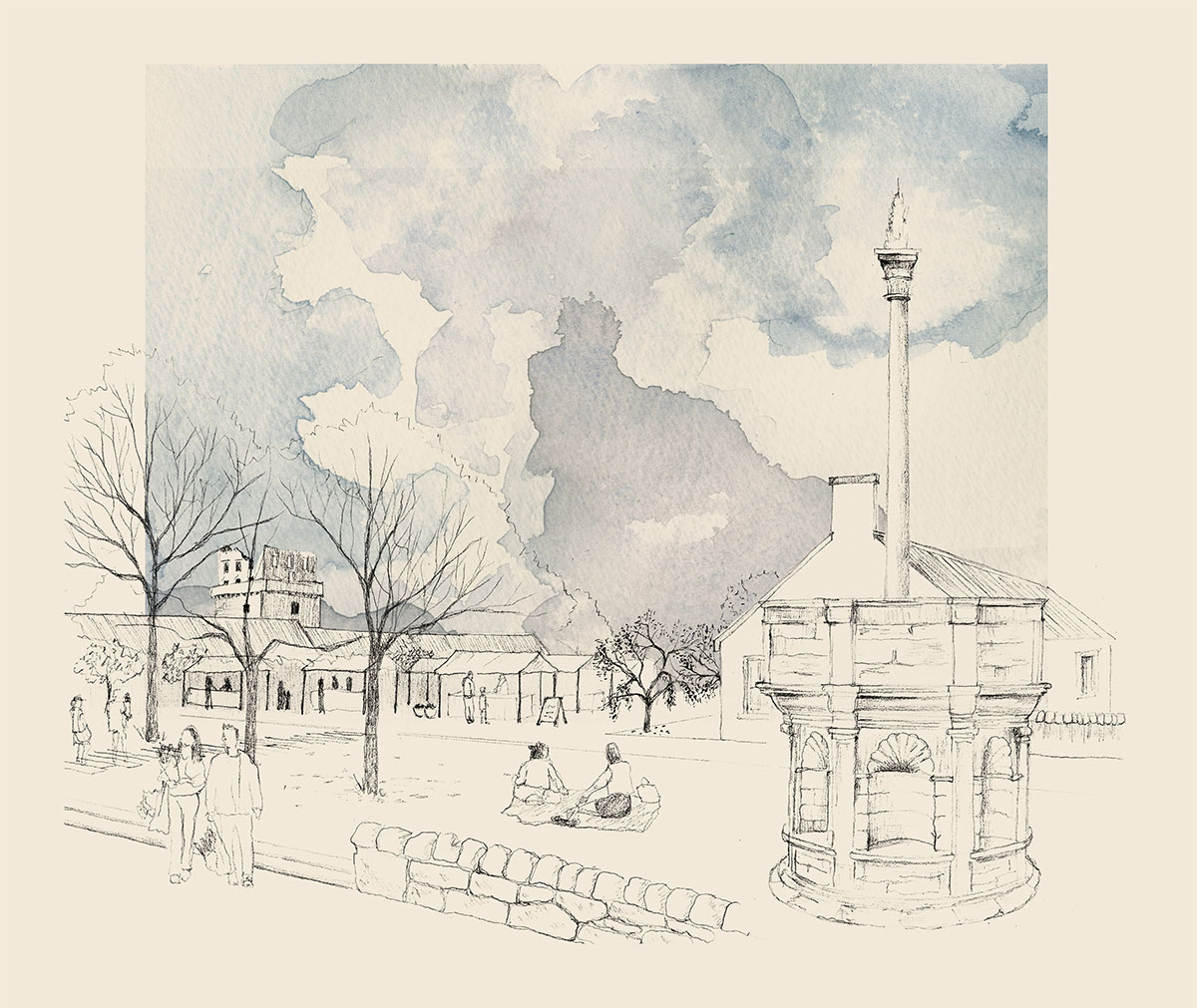
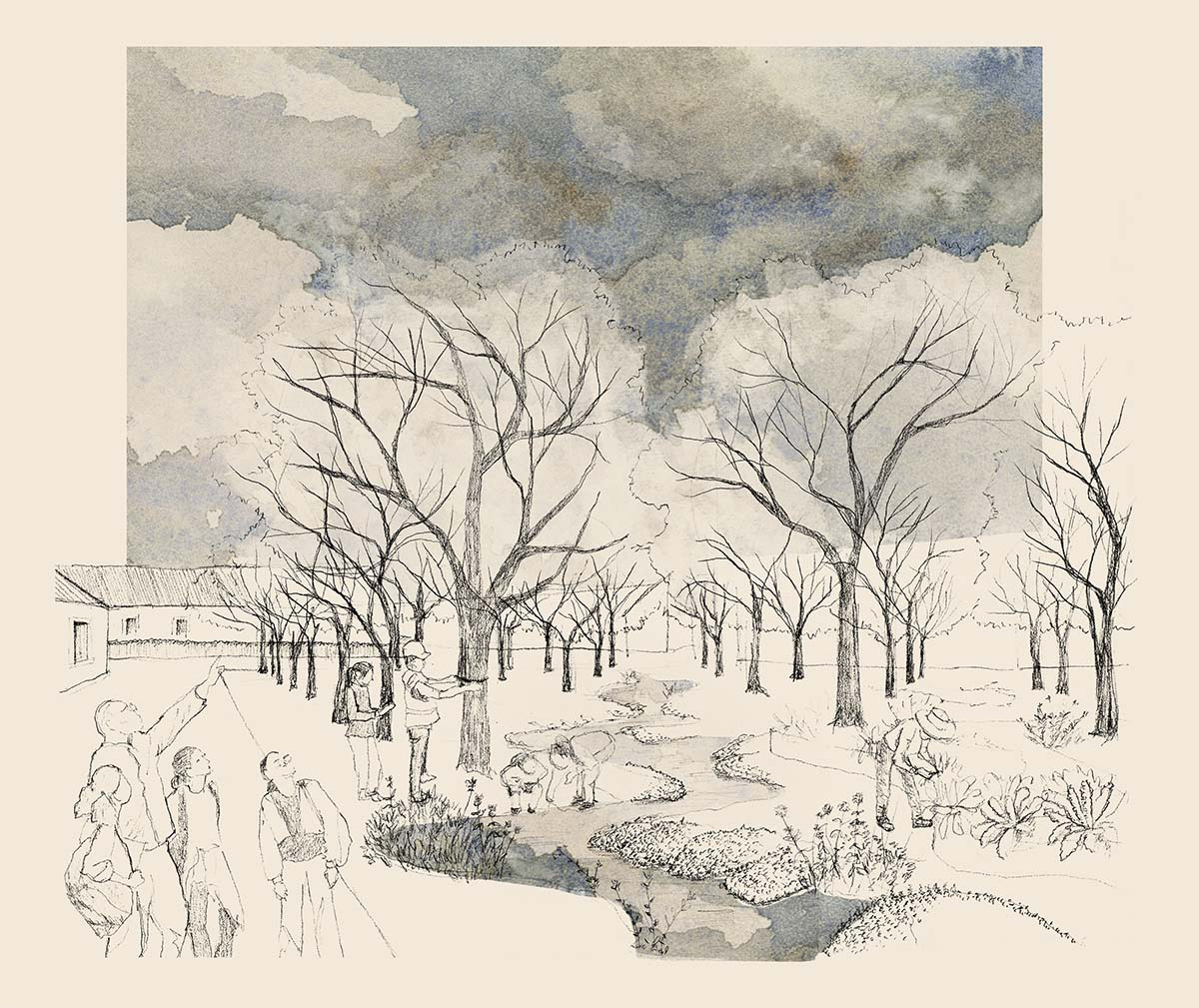
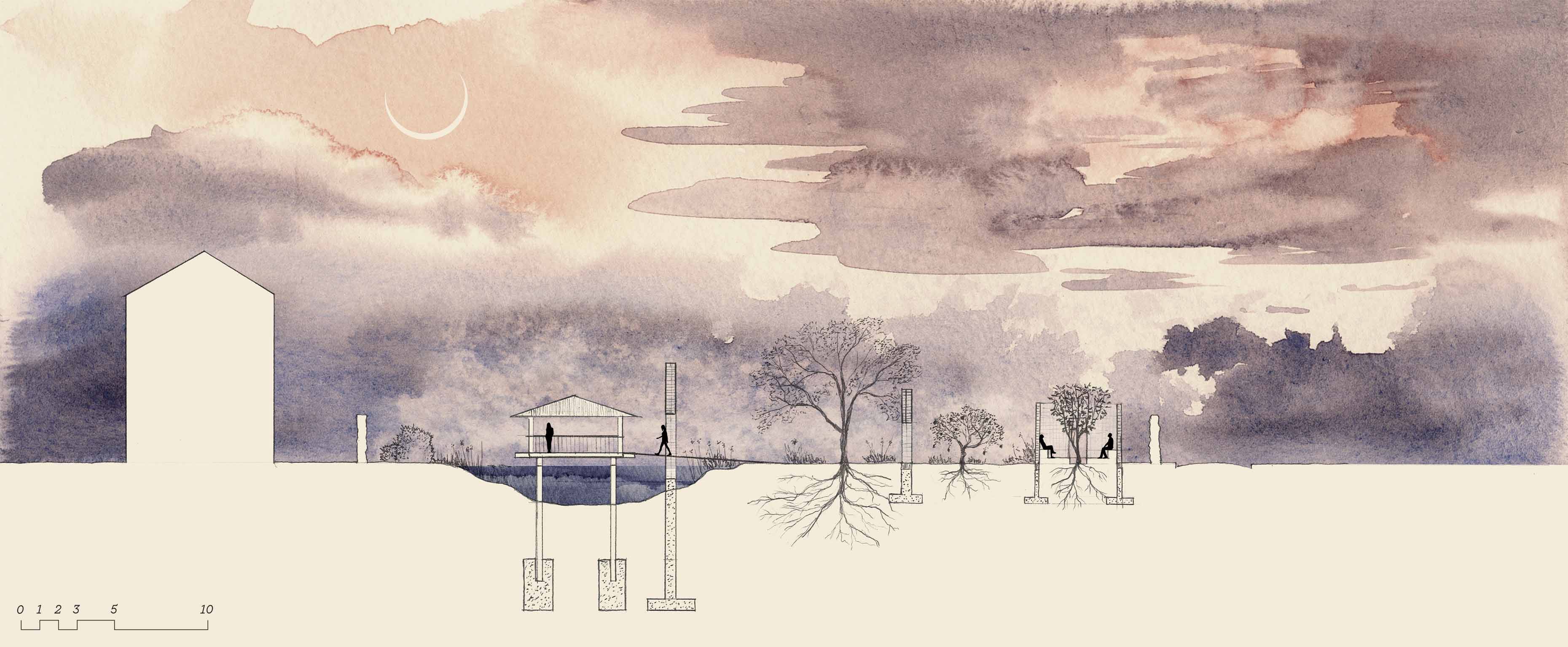
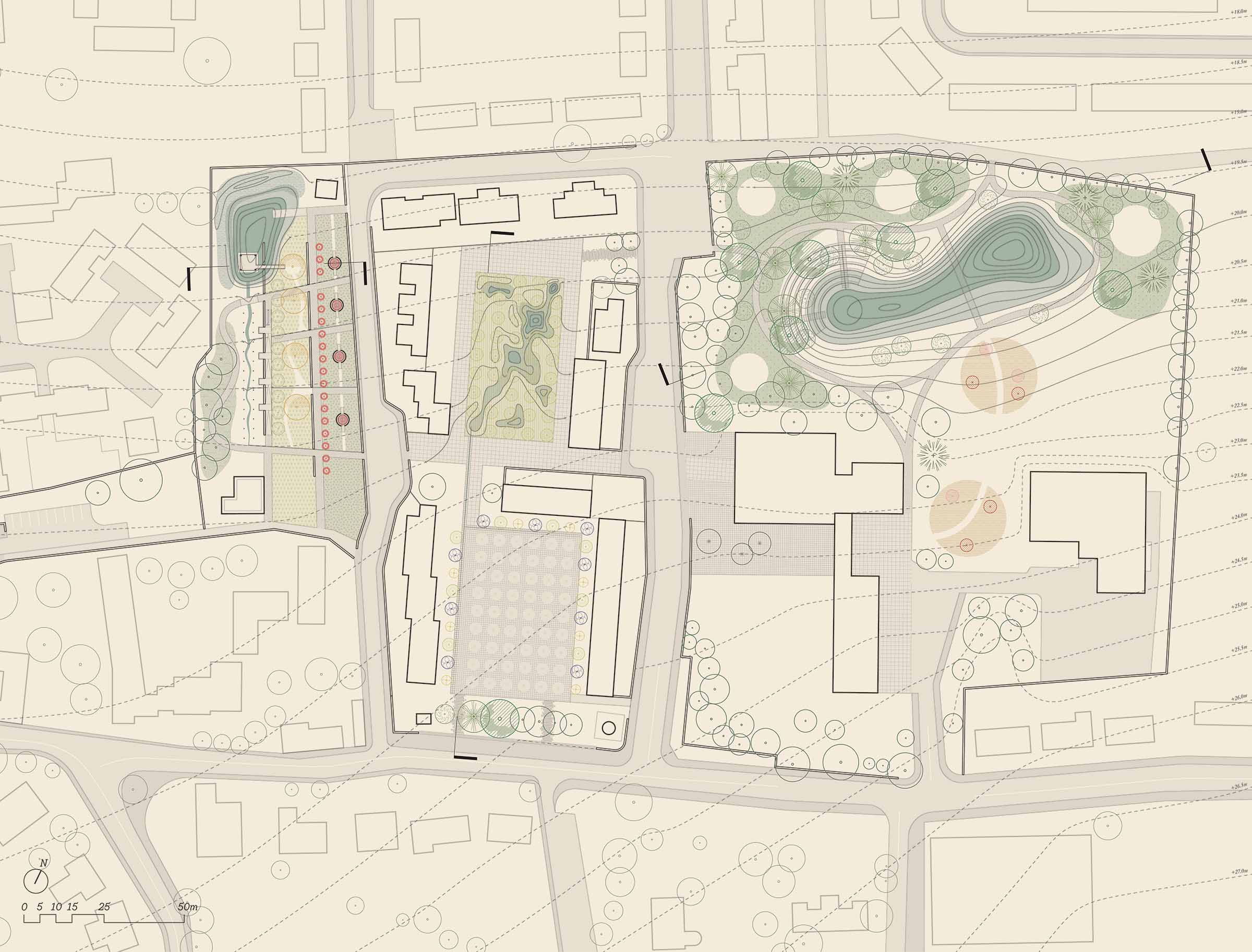
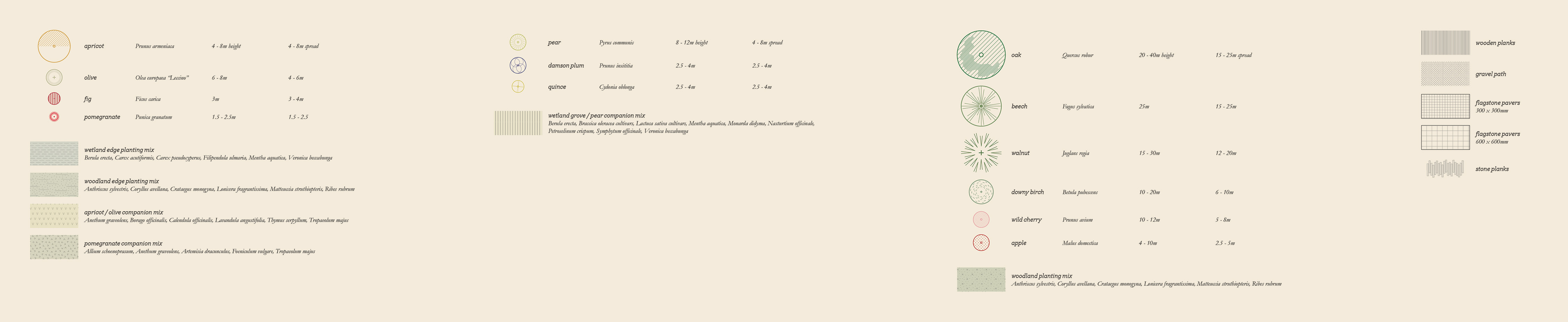
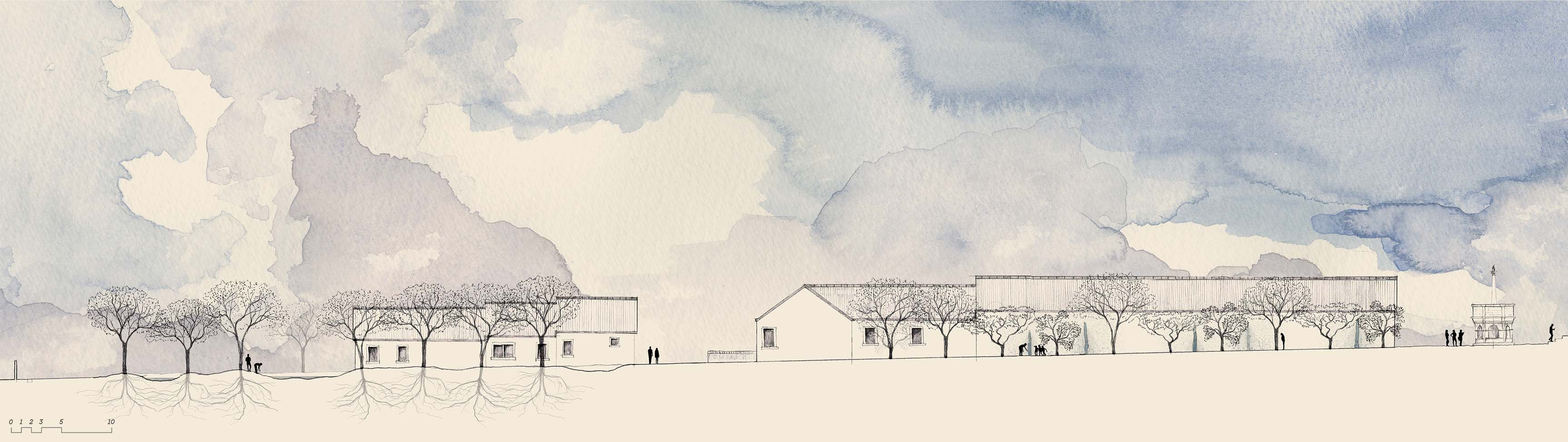
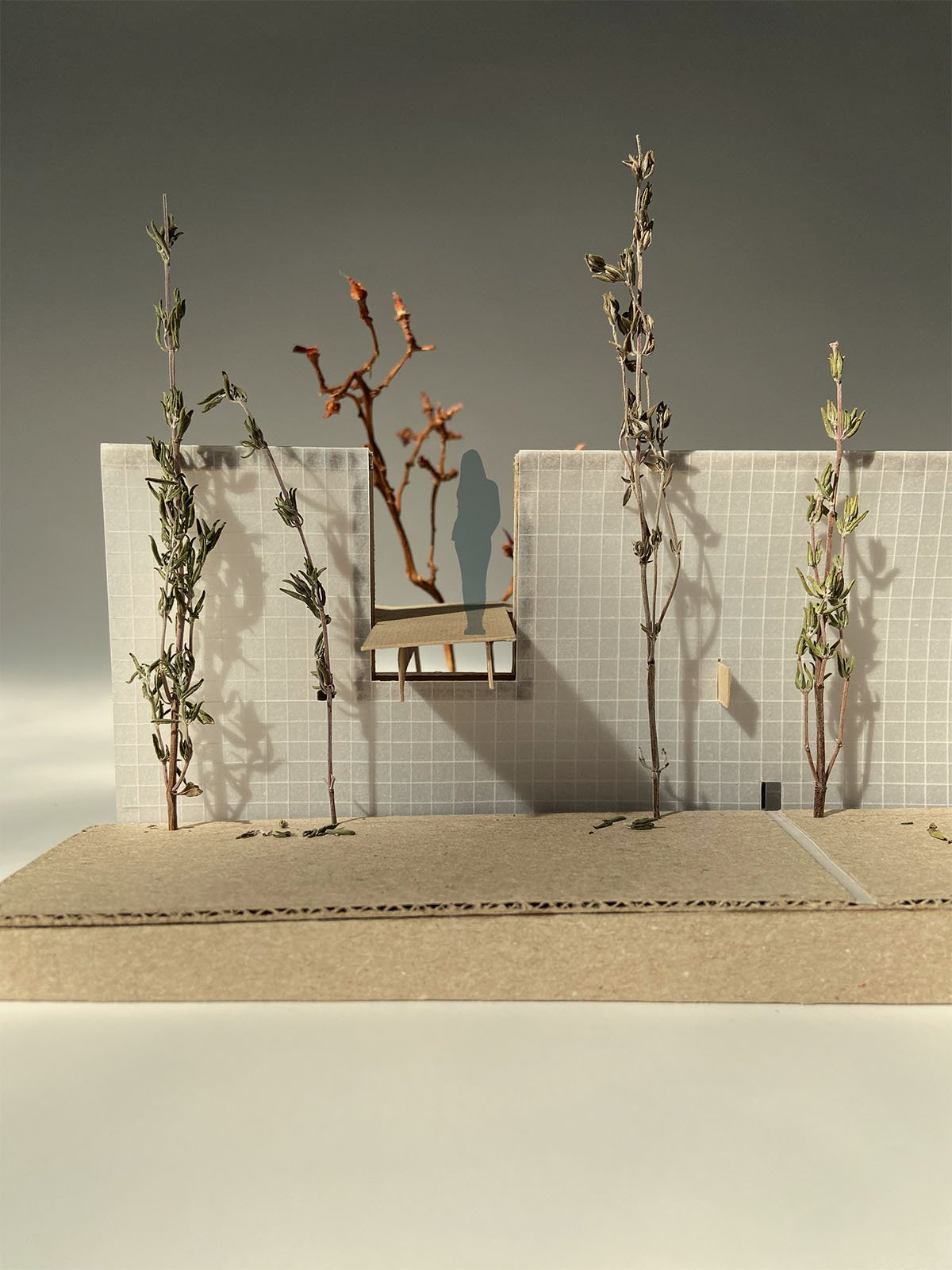
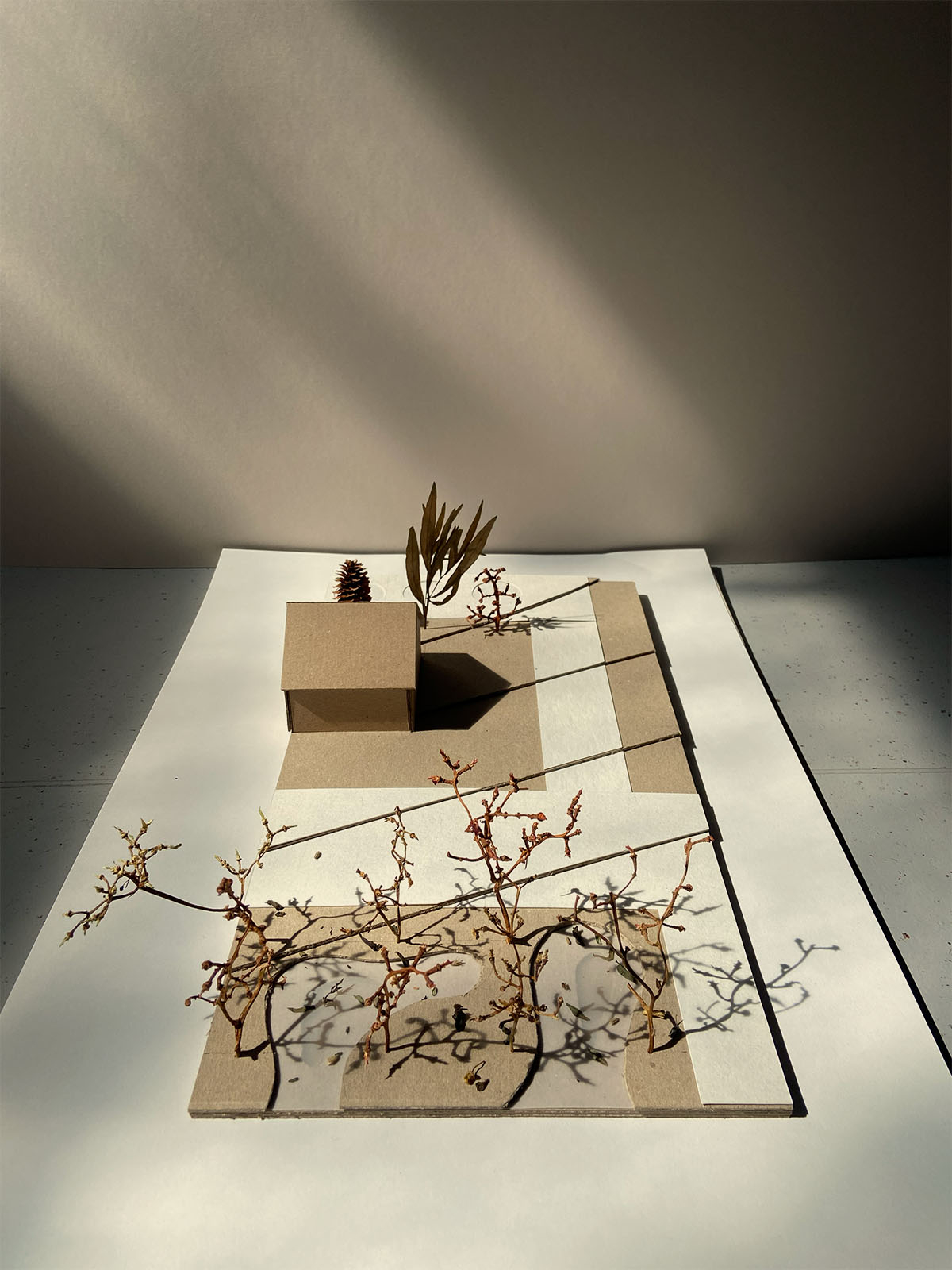
Prestonpans, a town with a past history of market gardening, becomes a site of speculation through an imagined initiative, Fruitful Futures, which transforms the town into an edible landscape through the planting of food-producing trees across gardens, public greens, and streets. Enclosed gardens offer refuge; public greens invite collective engagement; and roadside verges form connective ecological networks. Through these layers, productive trees are reimagined not as passive landscape elements or as extractive resources, but as citizens of equal importance within the urban environment.