
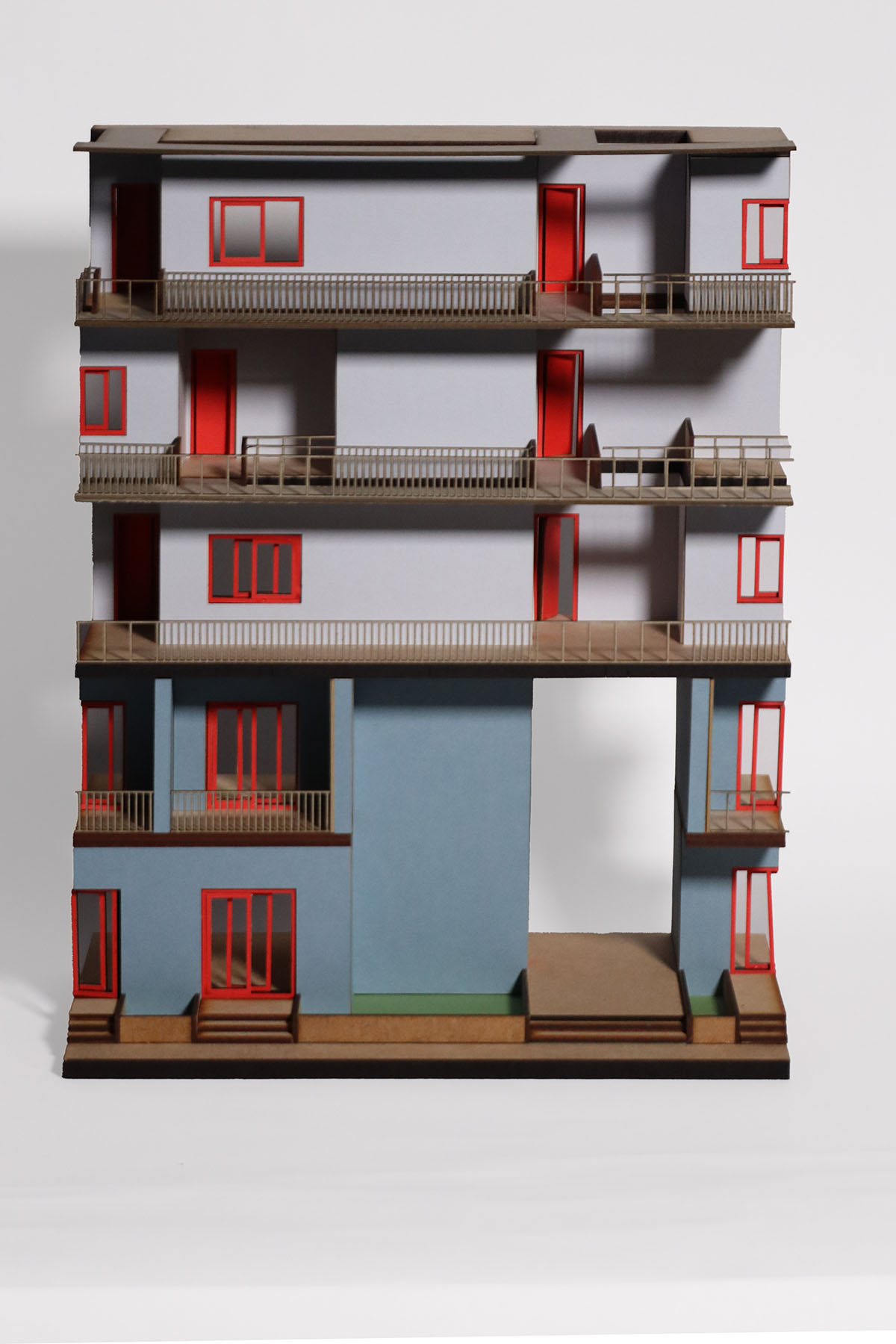
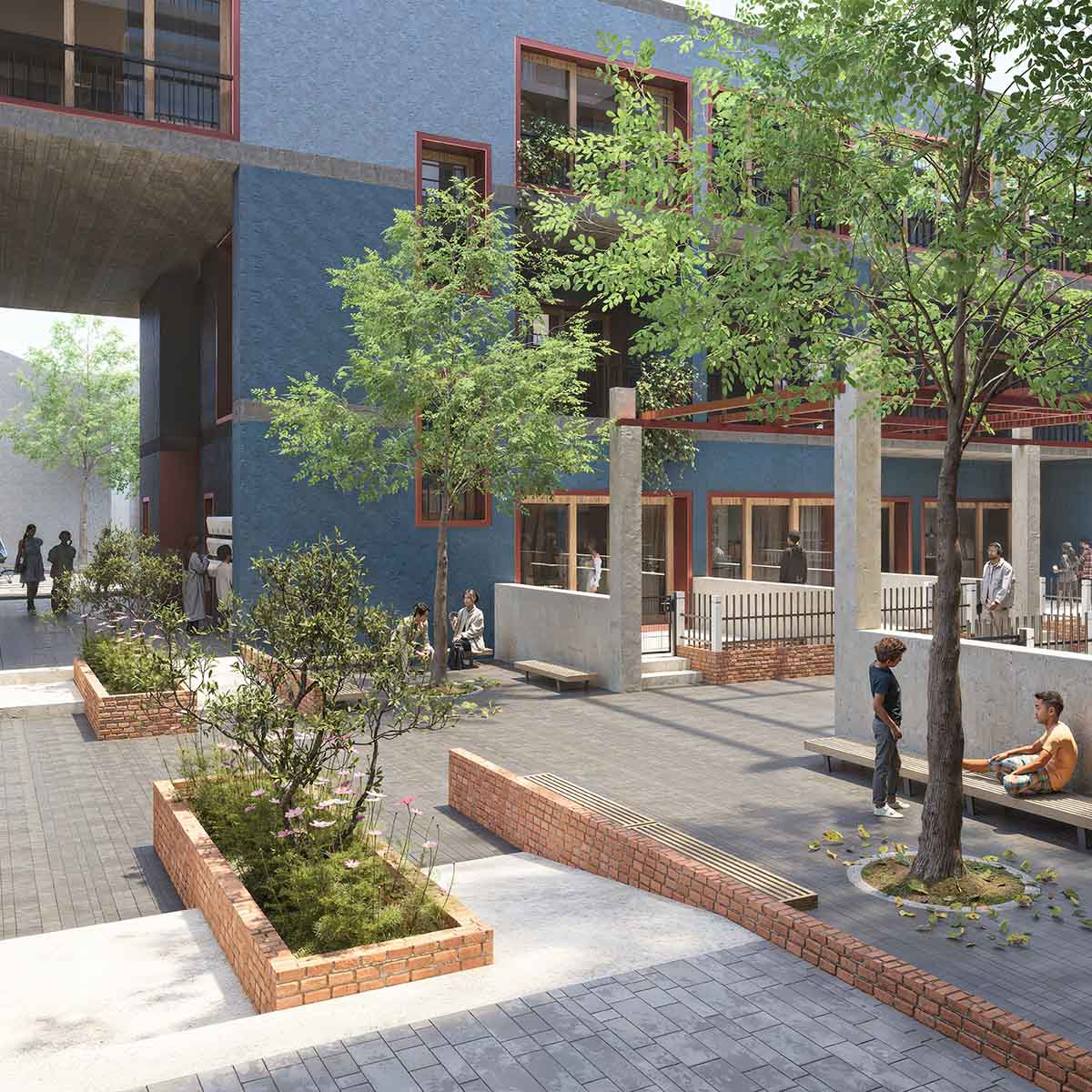
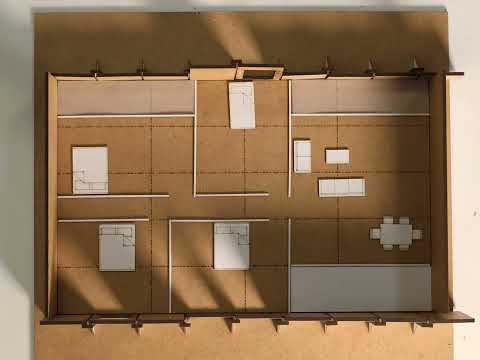
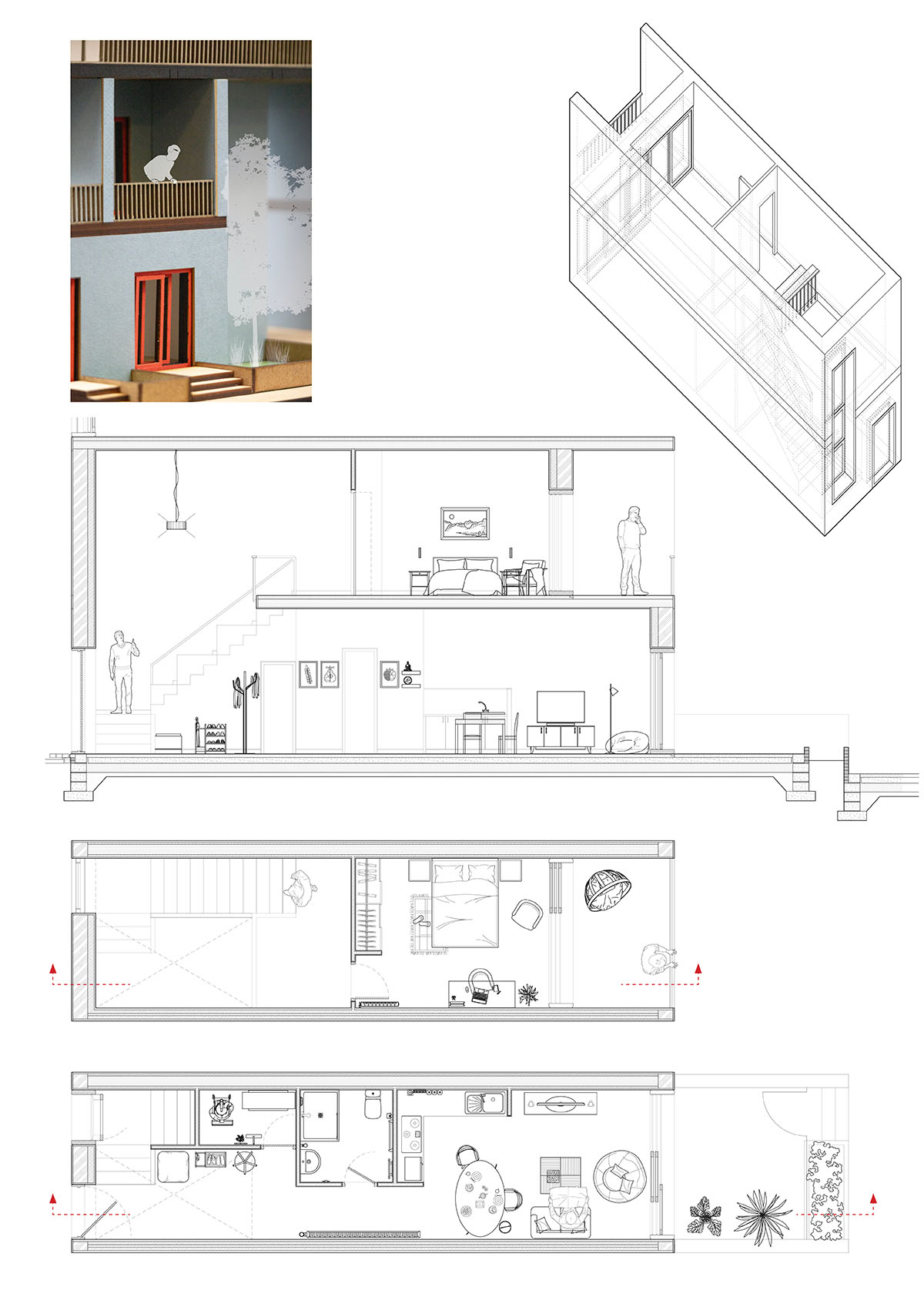
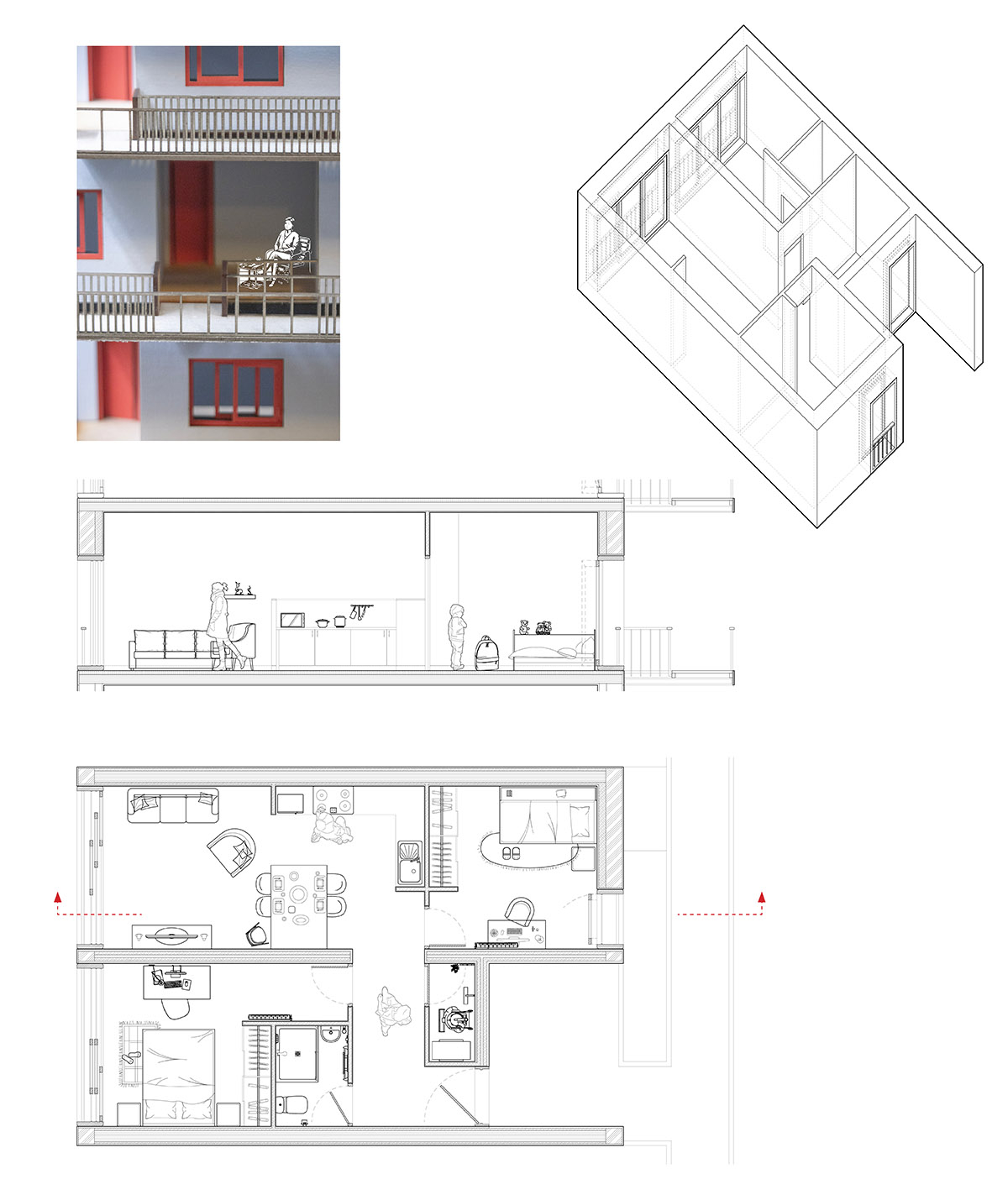
This project proposes a dense social housing development in Leith, Edinburgh, comprising 54 dwelling units organised through a continuous network of shared circulation and thresholds. It repositions housing not as isolated units but as a system of relationships, where decks, lobbies, and communal spaces act as sites of repeated contact. Through proximity and everyday use, these encounters accumulate into familiarity, forming the basis of neighbourhood life. The project embeds this logic across scales from urban connections to apartment planning using shared infrastructure and layered thresholds to enable collective living while maintaining individual privacy. It is an architecture structured around the gradual making of social bonds.


Rohanth Badiganti
Commoning : Architecture of Familiarity
Follow:
Project description
Leith, Edinburgh
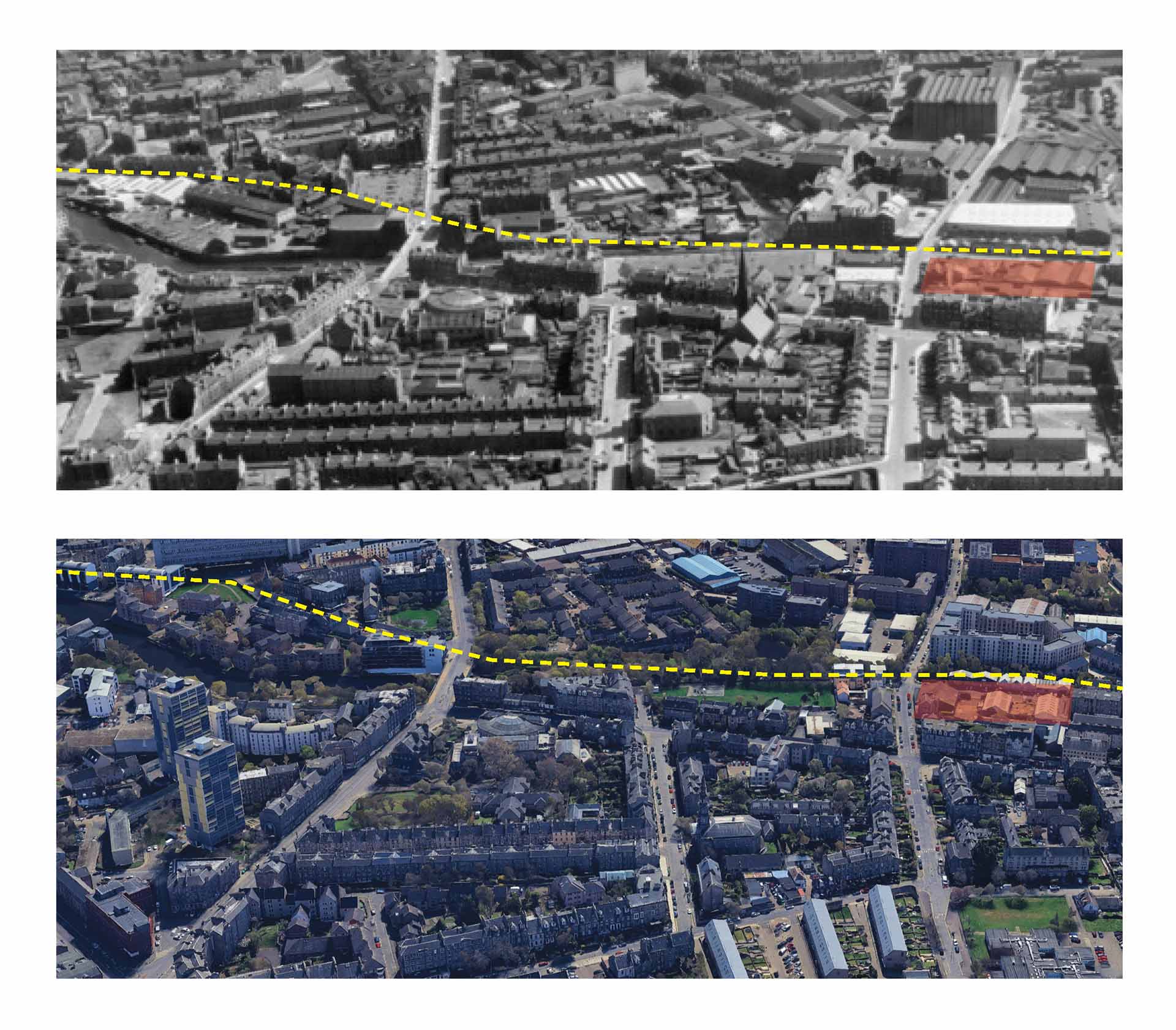
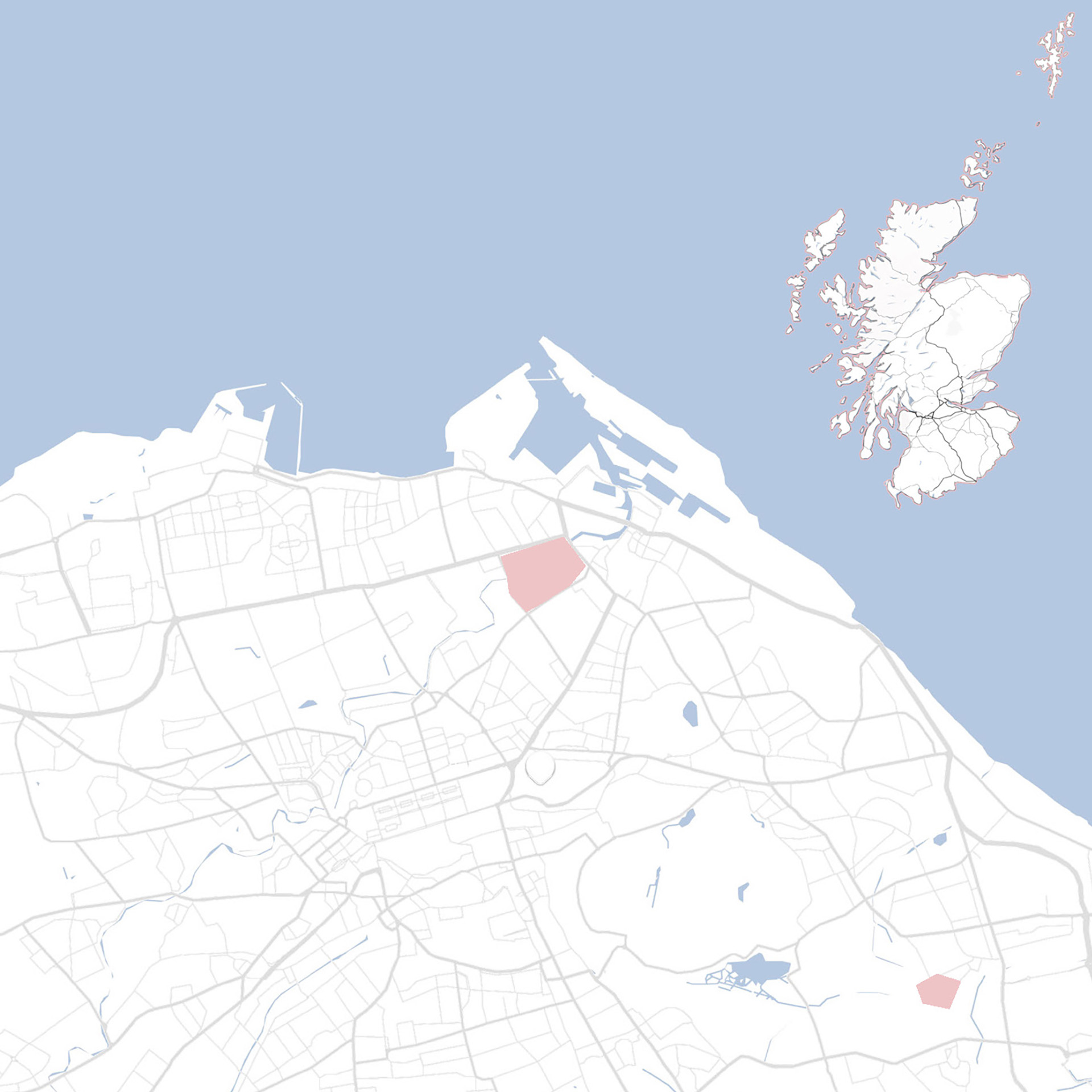
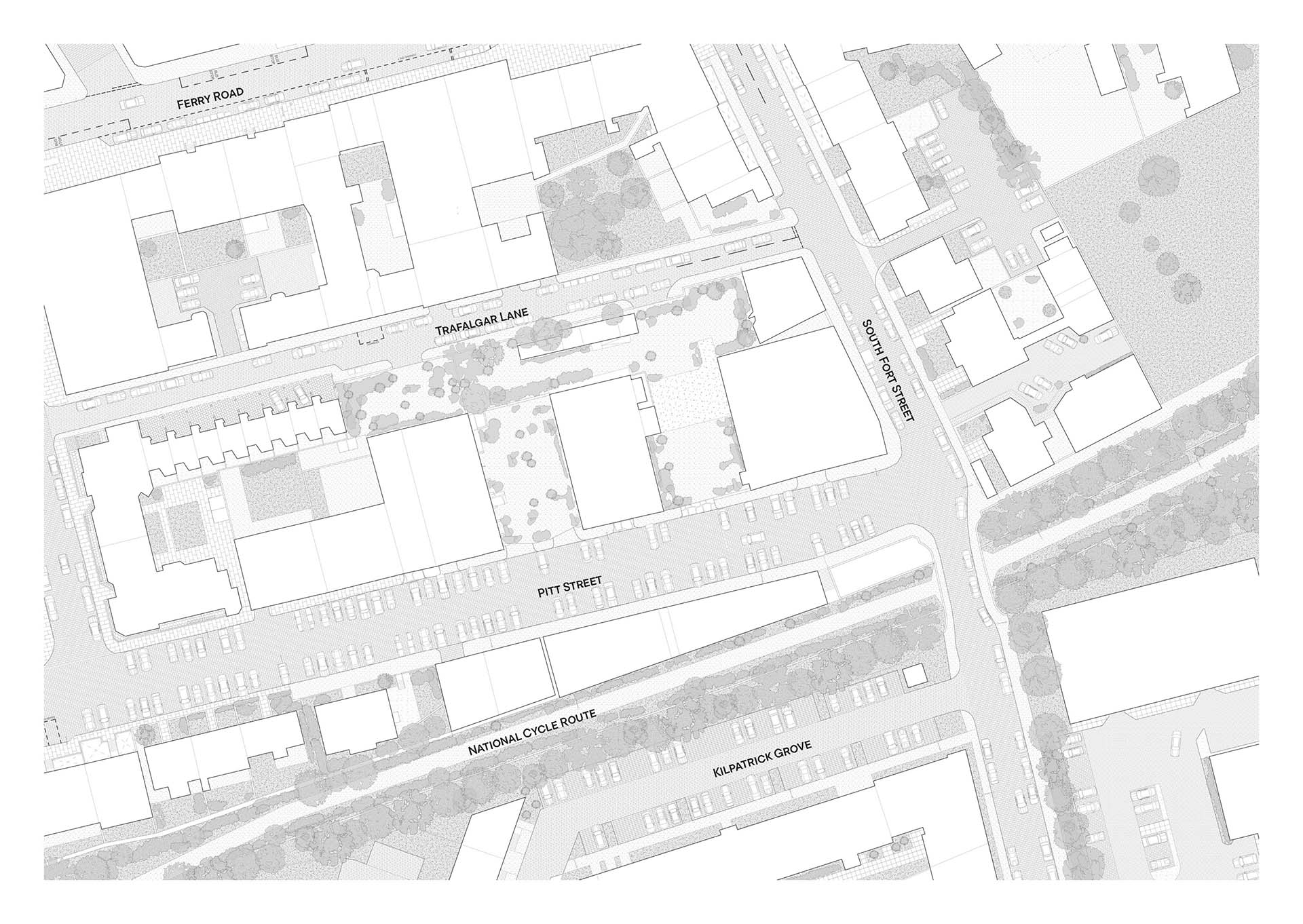
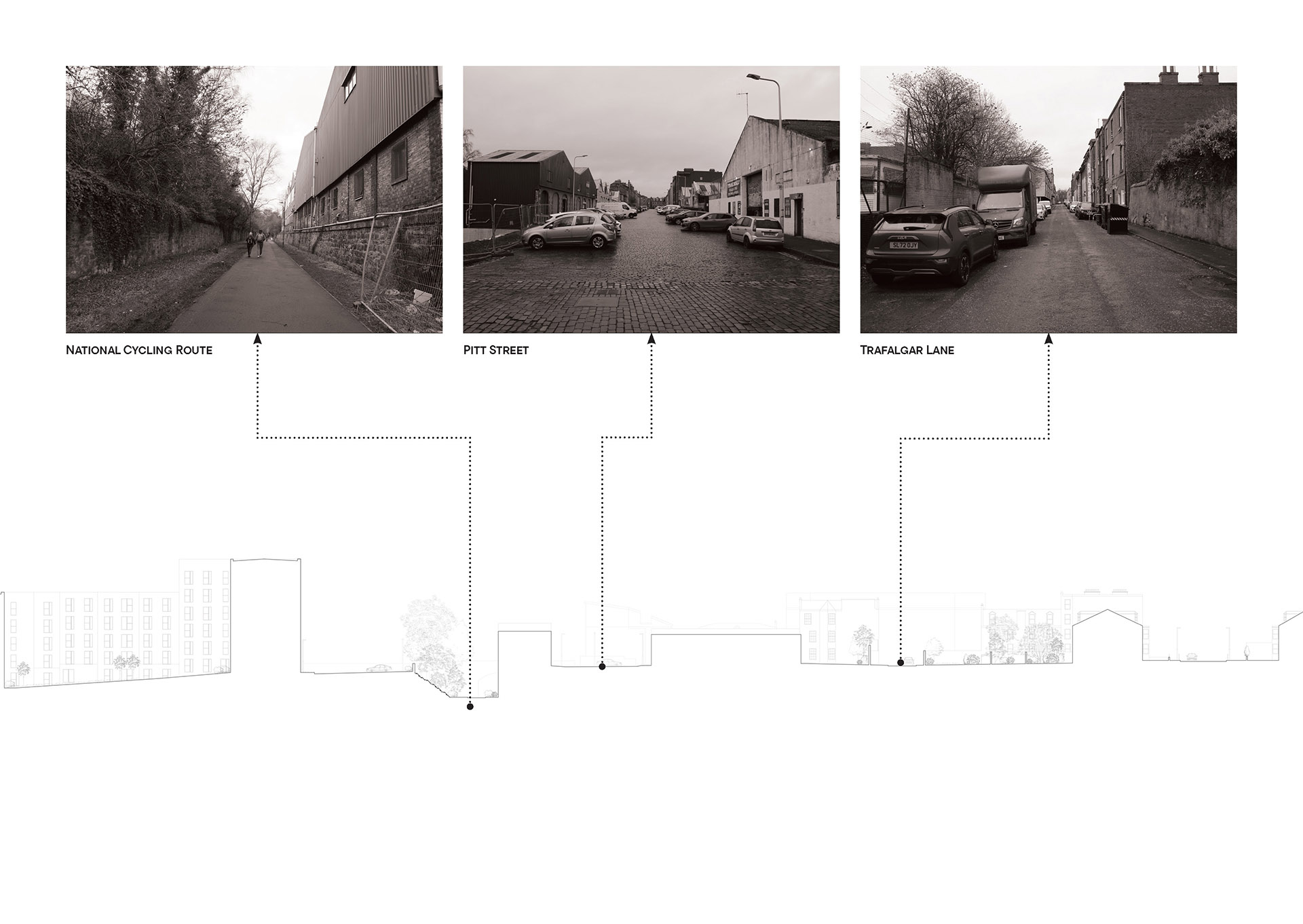
Leith is shaped by its industrial and maritime history, with Pitt Street reflecting a legacy of warehouses, yards, and working infrastructure. The area retains a strong grain of production and exchange, historically tied to the port. Until 2021, a local market operated nearby, reinforcing this culture of trade and everyday gathering. Running along the site, the former railway line decommissioned and converted into a cycle path in 1982—now acts as a linear public corridor, stitching the neighbourhood together. The project situates itself within this layered context of industry, movement, and informal social activity.


Massing in urban context
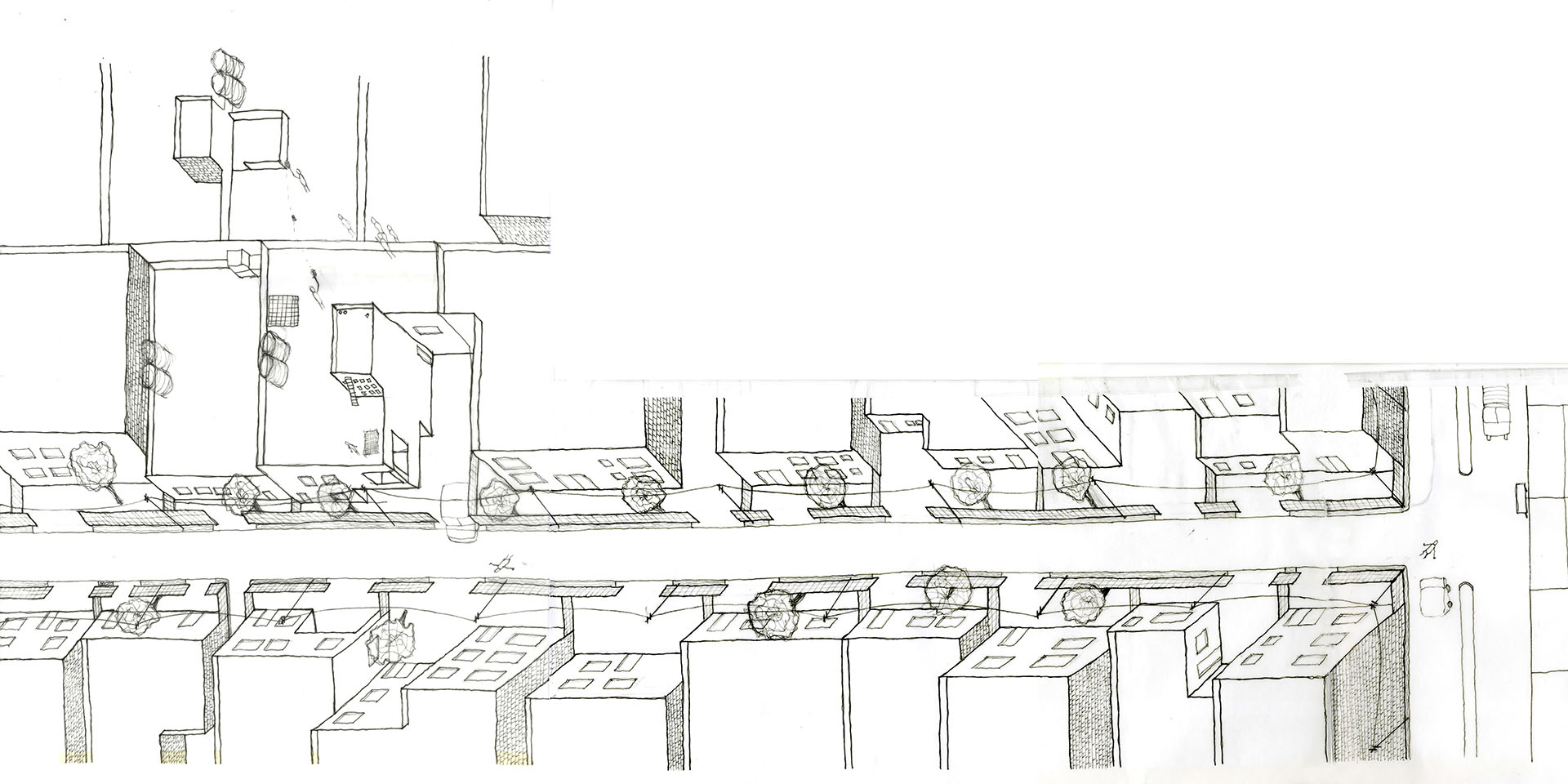
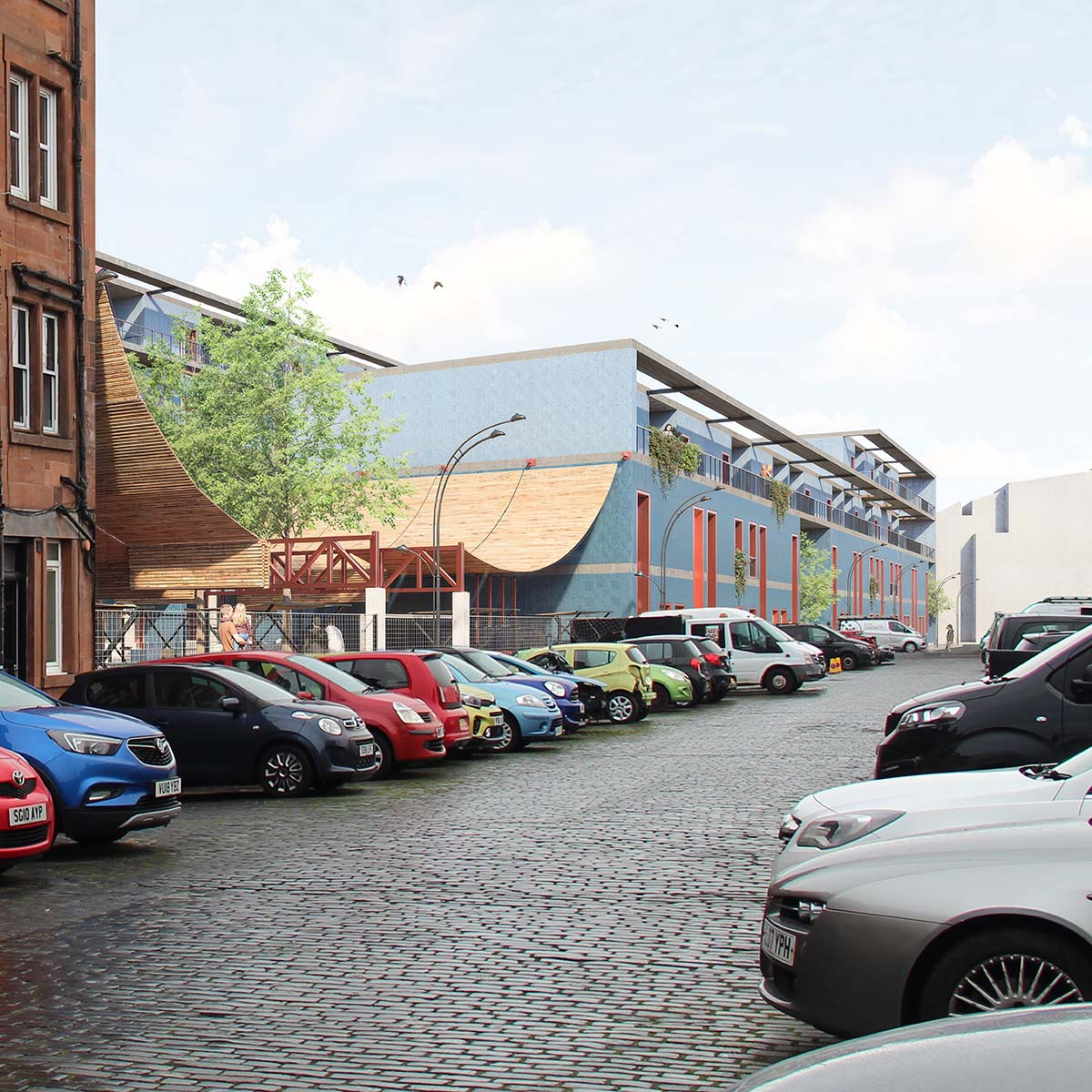
Simple volumetric units were deployed as a repeatable system, allowing rapid iteration of building heights, depths, and spacing while maintaining a consistent structural logic.These studies focus on how the proposal negotiates its edges establishing continuity along the street while responding to the grain and mass of adjacent buildings. Variations in stacking and stepping test daylight penetration, enclosure of the courtyard, and transitions between public and private domains. Through this process, the project shifts from abstract massing to a controlled system of aggregation, where individual units collectively define urban form. The final configuration balances continuity and variation, reinforcing the street edge while shaping a legible and contained internal landscape.


Negotiating street edge



Inciting accidental encounters
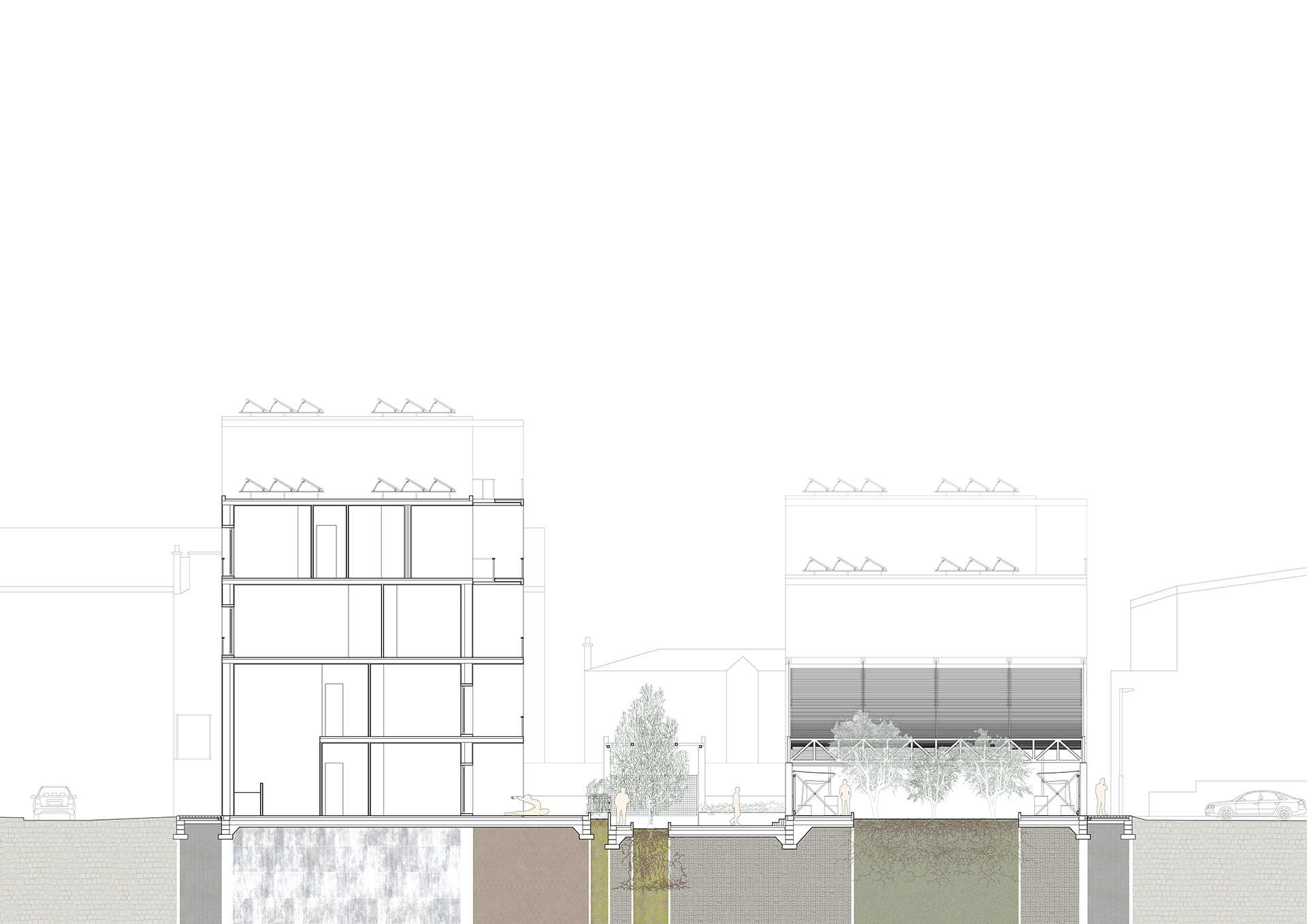
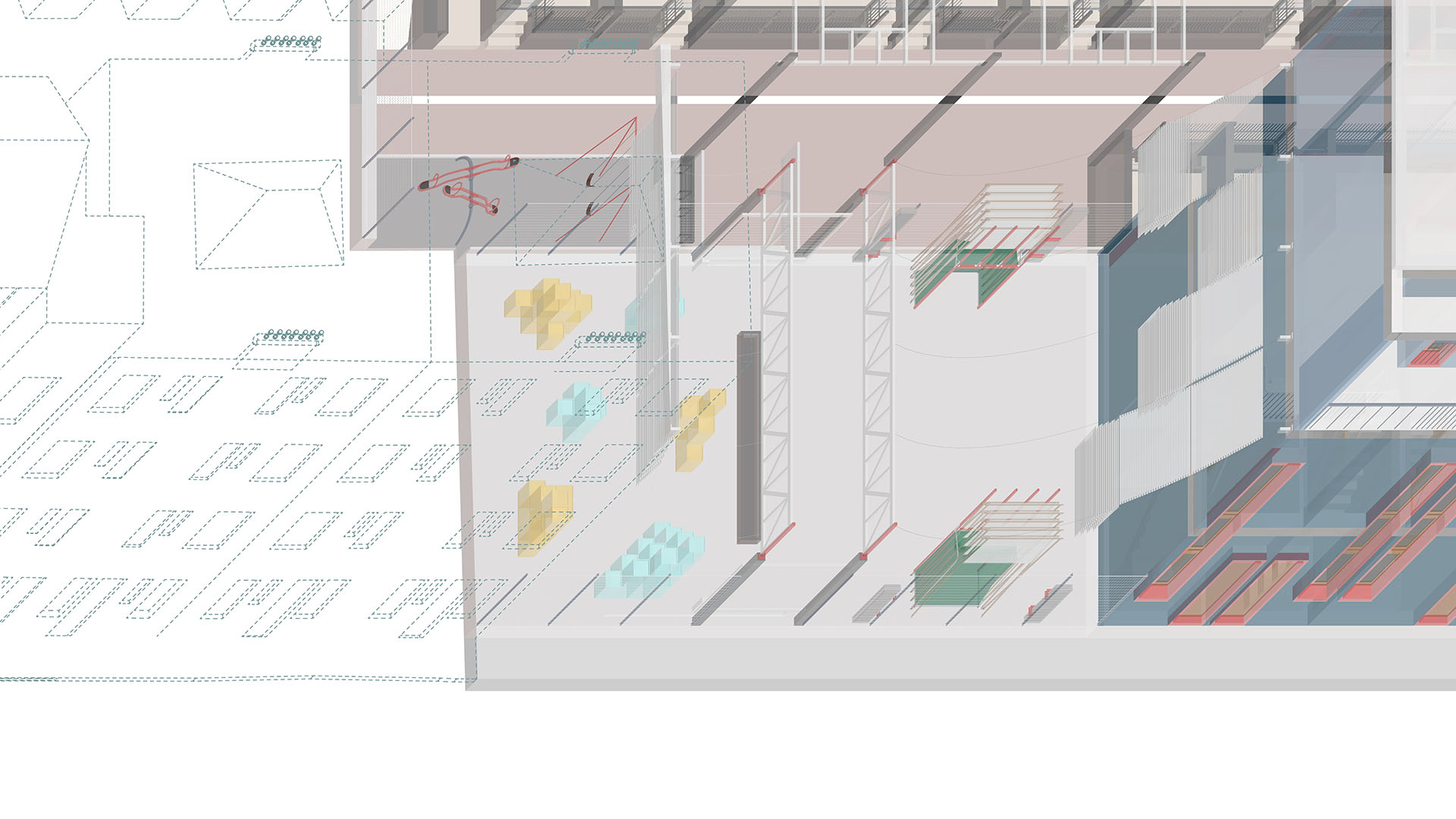
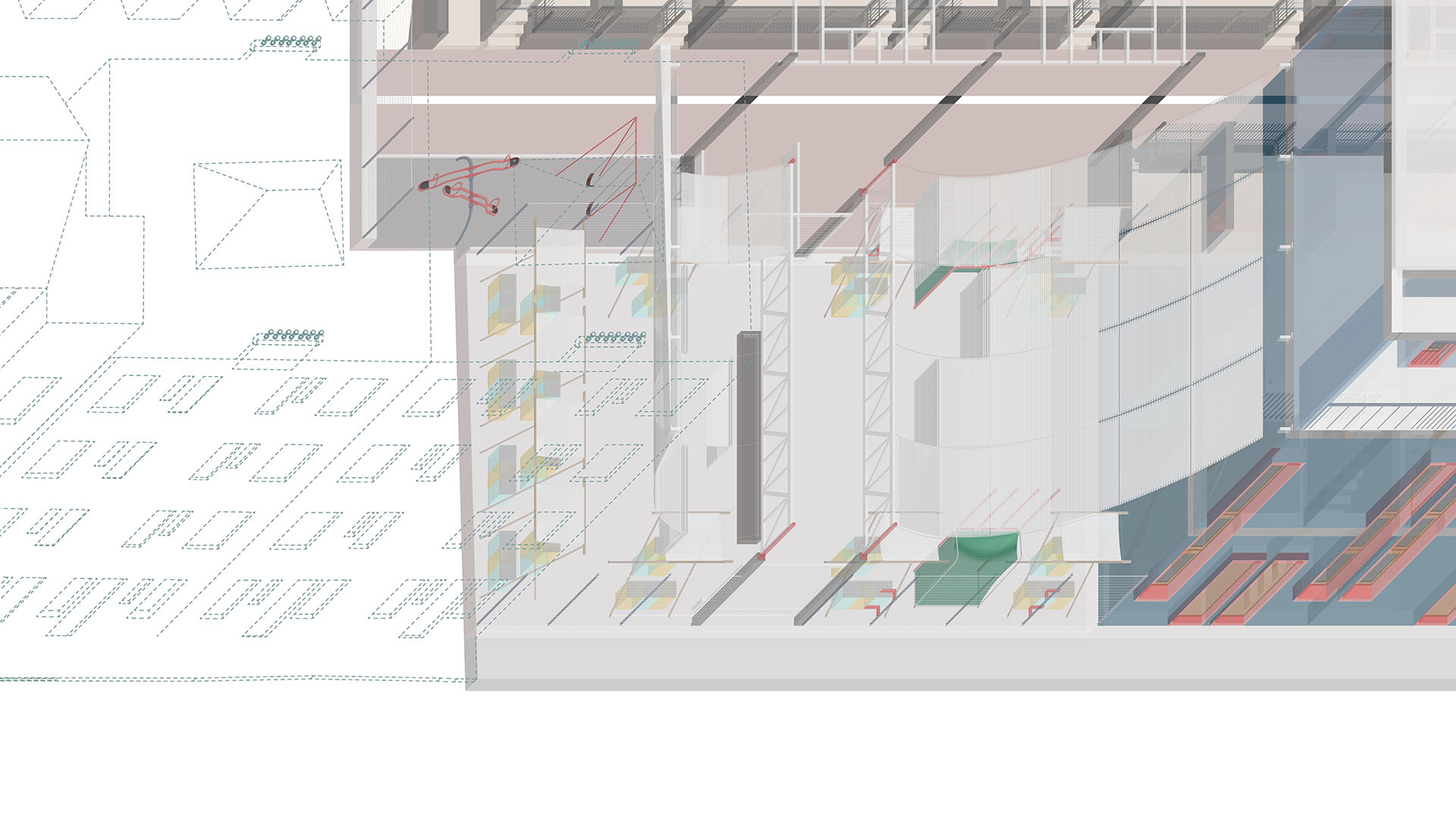
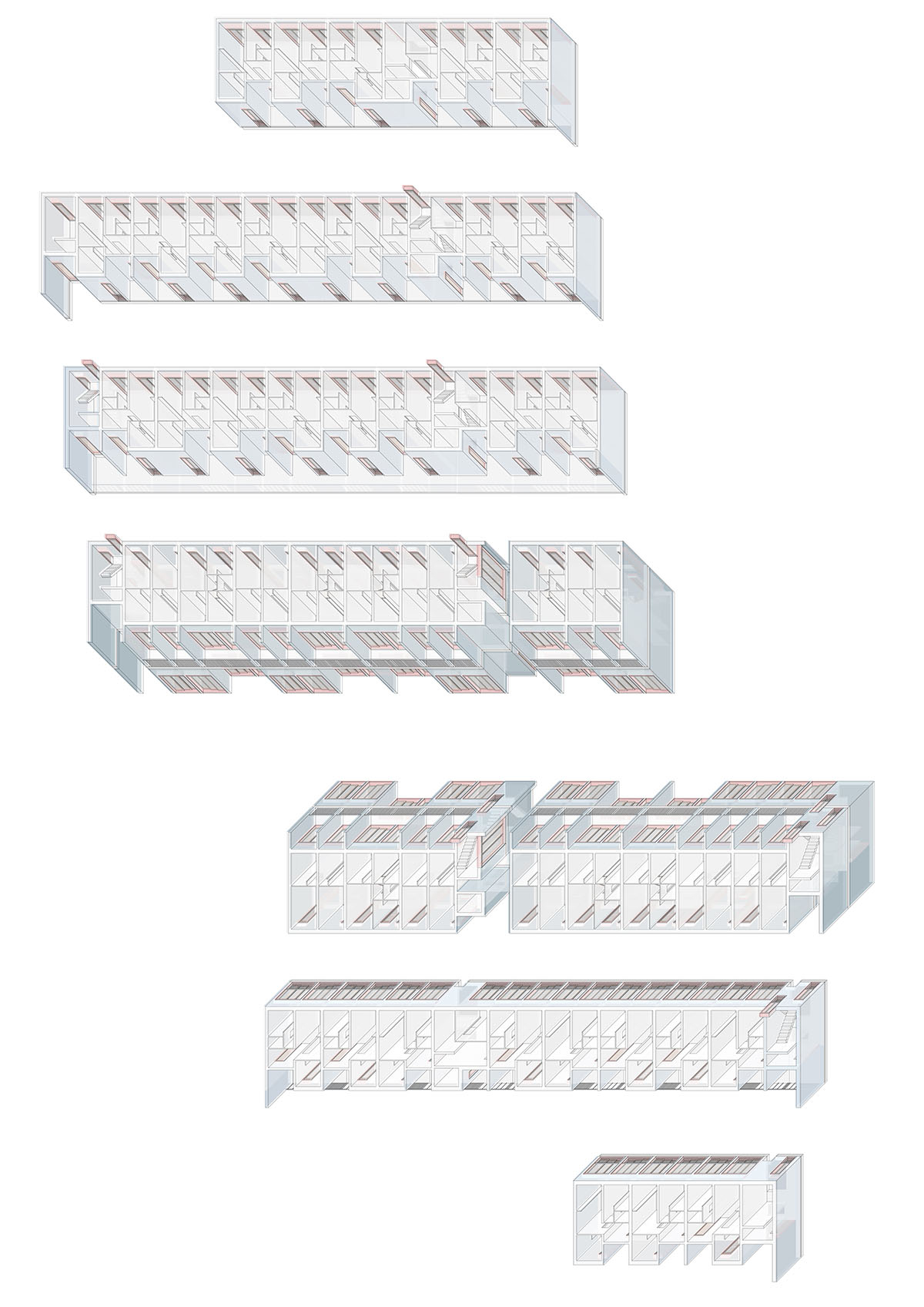
Circulation is redefined as a continuous system rather than a series of isolated access points. Vertical and horizontal movement are integrated to form a network of shared thresholds—decks, stairs, and intermediate spaces—that extend across the length of the building. These elements are not simply routes of access but spatial opportunities for interaction, visibility, and occupation. The shift from discrete cores to a connected framework transforms circulation into a social structure. It enables a broader “web of connections” across the building, supporting a more collective mode of living where encounters are not limited, but distributed.

Human Scale

Share: