Dariia: the live build

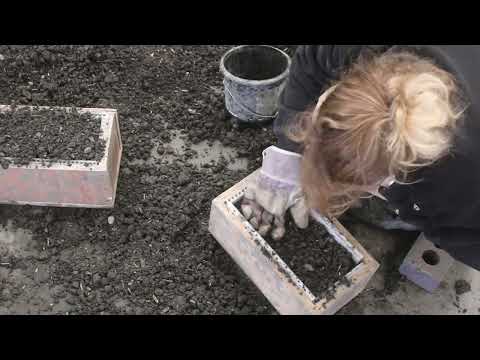
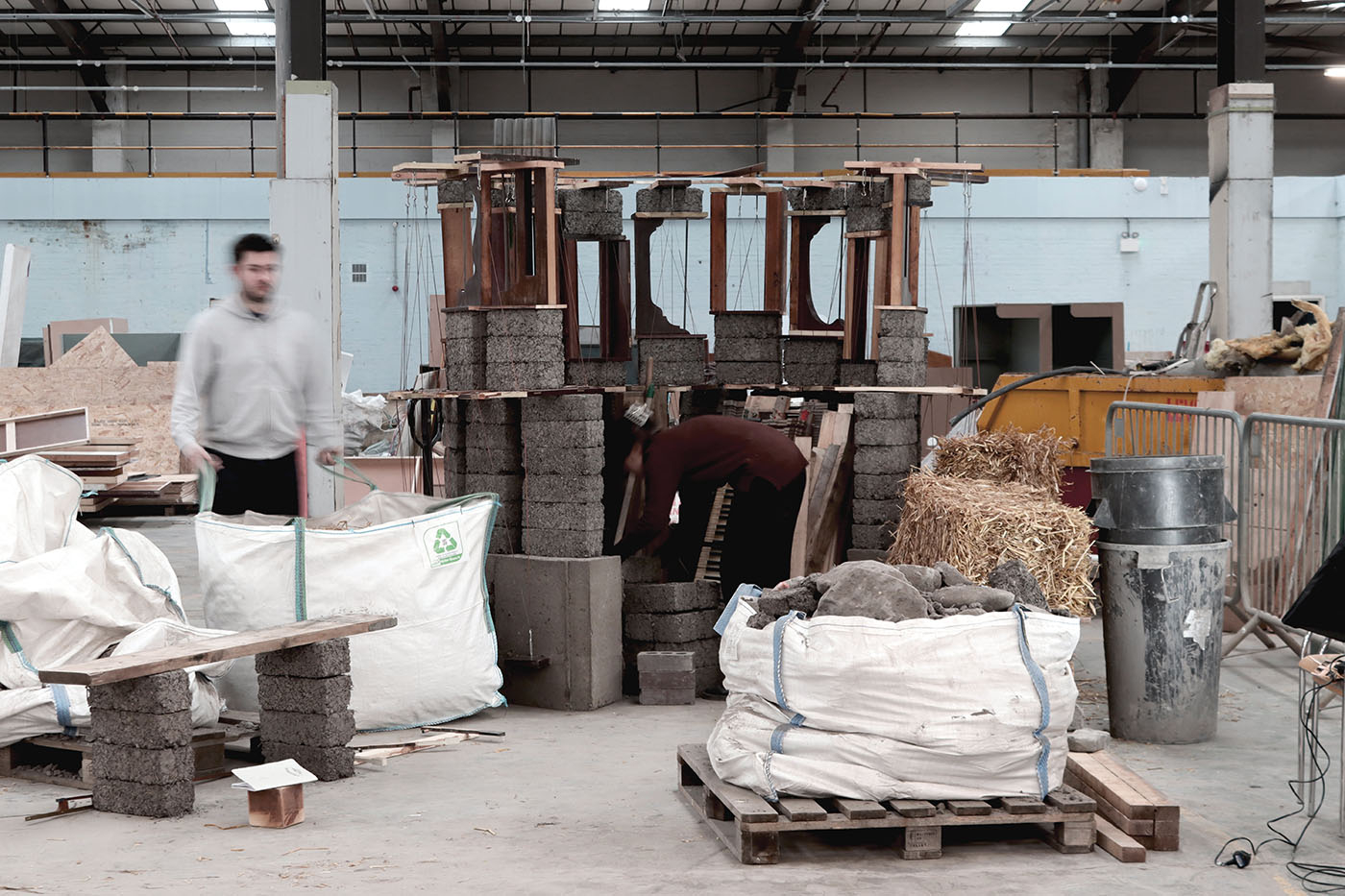
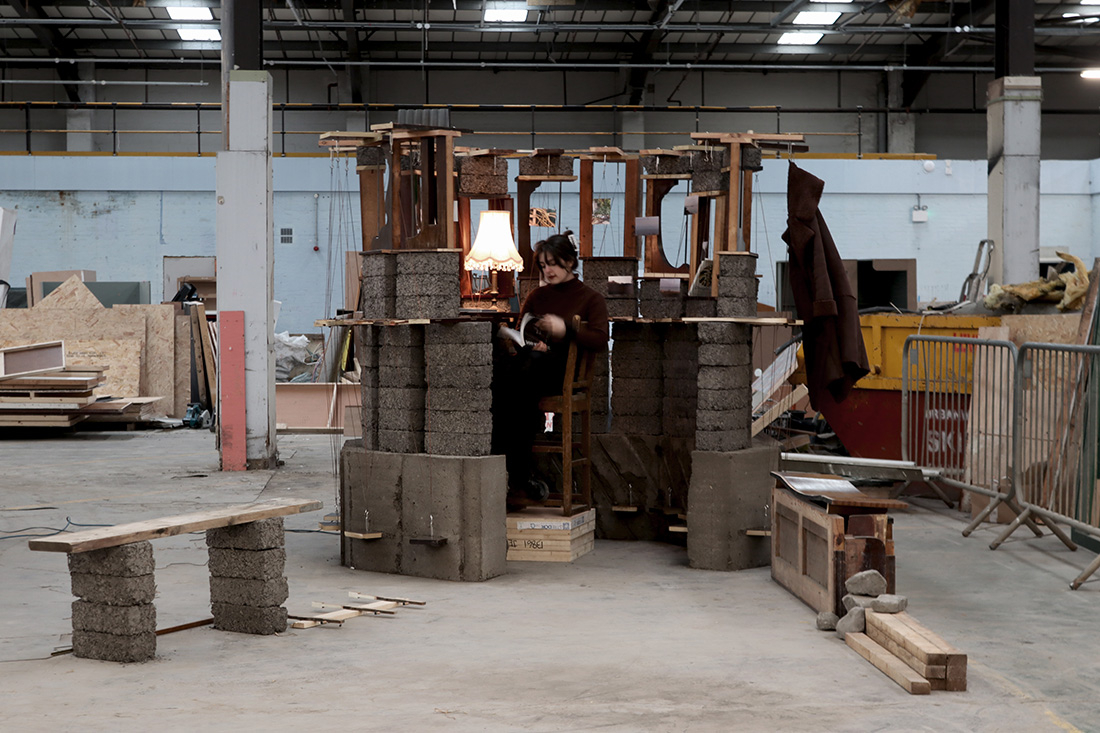
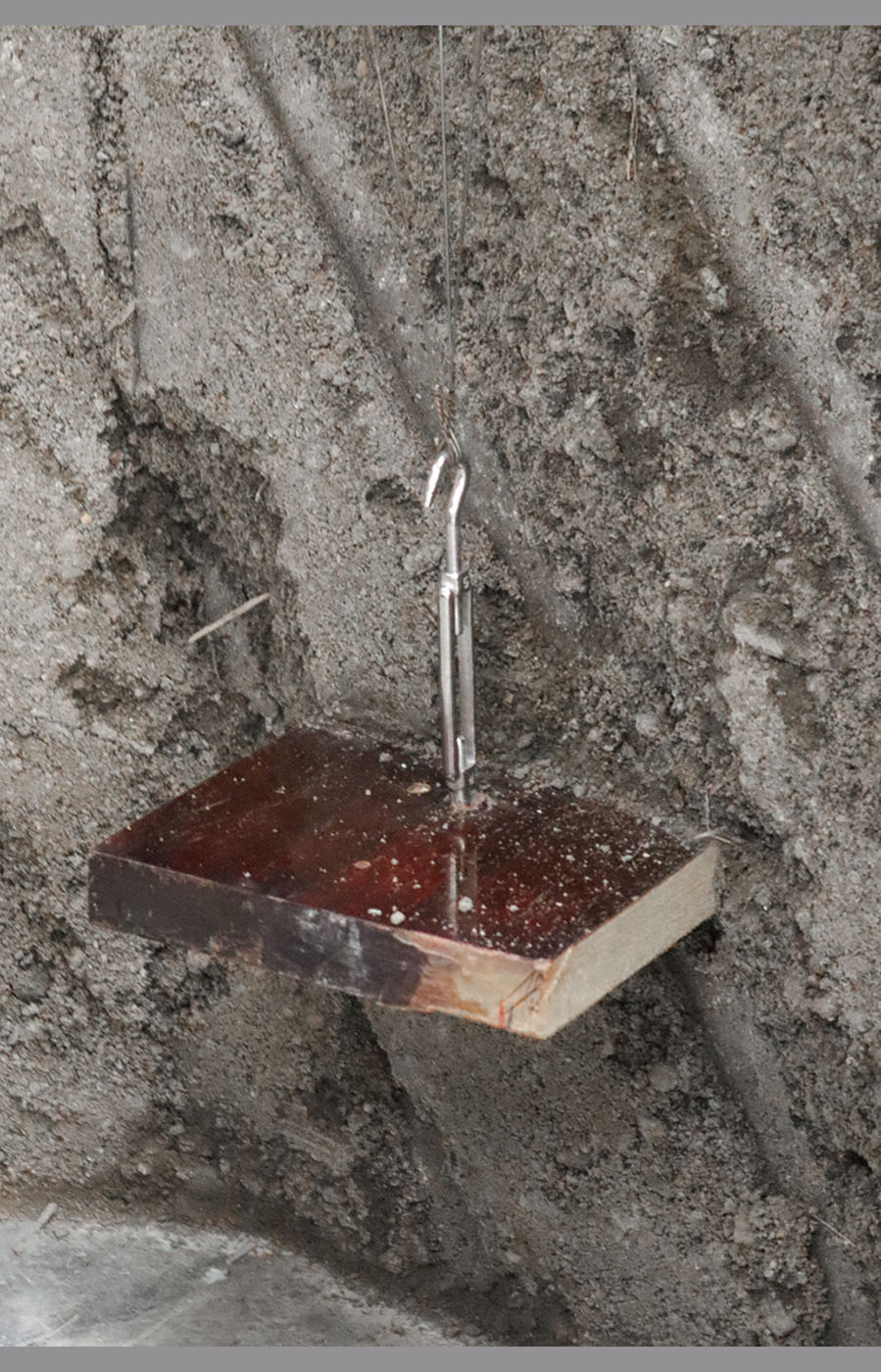
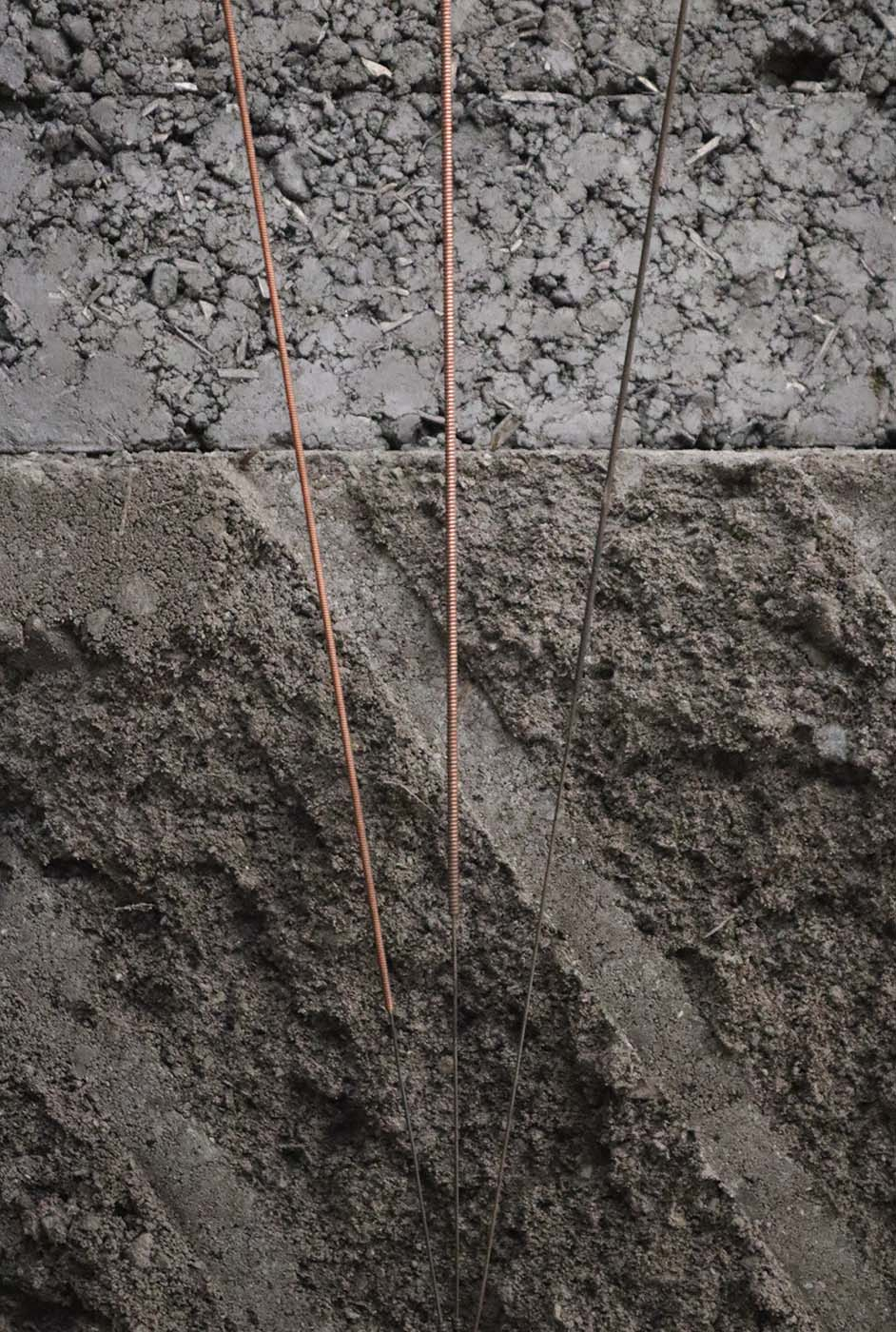
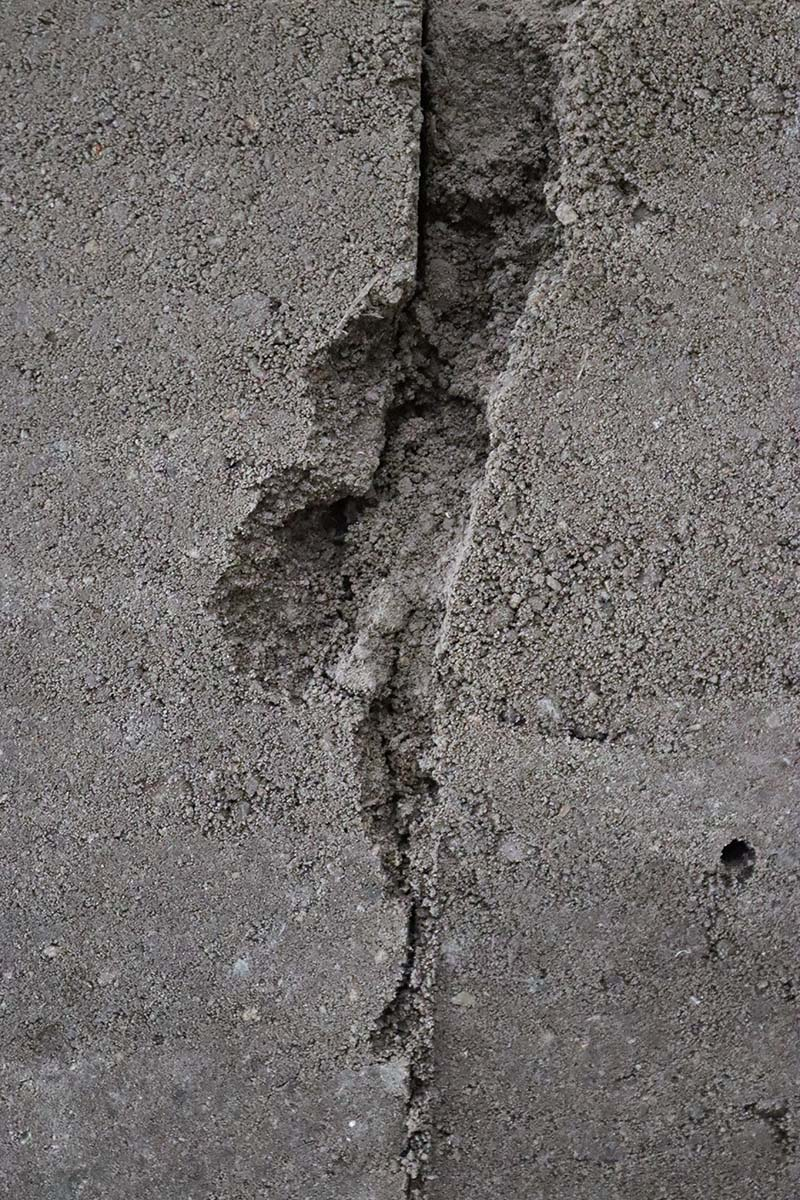
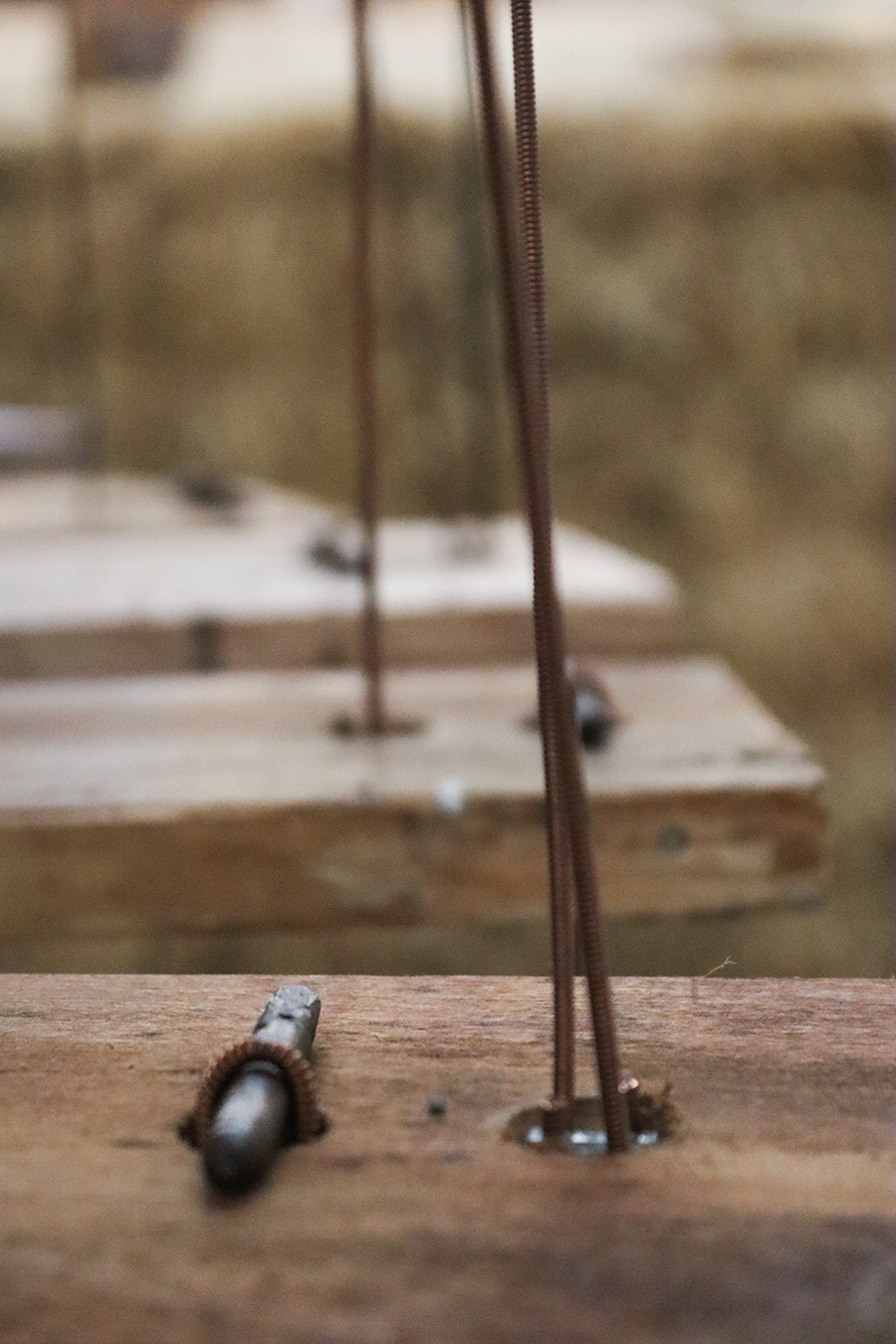
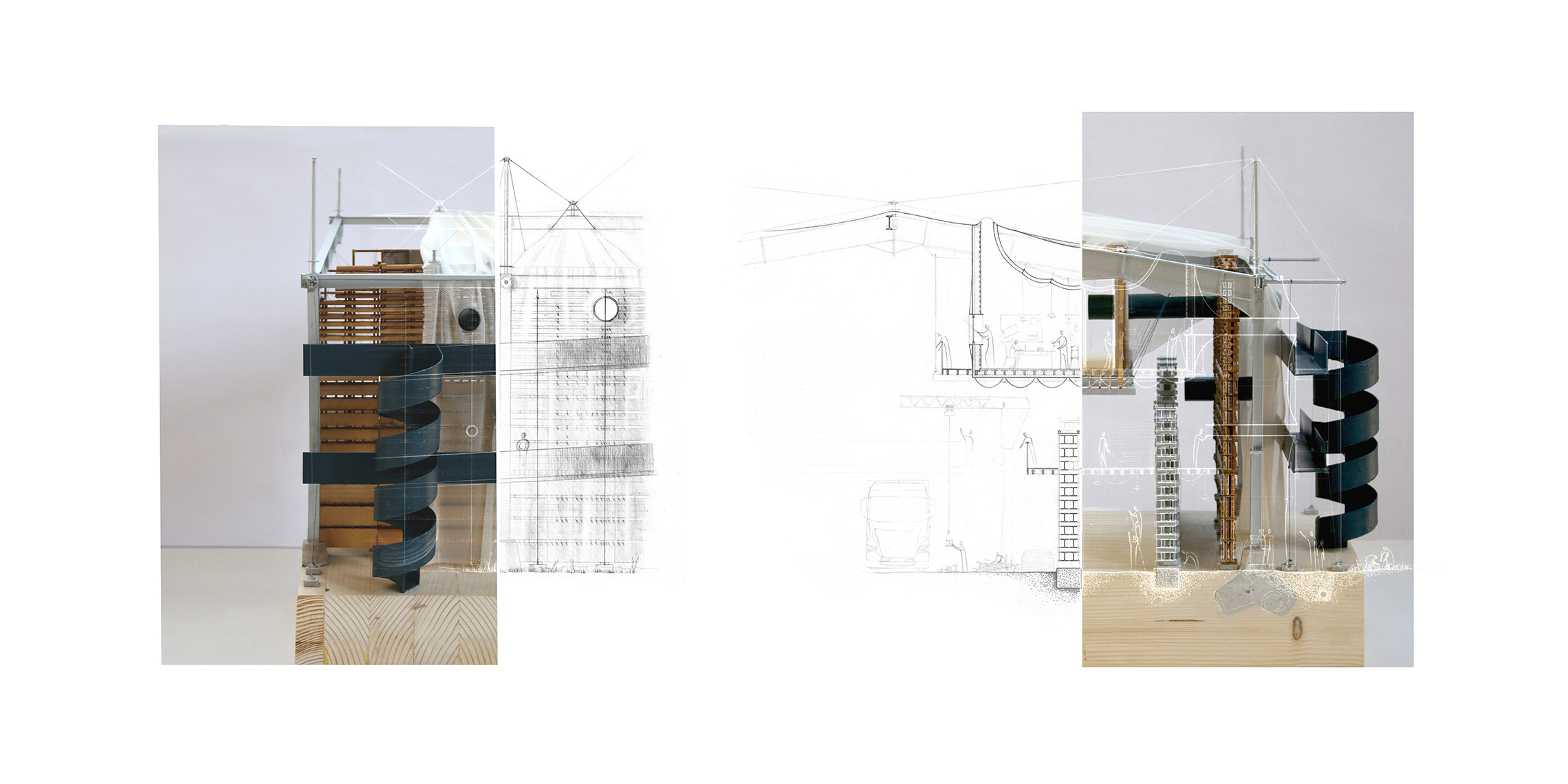
Radical Harvest Studio opened up an exploration of earth construction techniques, where hands-on material experimentation was central to the process. Collaborative work allowed these material discoveries and urban observations to evolve into an ambitious proposal. The live-build took around 400 hours to complete, with most materials sourced through reuse. The project highlighted the effort required to create architecture and the level of responsibility architects hold within this process. It also served as a method of design practice, where 1:1 scale prototyping was later expanded to address challenges at the urban scale. 

Credit: Nina Moisan & Finlay Stewart.

Dariia: the live-build
Proposal transforming over phytoremediation time, 1:200
STORED FUTURES

This thesis prototypes a remediation-and-reuse infrastructure in Granton, Edinburgh, where soil remediation and material recovery operate as a singular, timed process. While architecture can act as a pollutant, it can also be retooled to function otherwise under specific protocols. Through a series of projects in Granton - an area that retains the material memory of its industrial past - the thesis addresses asbestos, heavy metals, and organic pollutants embedded in the soil.

Rather than pursuing conventional remediation strategies, the project organises phytoremediation fields as long-term occupation buffers. It explores non-extractive architectural approaches shared between the local community across decades-long processes of recovery. A staged framework links the presence of contamination to occupation, defining when and how spaces can be safely used. These strategies extend beyond the Pitt Market site toward the city scale, where brownfields and construction sites are understood as a system of material flow and recovery.

Grounded in a survey of the materials released through the warehouse demolitions planned under the Granton Masterplan, the thesis treats deconstruction as a generator of programme, where available components determine and guide form and use. Observed practices of reuse and storage at the Pitt Market, where our live-build project was developed, shaped the design methodology and expanded its scale.

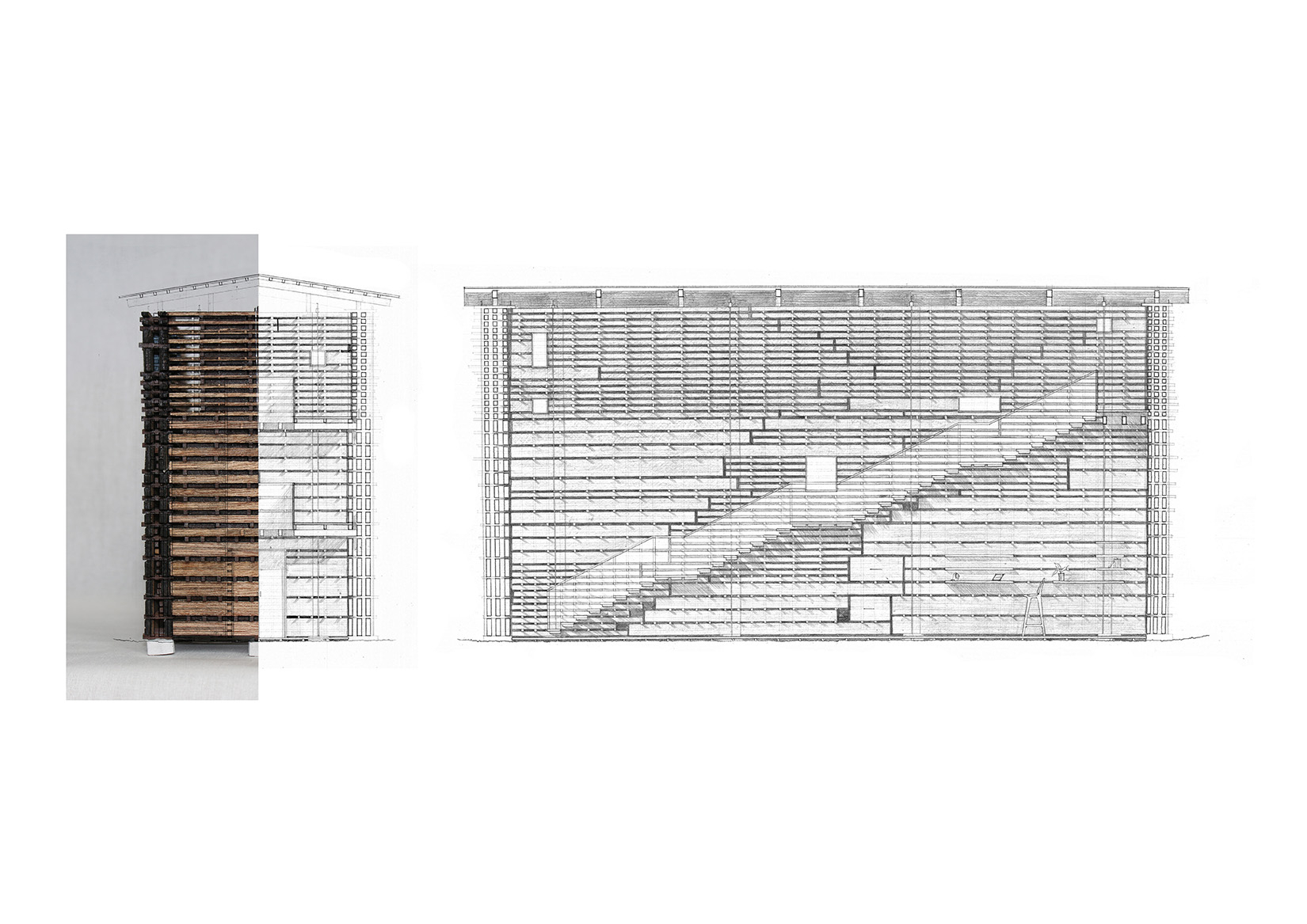
Architecture here takes the form of staged storage, where reclaimed materials are sorted, stacked, dismantled, and recomposed. The structure  is therefore not separate from storage, it emerges from it in phases, as material accumulates and the ground remediates. Together, these moves invert the supply chain: demolition becomes procurement, sorting becomes tectonic practice, and remediation sets the tempo of construction.

Tectonics of storage
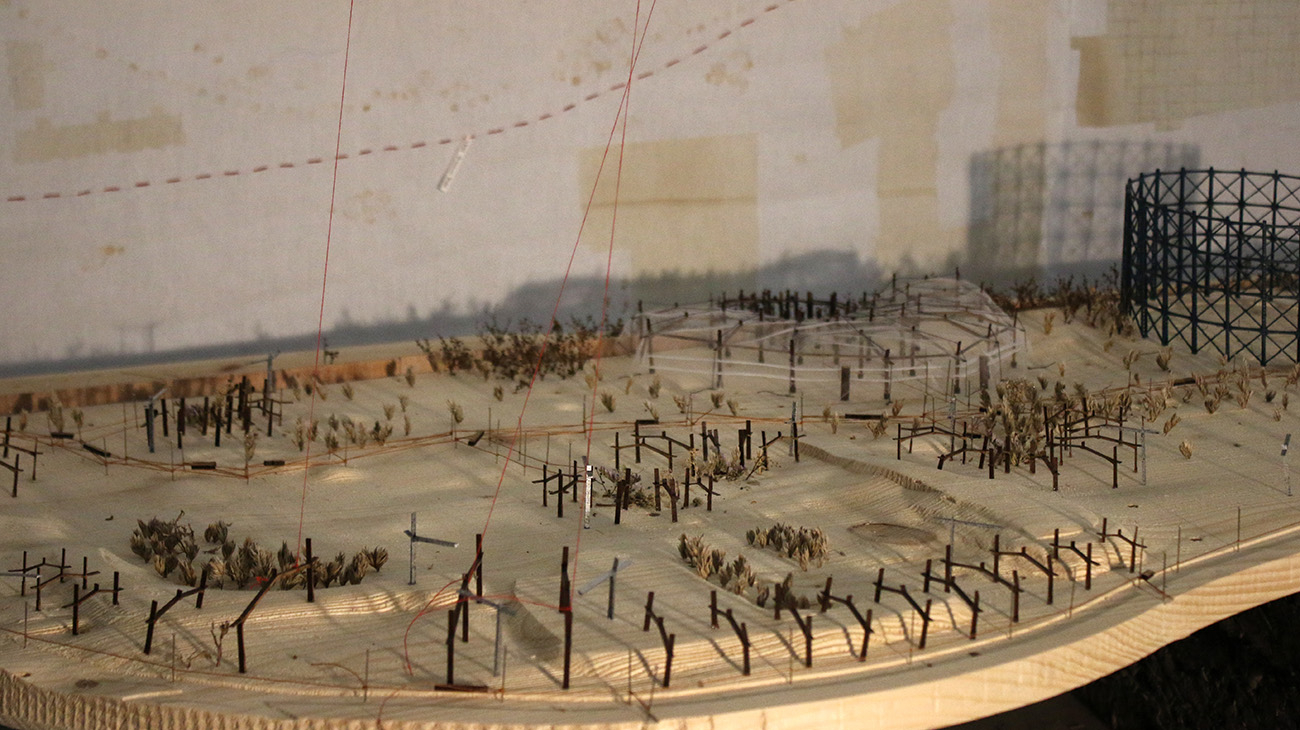
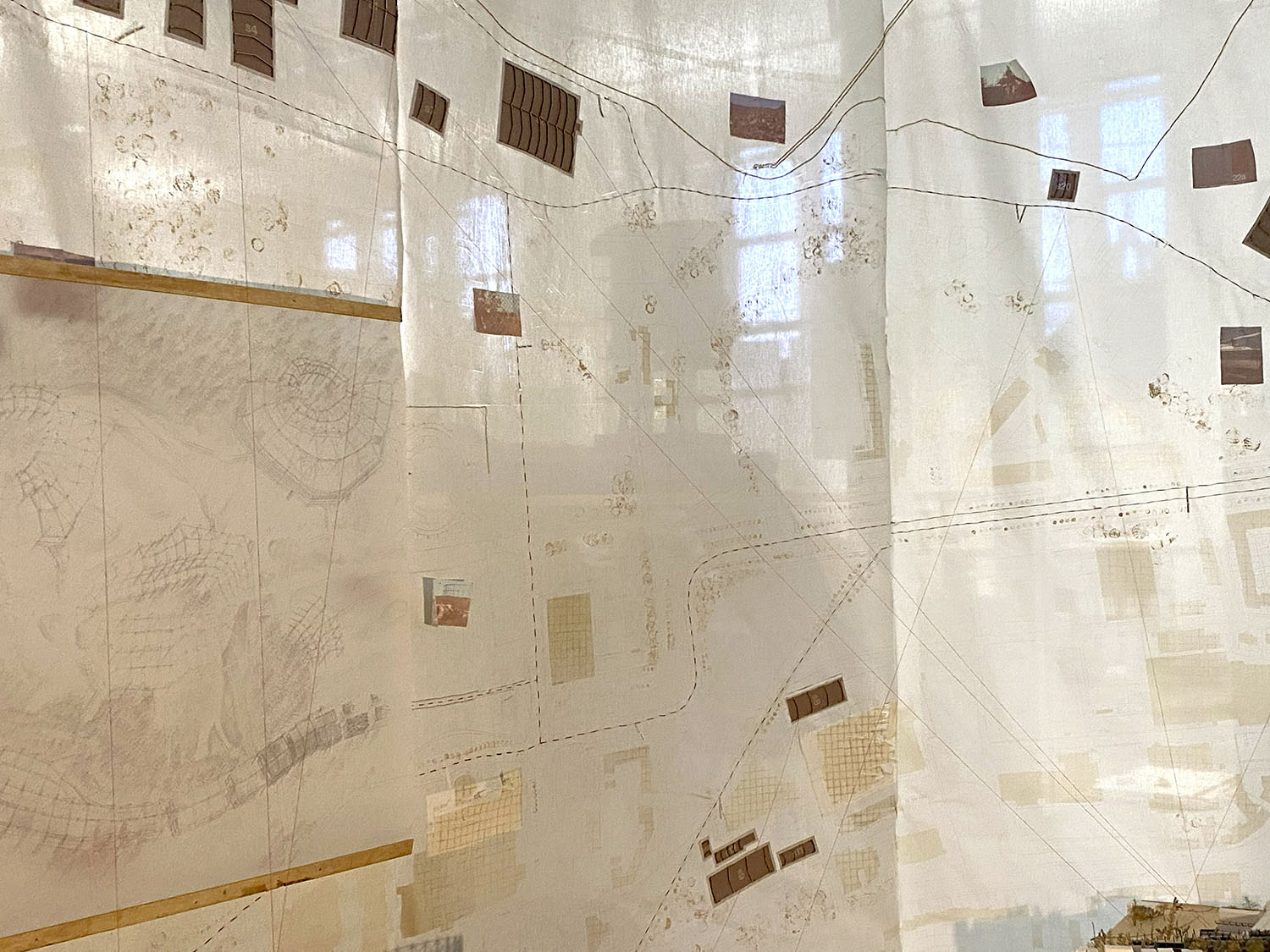
Site model, 1:500

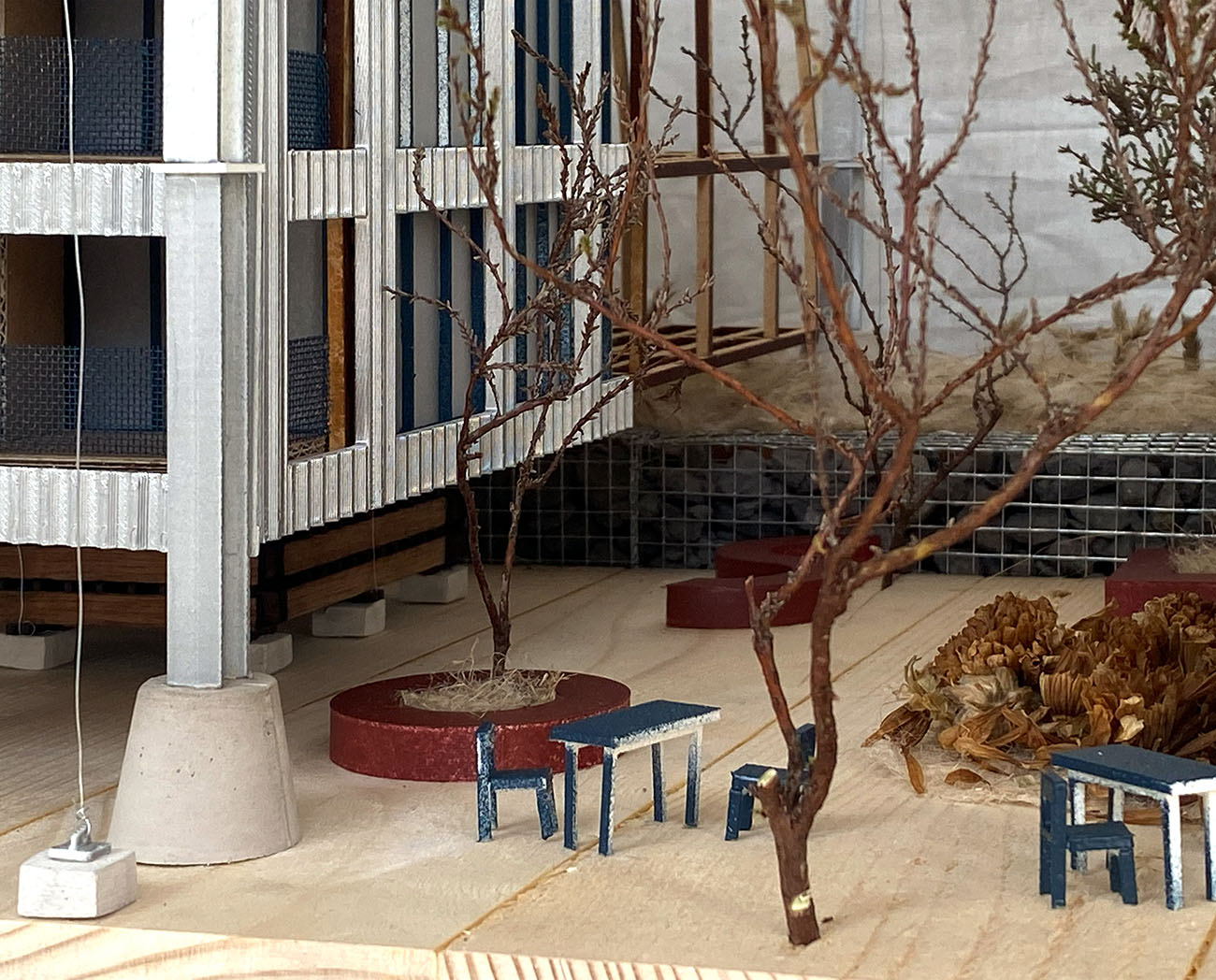
The aim of the project was to construct the building from unwanted materials, similarly to the live-build approach. To achieve this, a level of adaptability was introduced through a tectonic logic that allowed materials to be stored, reused, or removed over time.

Studio exhibition
Public cores: inhabited
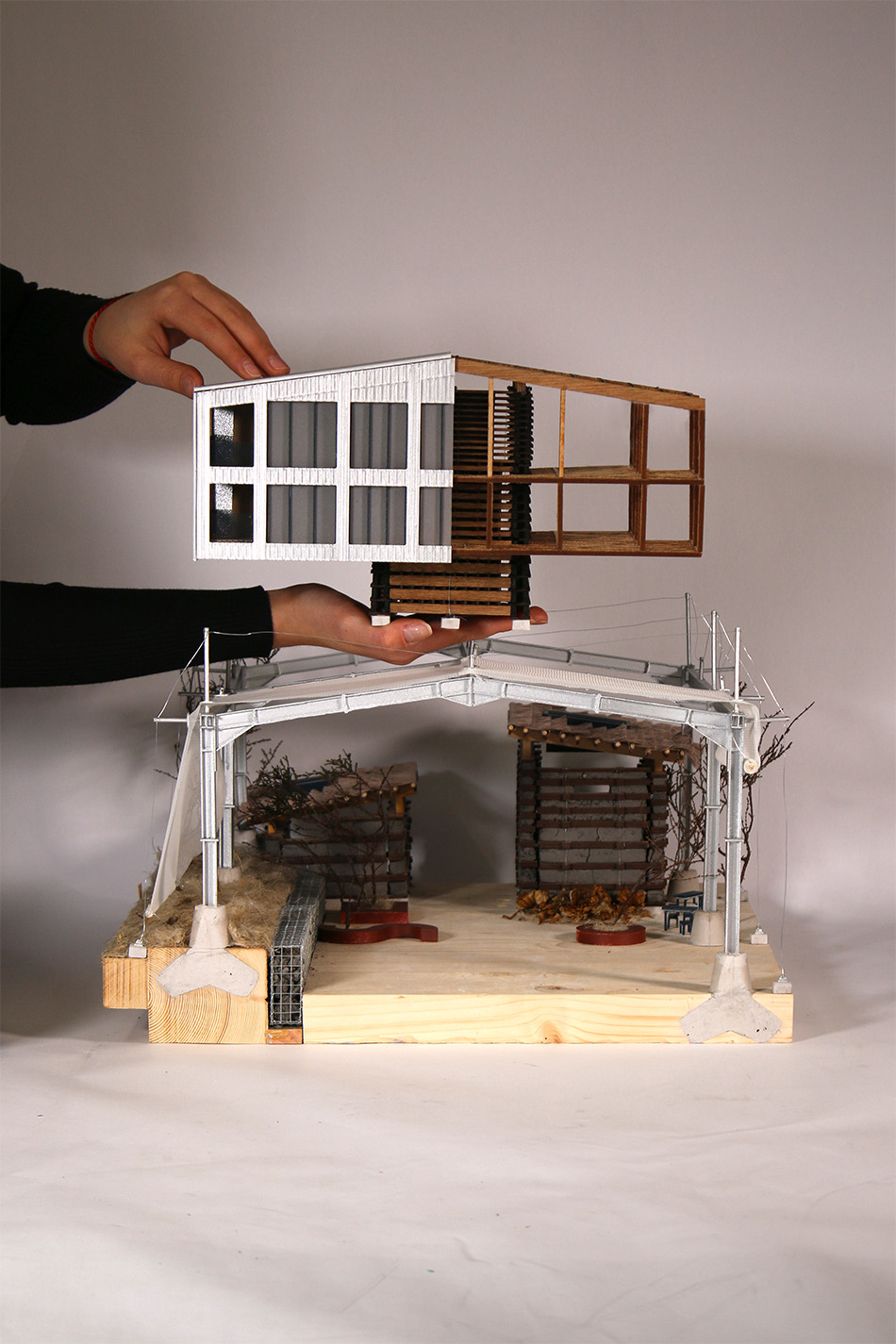
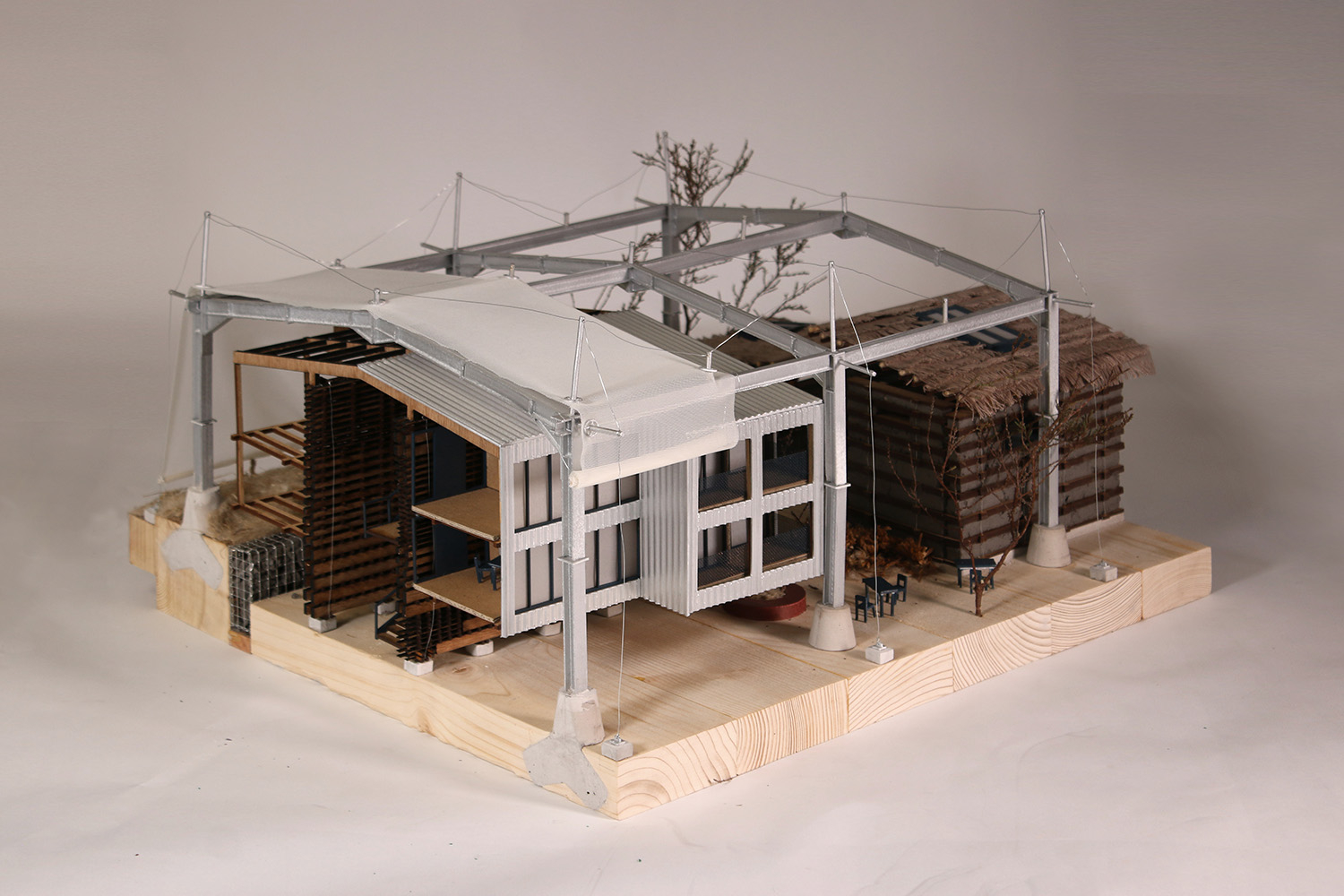
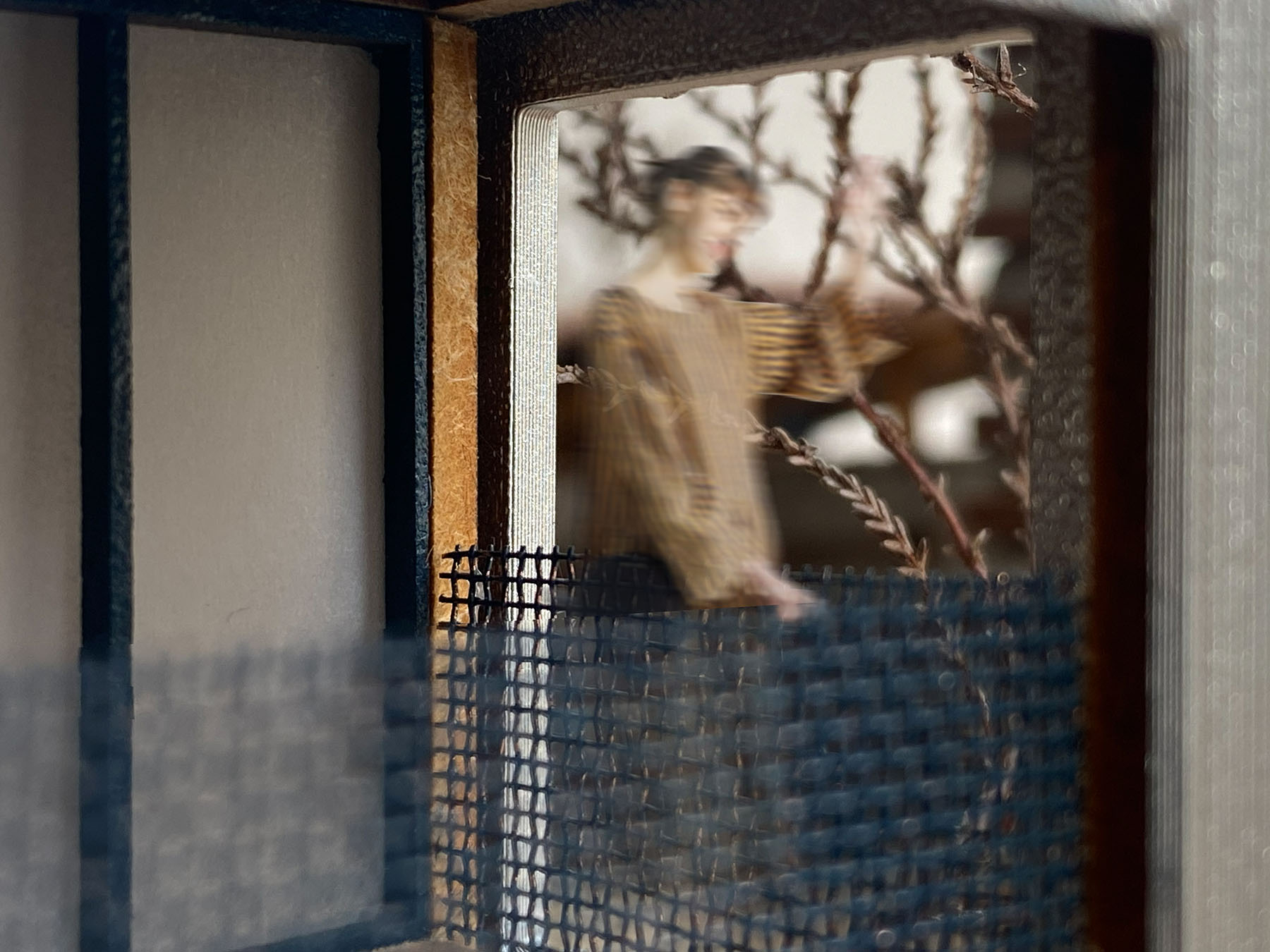
1:50 model of proposal
Axonometric drawing of proposal

The accumulated tests, prototypes, and experiments developed throughout the thesis meet in this final stage, where material, ground, and knowledge align to enable conditions for long-term habitation. What emerges in not a final object, but a model of dependency between ground, material, and occupation - where the earth condition defines the possibility of the next step.

Studio exhibition
Skills & Experience
  • Freelance Architectural Designer (2024-2025)
  • Research Assistant at the Architecture Department at Toronto Metropolitan University (2023)
  • Architectural Intern at Tonkin Liu Architects (2023)
  • DAAD: German Academic Exchange Service Scholarship (2023)
  • Two publications at the 13th International Conference on Education, Research and Innovation in Seville, Spain (2023)
  • Skills: Rhino, Archicad, Revit, 3ds Max, Adobe Creative Suite, QGIS, Lumion, V-Ray, Corona Renderer, CloudCompare

Diana Morozova

STORED FUTURES: Reversing the Traditional Supply Chain through Material Reuse and Land Remediation.

Architecture - MArch

student list