Jarek Wozniak
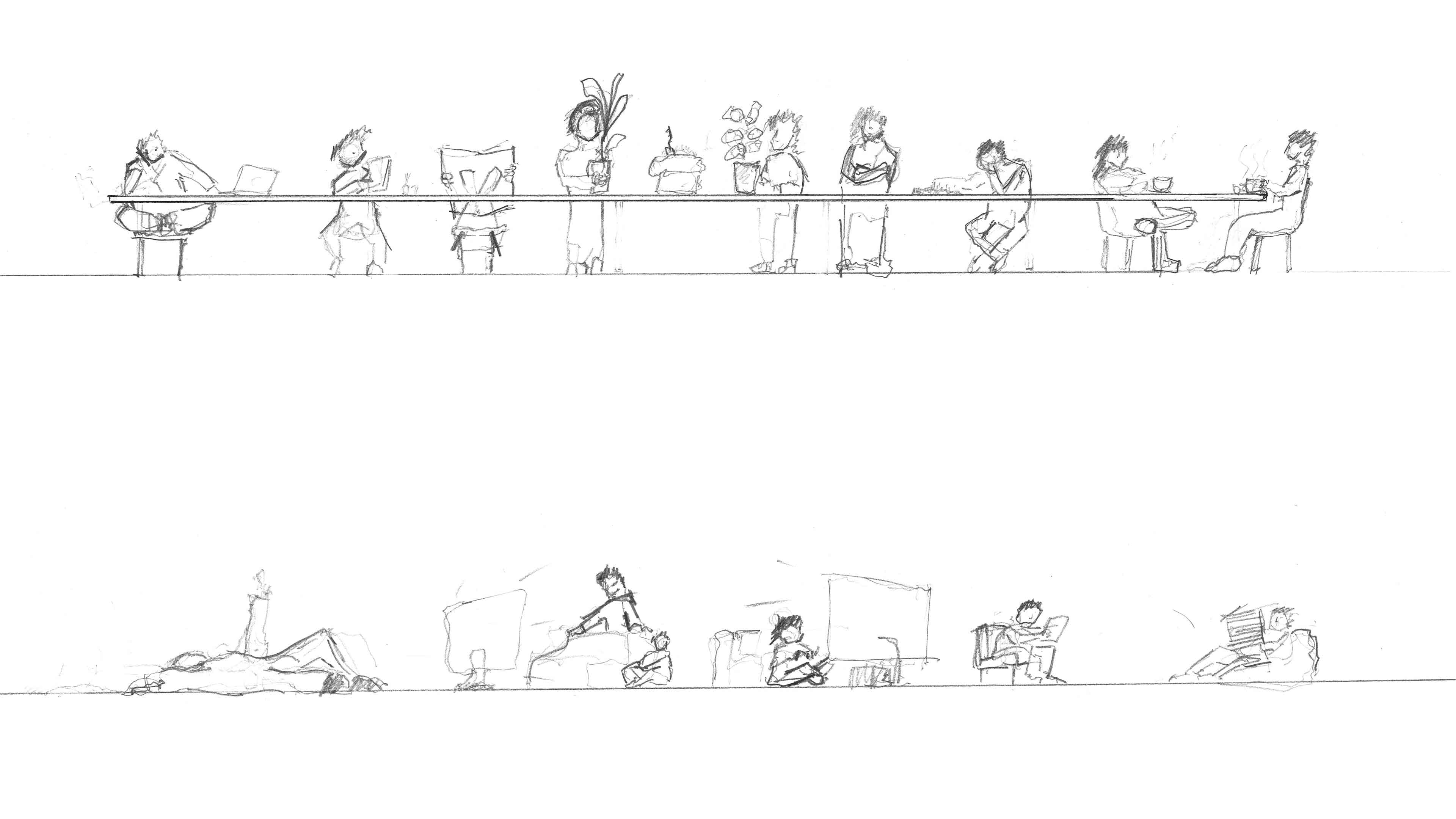
What if we let the tea breaks run overtime and cherished them as the main event and not just an addition?
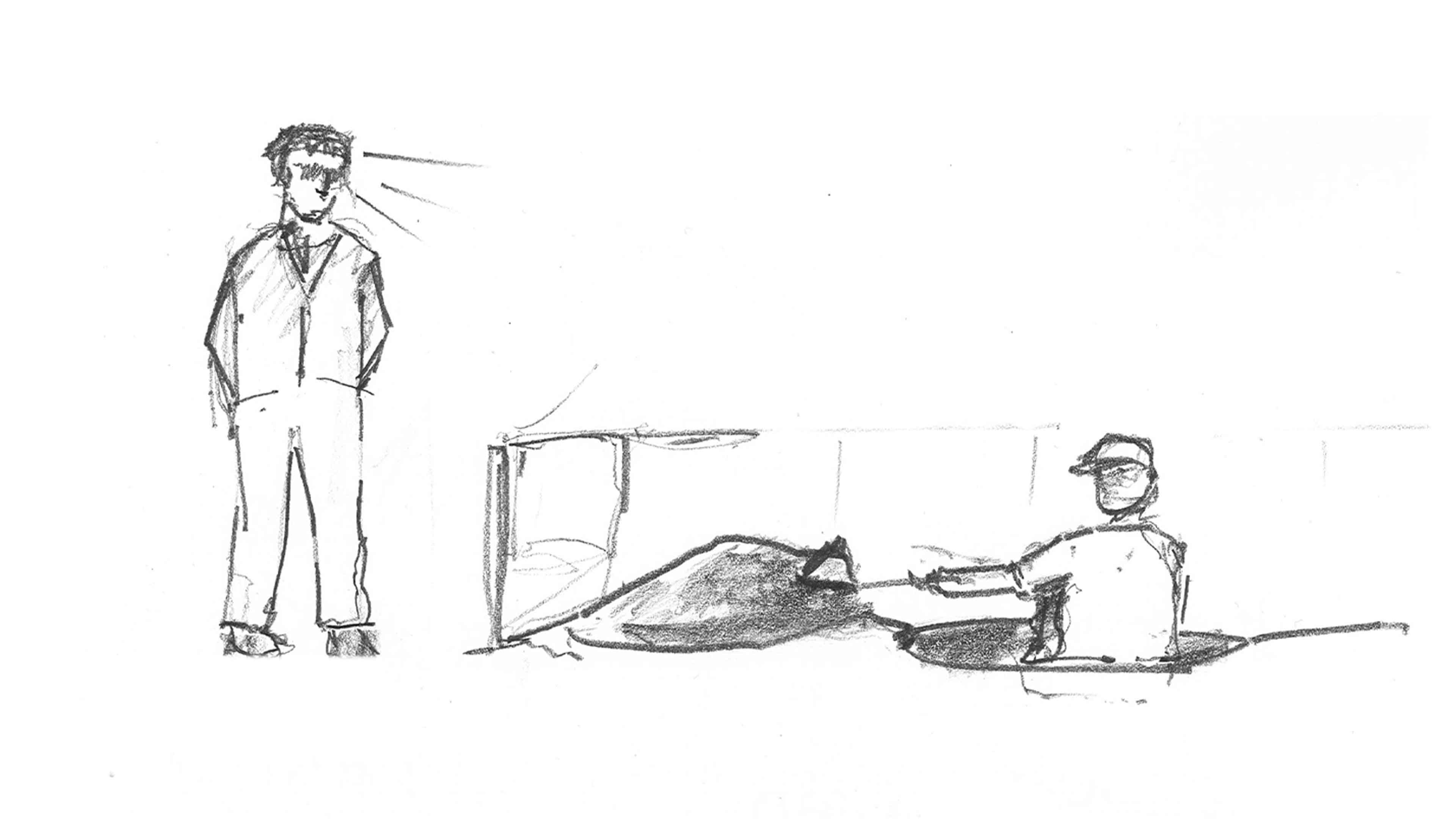
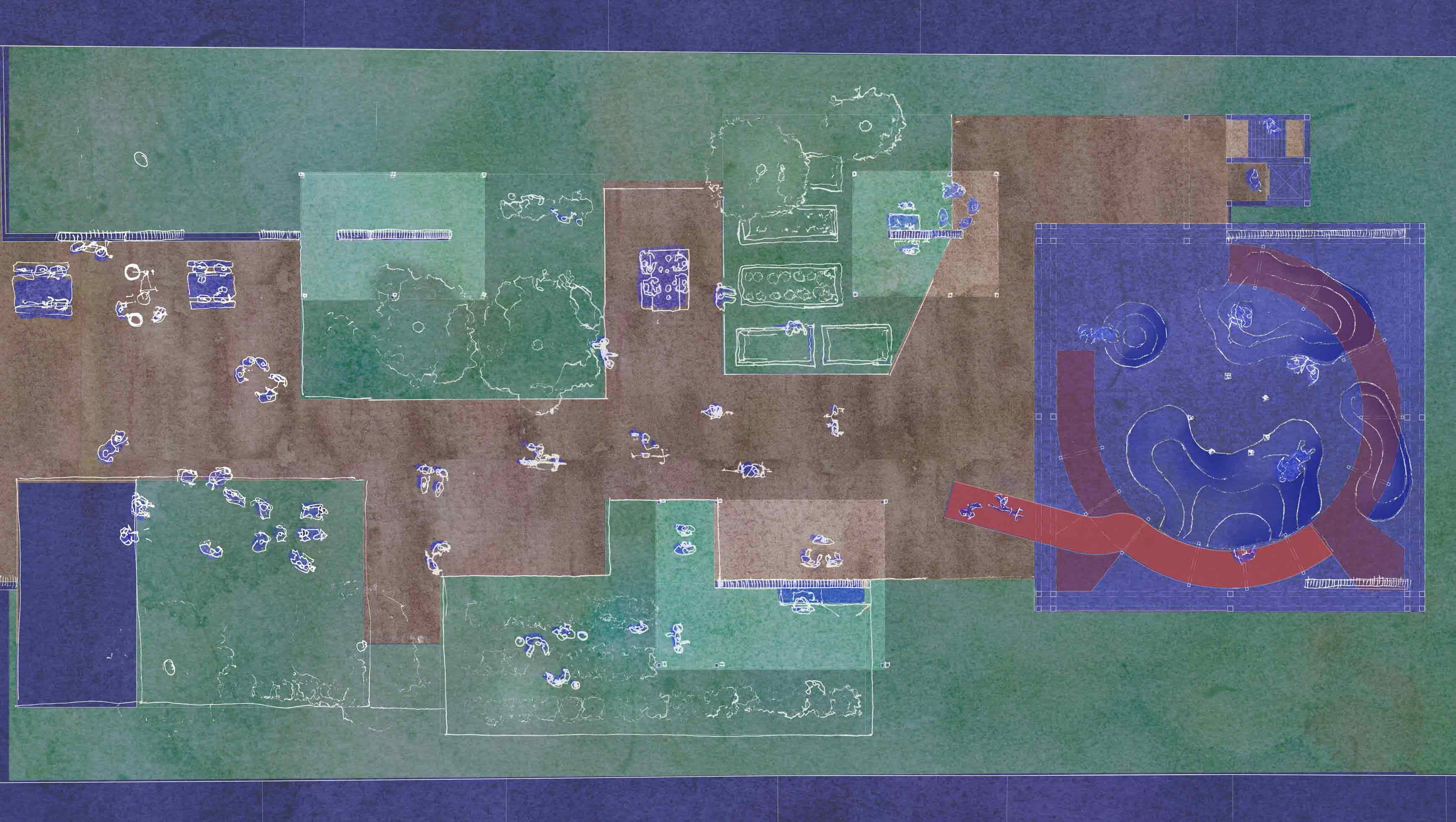
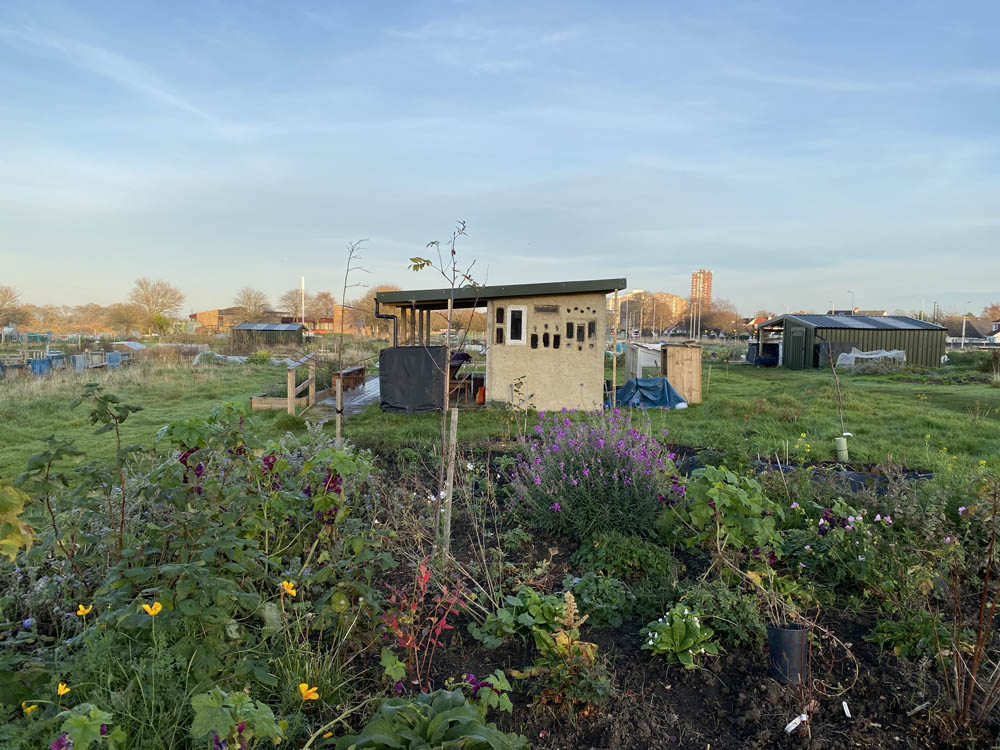
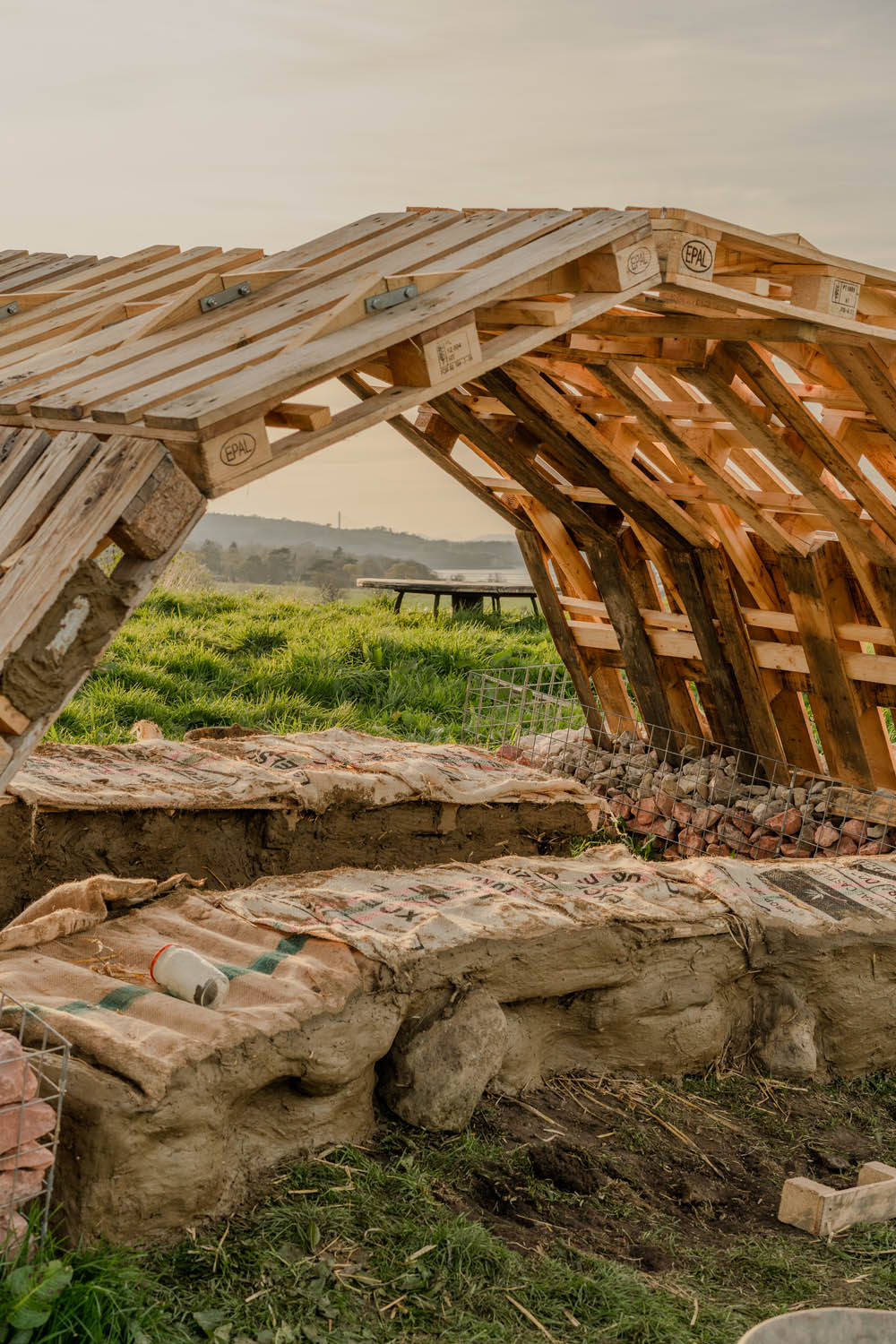
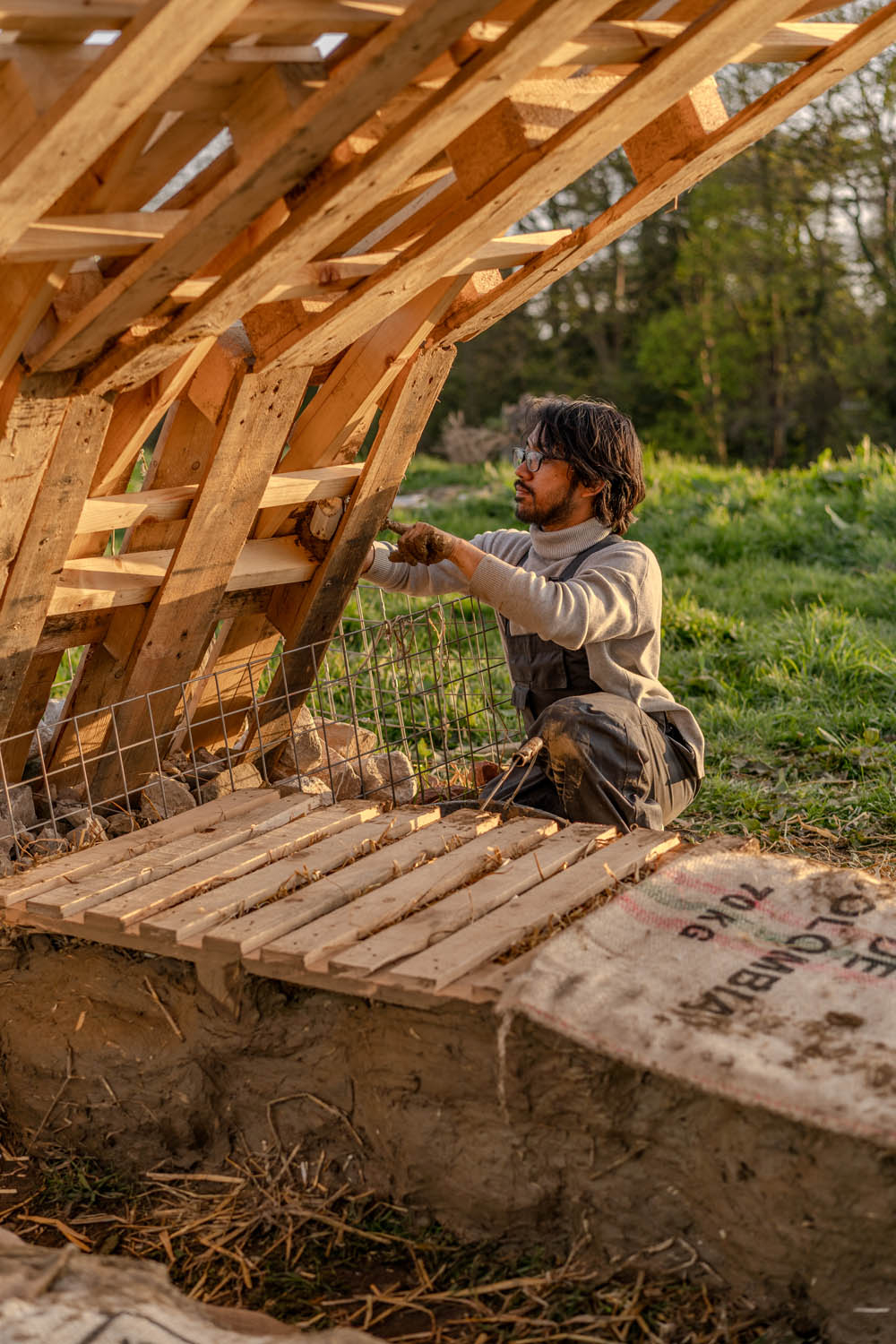
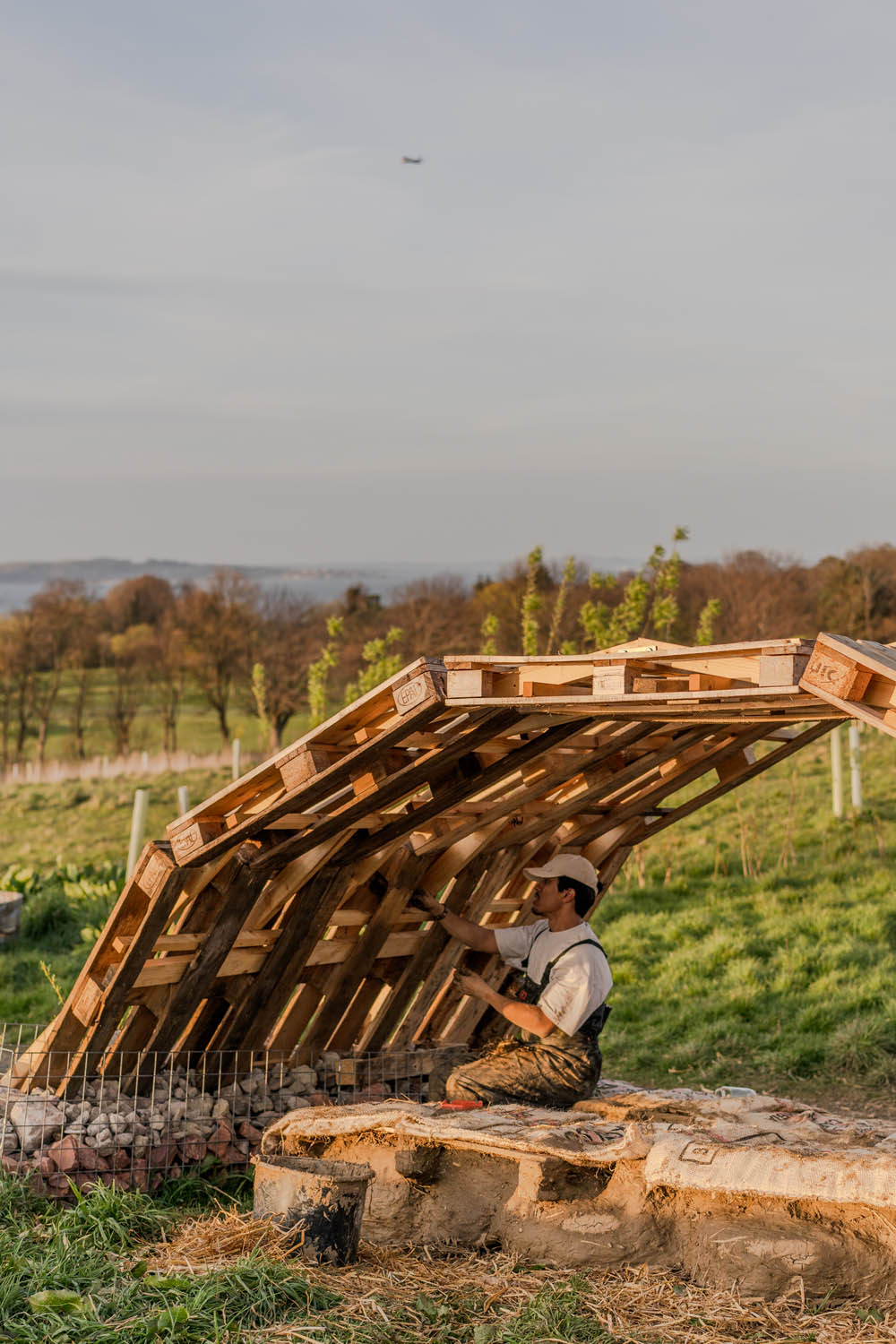
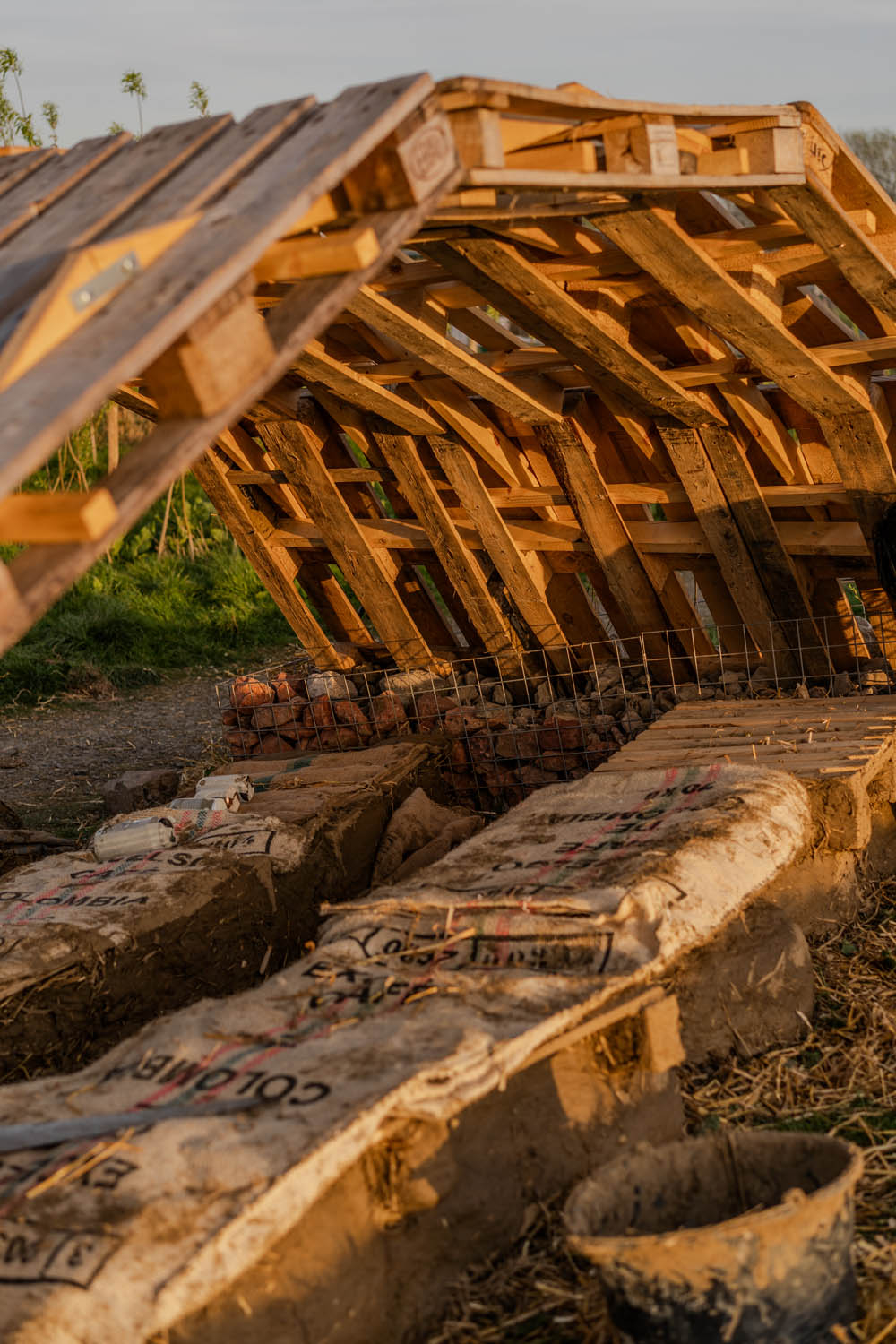
The final project aims to re-read the experiences of Lauriston Farm from preceding year’s Live Build; instead of seeing the Farm as a productive form of infrastructure serving to grow produce, the spaces are analysed as social devices, the primary purpose of which are to facilitate interactions between strangers.
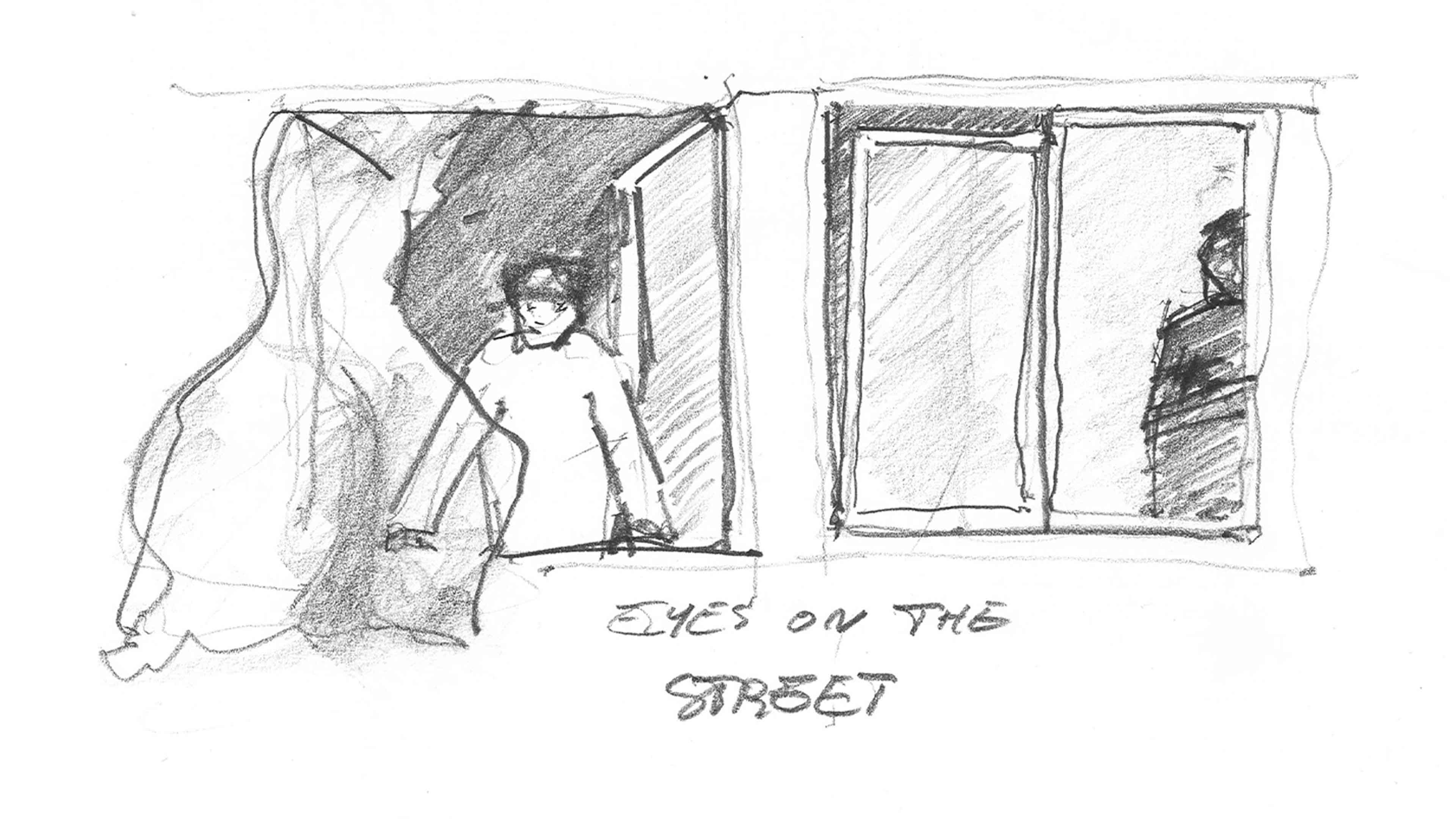
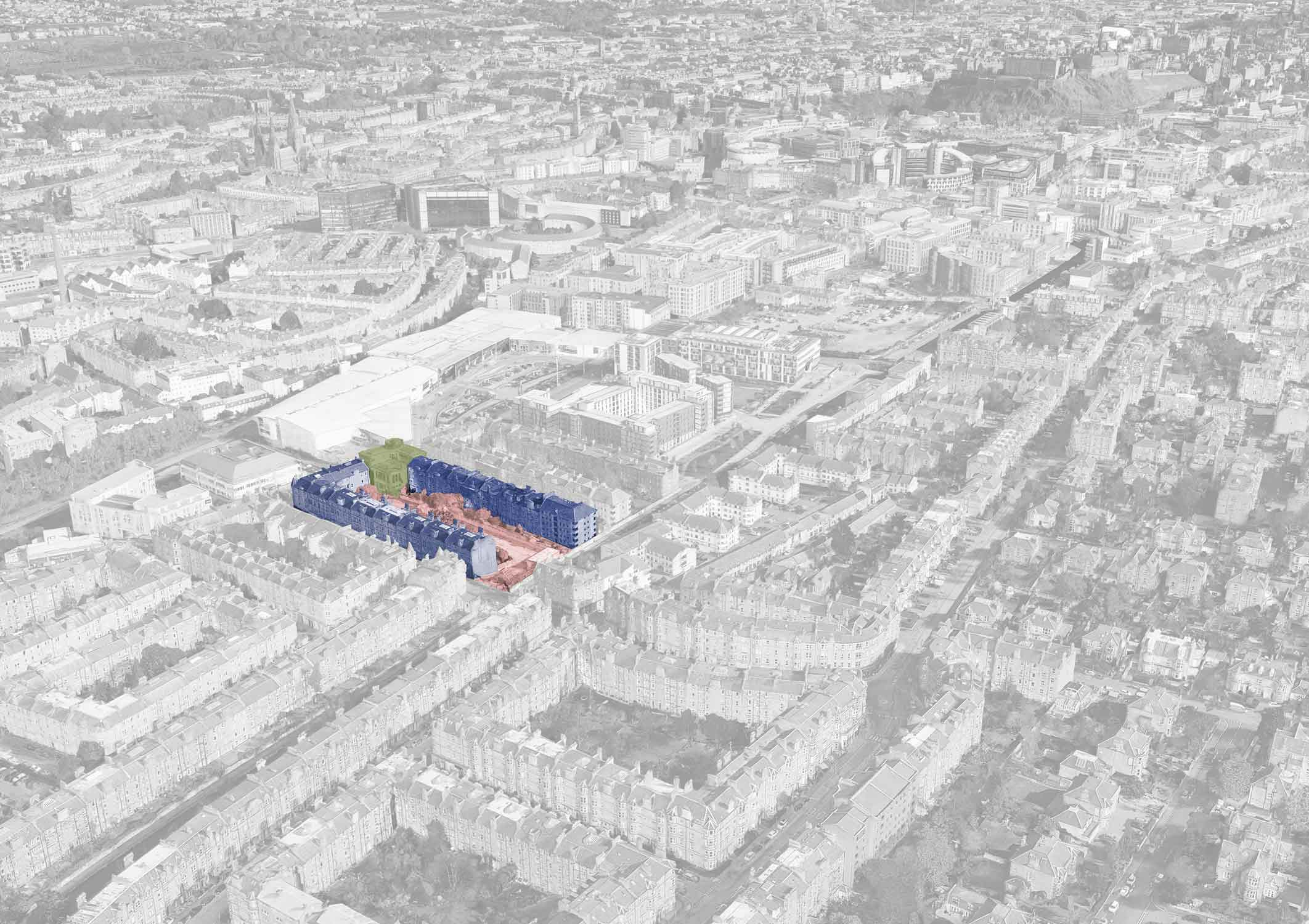
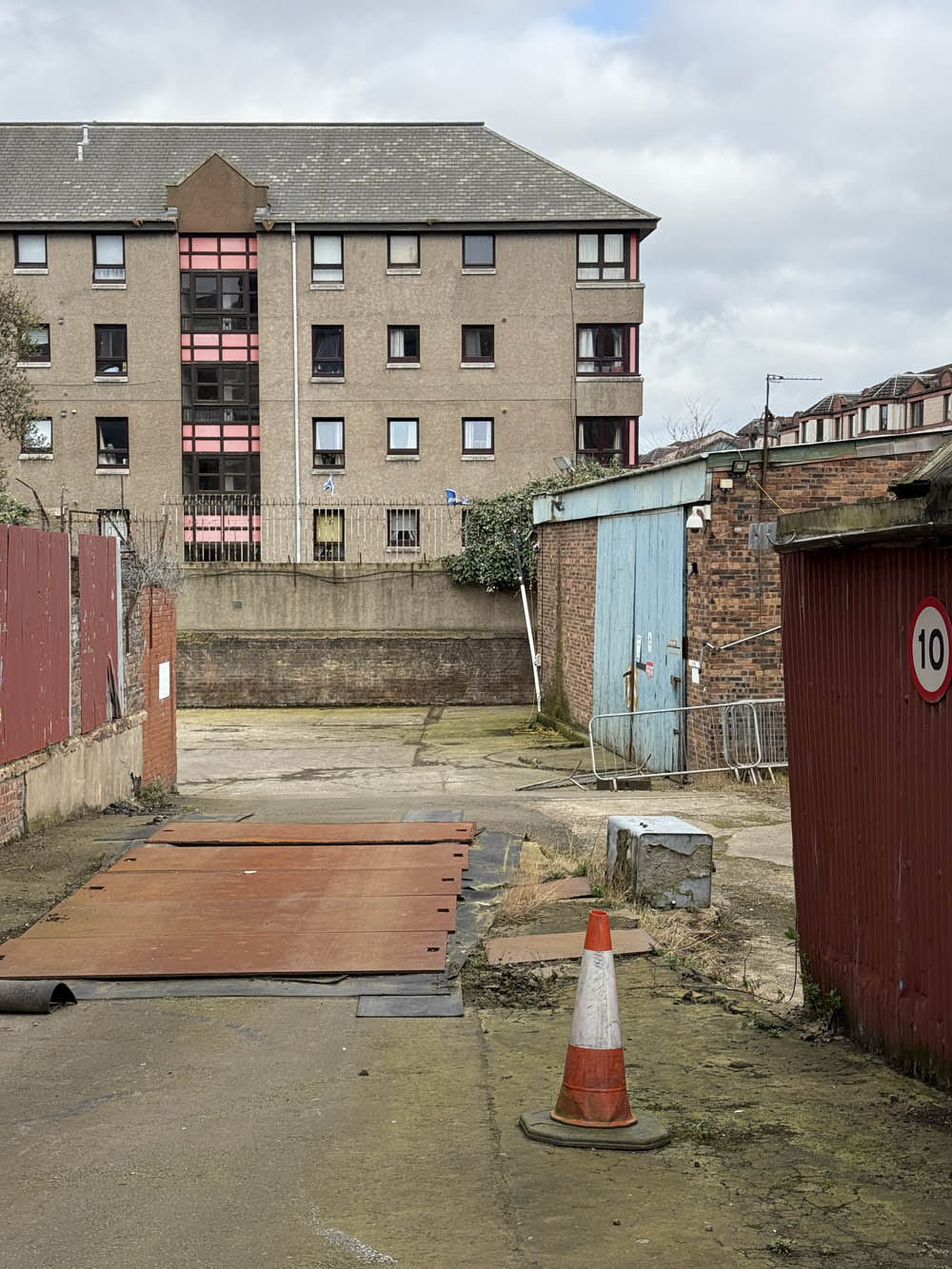
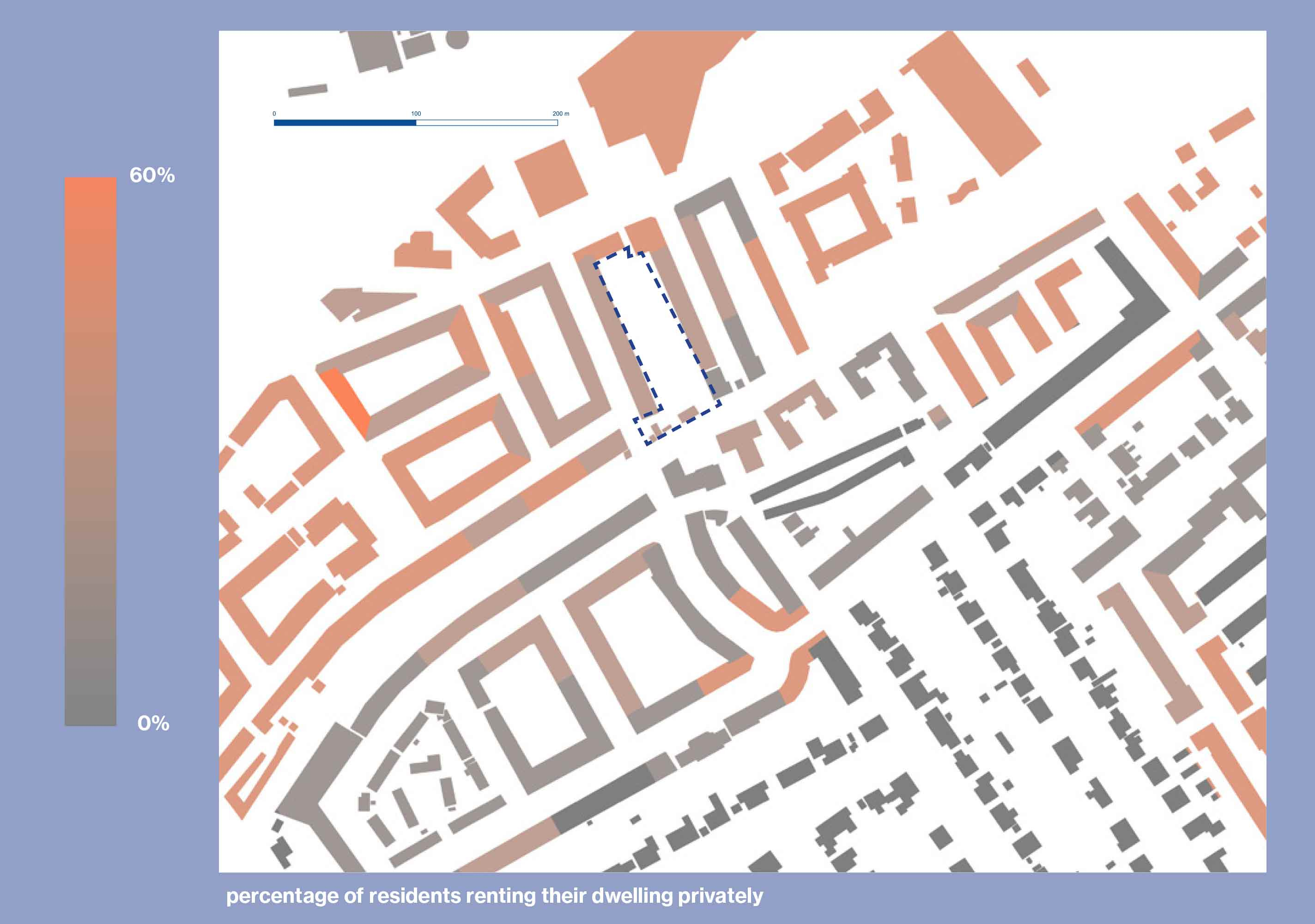
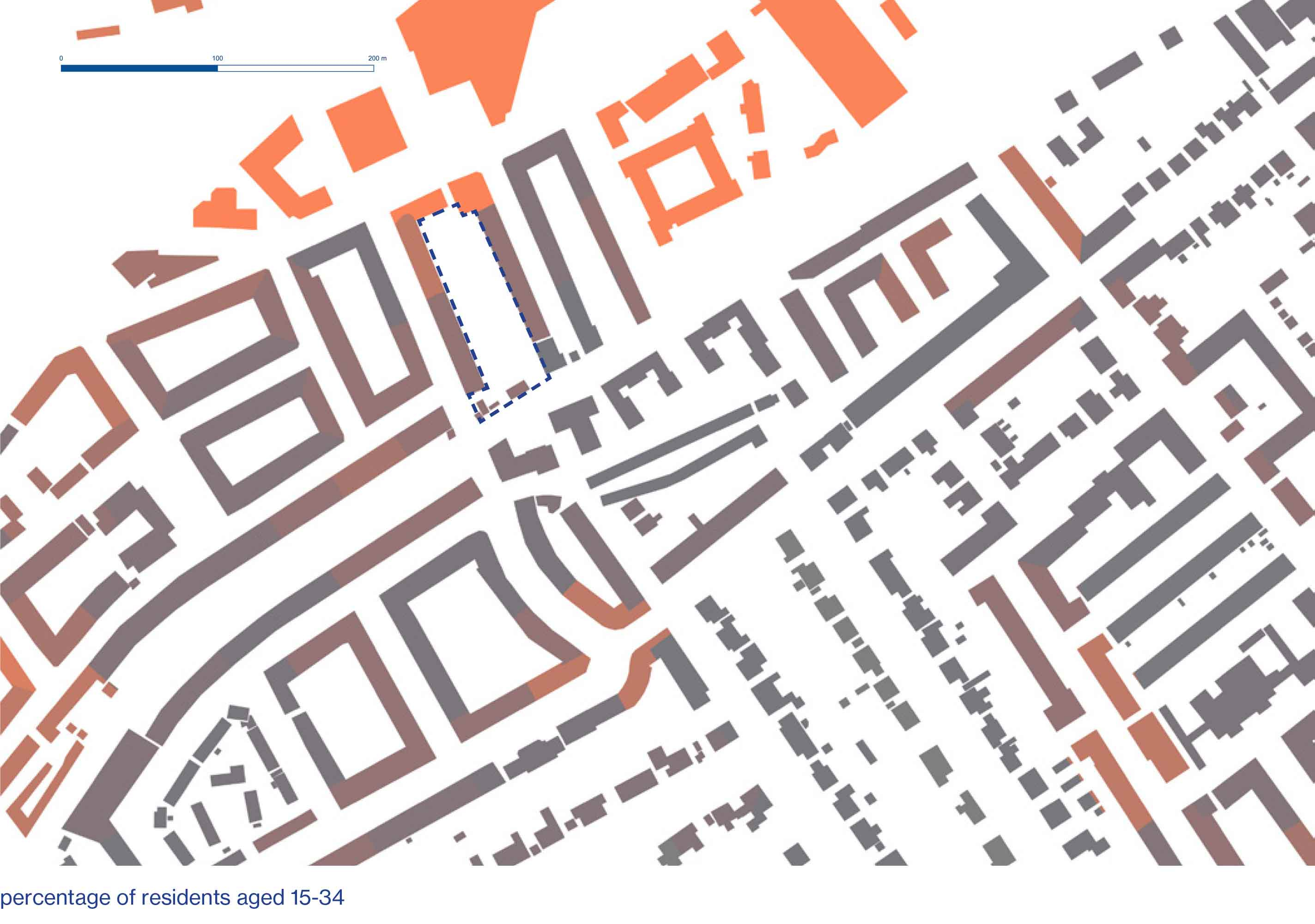
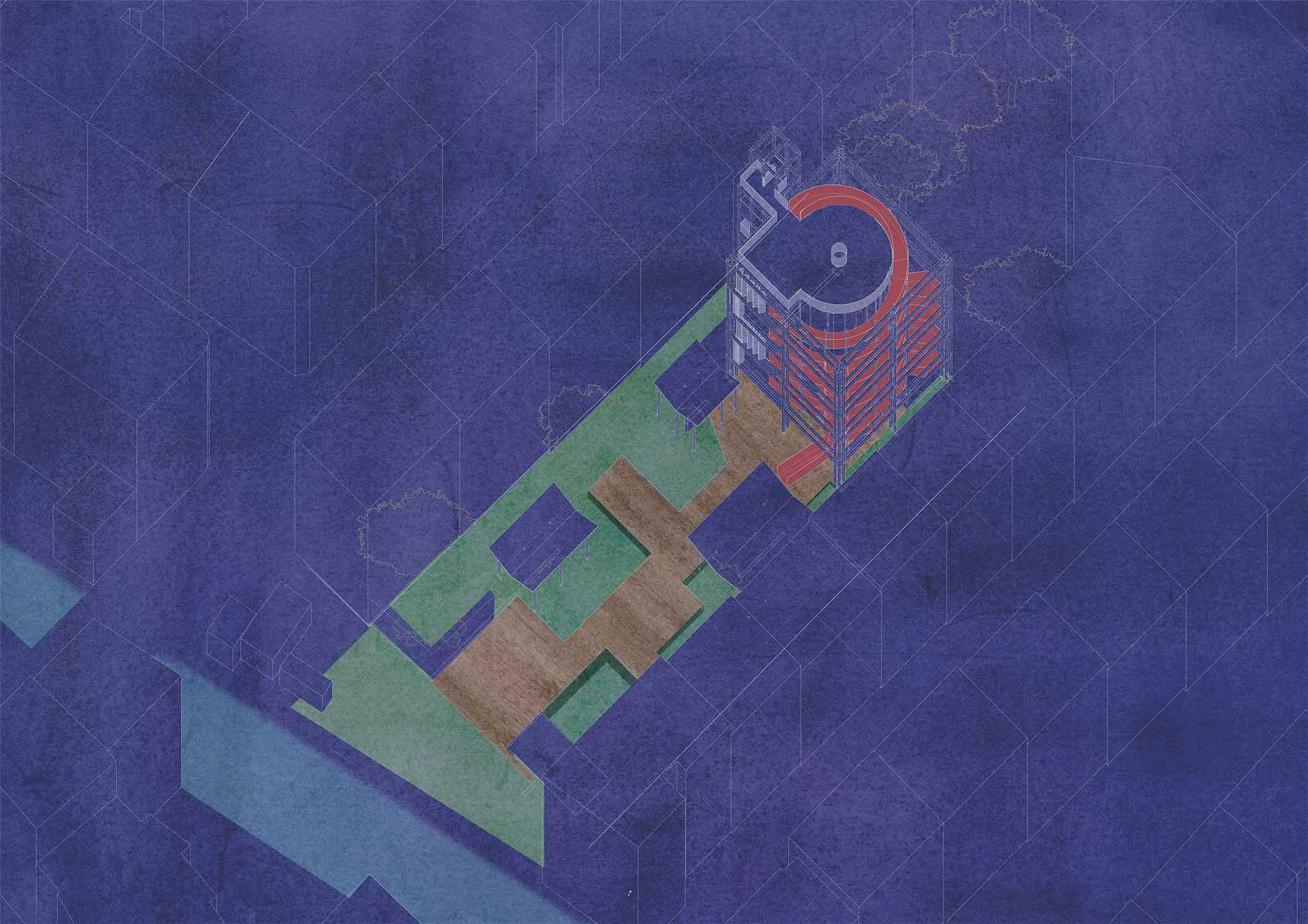
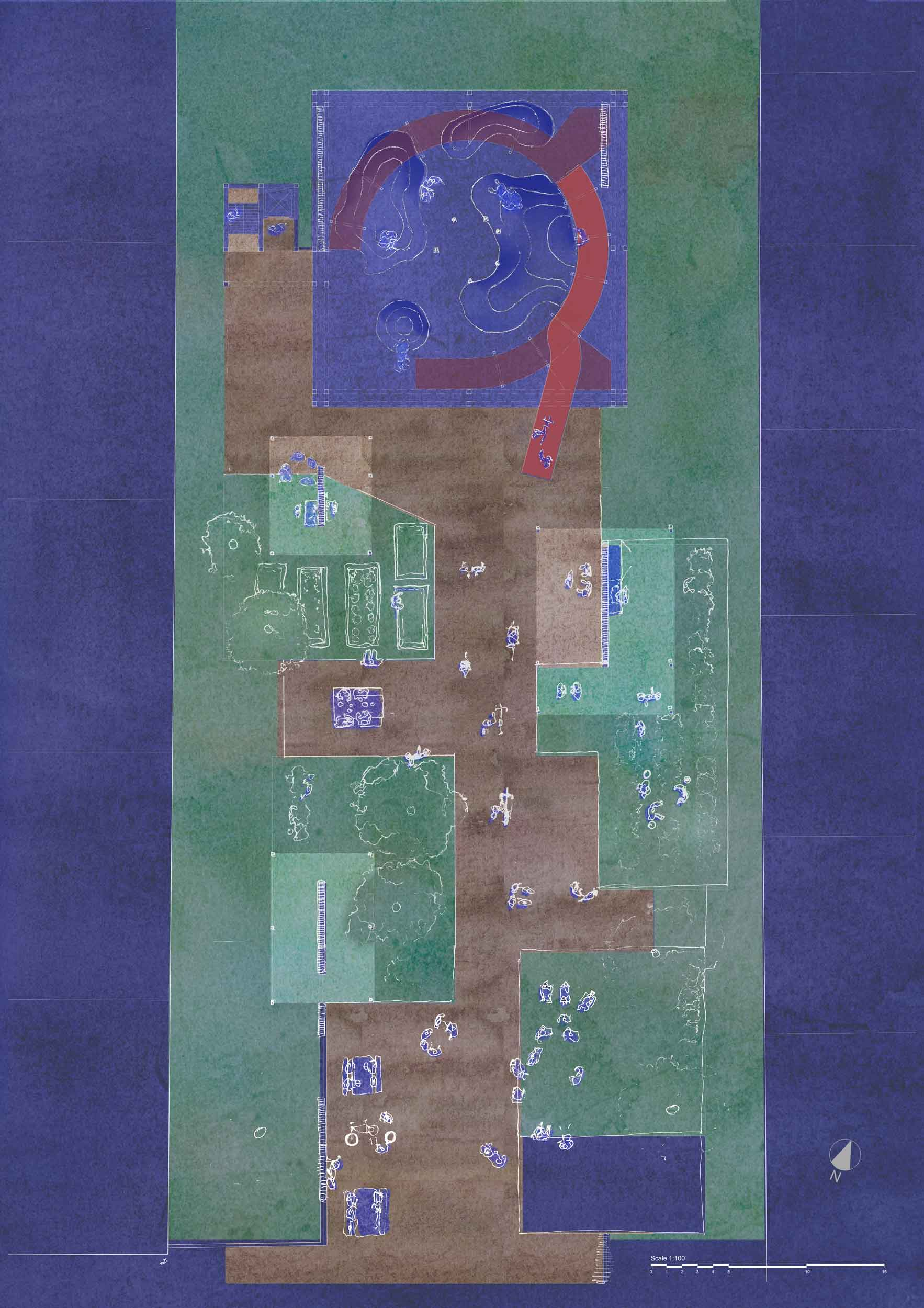
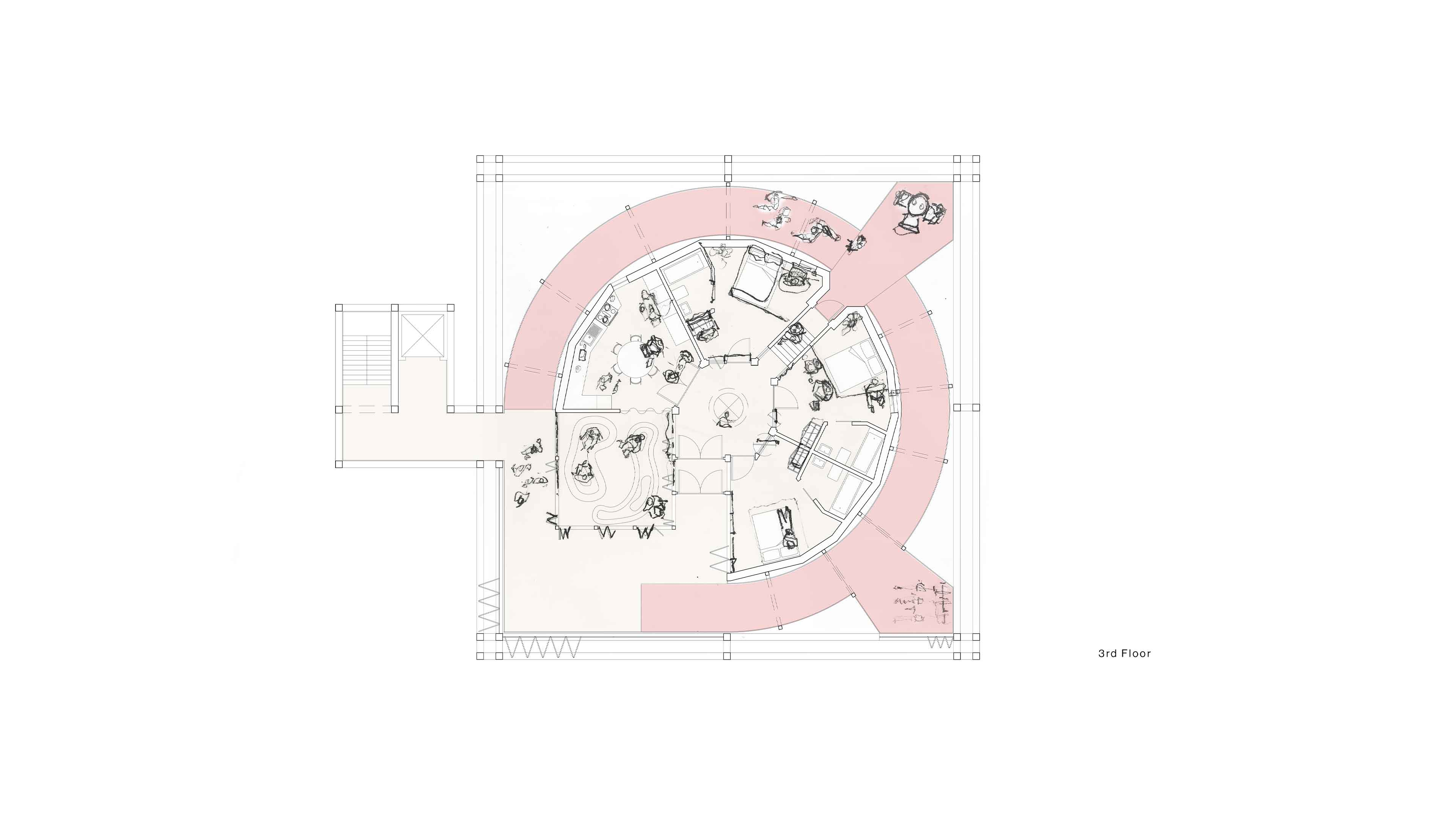
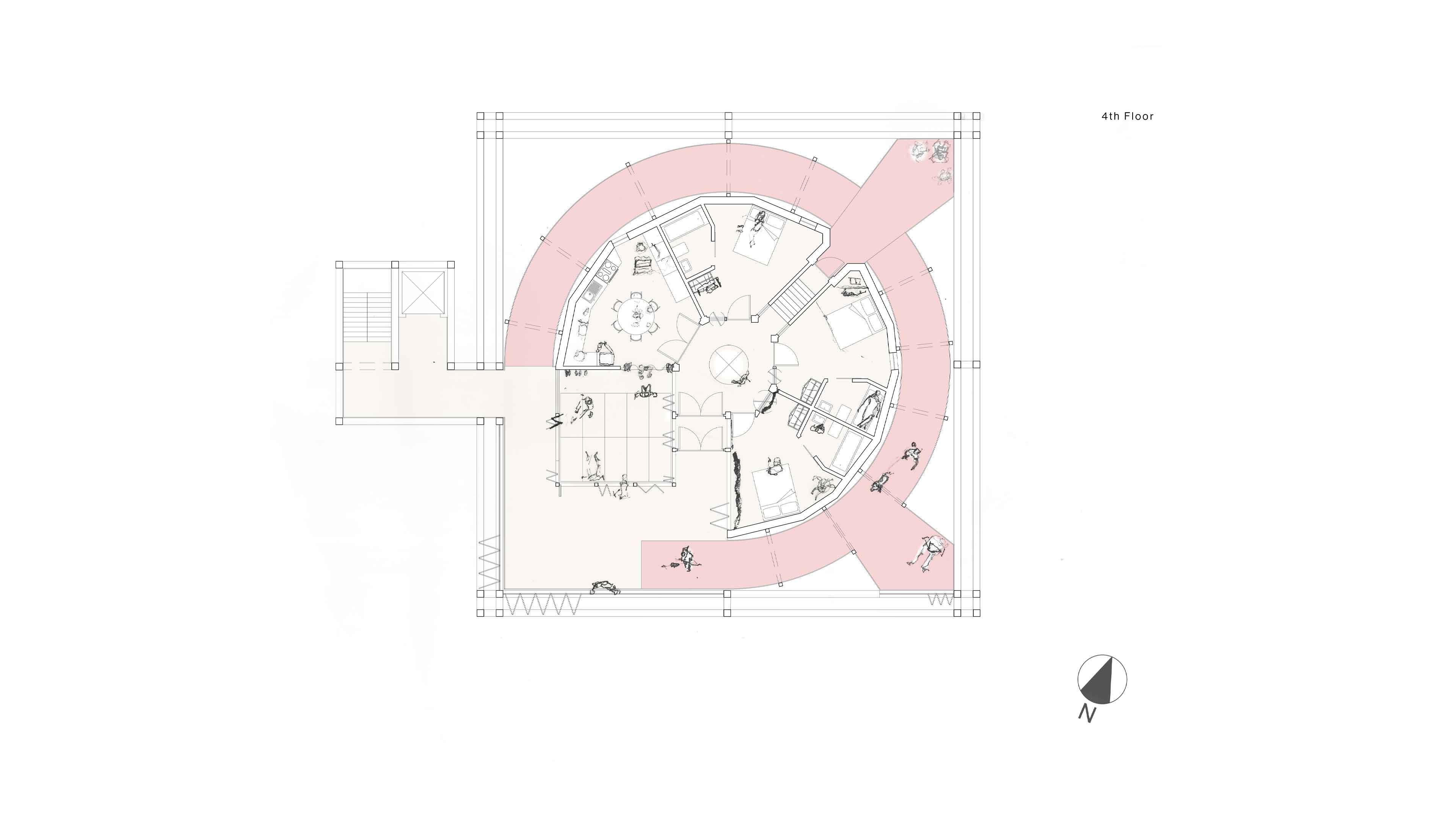
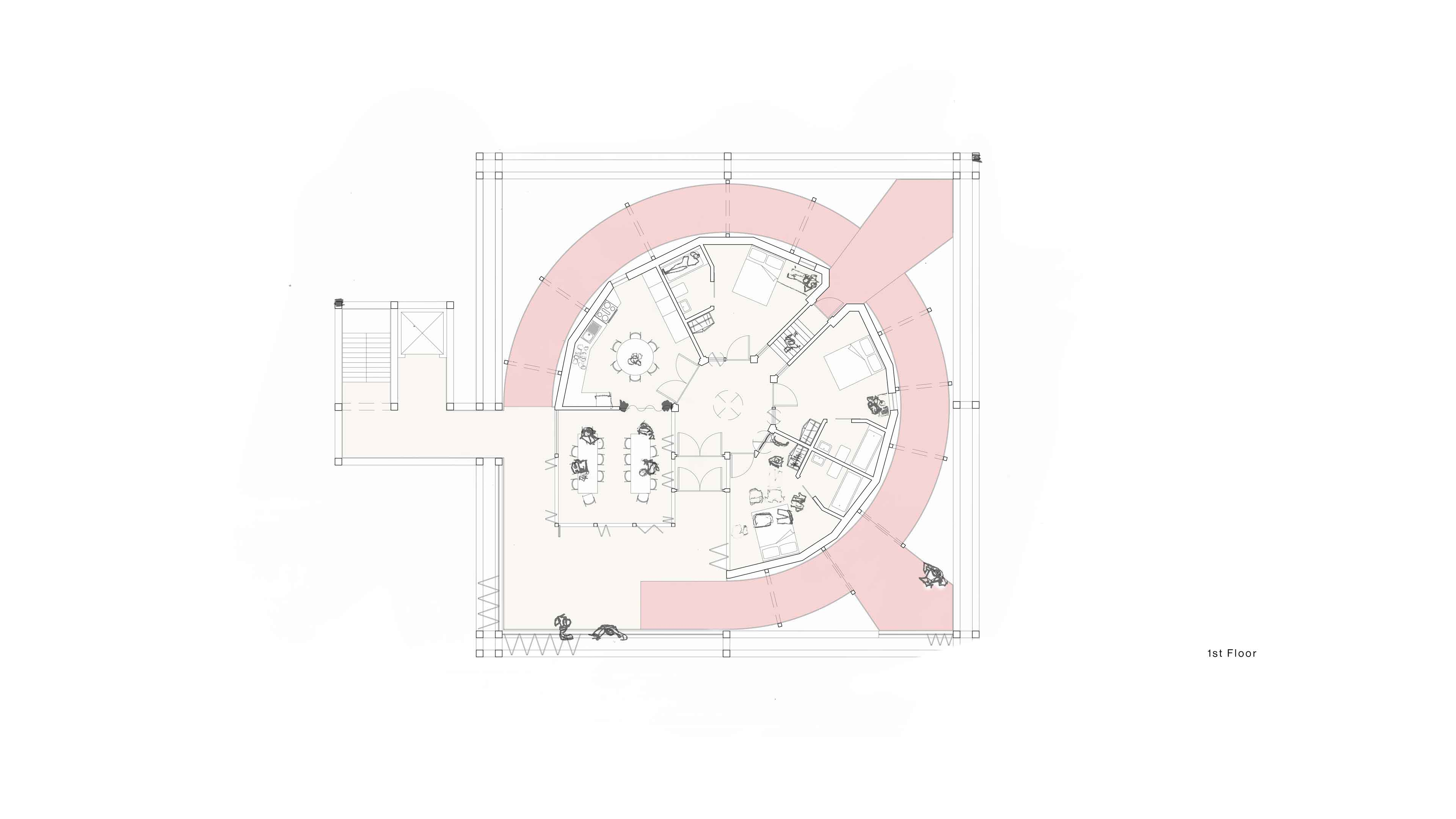
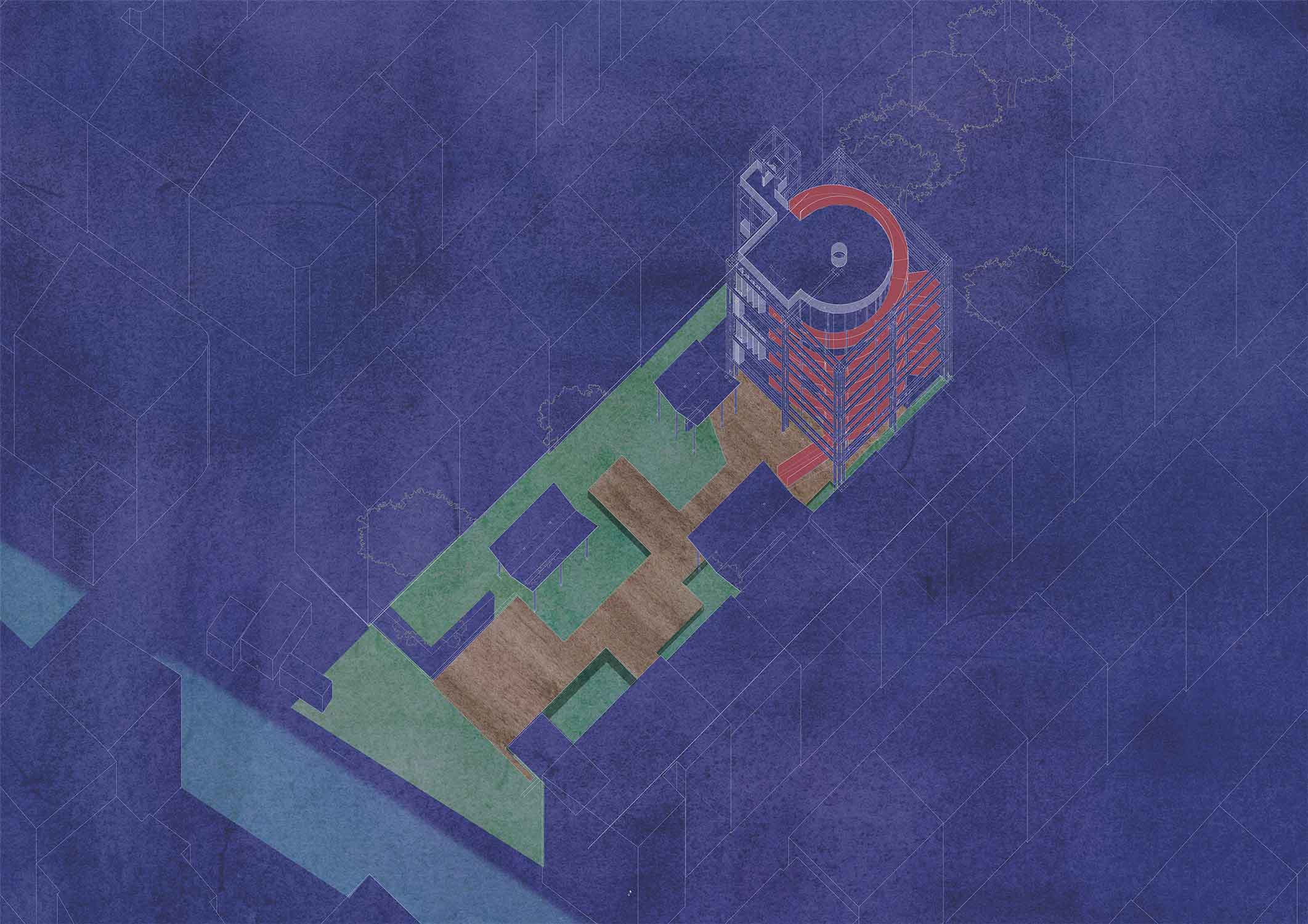
The idea of facilitating idle, unproductive moments is translated into a spatial proposal for Yeaman Place in Fountainbridge area of Edinburgh; with high percentage of young professionals and students, high turnover of renters prevents community ties from forming. Just a few hundred meters away, colonies of single family houses are predominantly owned by individuals staying in the area for decades.
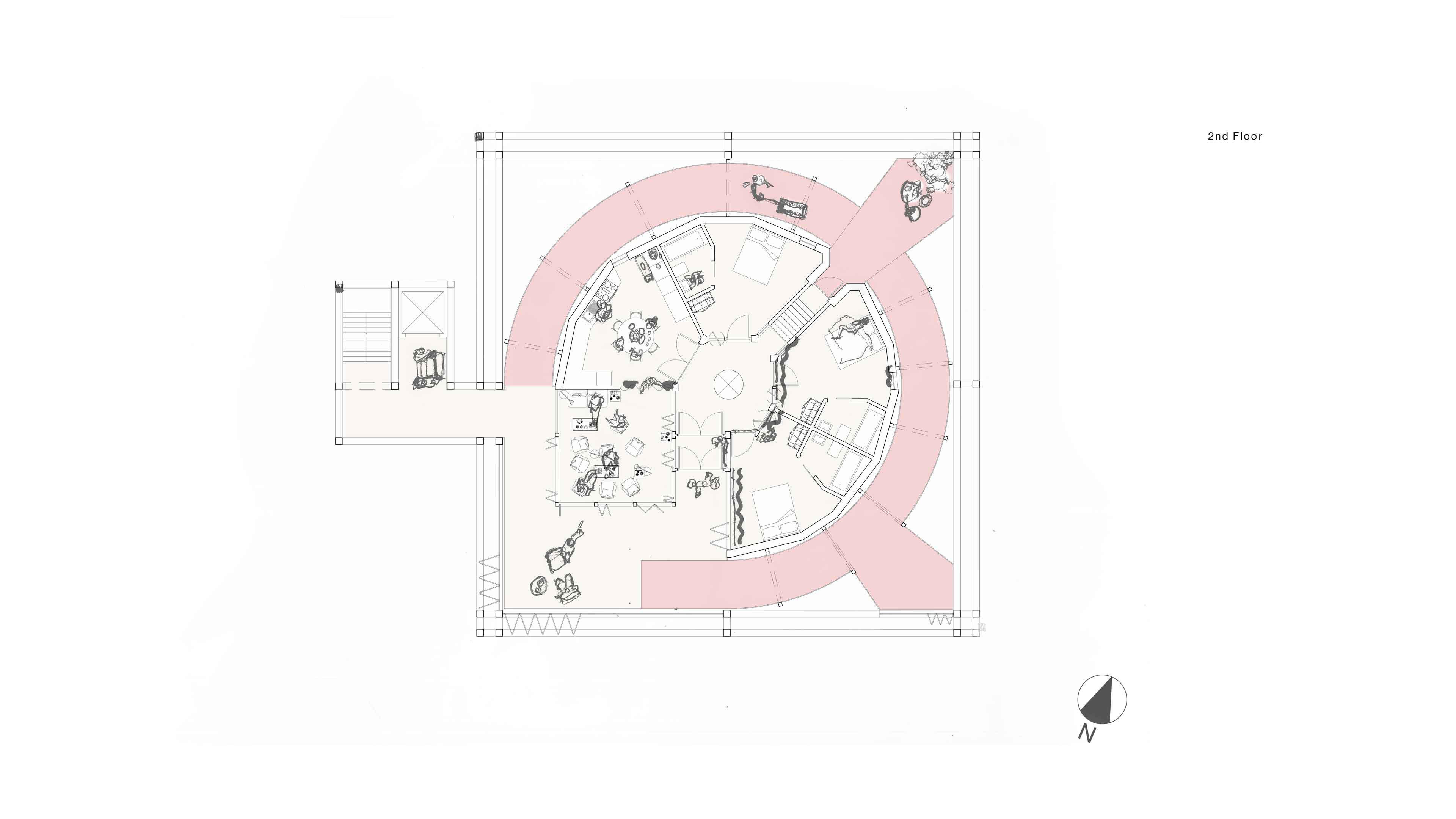
The daily rituals of unrproductivty are analysed and recontextualised into proposal for allotment-inspired commons with a co-living residential block investigating densification pressures faced by Edinburgh’s tenement grain.
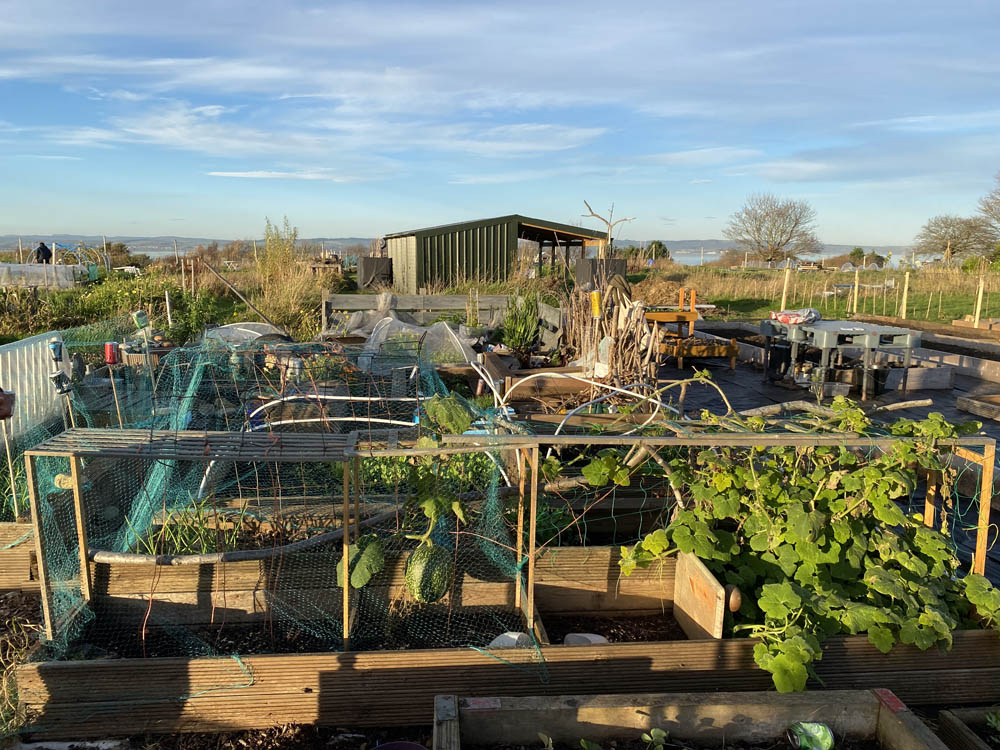
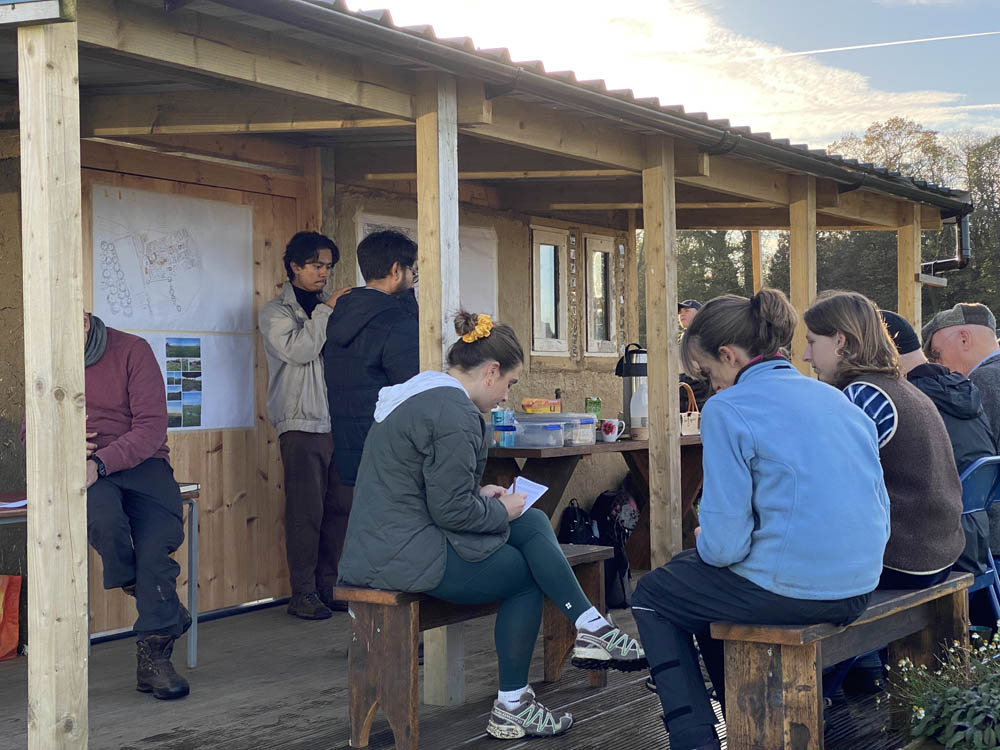
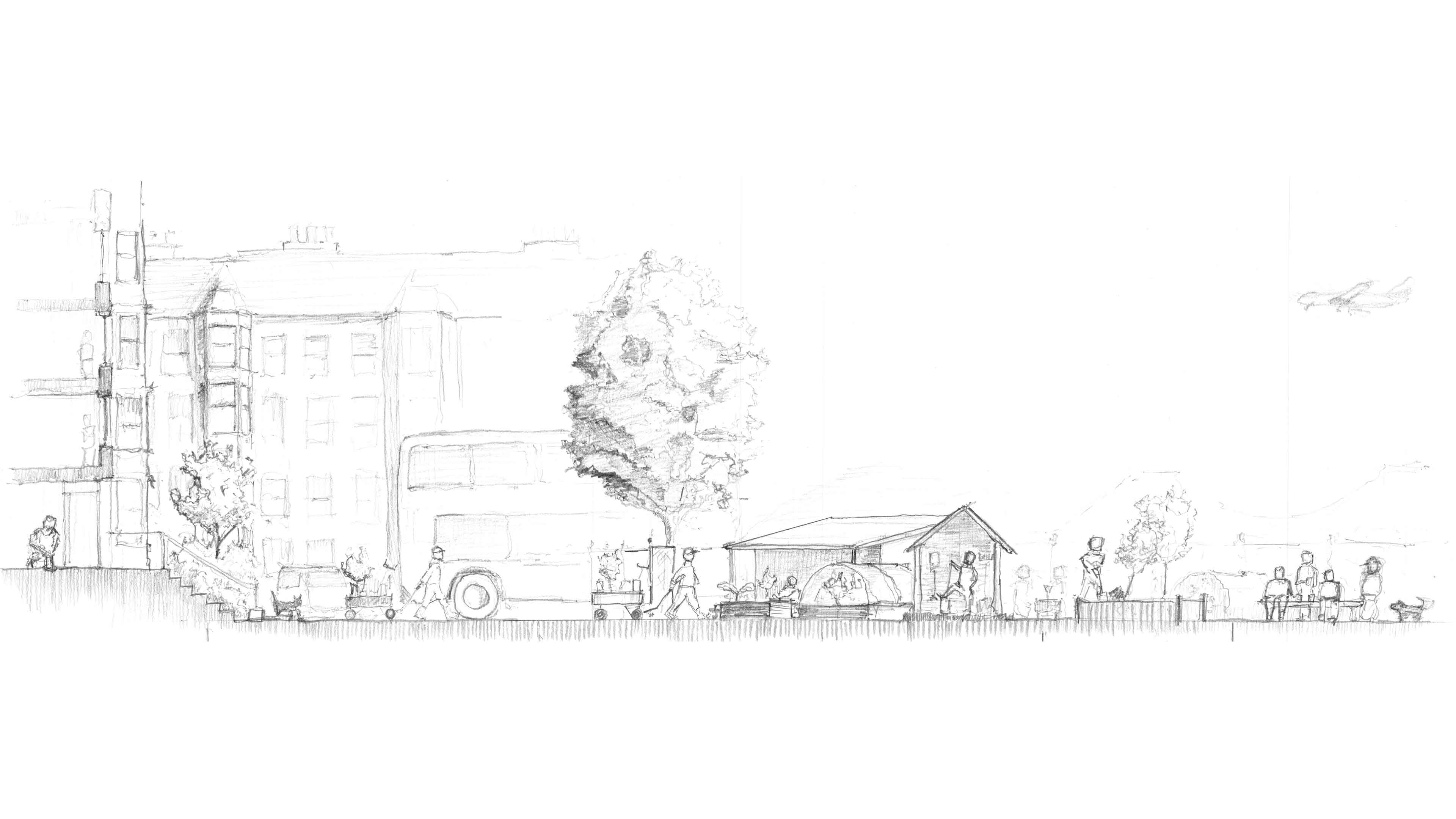
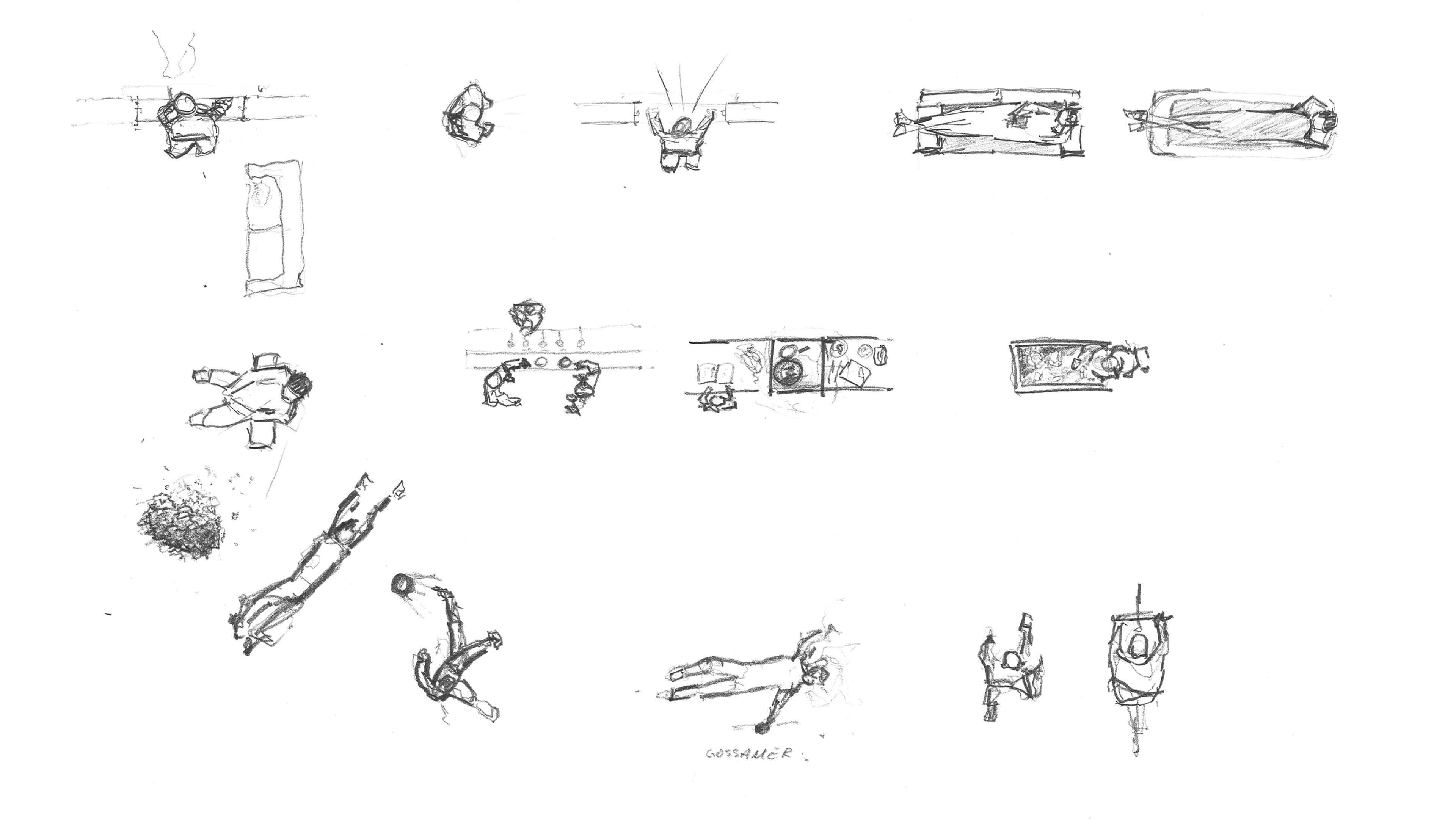
For this drawing exercise, a co-space is defined as a neutral, unproductive ground where strangers meet, interact, and form relations, whether temporary or lasting. They are also distinctly separate from their surroundings, as Ray Oldenburg postulates for third spaces.
Third spaces are rooted in the local culture; a mahjong table occupying the side of the pavement will become a much more successful social device in Beijing than it ever would in suburban Scotland. One of the most iconic images of social space within widely understood British culture is the Pub.
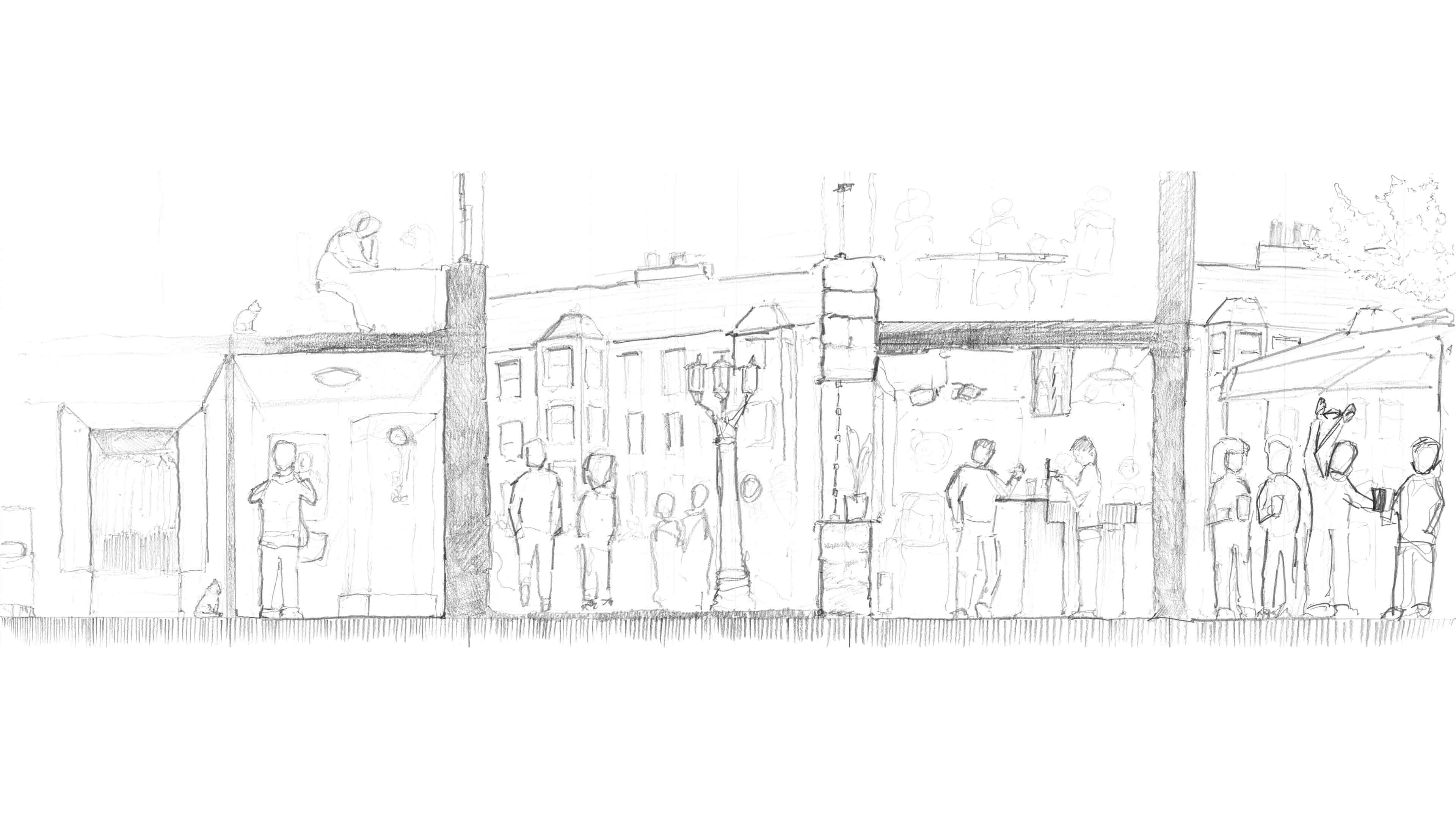
unproductivity — activities of the in-between moments