

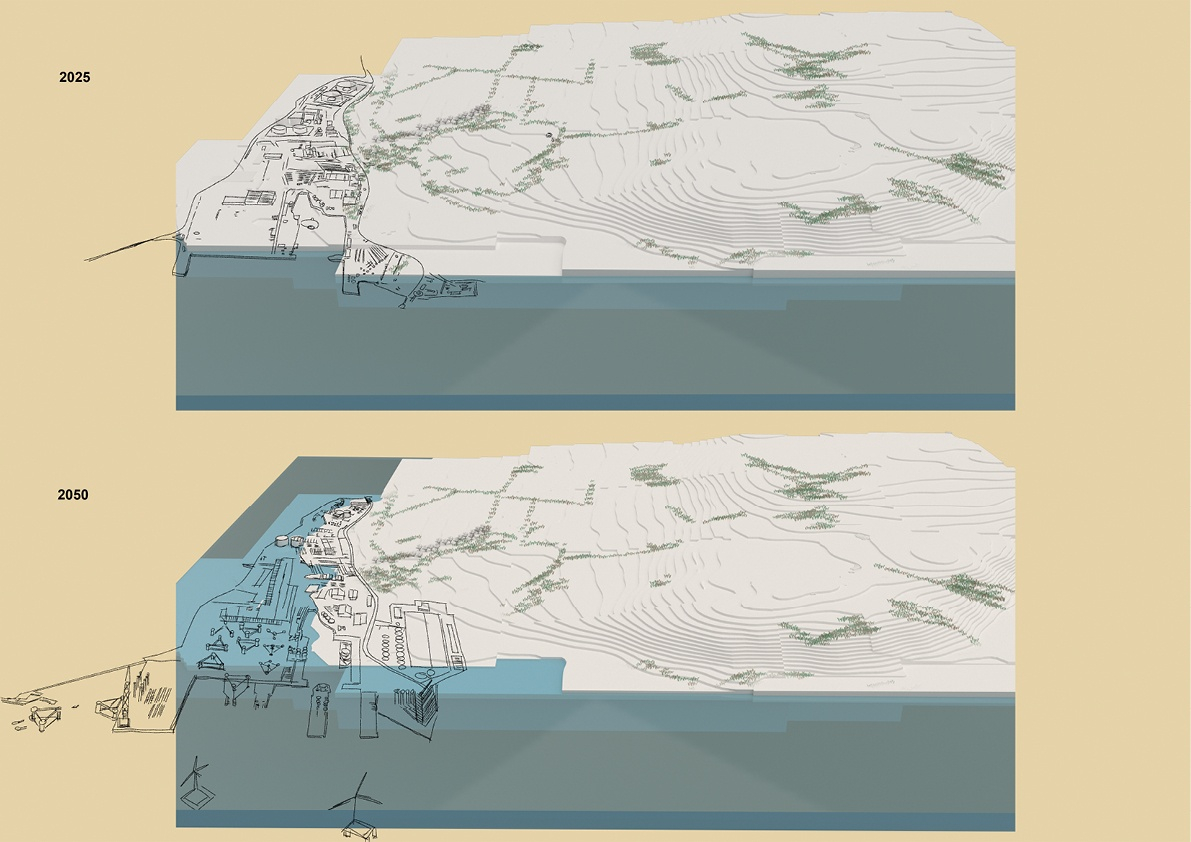
In the context of accelerating industrial withdrawal and ecological vulnerability in north sea Scottish Highlands, the Nigg Peninsula presents a landscape of deep contradiction. Once a booming oil-processing port, the region became a heavy industrial zone: leaving behind rigid infrastructure, spatial inequality, and fractured ecologies.
Development concentrated in nearby towns like Invergordon, while Nigg transformed into a shell of extractive ambition, burdened with rust, abandonment, and disconnection.Now caught between industry and erosion, memory and renewal, the peninsula exists in a state of post-industrial dormancy , it holds the potential for transformation.
This project proposes a speculative future for Nigg as a Nomadic Archaeological Park. By incorporating a 'nomadic approach', the design encourages visitors to explore and share this coast of industrial and natural memories with its inhabitants, activating a deep connection between local identity and the tourist experience.Through material preservation, ecological repair and sensory reprogramming, it reframes the residual landscape as an active terrain of memory, participation, and healing.


Yixuan (Kitty) Zhang


Project description
Historical devolopment in Nigg area
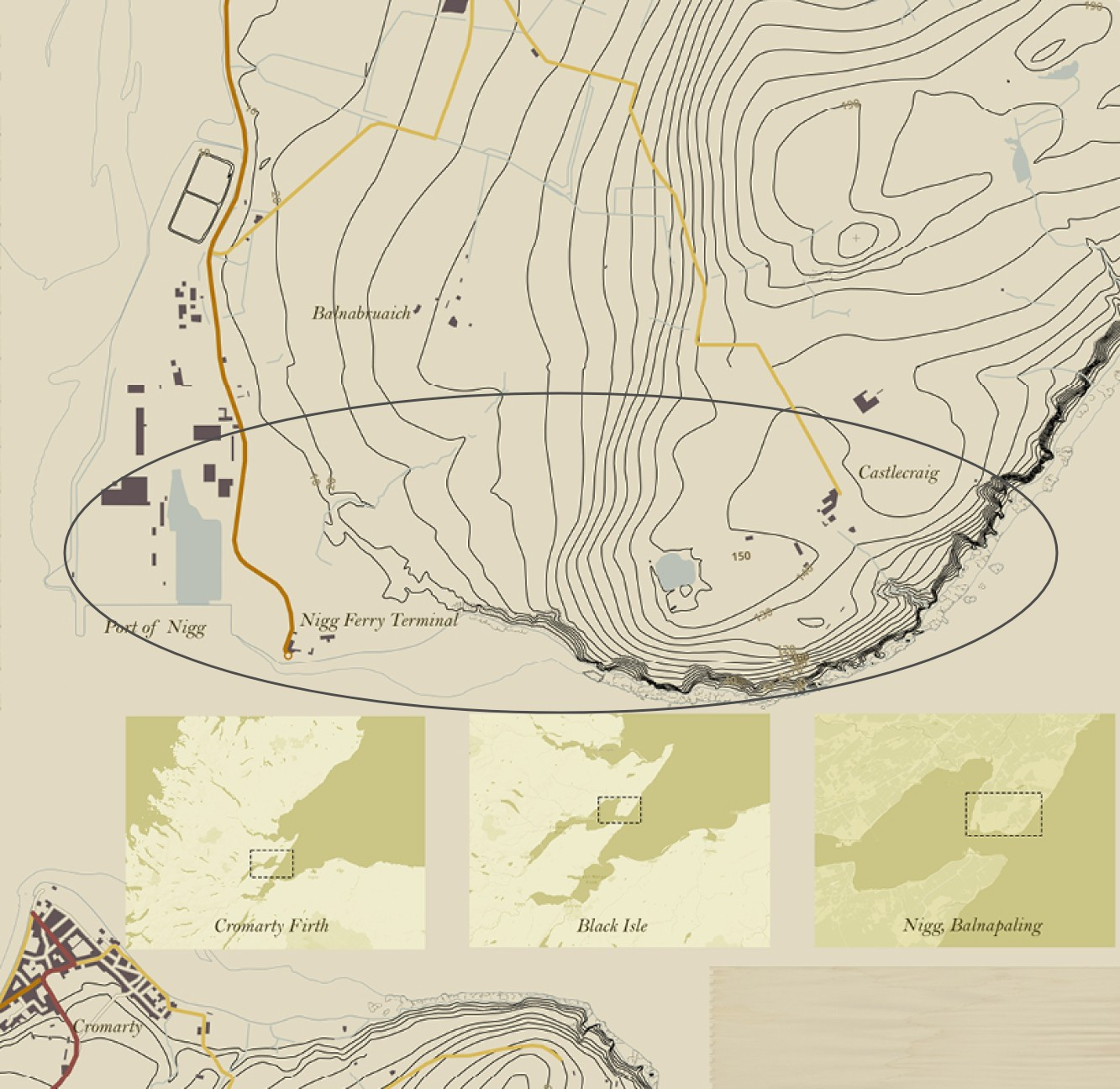
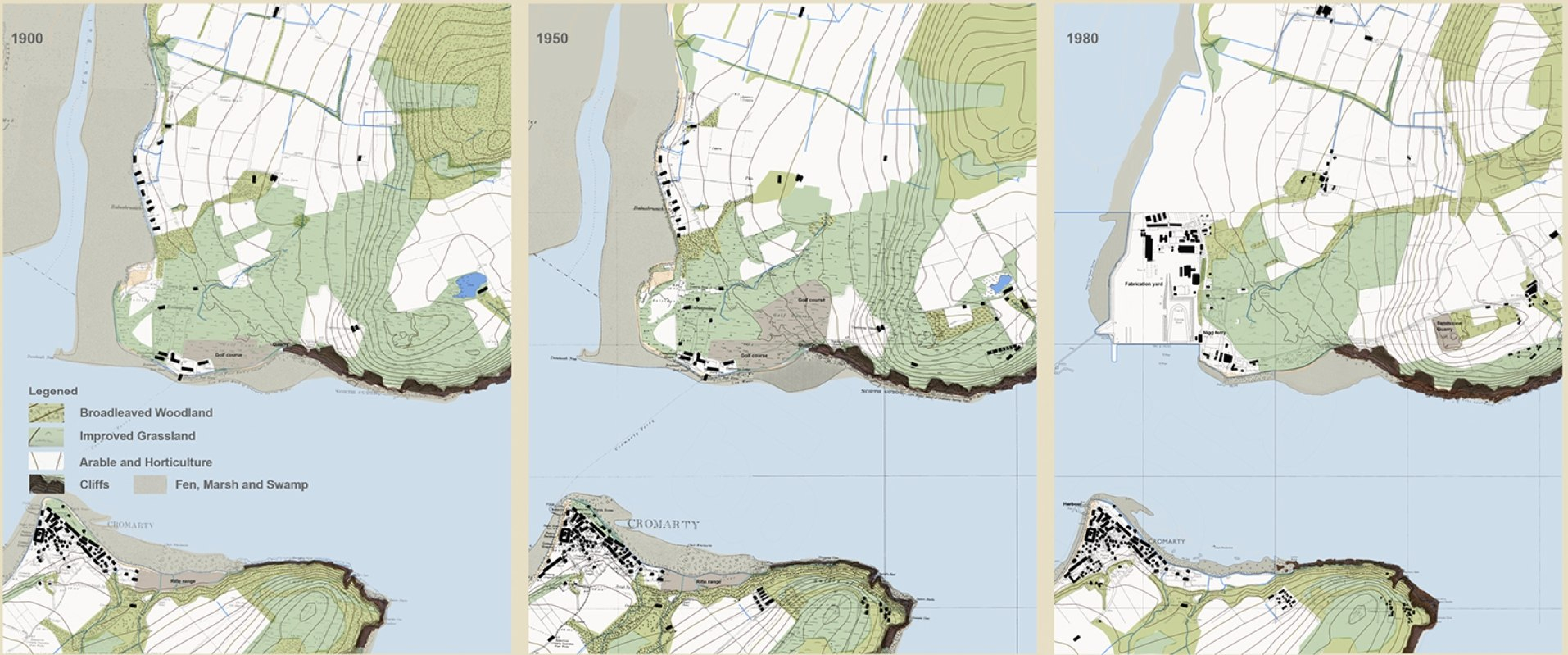


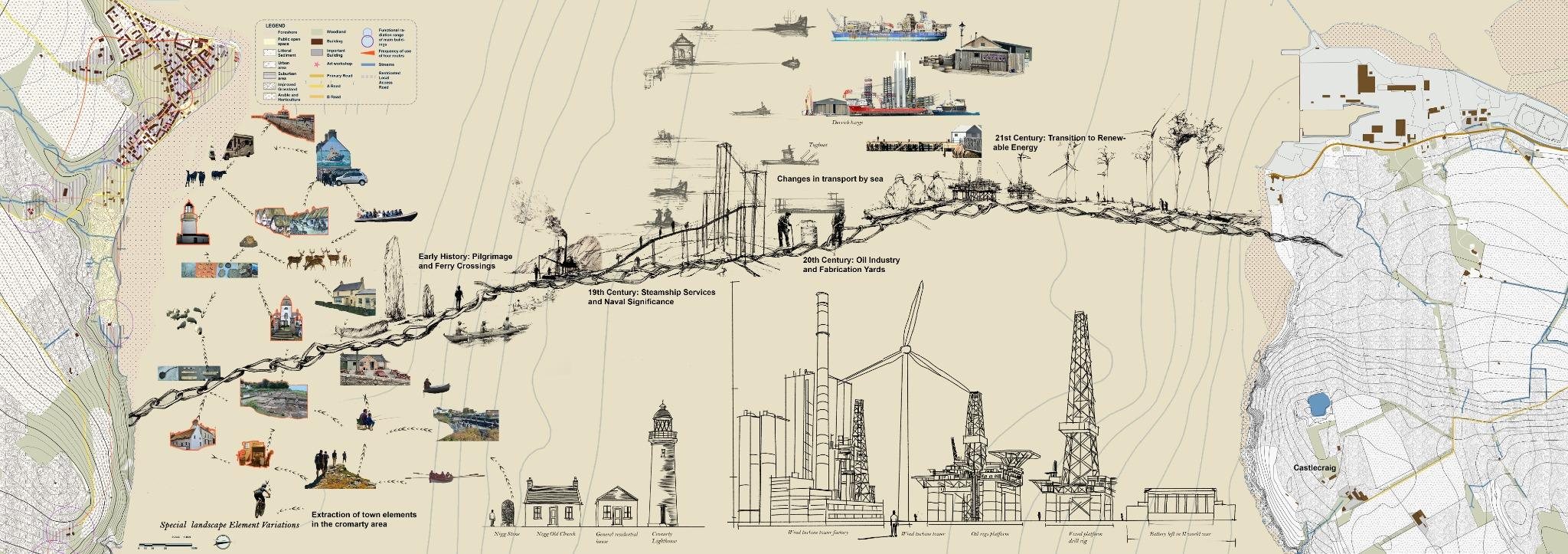
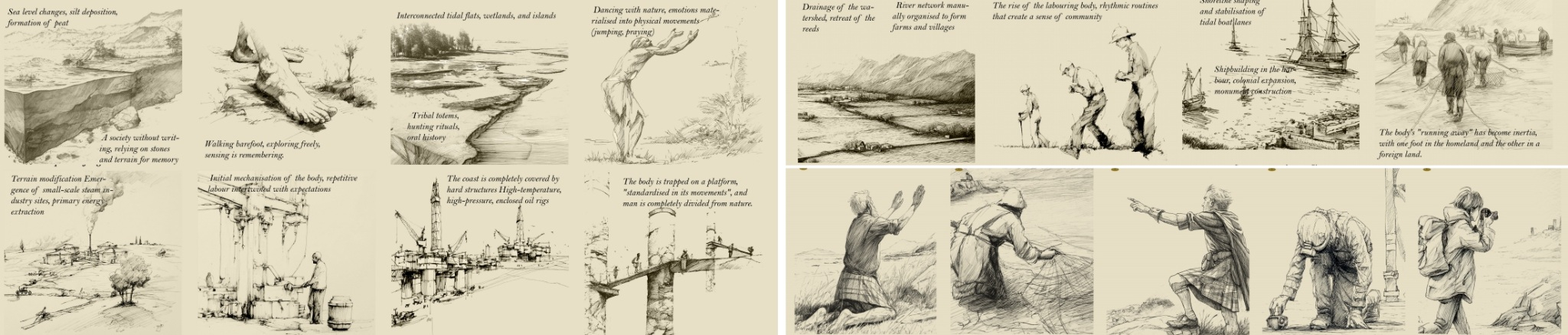
The Cromarty Firth, home to the village of Nigg, was once a vital departure point for the seafaring Celts. Along these rugged shores, people built wooden ships carved with Celtic patterns and symbols, setting sail into the northern seas in search of freedom and discovery. By the 20th century, this narrative changed. With the rise of the oil economy, the same coastline became an industrial frontier. Towering drilling platforms emerged from the water, replacing wooden vessels with steel giants. The atmosphere shifted from open exploration to confinement. Workers labored under intense heat and noise, their bodies constrained by machinery and repetition. The coastline, once a symbol of liberation, had become a site of physical and emotional oppression.
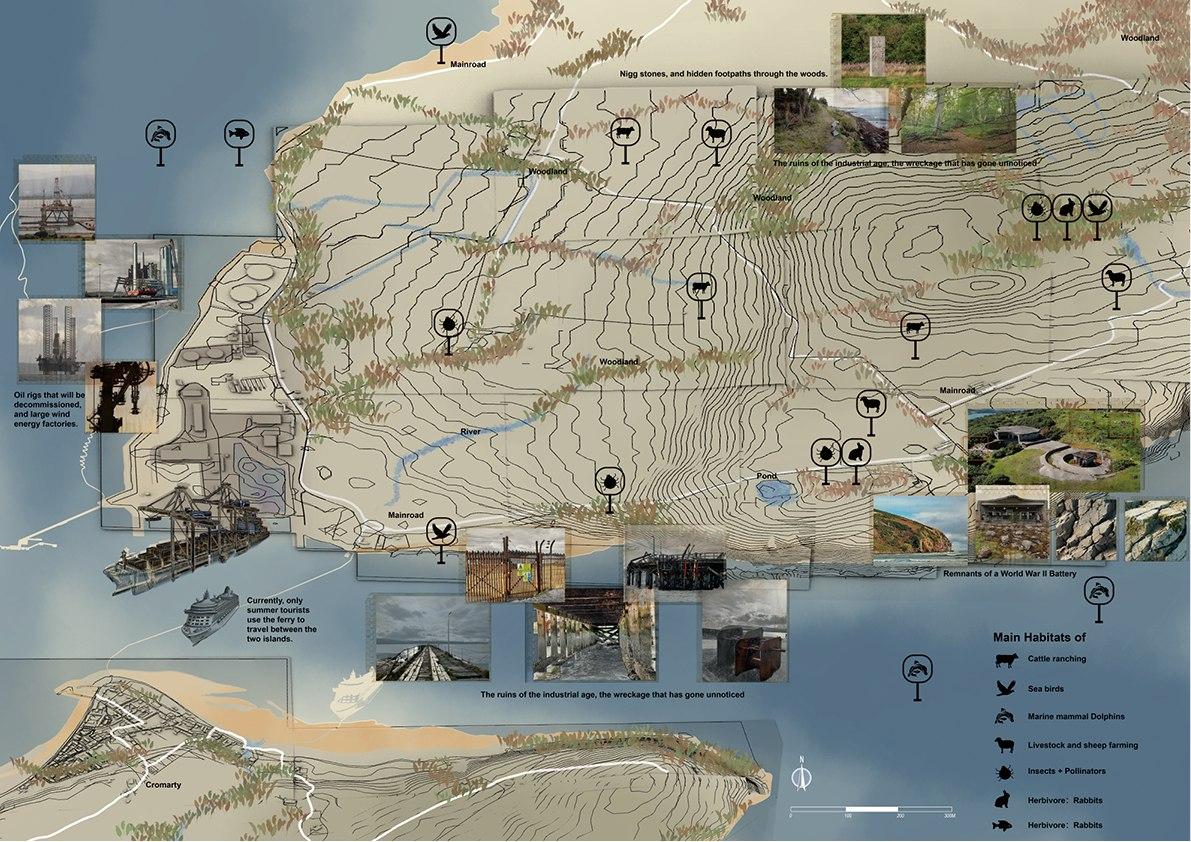
Site status & future projections & Human Terrestrial Emotional Link


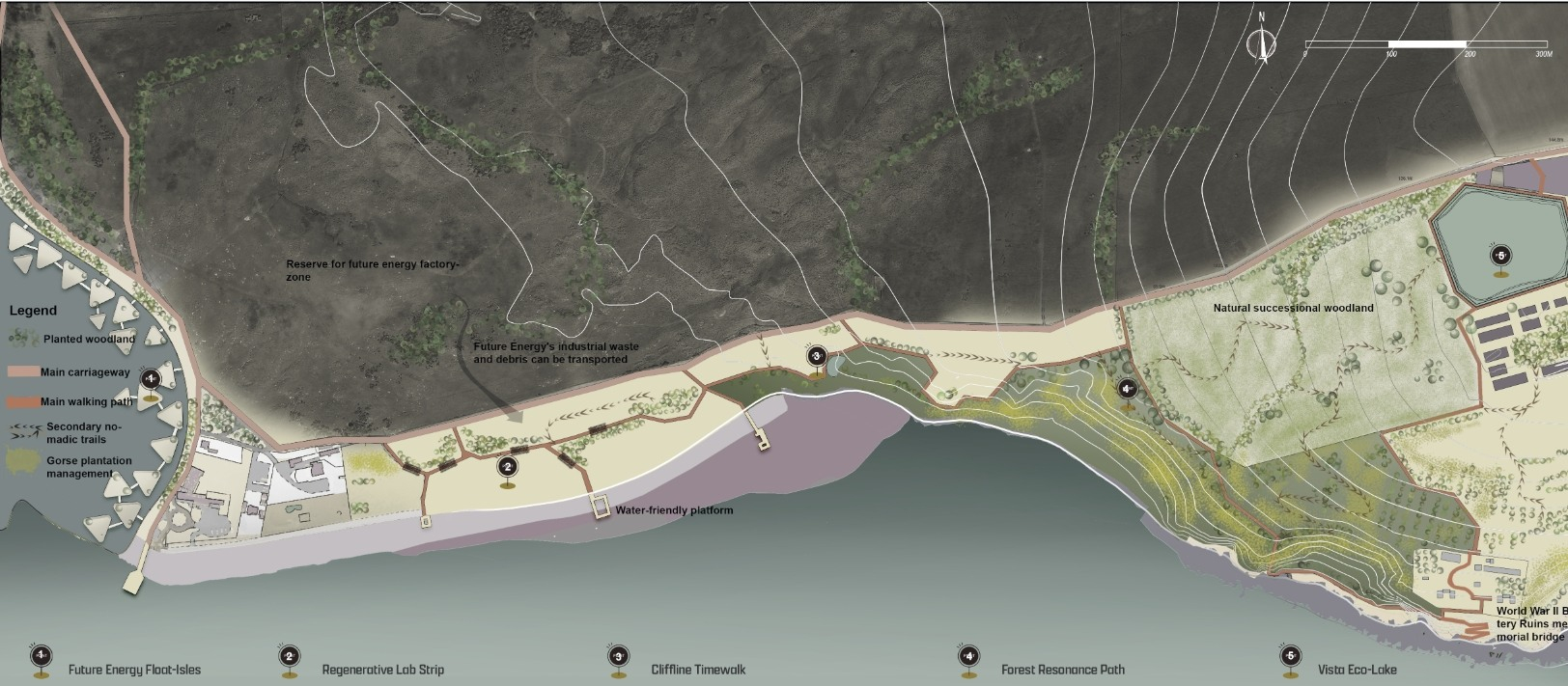
Plan & strategy
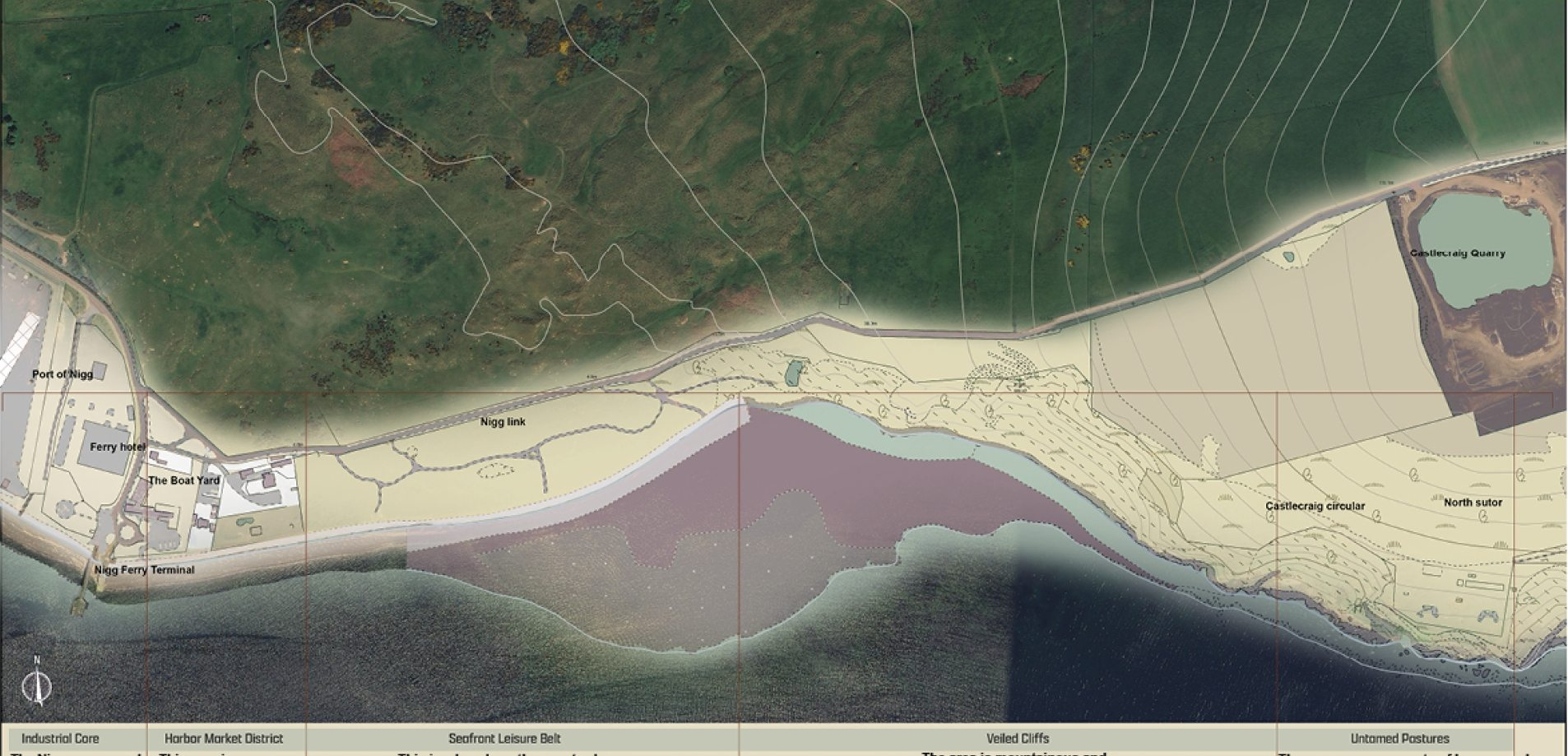


Over all design in detail-- 3 sites
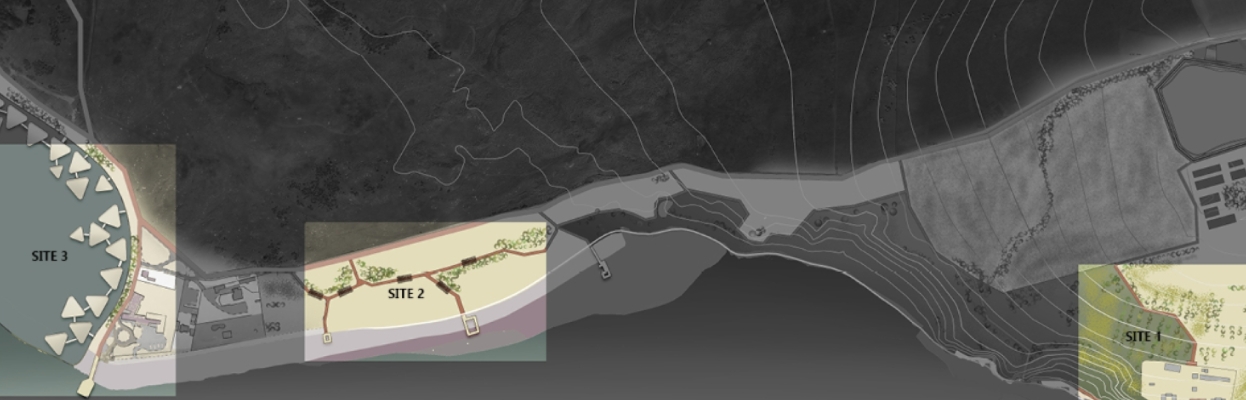
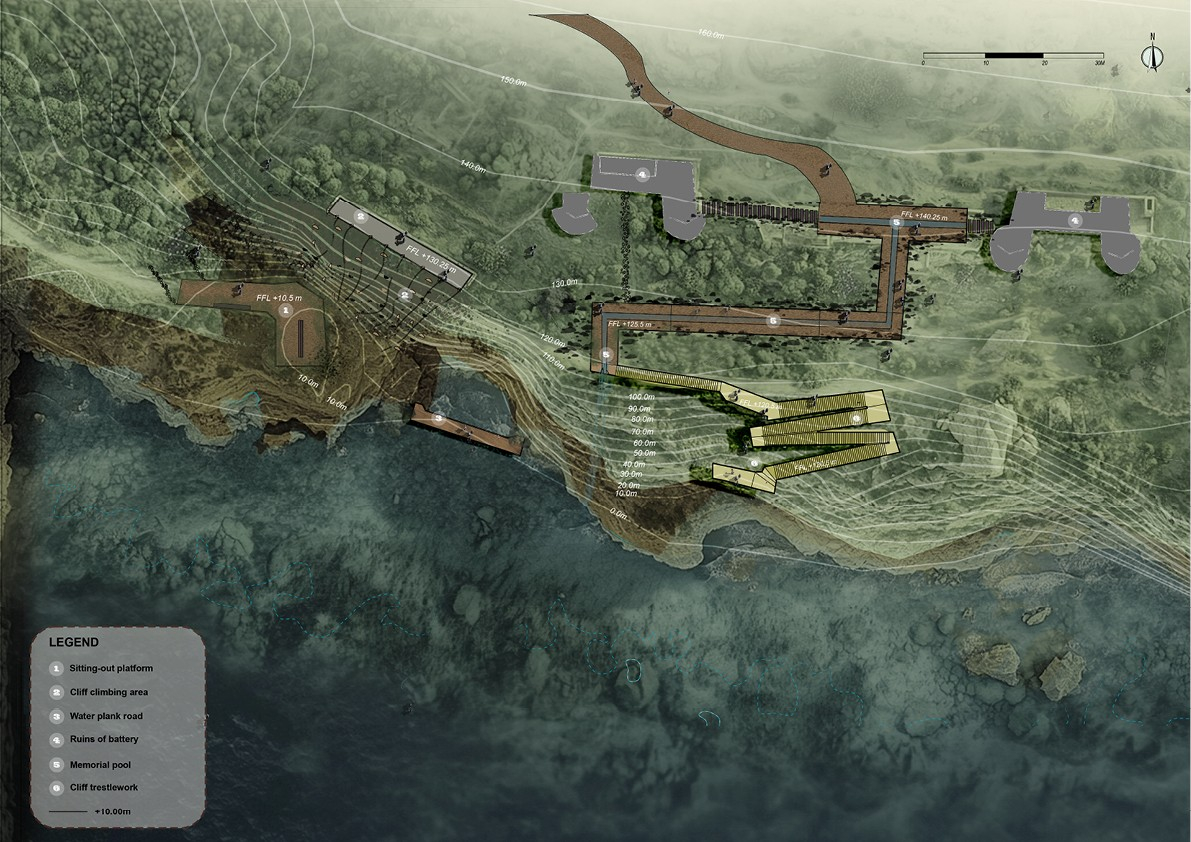
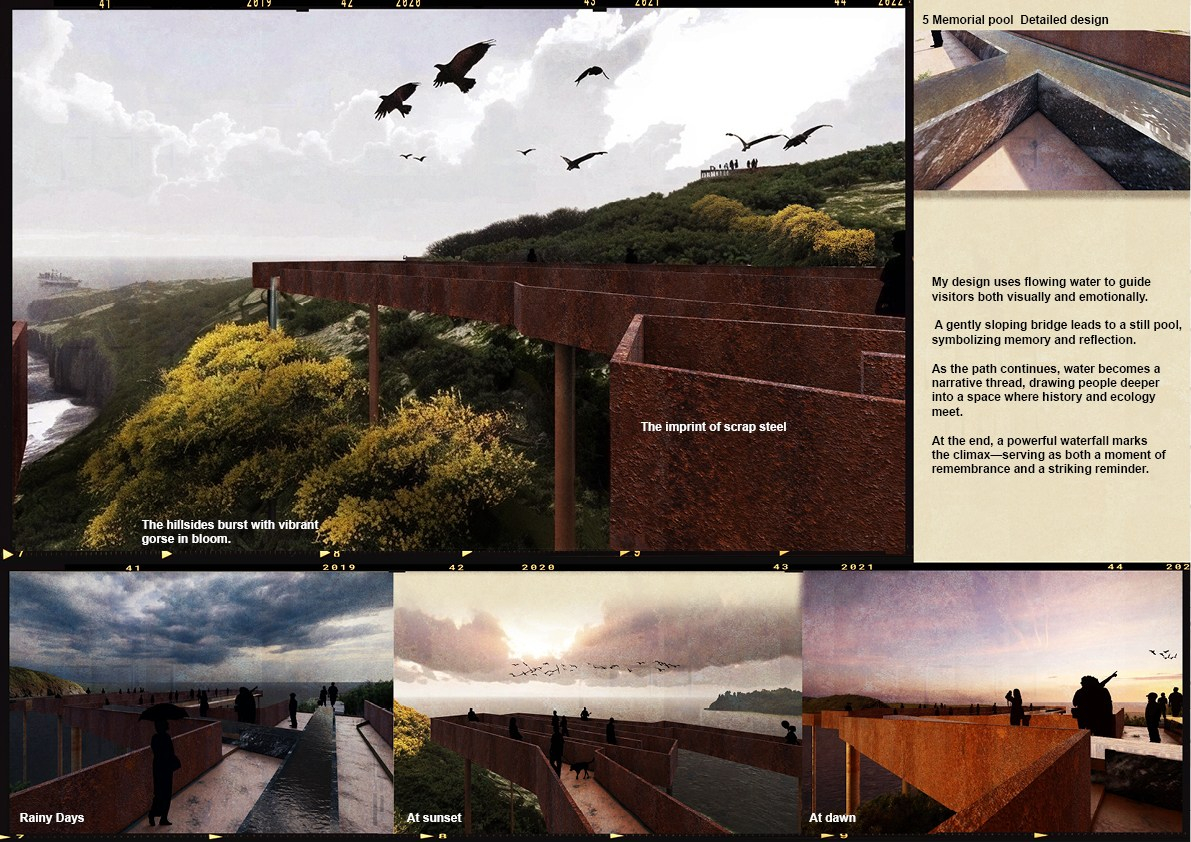
Site 1 : Transformation of the original WWII battery site into a post-industrial emotional memorial site
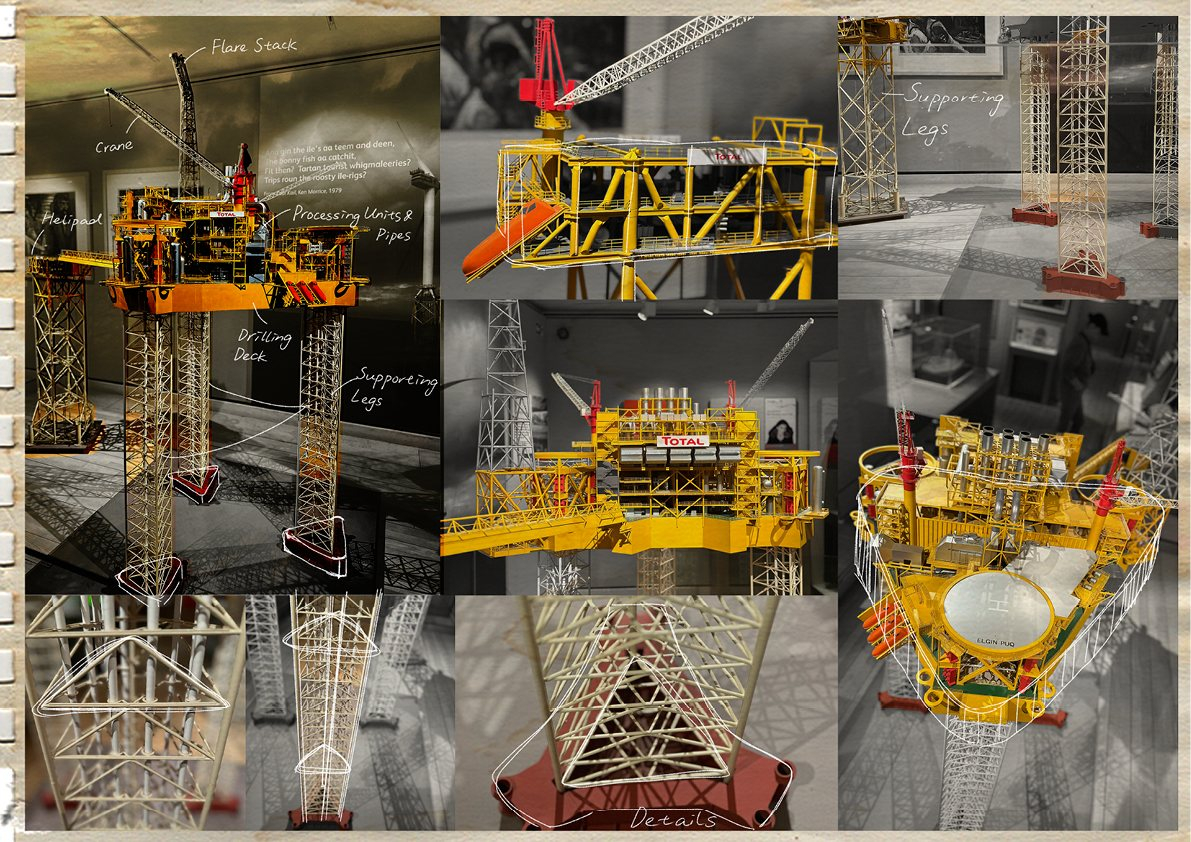
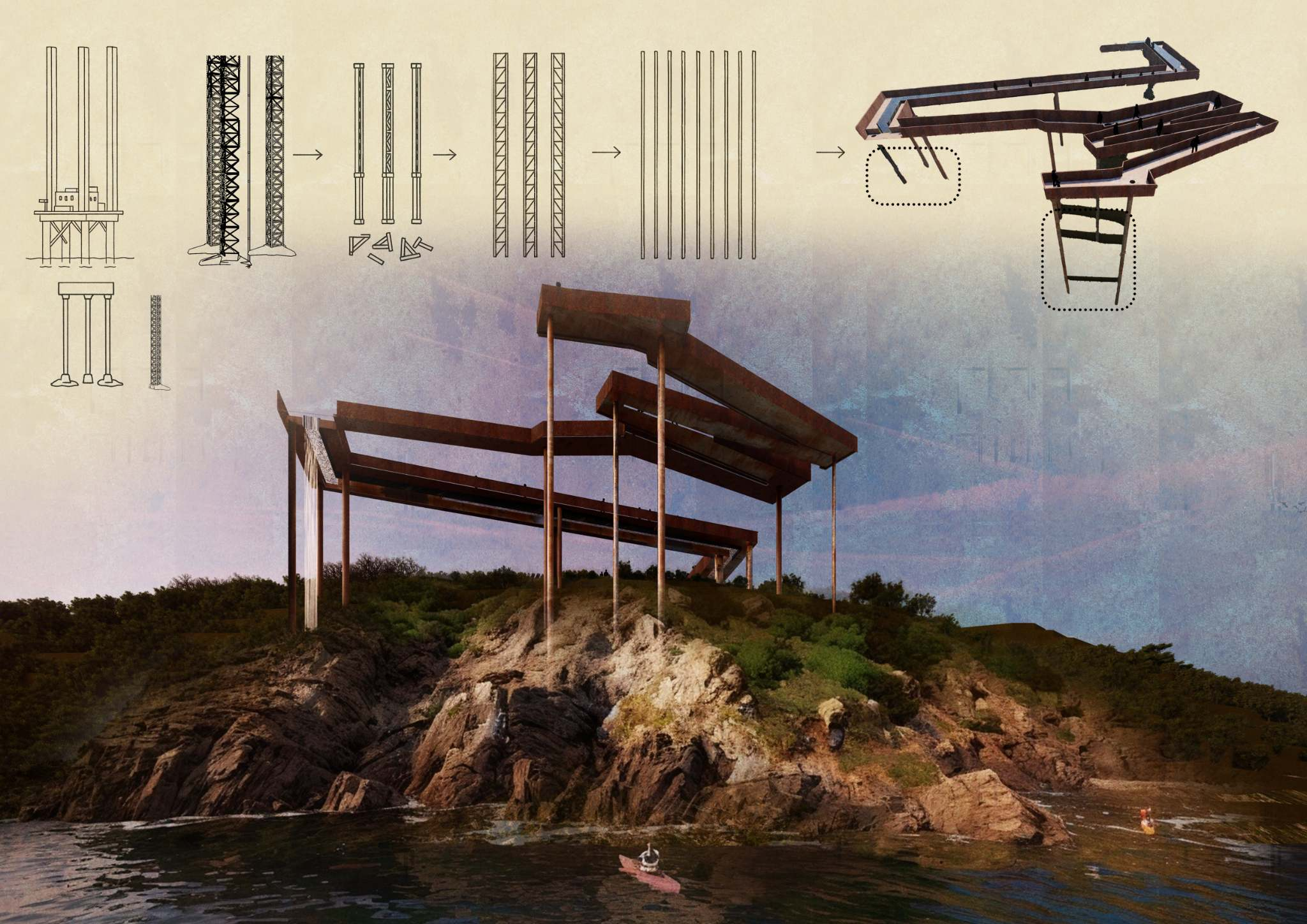

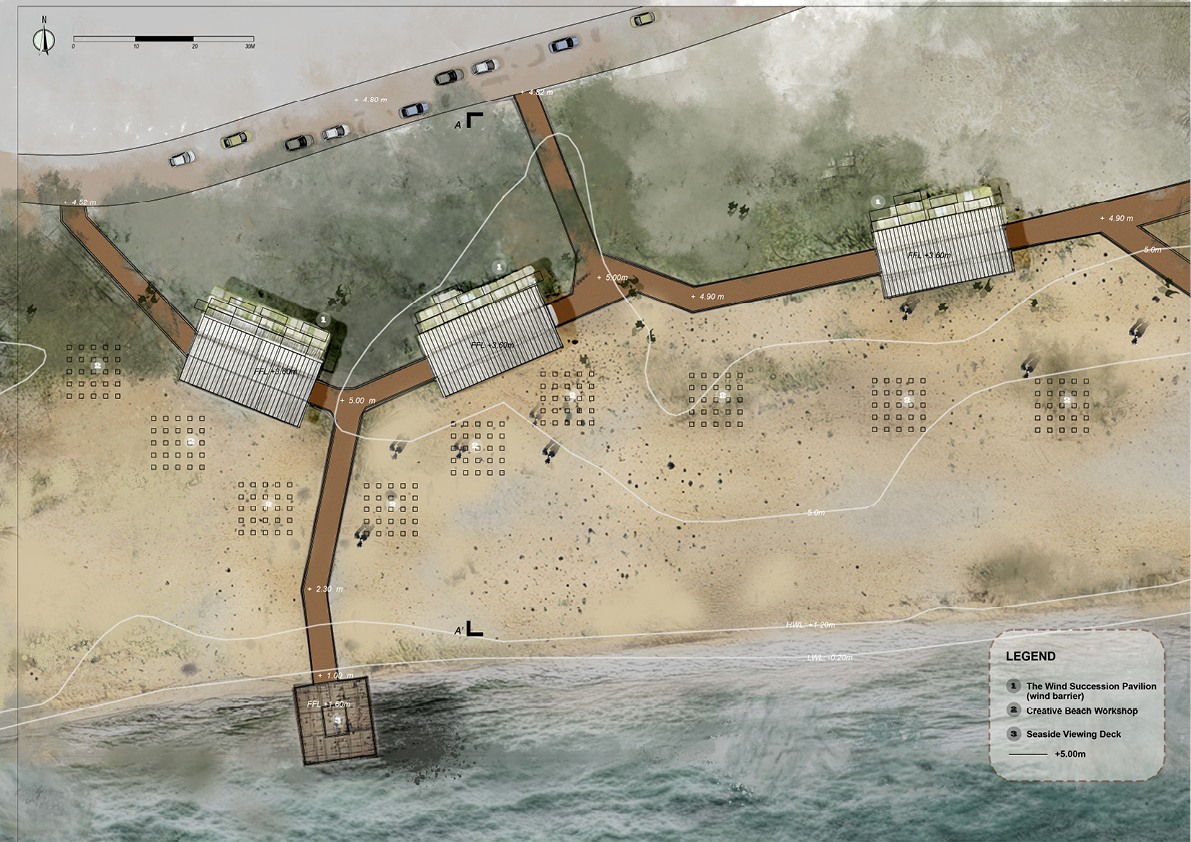
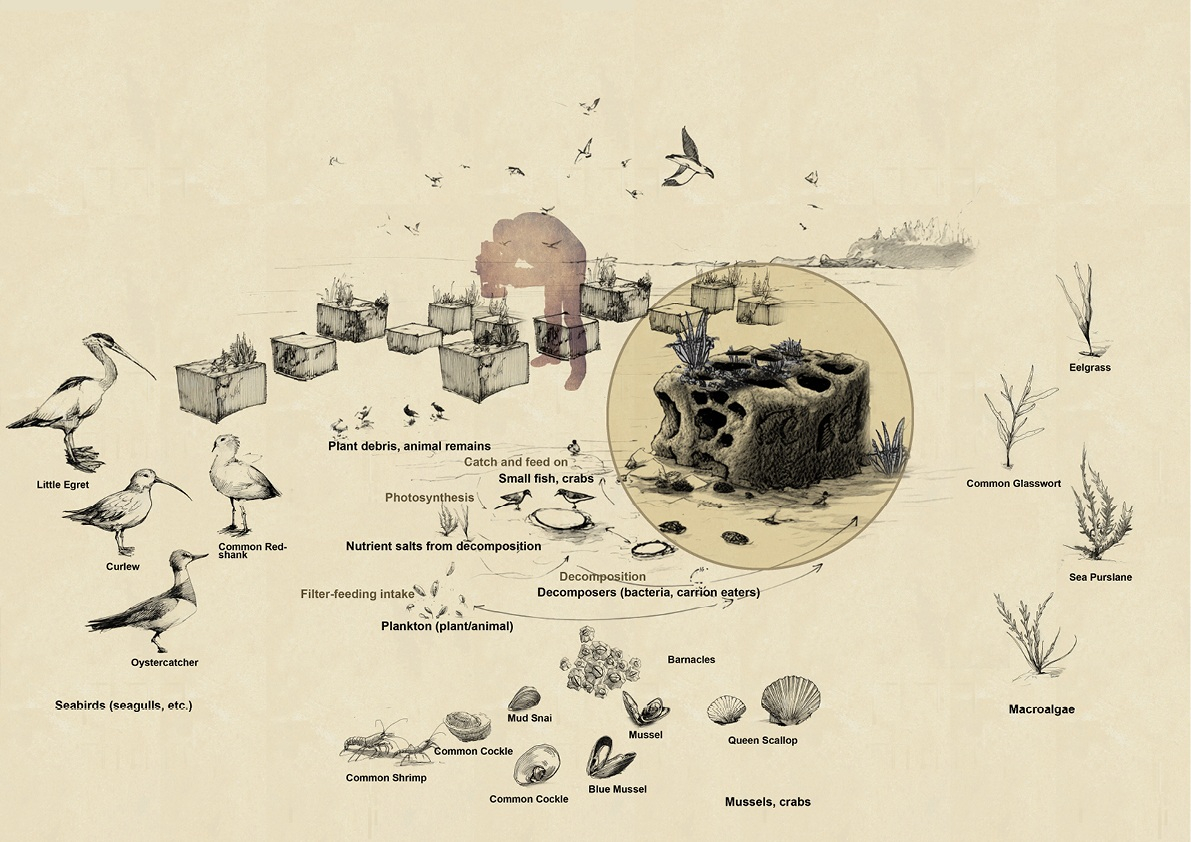
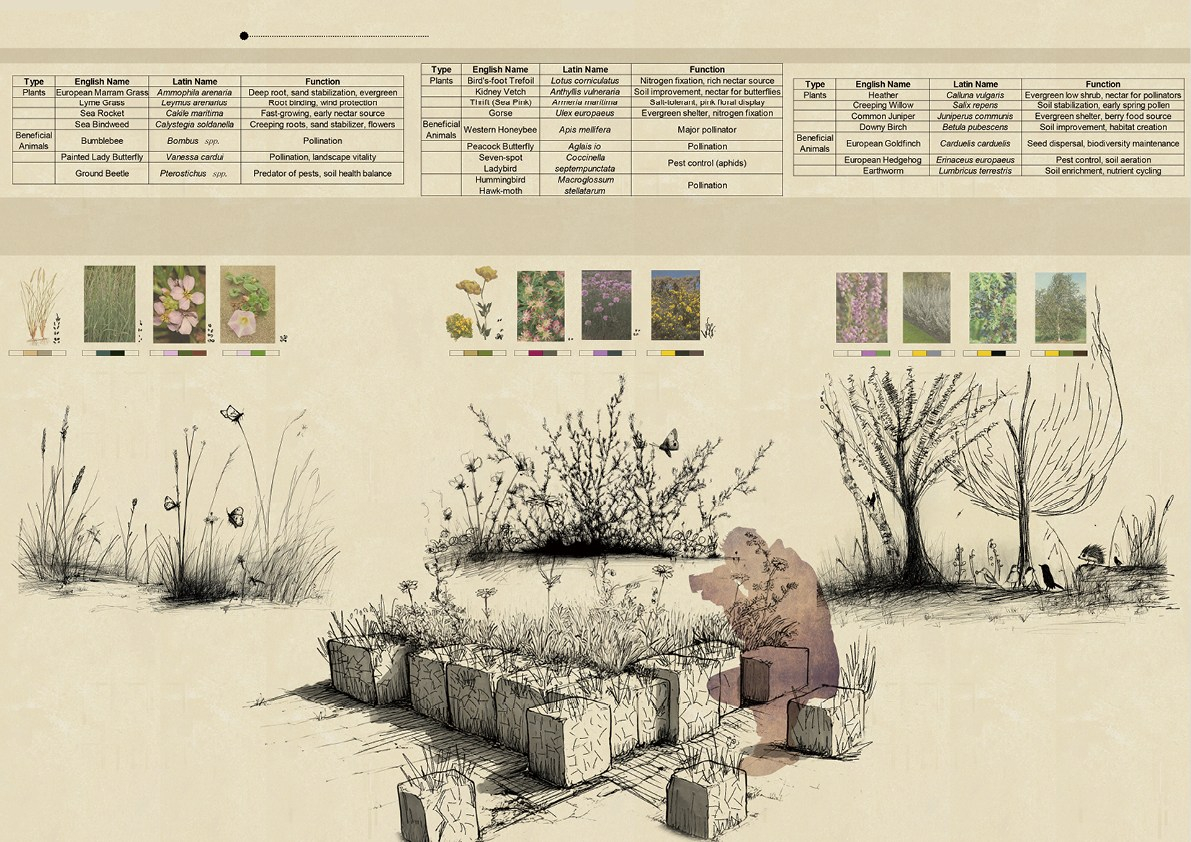
Site 2 : Waste collection of existing beaches to transform them into renewable bricks to facilitate biological succession


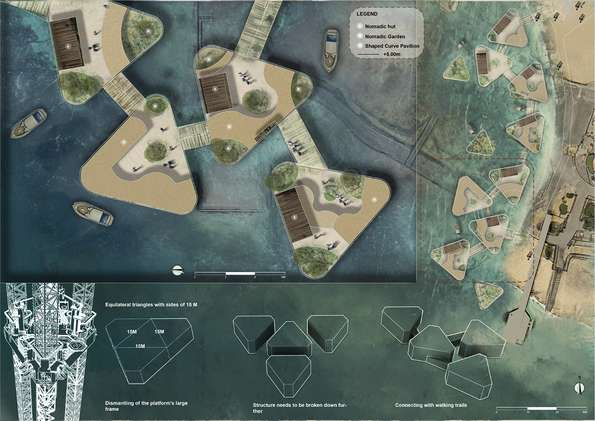
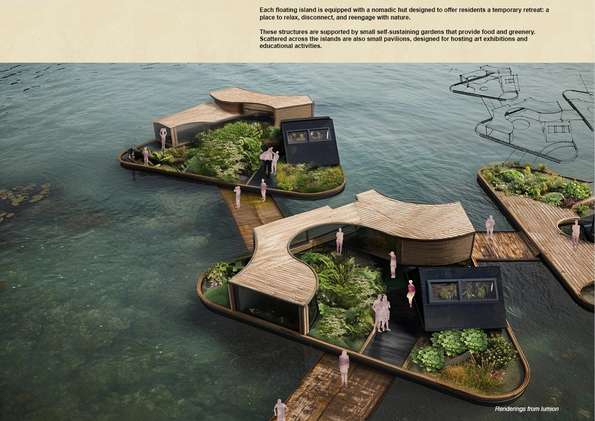
Site 3: Converting coastal oil rigs into floating island eco-habitat huts


Yixuan (Kitty) Zhang

