Project description

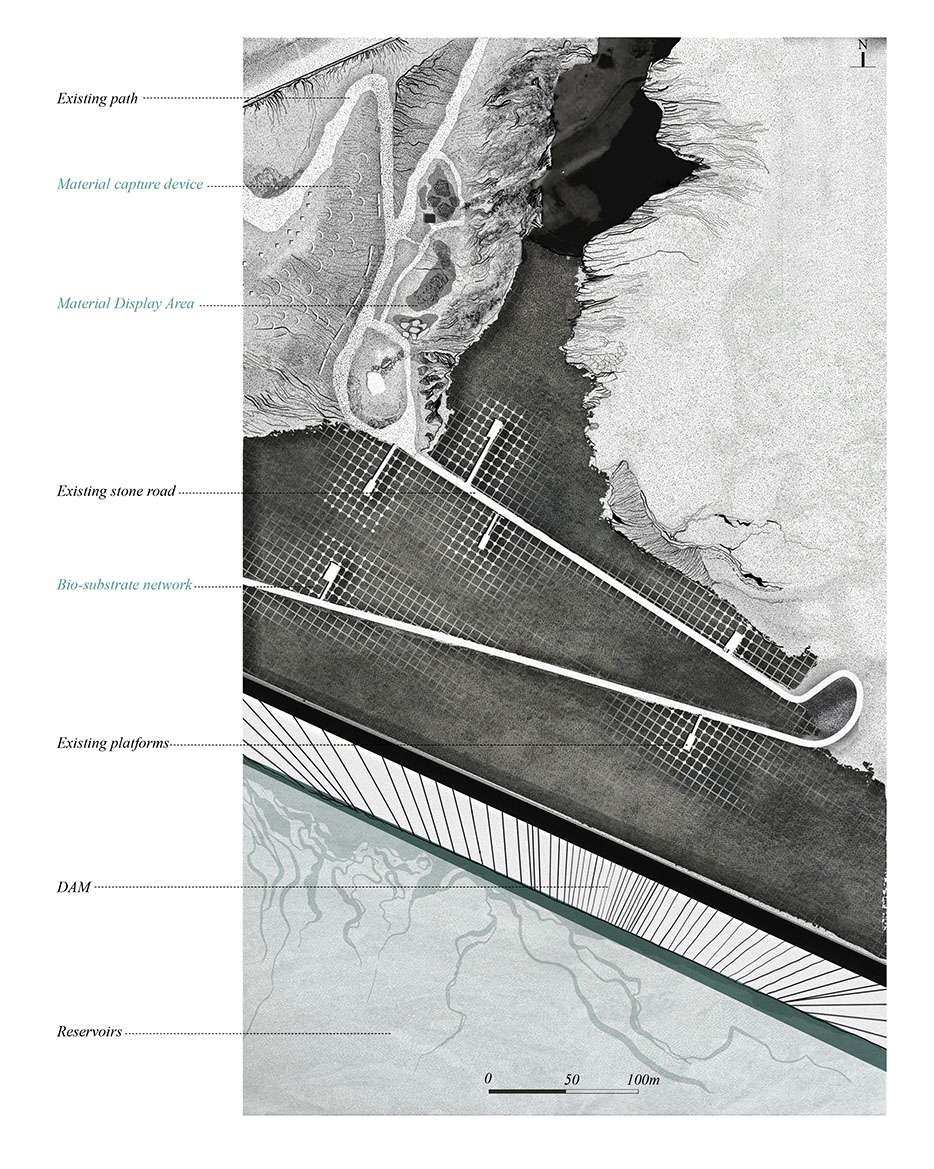
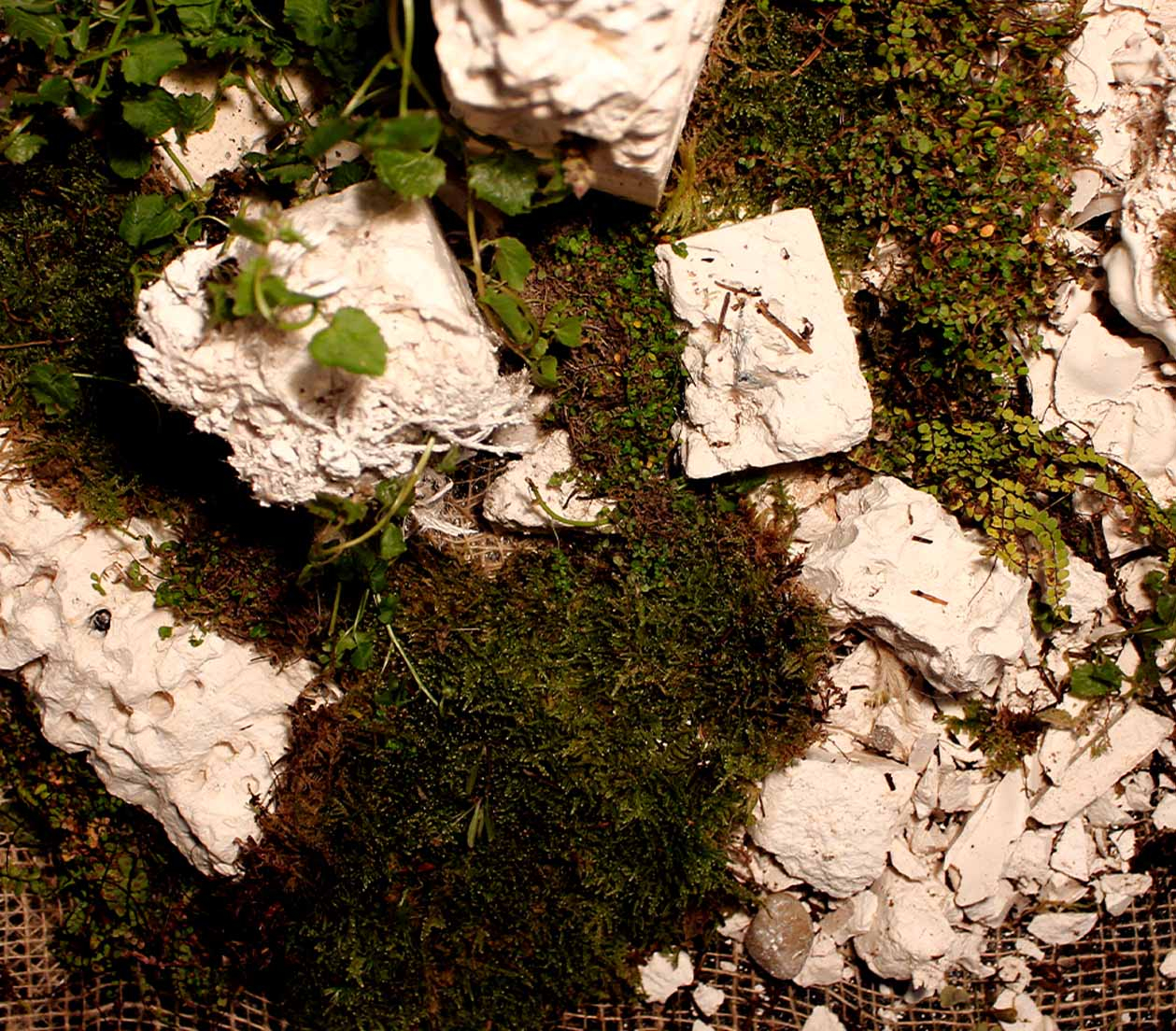
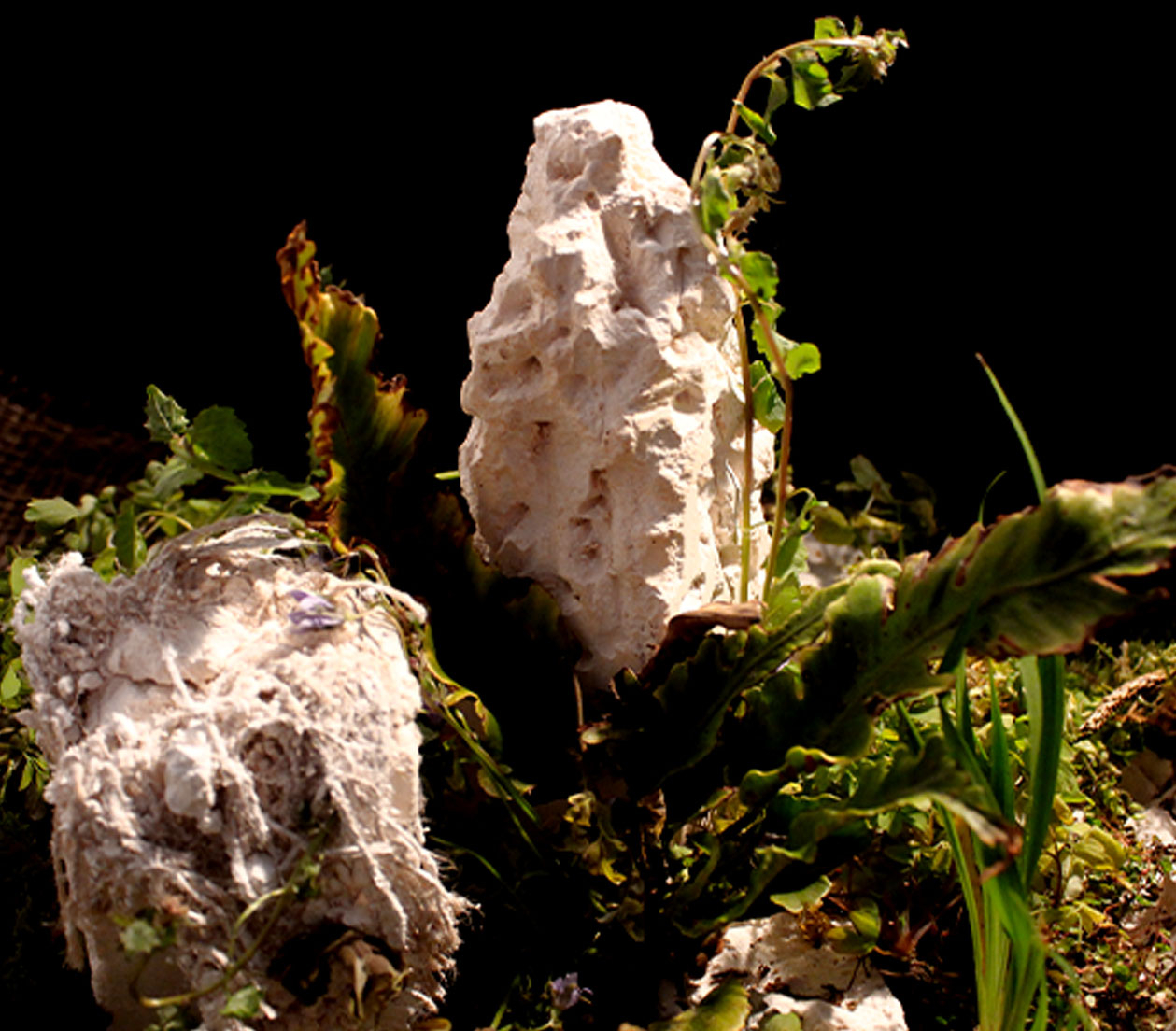
The project envisions a future framework for large-scale infrastructure in the Anthropocene, re-imagining the Kárahnjúkar Dam as an adaptive landscape system for collecting, transporting, accumulating, shaping and restoring ecological materials. Considering infrastructure as a landscape language, by combining modern technologies with local materials, infrastructure is transformed into a medium for connecting sites and restoring ecosystems. The project proposes a post-industrial transformation of the landscape, transforming the dam and its surrounding terrain into a laboratory for ecological reconstruction, where the remnants of the industrial infrastructure will become a scaffolding for natural processes, wildness and knowledge production.

Alongside landscape interventions are critical reflections on the current social and ecological paradigms that shape our landscapes. The most meaningful human contribution will be the ecologically restorative conditions we create for a thriving post-human era, and the greatest construction will be the ecology that thrives after we leave.
WEIKANG LI-MAPPING
Context and Grounding

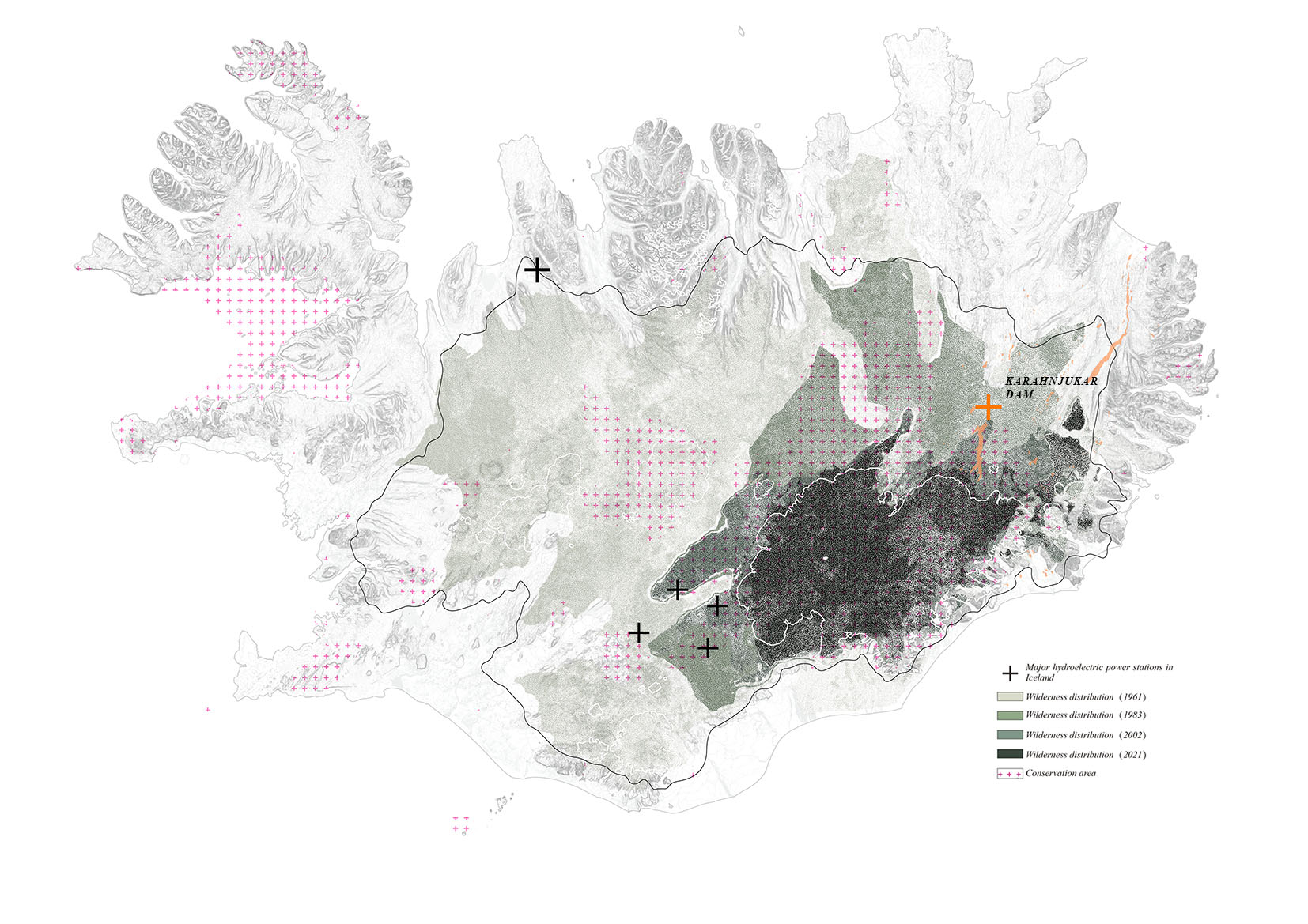
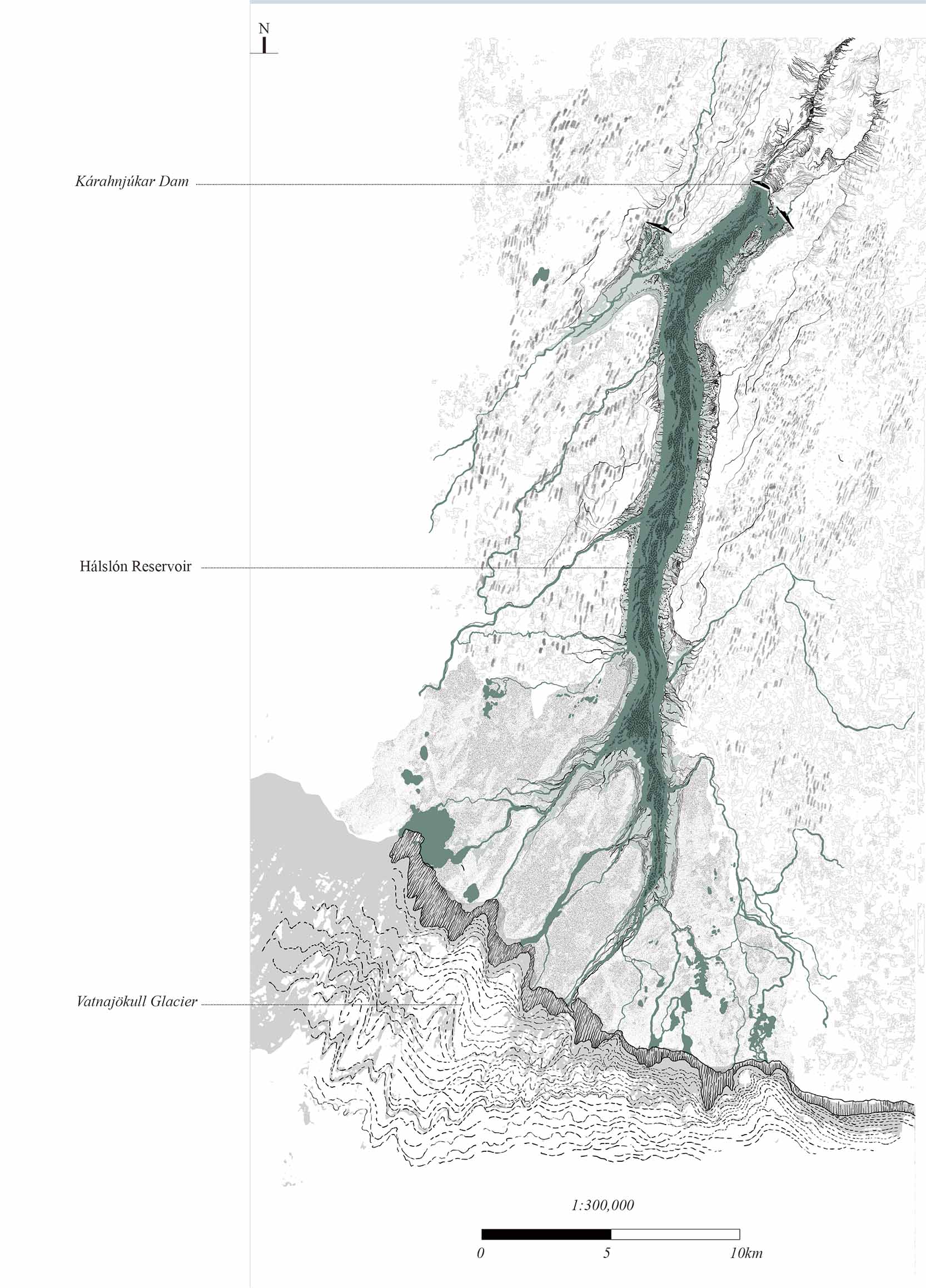
Following on from broader reflections on the impacts of the Karānjūka hydroelectric power station, I have focused my study area more centrally on the specific landscape area where these impacts have been most significant: the Hallslund Reservoir, the surrounding tundra ecosystems, and the neighbouring glacier margins. It represents a critical intersection of hydrological change, ecological disruption, and human intervention.

It is interesting to note that Kárahnjúkar discovered the ruins of three houses built in the 10th and 11th centuries on the site of archaeological excavations in Háls. The three houses were buried under the ash layer of the 1104 Hecla eruption. Underneath the lament of the site being submerged, I lament even more the fact that it seems to be slowly destroying the medium through which mankind tries to connect with the past. This landscape, with its deep interconnections and visible scars, provided a rare opportunity for me to study not the debris, but the continuity of change itself.

Territory of Karahnjukar Dam
Dynamics and Materiality

The site elements are a dynamic ensemble, and the material status quo of this dam is in fact the site of a negotiation between industrial logic and polar ecology - the huge shadows covering the site with concrete, the steel penetrating the structure hidden underground, the accumulation of sediments, all tell the same truth: on the igneous substrate of Iceland, all artefacts will eventually return to the geological time scale. The most pressing issue is how to transform this material, which is facing decay, into a vocabulary for the next generation of ecological infrastructure.

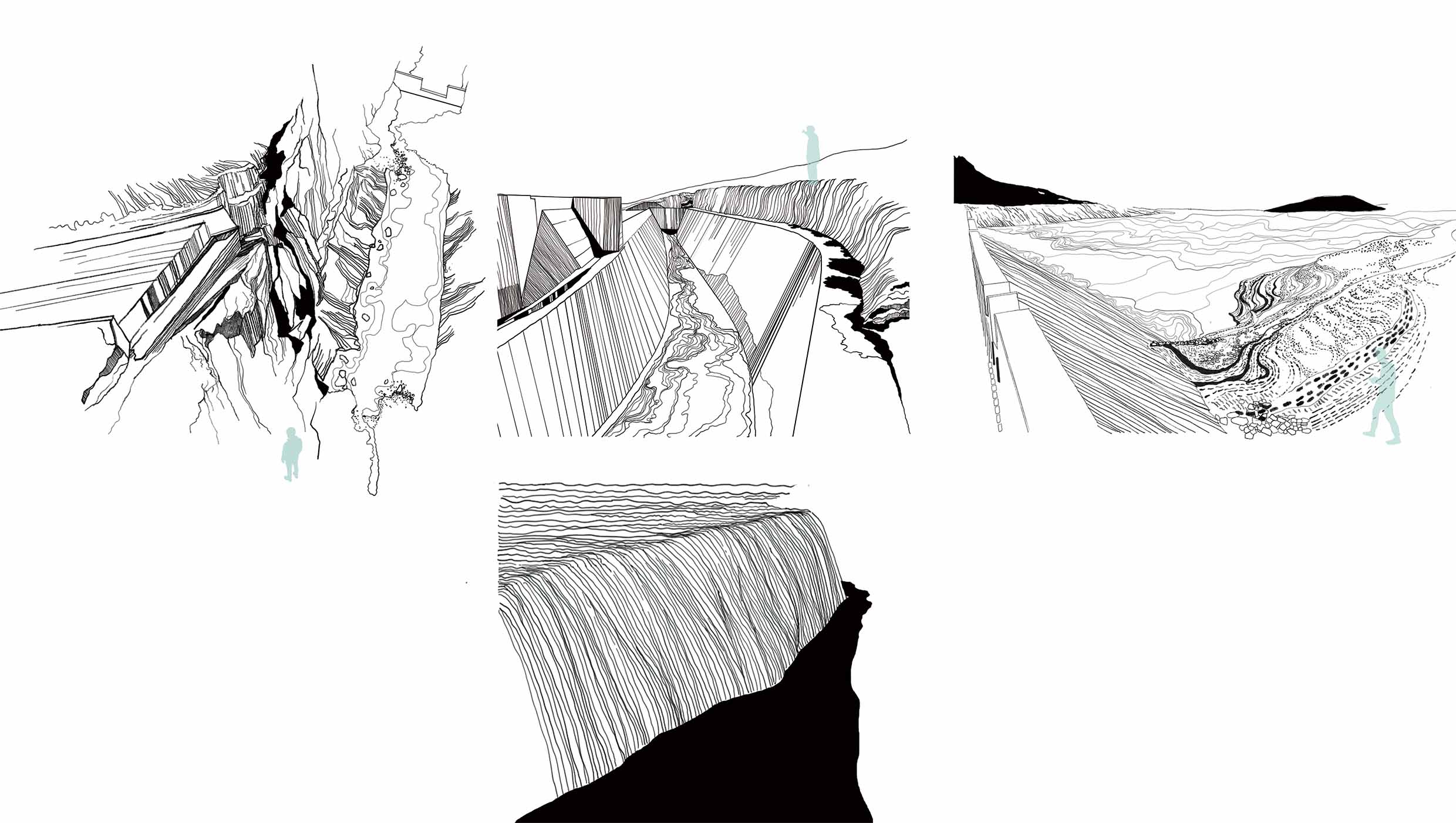
By shaping the Kalānjūka Dam, I began to understand the land from a spatial perspective - its topography seemed to foreshadow a precarious future.
Standing on the scale of geological time, dams eventually lose out to sediments - not through dramatic breaches, but through the accumulation of gravity over decades. When the last grain of sediment falls, the fate of concrete has long been written into the laws of sedimentology: all creations that try to imprison the river will eventually be buried by the river's legacy.
 

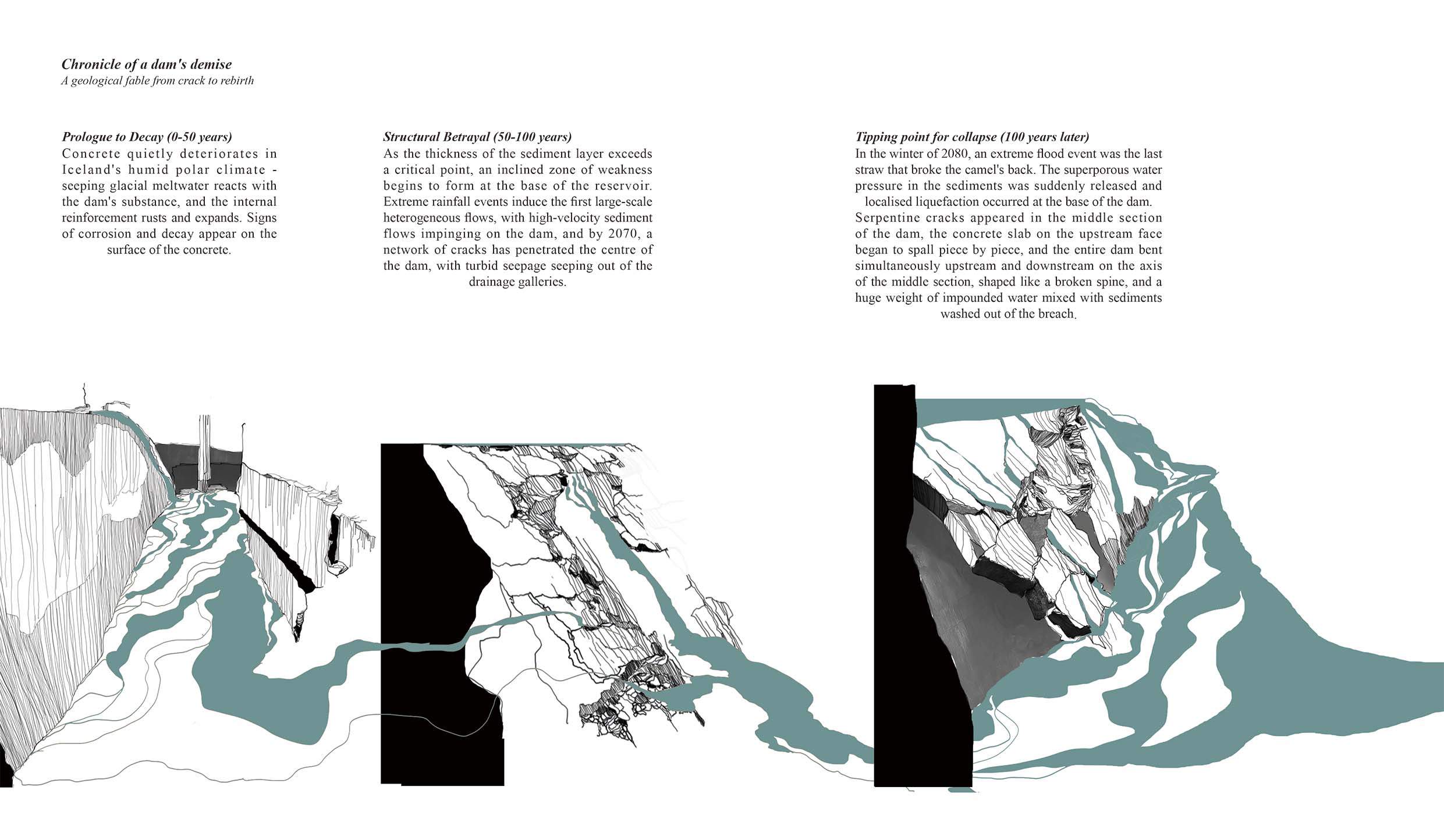
Dam process speculation
Experimental Site

The project identifies four experimental sites in the region of glacial movement: hydroelectric power stations, waterfronts, tundra and glacier margins. The distribution of the experimental sites shows a deliberate gradient: from the most prosperous industrial landscapes to the most pristine glacier boundaries, together they form a map of future ecological possibilities. This strategic map of four sites is the first step in constructing a future in which seeds, sediments and disappearing glaciers will be collaborators in imagining new worlds. By conducting experiments in this area, we are beginning to realise that we need to understand how to live with loss, how to adapt to instability, and how to build with changes in the planet. These experimental sites are not a review of the past, but an interaction with the deep time of the landscape, the promise of life after the ice age.

Experimental Site

Each crack is labelled with a numerical number as a physical textbook:
-No.28 crack (appearing in 2060) demonstrates the chronic murder of the alkali aggregate reaction
-No.48 crack (extended in 2085) records the foundation displacement triggered by the retreat of the glacier.
-The recently formed No.63 crack is demonstrating new traces.

After 150 Years


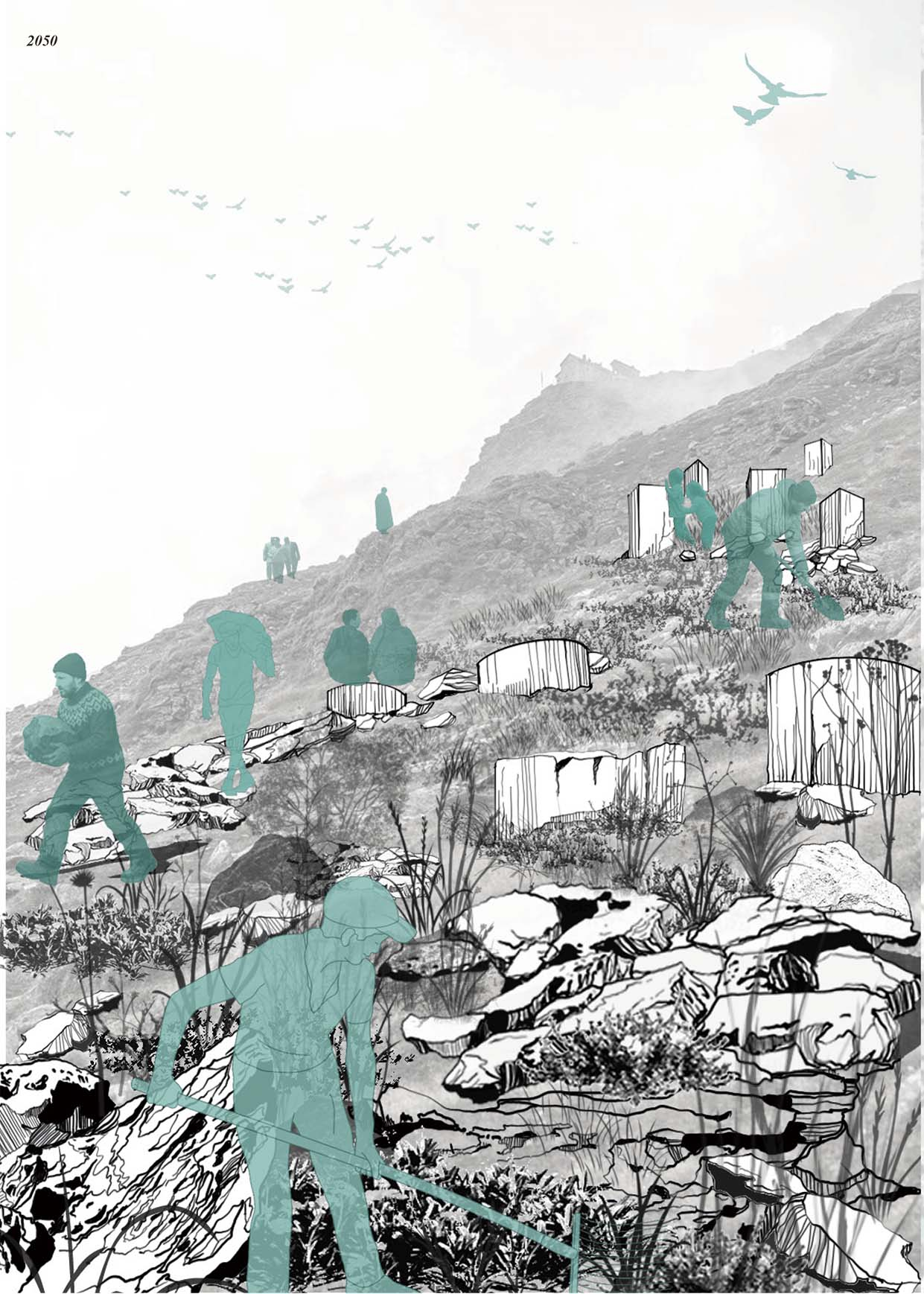
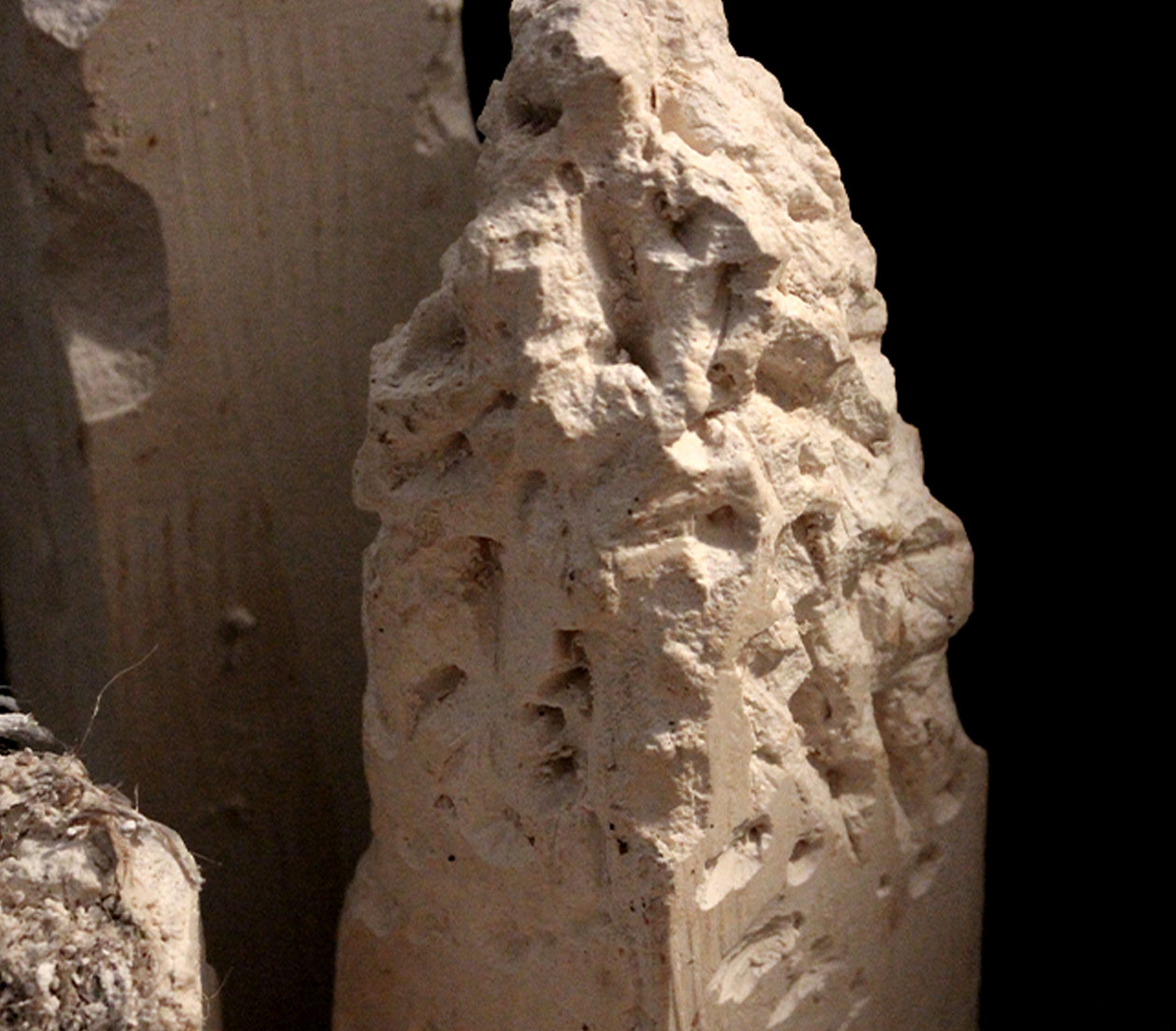
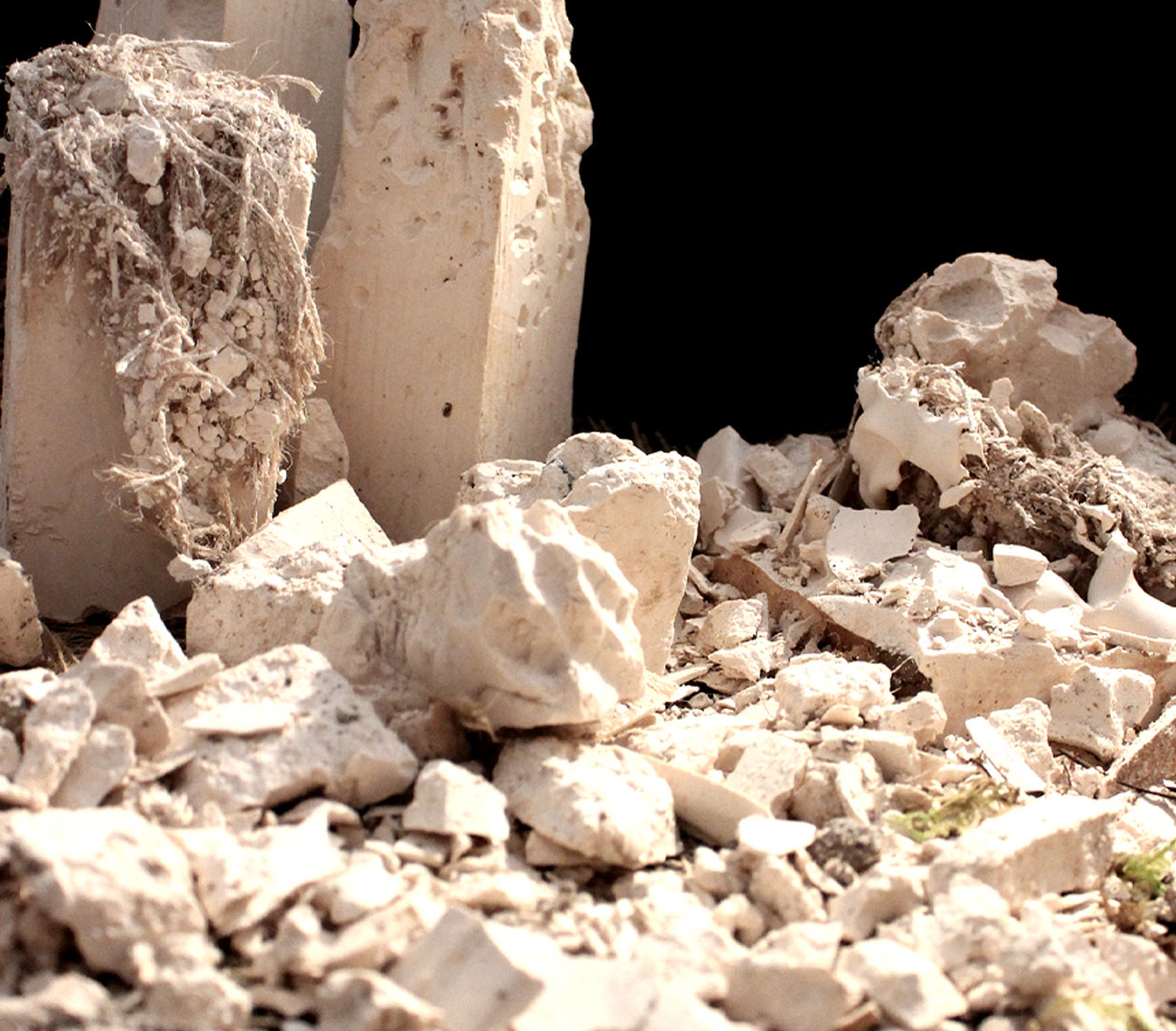
The collapse of the dam is inevitable. But before that happens, the ecology we have rebuilt has quietly taken root: plant roots penetrate the cracks and stabilise the loose stones; algae form biofilms in the damp backdrops and slow down the rate of water erosion. The building's decay is no longer a disaster, but a pre-programmed ecological performance.

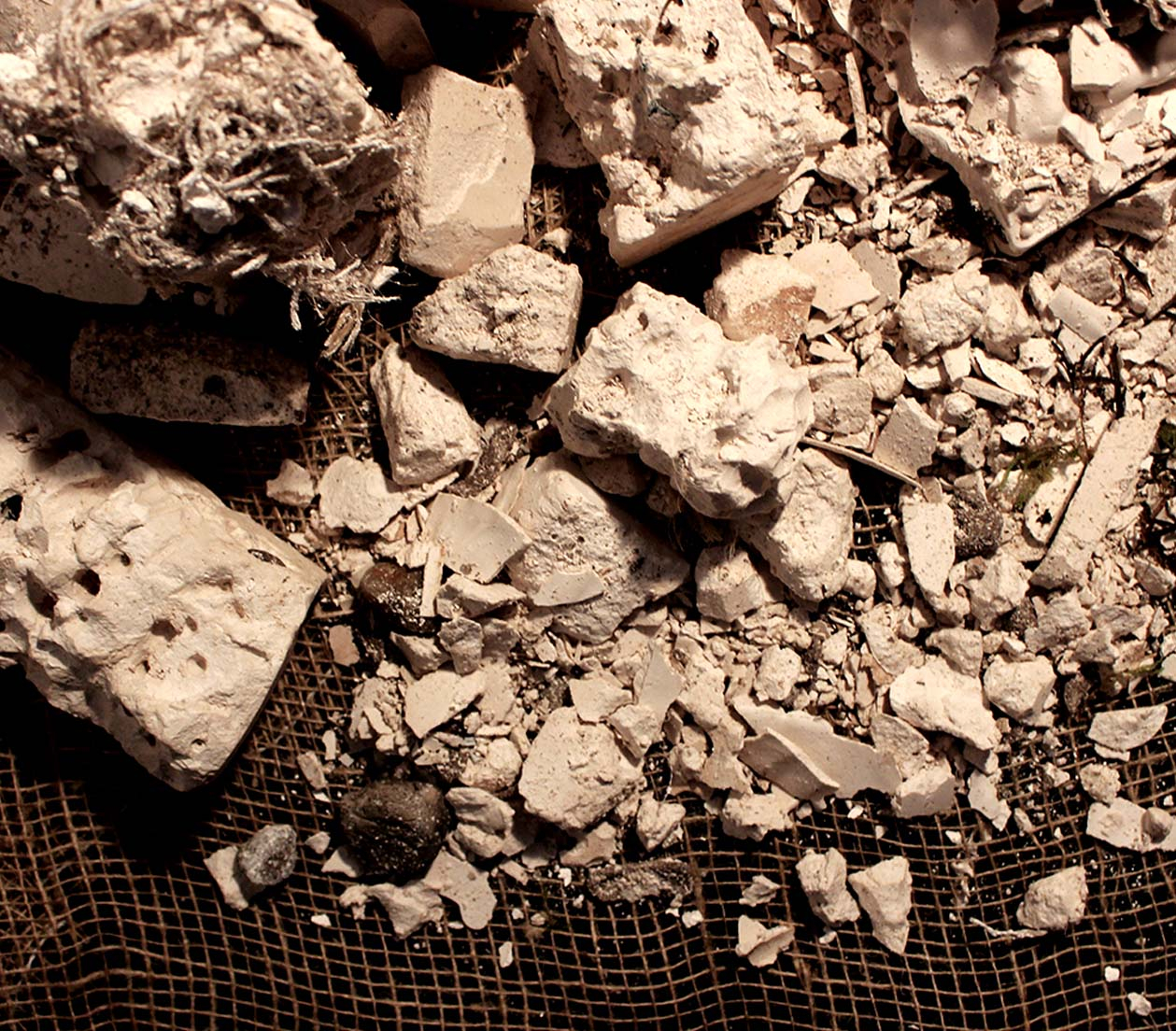
When the dam finally collapses, its fragments will not disappear, but will become the building blocks of a new landscape: Concrete blocks are reassembled into stepped wetland filters to purify snowmelt runoff; crushed reinforcing steel mesh is woven into erosion-resistant soil reinforcement; and organic matter from the reservoir's sediments becomes a natural fertiliser for the alpine meadows. There are limits to human power, but what we leave behind is not only destruction - there are also seeds of restoration. When the last piece of the dam sinks into the canyon, the land will not return to "primitive nature", but will enter a new balance of post-industrial ecology.

After 150 Years
Student list
open list
close list