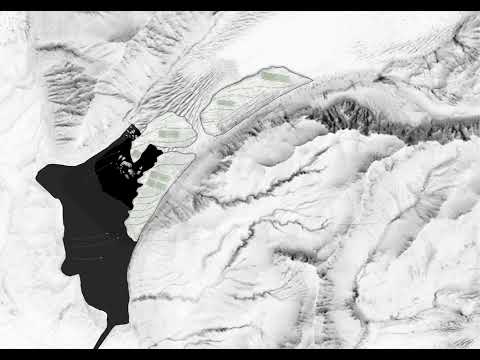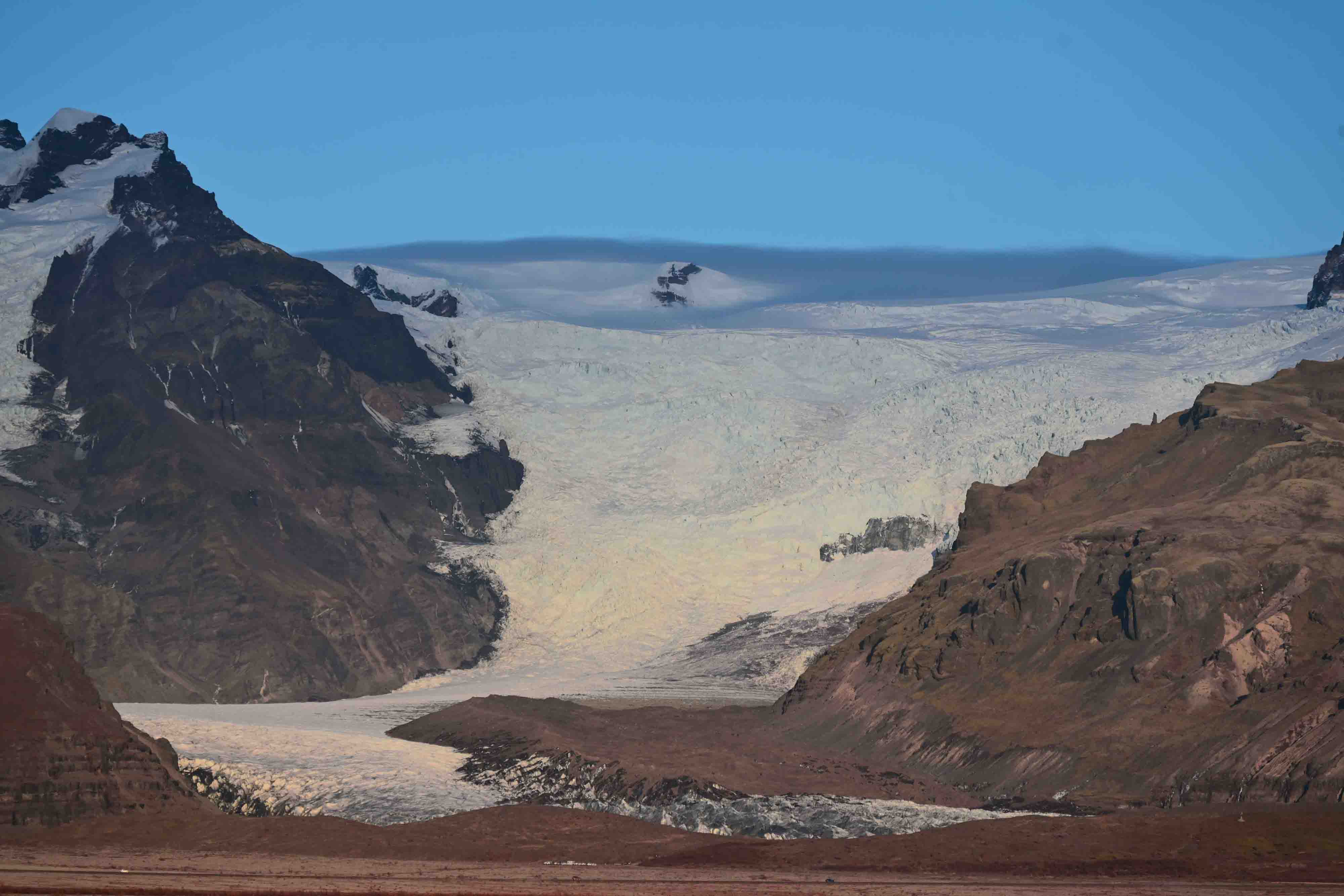


As human enter the industrialization and information age and the destruction of nature by human beings, the changes of global warming are intensifying day by day. In Iceland, glaciers and volcanoes are synonymous with Iceland, but global warming has dramatically accelerated the melting of Iceland's glaciers, and humans cannot stop this process. But what can we do on glaciers as landscape architects? For Svinafellsjökull, the most incredible thing about this land is not the majesty of the glaciers, but the story of the Icelanders' struggle with ice and fire brought about by the change of glacier boundaries, so I tried to use Svinafellsjökull as an experimental site to explore the moraine landscape, and let the moraine landscape continue to stay in Svinafellsjokull instead of the glacier landscape.
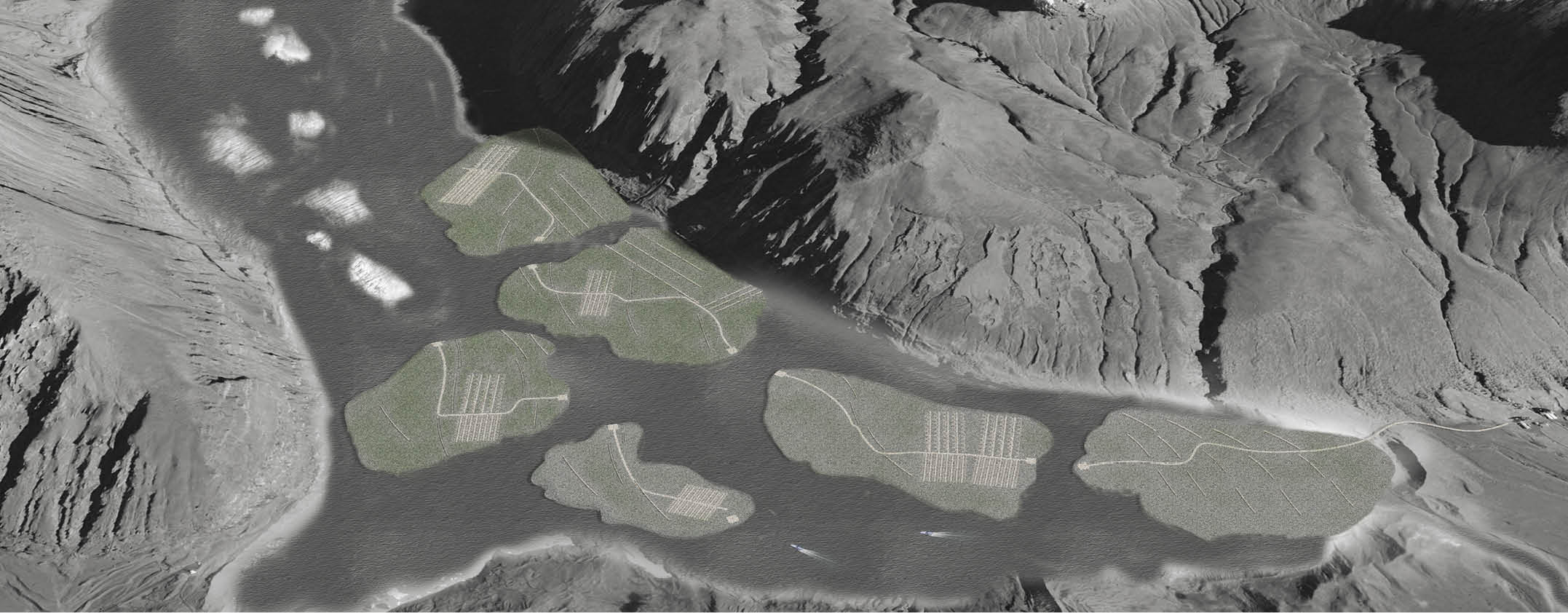
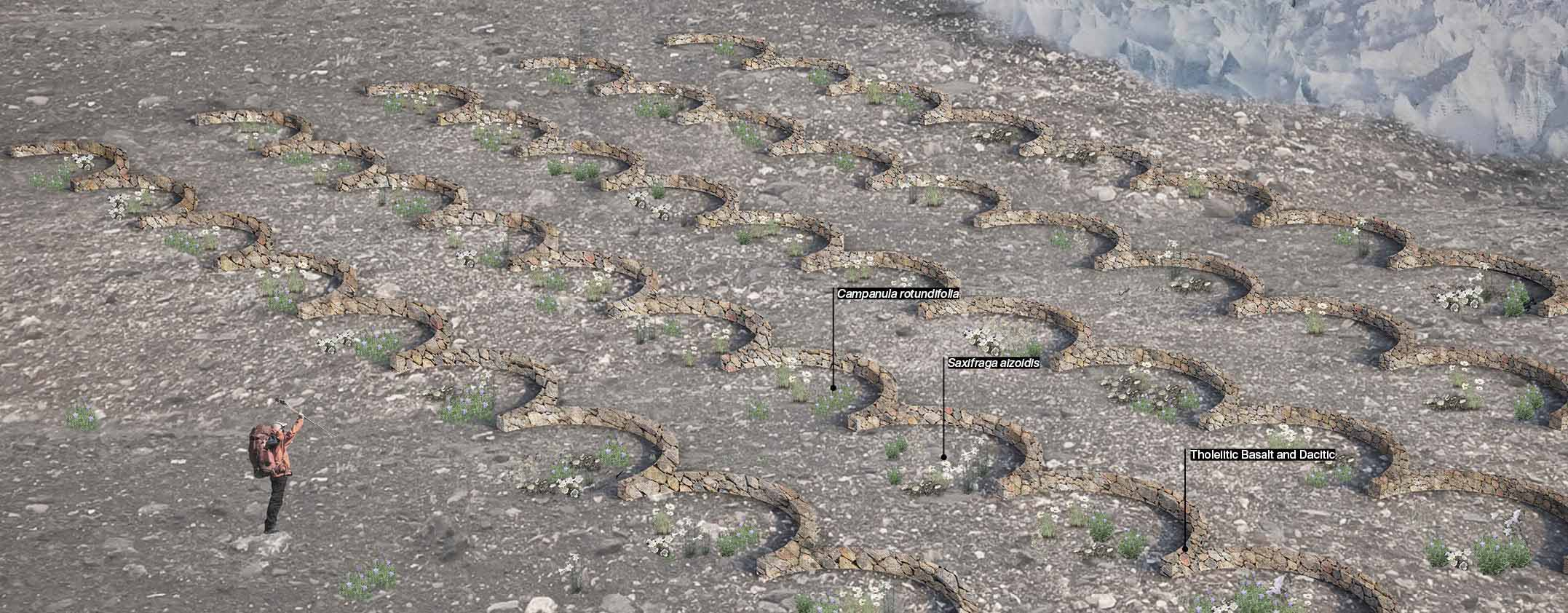
In this project, I will study the movement mechanism of the moraine on the glacier, and actively use the vegetation from Skaftafelljokull and the existing sediment of the site as the main source of materials. 12 wall arrays will be built on moraine made of sediment is used to provide shelter for vegetation and seed dispersal, while commemorating the history of the inhabitants of Svinafellsjokull. To create an eco-efficient and historic moraine island on Svinafelljokull.
Nevertheless, glacier retreat is an unstoppable process, and what I can do is to tell the story of Svinafellsjokull to visitors with the moraine landscape repalce glacier landscape, and at the same time warn people that the dangers of global warming are irreversible, so as to provoke reflection.


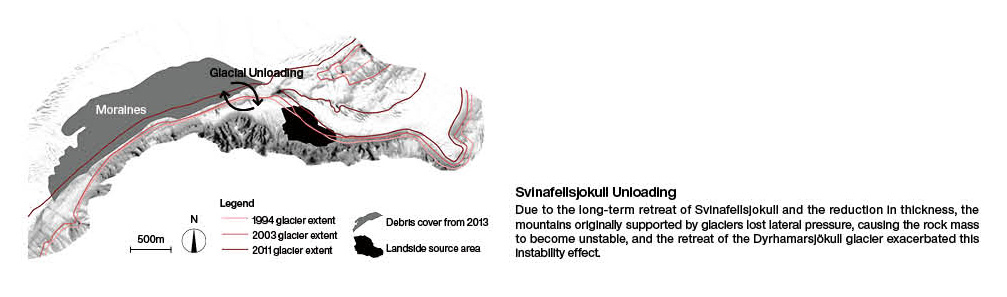

The movement of Svinafellsjokull is a multi-dimensional dynamic process. Whether it is the unpredictable landslide from Skarðatindur, the dynamic process of Glacier Terminus forming the kattle hole, the erosion of glacier movement and the transportation of sediments, it casts a fog on the future of Svinafellsjokull. , different thoughts about the future of Svinafellsjokull.


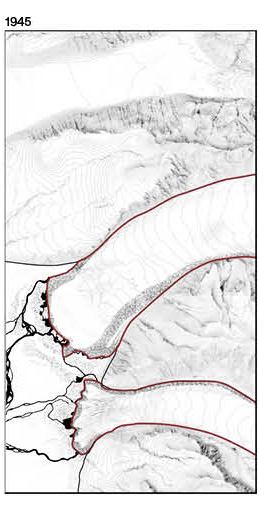


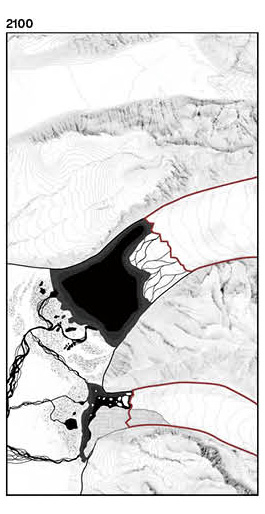

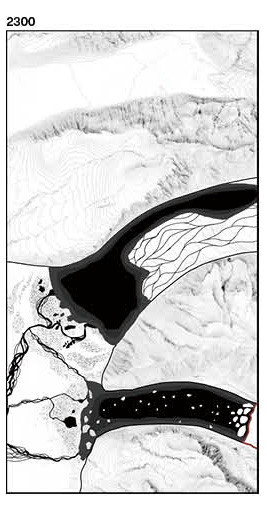


The sunken terrain in the Moon-shaped wall provides adequate moisture for pioneer plants, helps break down sediment for new soil and nutrients, establishes the foundations for Campanula rotundifolia and Saxifraga aizoidis, and provides seed sources for the ecological walls in the south. Become a landscape.
Square-shaped planting area is more suitable for plants that like dryness, such as Dryas octopetala and Armeria maritima, because the raised terrain is made between the square-shaped sediment wall, providing a dry growth environment for vegetation. At the same time, sediment wall can provide shade for vegetation and reduce wind erosion.
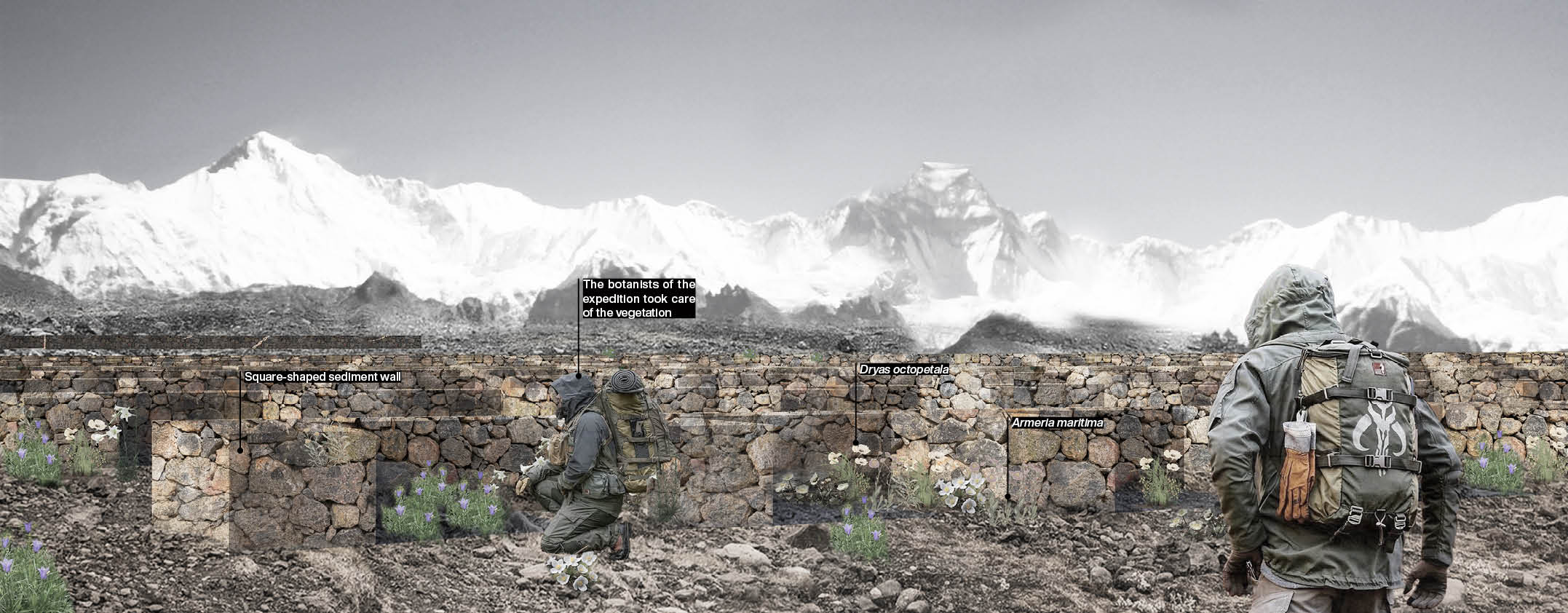
Each wall array is telling the history of Svinafelljokull at different stages. Visitors can learn about the local historical stories, the legendary stories of local residents' struggle with water and fire, and at the same time, it is also warning that the complete melting of glaciers caused by global climate warming is irreversible.
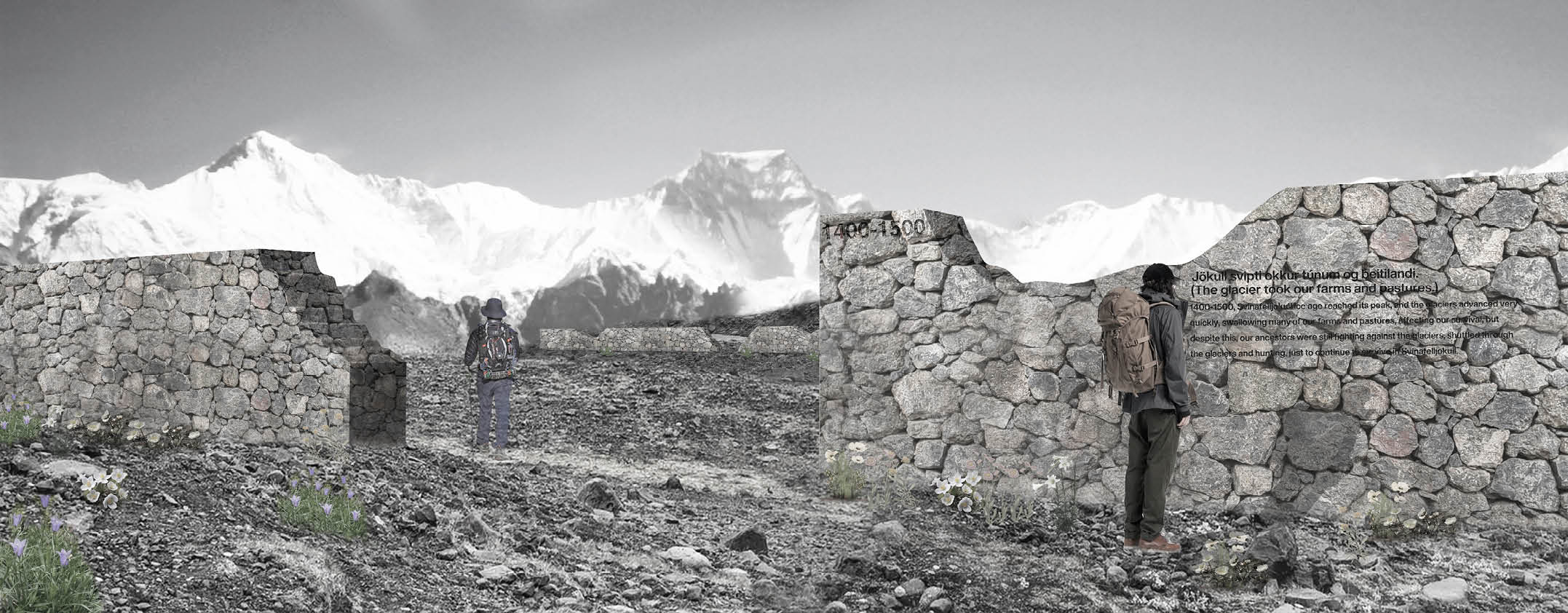
Finally, these moraines will continue to stay in Svinafelljokull instead of glaciers. When people arrive at this land, they see a "floating island" carrying ecology and history, telling the story and history of Svinafelljokull. This kind of landscape will alert people that the negative impact of global warming is irreversible, thus arousing people's reflection.