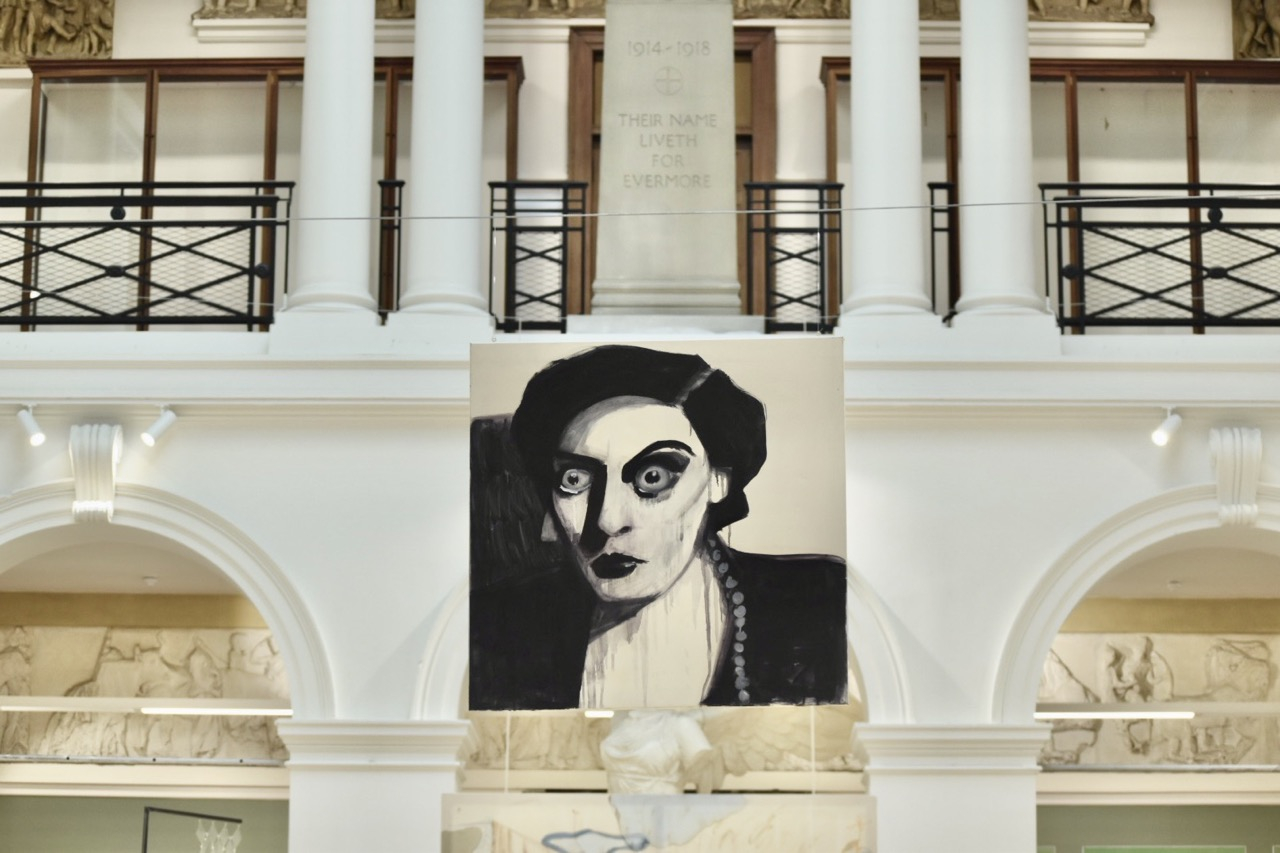
Haunted by memory, pierced by gaze, and pulsing with resistance and transgression, Daisy Elizabeth Arkwright's work is a visceral confrontation with the experience of inhabiting a female body.
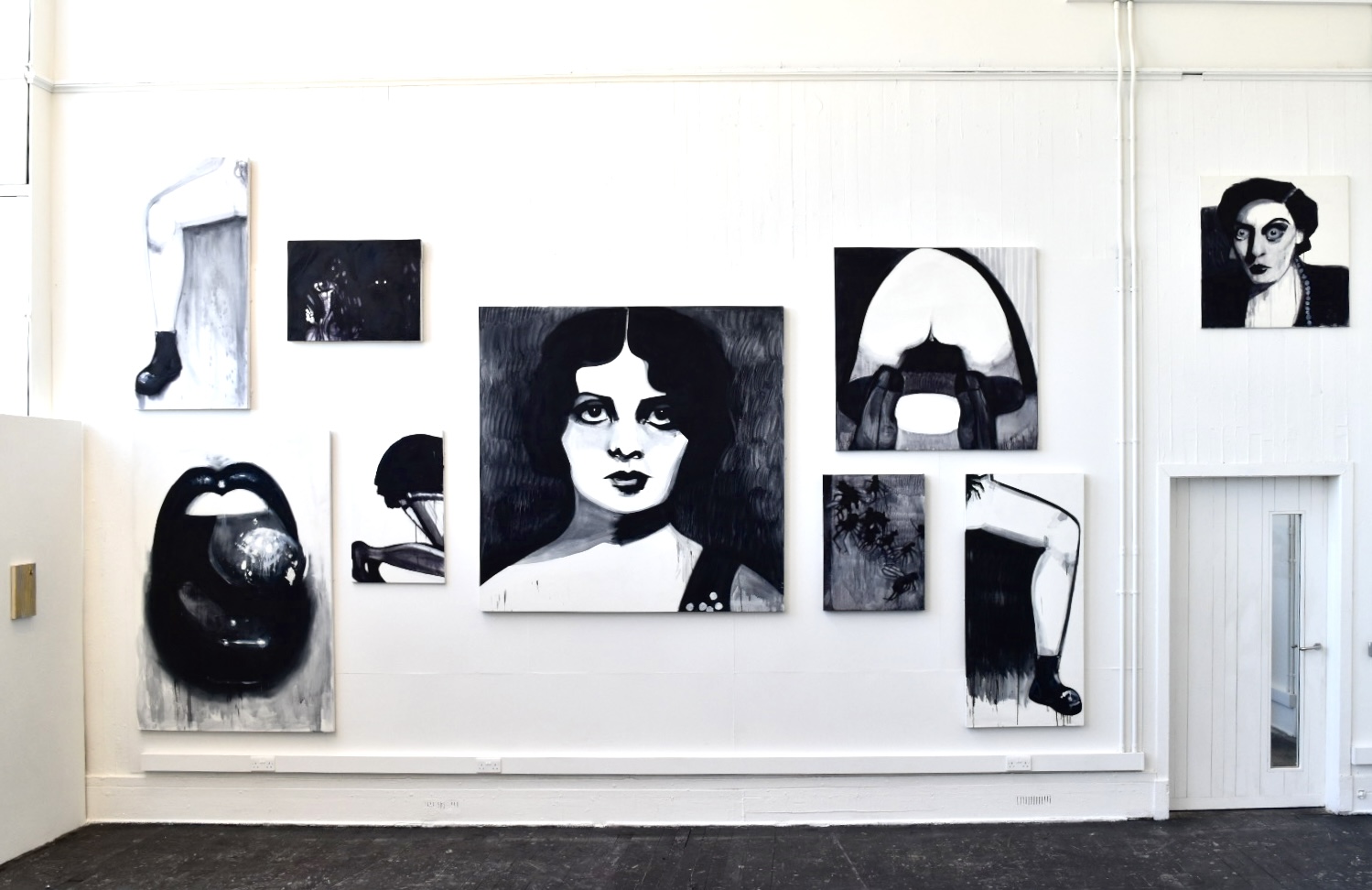
She paints from instinct, with raw, violent gestures that unravel discomfort and turn it into defiant strength. Witchcraft runs beneath the surface, not as fantasy, but as a force of unruly knowledge and power. She paint on bedsheets, they bleed, bruise, and hold tension like skin, bearing the weight of unspoken stories.
Sourced from her own body and distorted imagery, her work refuses polish. Each piece is a ritual, a rupture, that exposes what’s buried and demands to be felt, not explained.

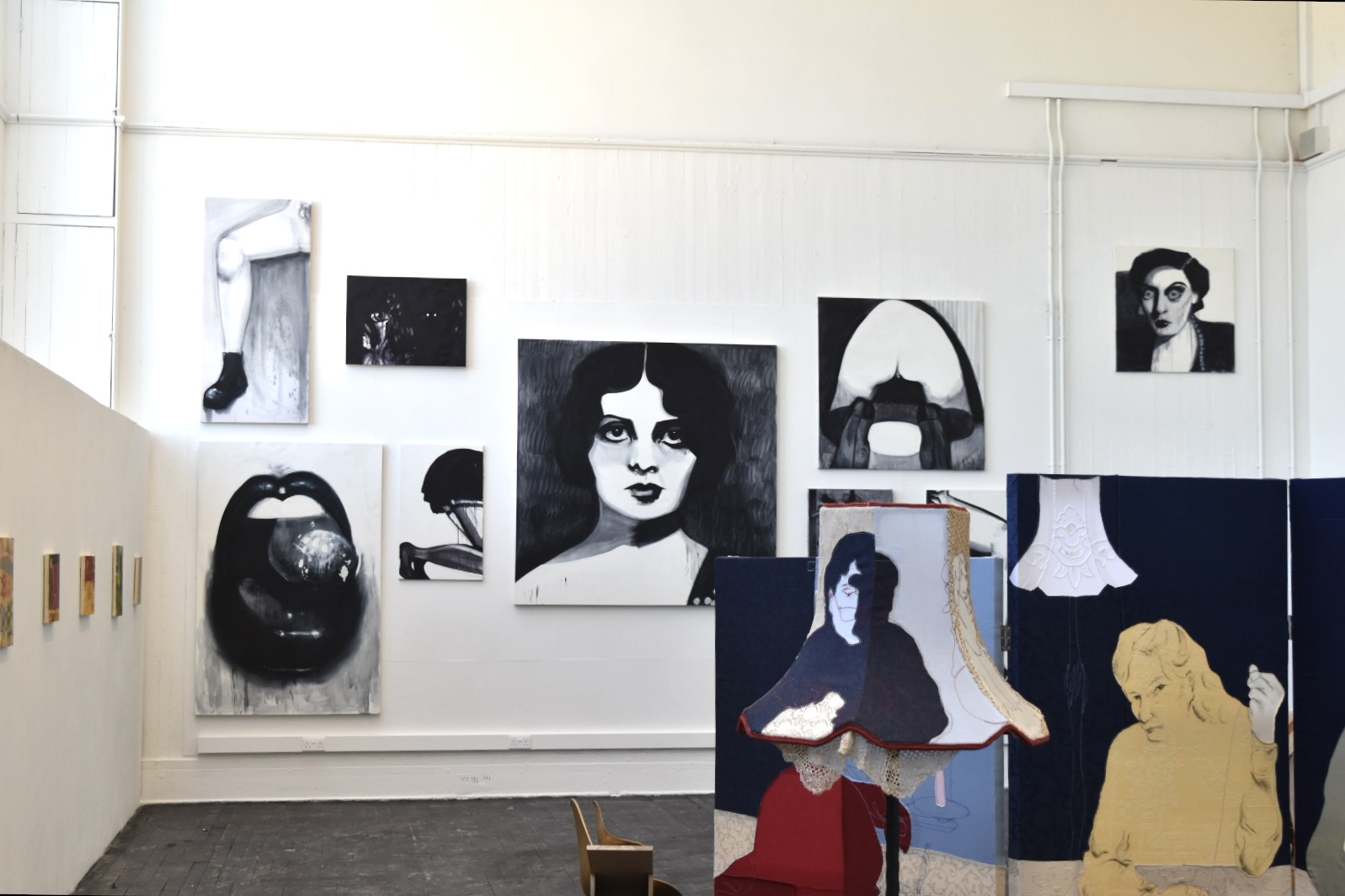
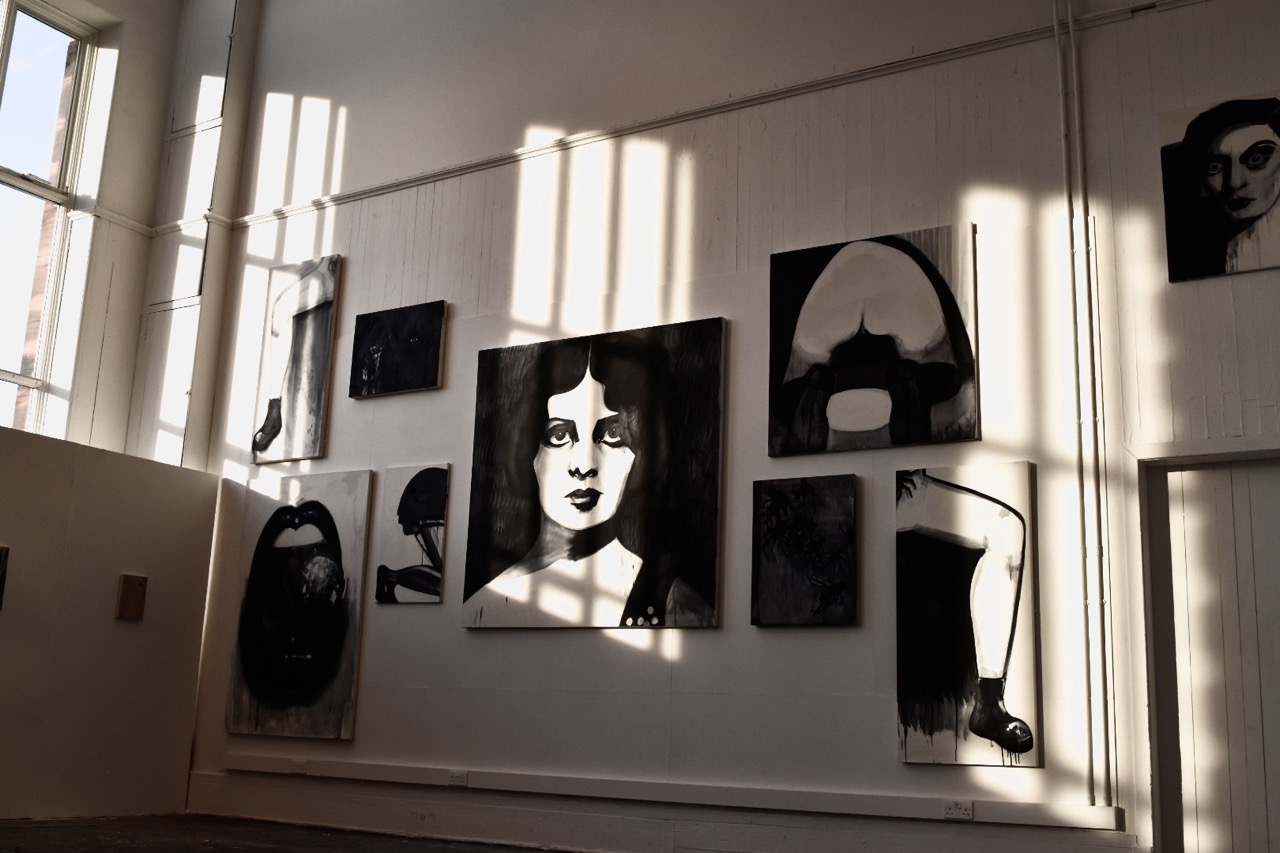
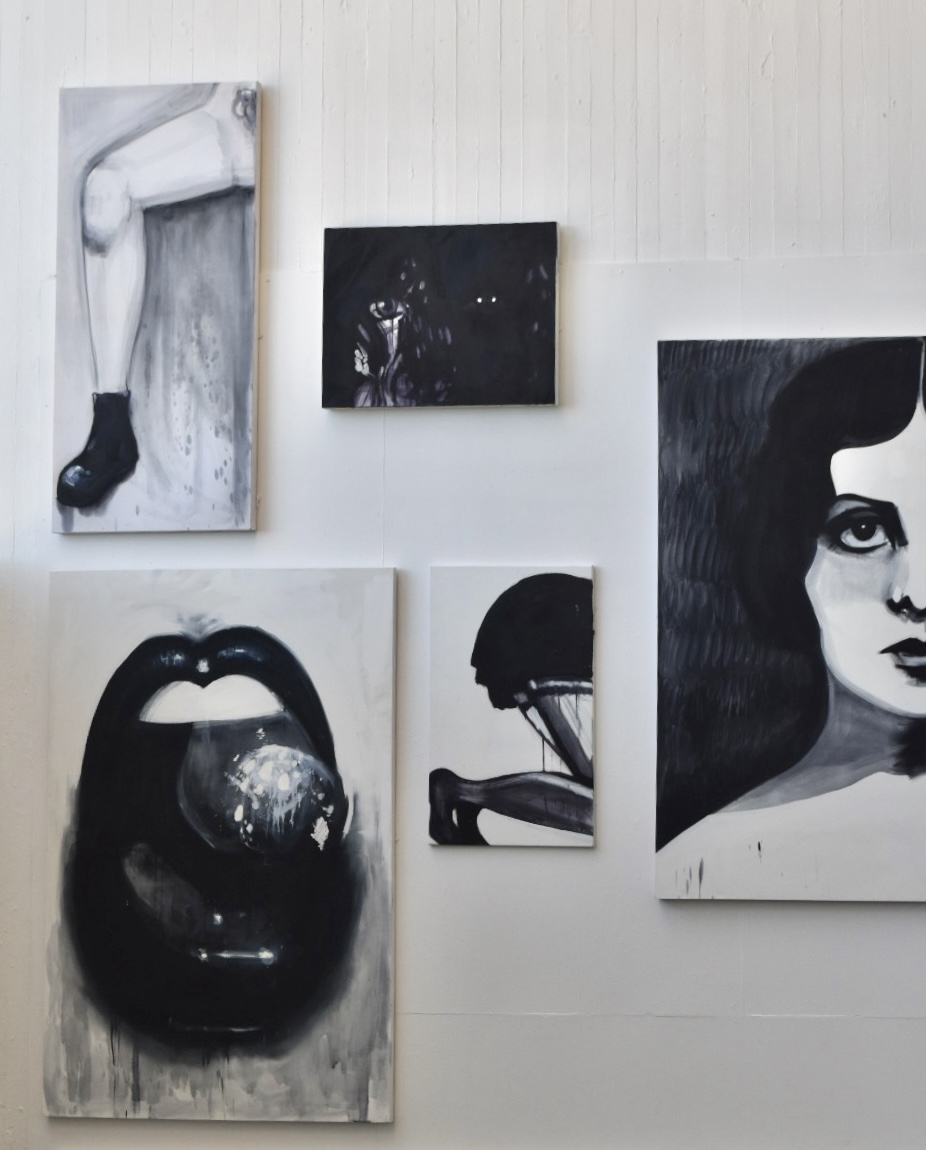
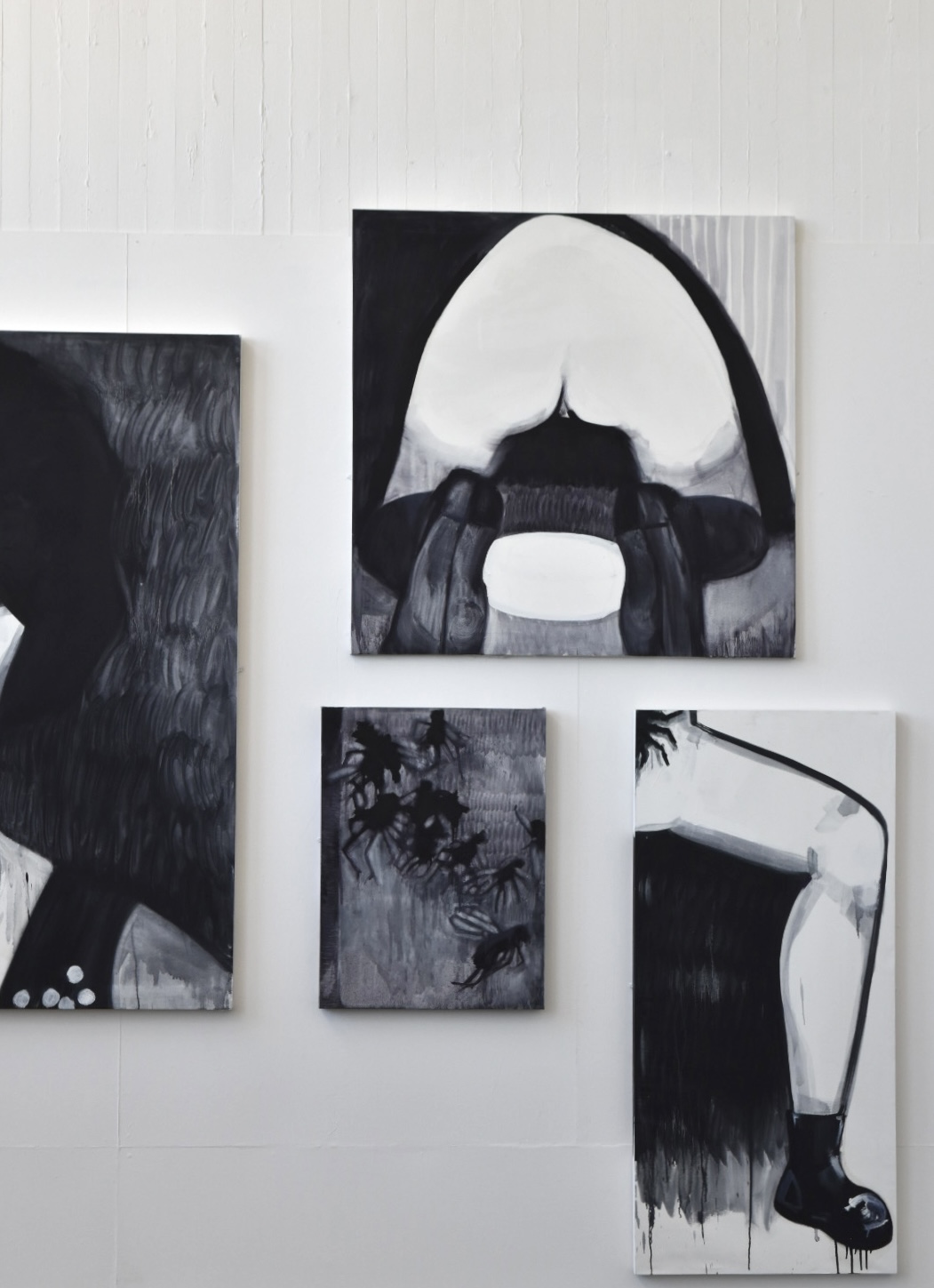
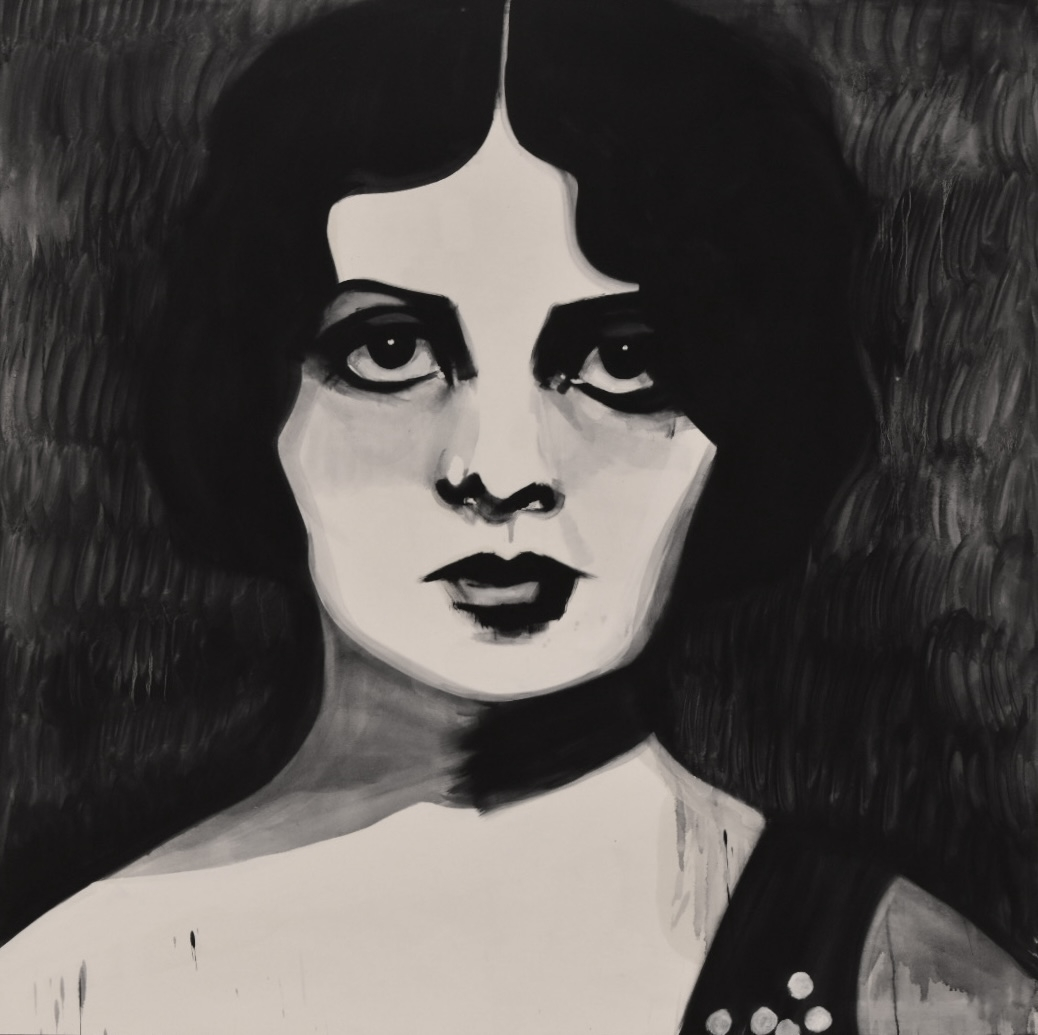
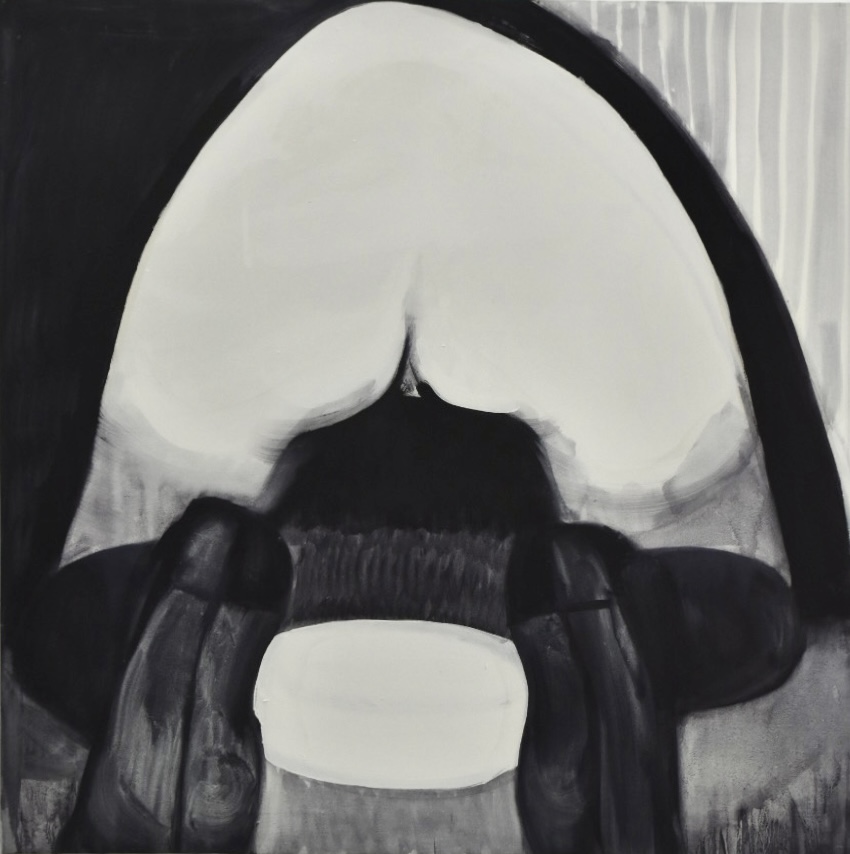


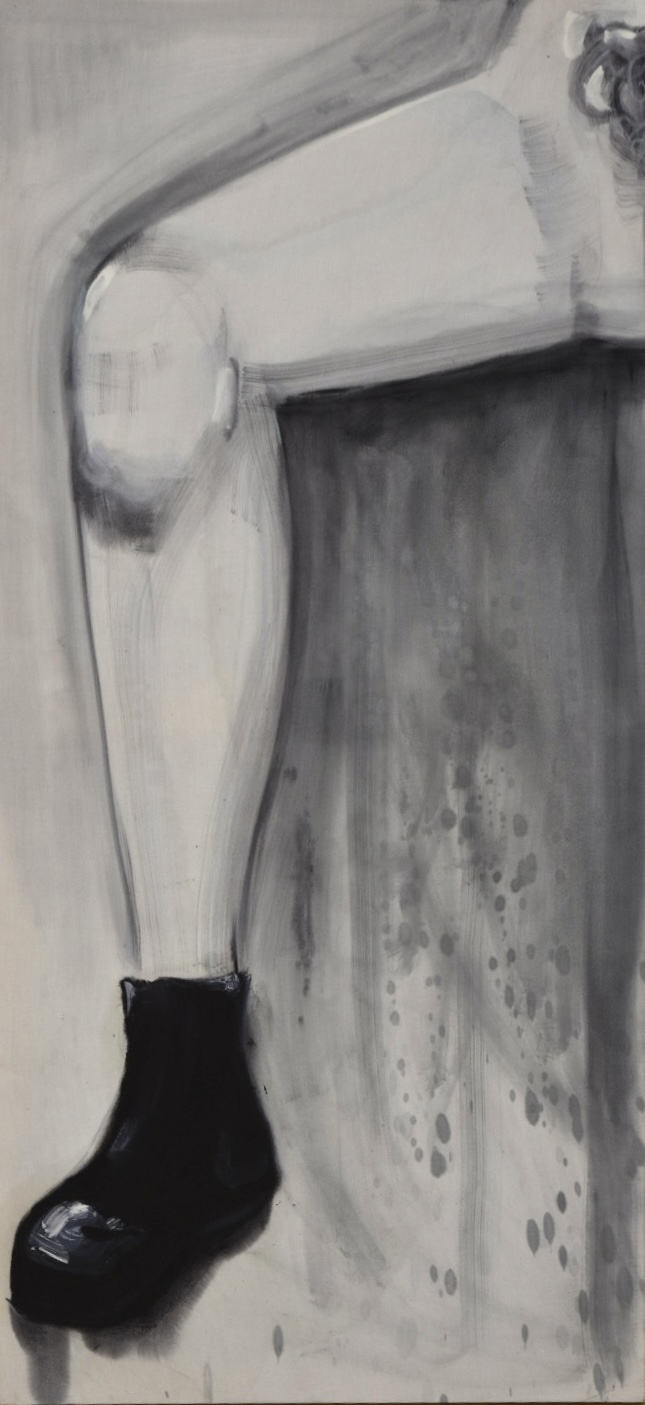
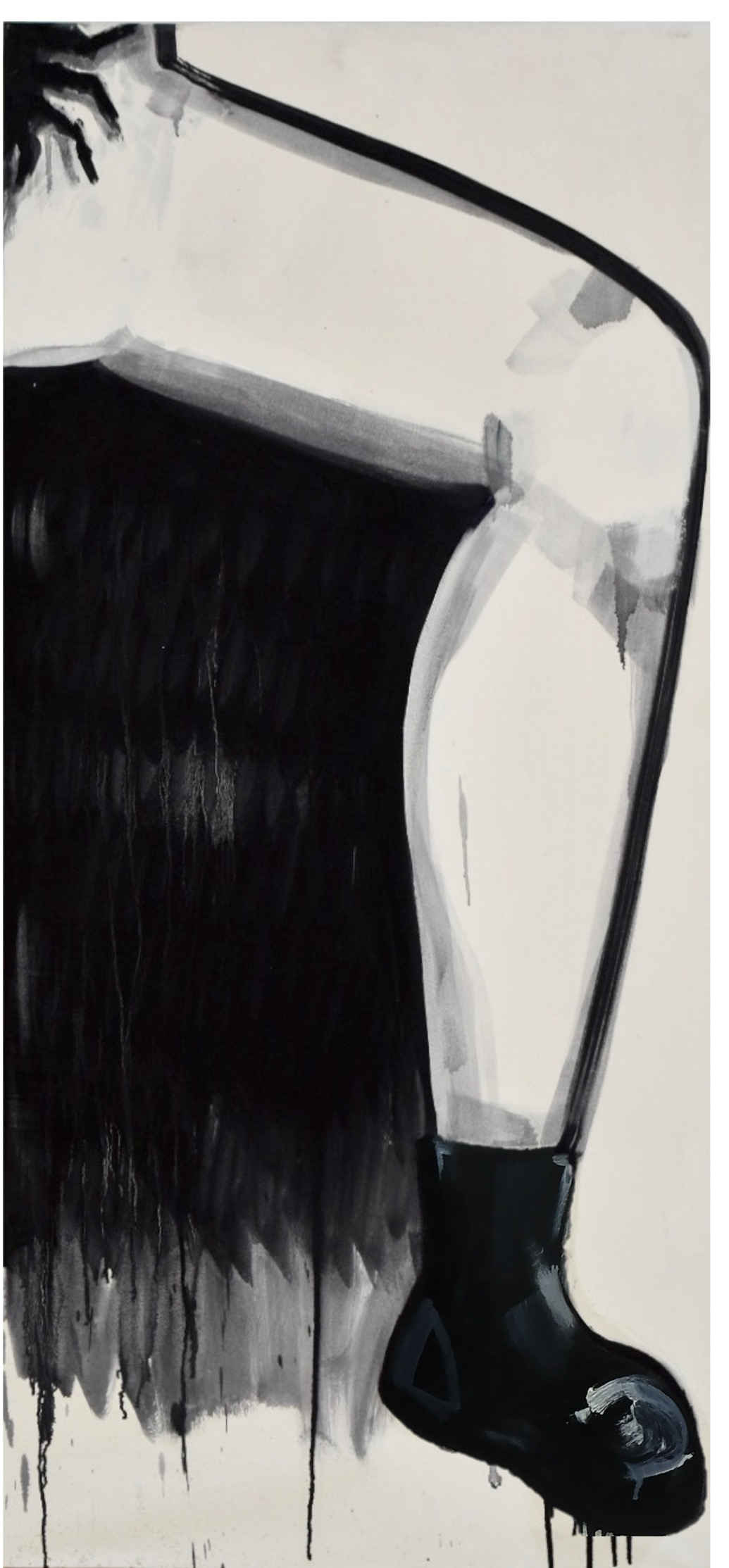
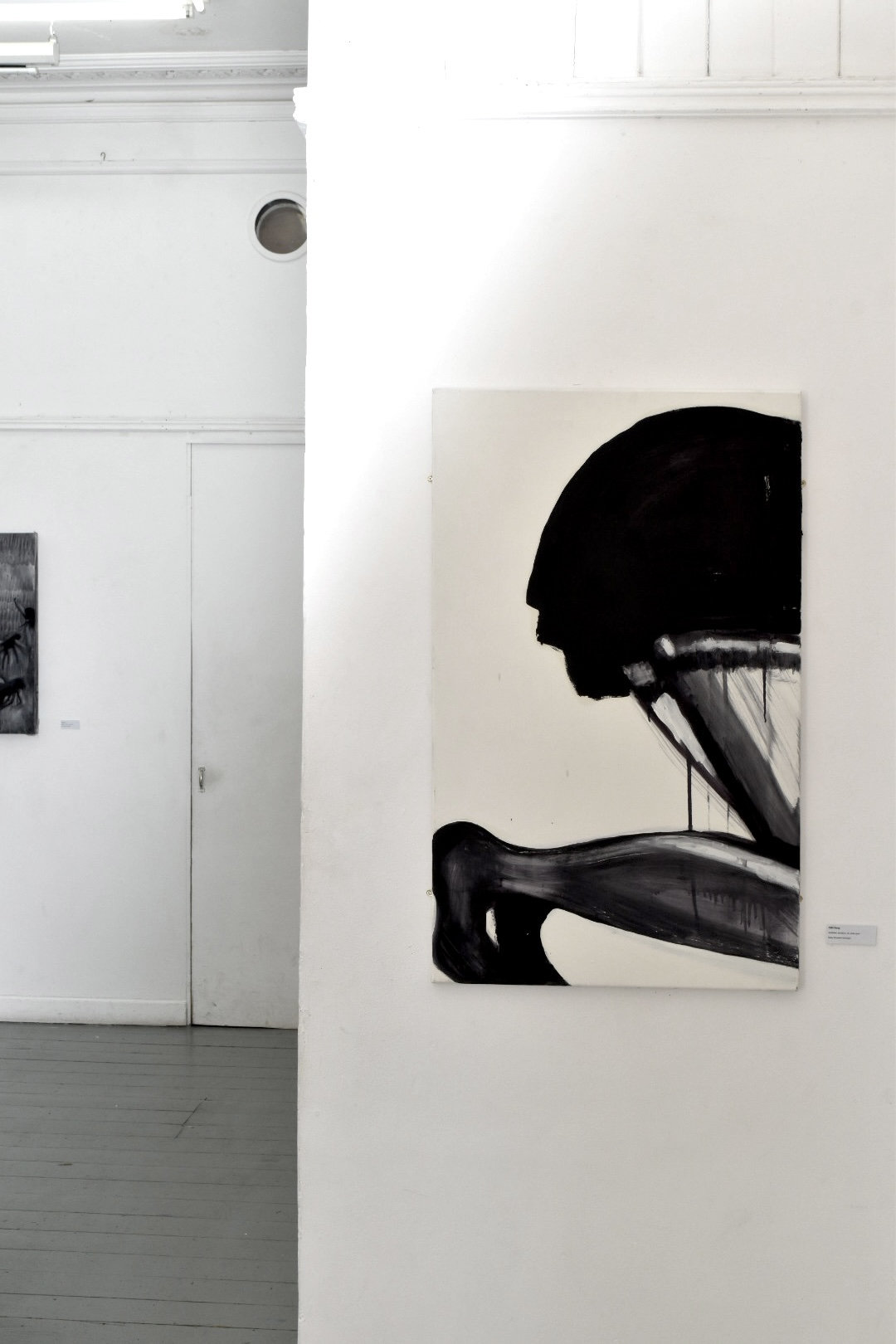


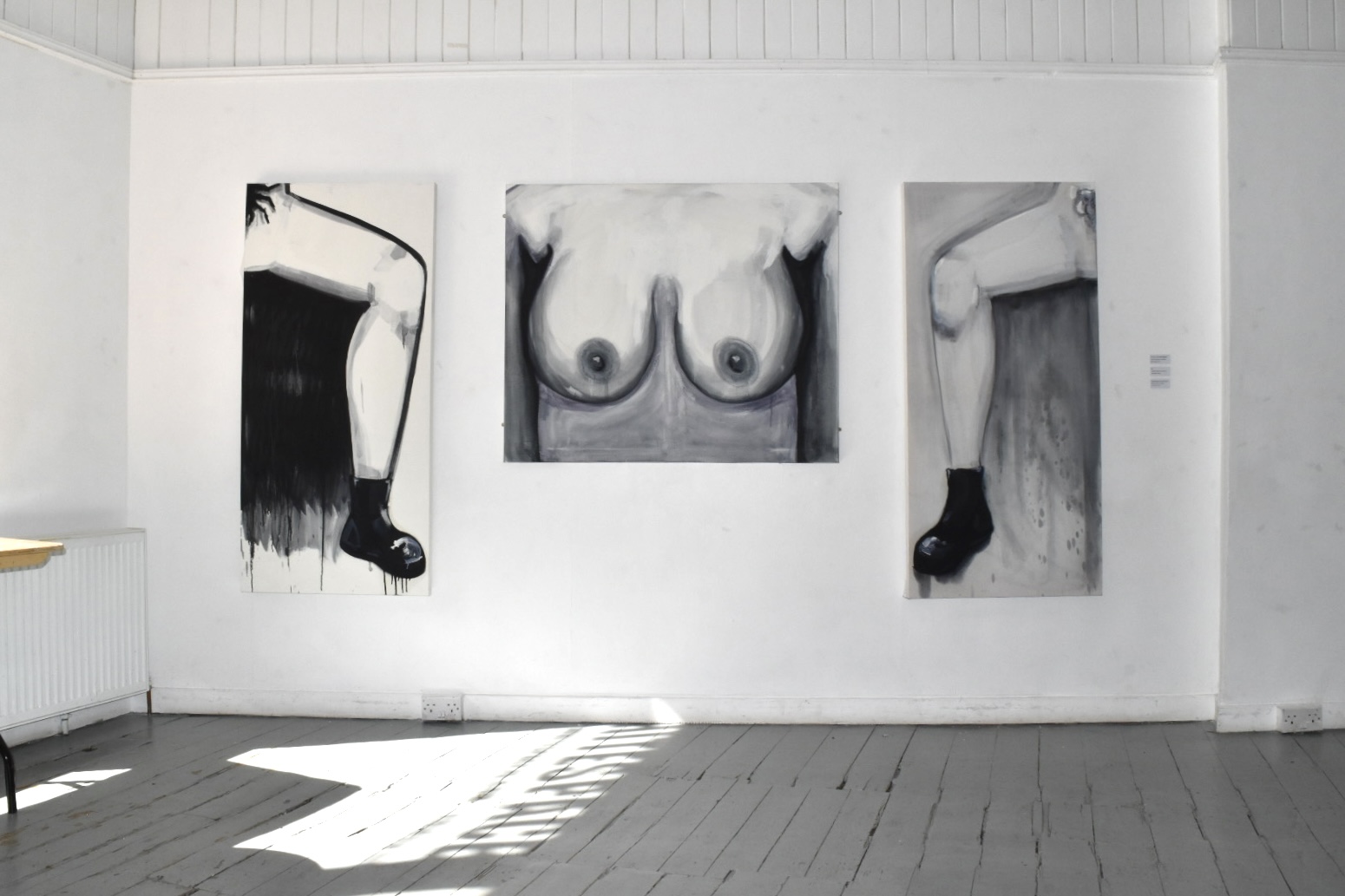
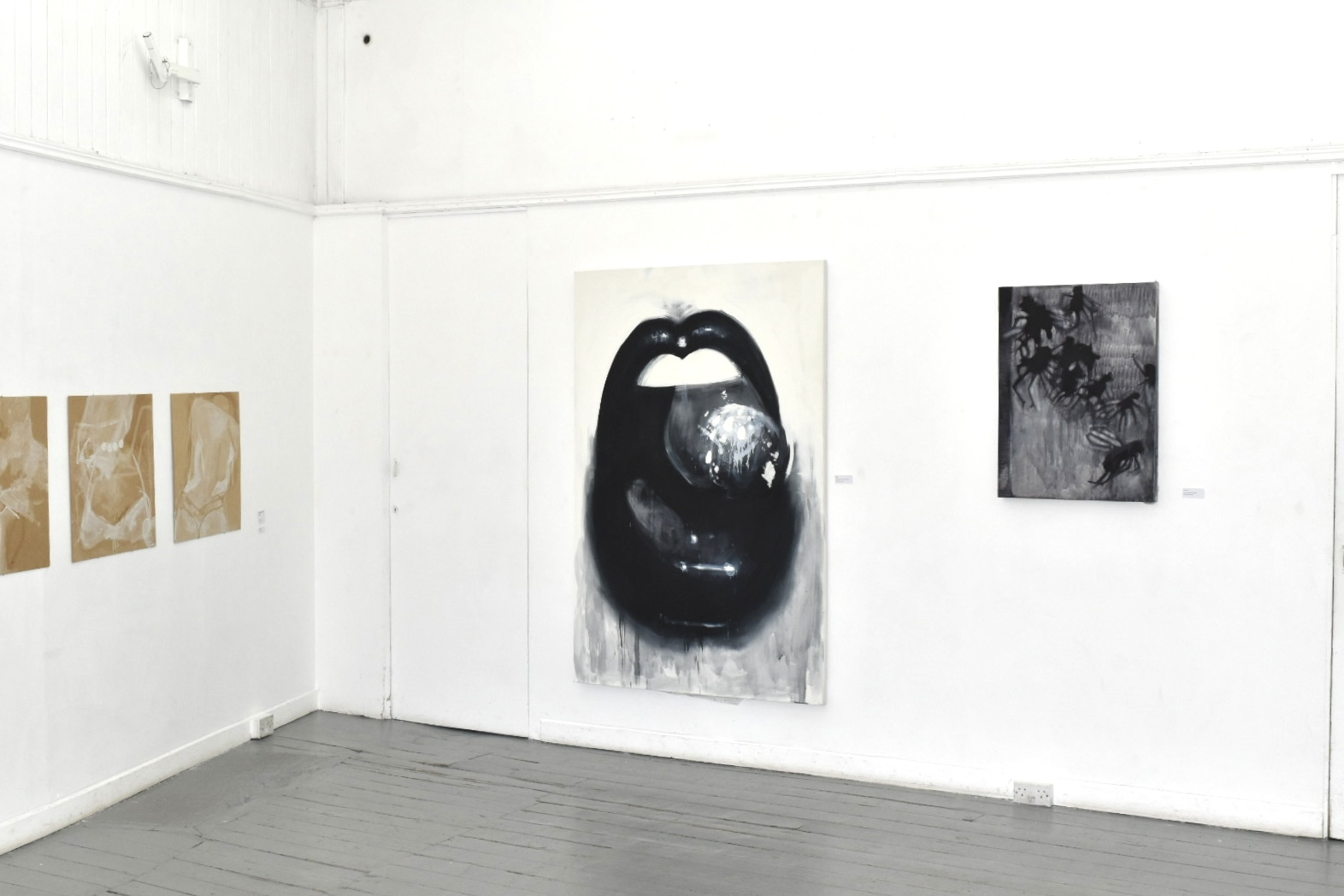
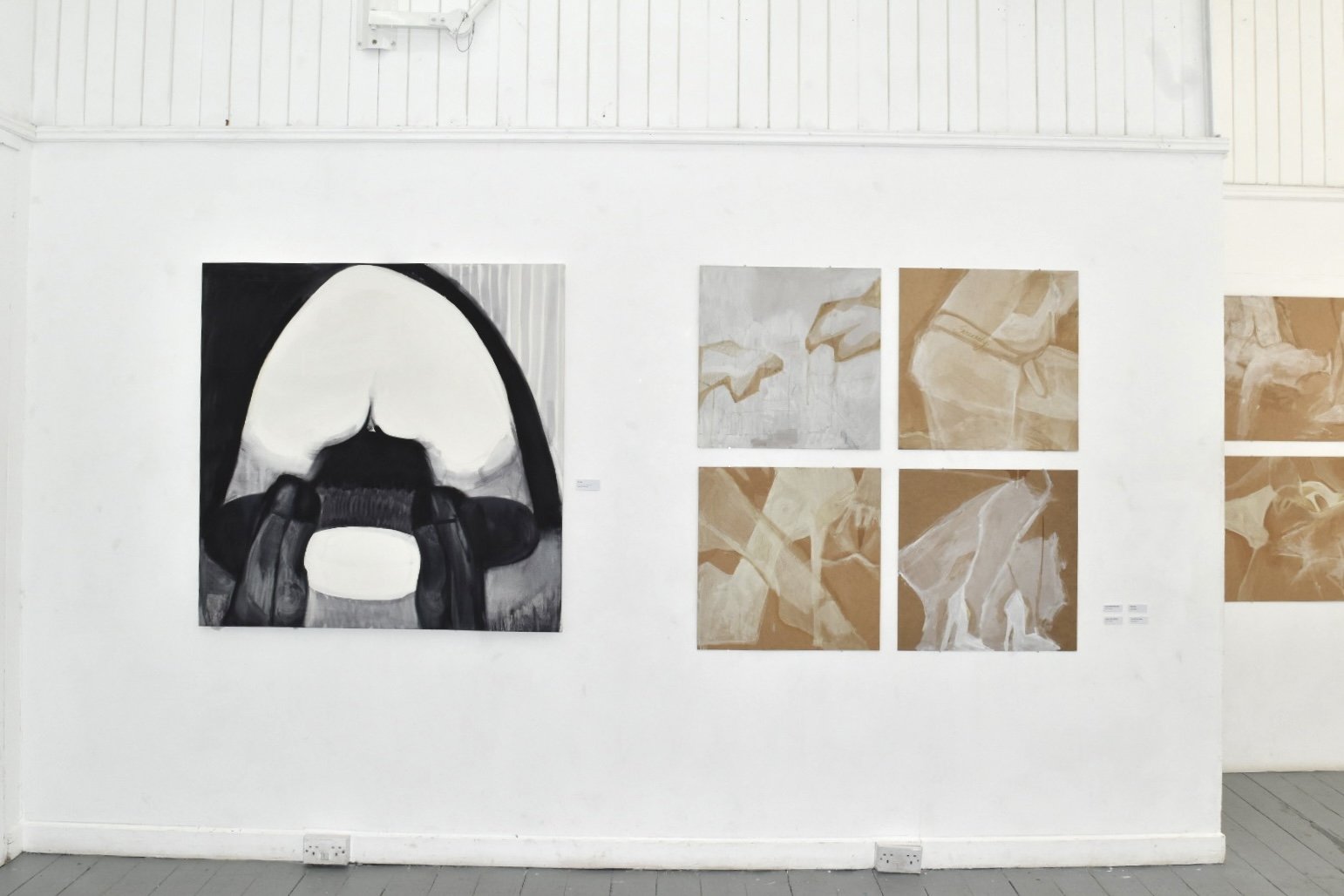
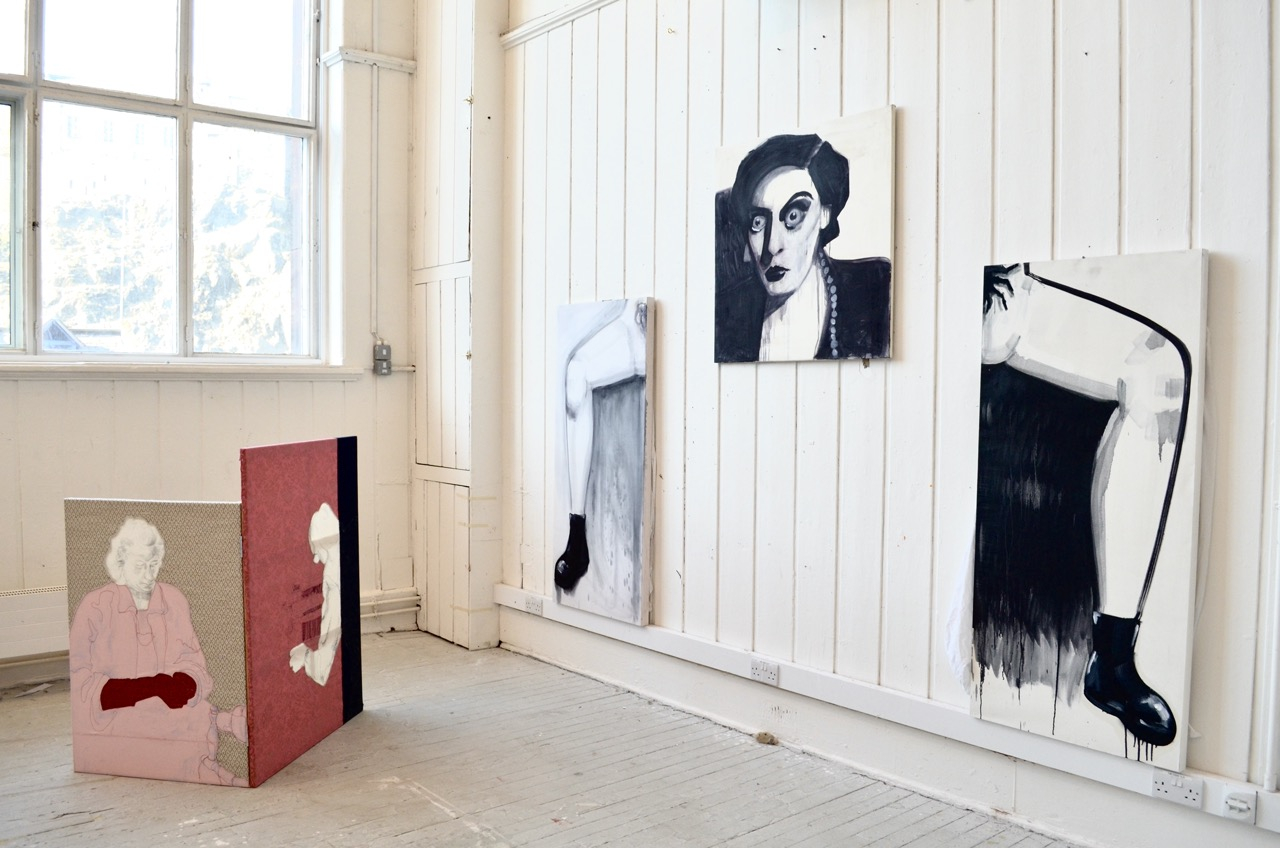

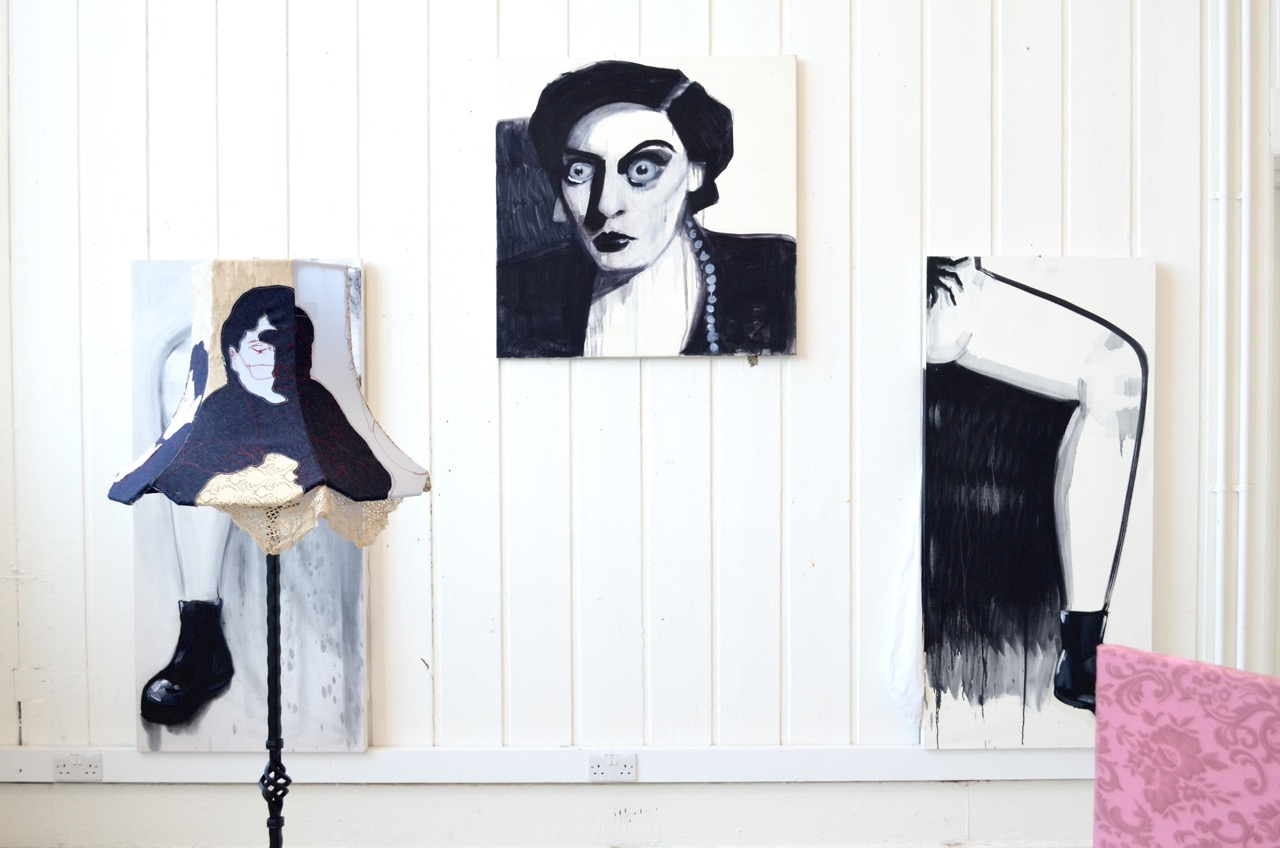
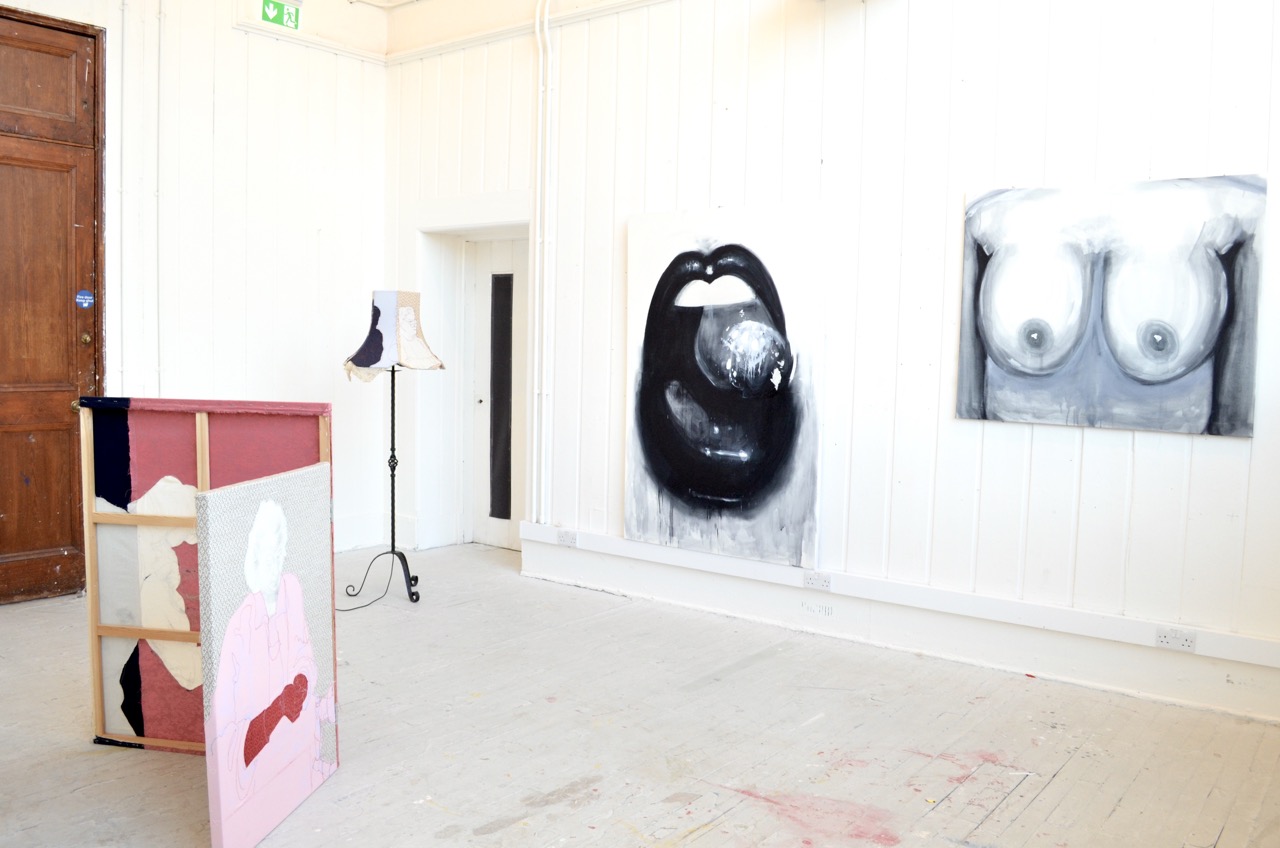
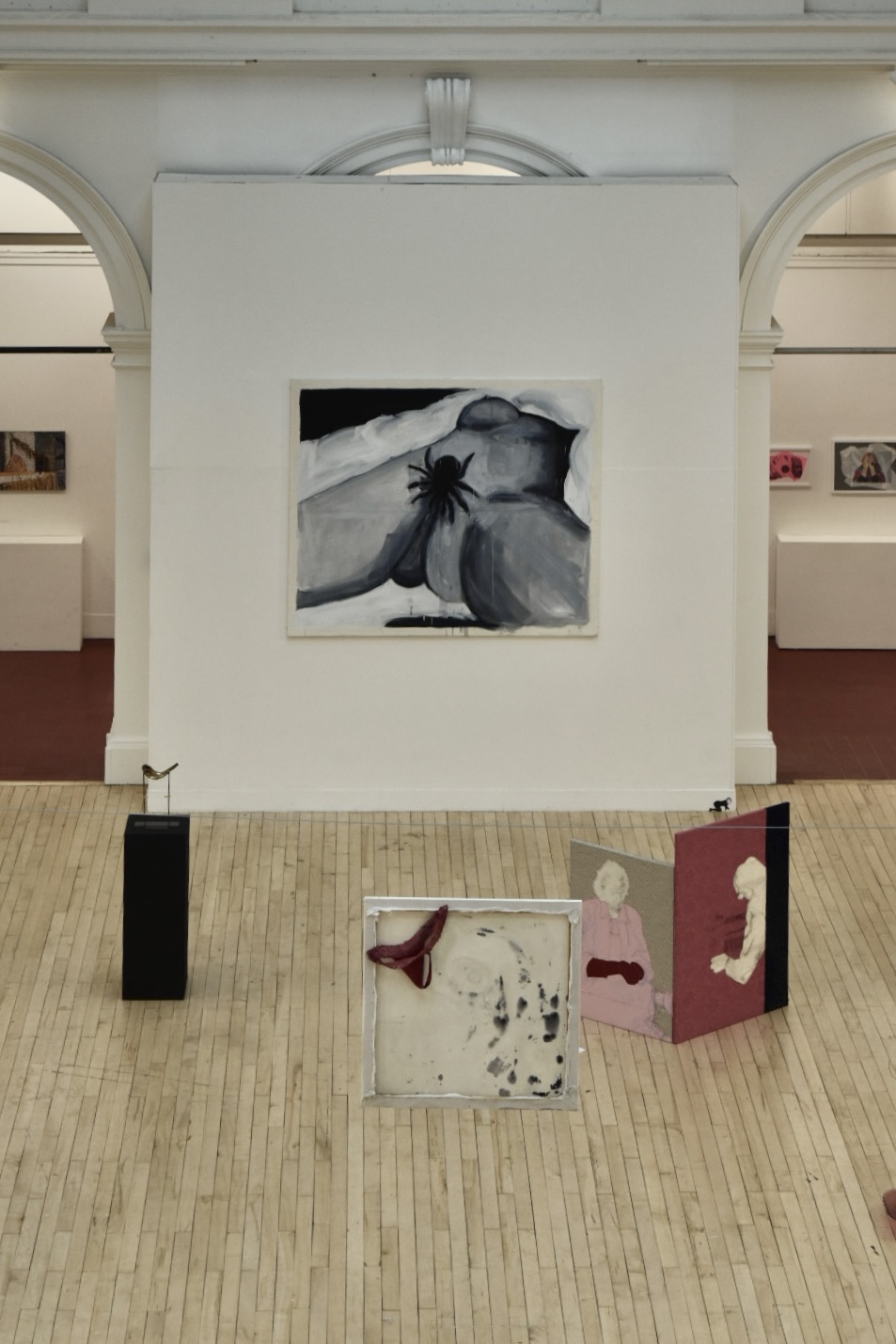
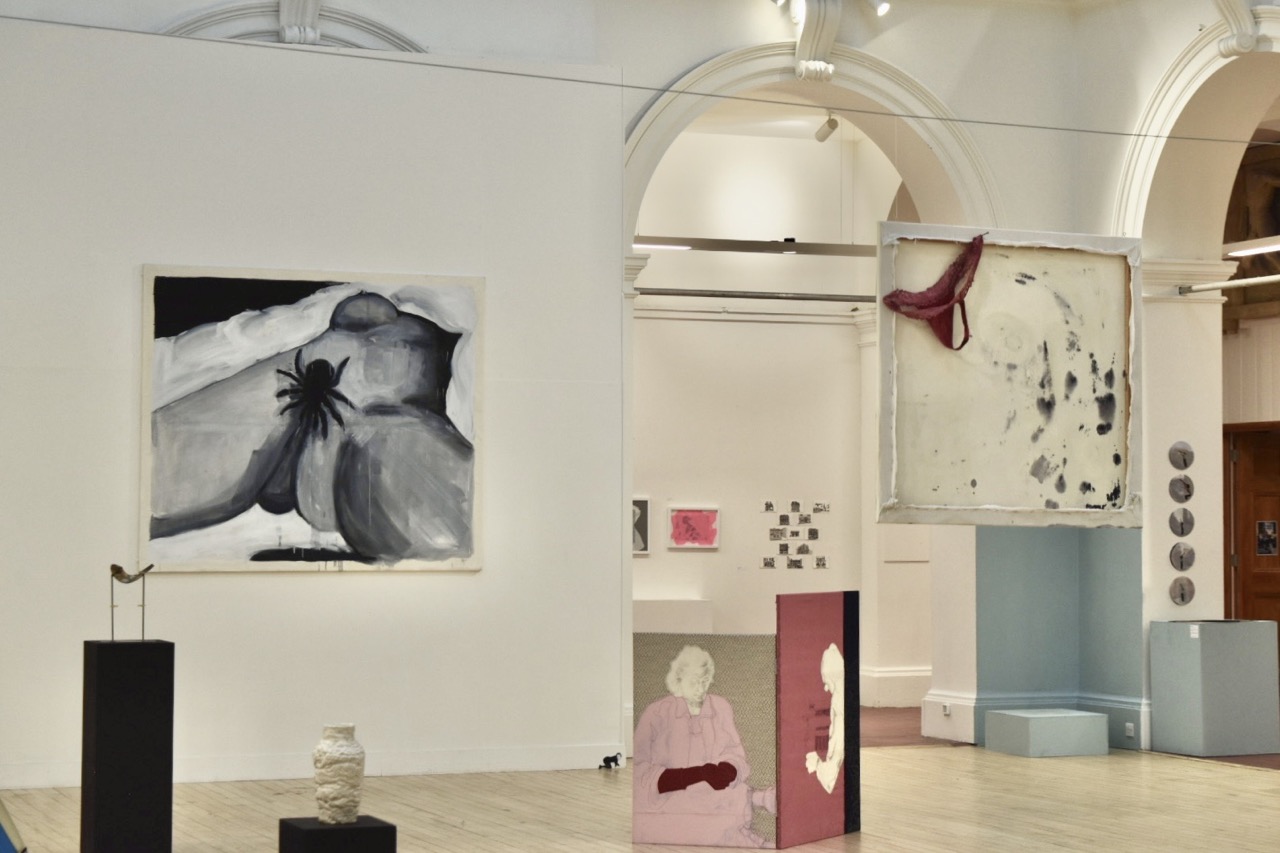
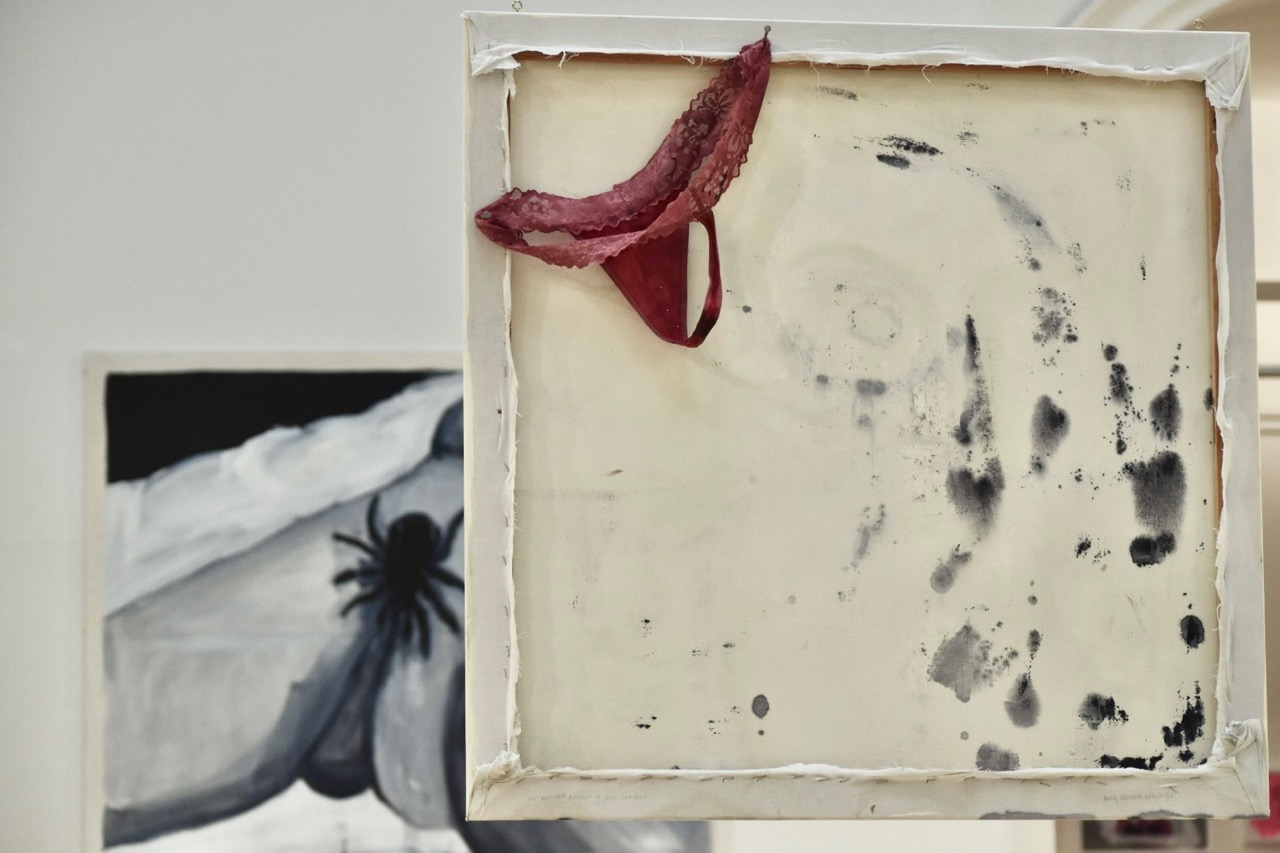

In my paintings, I delve into the essence of being a woman—carrying the weight of memory, inheriting silent, unspoken stories, and balancing tenderness with fierce resistance. My work is deeply personal, yet it reaches beyond me, tapping into the voices of women across time. I paint instinctively, driven by raw emotion, fragmented images, and the language of my body. Witchcraft pulses through my practice—not as fantasy, but as a raw force of ominous power, defiance, and untamed knowledge. Each piece is a ritual, a violent act of revelation, exposing what is often buried. In curation, my work transforms from something fleeting into a charged space where strength, vulnerability, and presence collide.
It’s there that the conversation begins (Fremon, J., 2019).
The act of reclaiming the narrative is central to my practice. I’ve felt the raw discomfort of being catcalled, of being reduced to a body in public space—an experience that leaves a lingering, icky feeling. Rather than suppress that discomfort, I channel it into my work, transforming it into something provocative and confrontational. I’m not interested in polished, performative ideas of empowerment; instead, I’m drawn to the raw, the unsettled, the emotionally charged. In my paintings, I juxtapose intense, power-laden imagery with emotional, almost purging gestures, a process that turns vulnerability into a kind of manic, unruly strength.
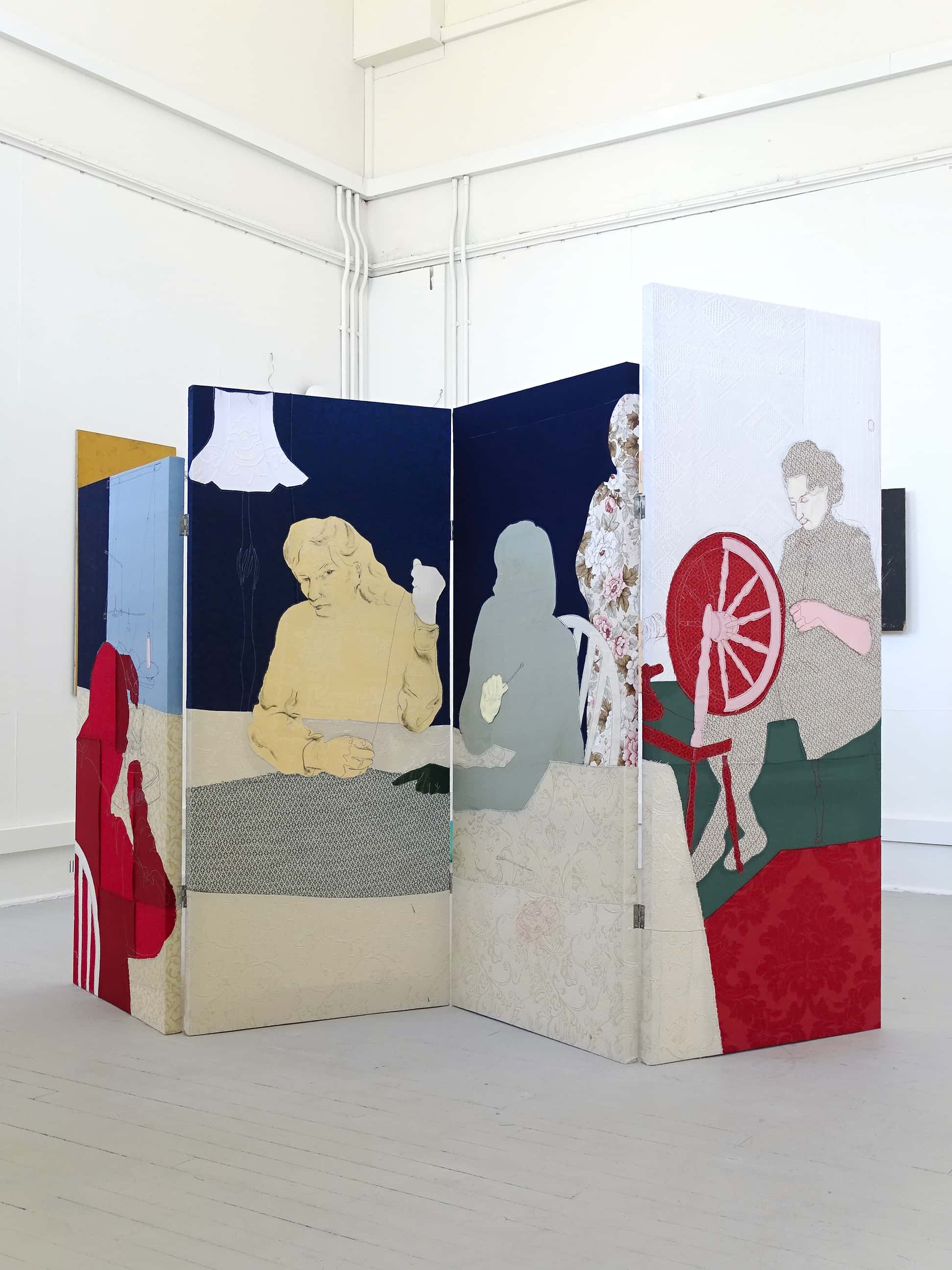
Textile in my work holds more than just form; it captures the weight of emotional existence. The stains, the marks, the way the fabric absorbs and bleeds, echo the turbulence of female experience. The threads are tight with tension, each one a whisper of struggle and strength, where the rawness of being is revealed. As Sorkin suggests, to be marked is to carry a darkness, an imprint that lingers (Sorkin, J. 2001).
I source imagery from my own body and Boiffard’s surrealist photography, which unravels reality, revealing the erotic and unconscious. While inspired by their intensity, I resist fantasy. My work remains grounded in the body—its weight, rupture, and presence. Photography acts as a transgressive mirror, not an escape, and through material, I confront, allowing flesh and feeling to remain exposed and real.
Sorkin, J. 2001. ‘Stain: On Cloth, Stigma and Shame’ Frémon, J. (2019). Now, Now, Louison. New Directions Publishing