Project description

Transforming Eco-Grief into Collective Action 

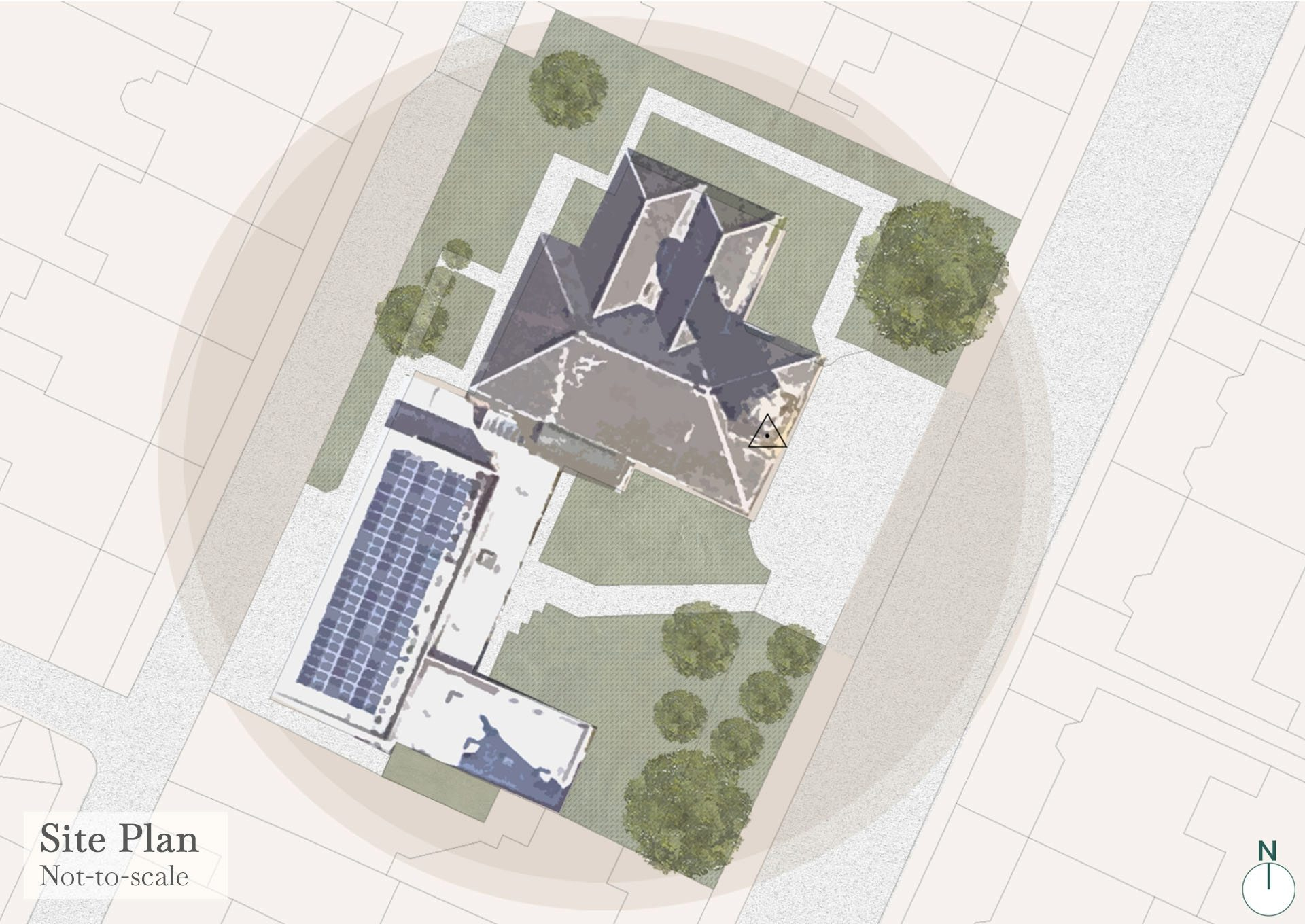
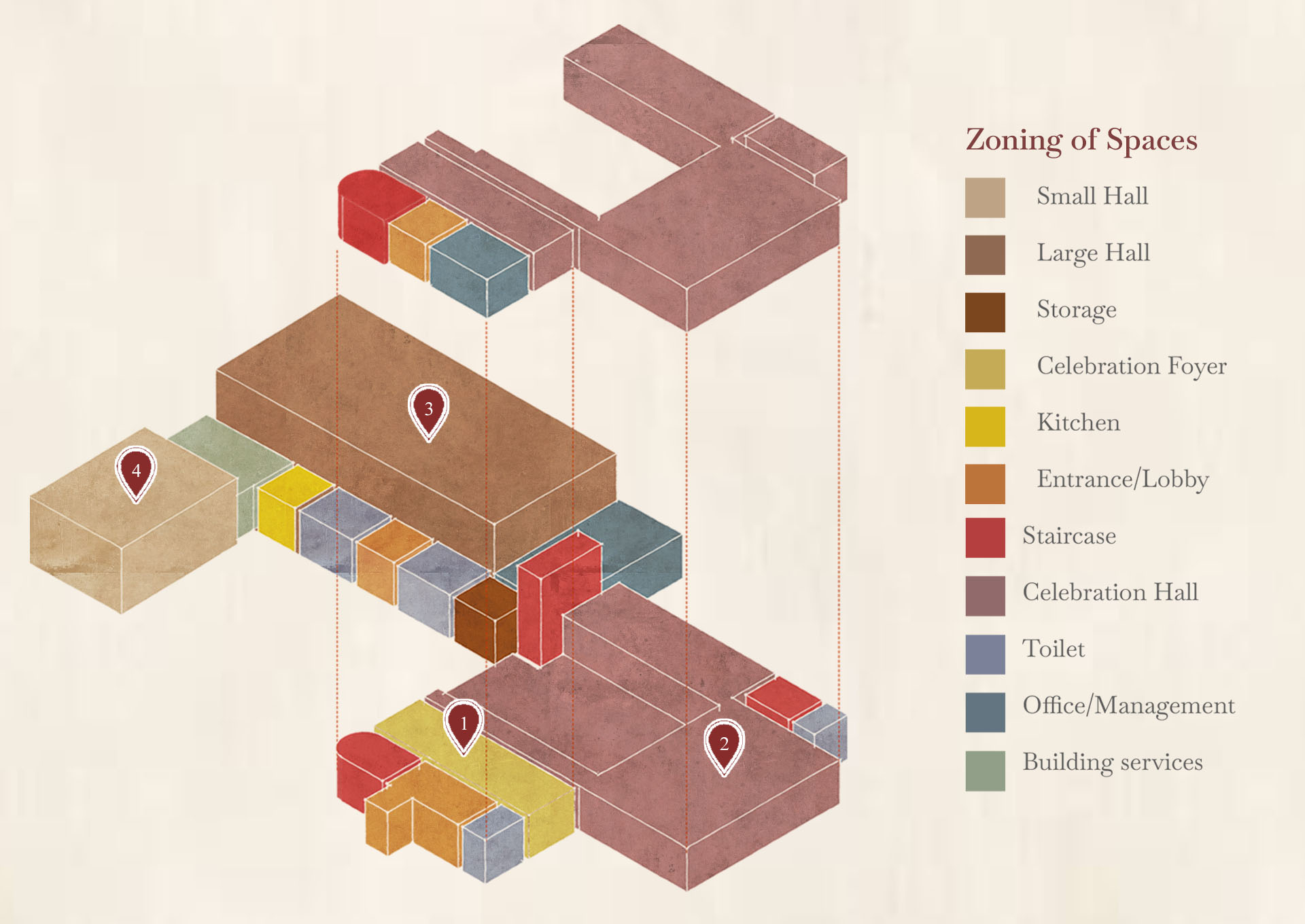
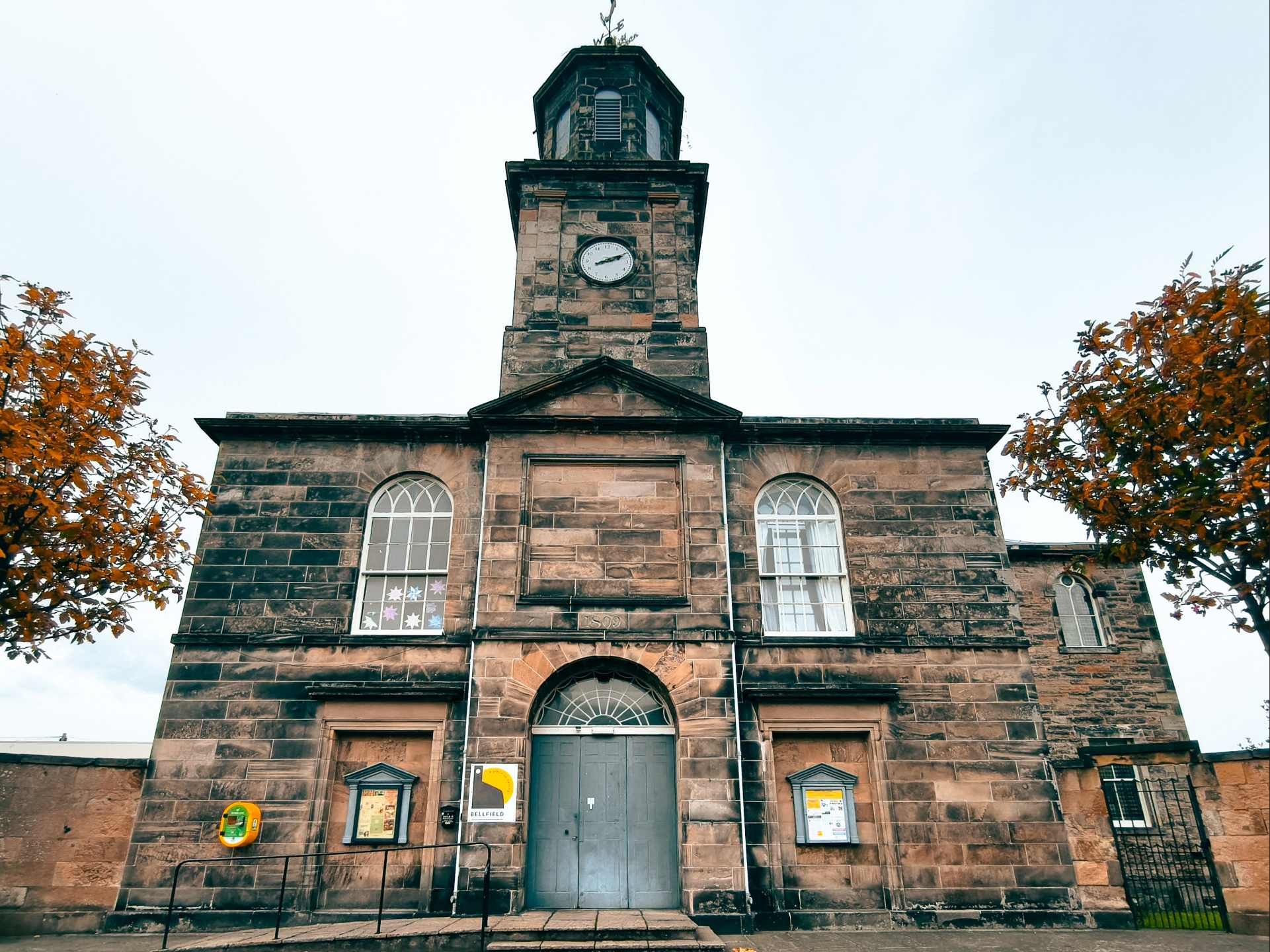
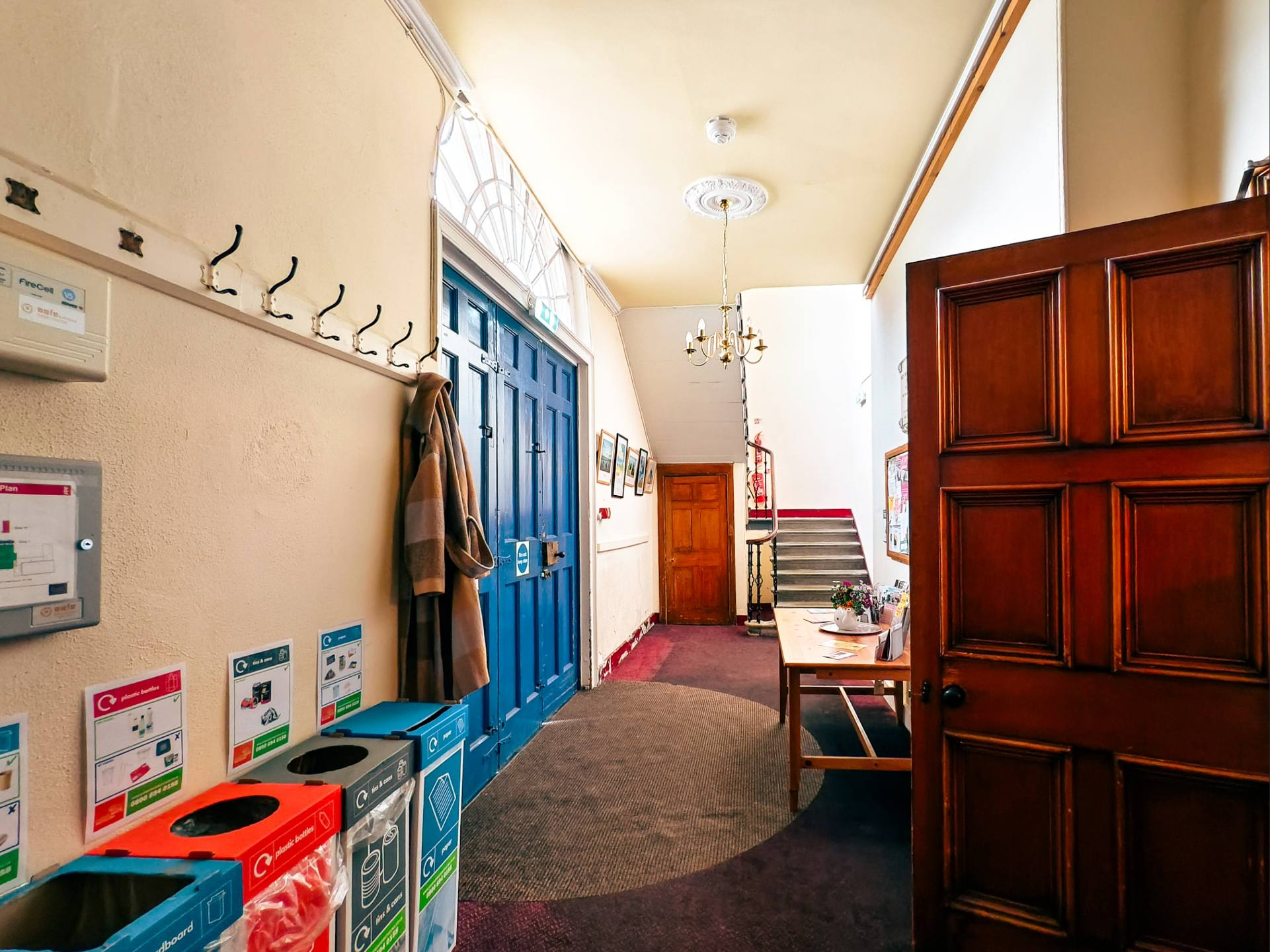
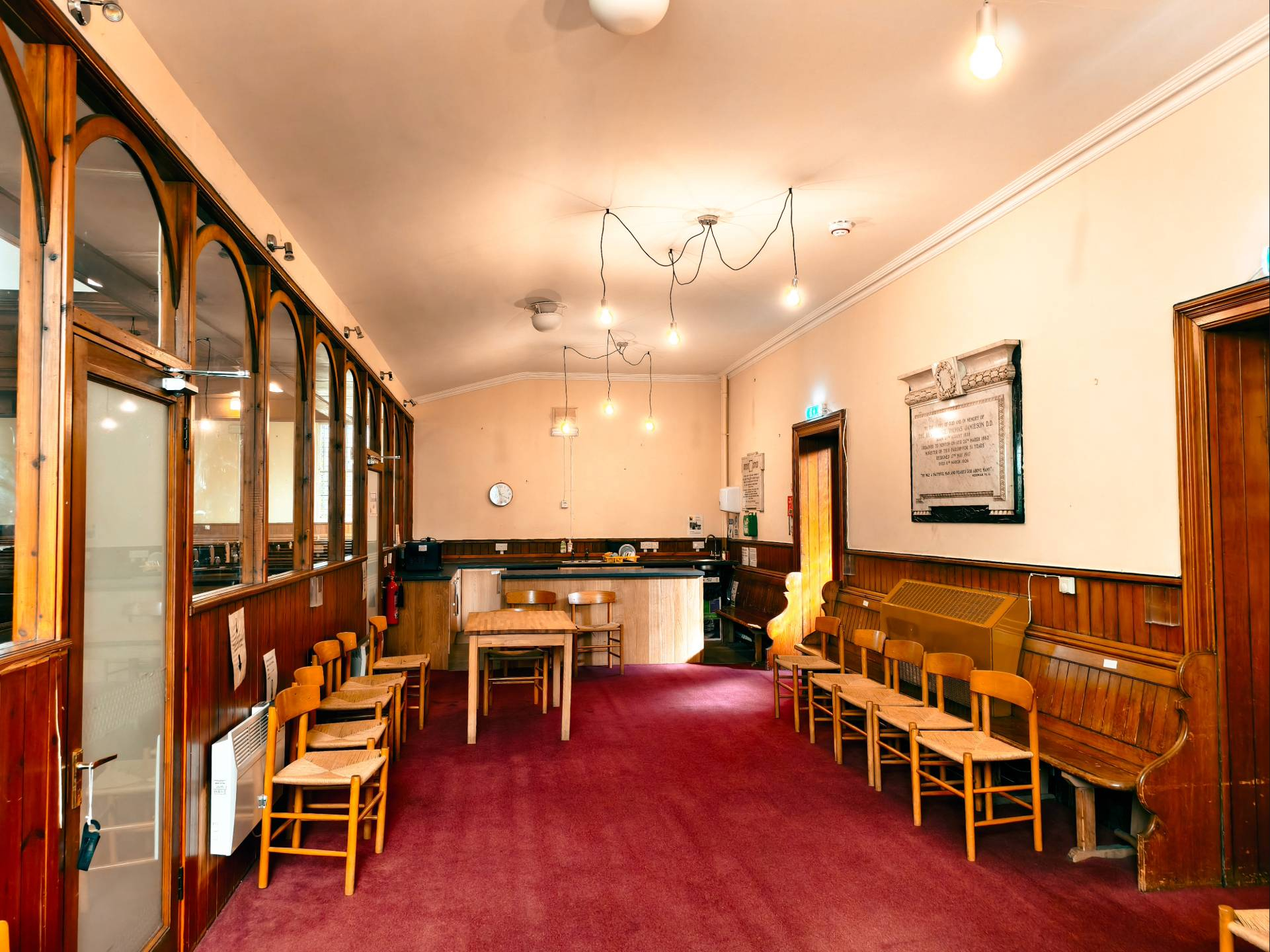
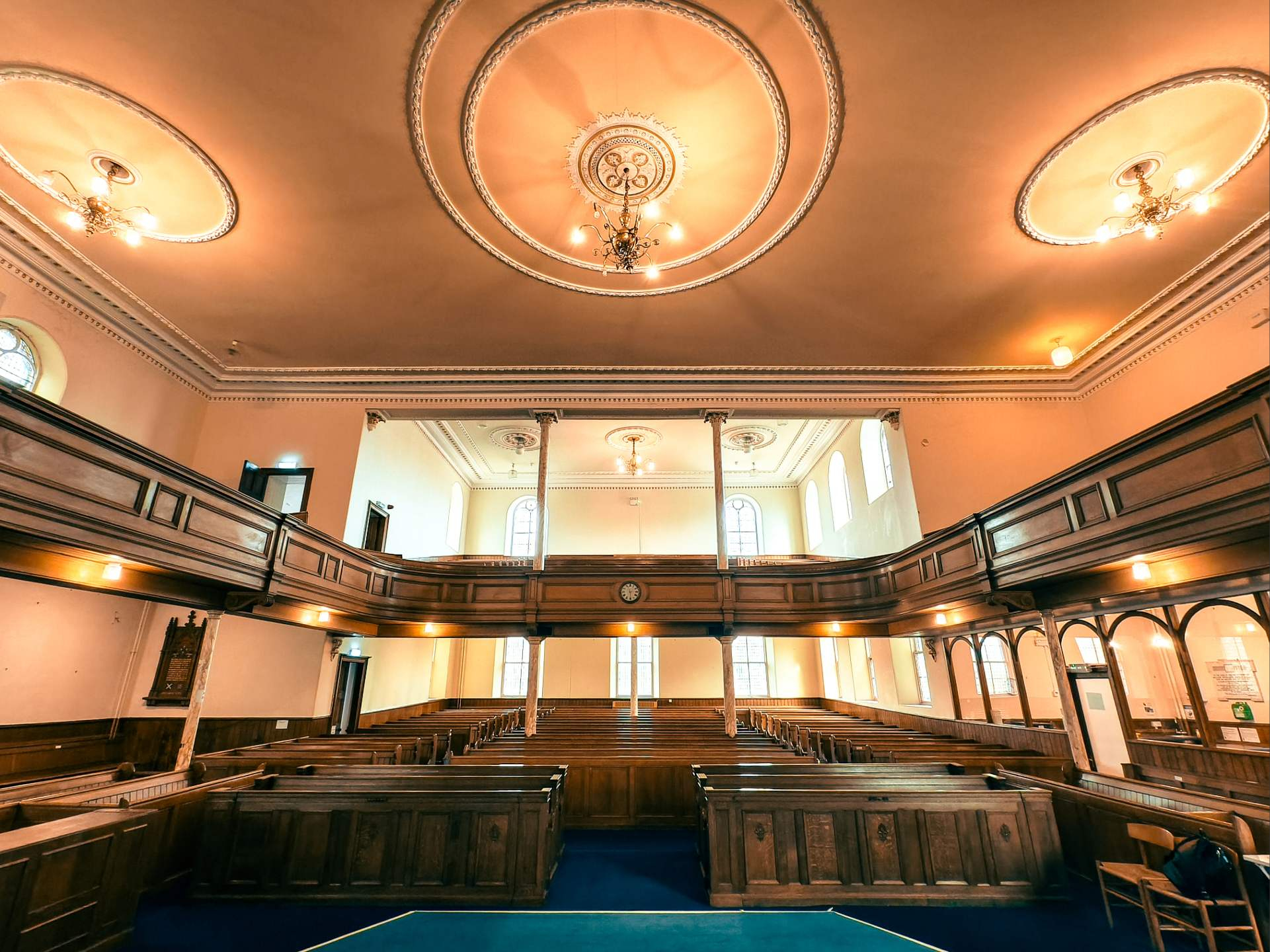
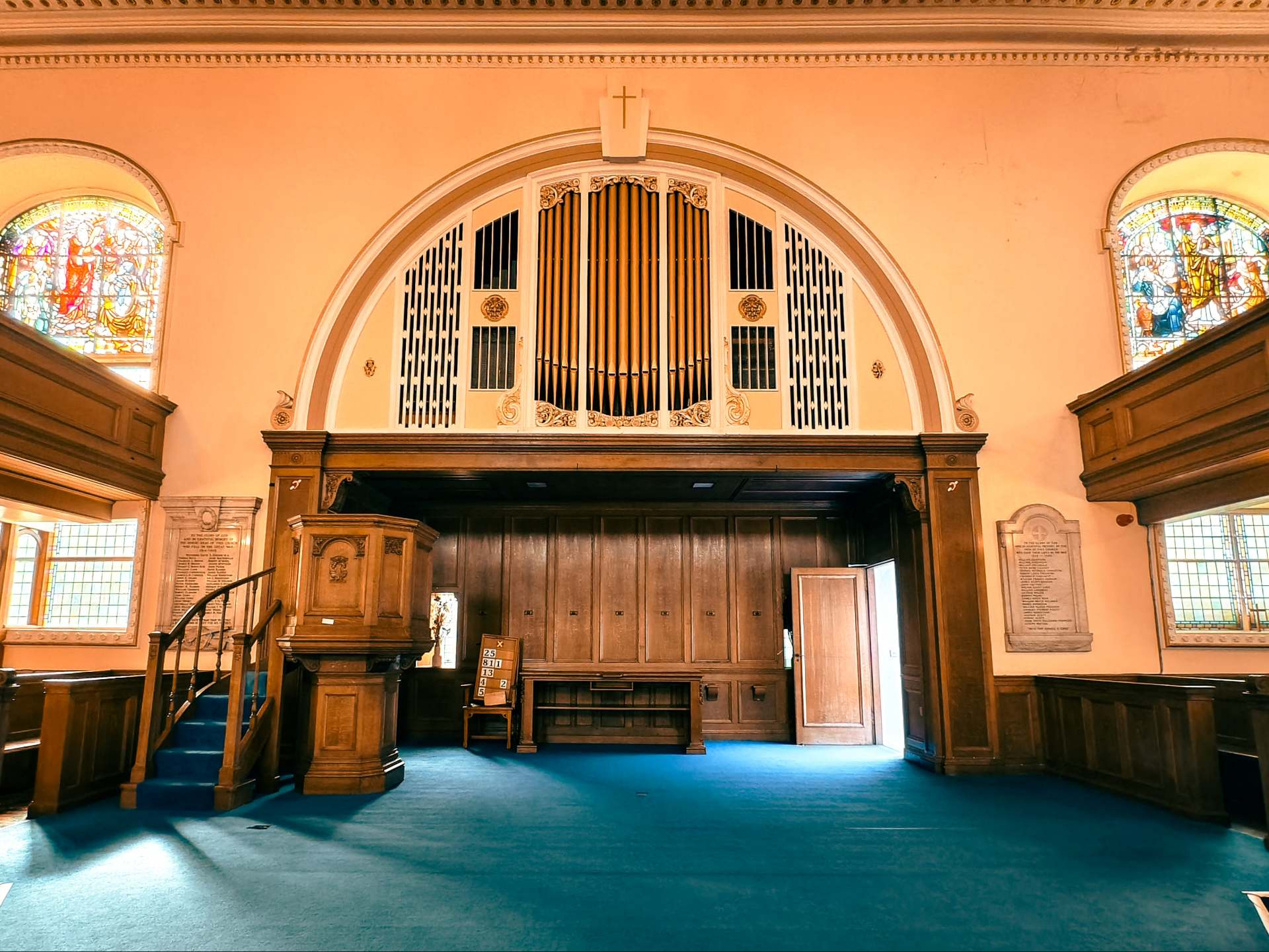
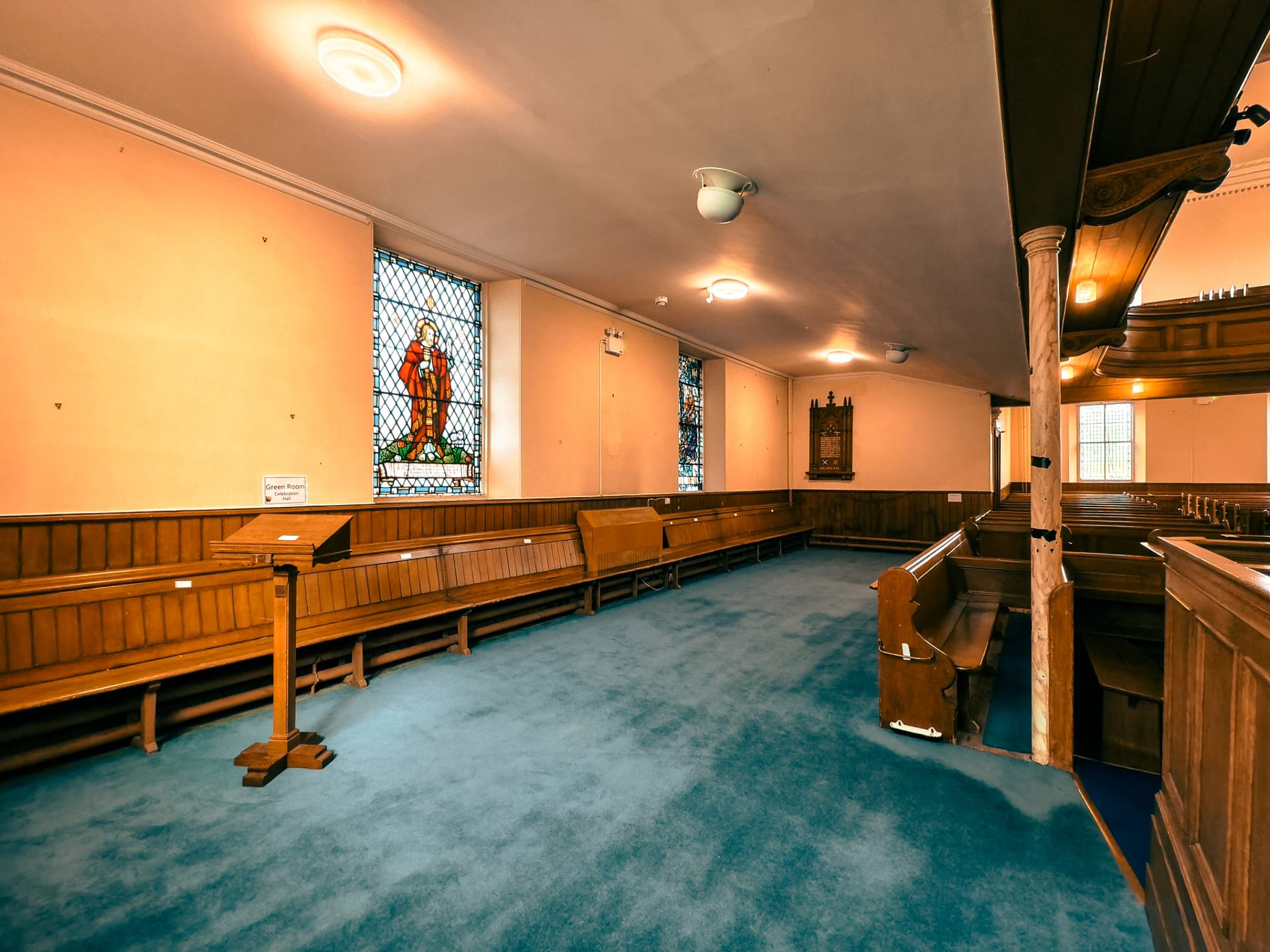
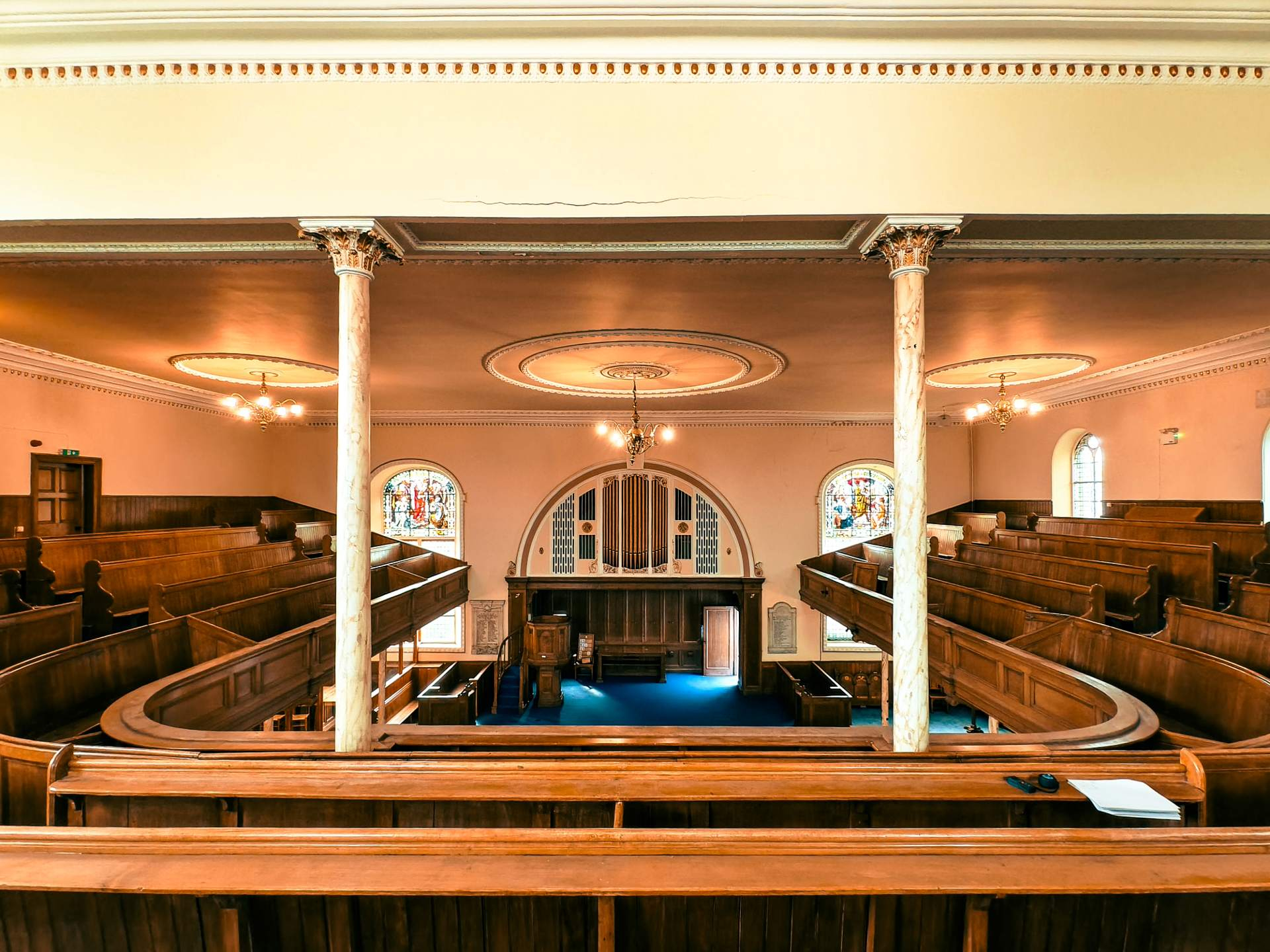
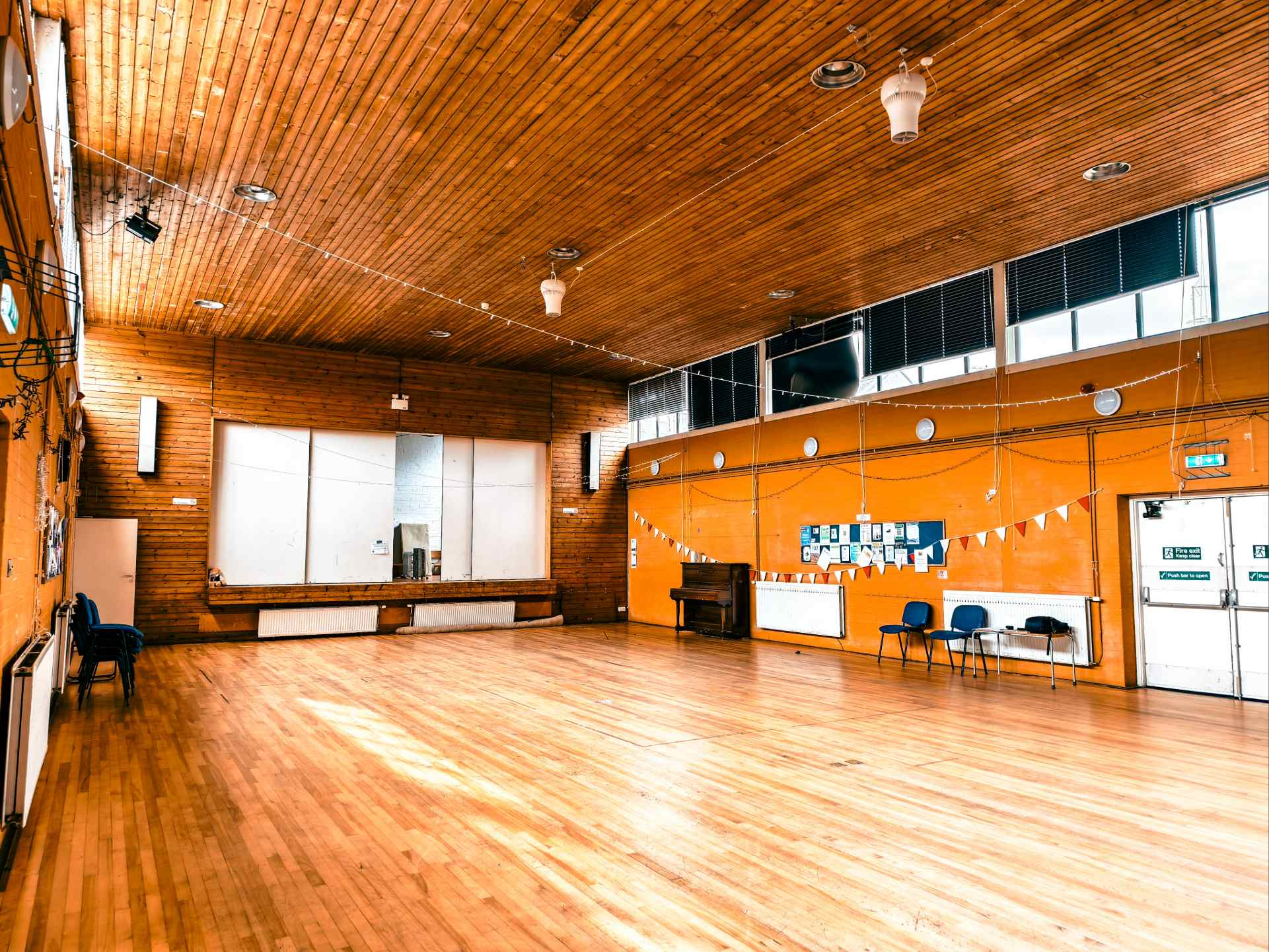
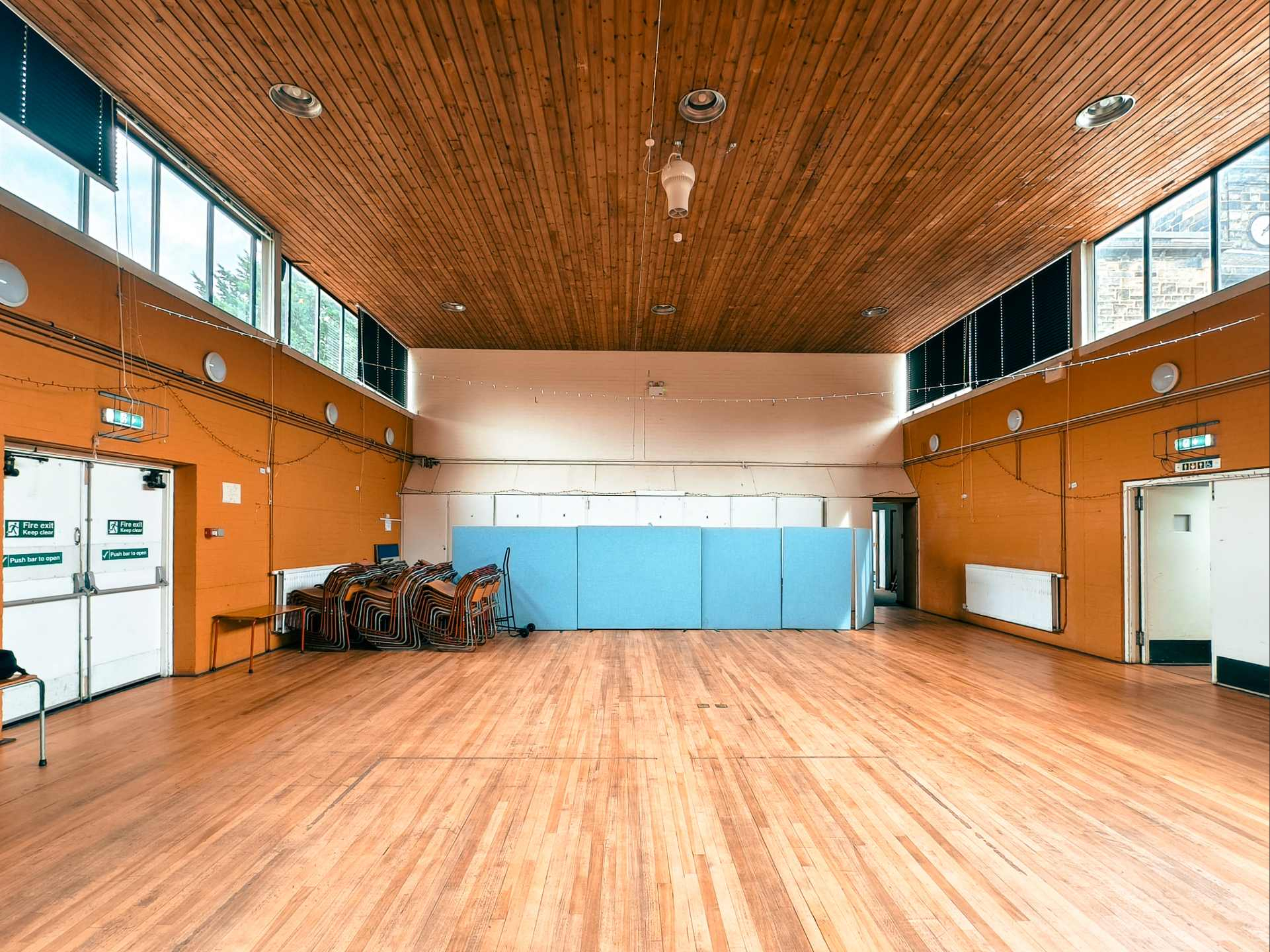
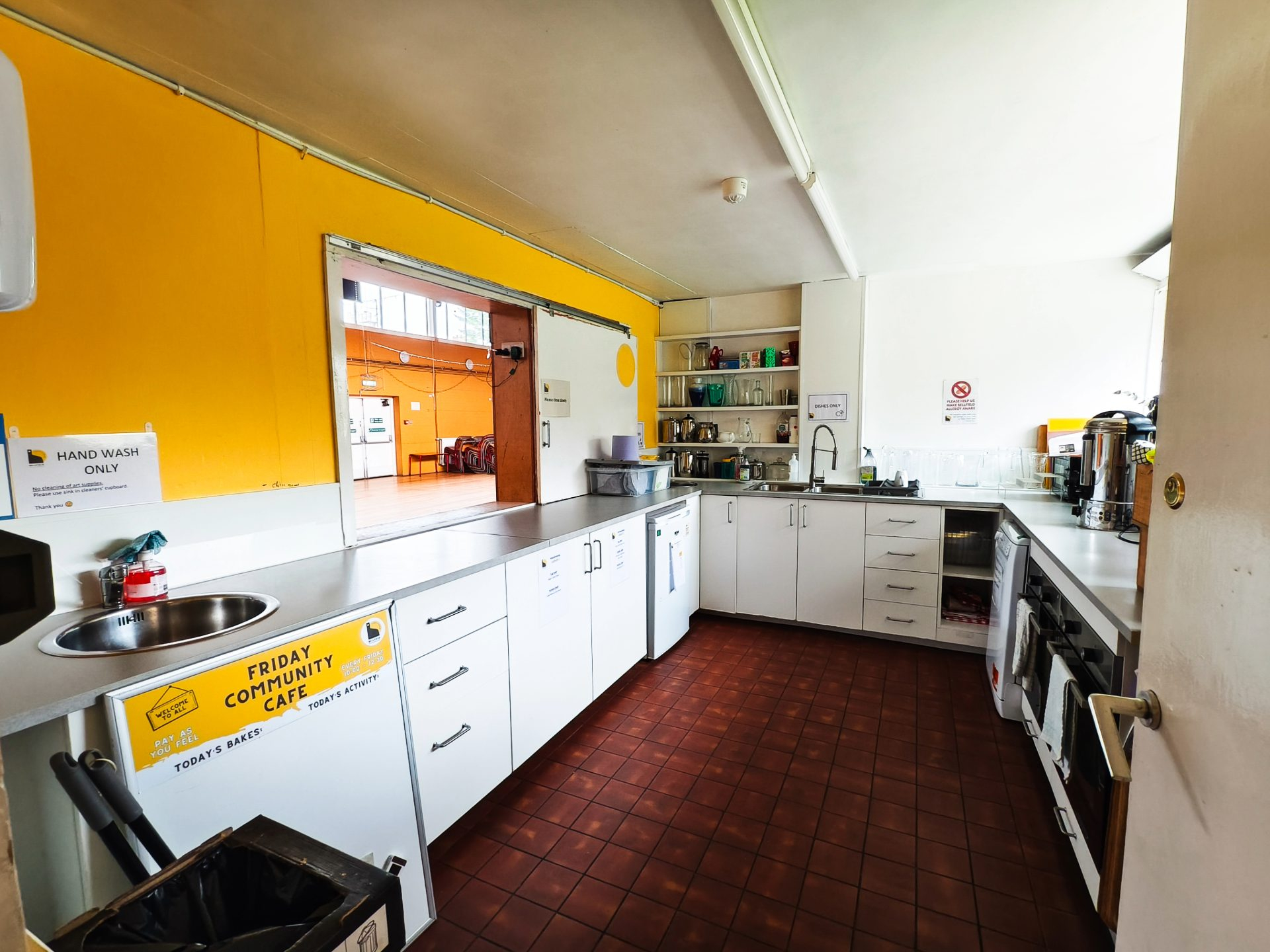
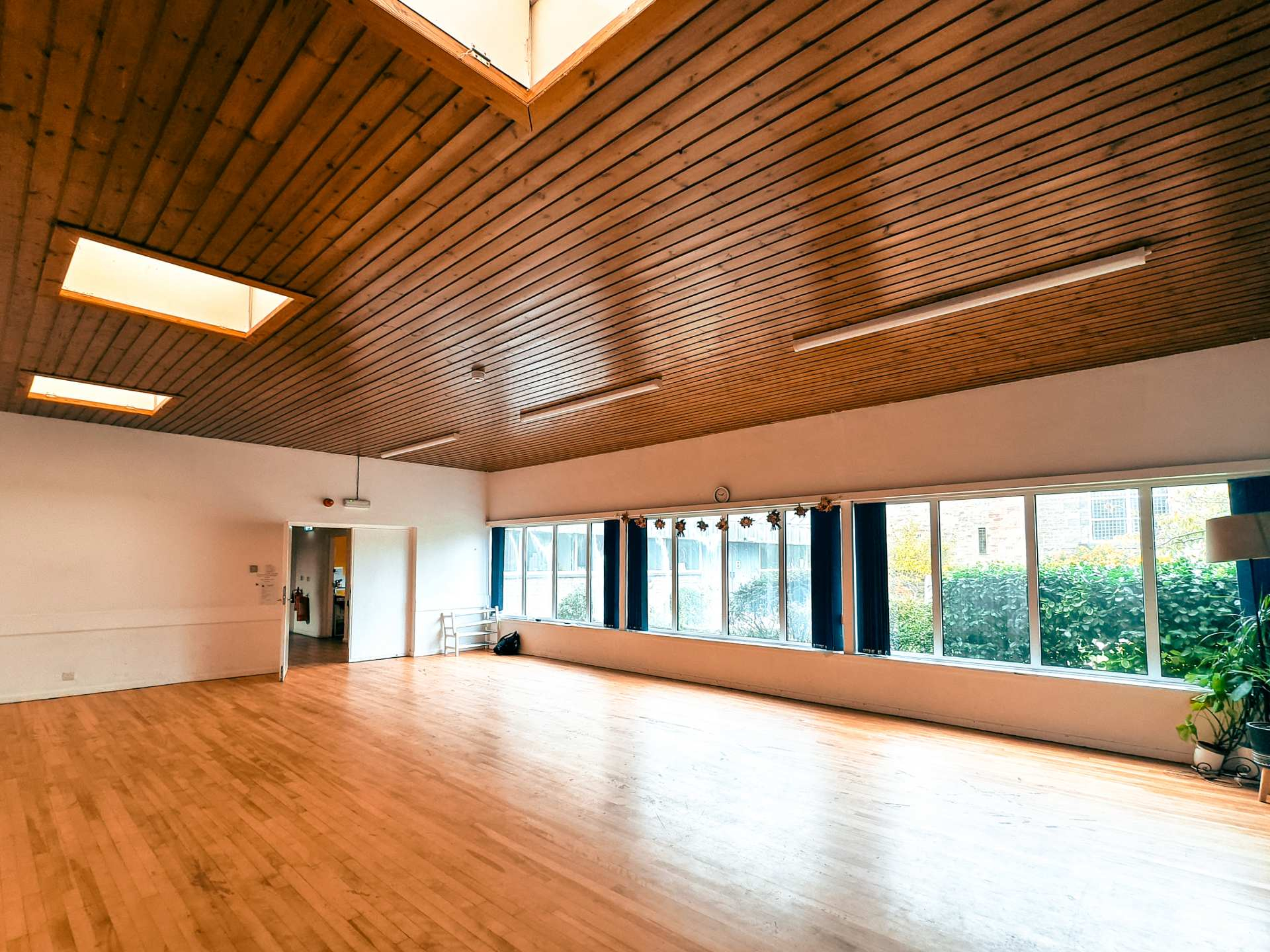
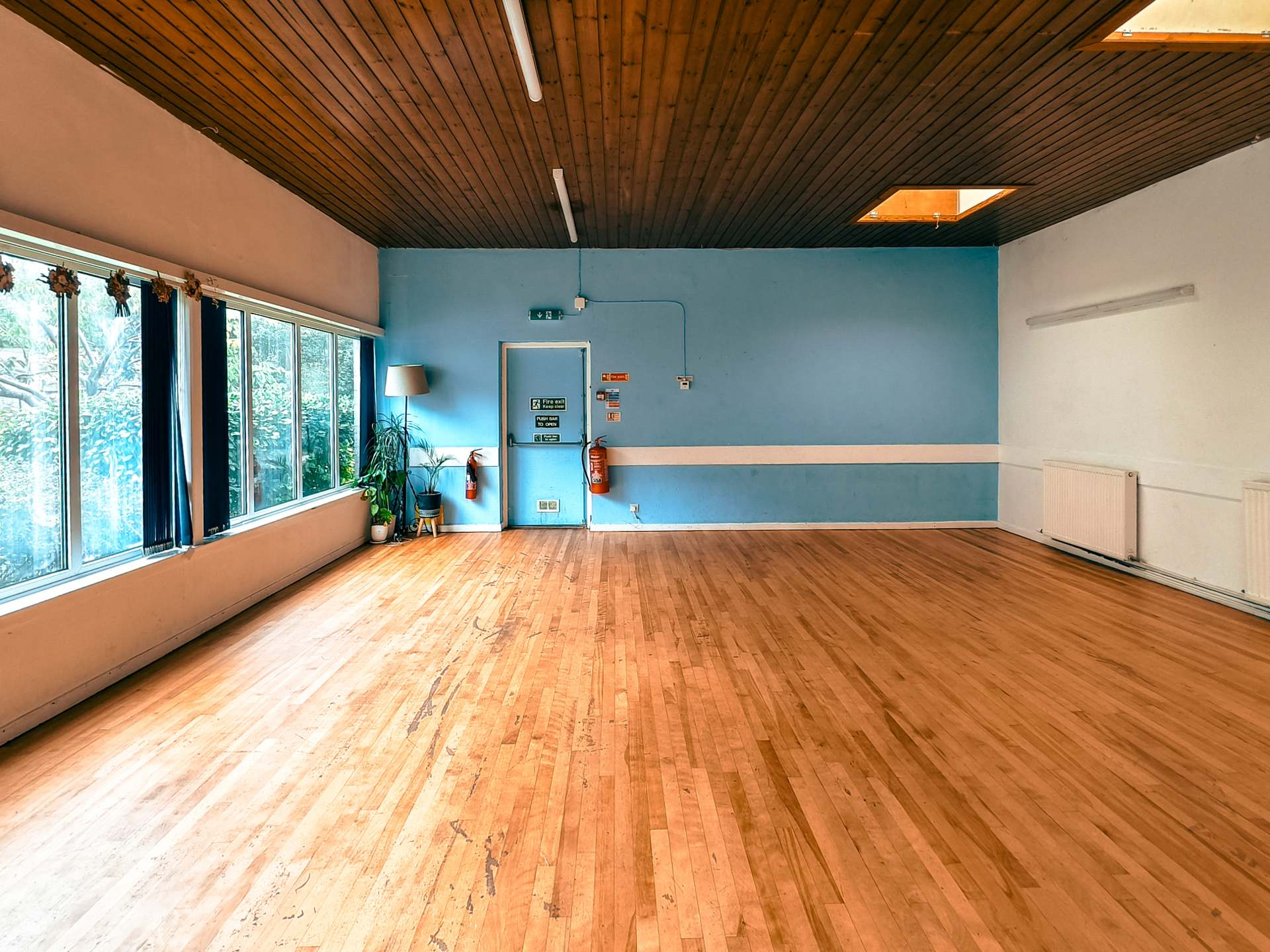
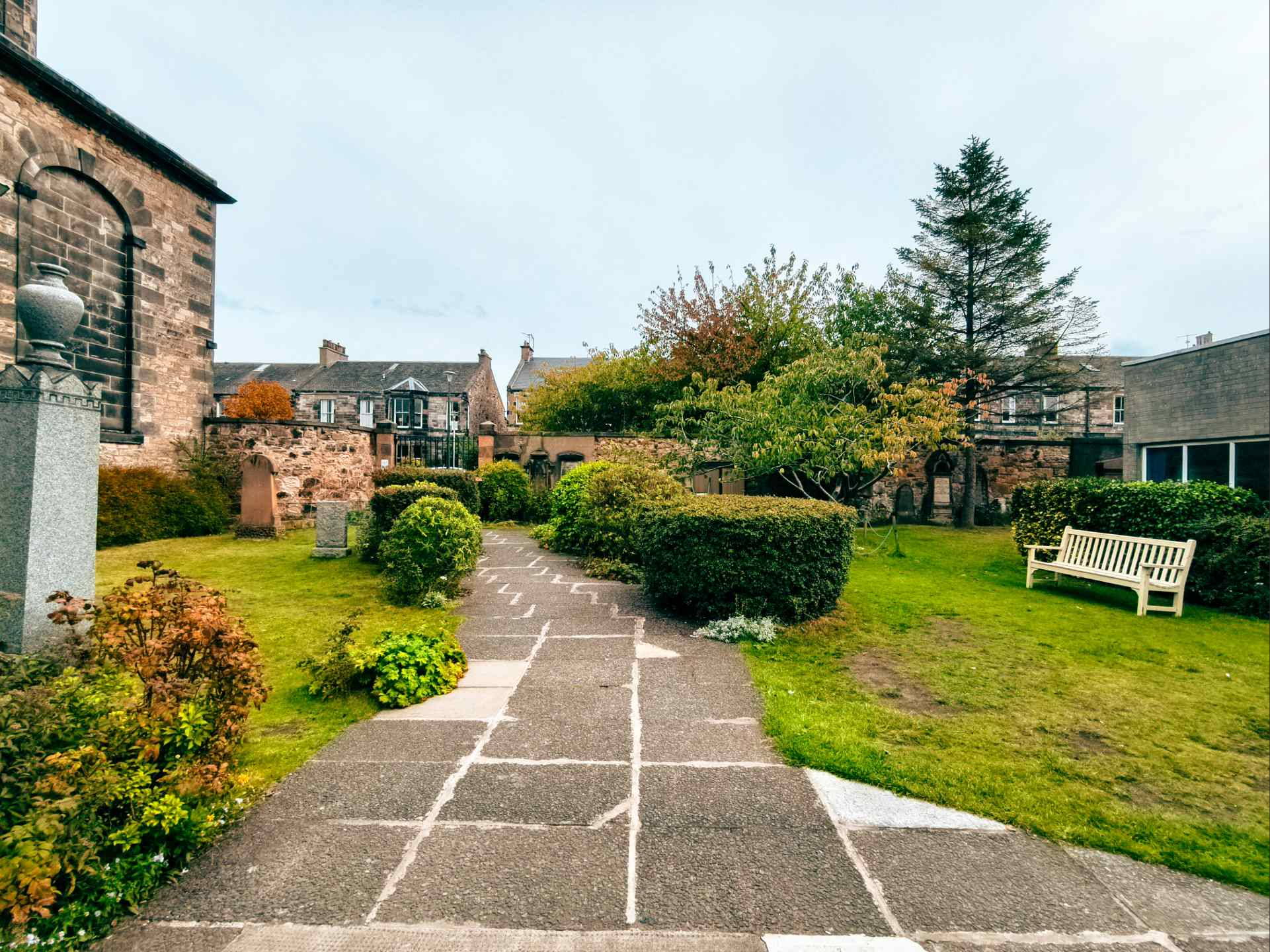
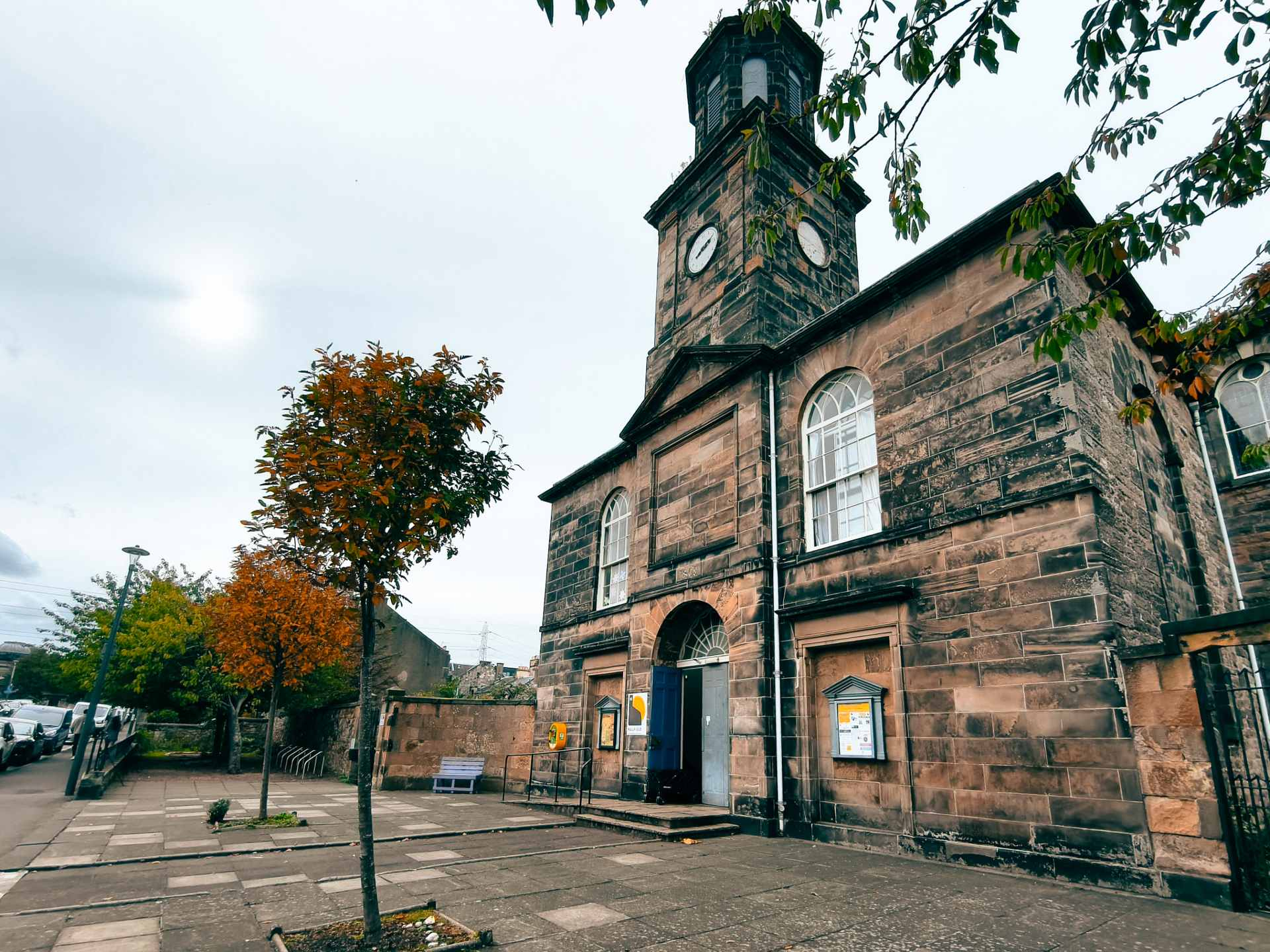
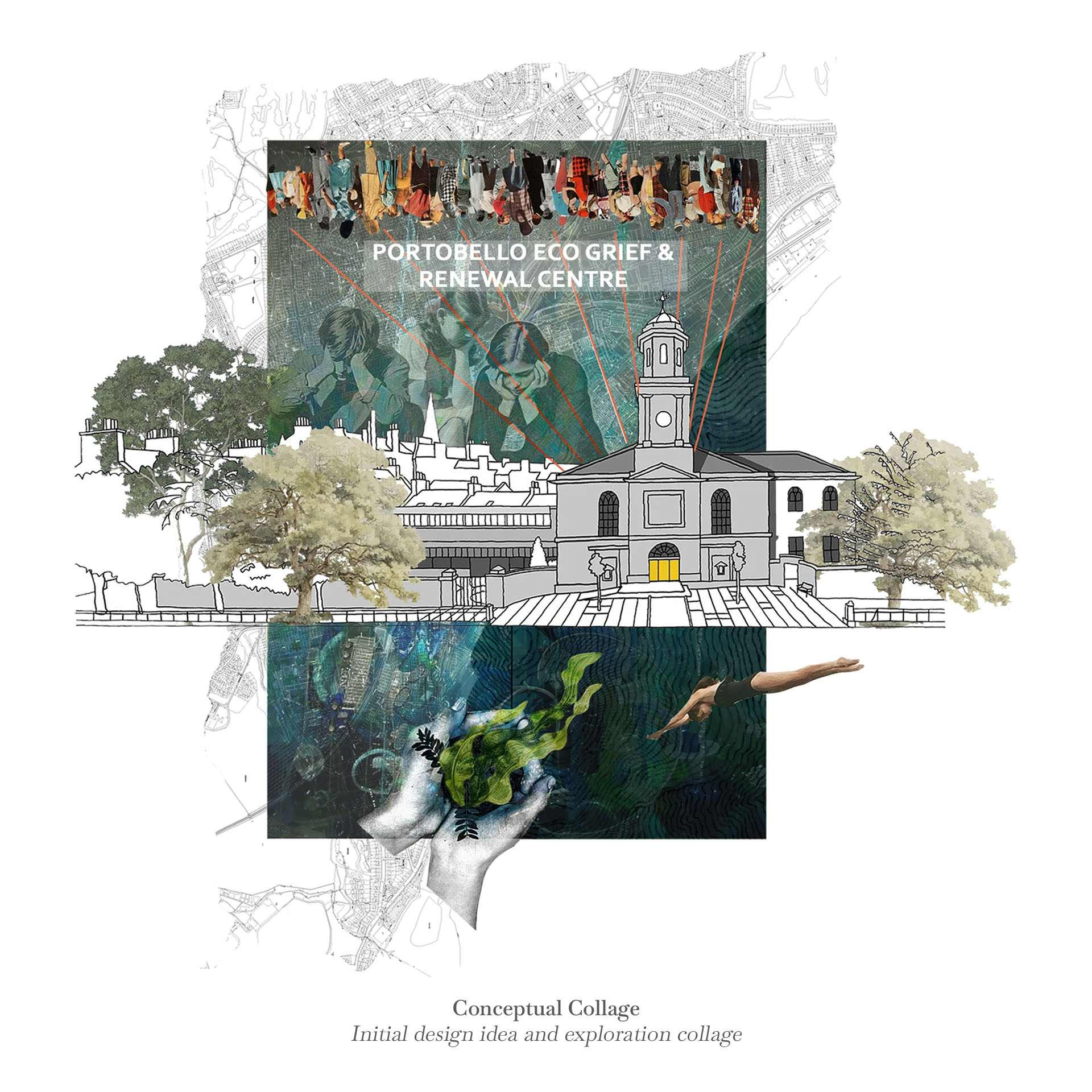
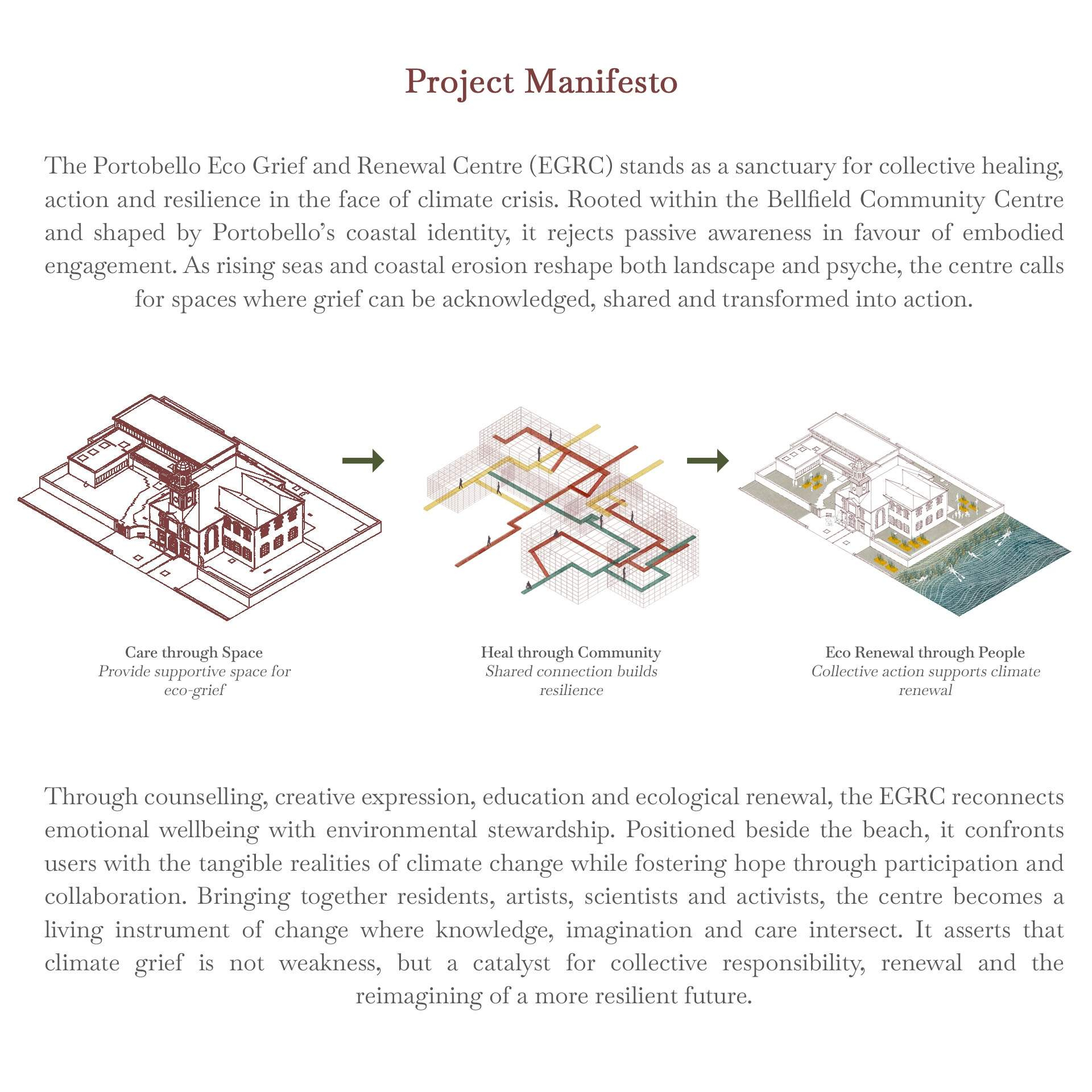
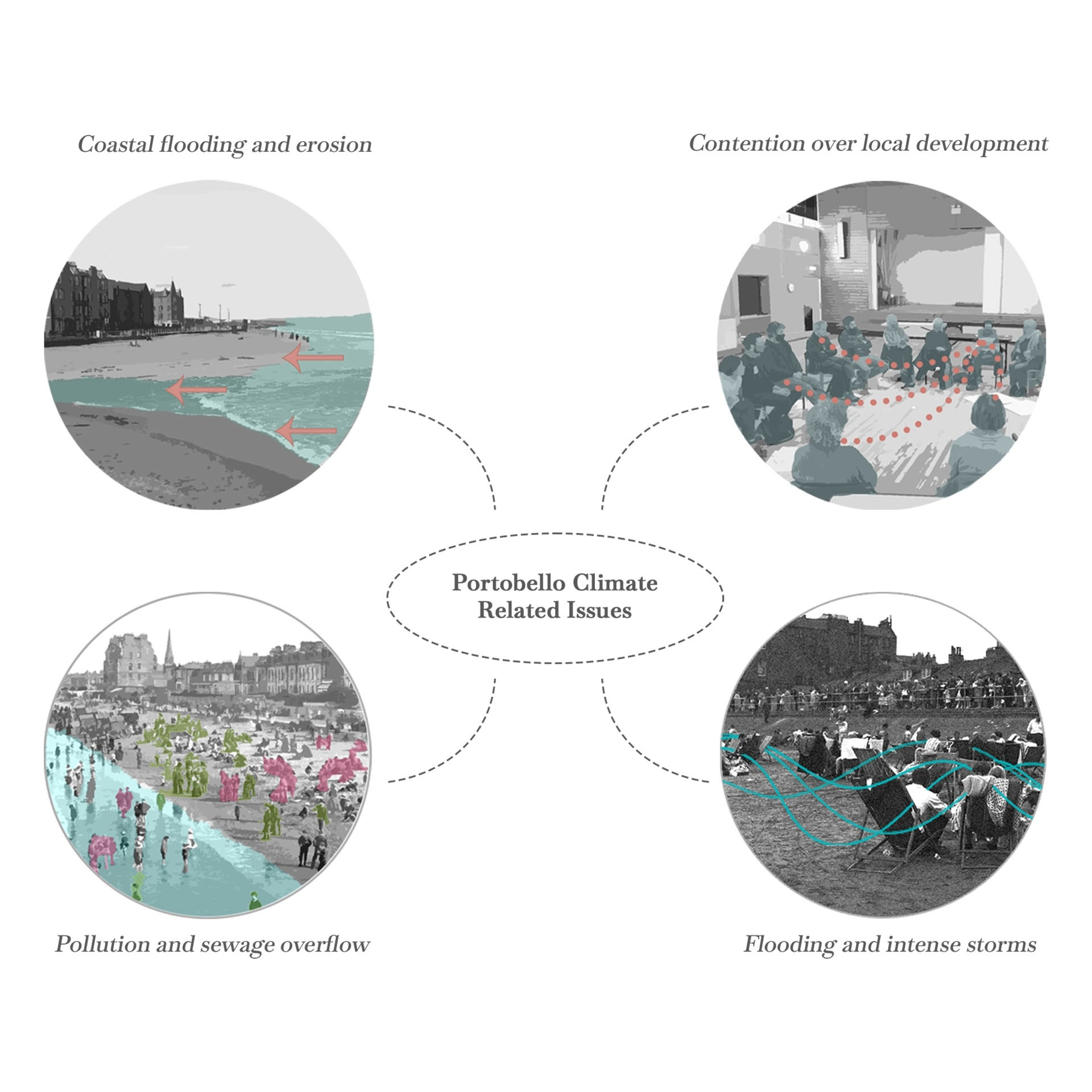
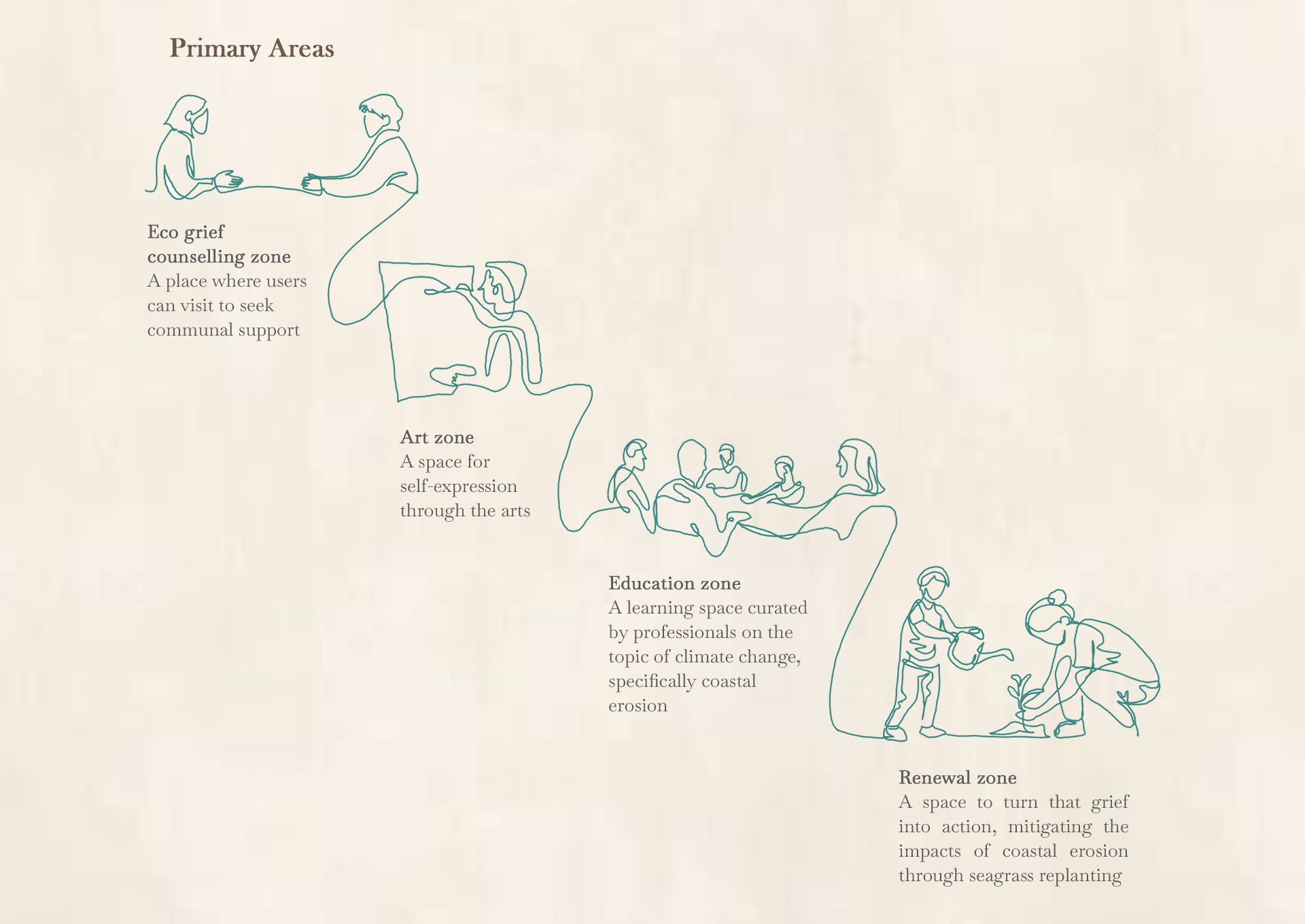
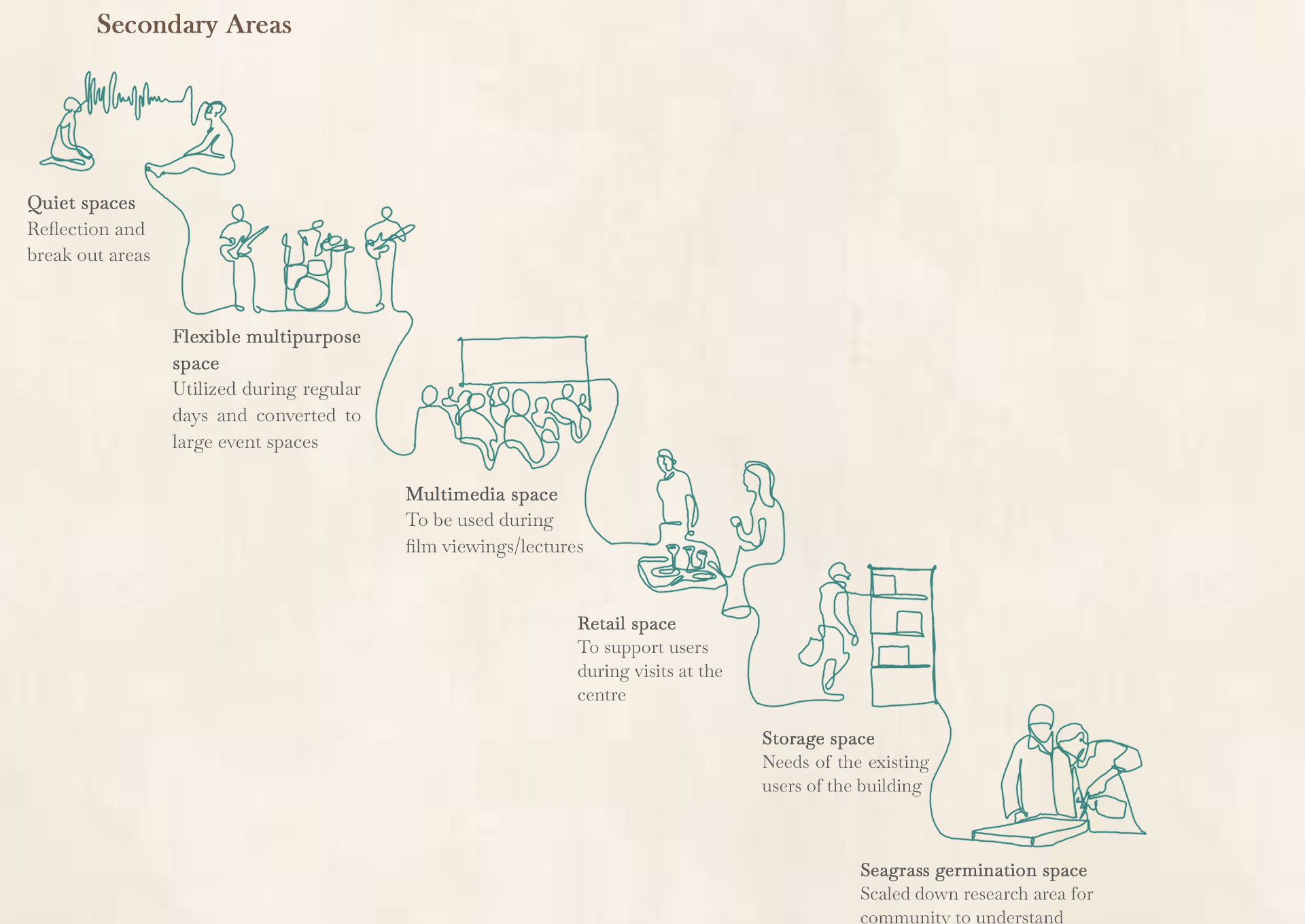
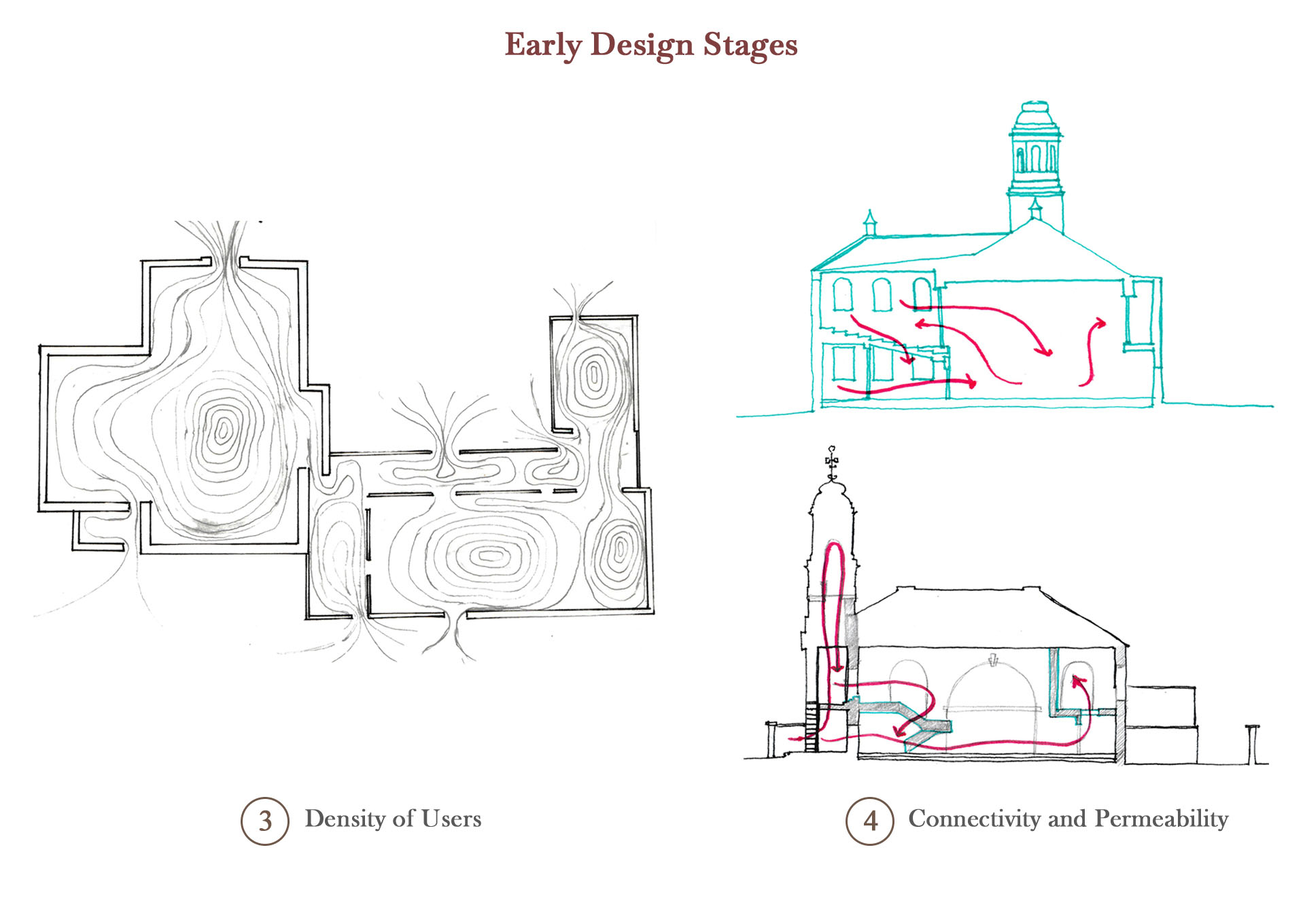
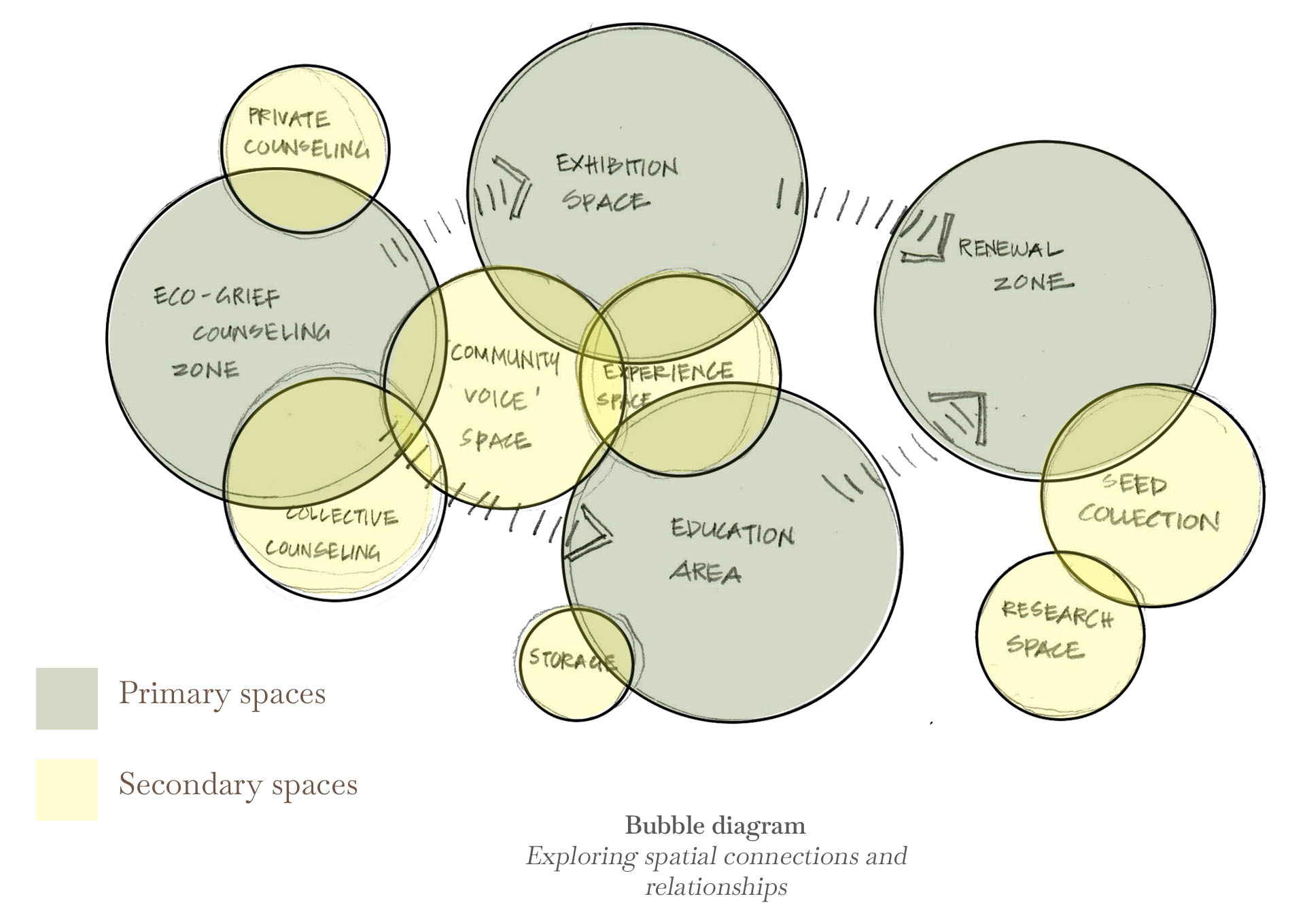
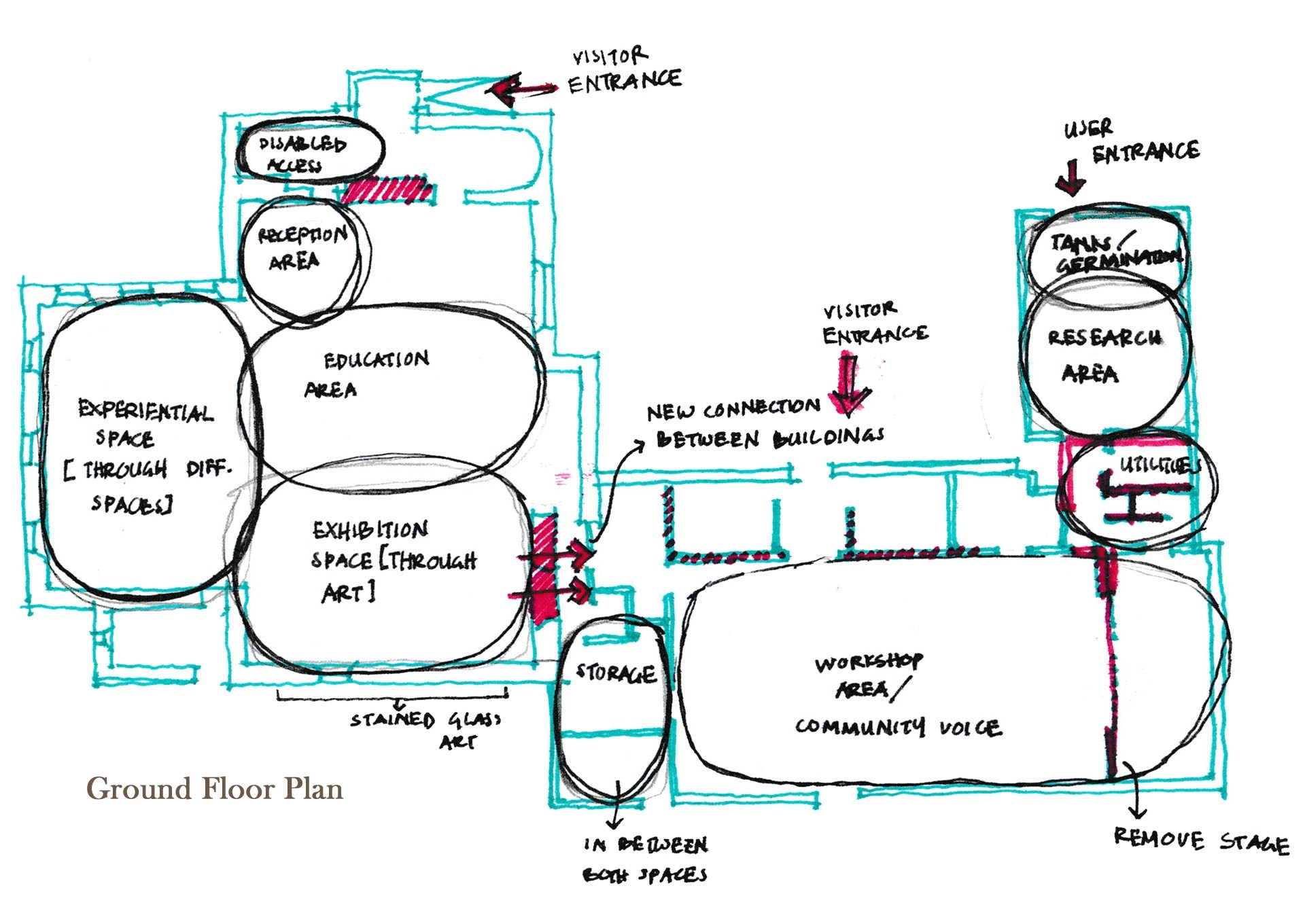
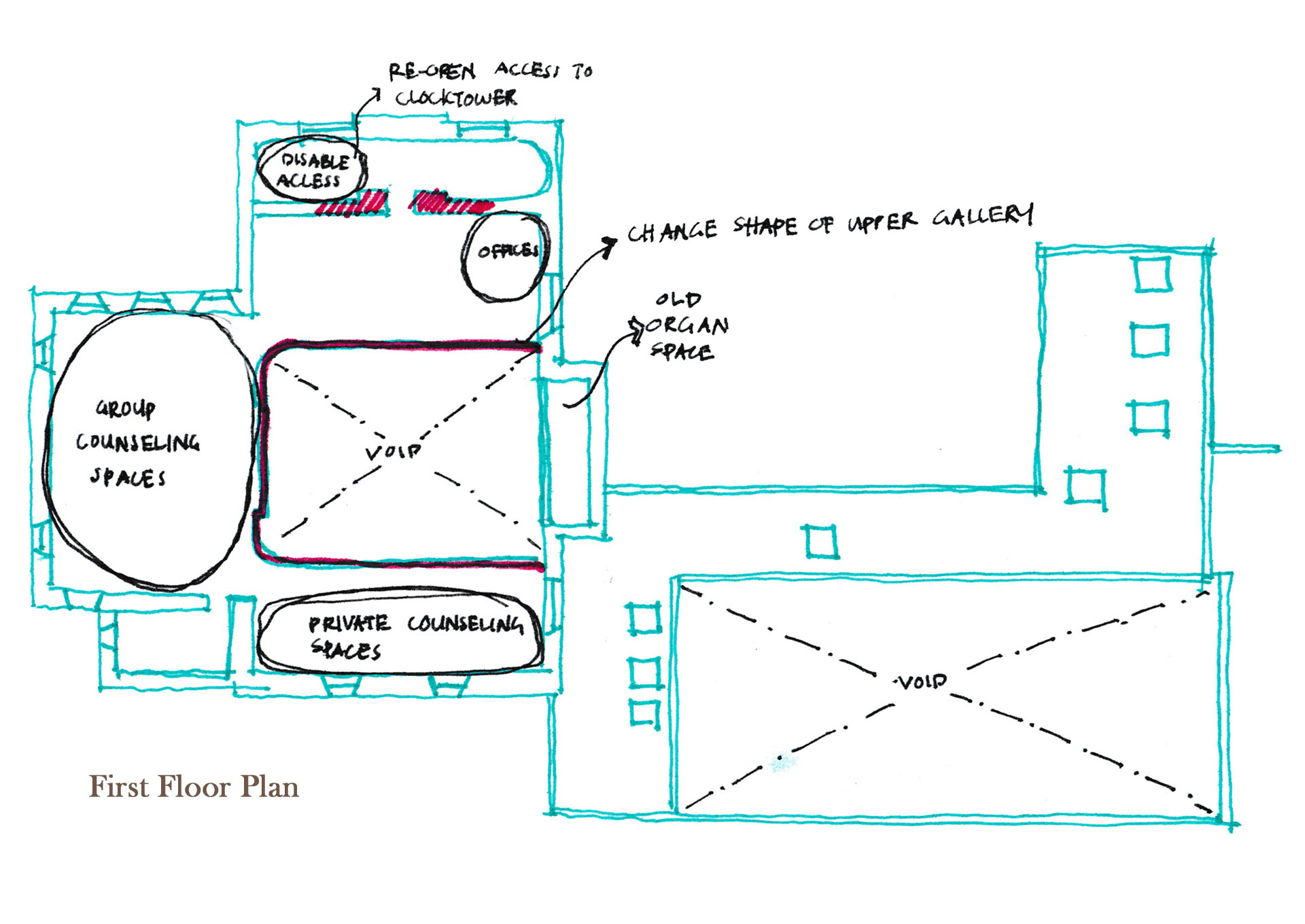
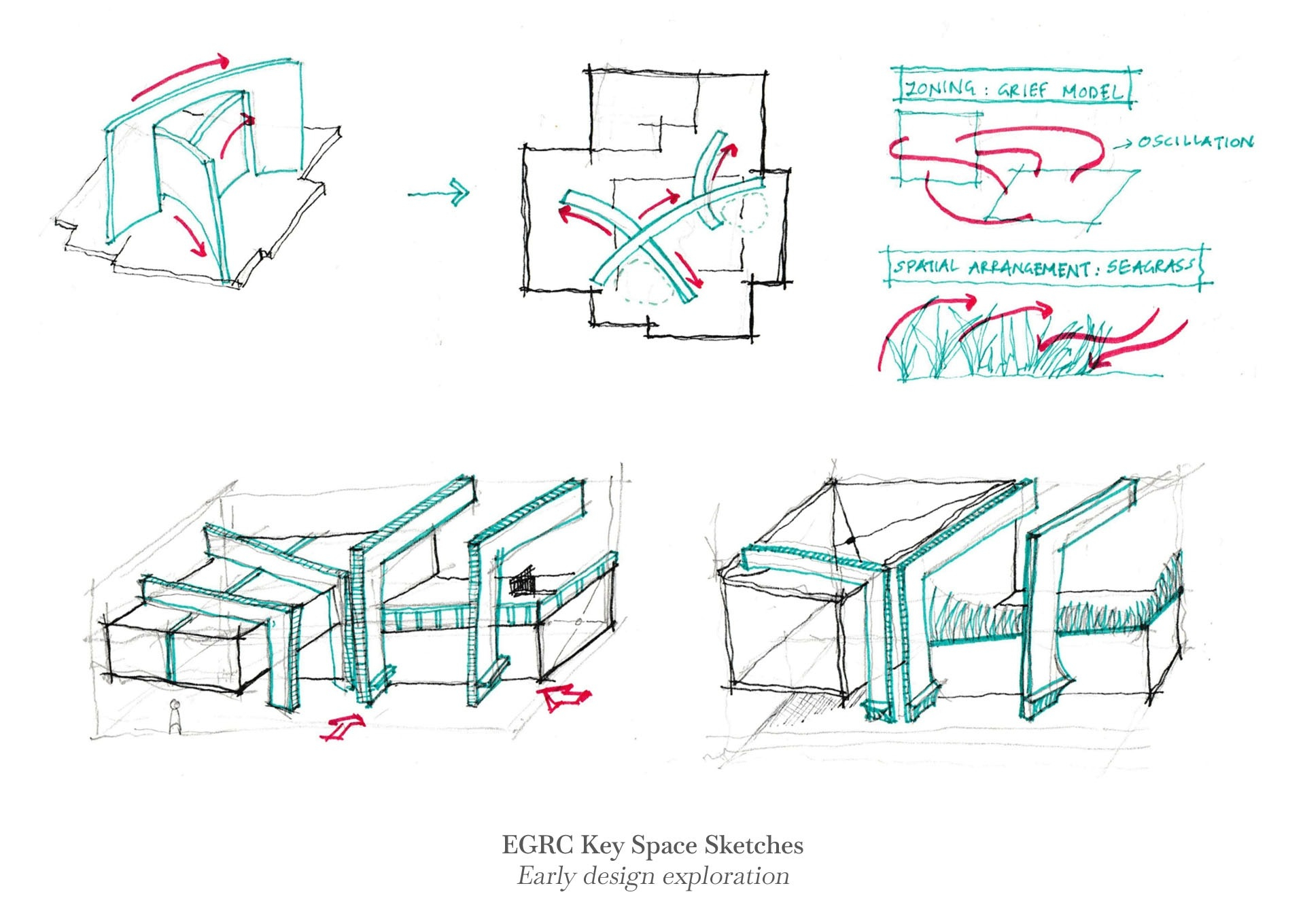
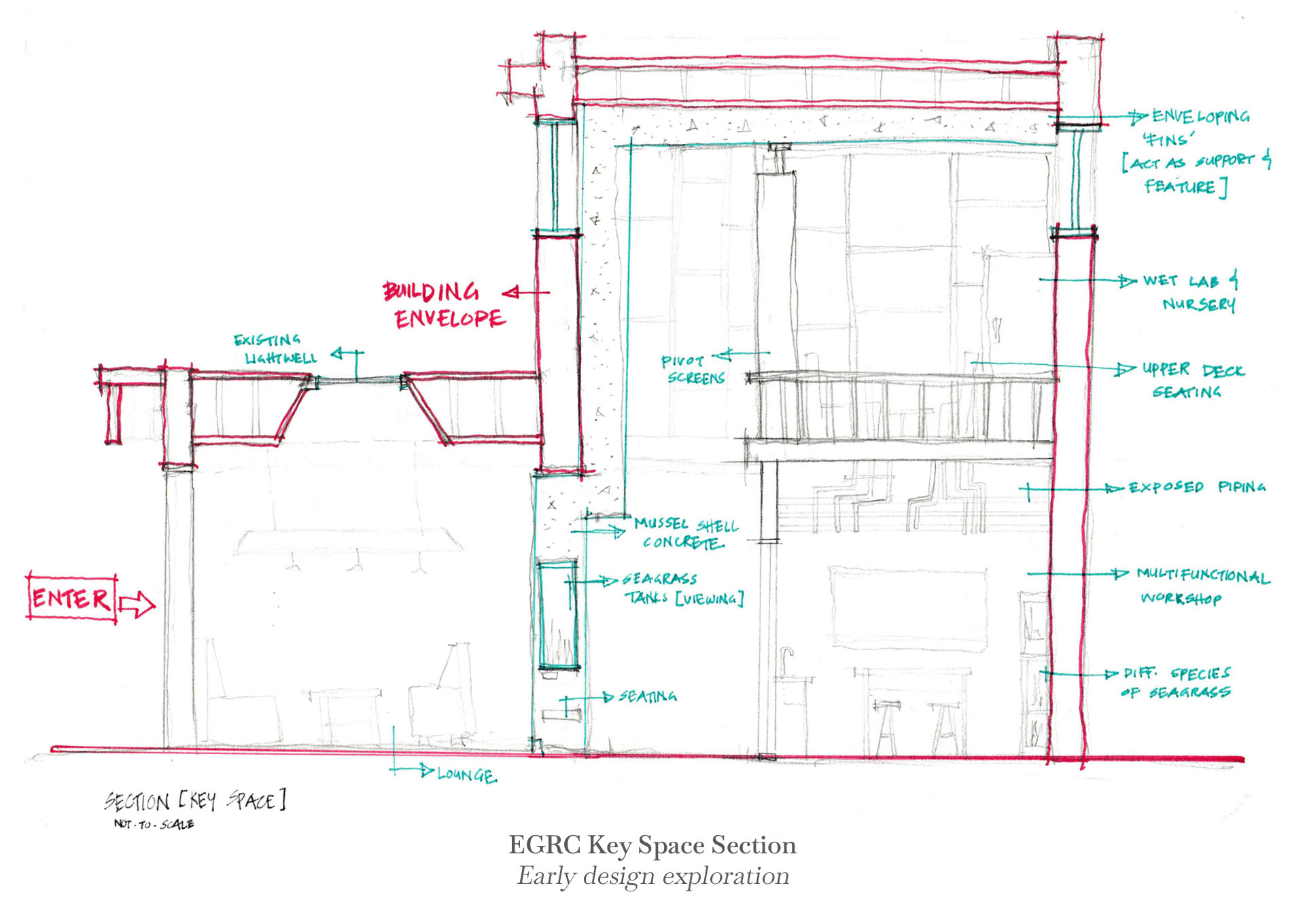
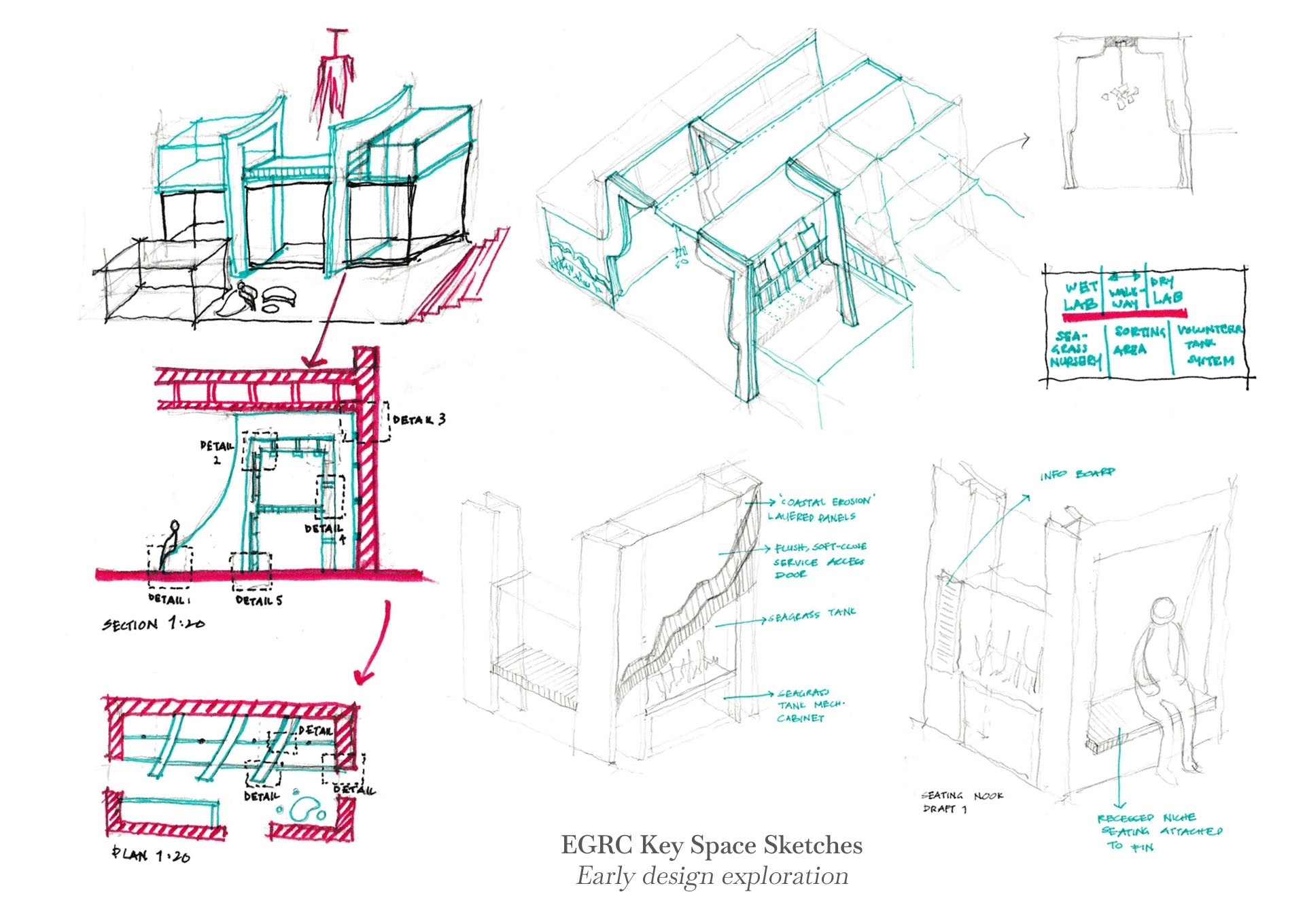
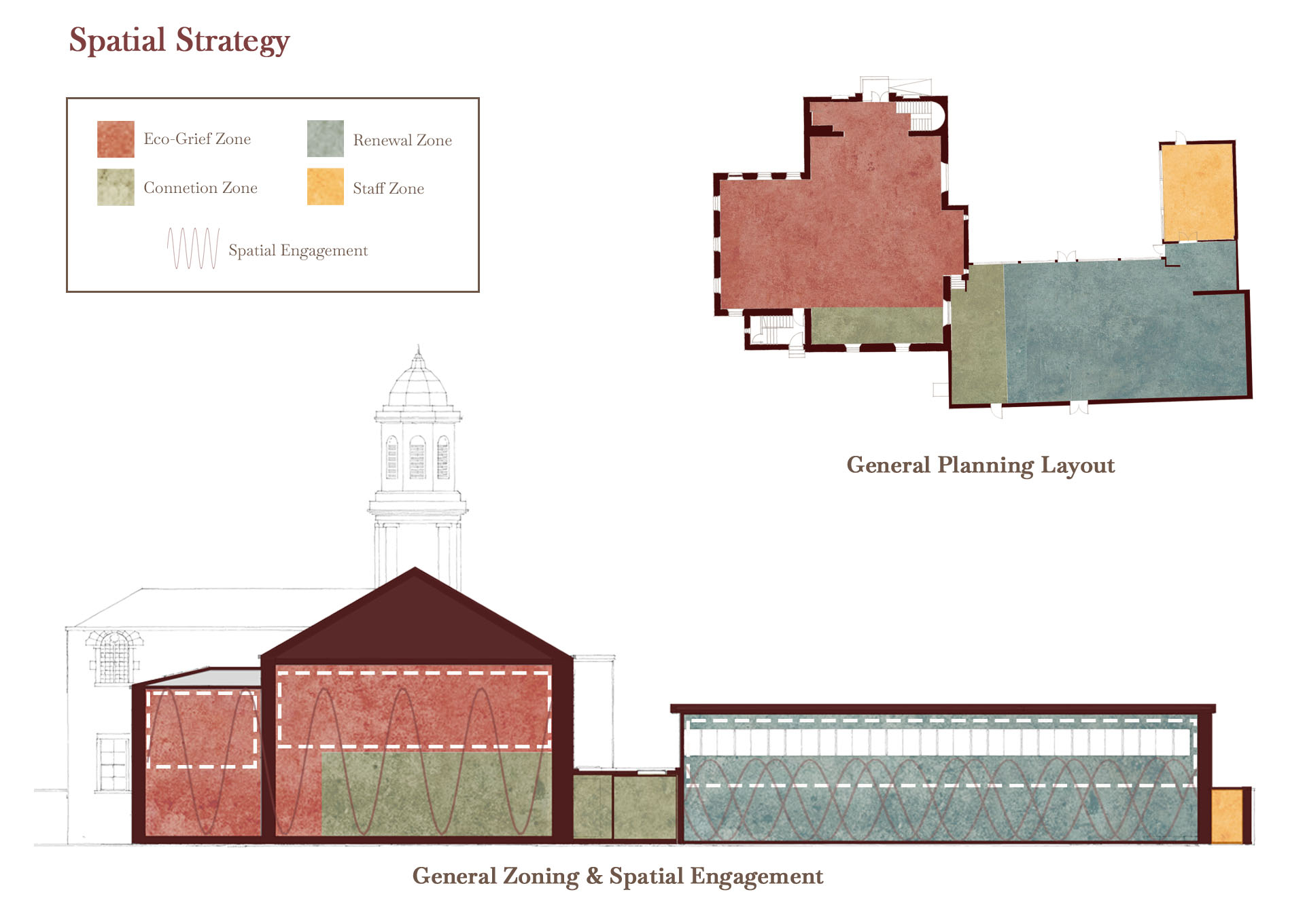
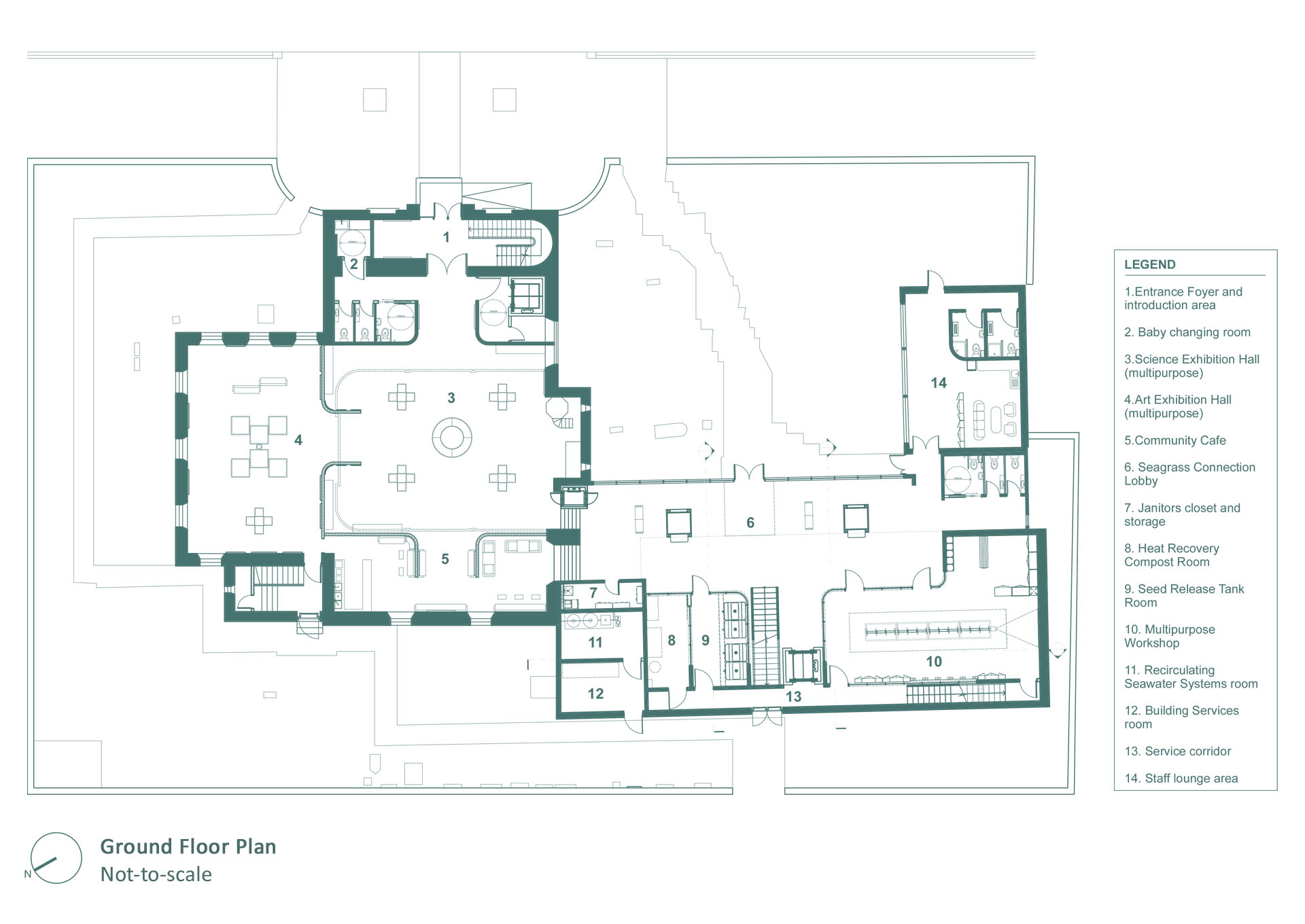
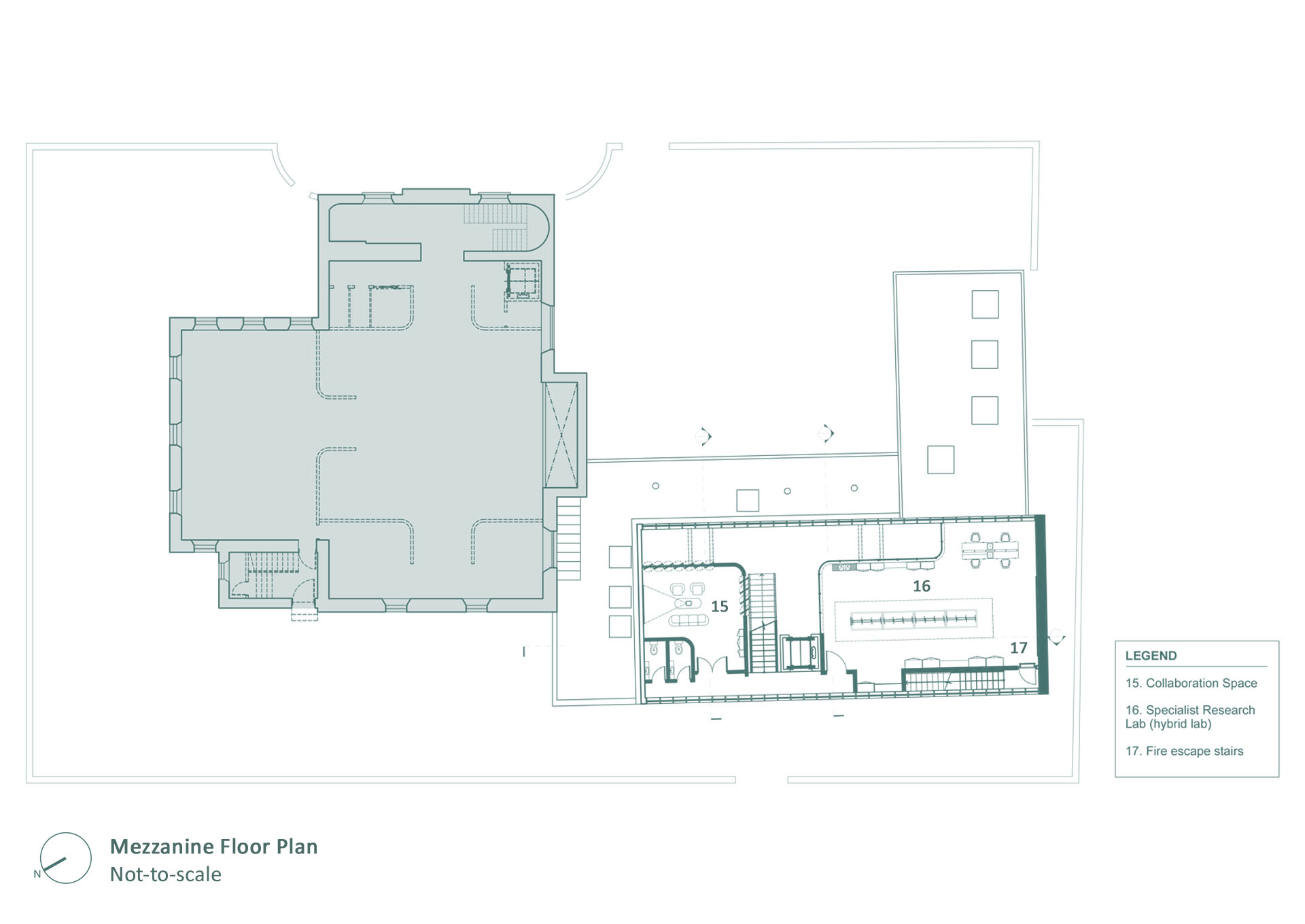
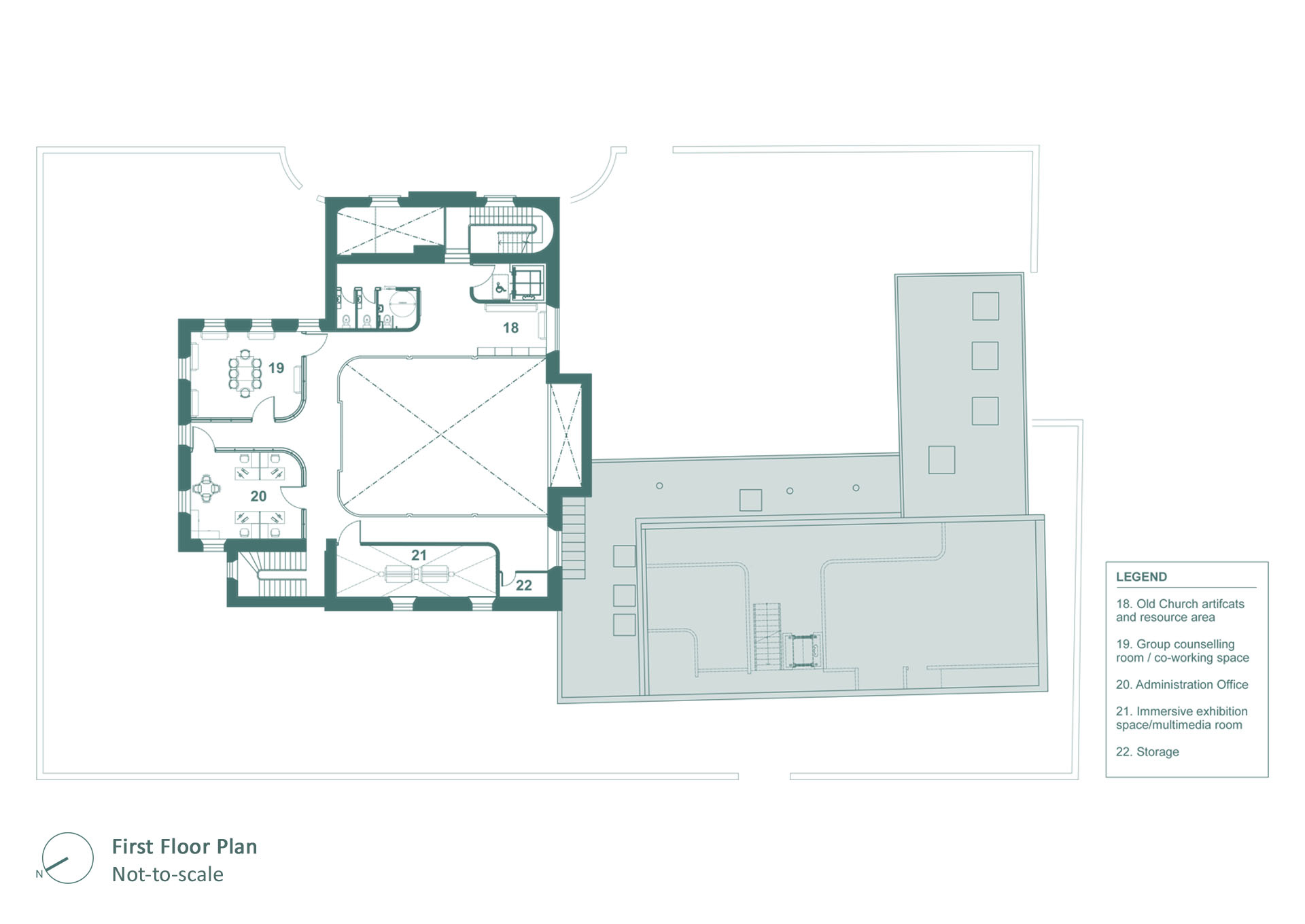
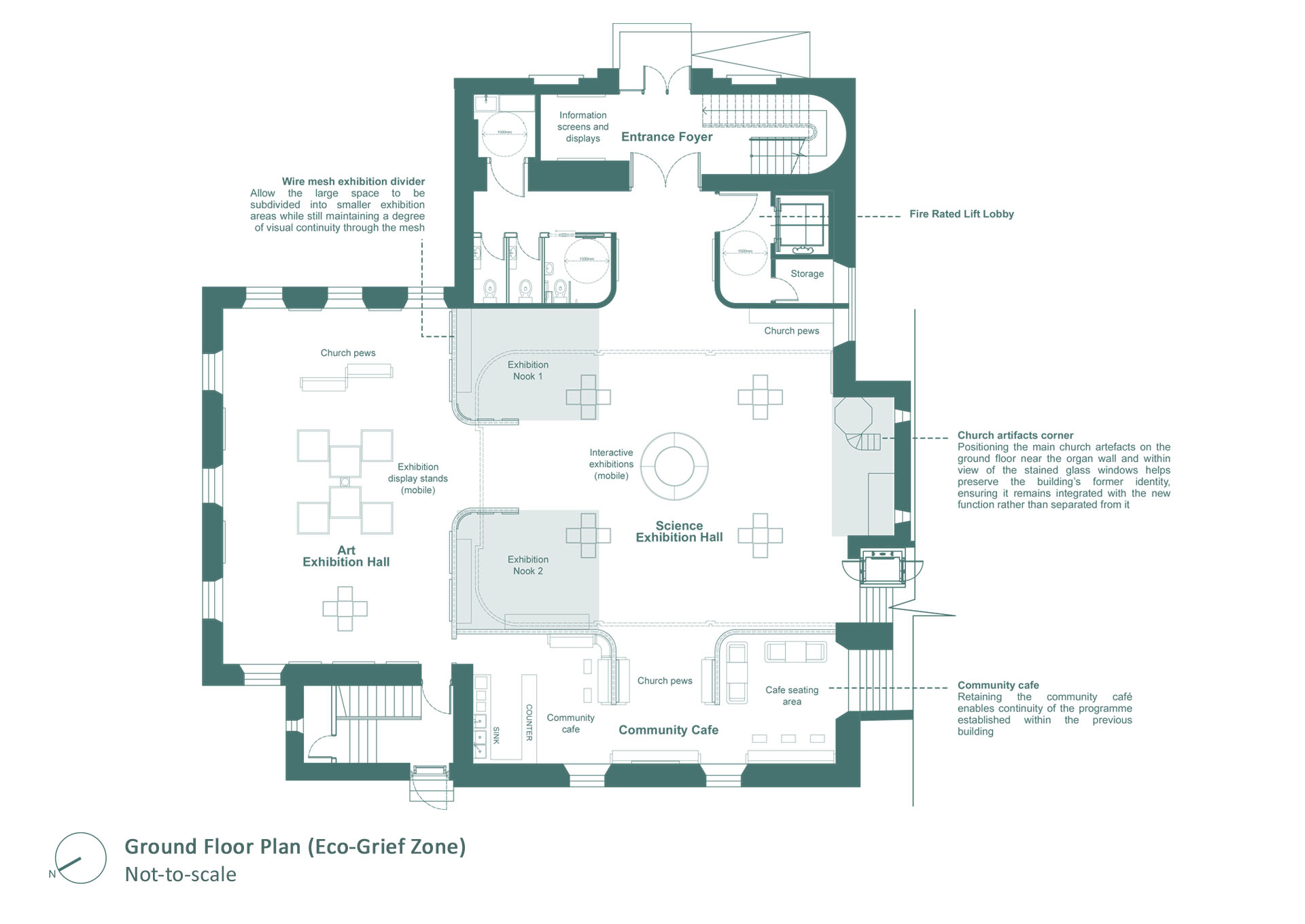
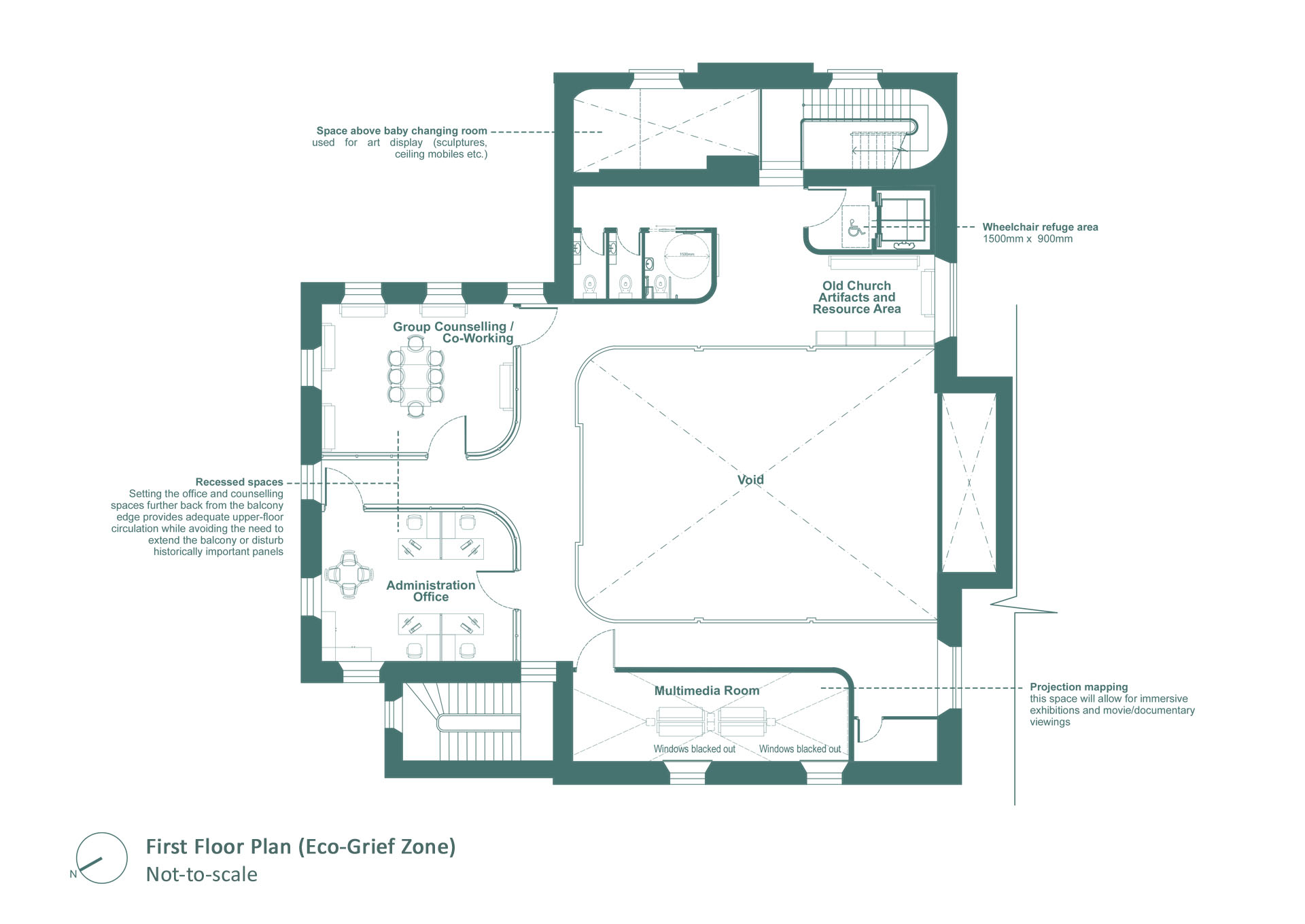
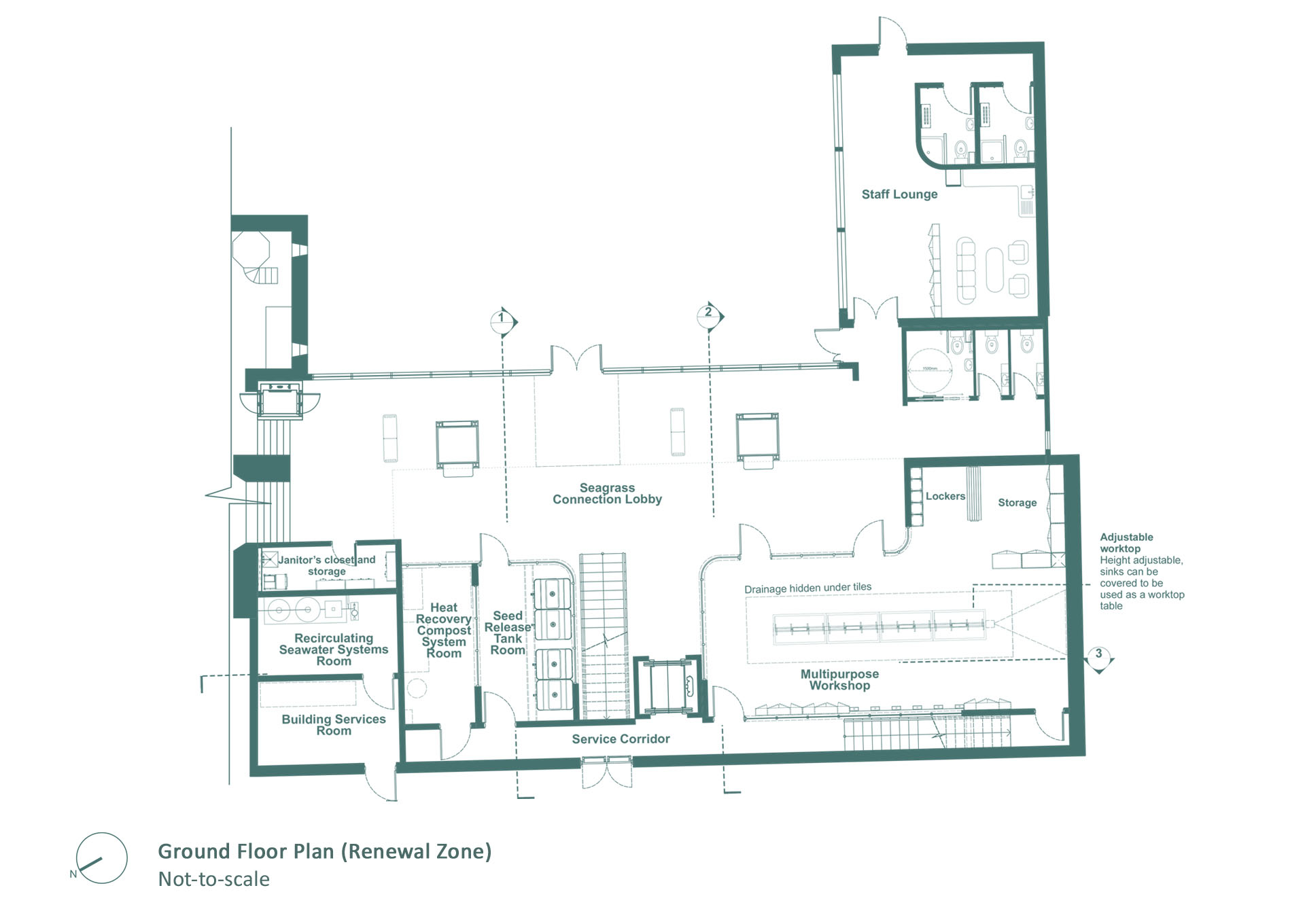
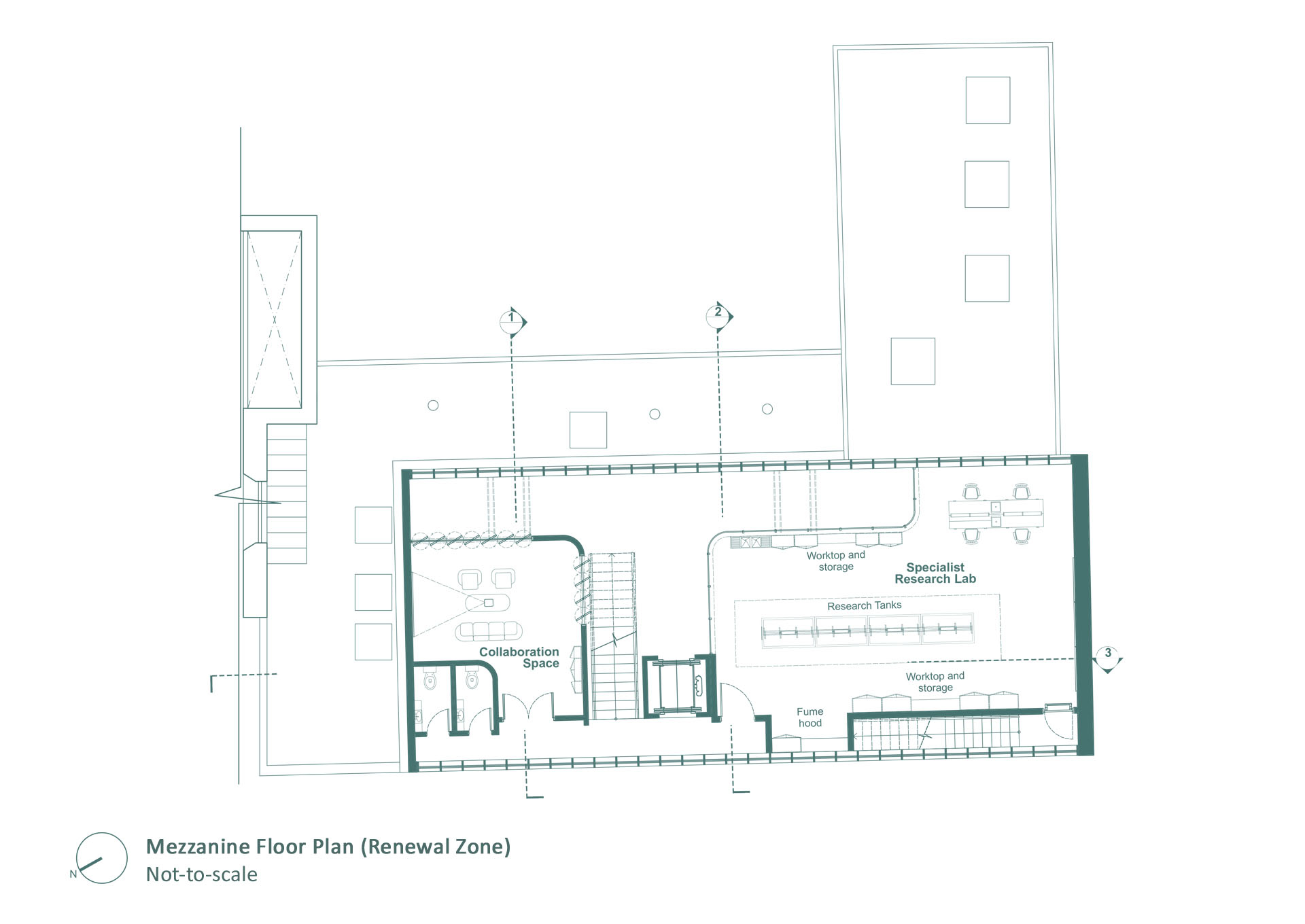
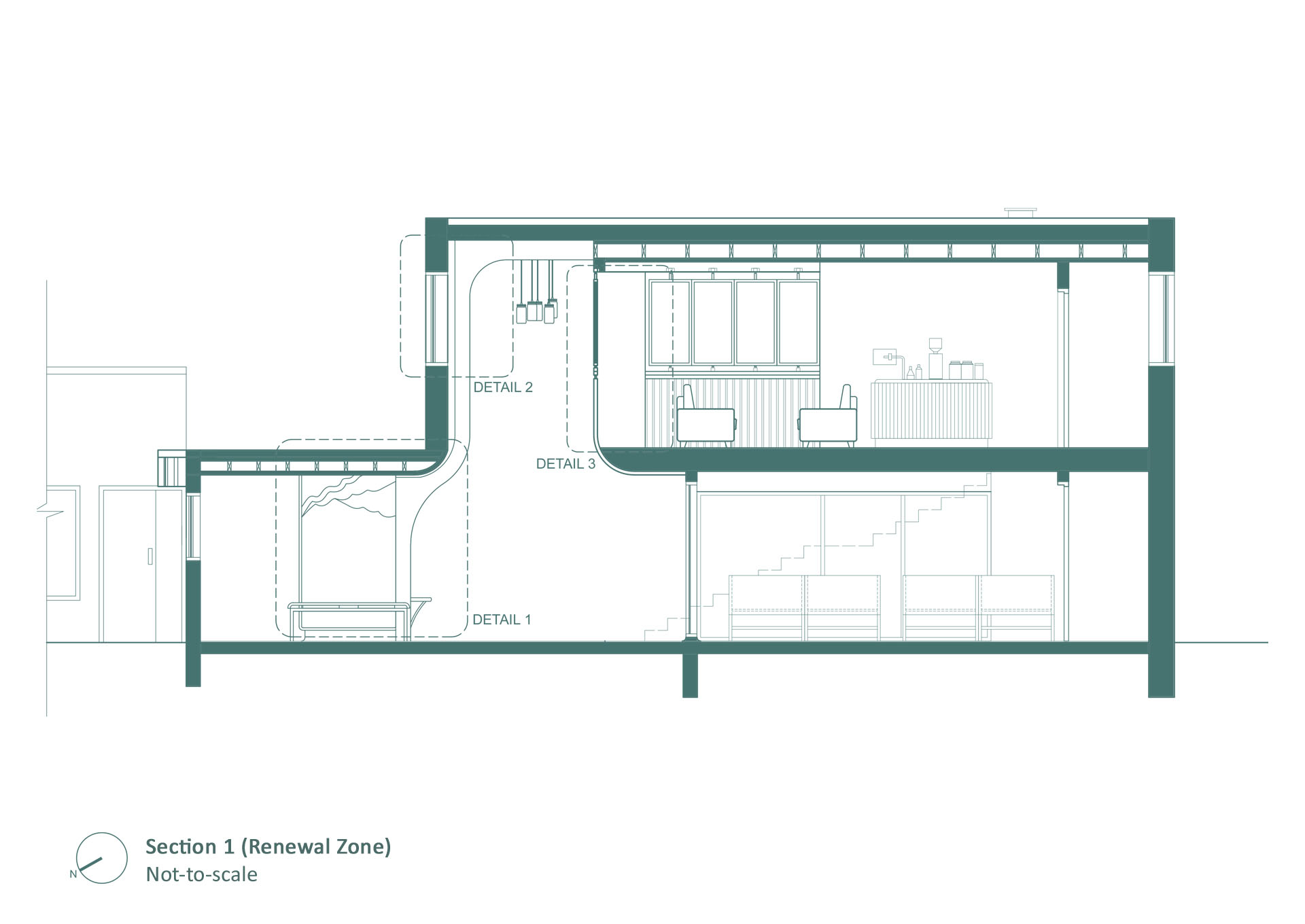
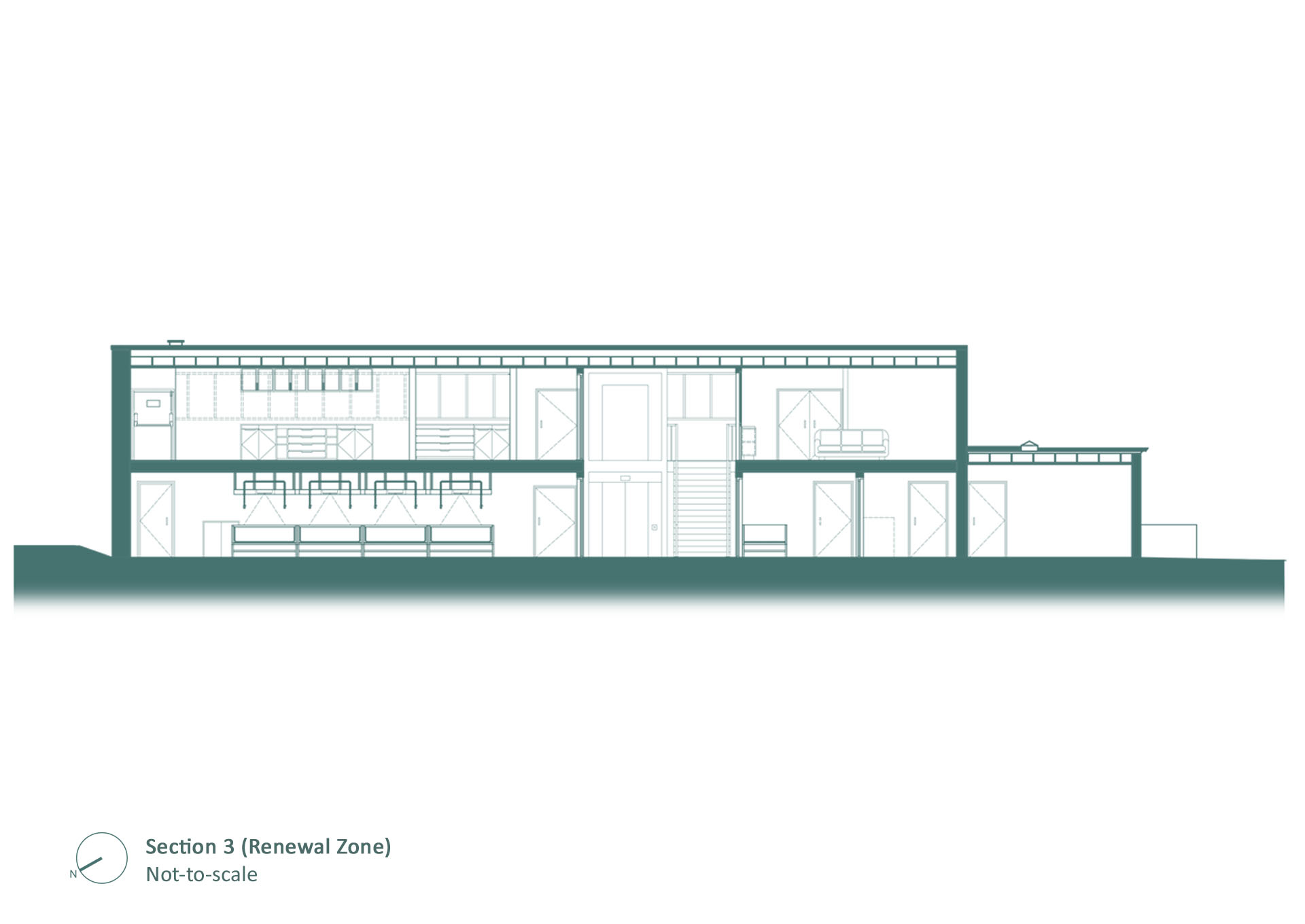
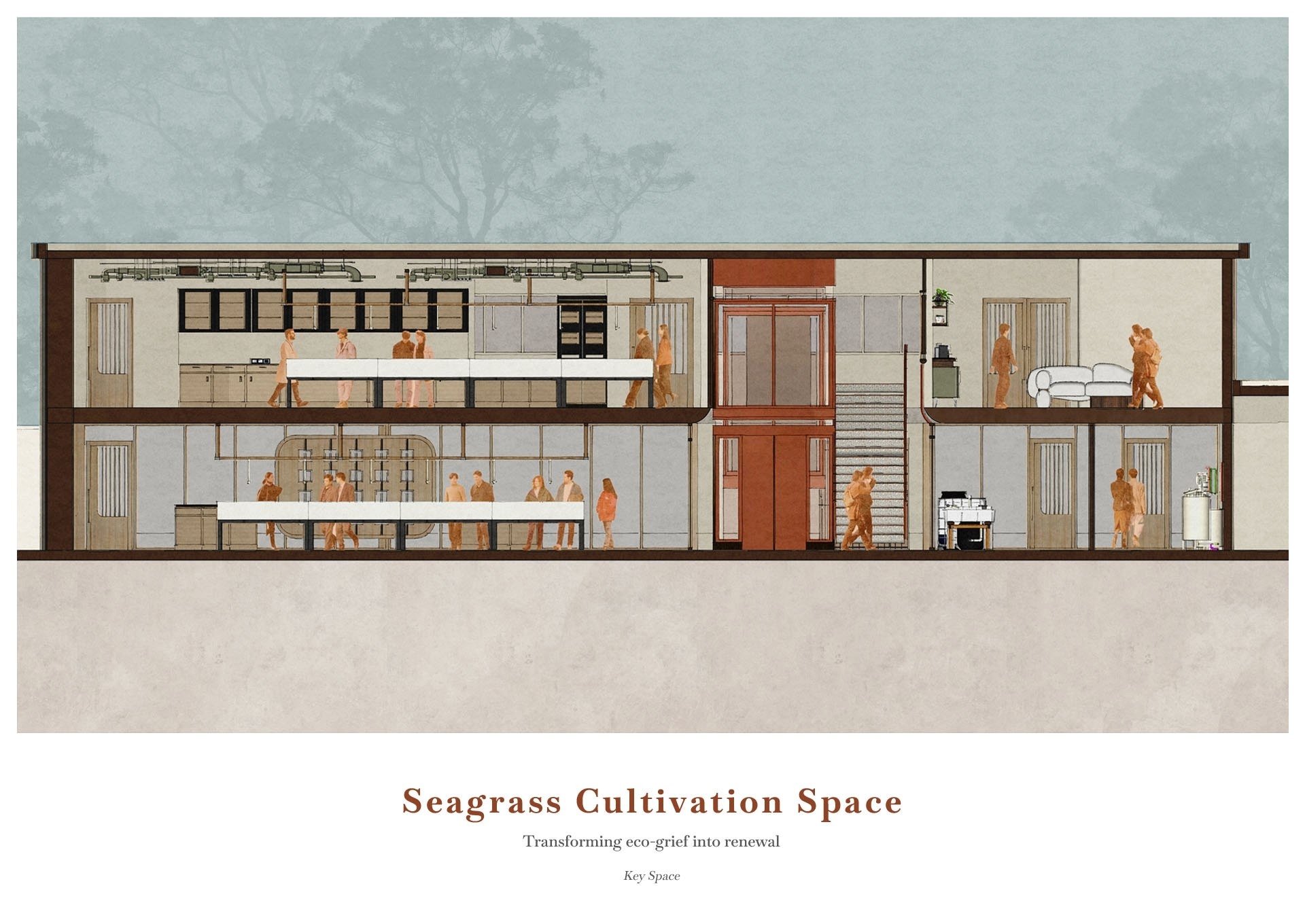
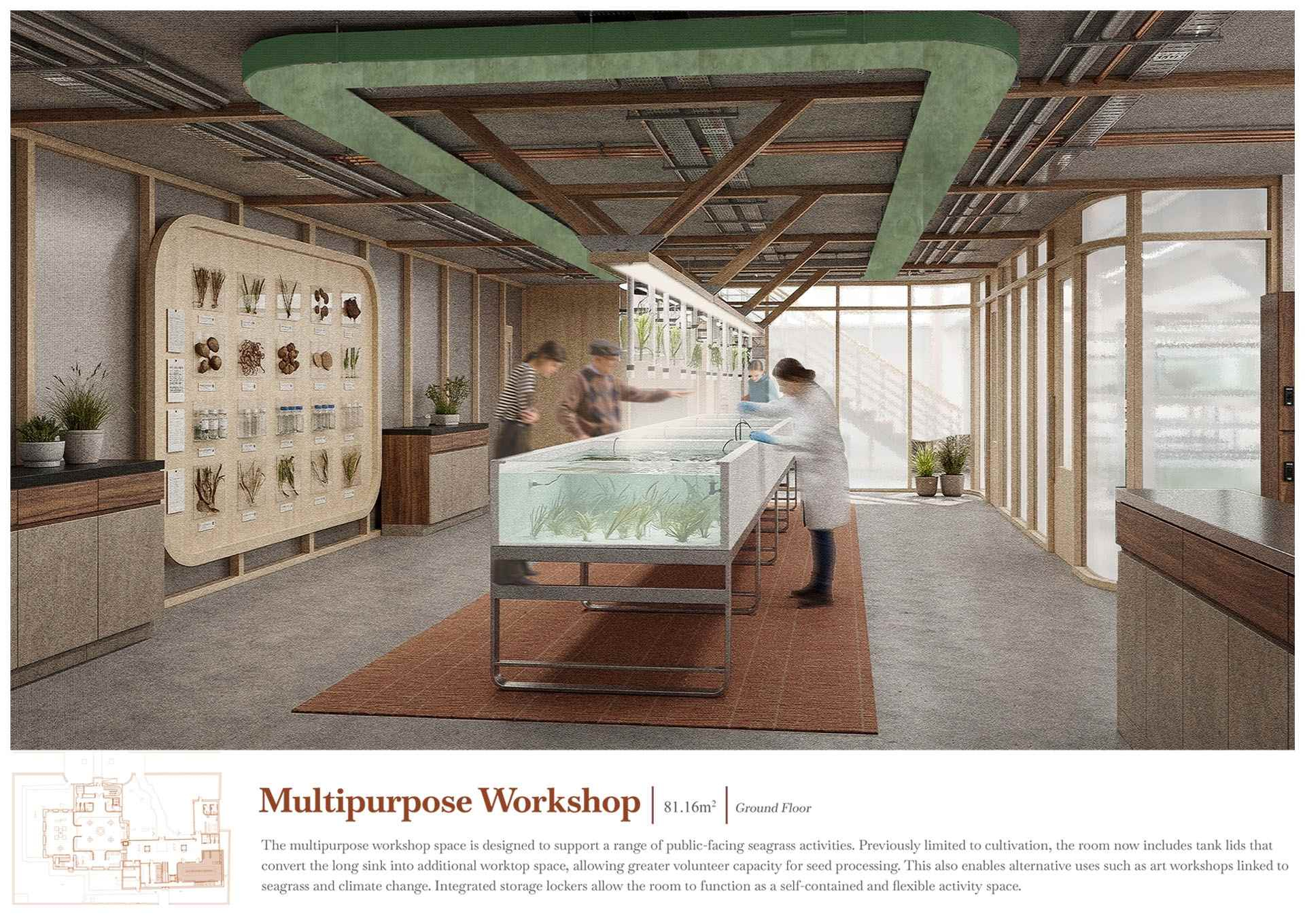
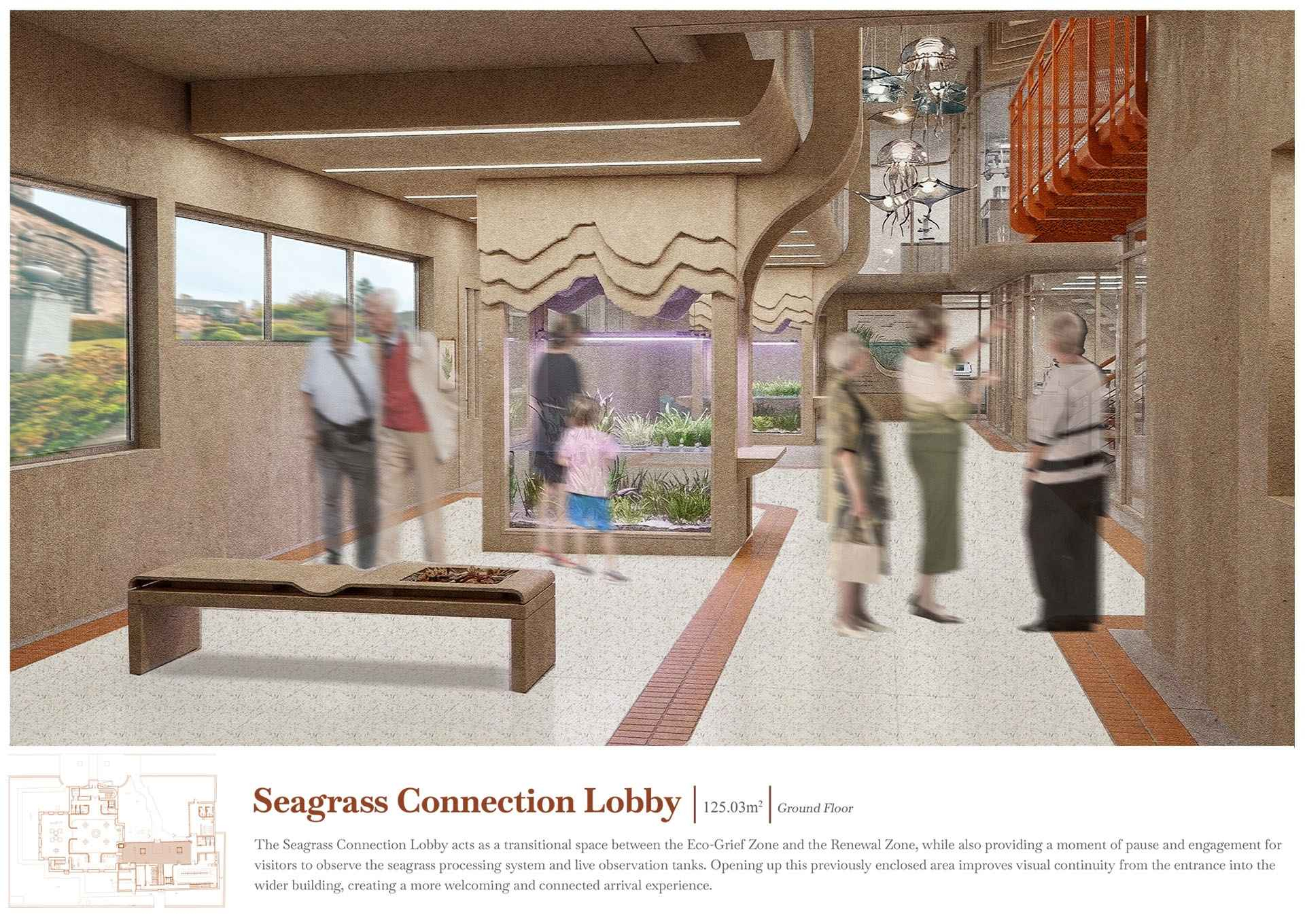
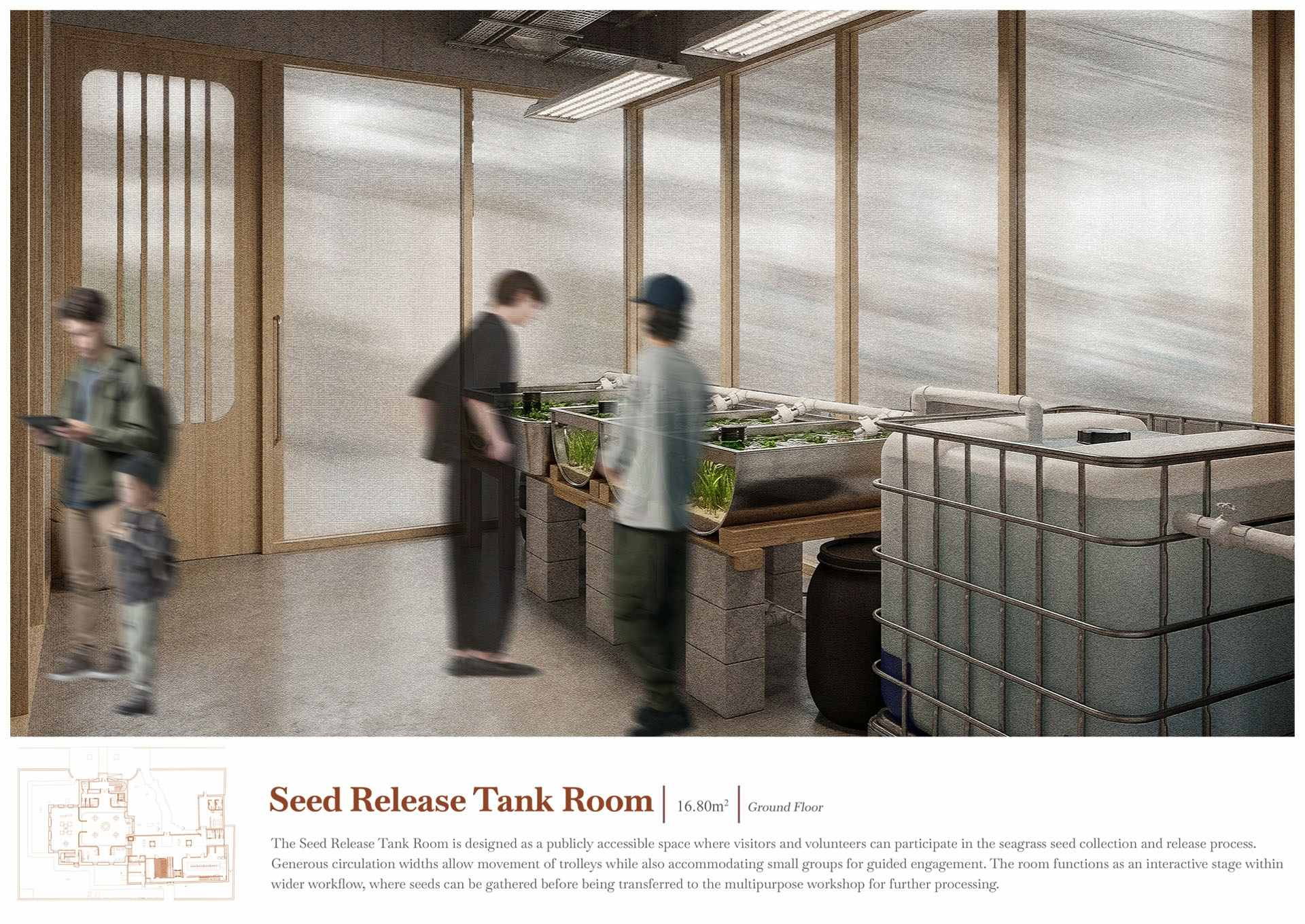
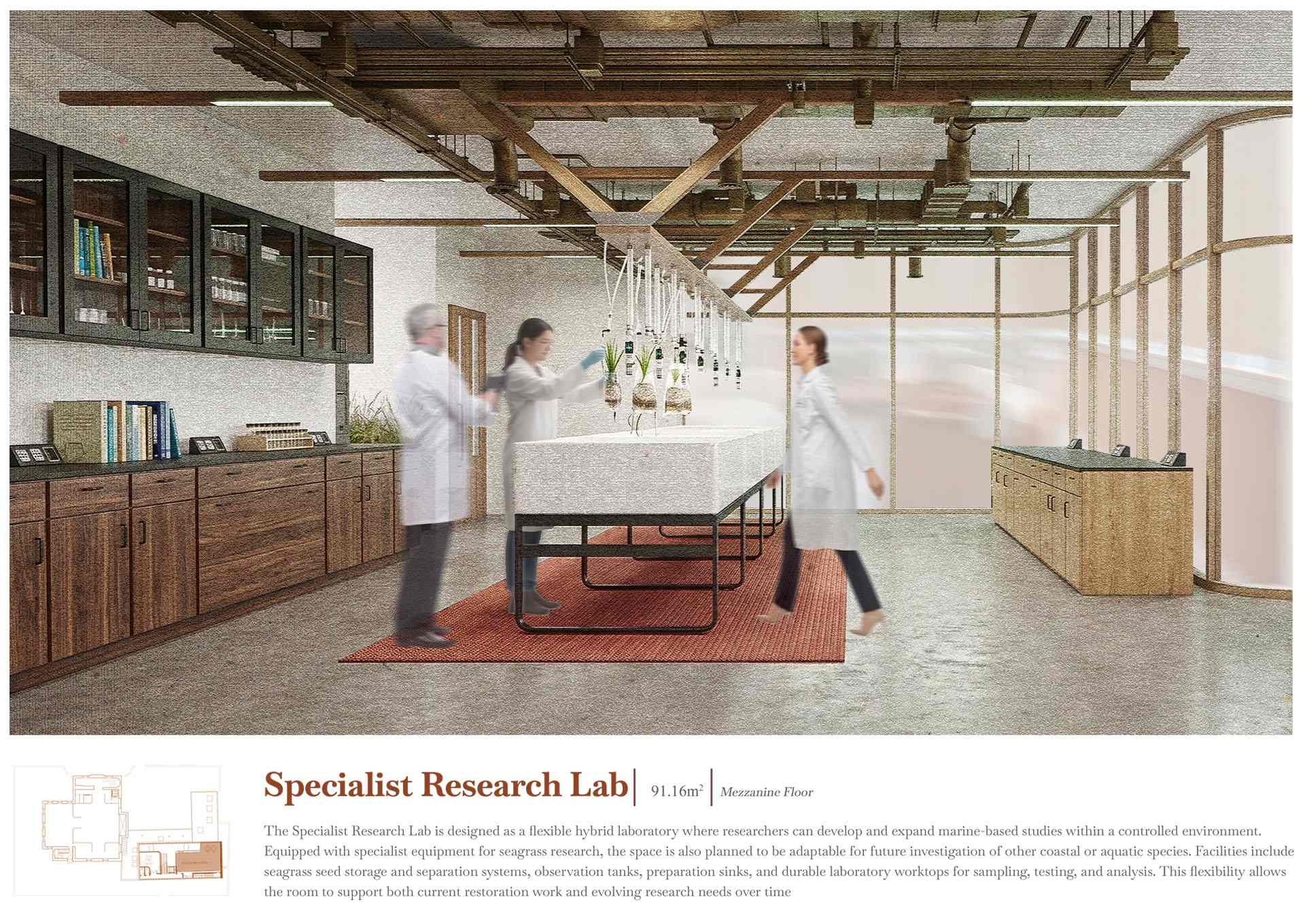
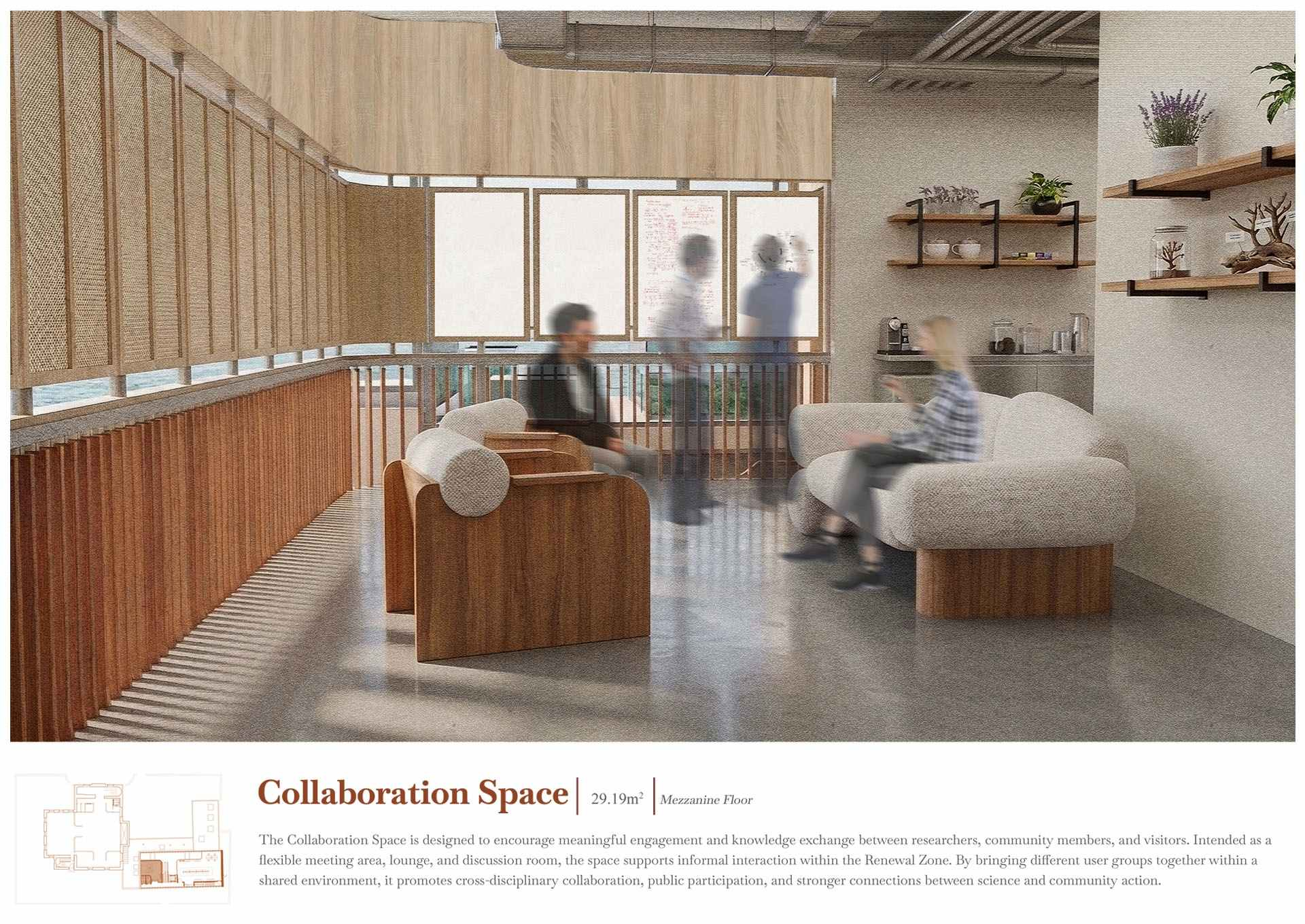
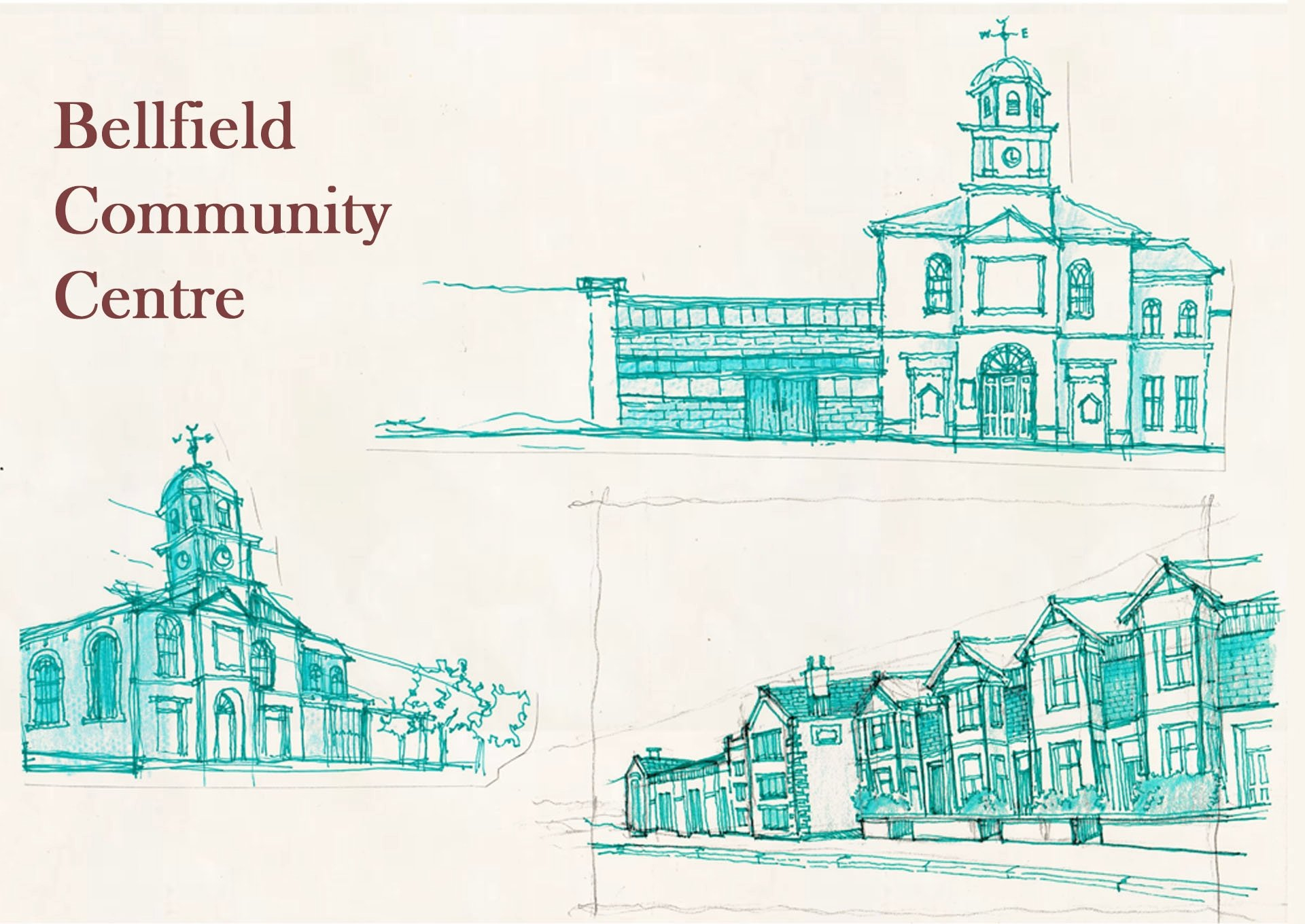
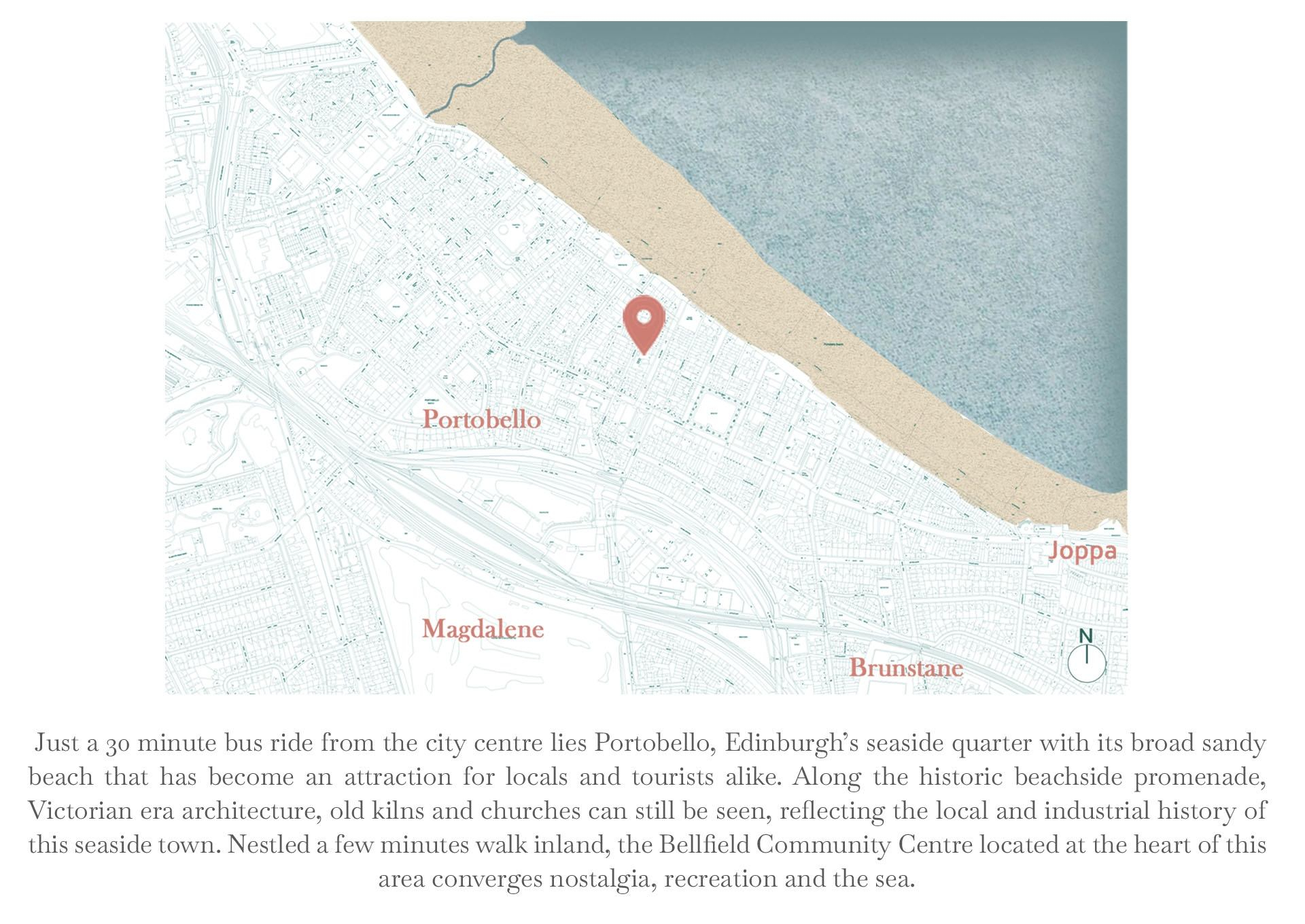
A sanctuary shaped by the sea, the Portobello Eco-Grief and Renewal Centre recognizes climate grief on a personal and collective level. With the increase of climate-related catastrophes impacting both the physical environment and the mental wellbeing of those directly affected, a space for action is needed now more than ever. Located at the Bellfield Community Centre, a social heart of the community, the project builds upon the building’s legacy as a place of gathering and reflection, extending it towards collective ecological care and renewal. Working within the more modestly defined annex spaces of the site, the design introduces adaptable spaces for collaboration, dialogue and learning. 

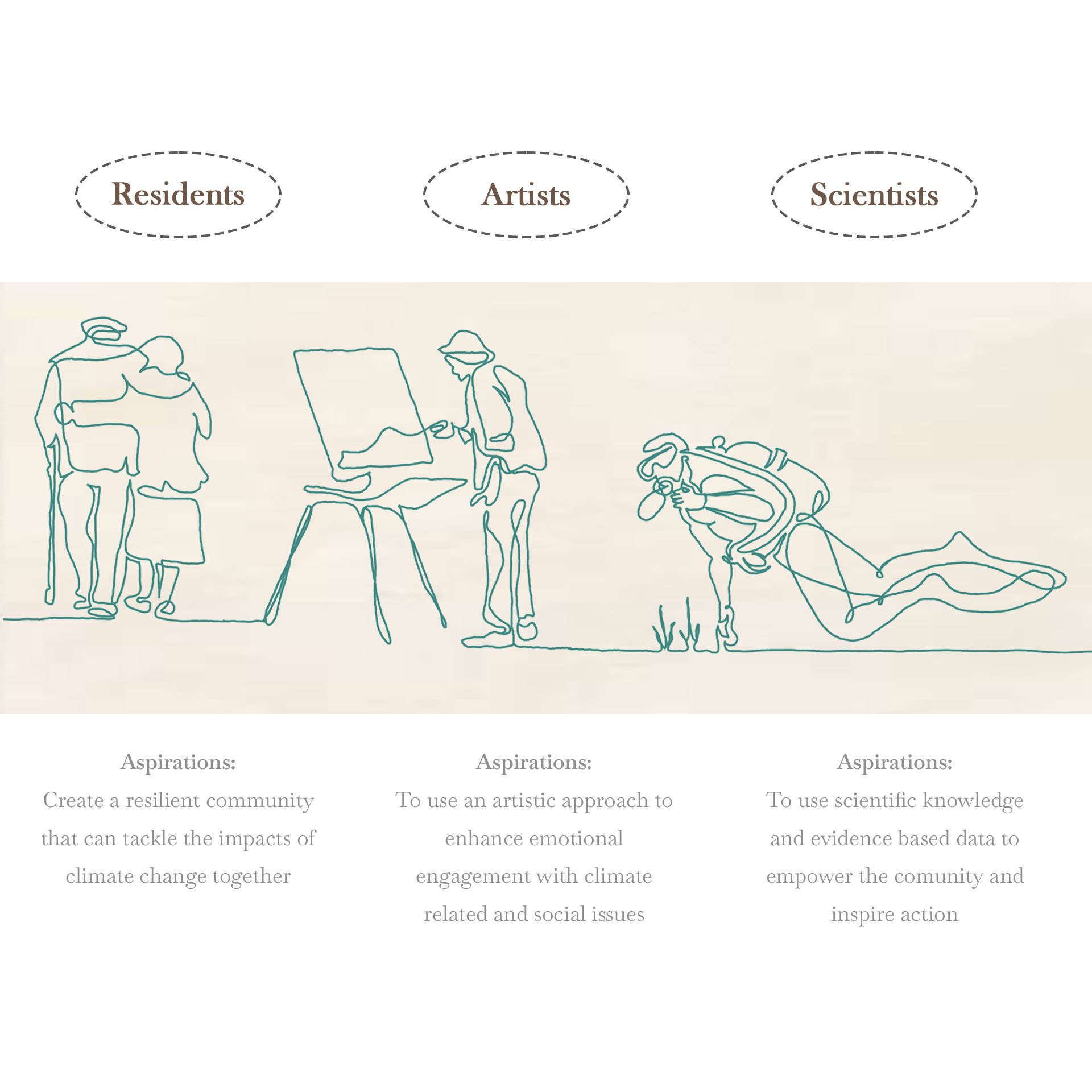
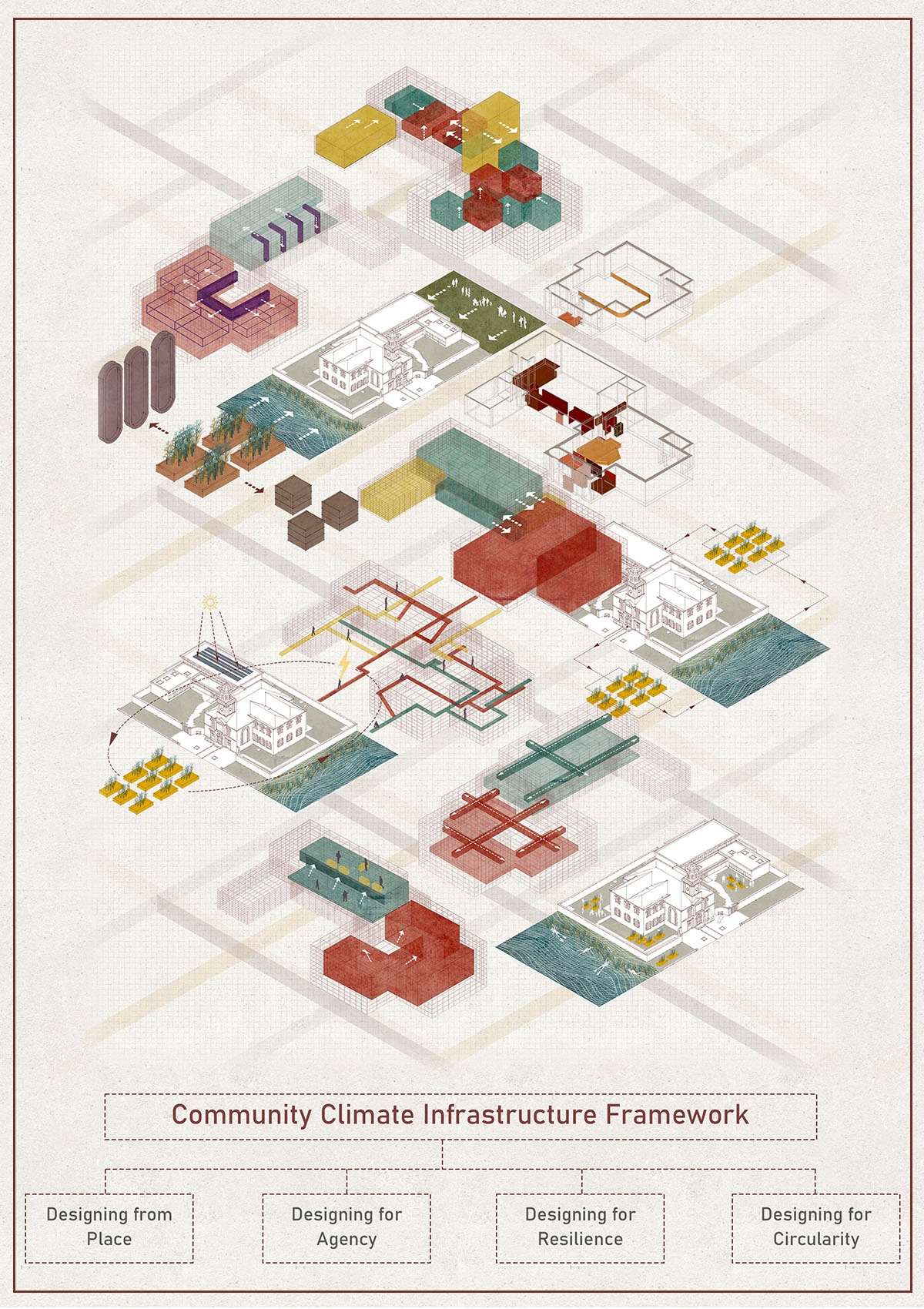
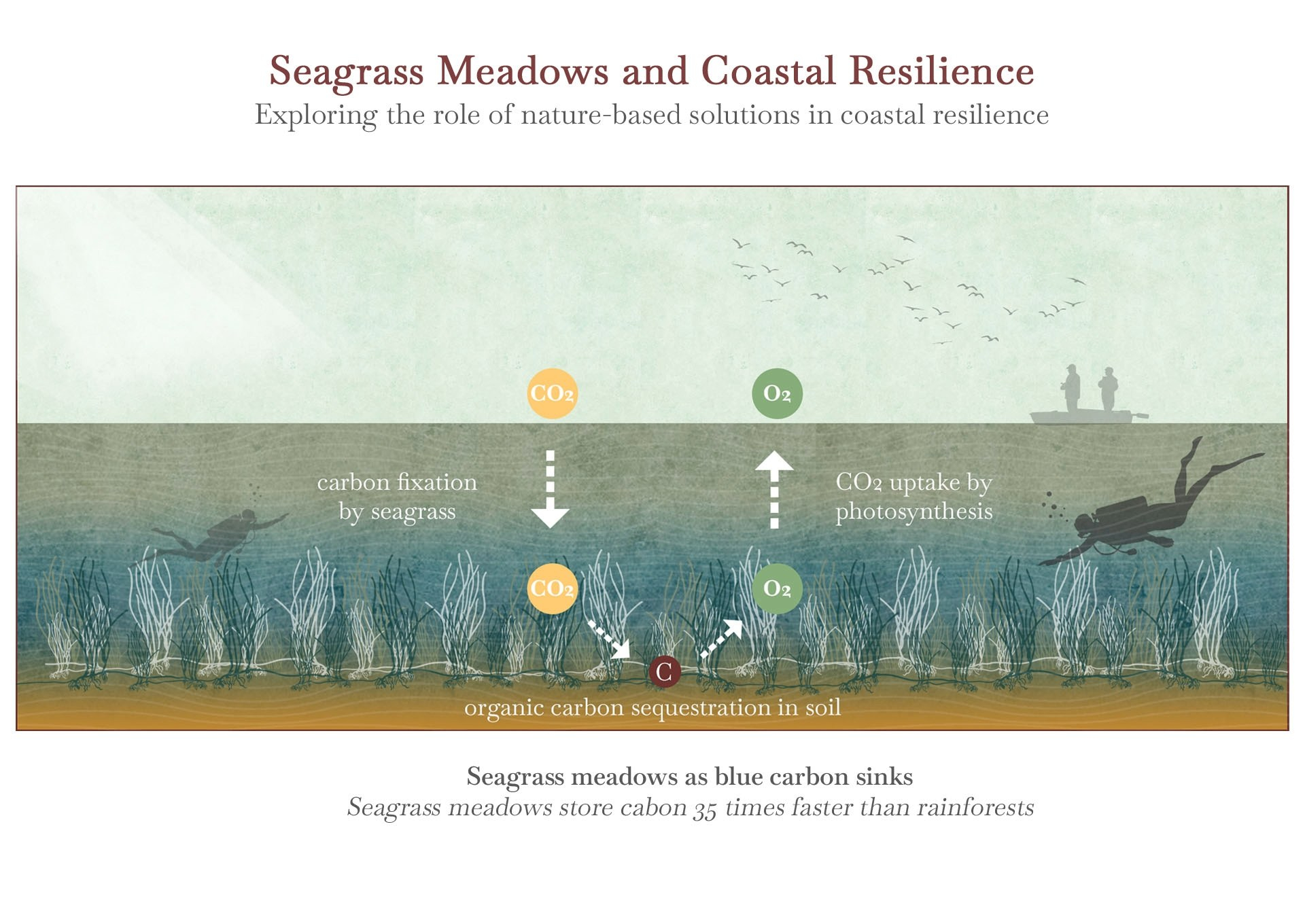
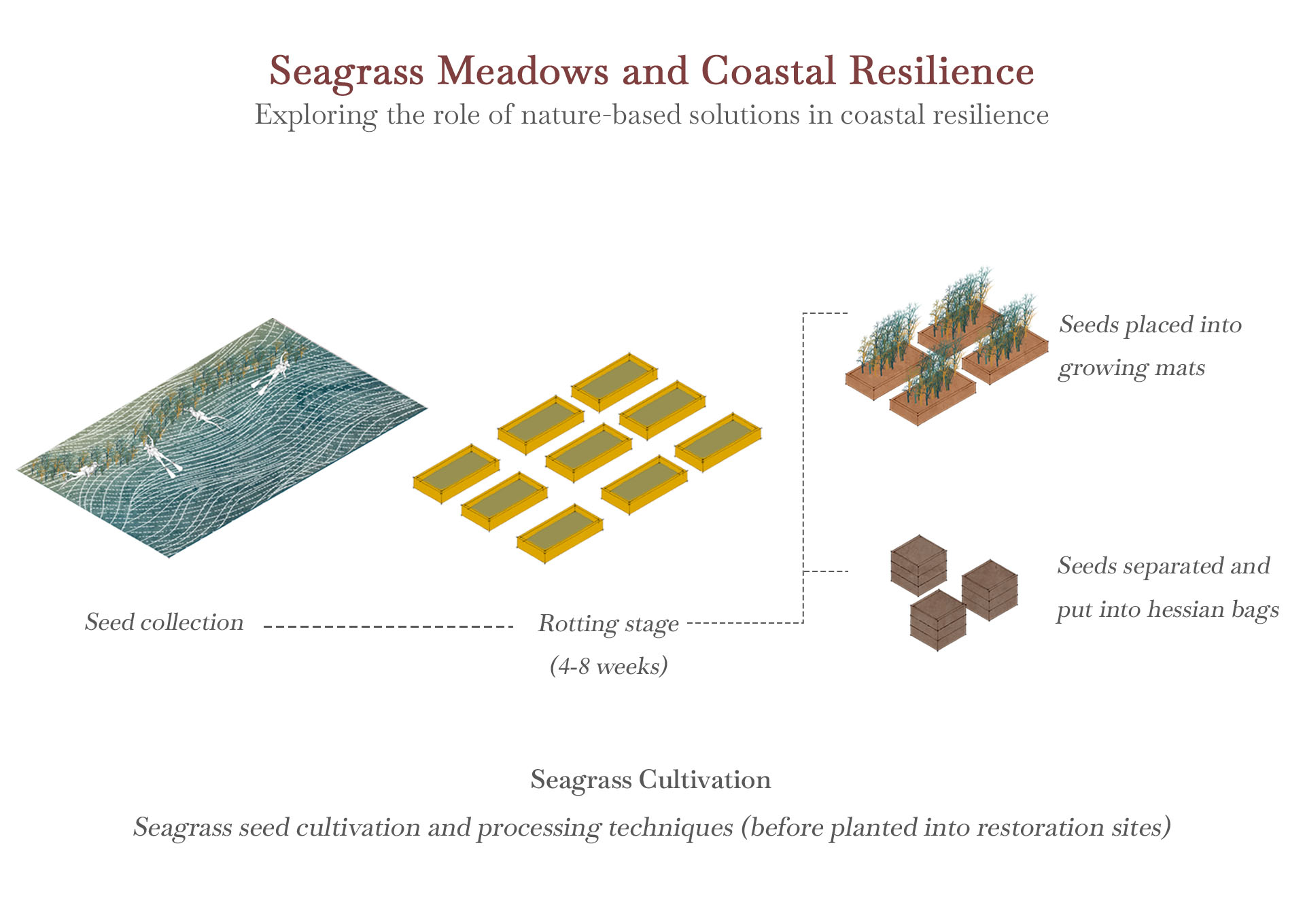
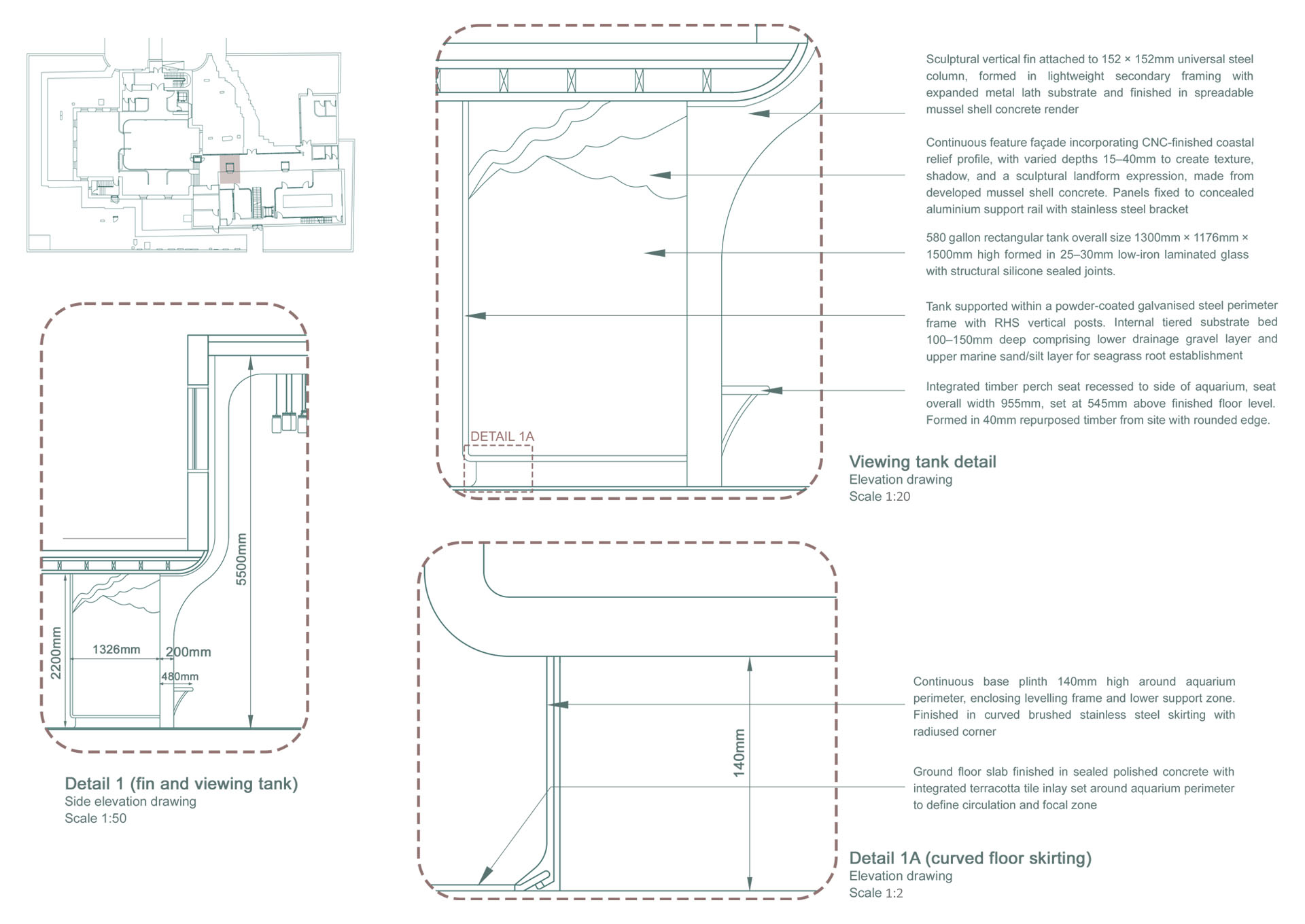
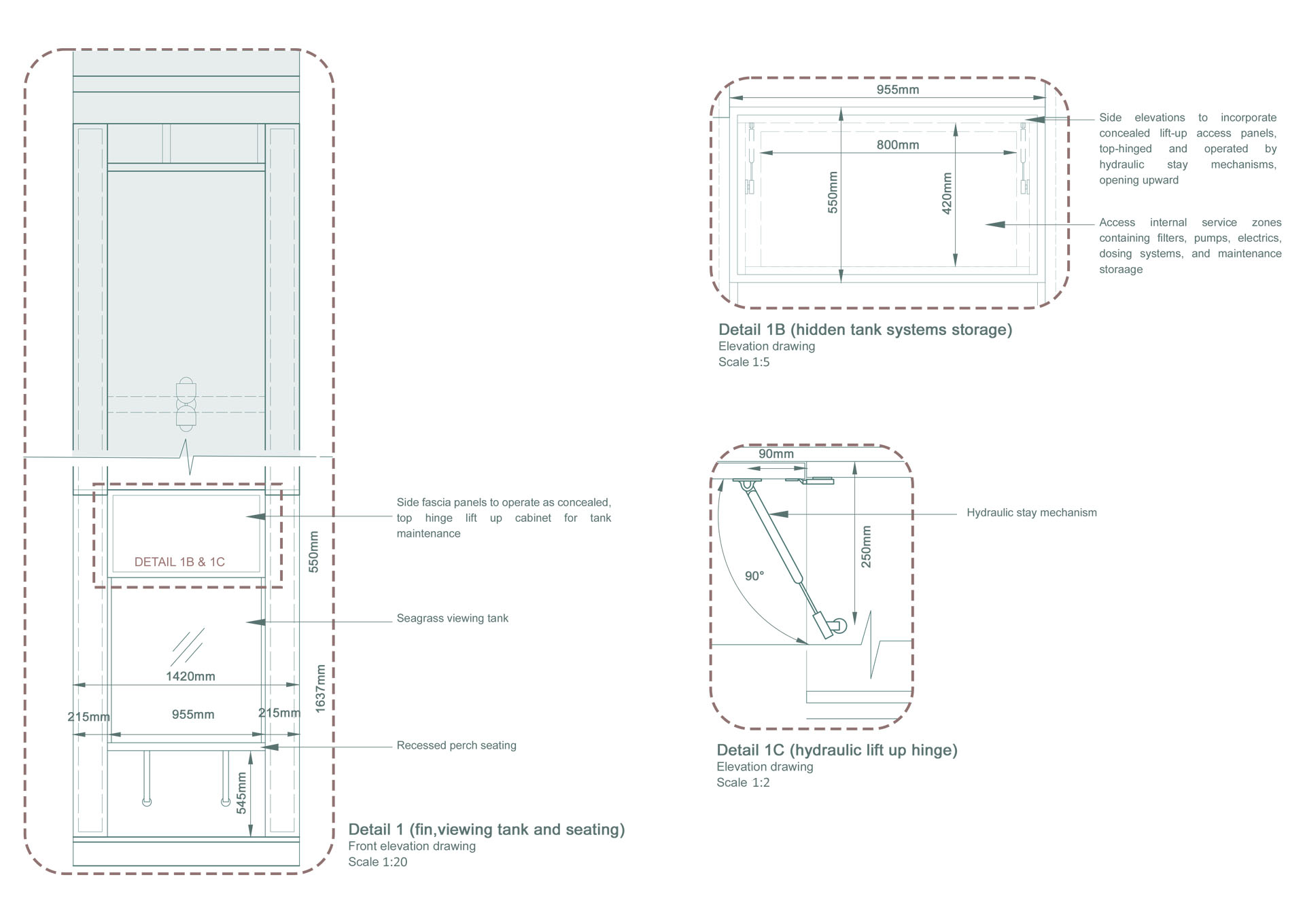
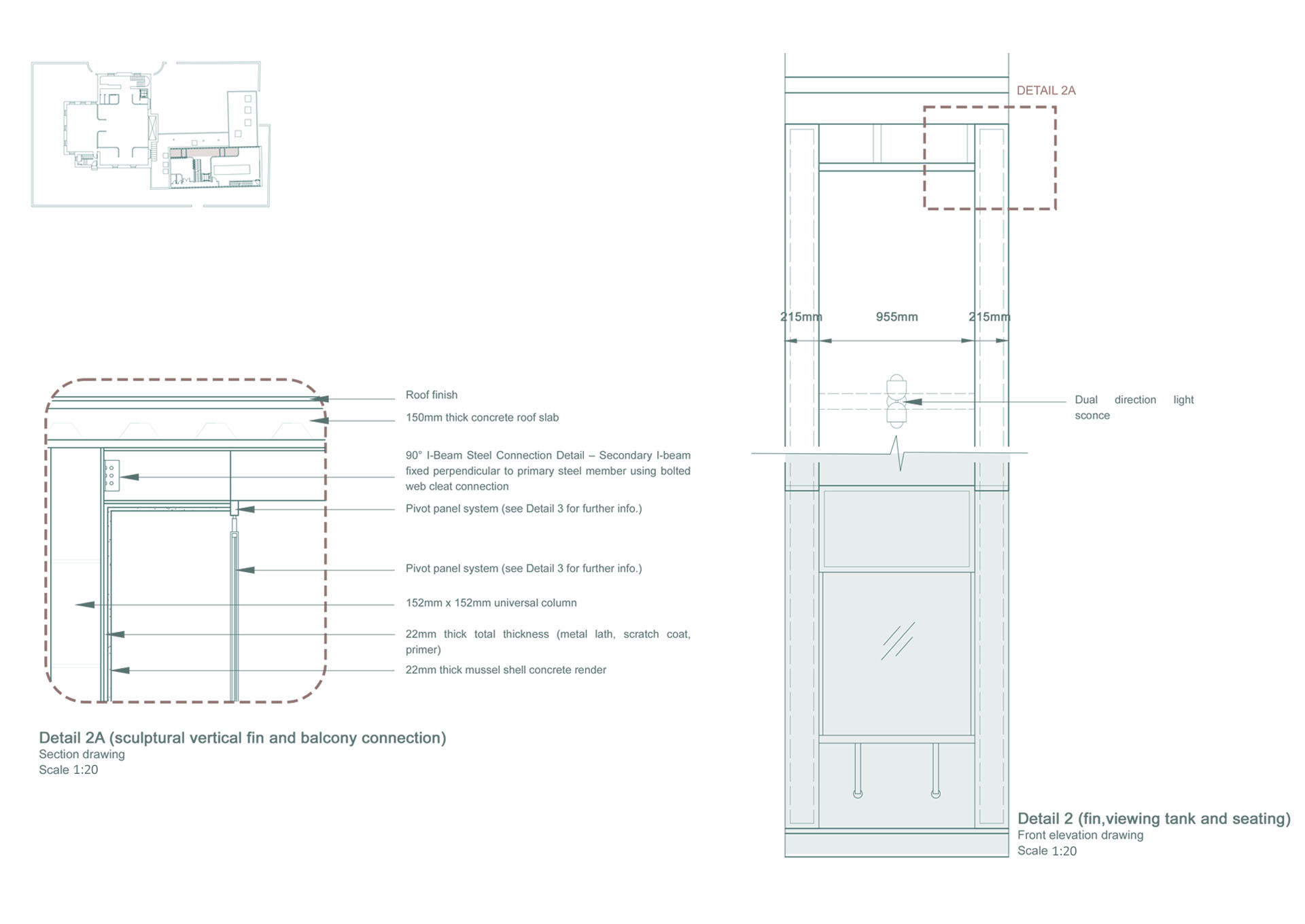
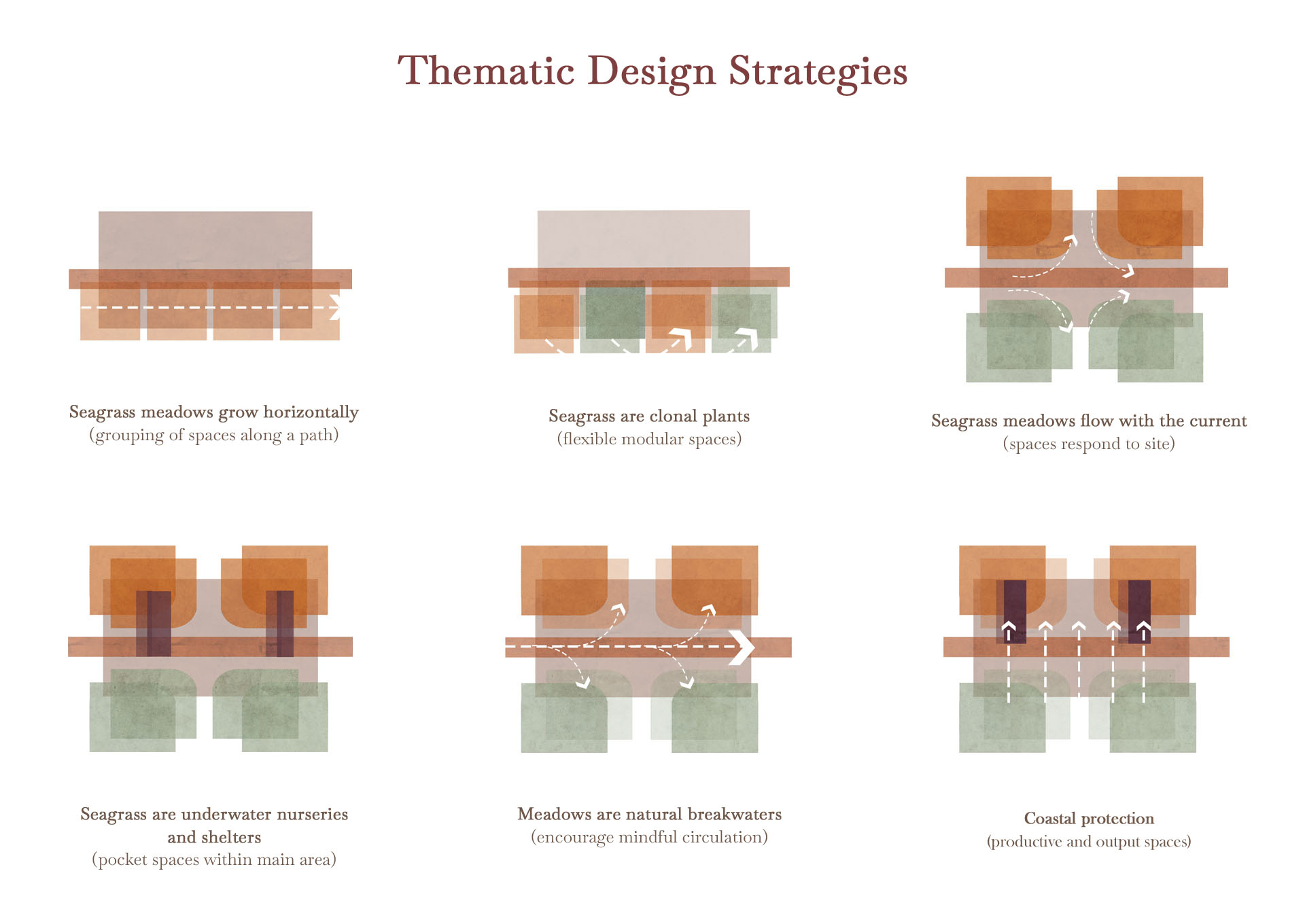
Guided by the Community Climate Infrastructure Framework, the project establishes a transferable approach adaptable to different communities and conditions. In this context, it responds to local environmental challenges, particularly coastal vulnerability in Portobello. This is addressed through Designing from Place, by exploring seagrass as a nature-based solution rooted in the local coastal environment, Designing for Agency by supporting community-led participation, Designing for Resilience through site-responsive strategies and Designing for Circularity through adaptive reuse of the building and seagrass as part of a closed-loop resource system. The centre brings together local residents, artists and scientists to exchange knowledge and learn collaboratively, helping to transform grief into resilience, care and collective renewal.
Community Climate Infrastructure

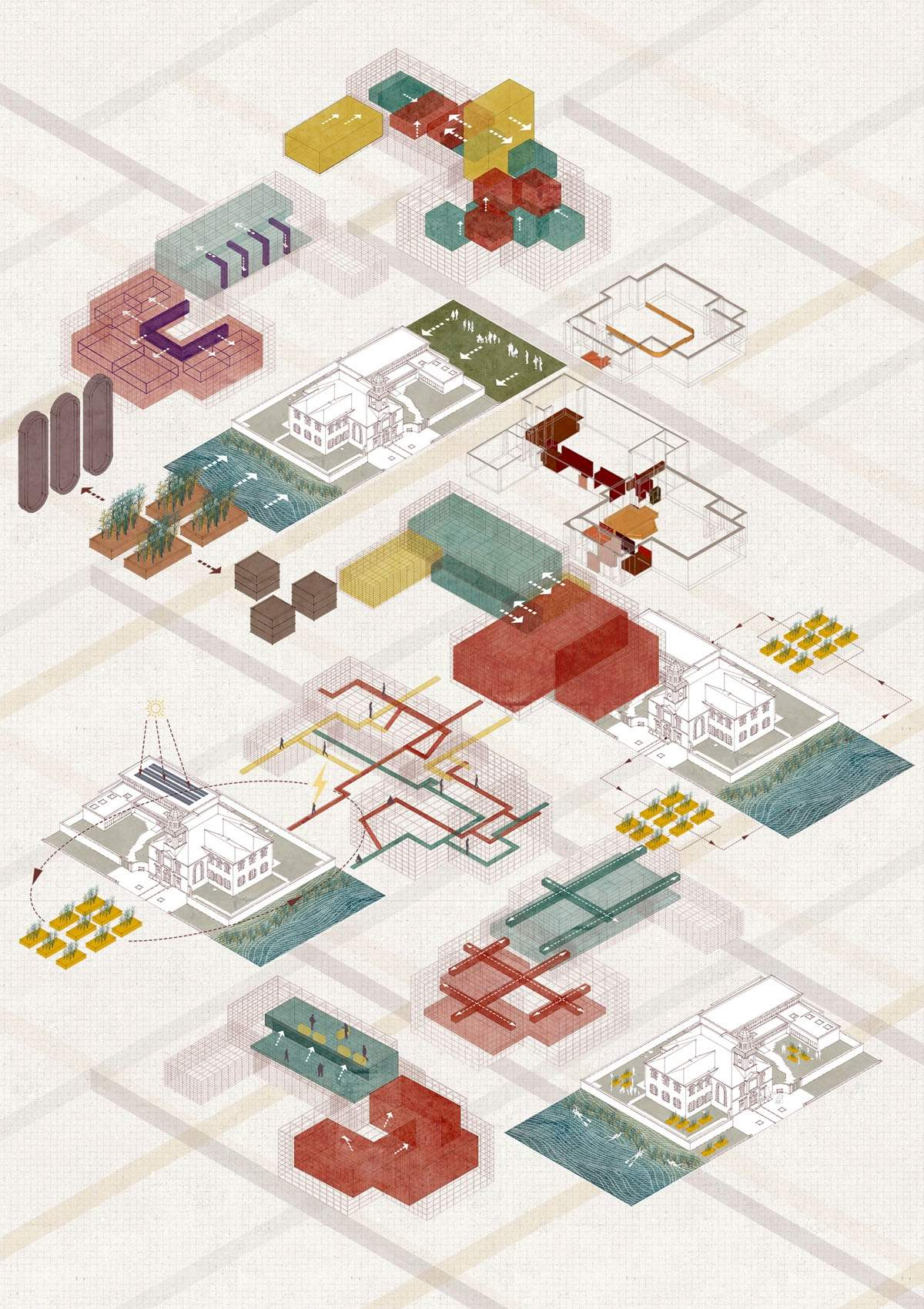
The Community Climate Infrastructure redefines climate action as a shared social, emotional and environmental condition. Grounded in carbon-conscious placemaking, it uses spatial and interior interventions to foster visibility, participation and resilience. The framework reconnects people with ecological systems, transforming climate awareness into collective responsibility, lived experience and meaningful action
Designing from Place positions Portobello’s community climate infrastructure within its specific coastal ecology, responding to erosion, habitat degradation and climate instability. By making environmental processes more visible within everyday life, the approach strengthens local stewardship while reprogramming buildings to support evolving social and environmental needs.

Designing for Agency encourages active public participation in climate action through layered engagement, visible environmental systems and shared spatial experiences. By making complex ecological processes accessible and experiential, the approach transforms climate responsibility from abstract knowledge into collective, embodied action that fosters understanding, connection and agency.

Designing for Resilience prioritises adaptable and reversible infrastructure that extends the life of existing buildings while reducing environmental impact. Through the reuse of Bellfield’s structure and materials, the approach supports long-term flexibility, preserves historic character and maintains spatial continuity as programmes evolve in response to changing environmental and social conditions.

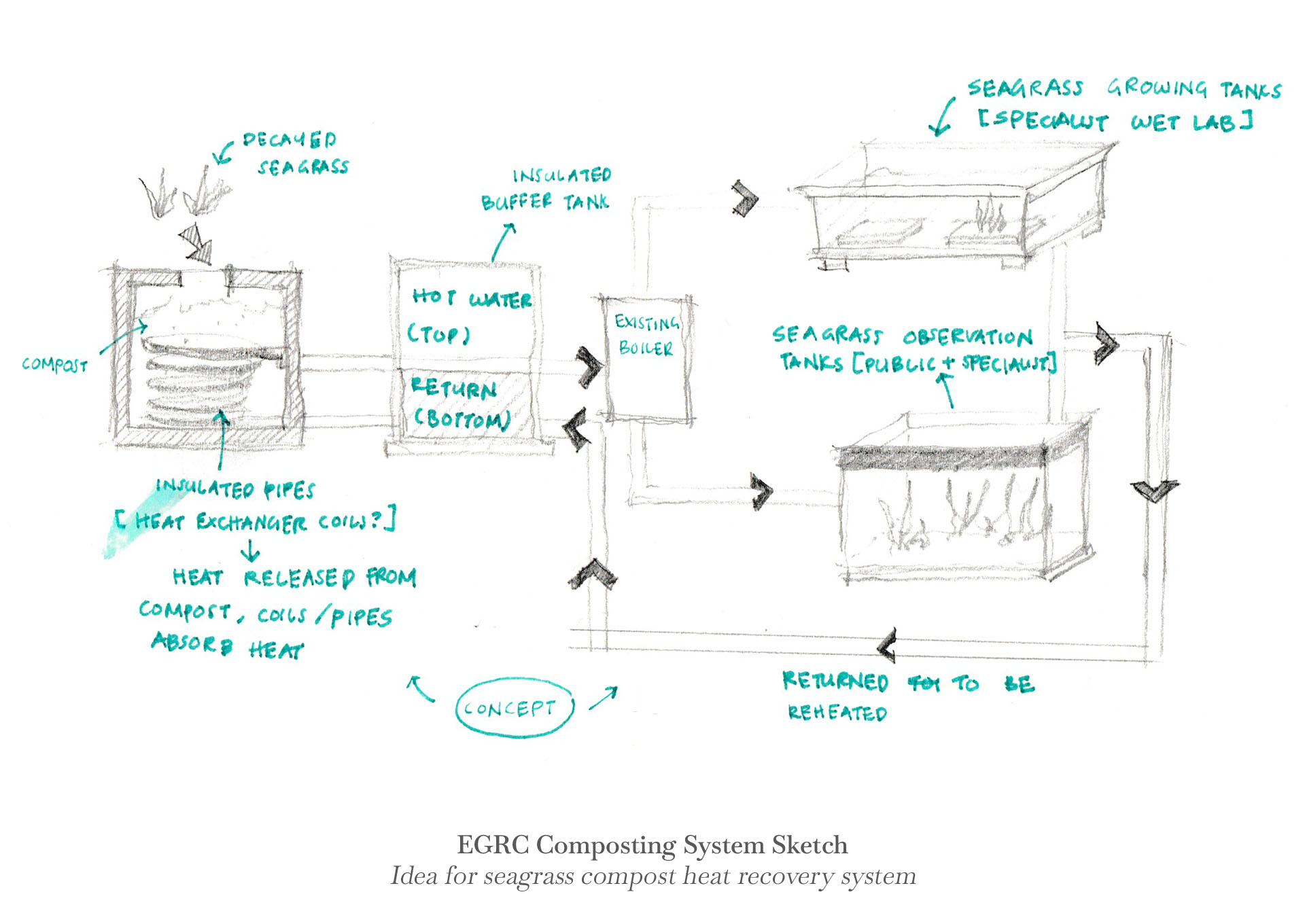
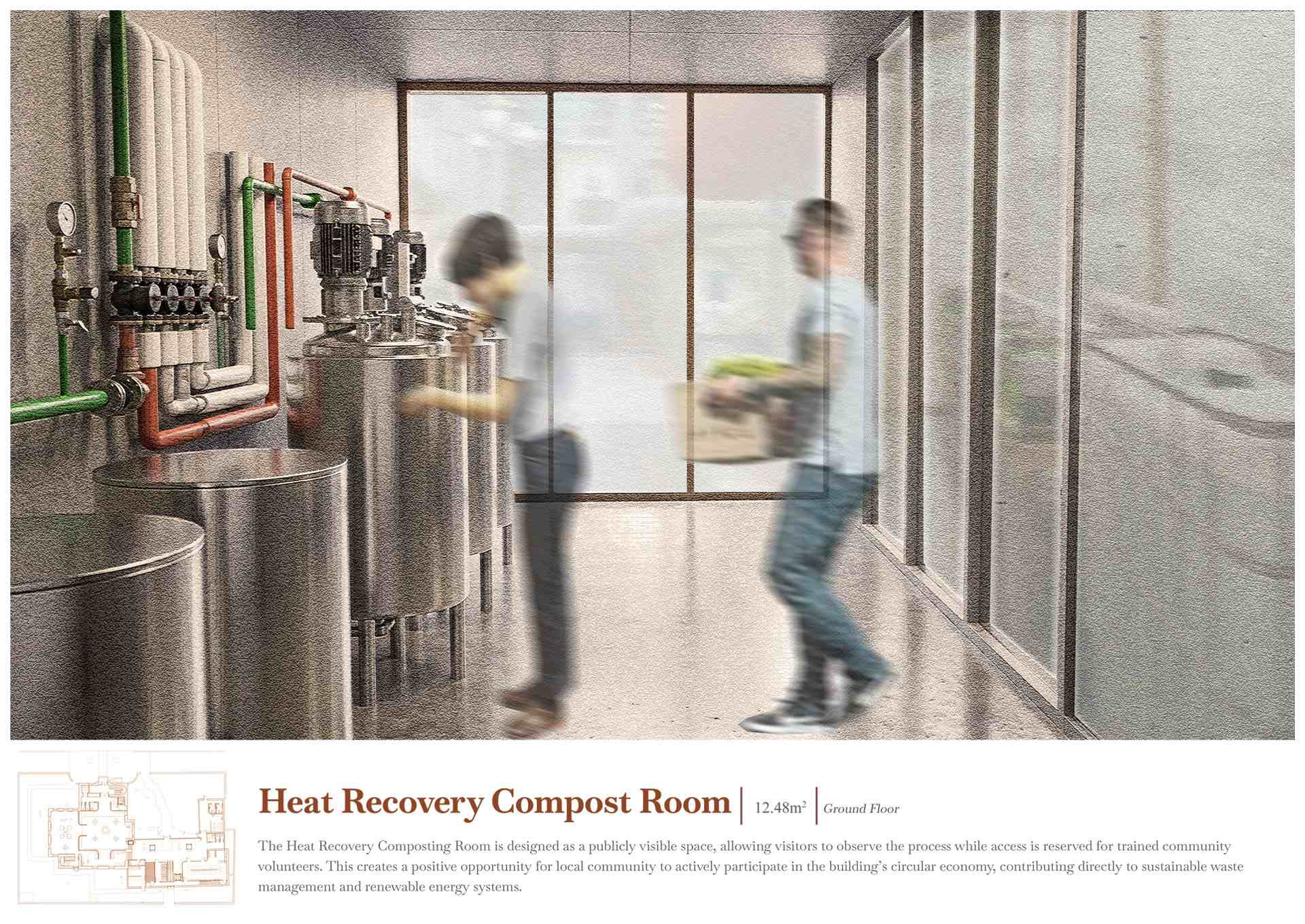
Designing for Circularity redefines waste as a resource, embedding closed-loop material, energy and economic systems within climate infrastructure. Through reuse, energy recovery and regenerative production cycles, the approach reduces dependency on external resources while enabling the building to actively contribute to local environmental and economic resilience.


EGRC, Community Climate Infrastructure Framework
Community Climate Infrastructure Framework, digital collage
Material Development

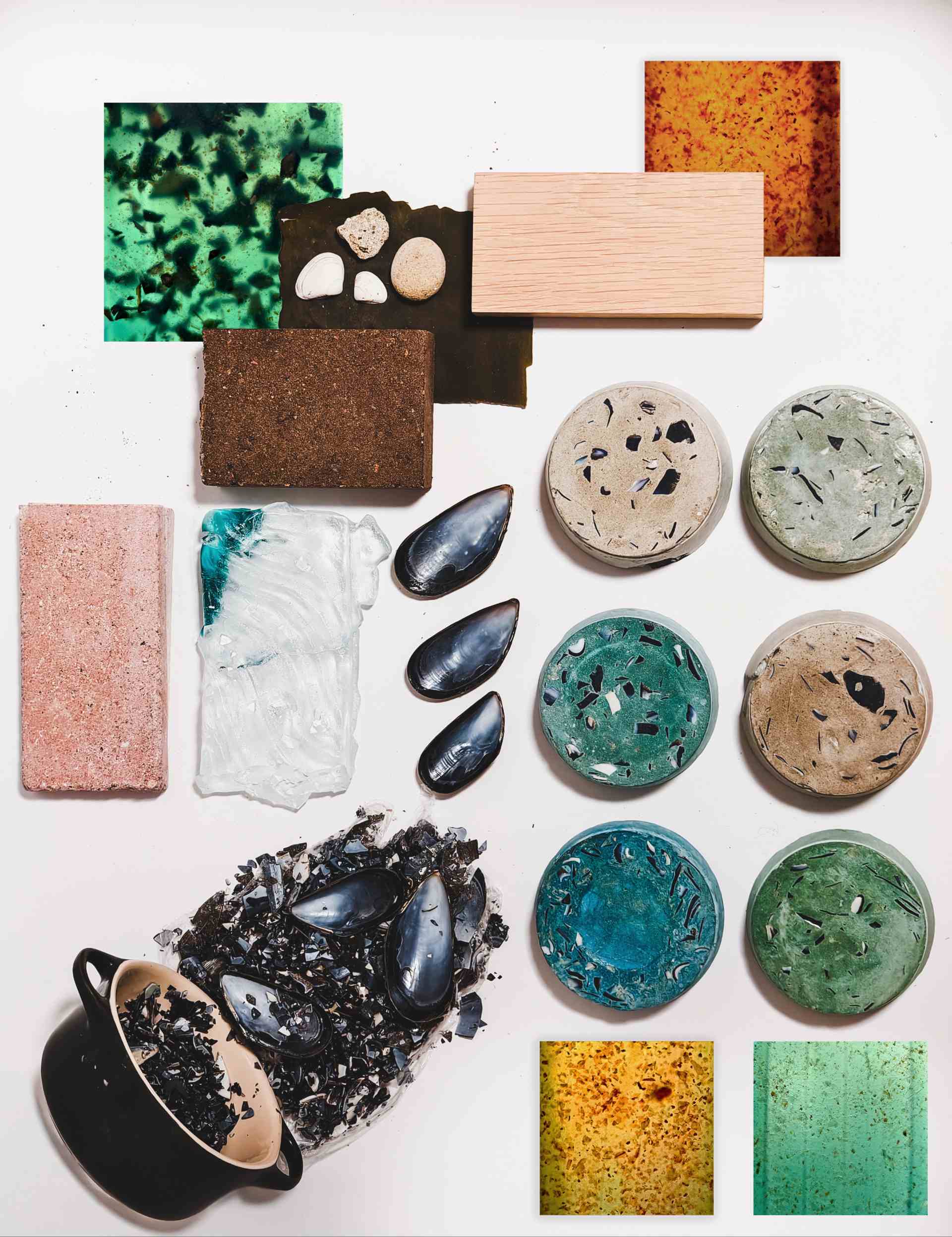
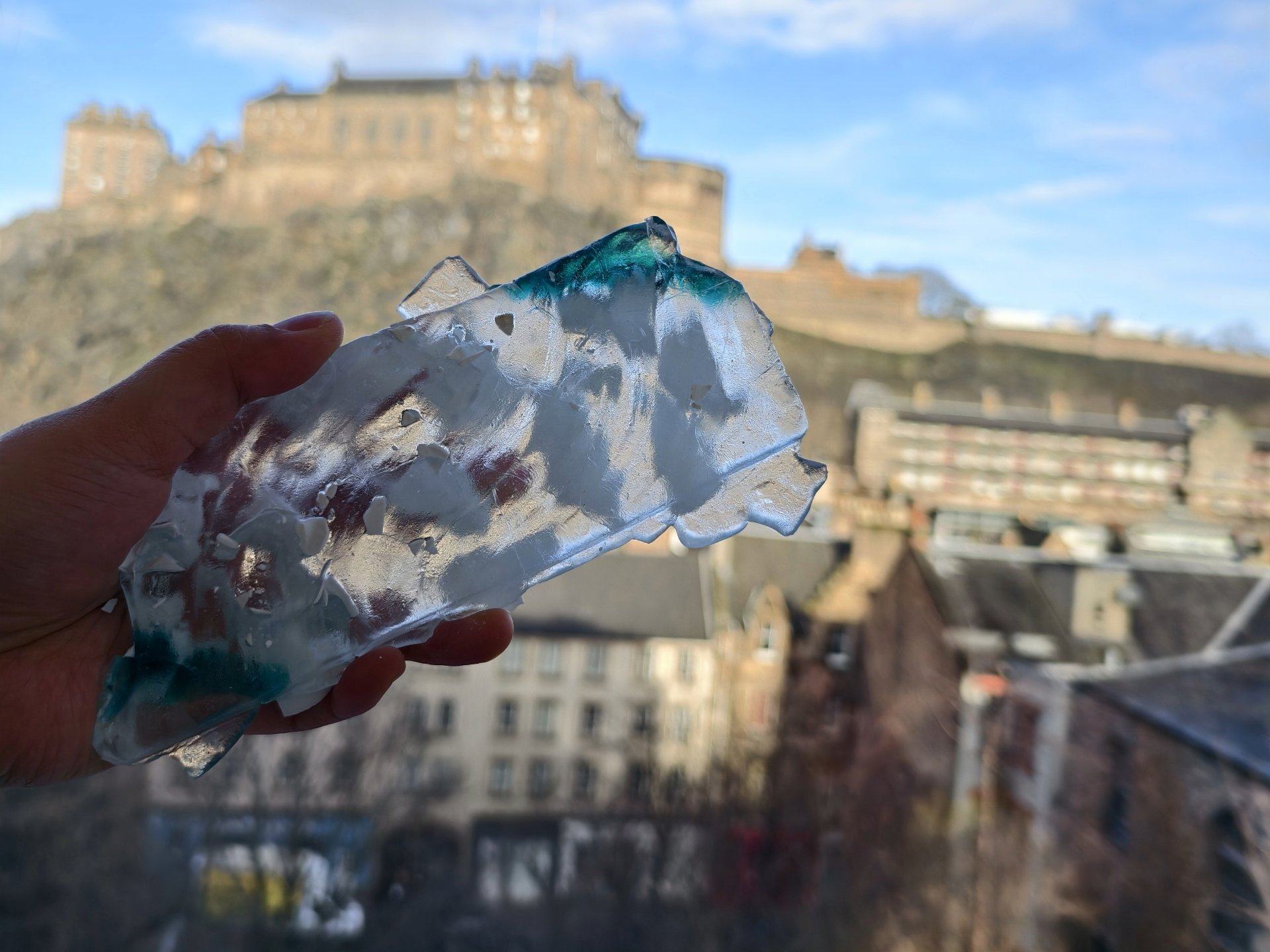
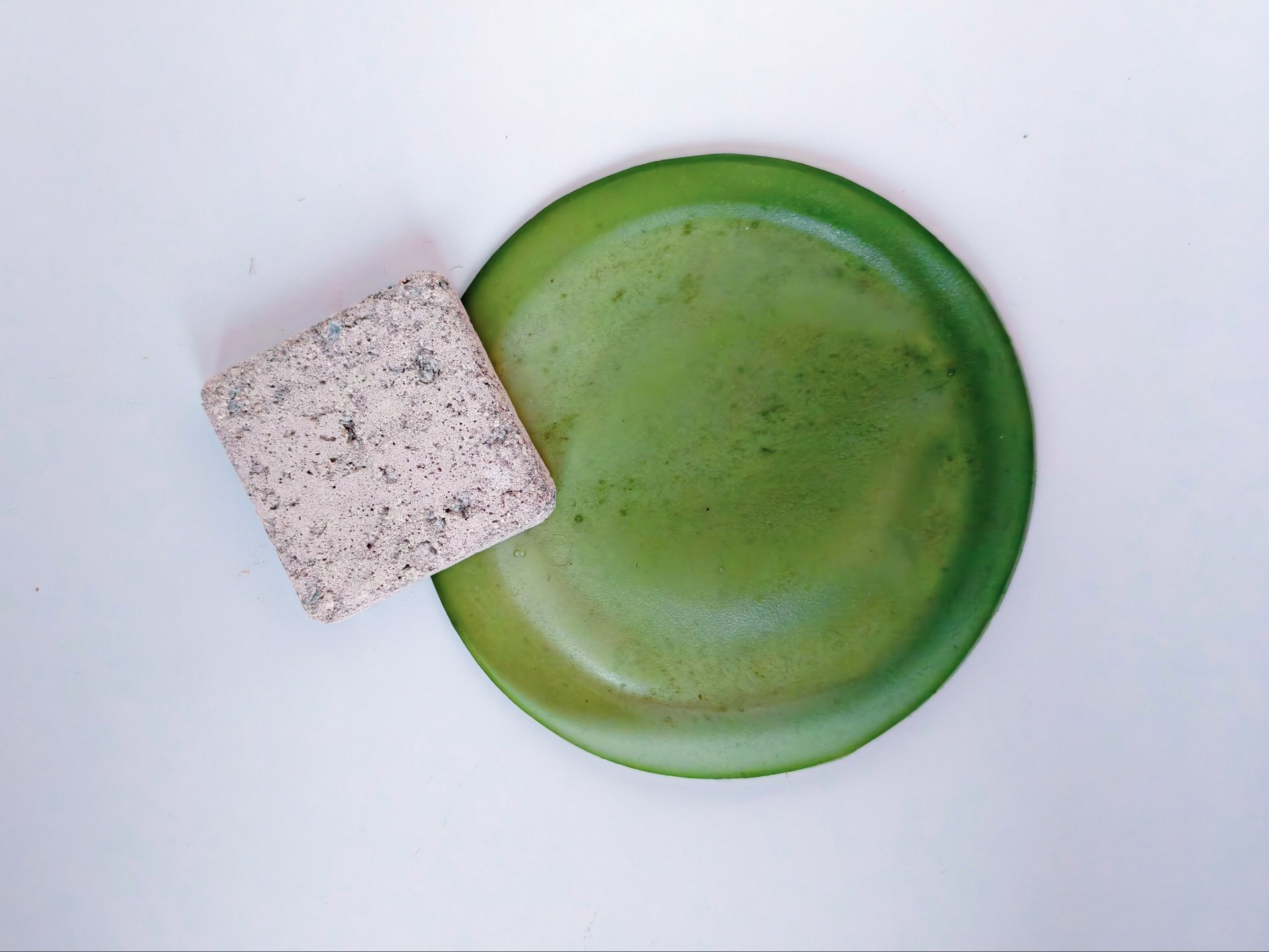
Material selection within the Community Climate Infrastructure framework explored how marine-derived waste could be transformed into valuable architectural resources. Crushed mussel and seashells were investigated for bespoke finishes that reflected Portobello’s coastal identity while reducing landfill waste. Alongside low-impact commercial materials with recycled content, the project developed experimental shell-based composites and biomaterials through continuous testing and refinement. Early prototypes revealed limitations in durability and environmental performance, prompting a more embedded and iterative approach to material development. Through further experimentation, the revised materials demonstrated improved stability and longevity, aligning environmental intentions with practical application. This process emphasised the importance of adaptability, critical evaluation and long-term performance within sustainable material design, showing that innovative materials must balance ecological responsibility with realistic functionality for use within interior environments.

EGRC, developed material swatches
Material palette of the EGRC made up of commercial and self-developed materials (mussel shell concrete, seashell glass brick, and agar–prawn shell biomaterial
EGRC, Mussel shell glass brick, developed material
Mussel shell glass brick, developed material
EGRC, Improved Material Iterations
Improved Material Iterations: Mussel Shell Concrete and Agar–Kapur (lime paste) Biomaterial
Skills & Experience
  • Project Manager,Projek Komuniti Kita (PKK, Cycle 4) MyNadi & Lendlease, Malaysia, 2021-2022
  • Architecture internship, Suqizam Ibrahim Architects Sdn Bhd, Malaysia, 2019
  • Diploma in Architecture, Universiti Teknologi Malaysia (UTM), Kuala Lumpur, Malaysia, 2017-2020