


Yuxuan Wang
Soft Shell- A Spa Emerging from the Ruins of Memory
Follow:


Thermal Spa Interior Visualisation

Awards
Skills & Experience
- Architectural Assistant
- Estates Intern
Project description
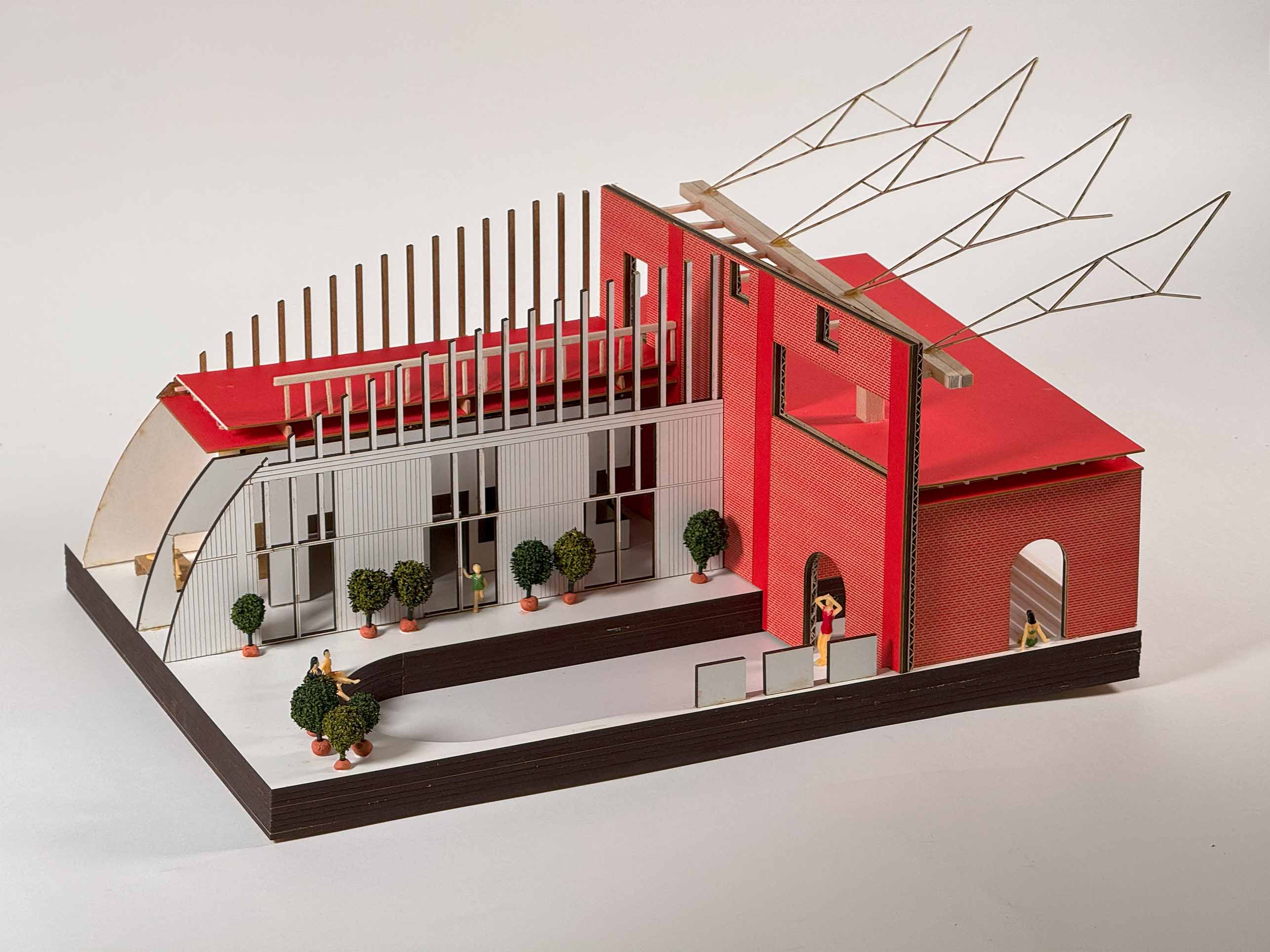
This project transforms the disused La Scala Cinema in Grangemouth into a multi-functional wellbeing centre. Located at the busy Charing Cross junction, the original red brick façade is retained to preserve local memory, while new spaces are introduced within to support active aging, social care, and community connection. Programmes include a thermal spa, a dance studio, and a café.
The design responds to Grangemouth’s changing identity, particularly the upcoming closure of its oil refinery, by offering a hopeful shift from industrial to environmental and social renewal. Water is used both functionally and symbolically—referencing the town’s history of open-air pools and themes of bodily recovery.
The project celebrates aging—not as decay, but as a process of care and transformation. Through light, texture, and adaptive reuse, it proposes a built environment where people and materials are allowed to weather well.
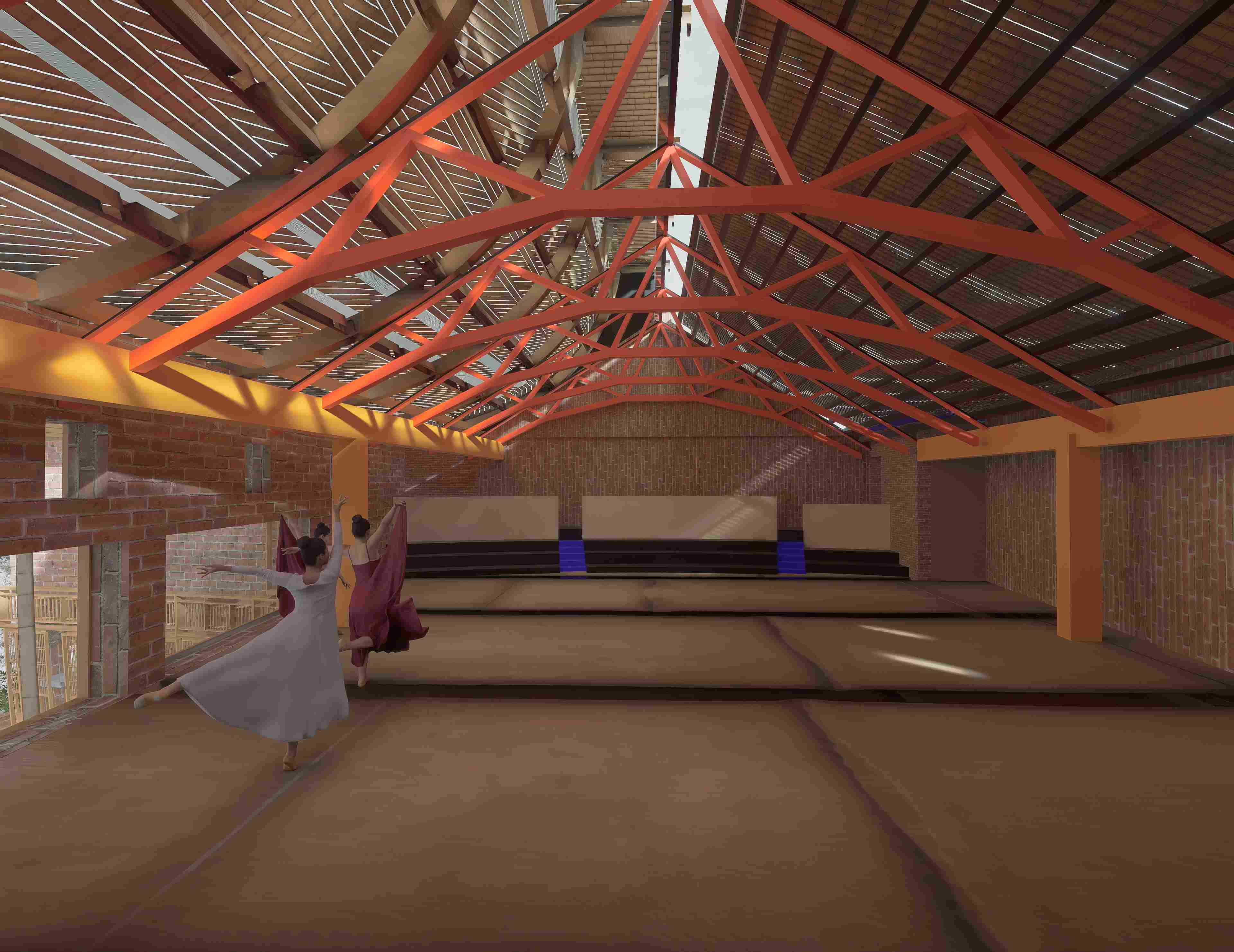
Dance Studio

Thermal Spa Interior Visualisation
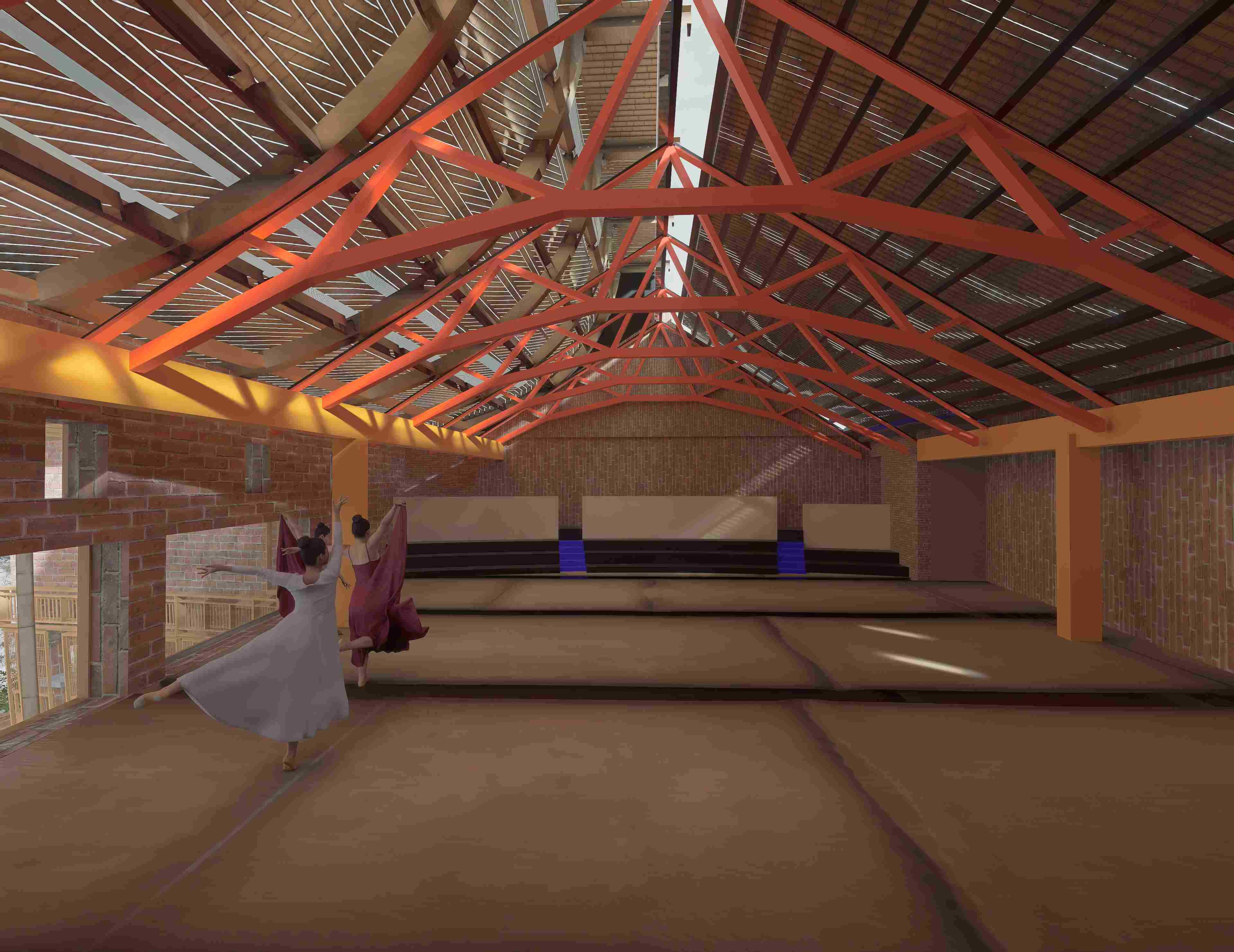
Dance Studio

Exploded Drawing
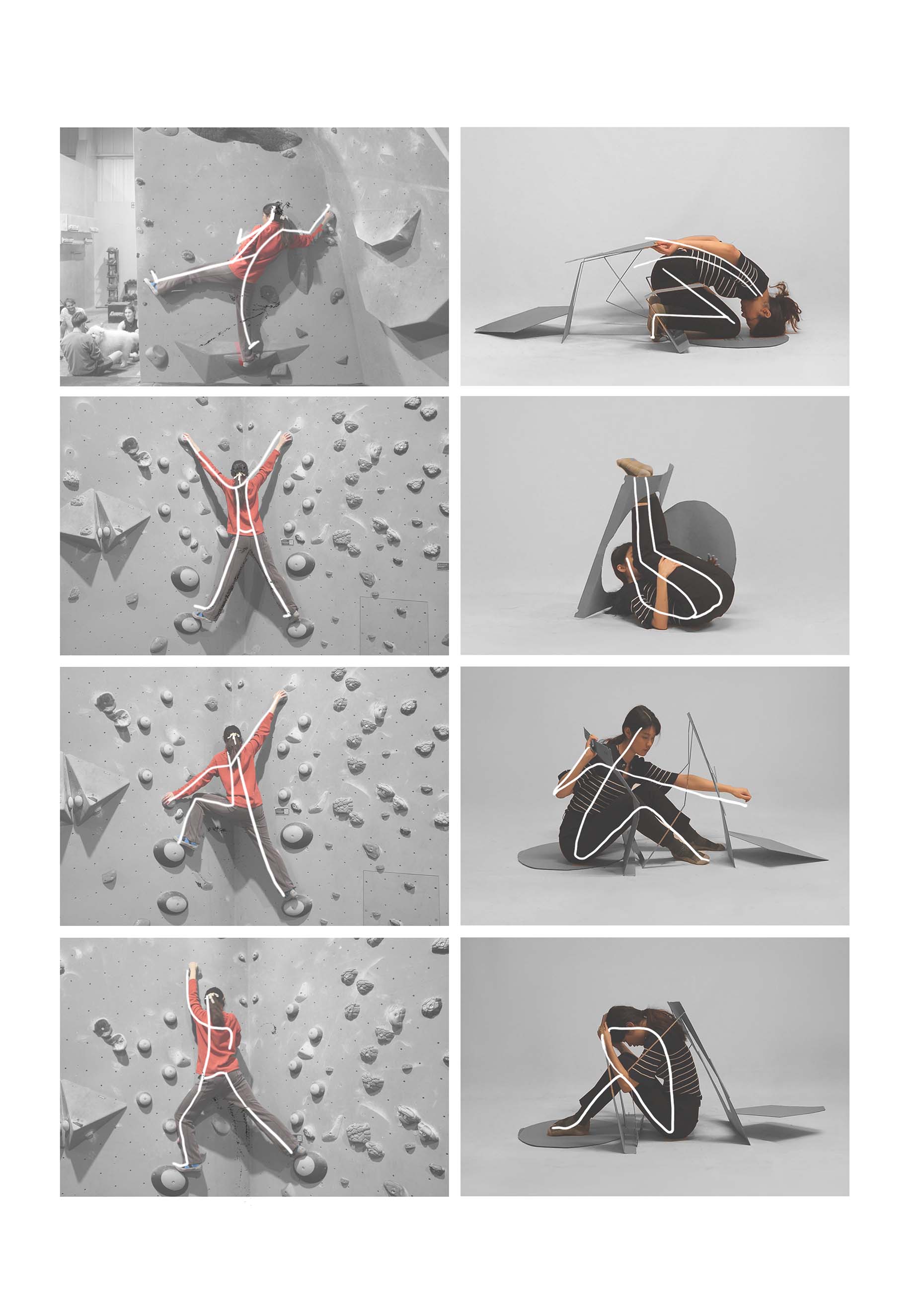
compressed vs. expansive motion
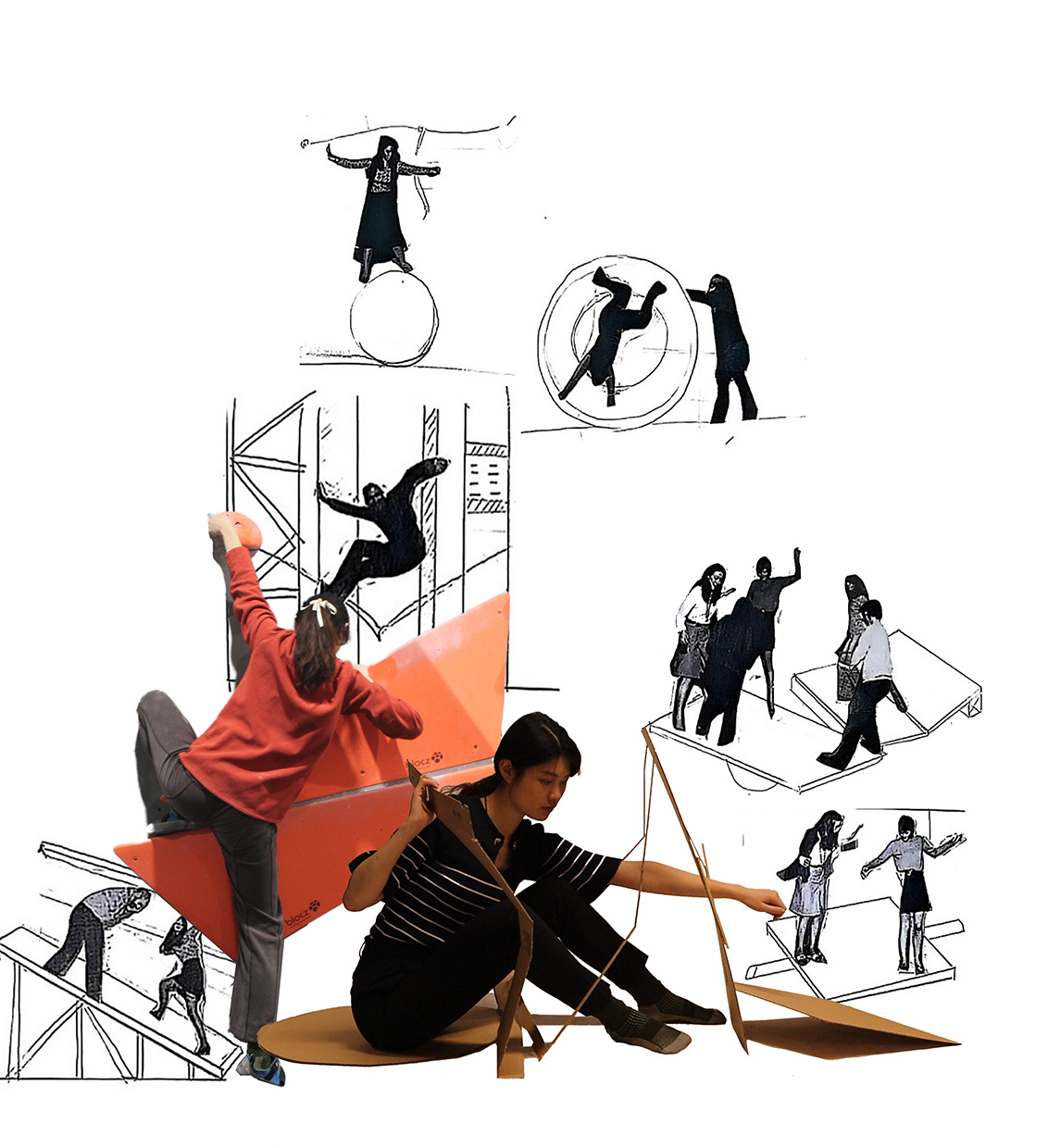
Final Exhibition
Through the process of designing, observing, and reflecting, I have come to understand more deeply how spaces, like people, weather. I have become more attuned to the value of traces — a polished edge, a worn step, the grain of wood darkened by years of touch.
Beauty, I’ve come to realise, is not fixed. It changes over time, shifting from one form into another — and that transformation itself is a kind of beauty. It’s something I see not only in flowers, but in buildings, and in people. A newly built structure might shine with modern clarity, but as it ages — as its surfaces weather and its colours fade — it often gains a unique character, a kind of quiet dignity gifted by time. The same goes for people: youth brings a luminous, unfiltered beauty; with age, wisdom and experience lend another kind of grace. Even the lines and marks left by time have their own truth — a beauty that’s no longer about perfection, but about story.
I’ve also realised that in life — and especially in design — rushing rarely leads to anything meaningful. To do something well, one must slow down. Observe the world with care. Let the city speak. Sit with your ideas. Learn to accept the moments of stillness, and embrace the storms that come. This quiet patience — this willingness to be shaped, and reshaped — is essential.
I think becoming an architect is also a process of weathering — of being carved and refined by experience, time, and persistence. And like buildings, people, and places, I hope I too can carry this layered beauty: not as something instant or perfect, but as something honest, evolving, and lasting.
Weathering — not as loss, but as becoming. This is what I hope to do well.
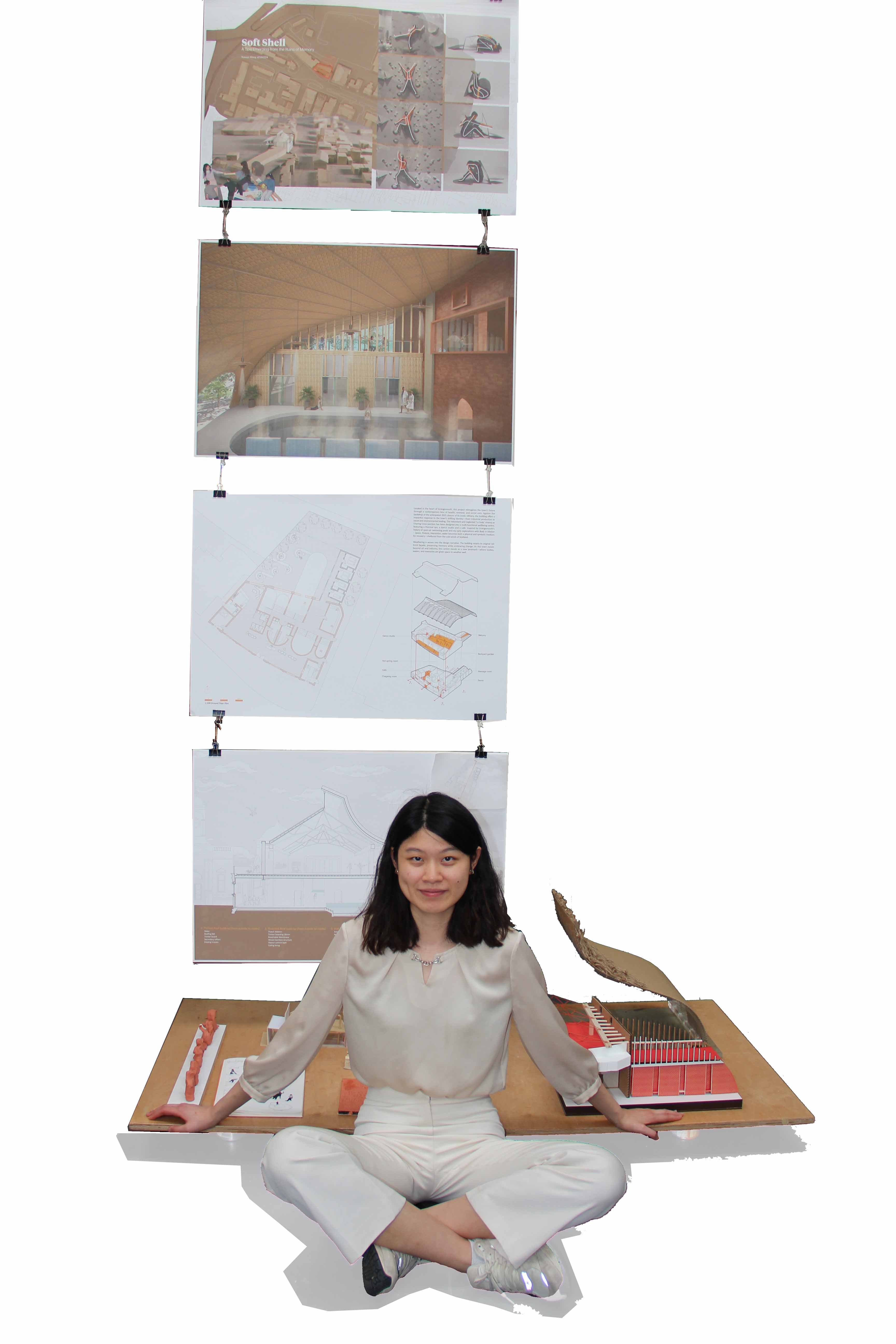
The Final Exhibition
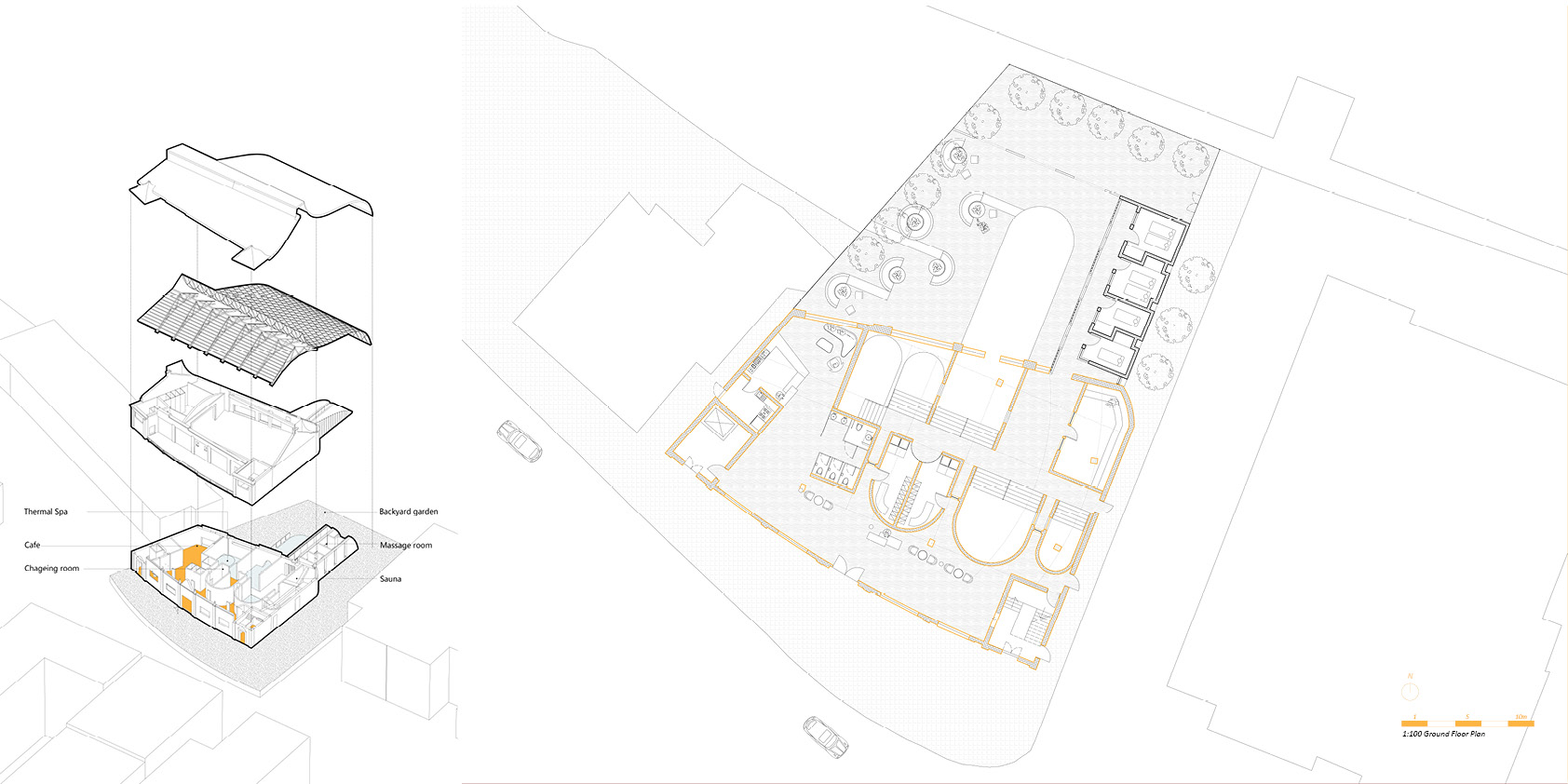
Ground Floor Plan
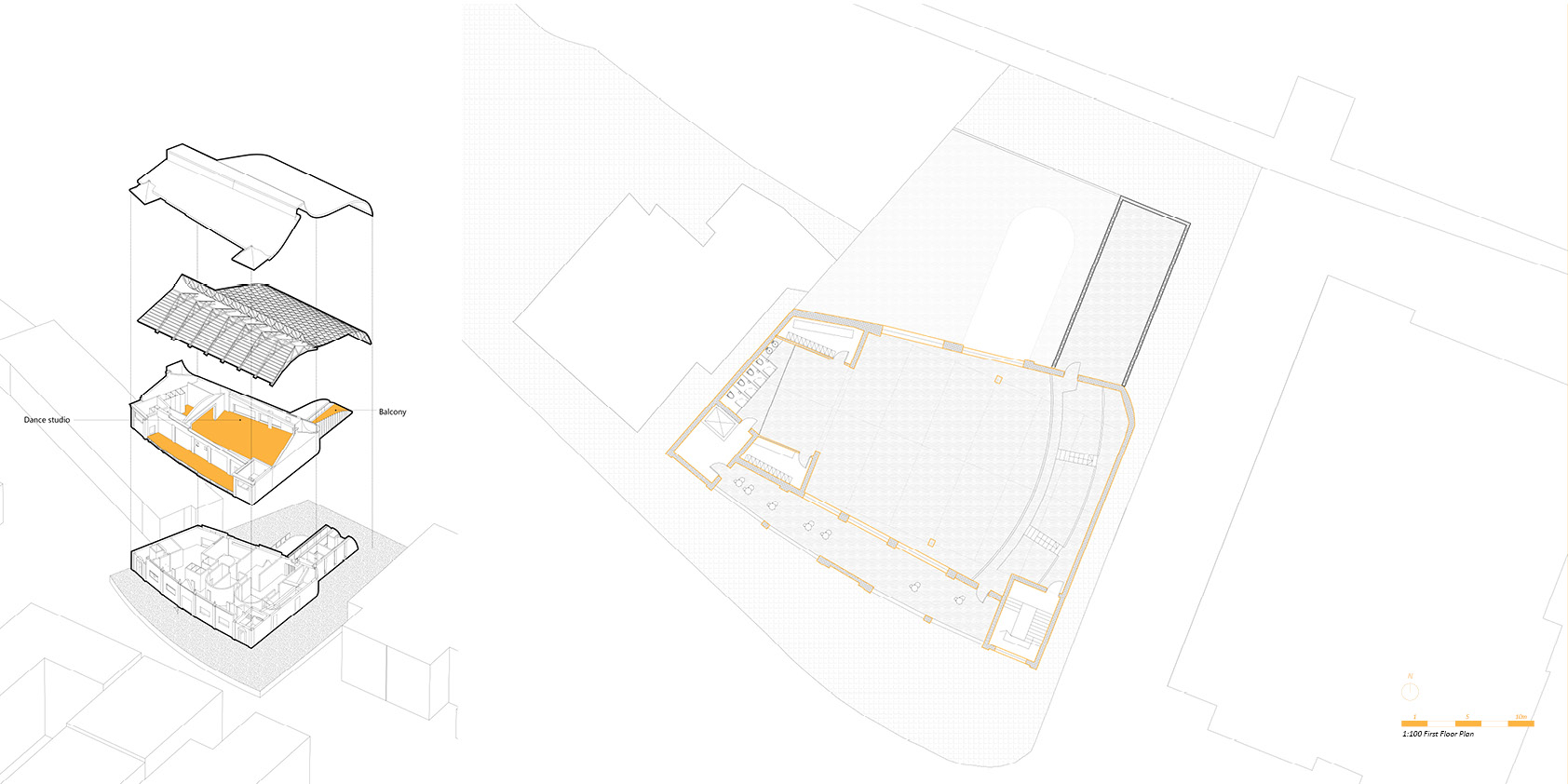
First Floor Plan

Hand-made Model
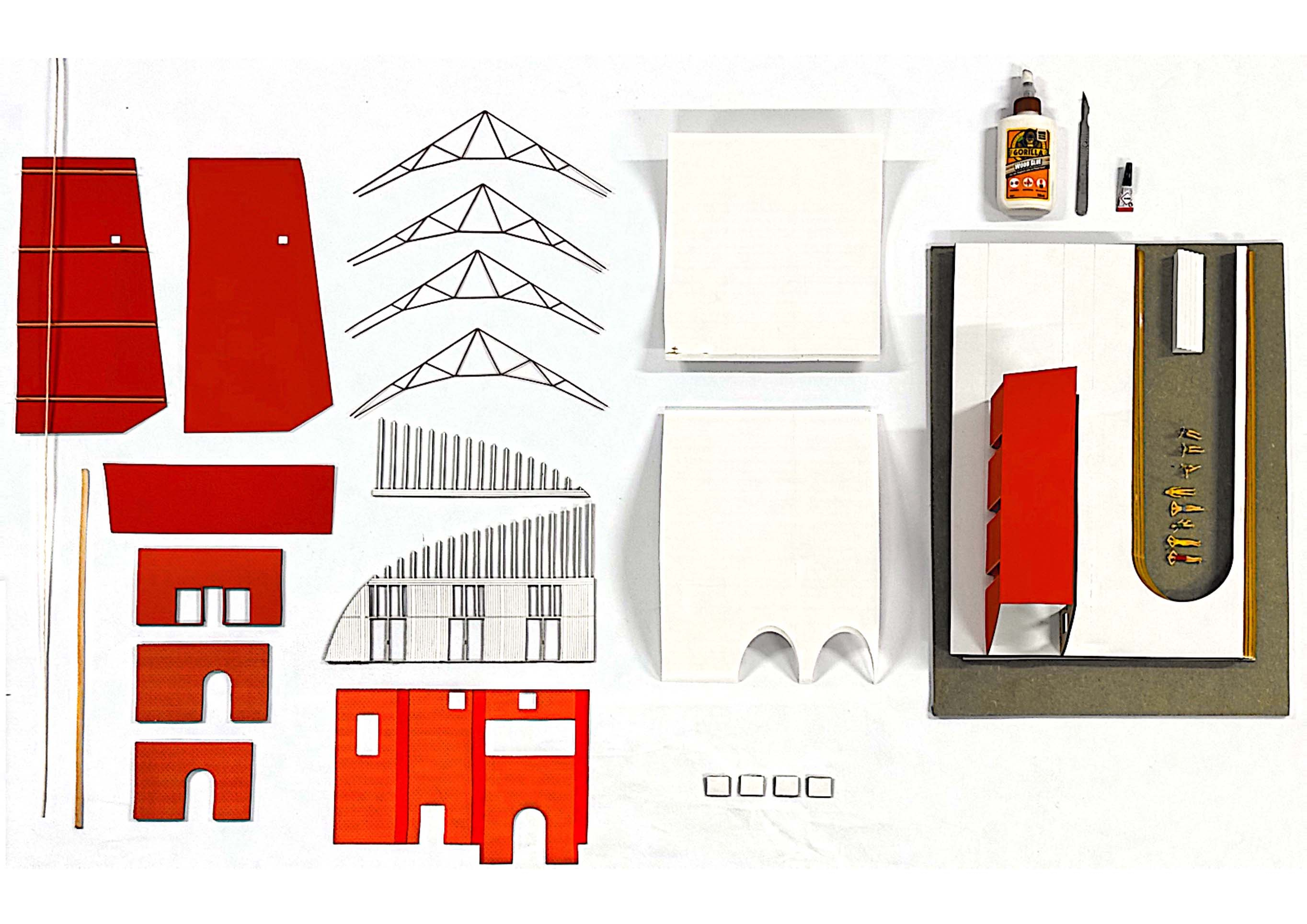


Yuxuan Wang
Soft Shell- A Spa Emerging from the Ruins of Memory
Follow:
Related student work


Share:

