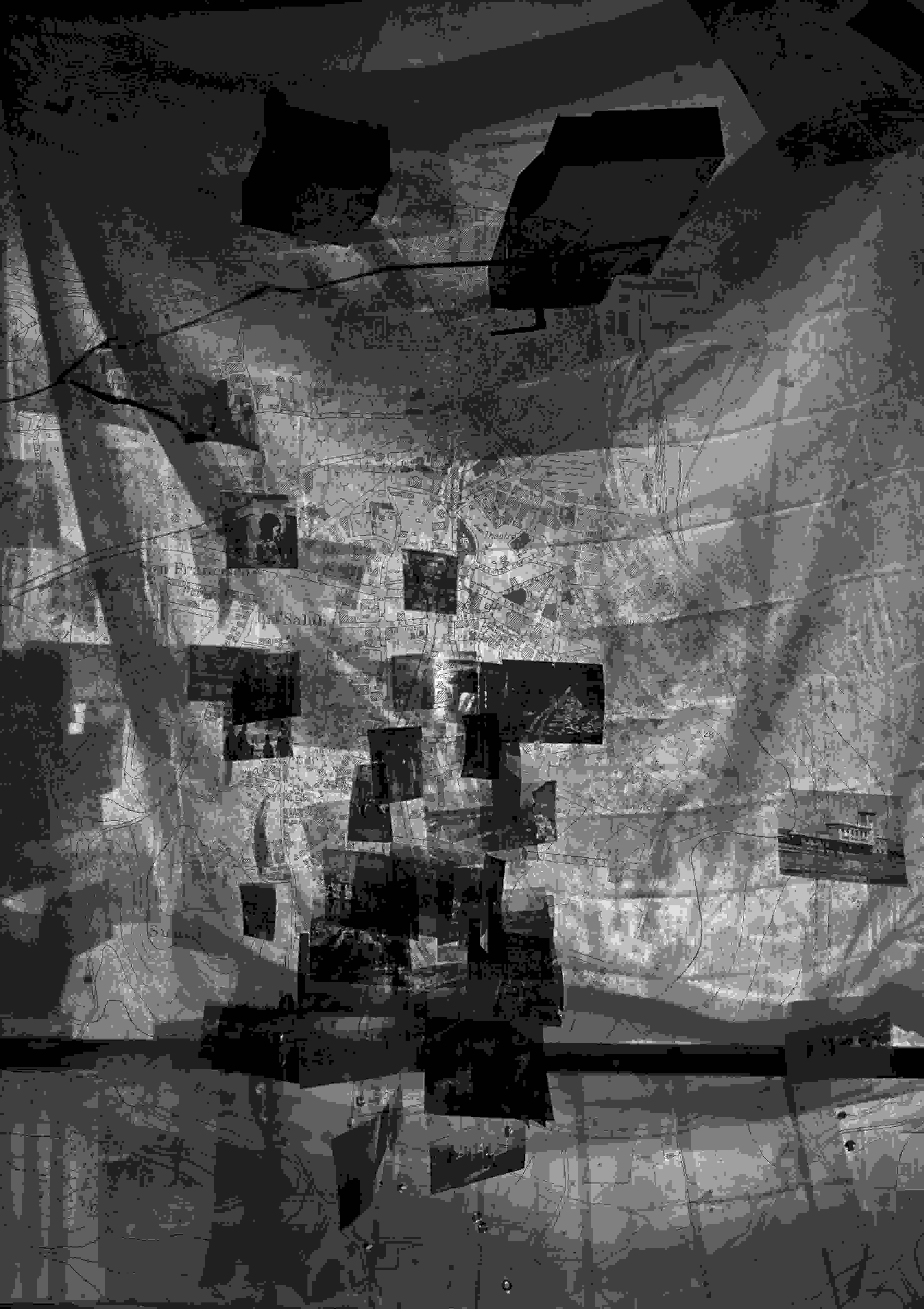
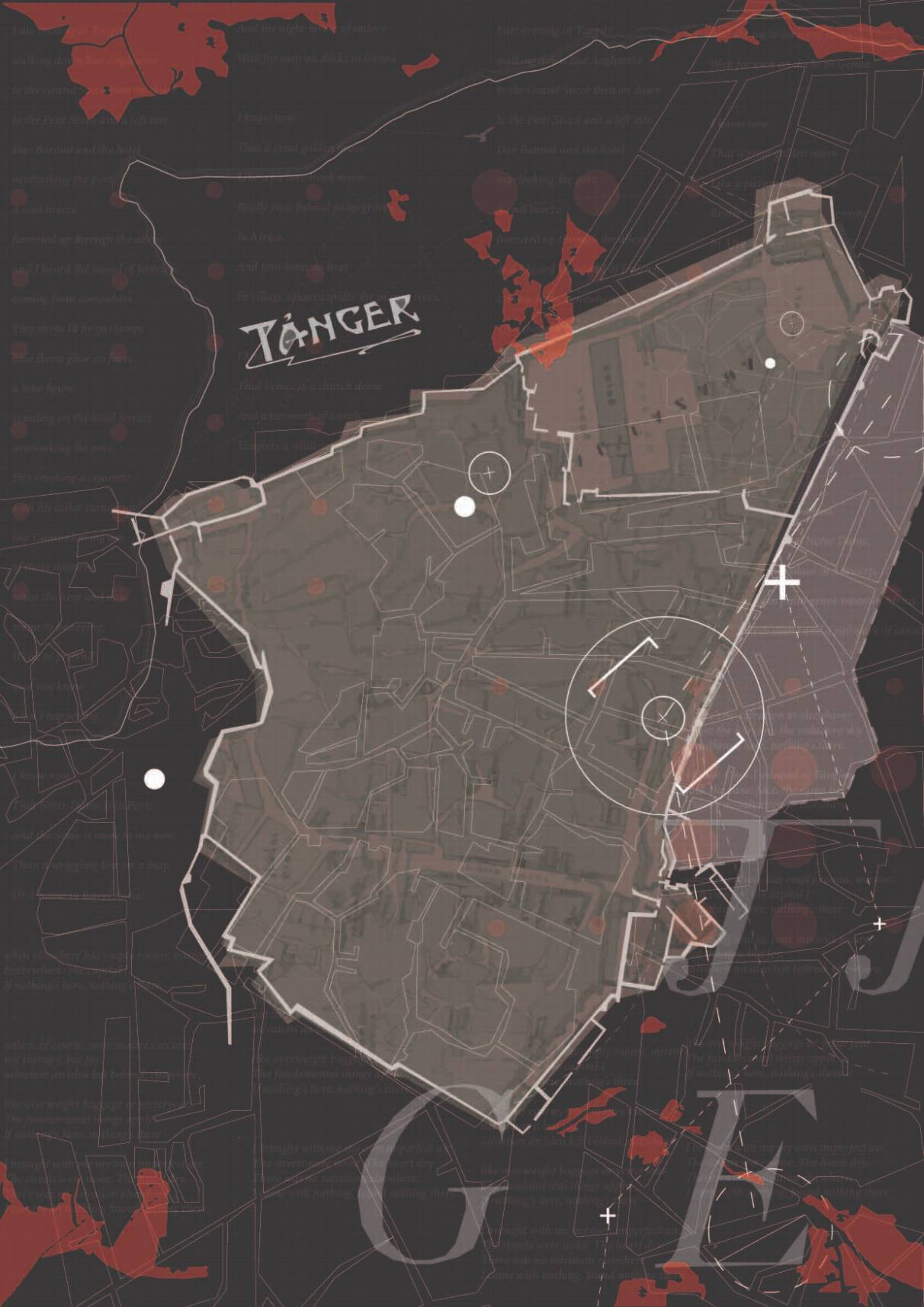
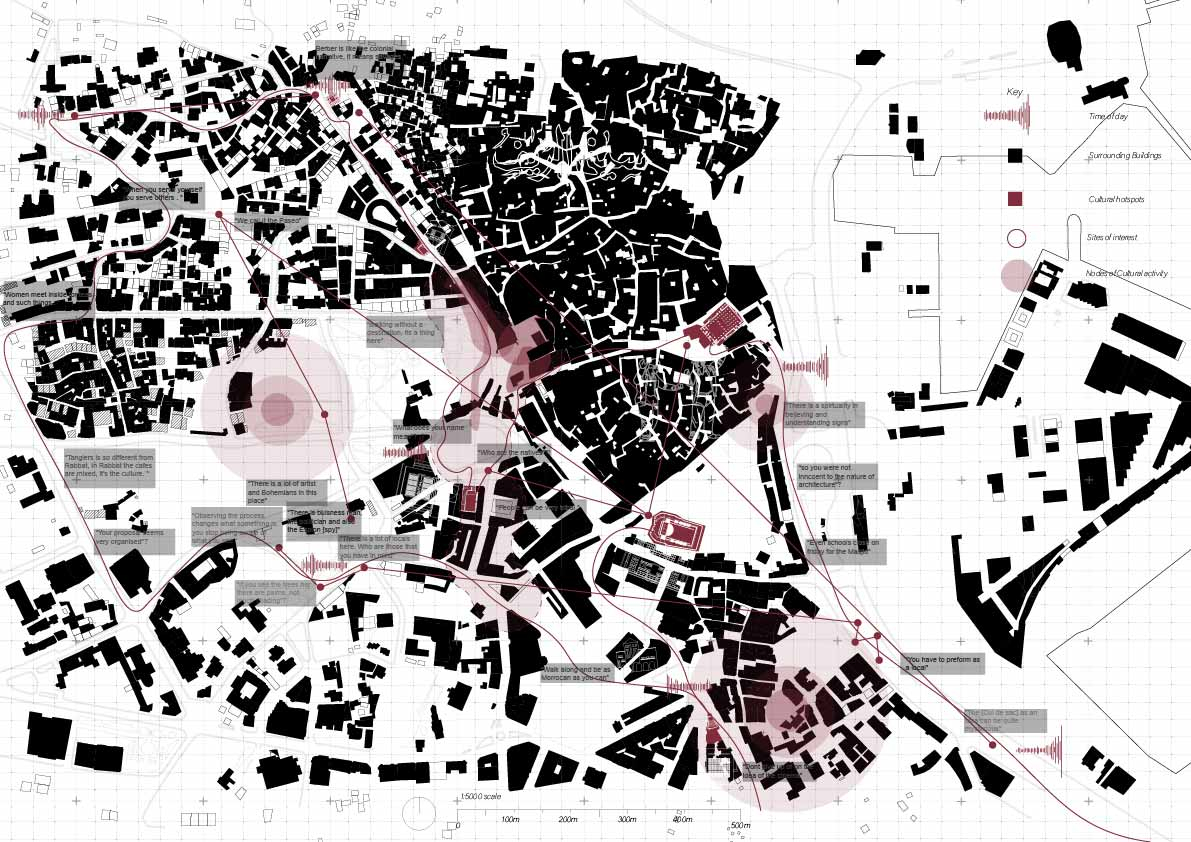
Tangiers is a city of refuge—a hotly contested arena accommodating the likes of multinational conglomerates, economic outsiders, and indigenous local actors. It is home to the Kasbah, the Petit Socco, and the Cervantes Theatre. At its peak, it was considered a paradiso or “city on a hill,” a much-needed escape from the impositions of the Global North. For many, the city can be conceived as an embodied archive, retaining an inhabited cultural memory.
Today, many buildings lie in ruin or have been reappropriated. The city has been subjected to the influence of greater economic powers, and this impact is felt by those disaffected by the apathy of larger capitalistic structures.
The local response has been to reject this subtle domination through cultural creation and the reappropriation of space—particularly by resisting Western notions of profit, time constraints, and even conventional forms of movement through space—in favor of maintaining a continual connection to historical Tangiers.
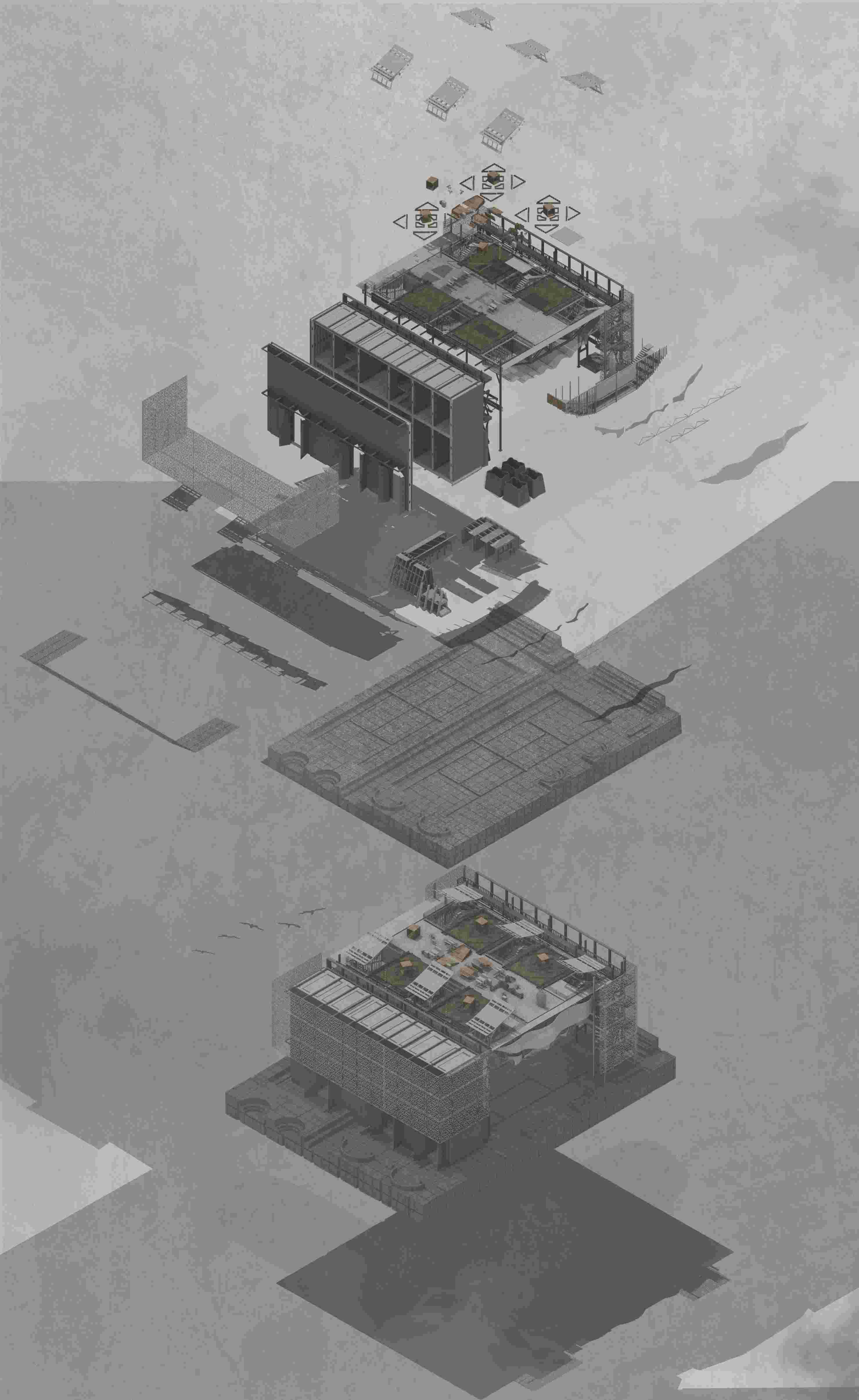
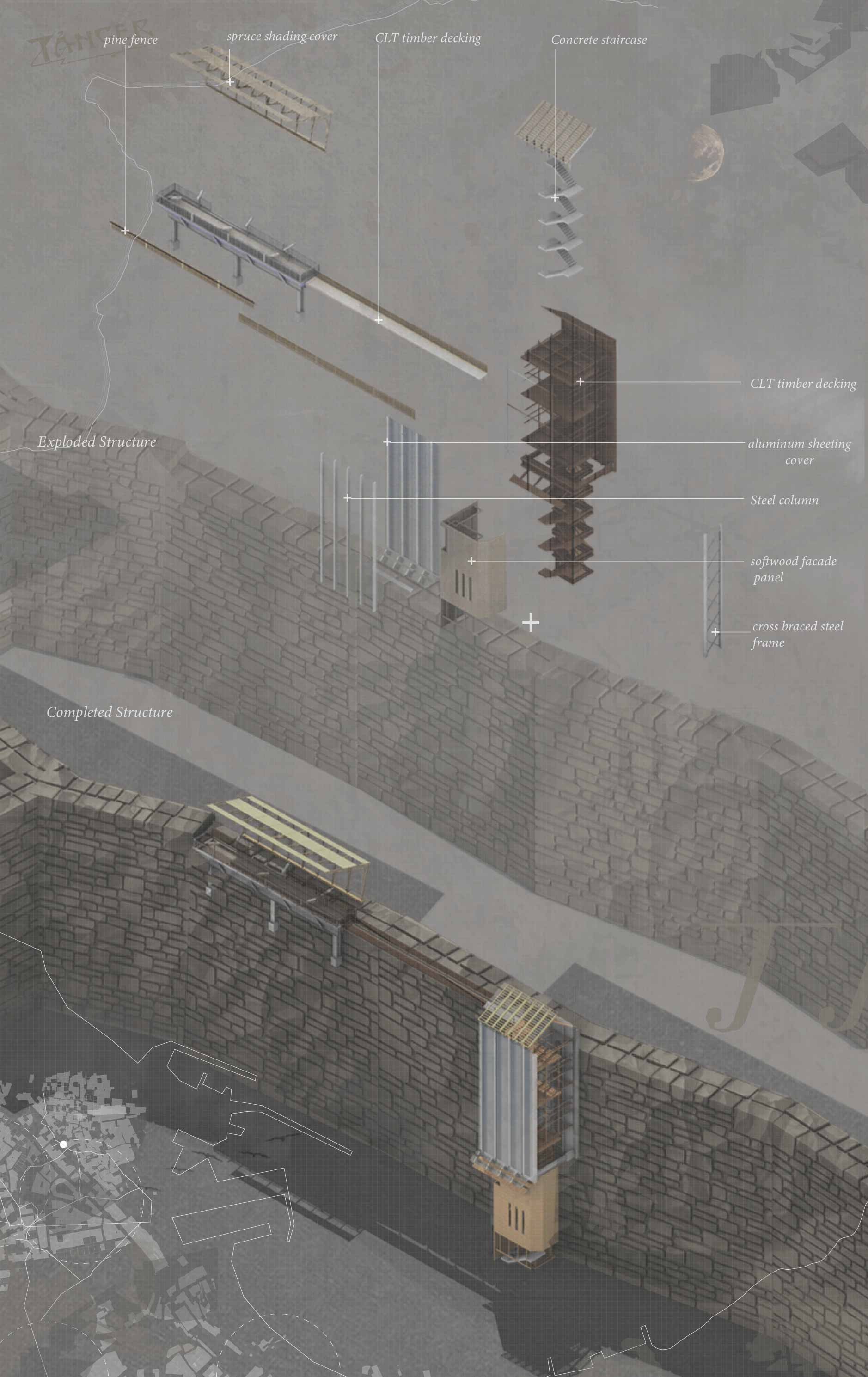
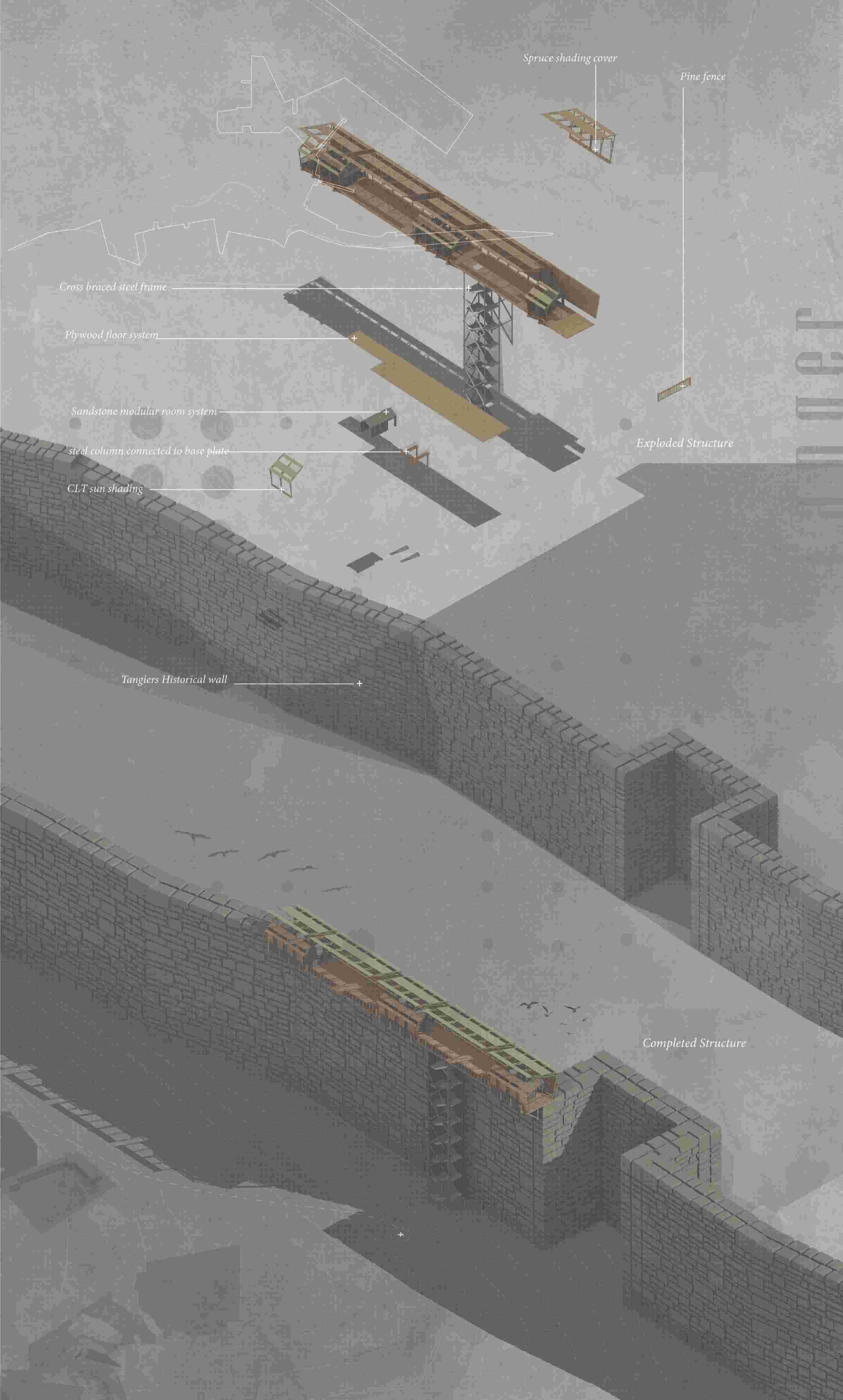
The extended Paseo presents a set of complementary interventions for the next generation: a multifunctional sports centre that moonlights as an outdoor cinema, facilitating the expression of young creatives; artists’ studios and viewing platforms placed throughout the city, continually birthing and becoming—outstretched, reminiscent of a walk with no expected end. The Extended Paseo.