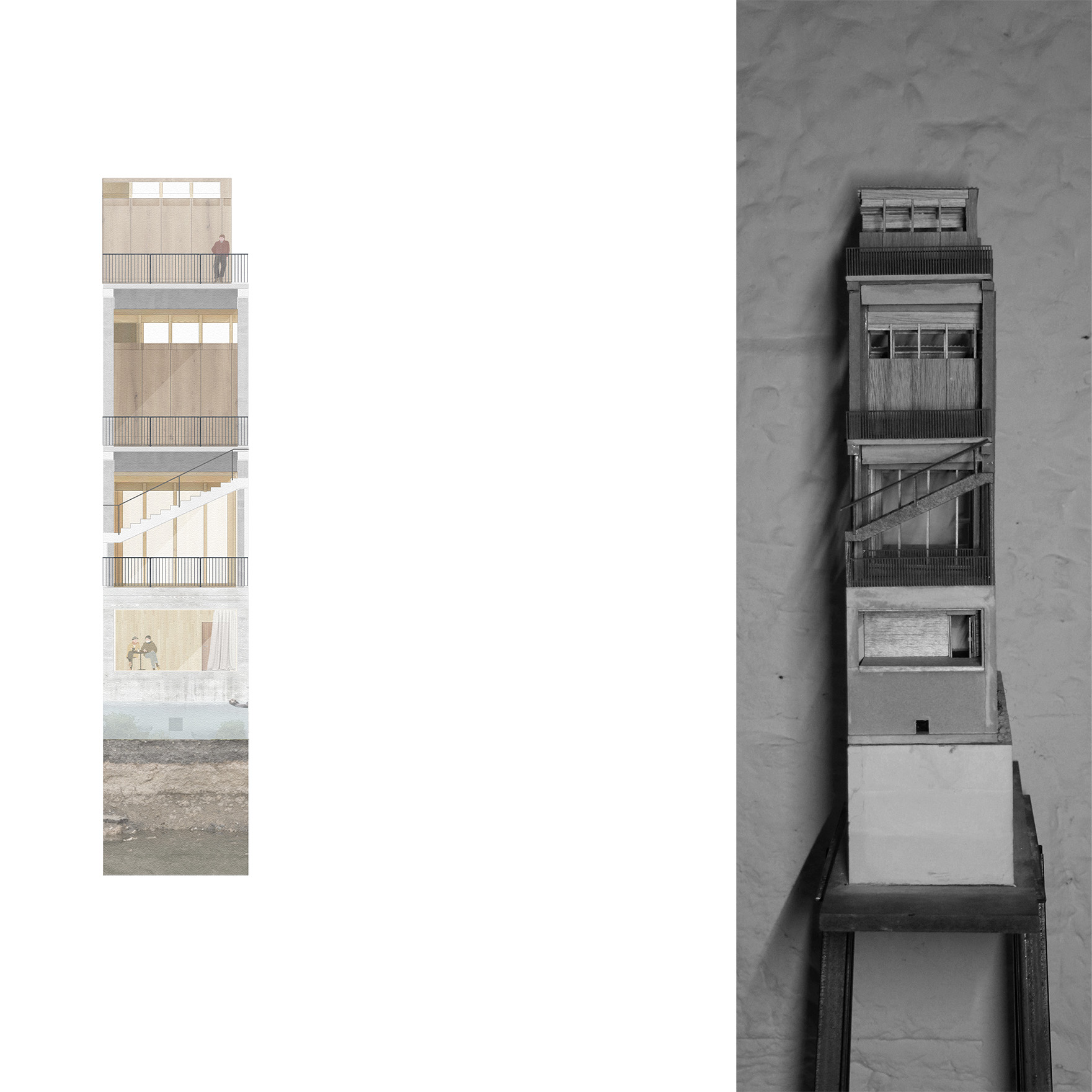
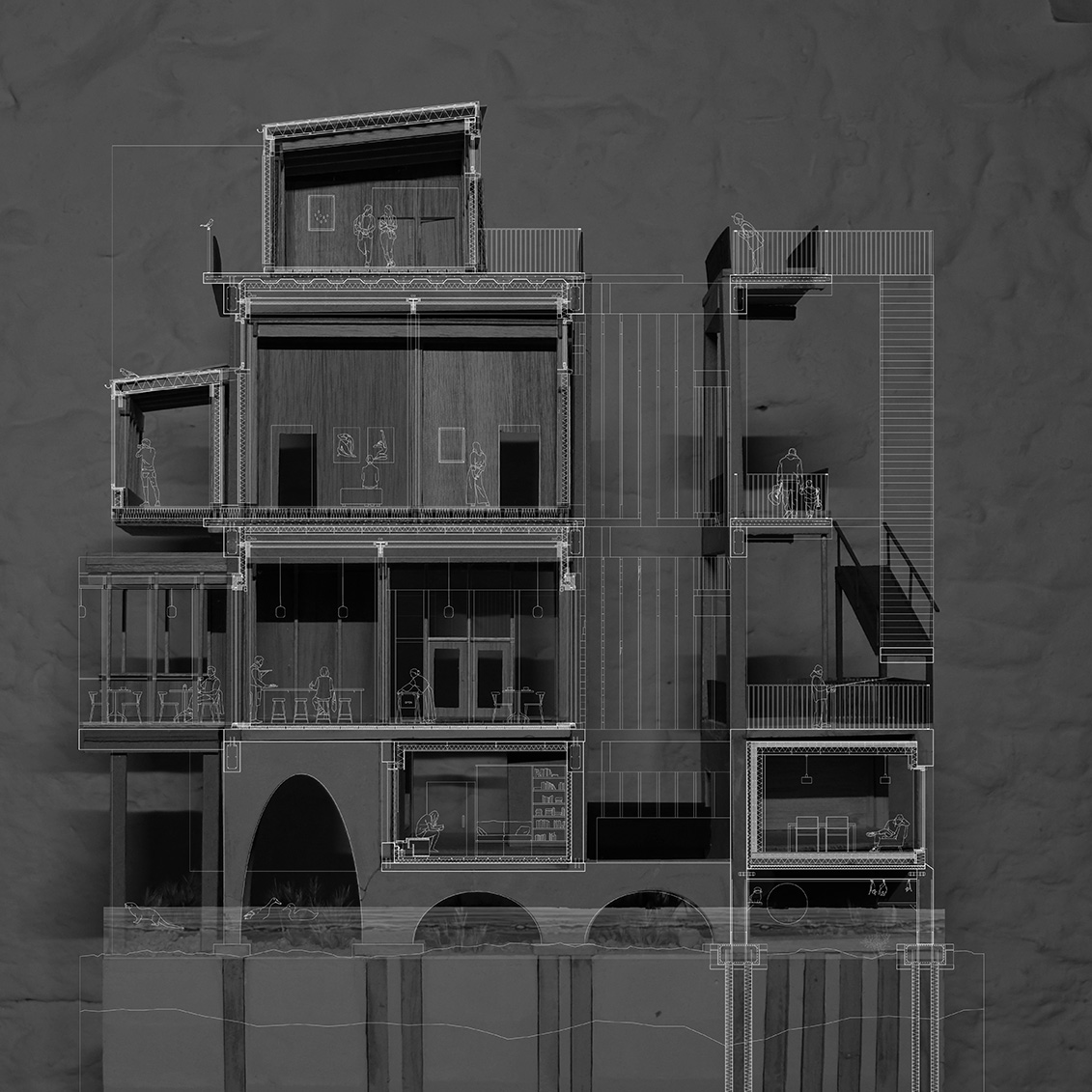
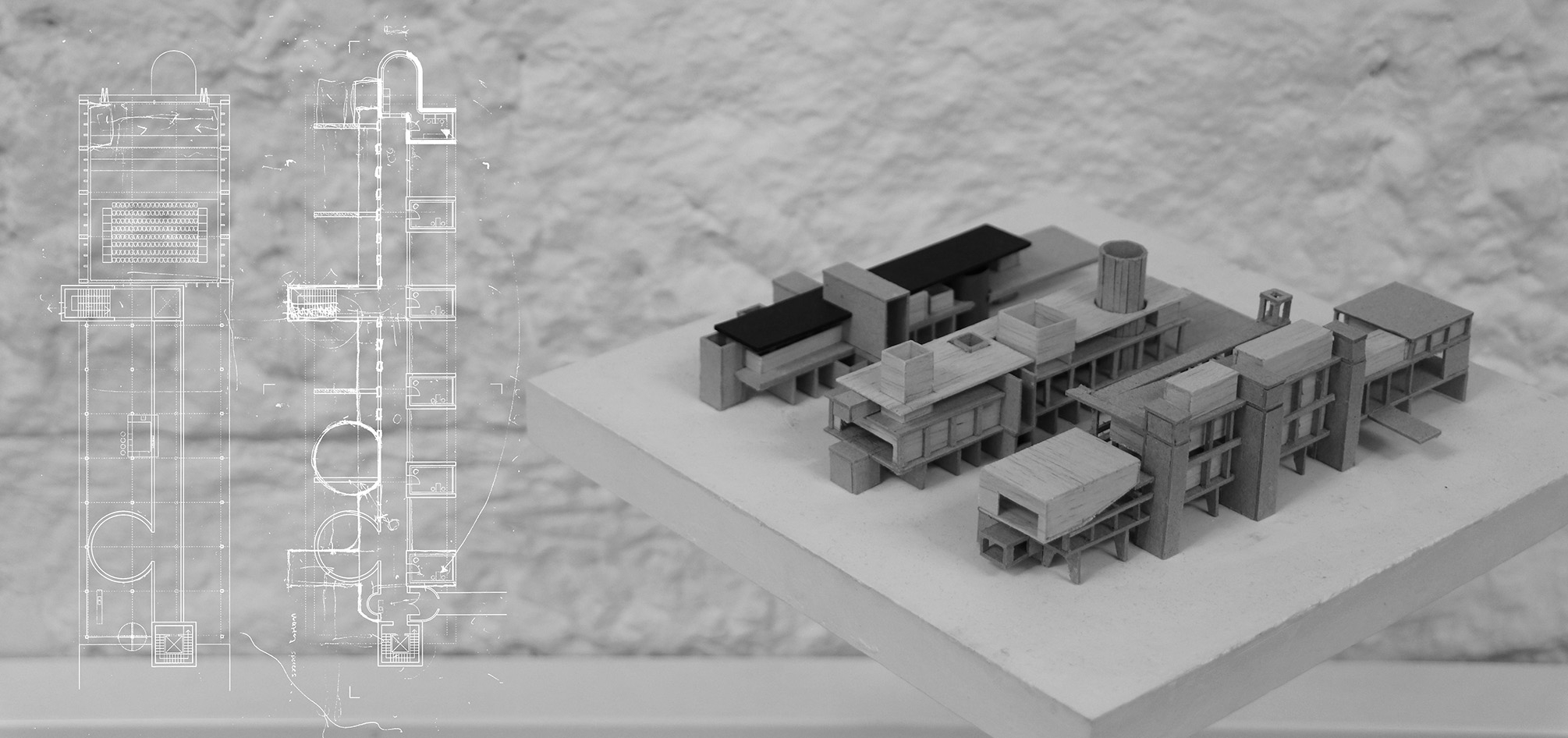
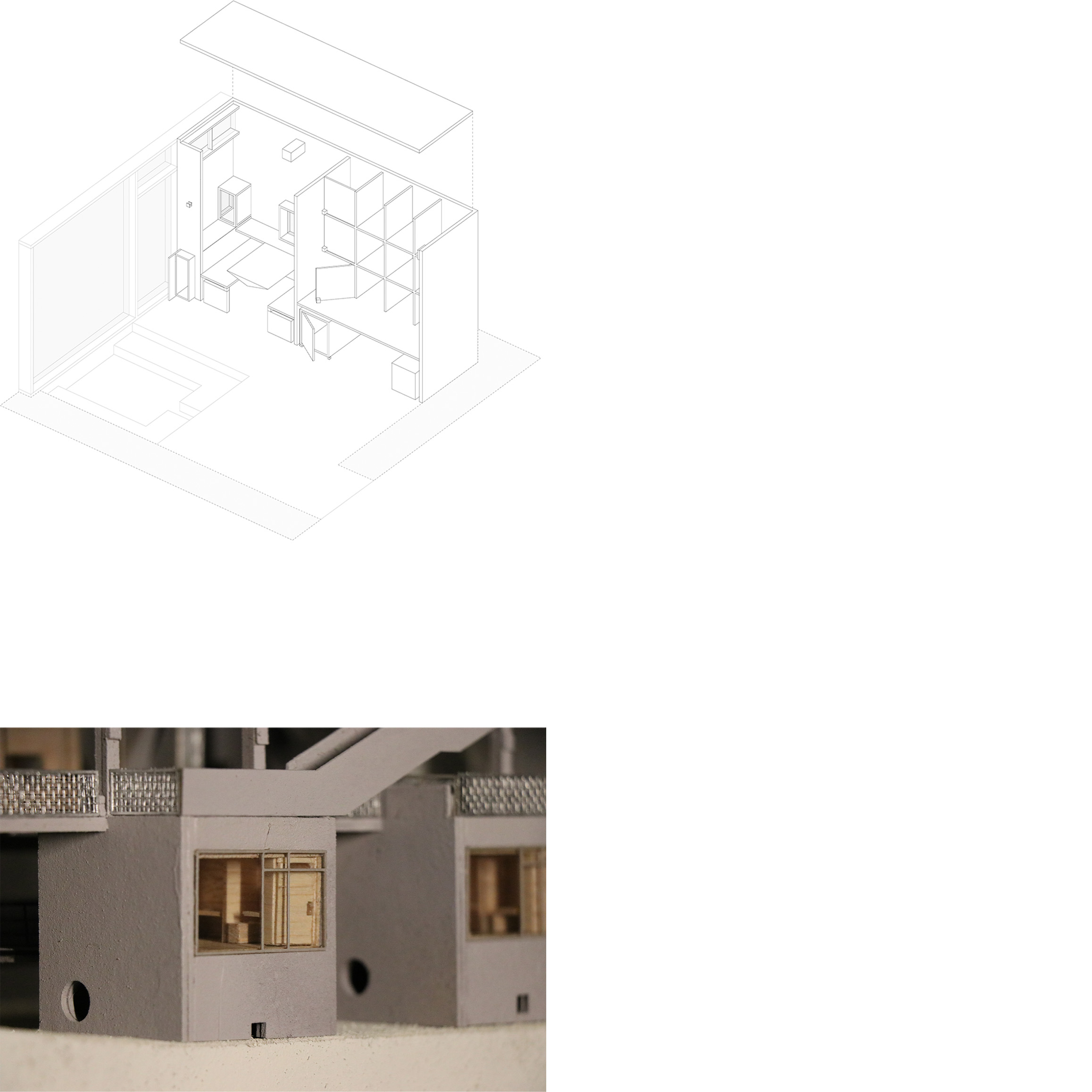
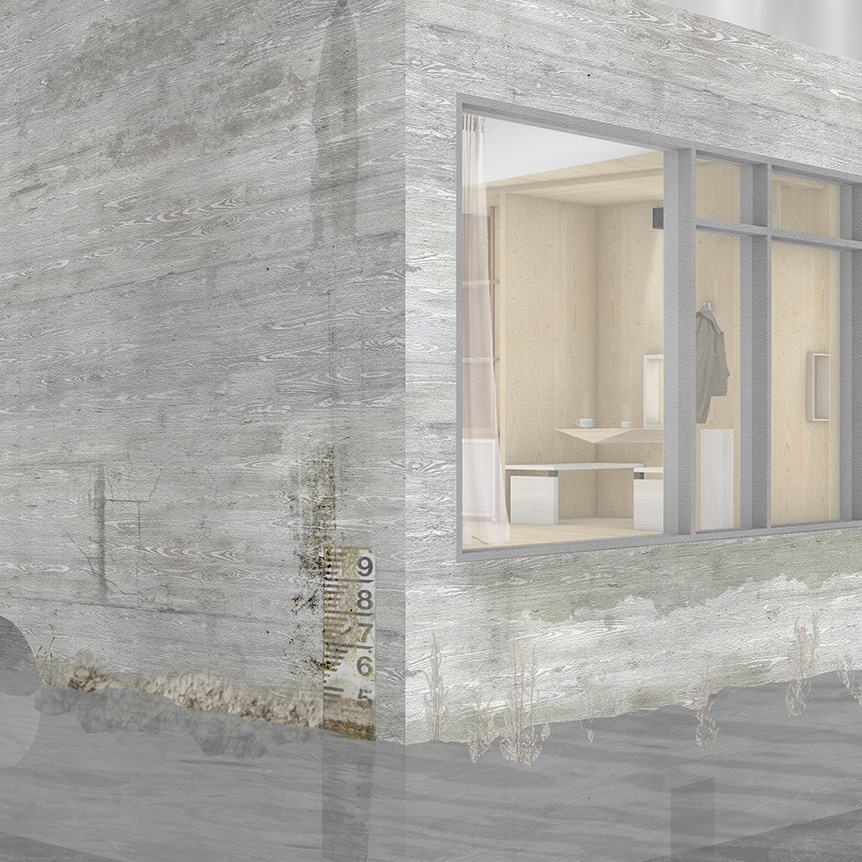
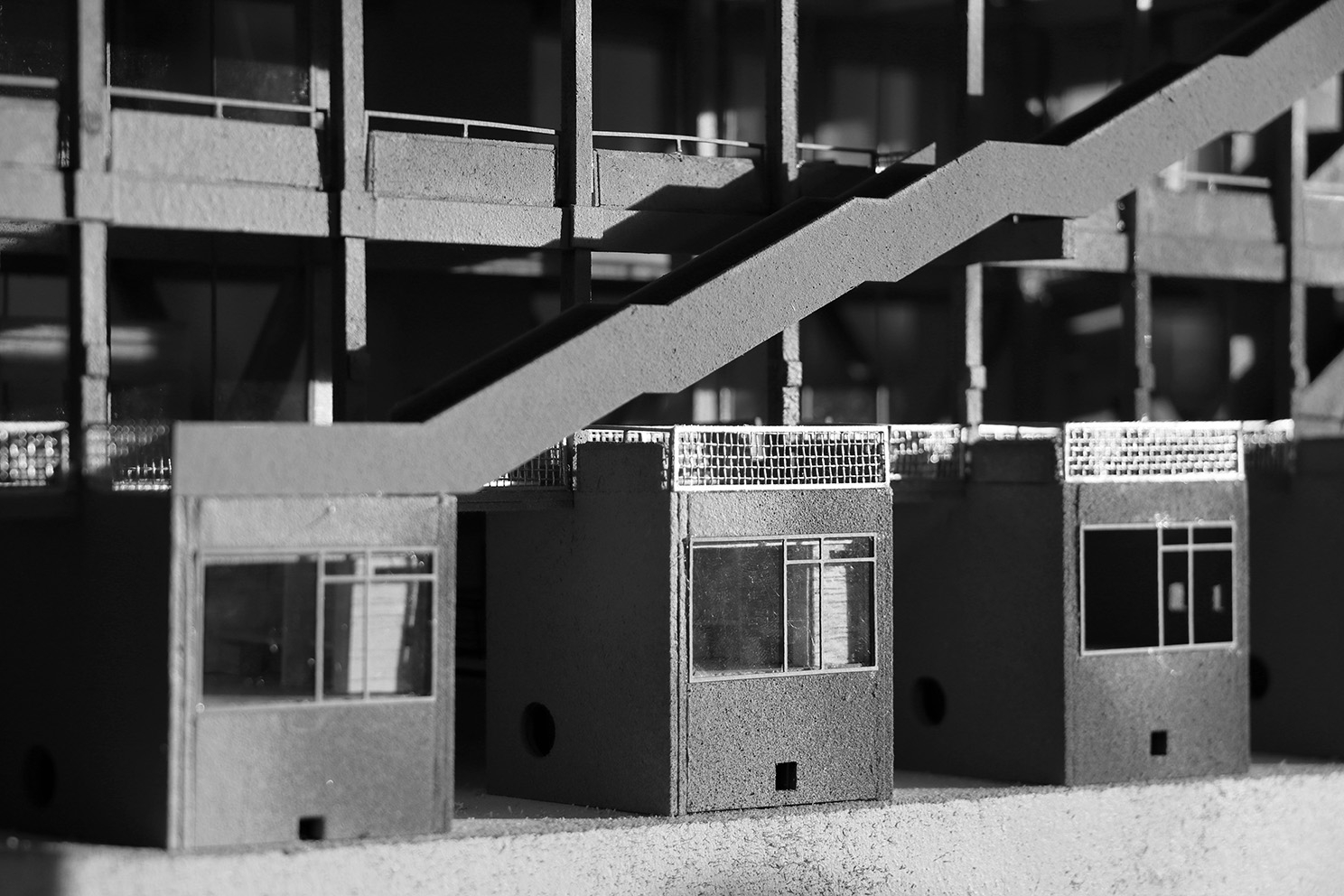
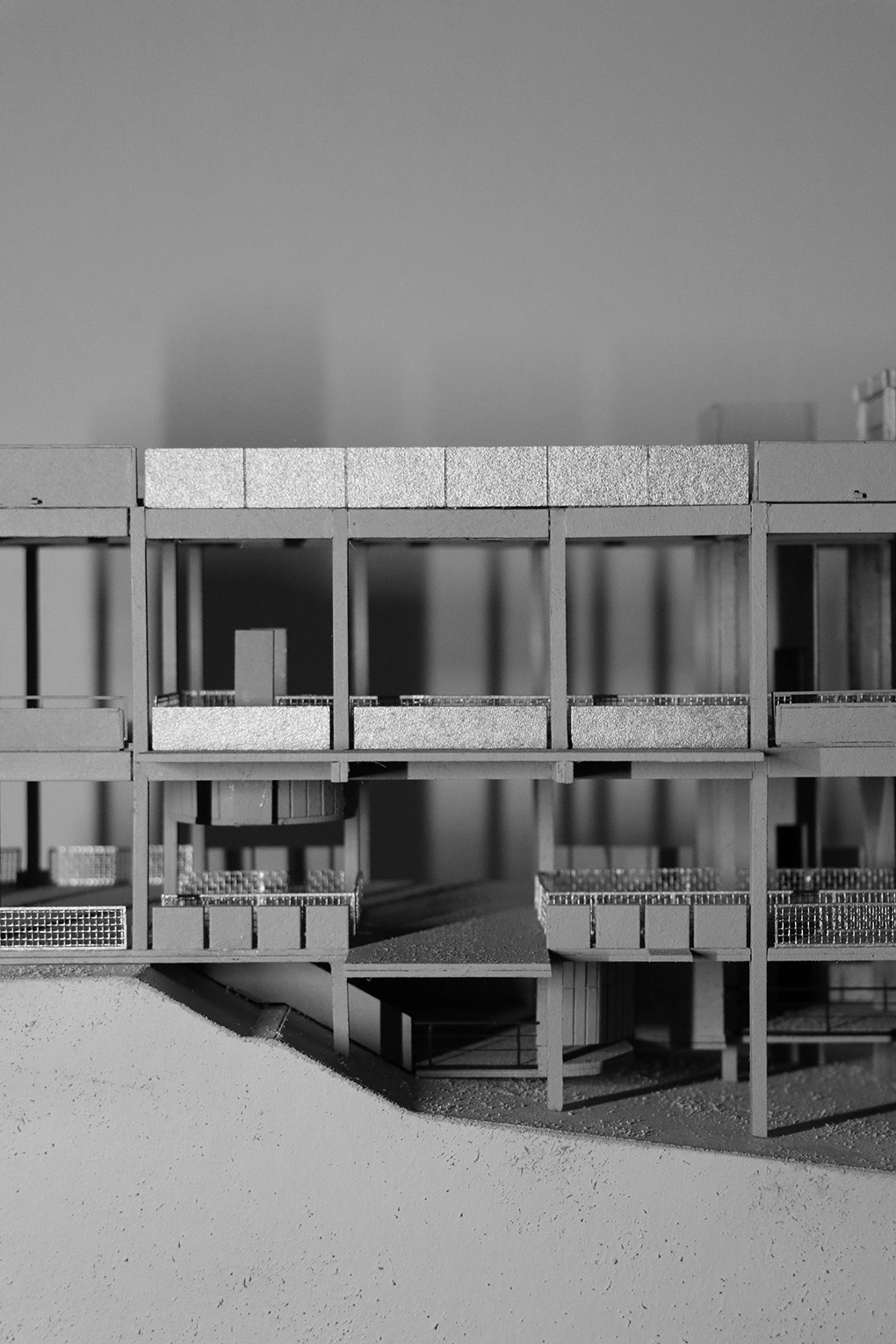
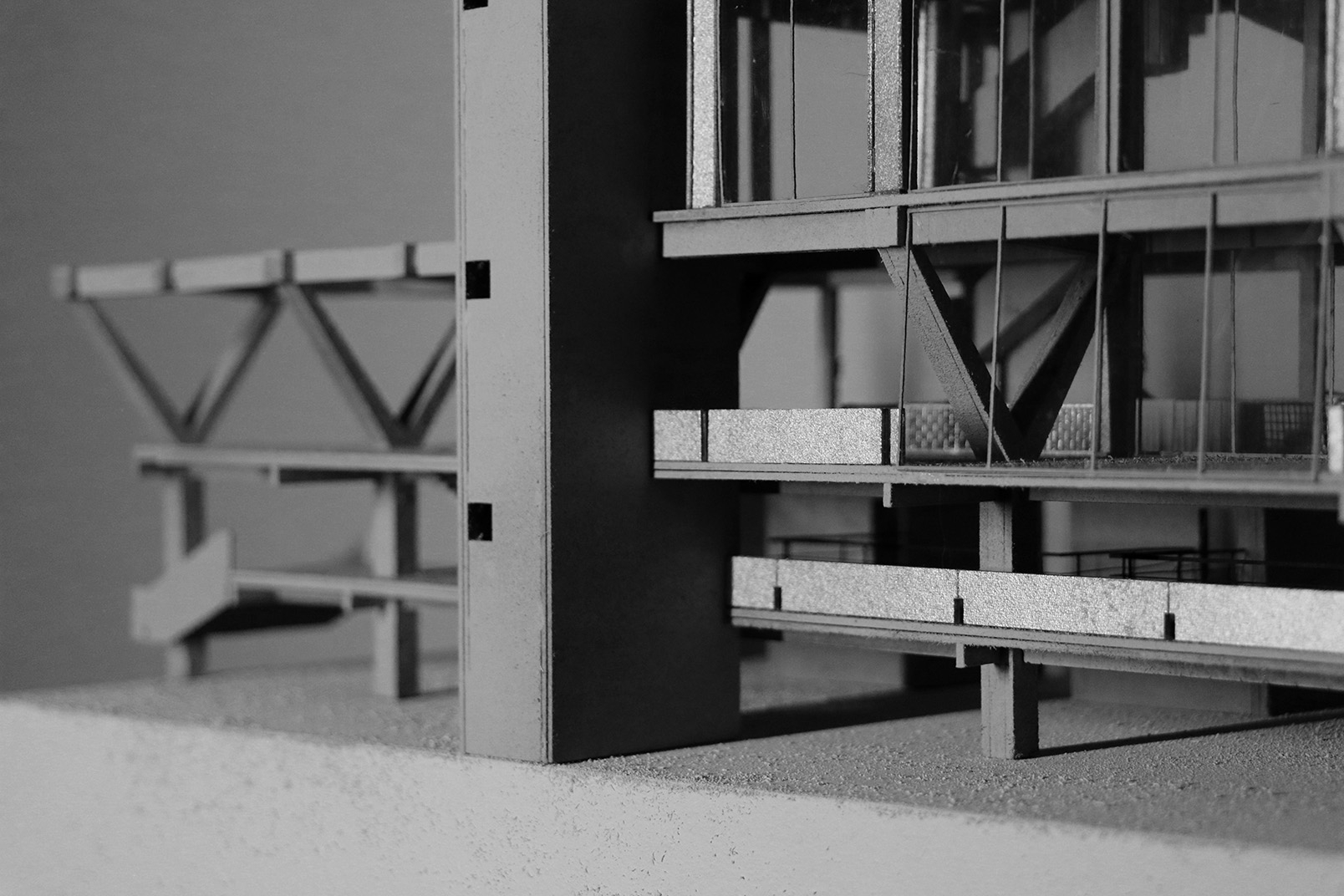
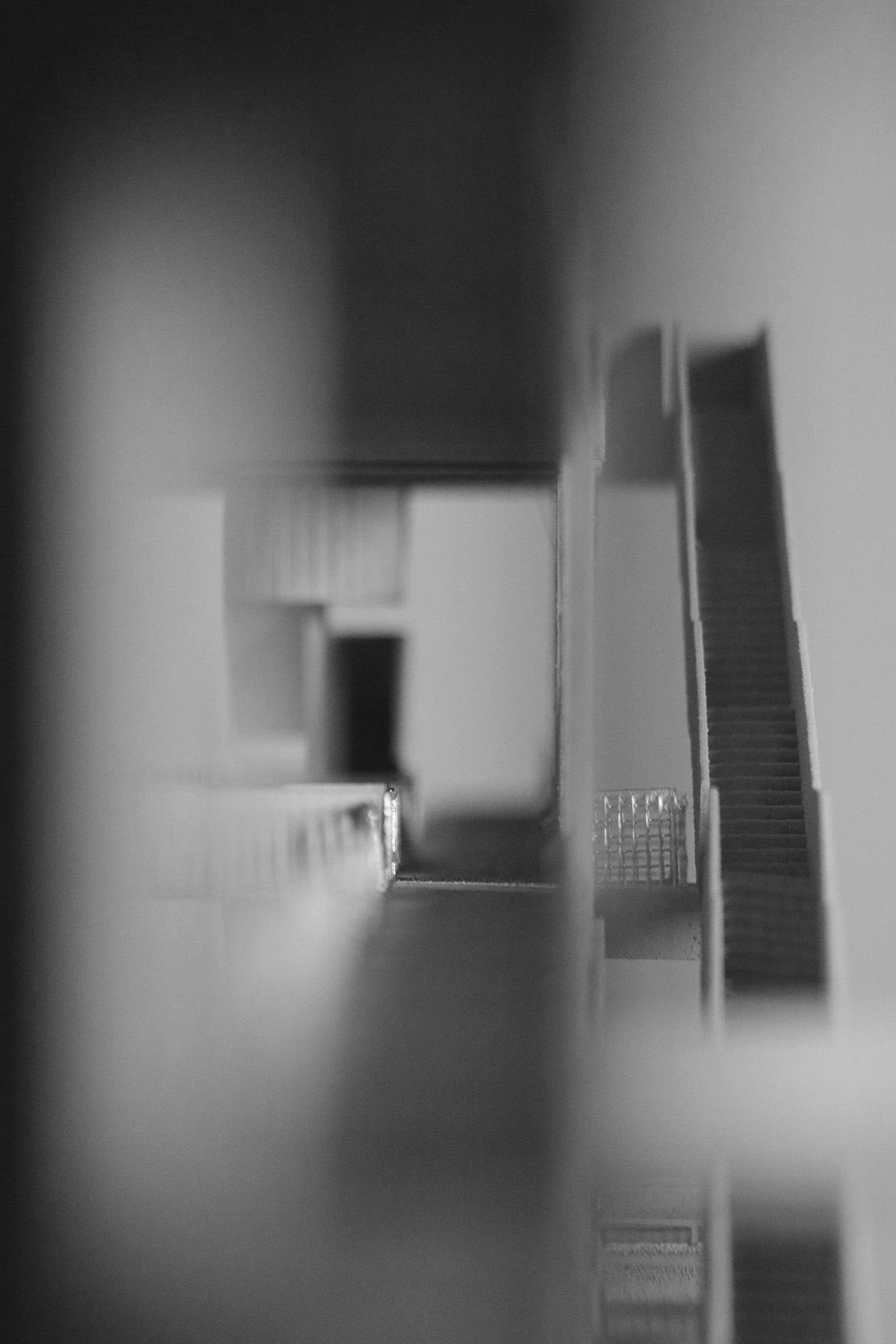
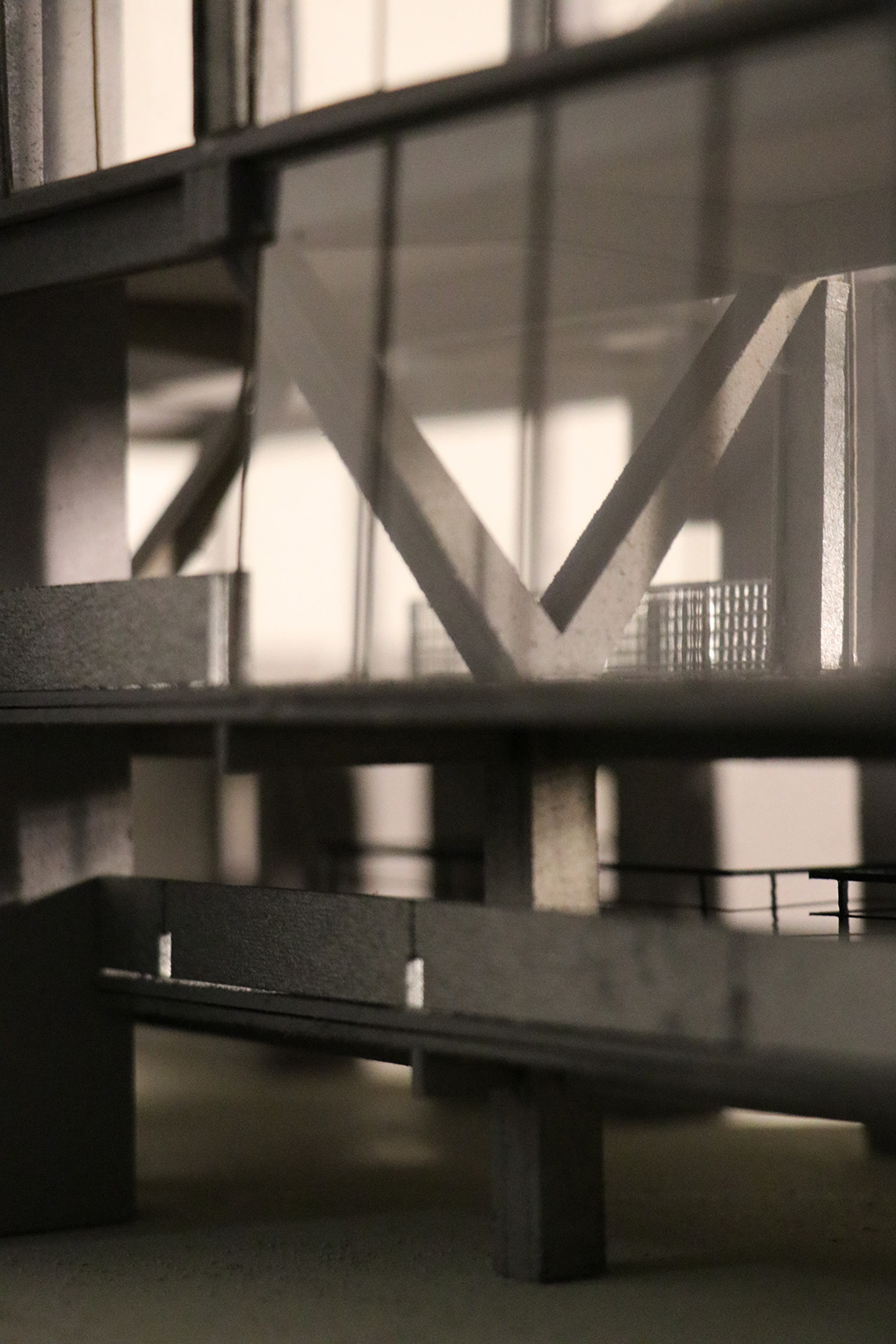
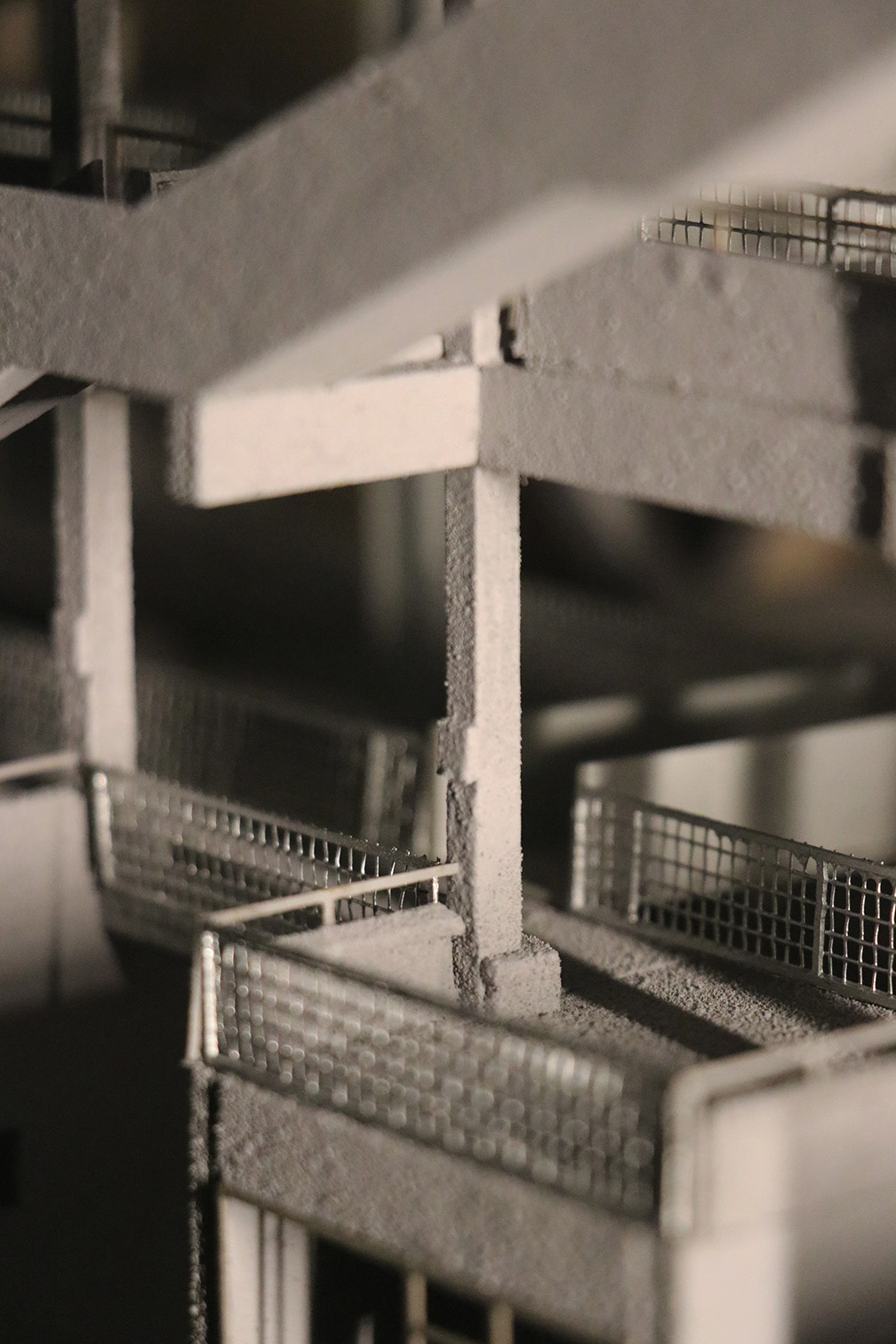
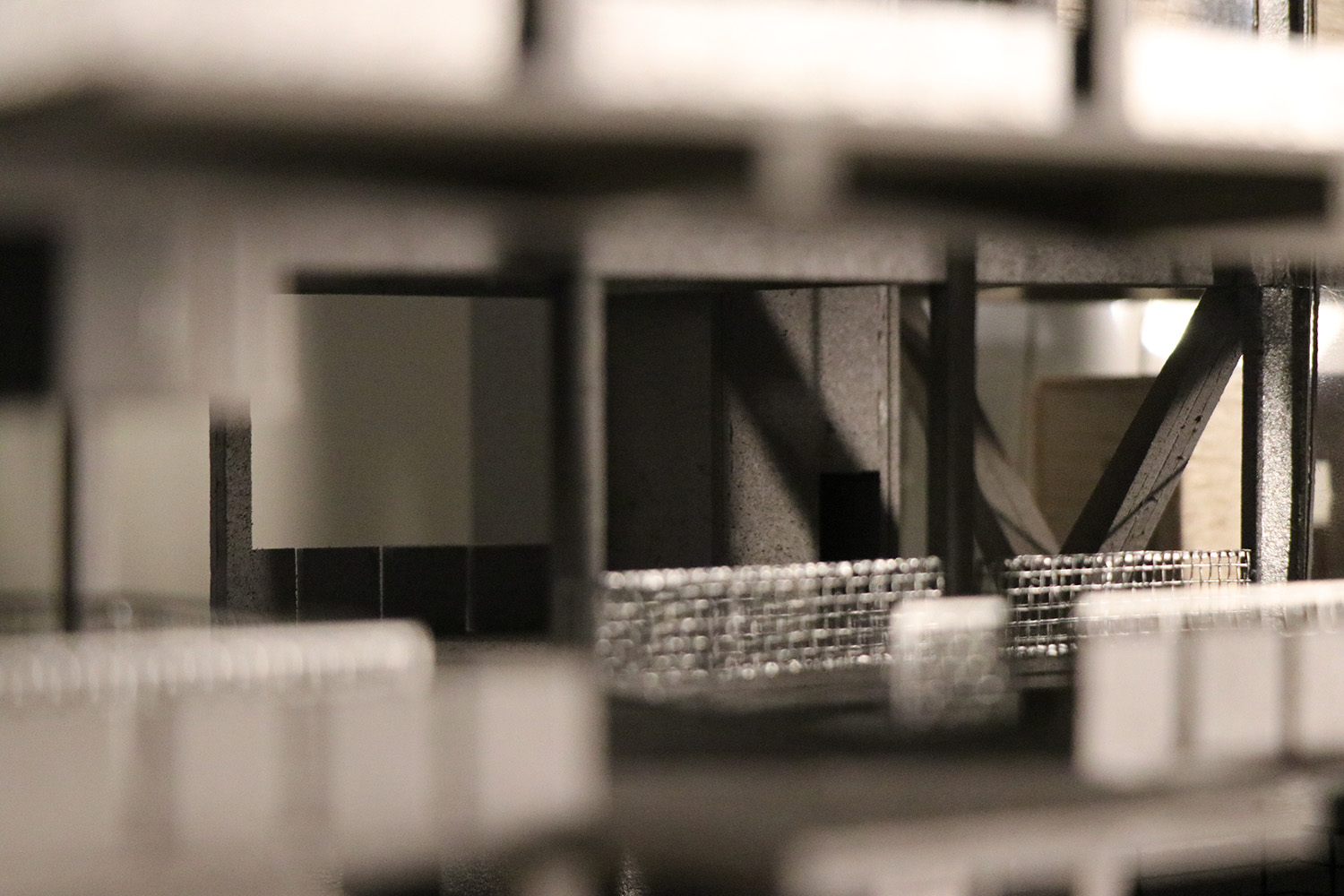
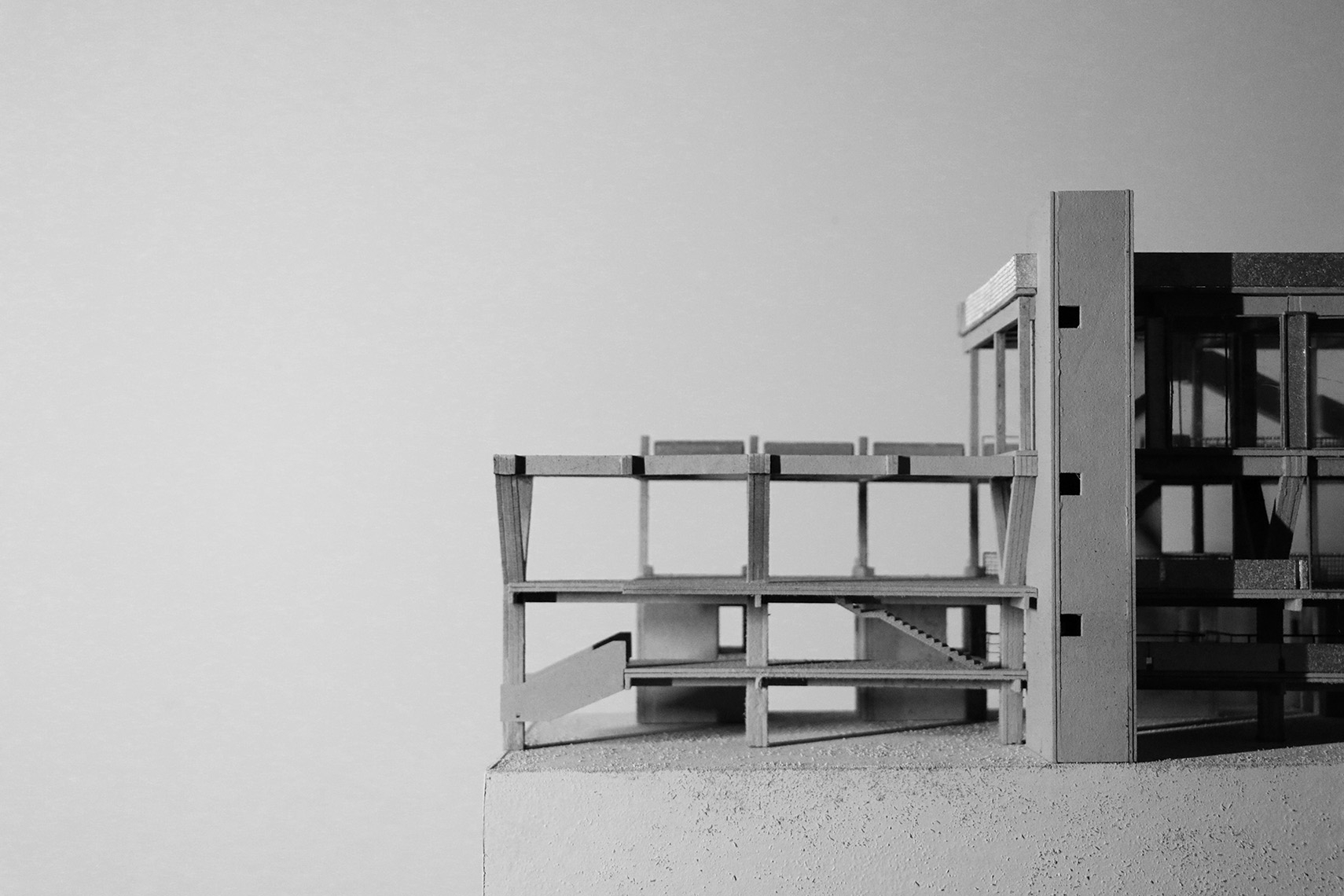
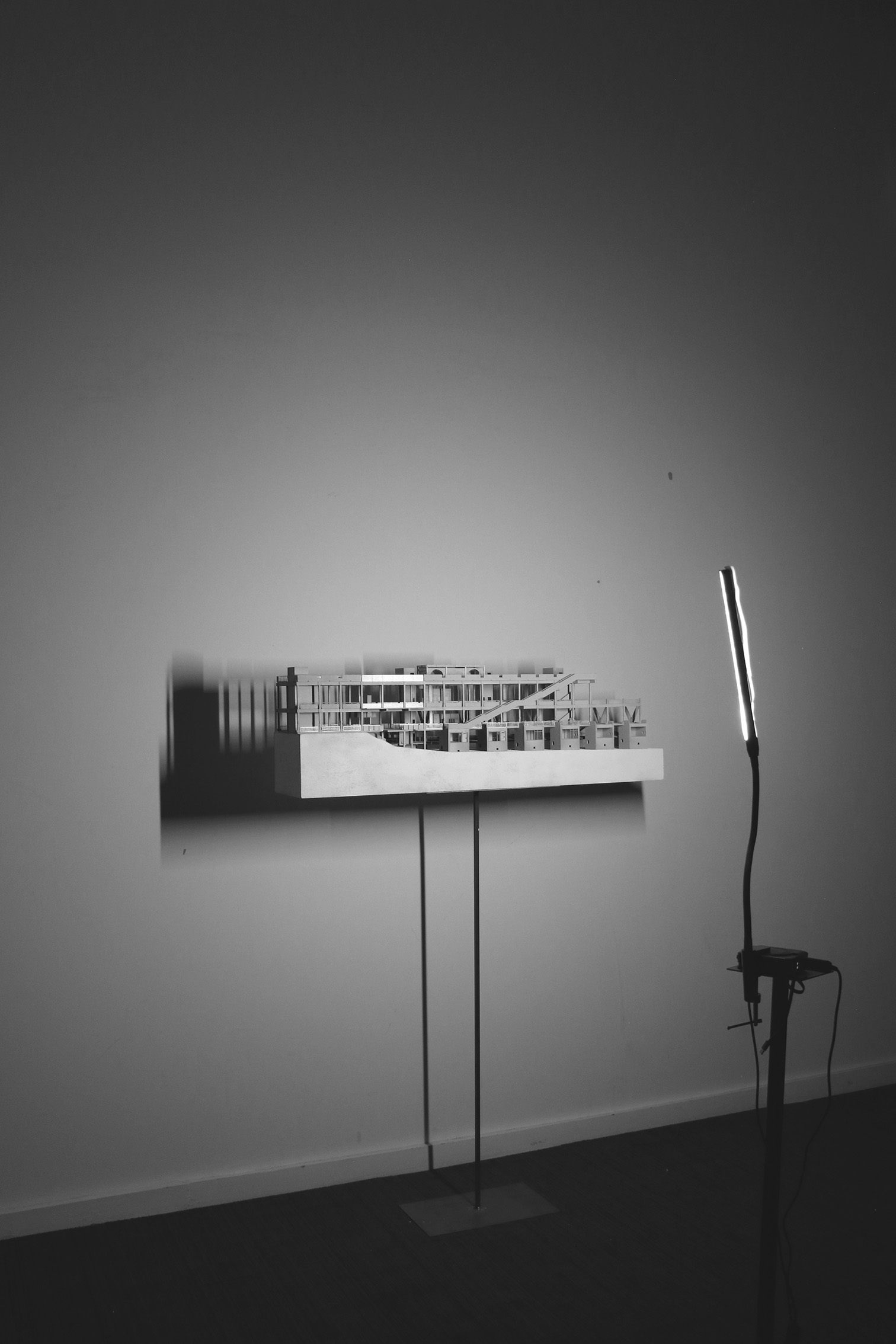
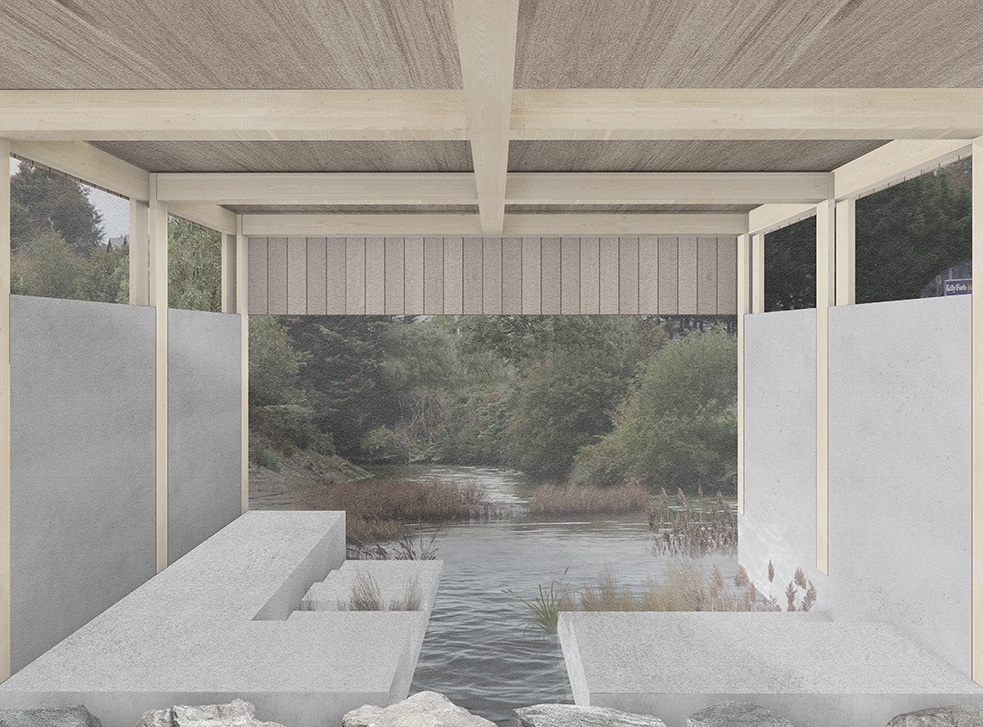
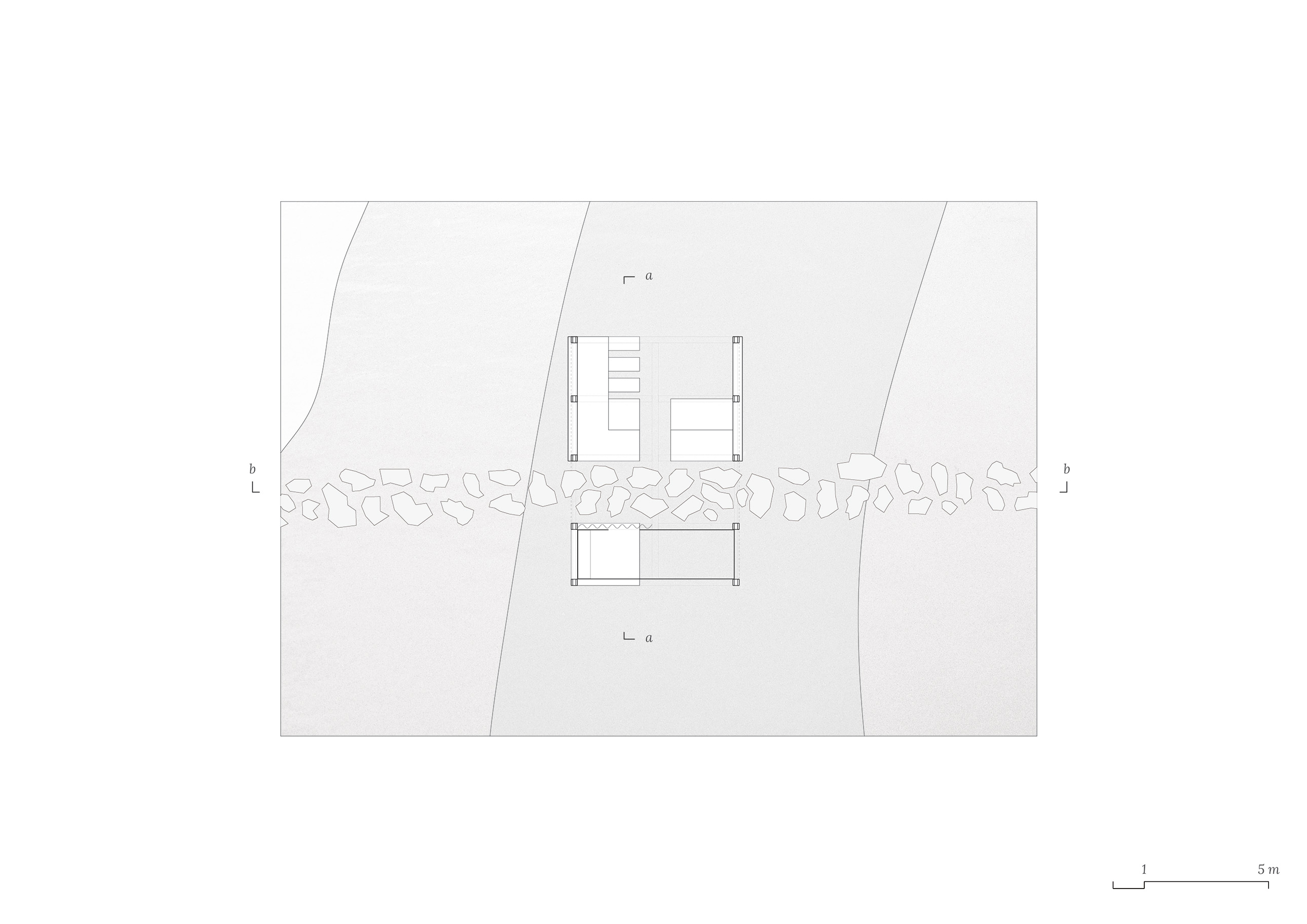
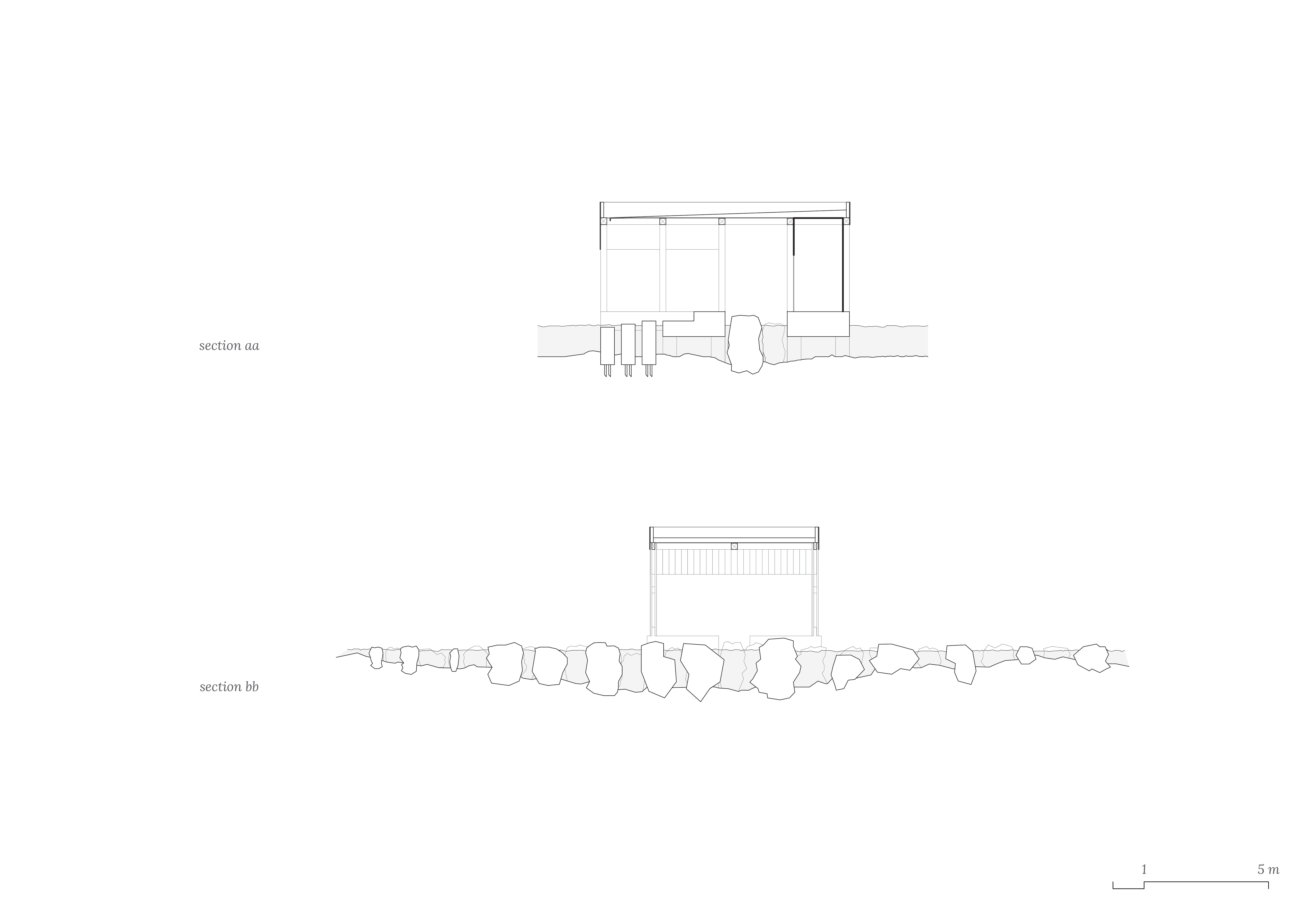
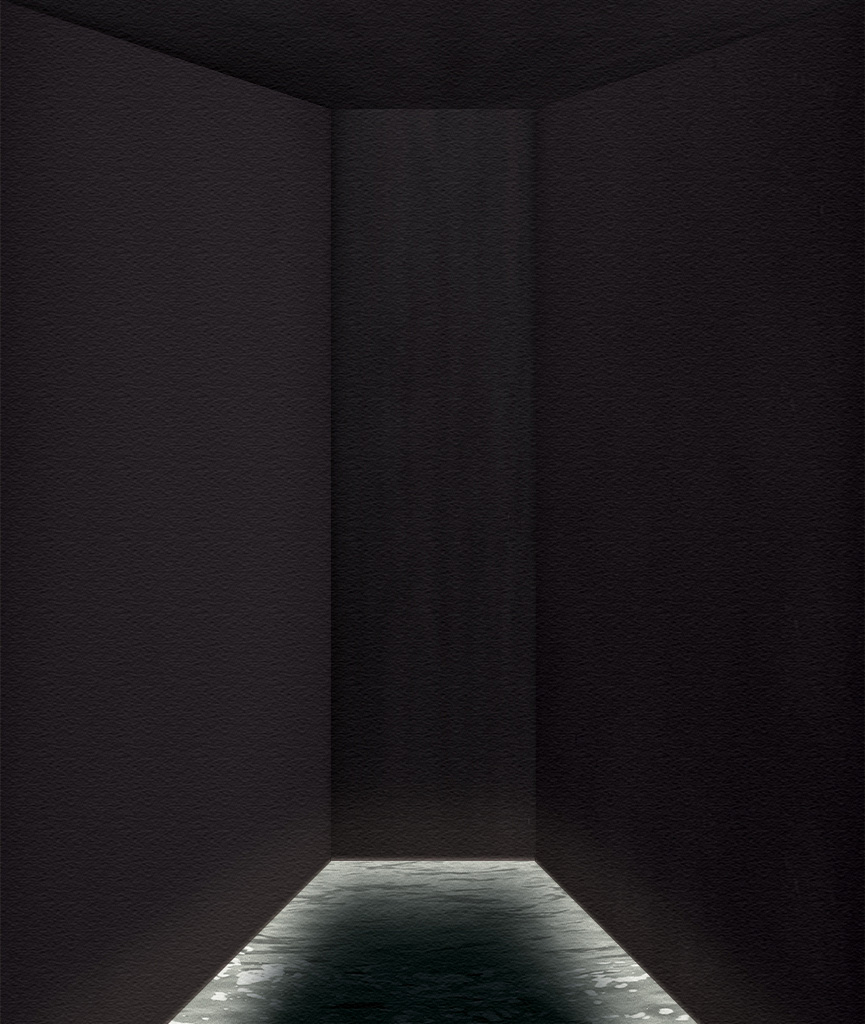
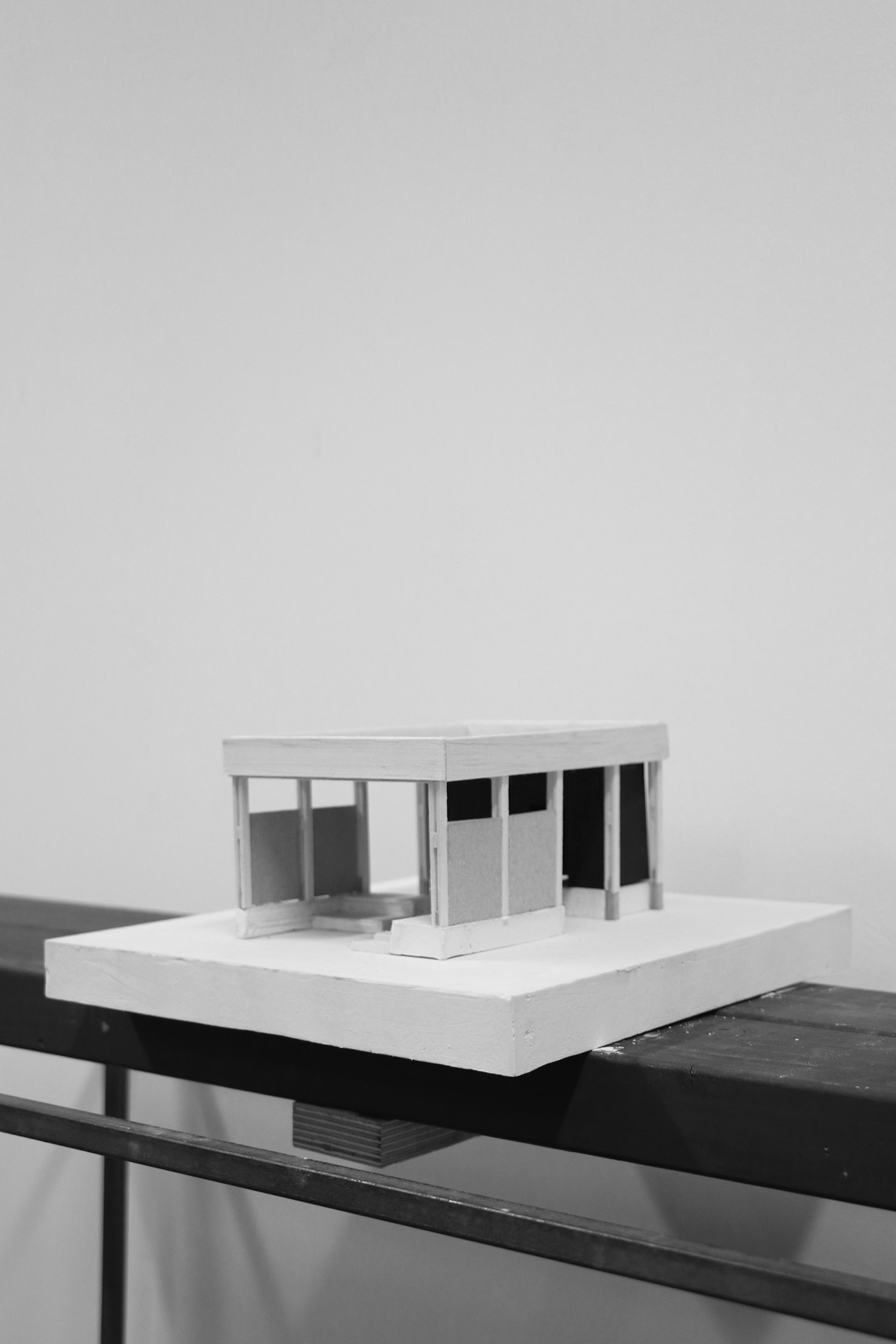
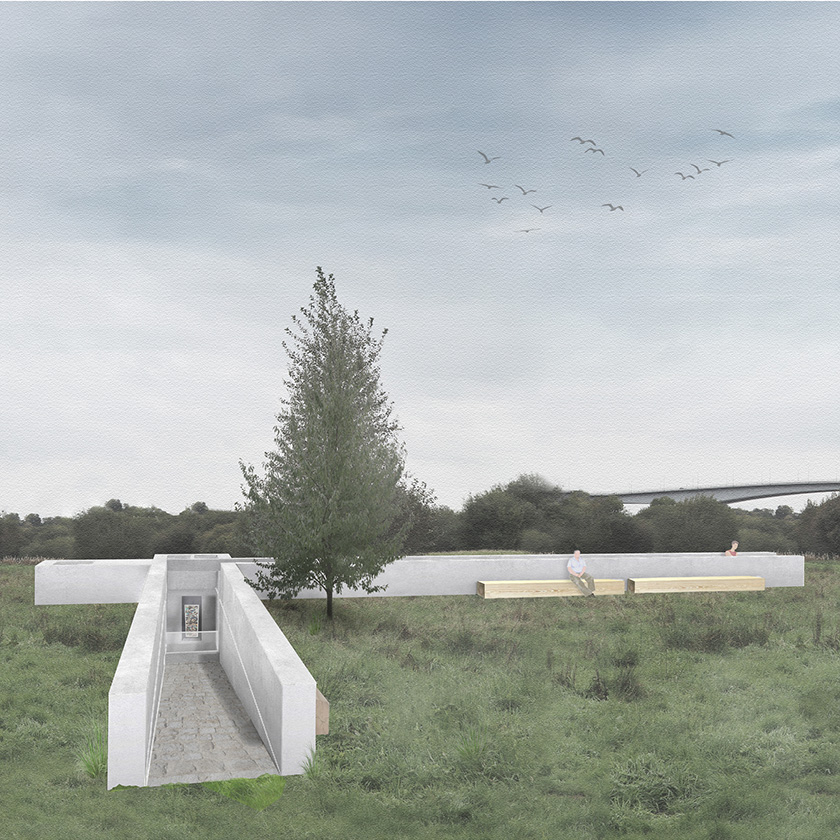
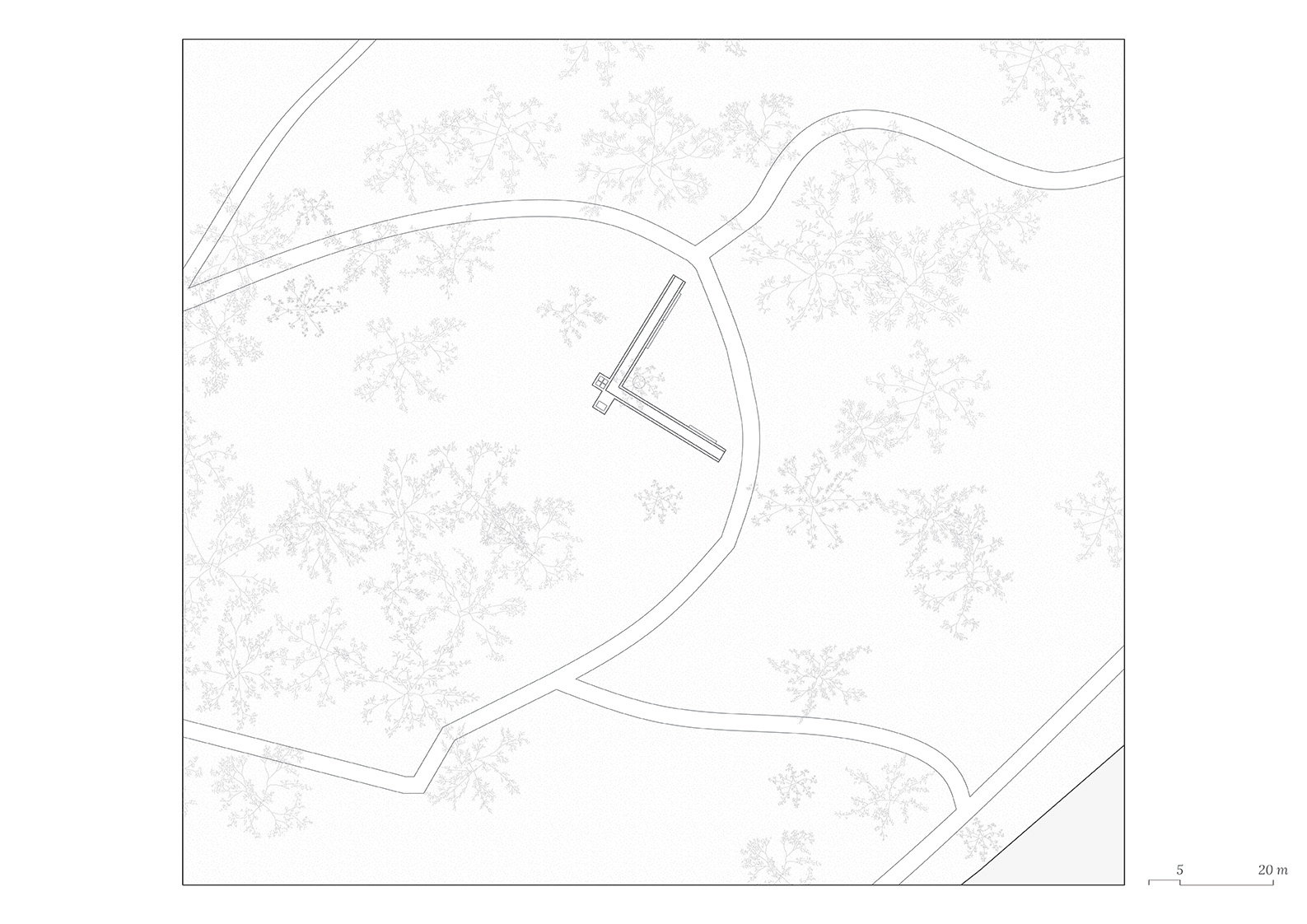
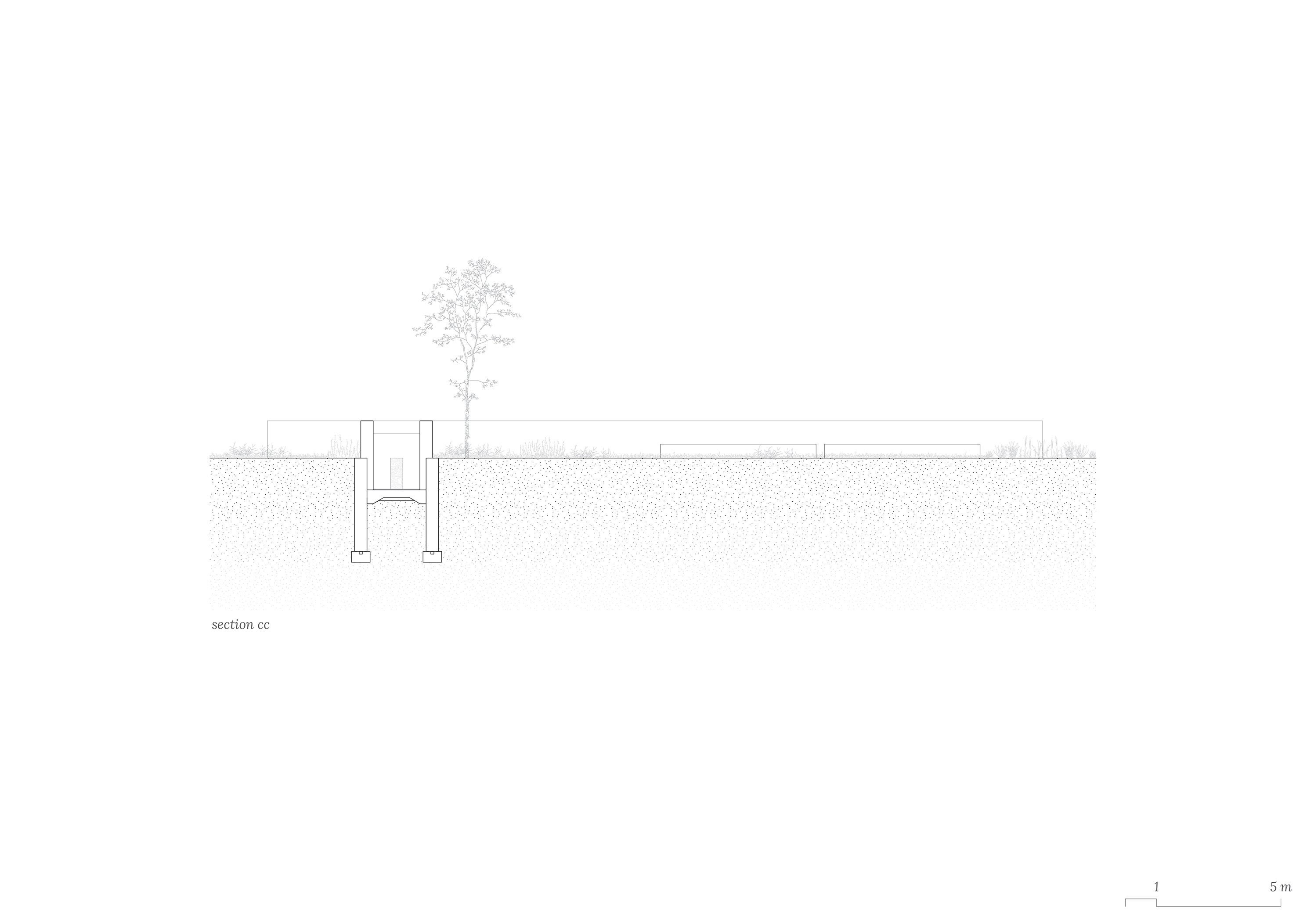
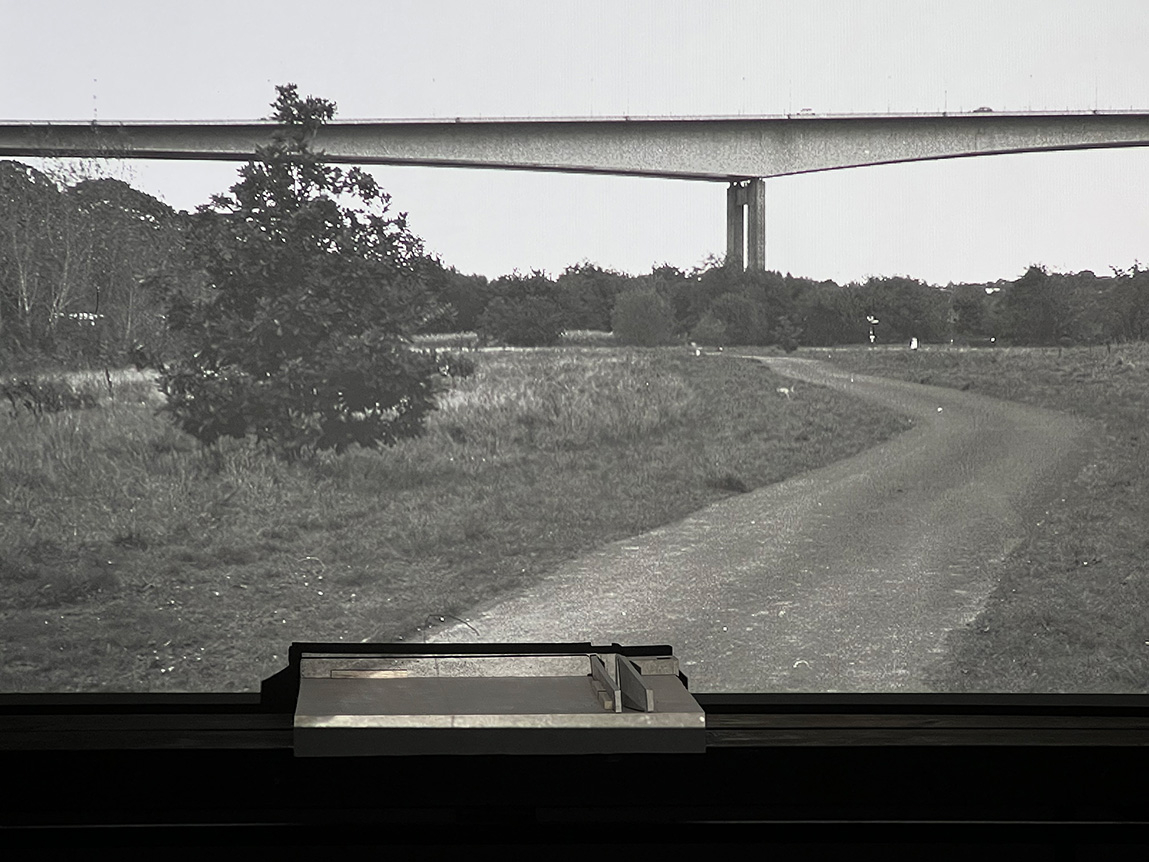
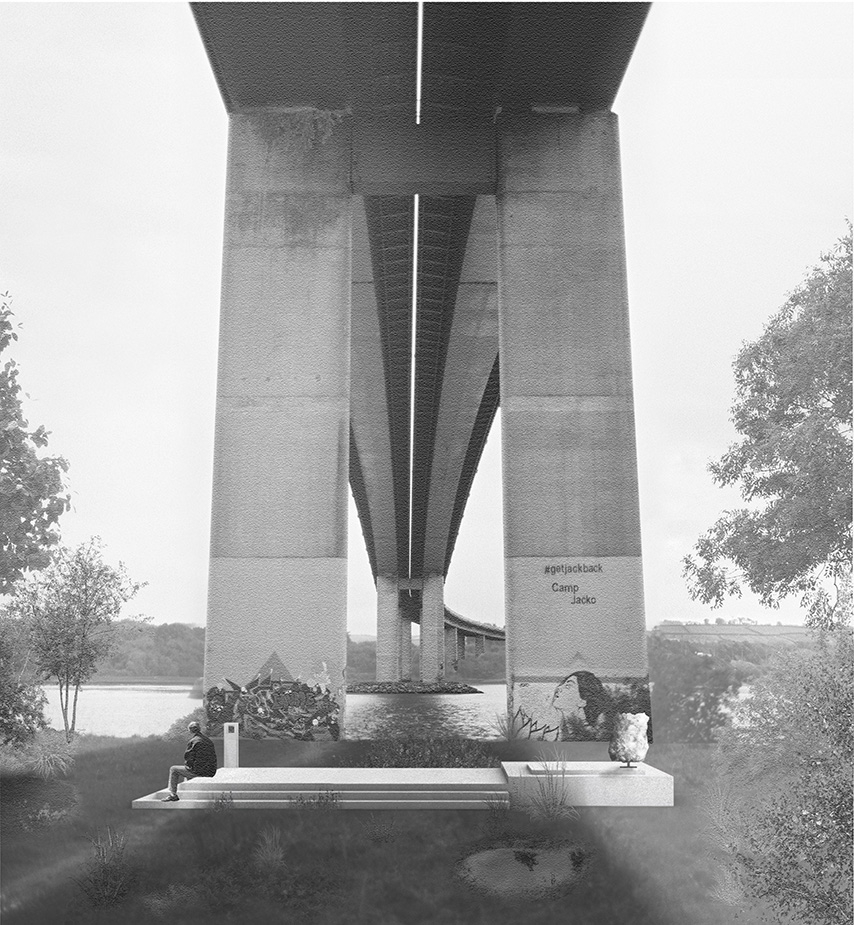
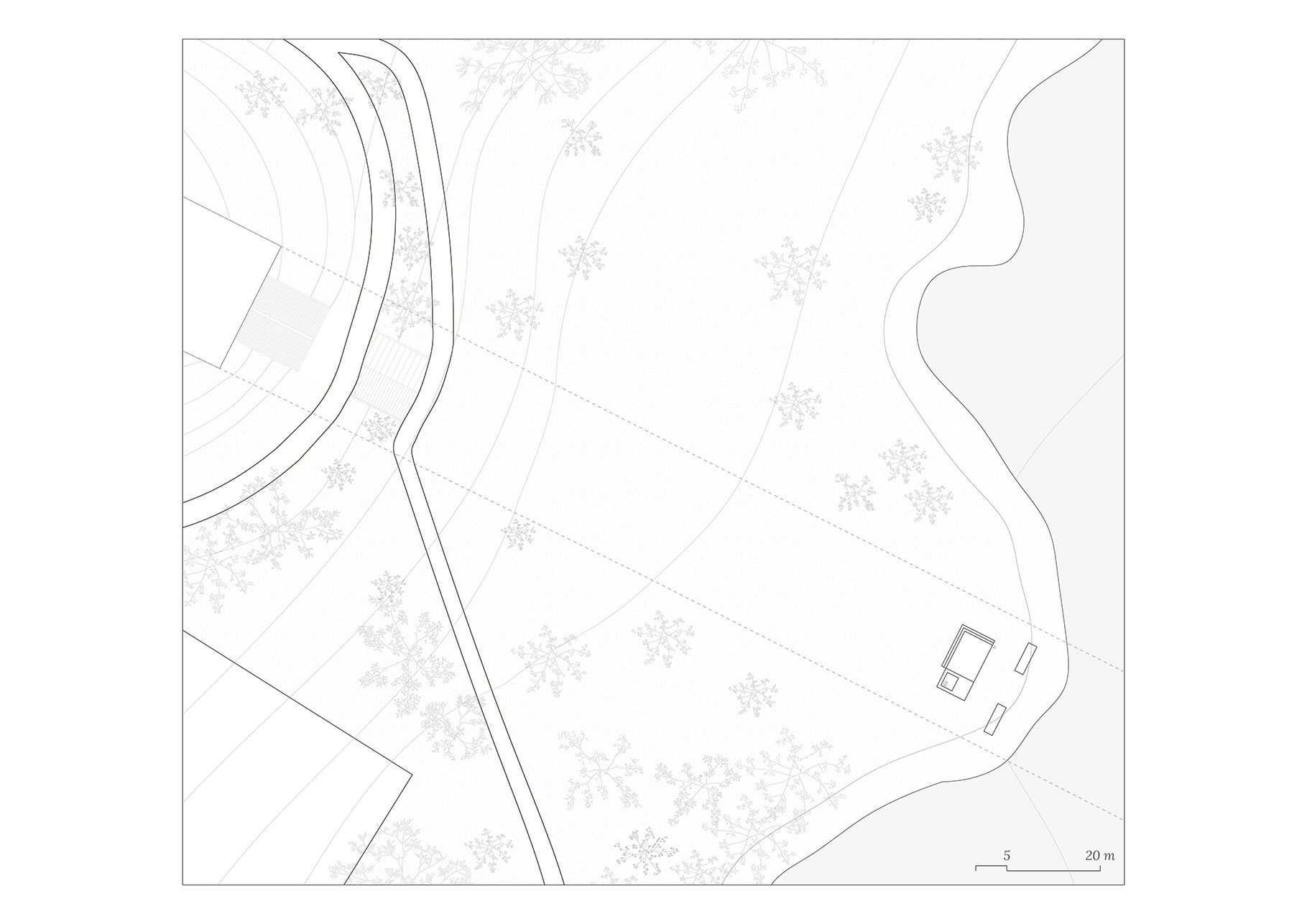
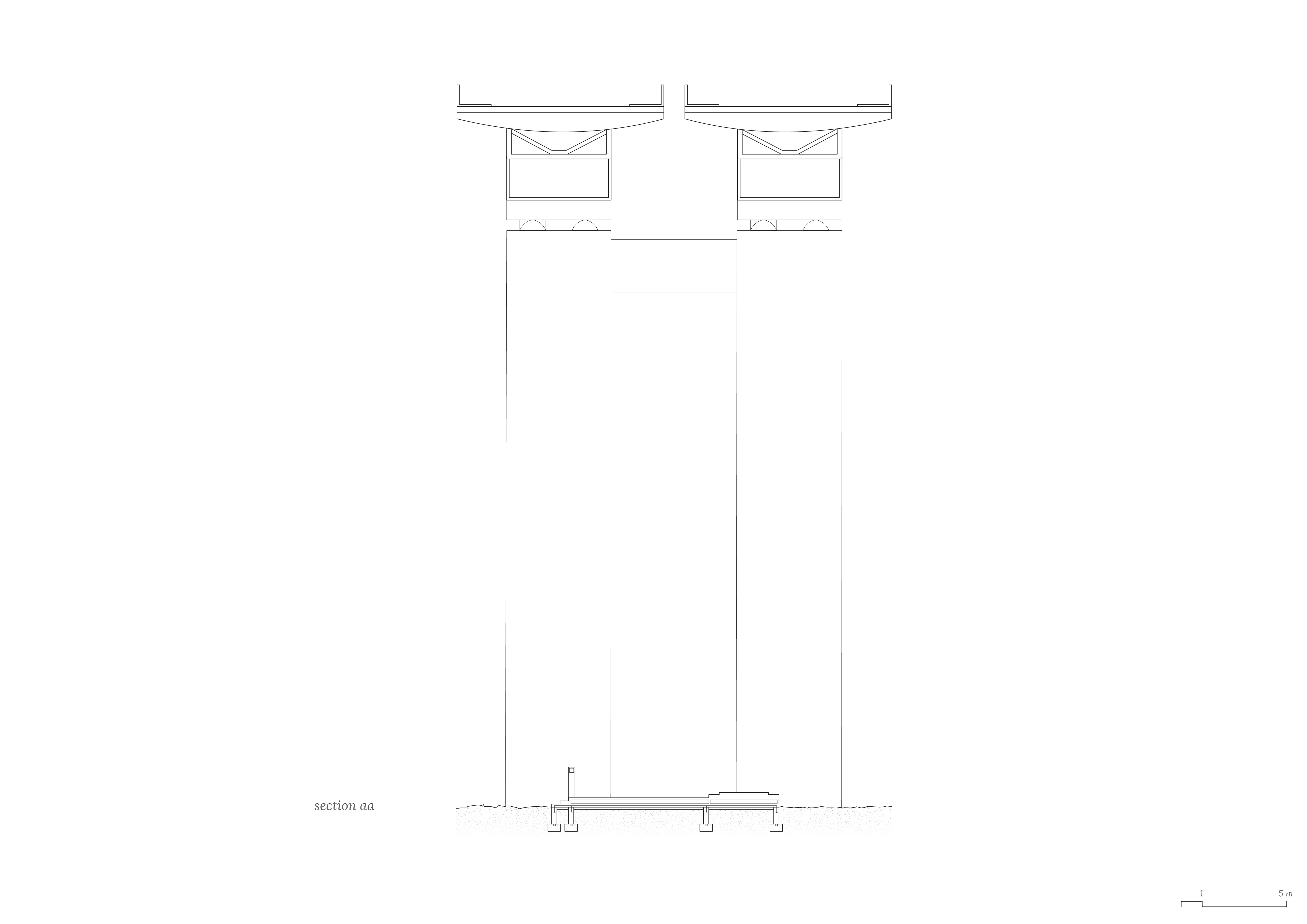
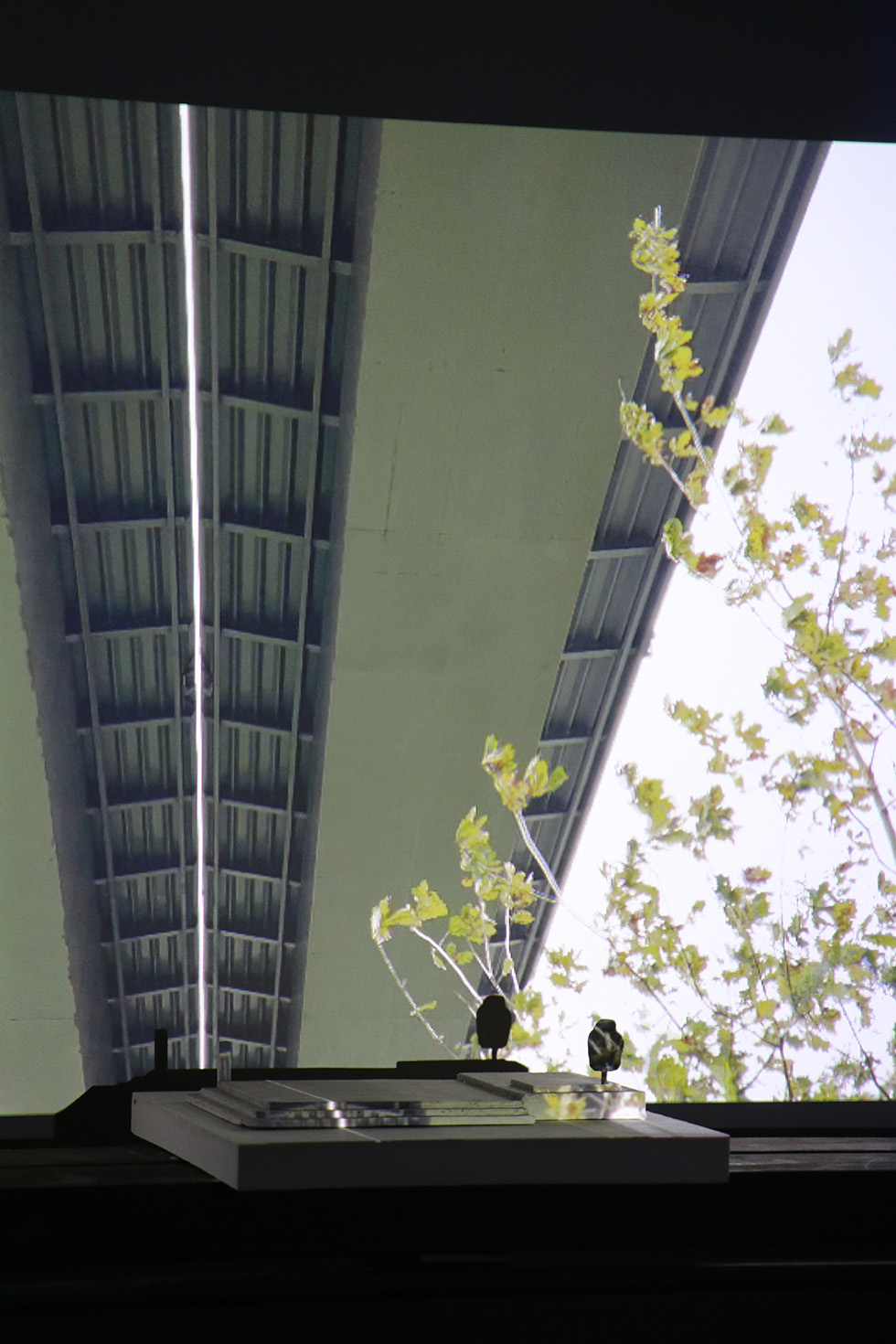
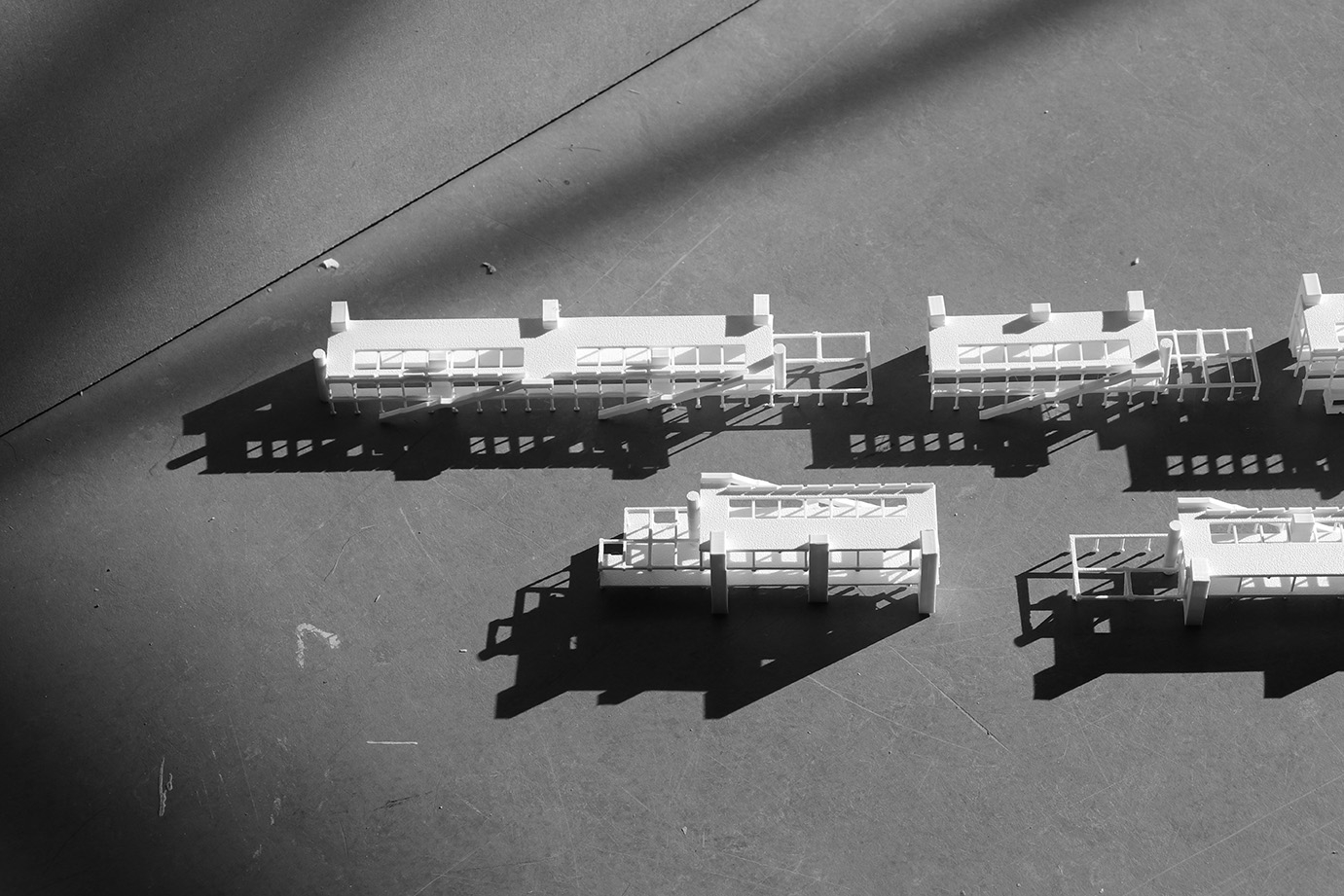
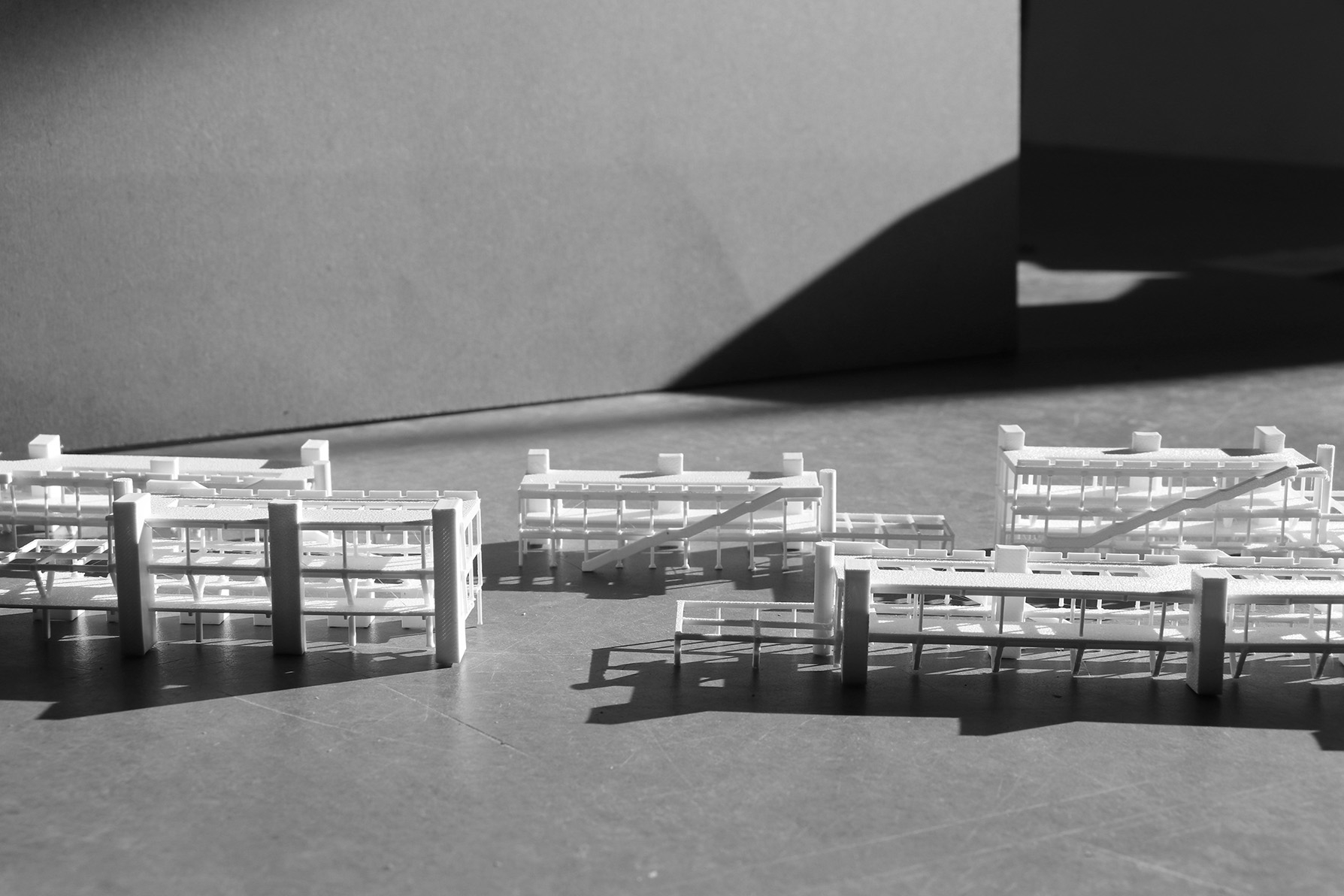
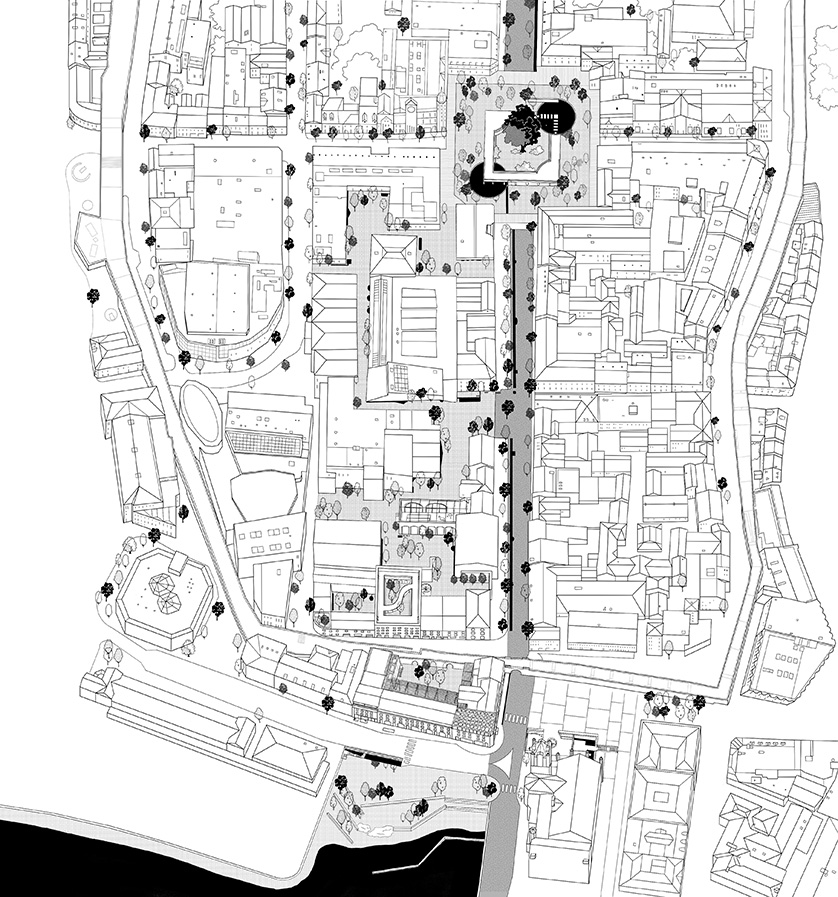
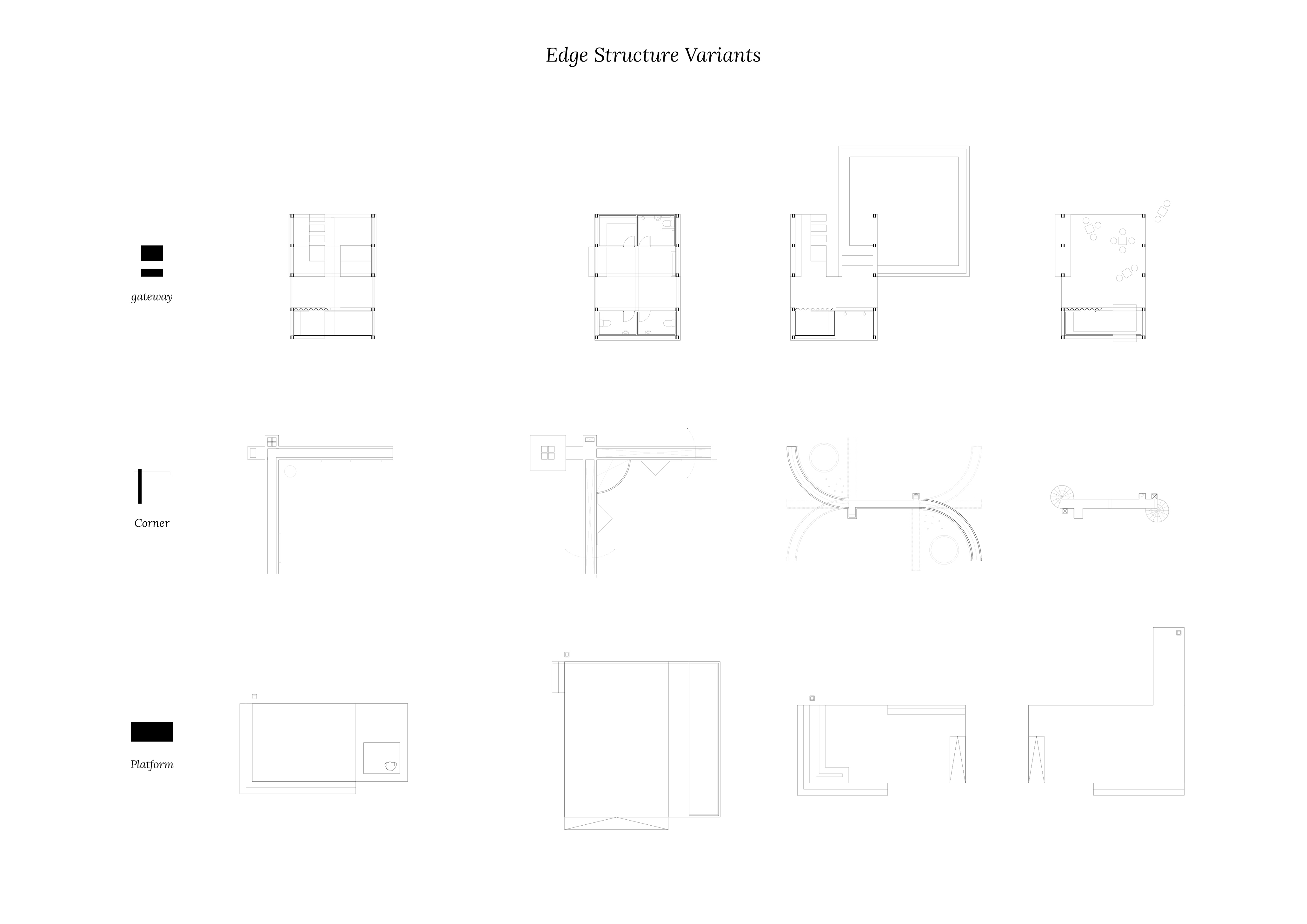
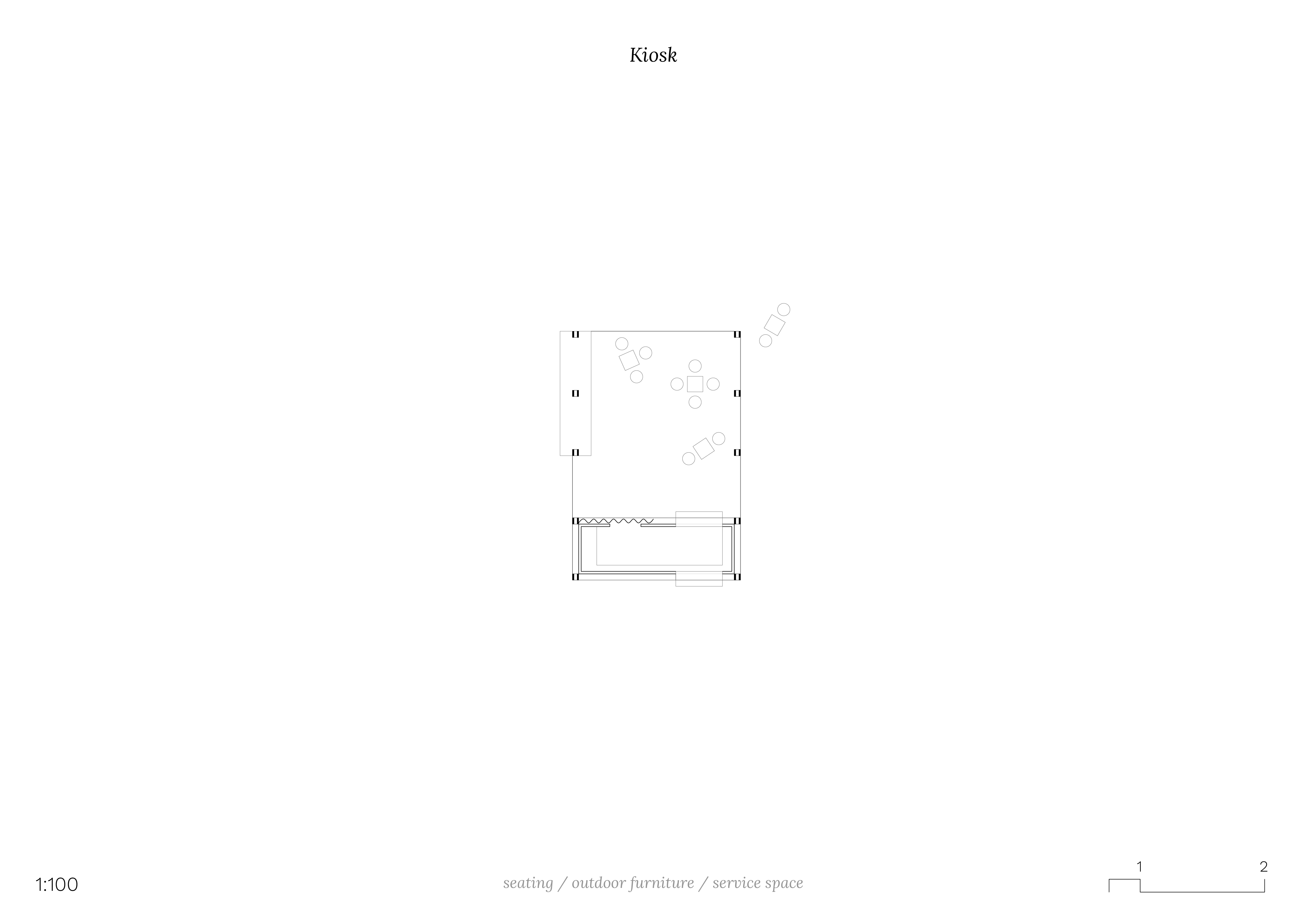
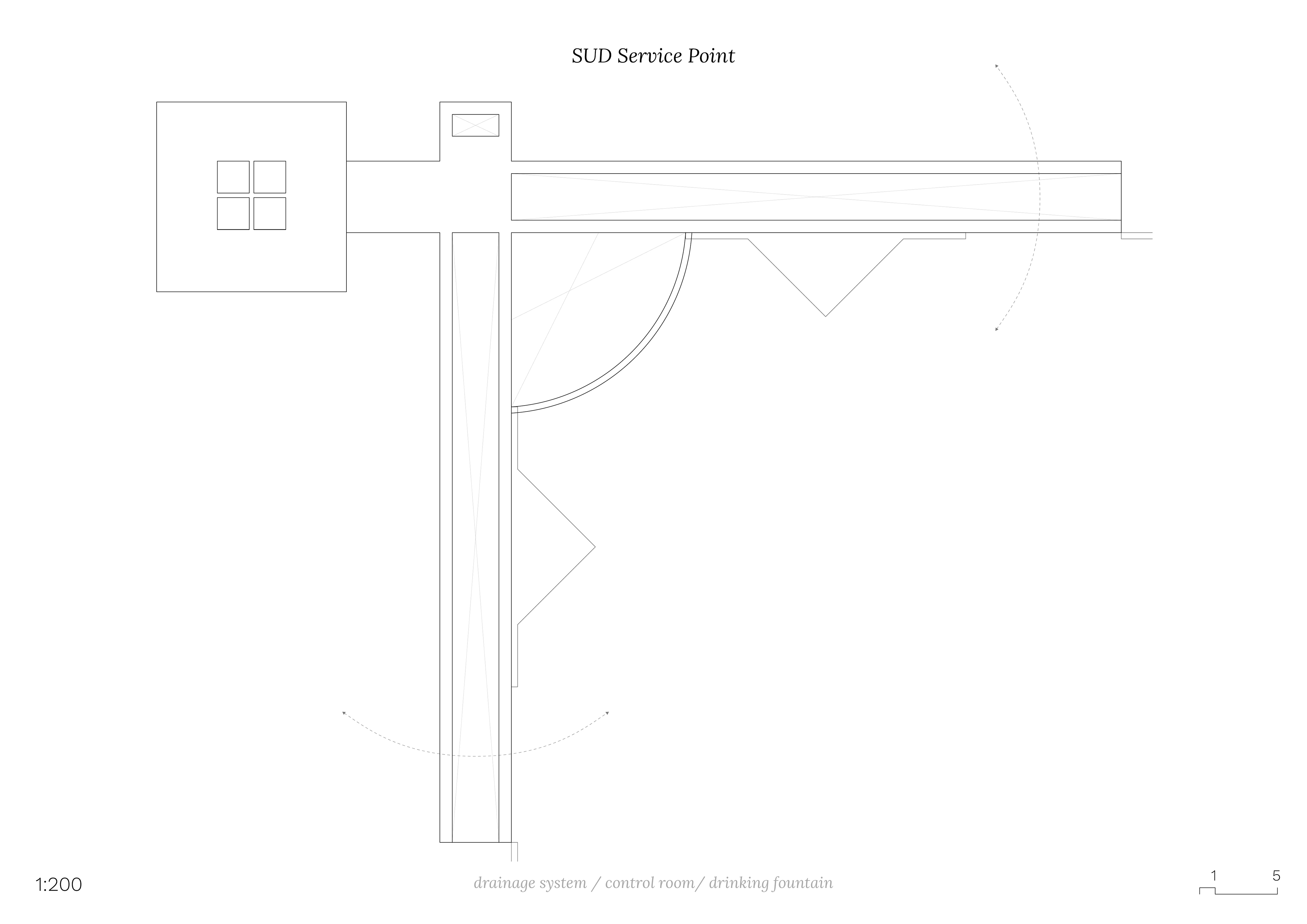
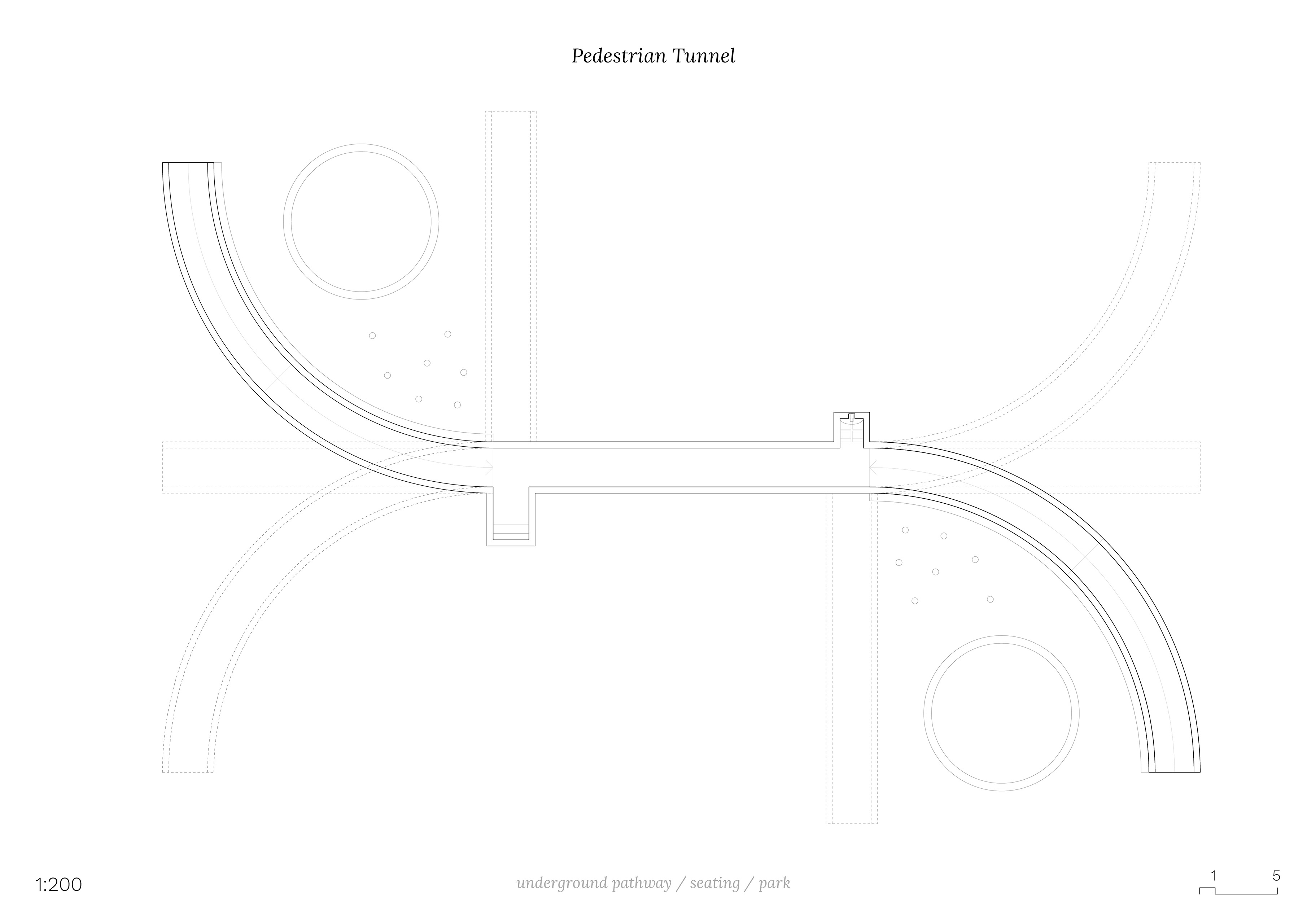
This thesis reimagines Derry as a resilient “duo-city,” defined by the tension between the historic Walled City and a newly proposed, discrete settlement designed to accommodate and care for its inhabitants. In the wake of civic erosion, spatial segregation, and persistent mental health struggles—etched into the River Foyle’s high suicide rates—Derry’s traumatic legacy remains deeply embedded in its urban fabric. In response, this project explores how built edges can be softened to foster a more empathetic co-existence with nature—distilling its ecological atmosphere to create spaces for healing, contemplation, relaxation, and interaction.
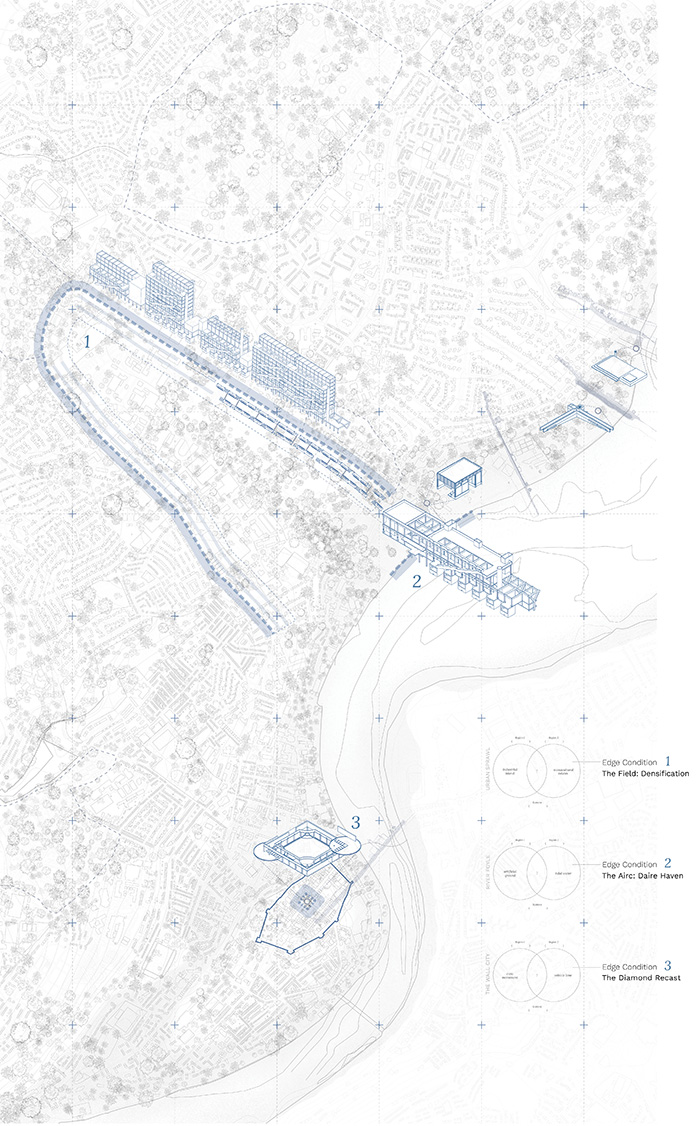
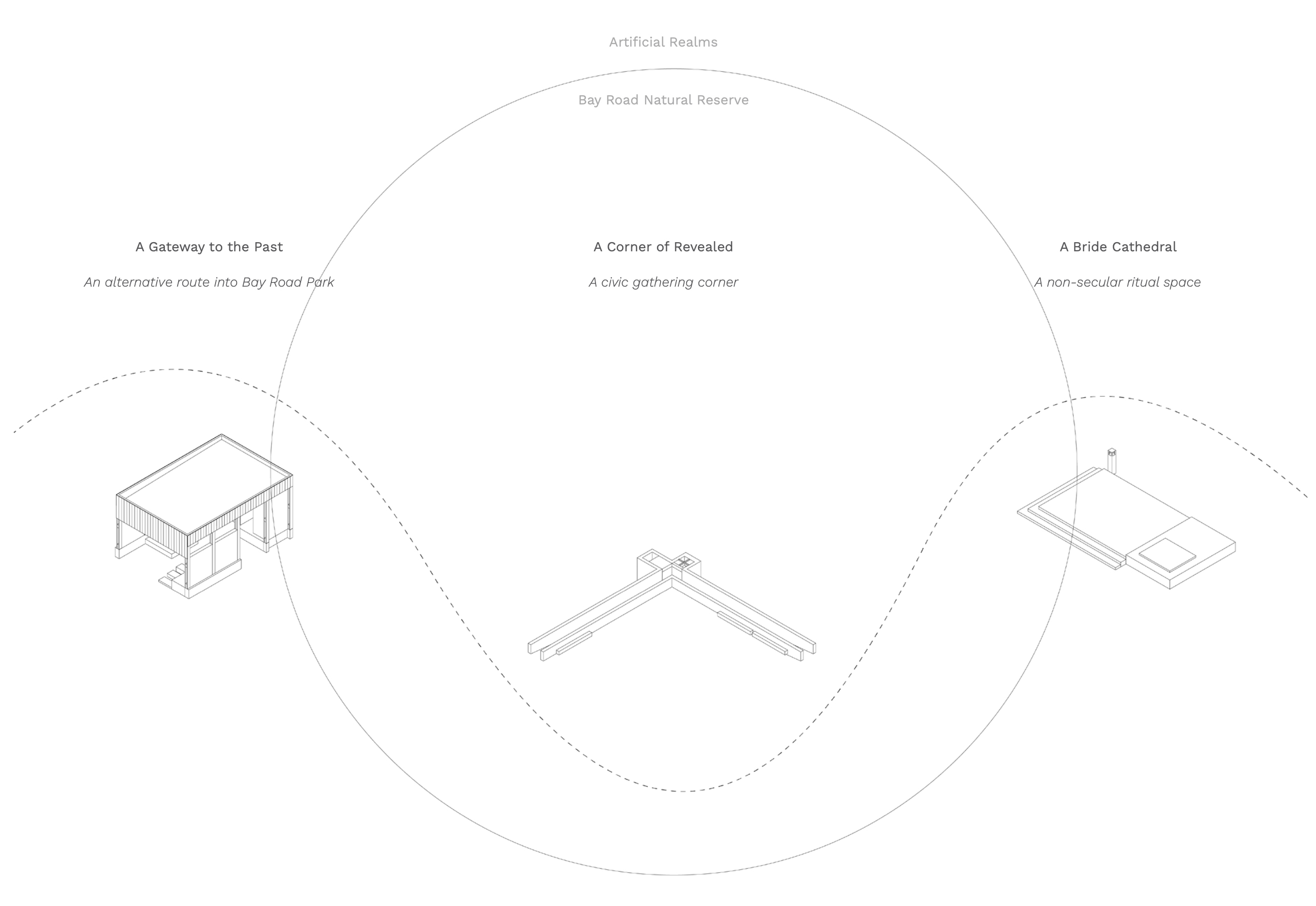
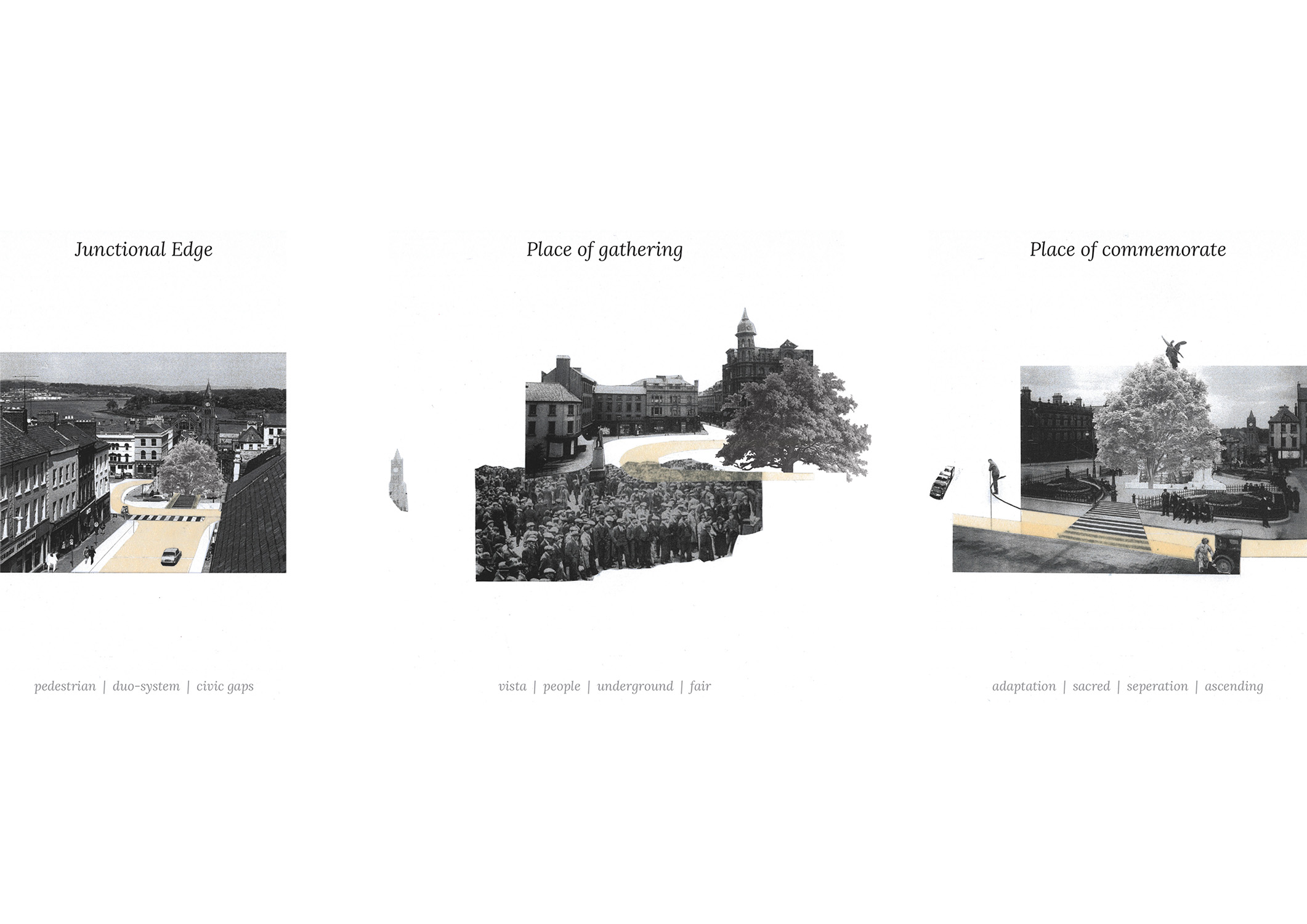
Three key sites are examined and addressed through architectural interventions operating across multiple timescales. Each reflects a rupture in Derry’s socio-spatial landscape—and a latent potential for repair.
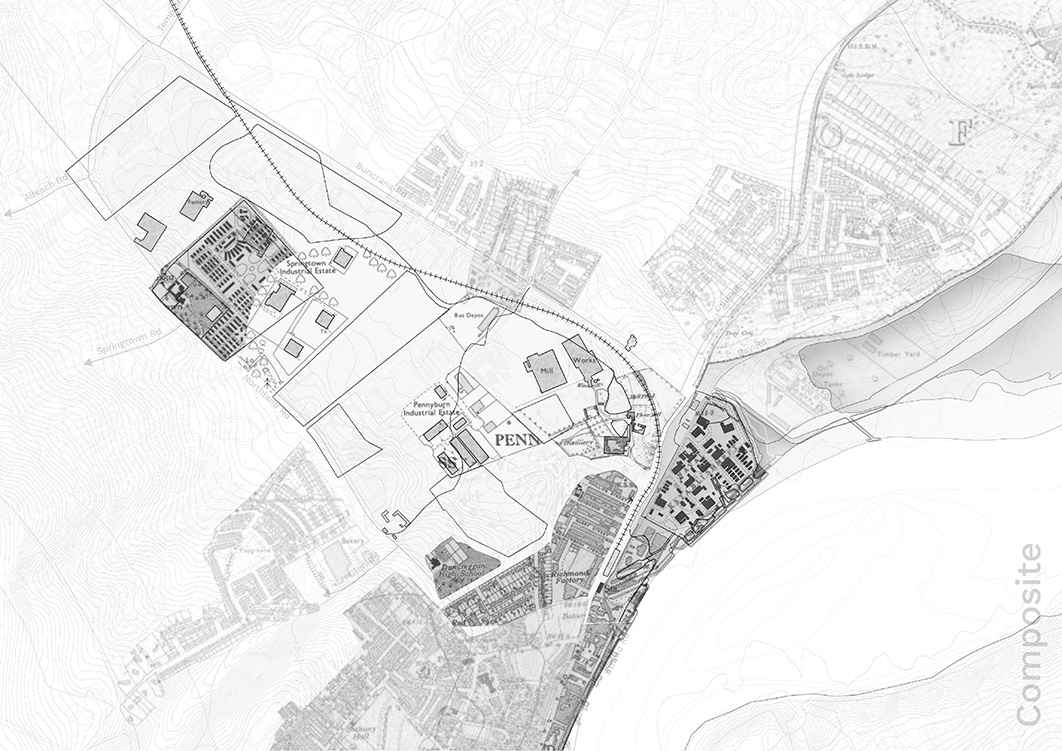
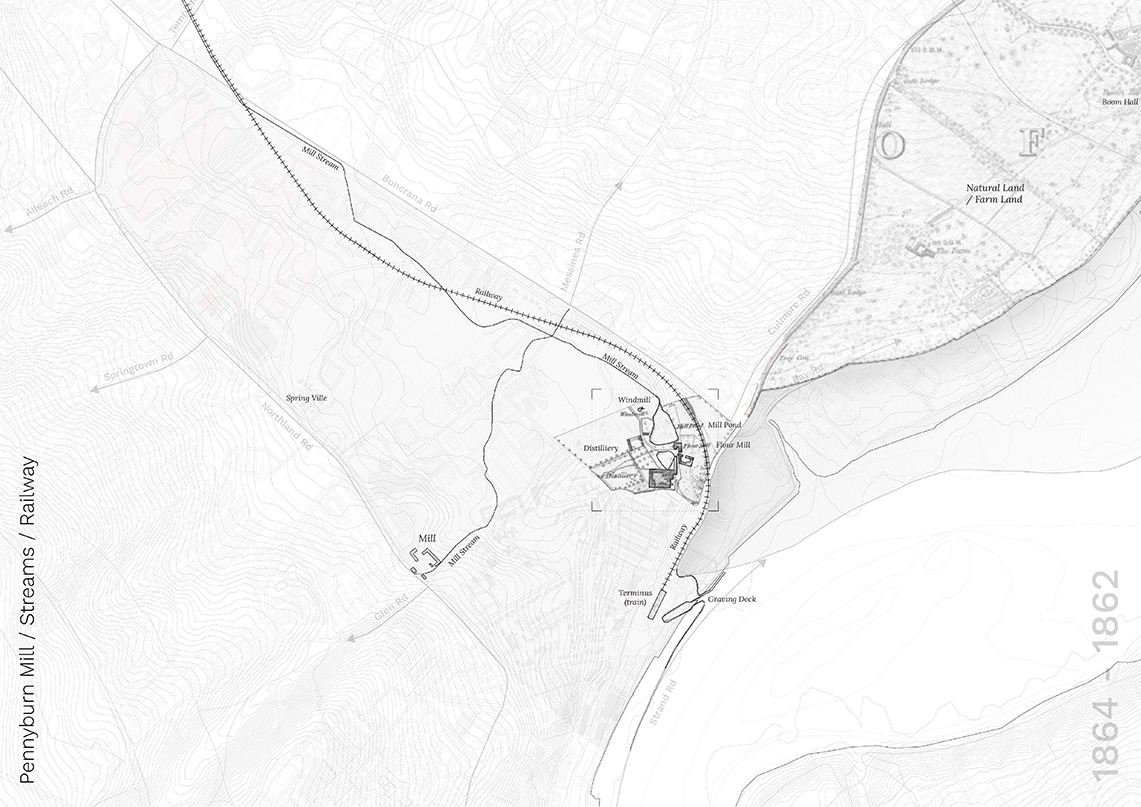
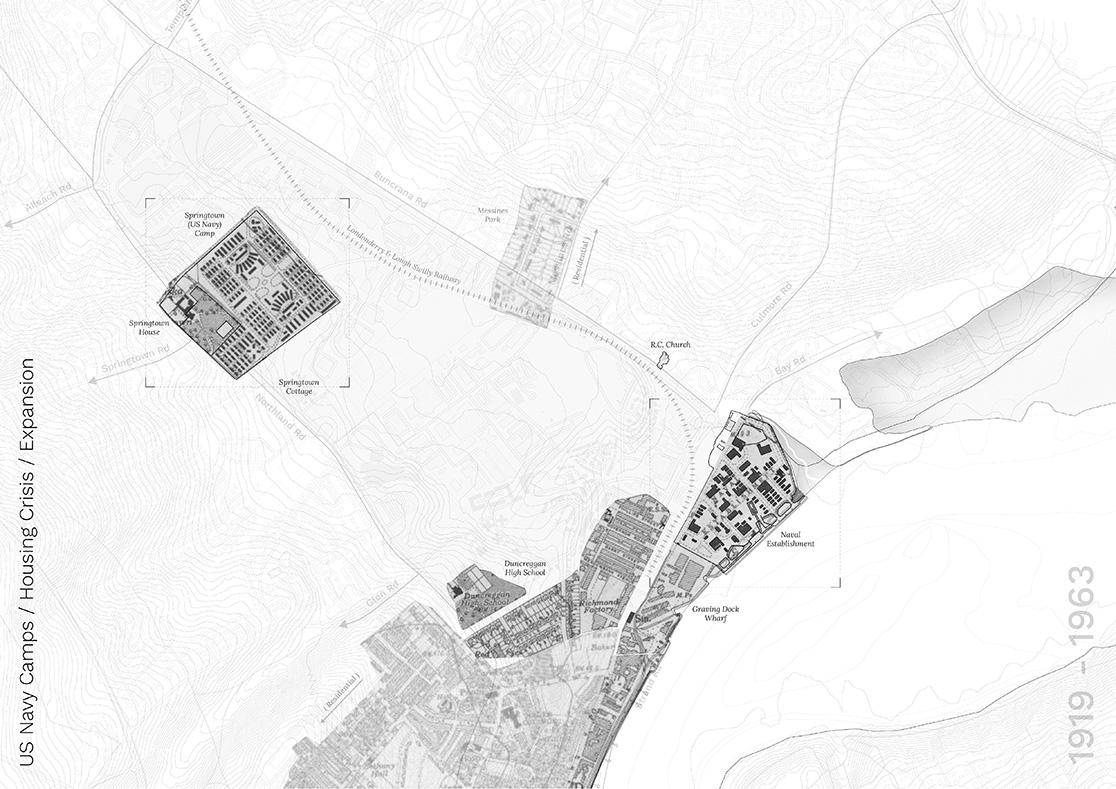
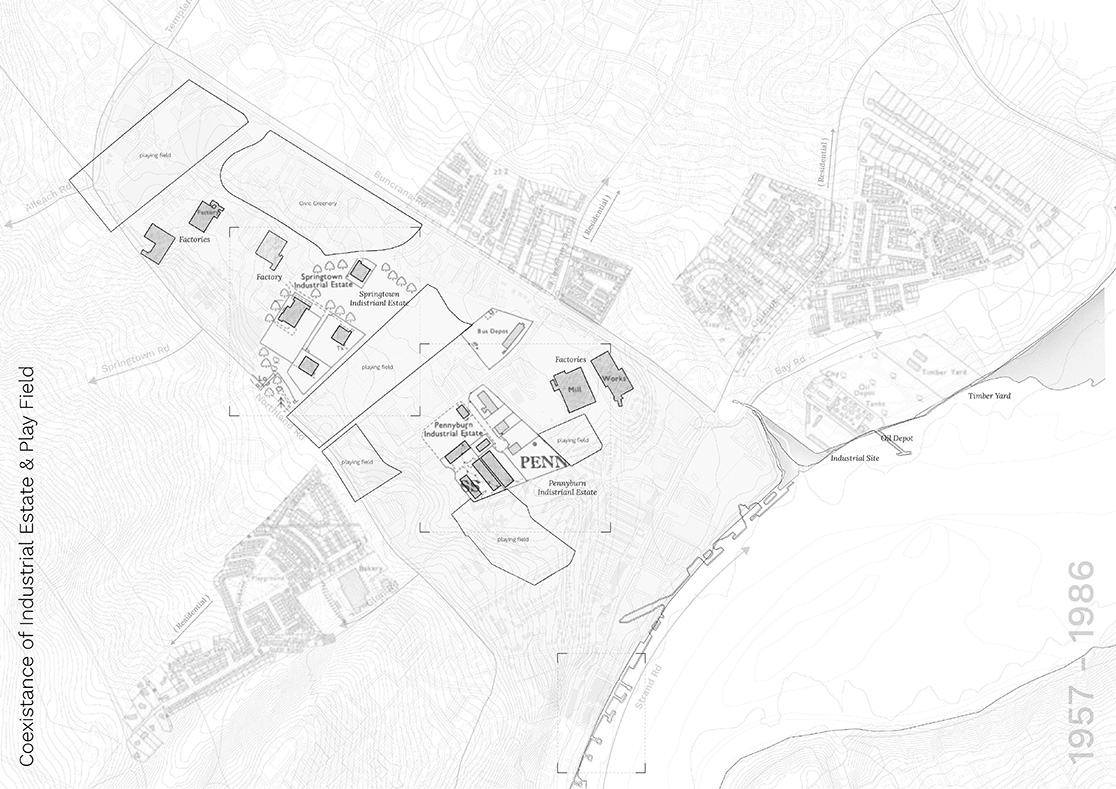
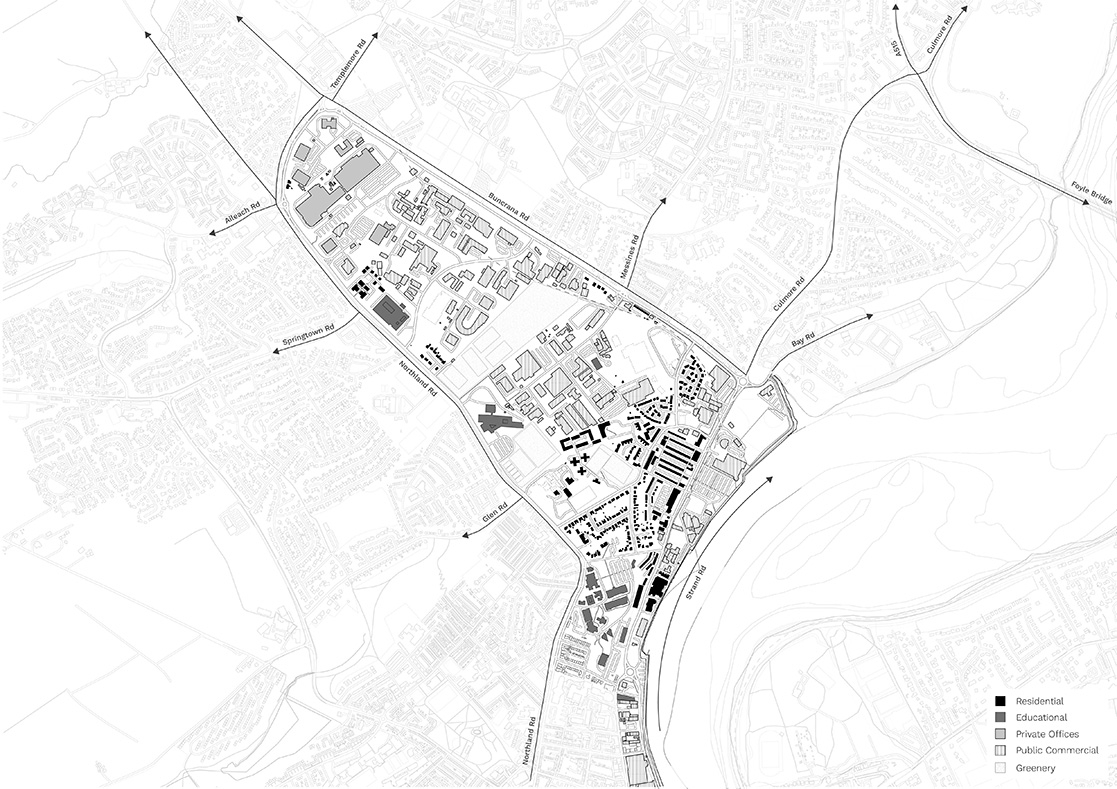
At Pennyburn, a compact city model is introduced within a post-industrial void, countering monocultural housing estates and reintegrating natural spaces to foster denser, more connected communities.
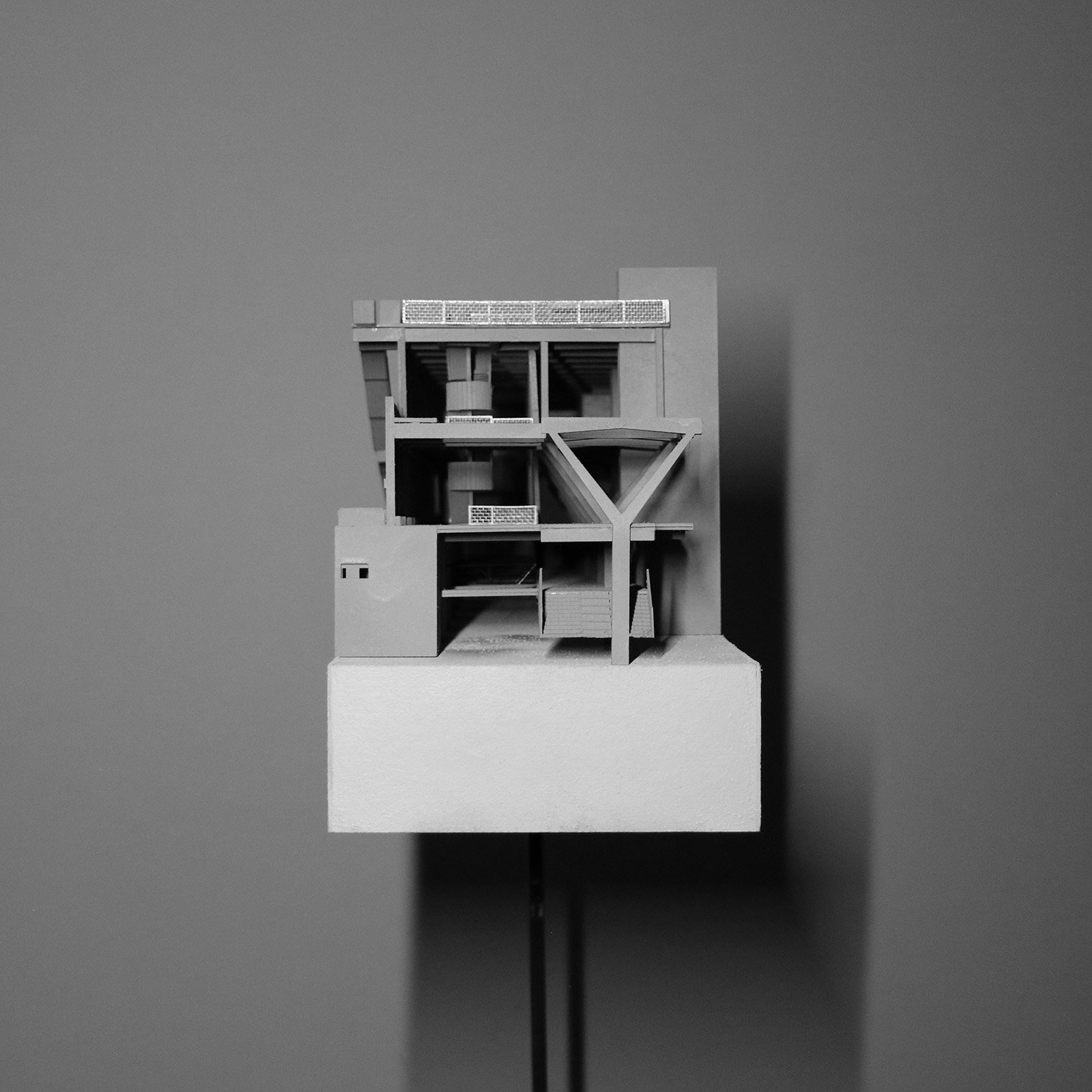
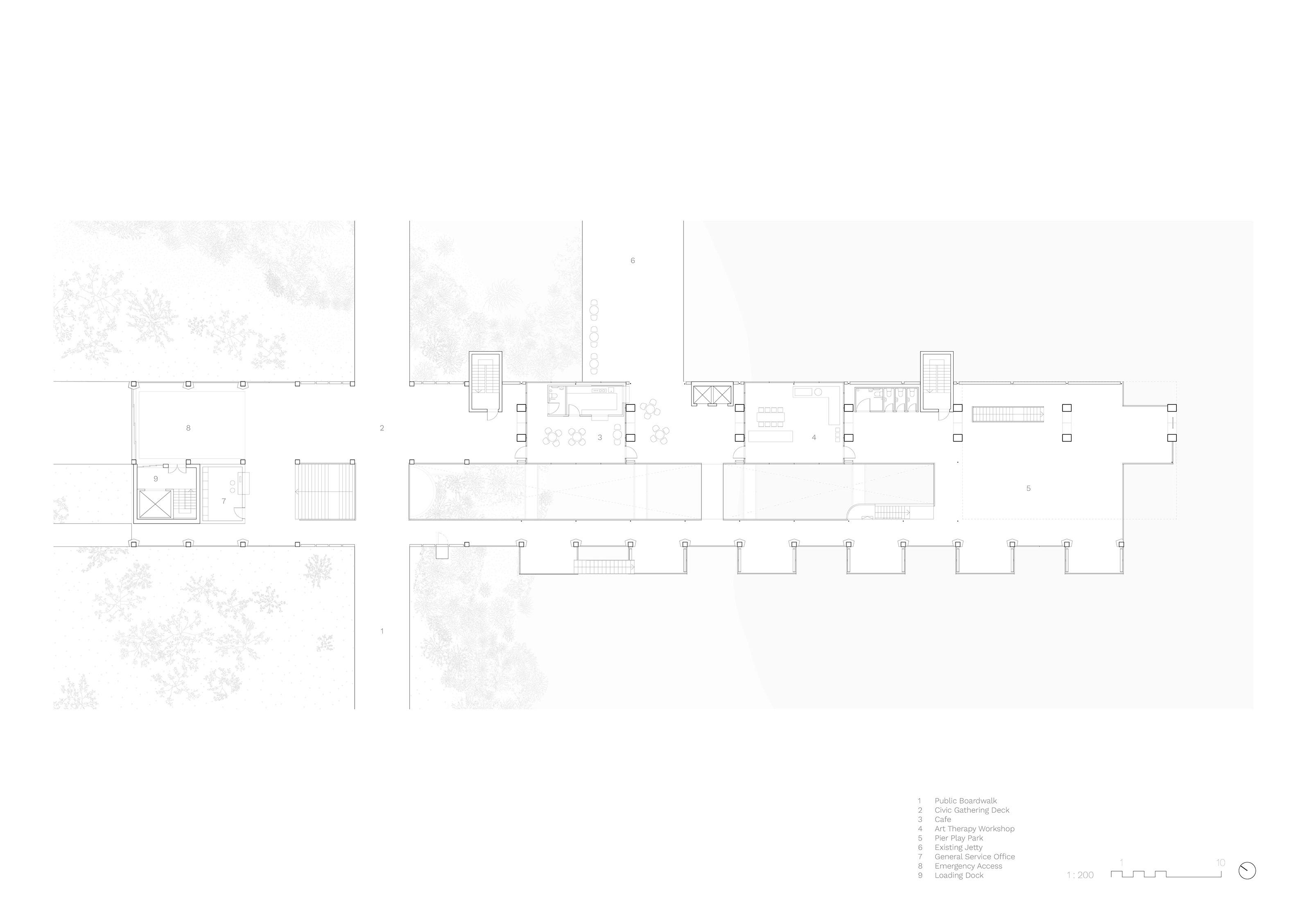
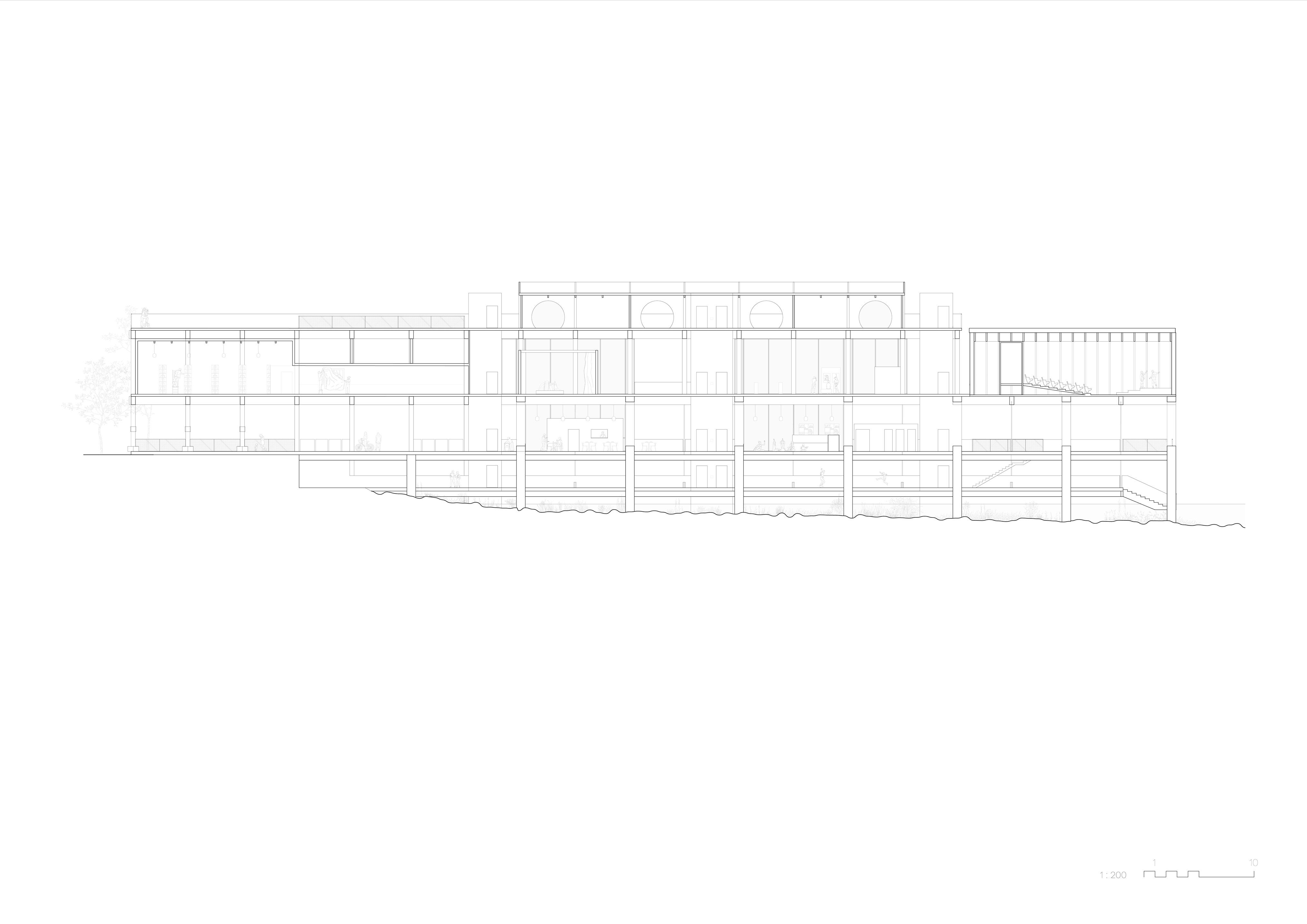
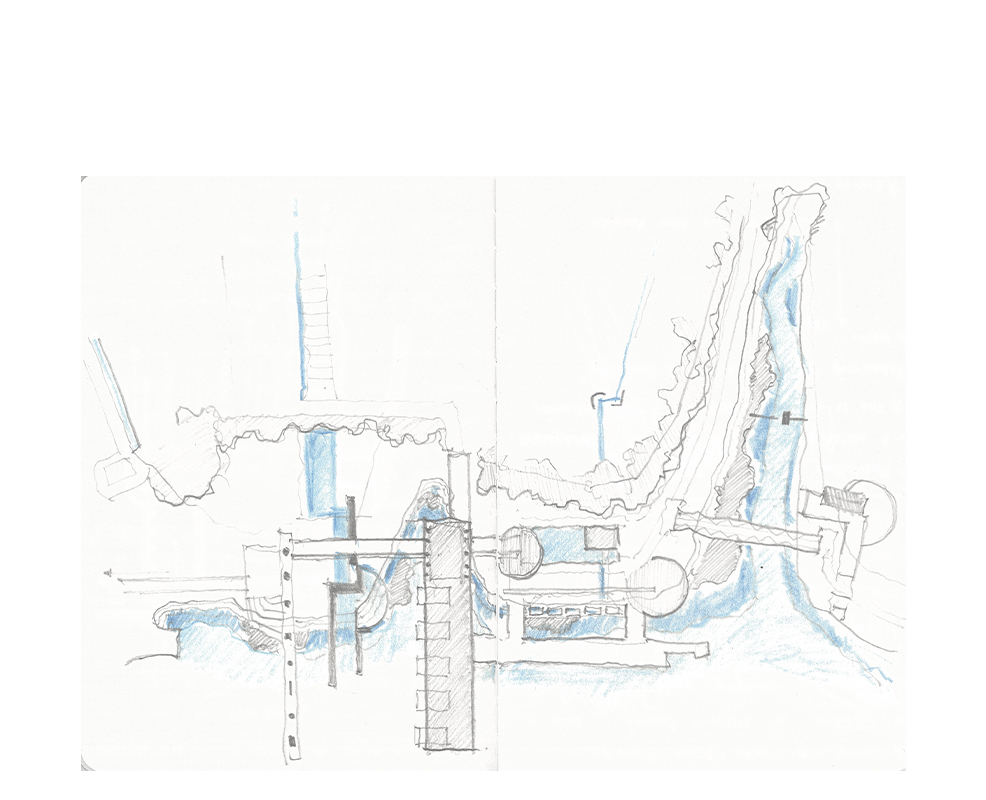
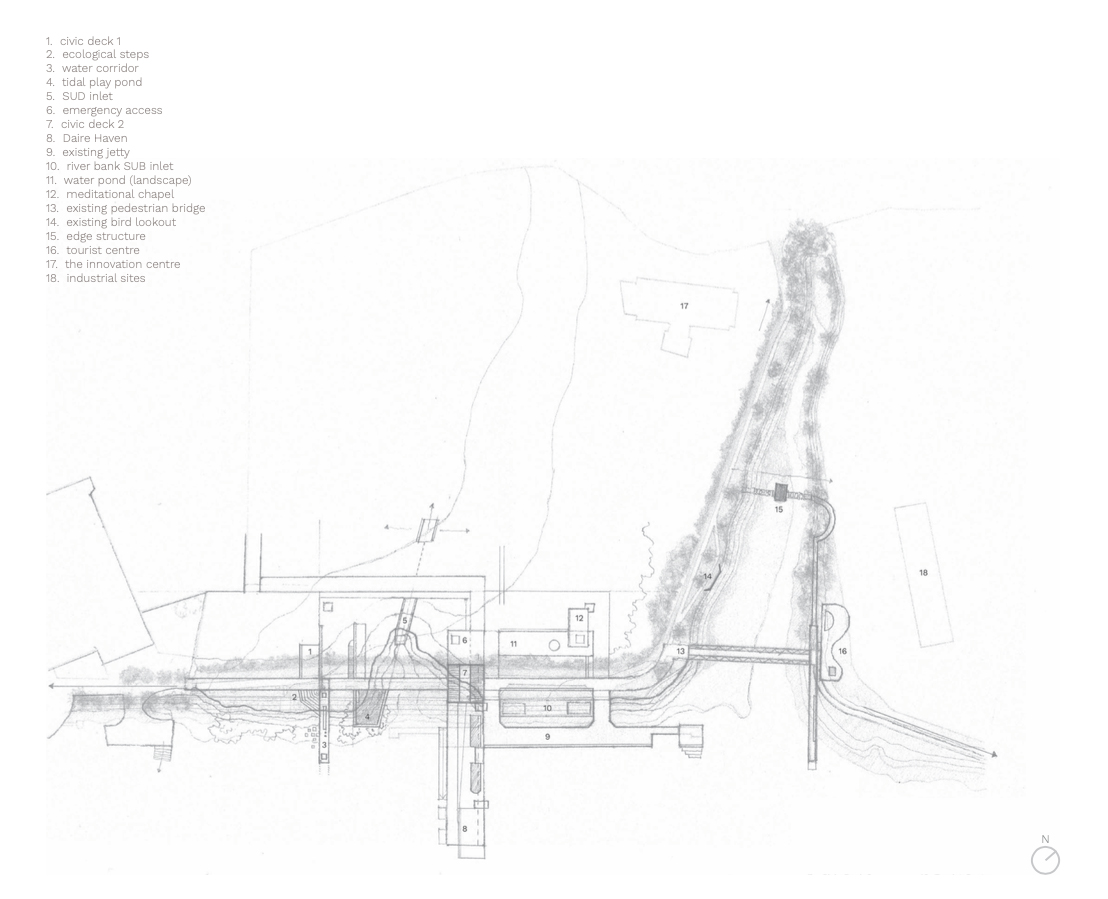
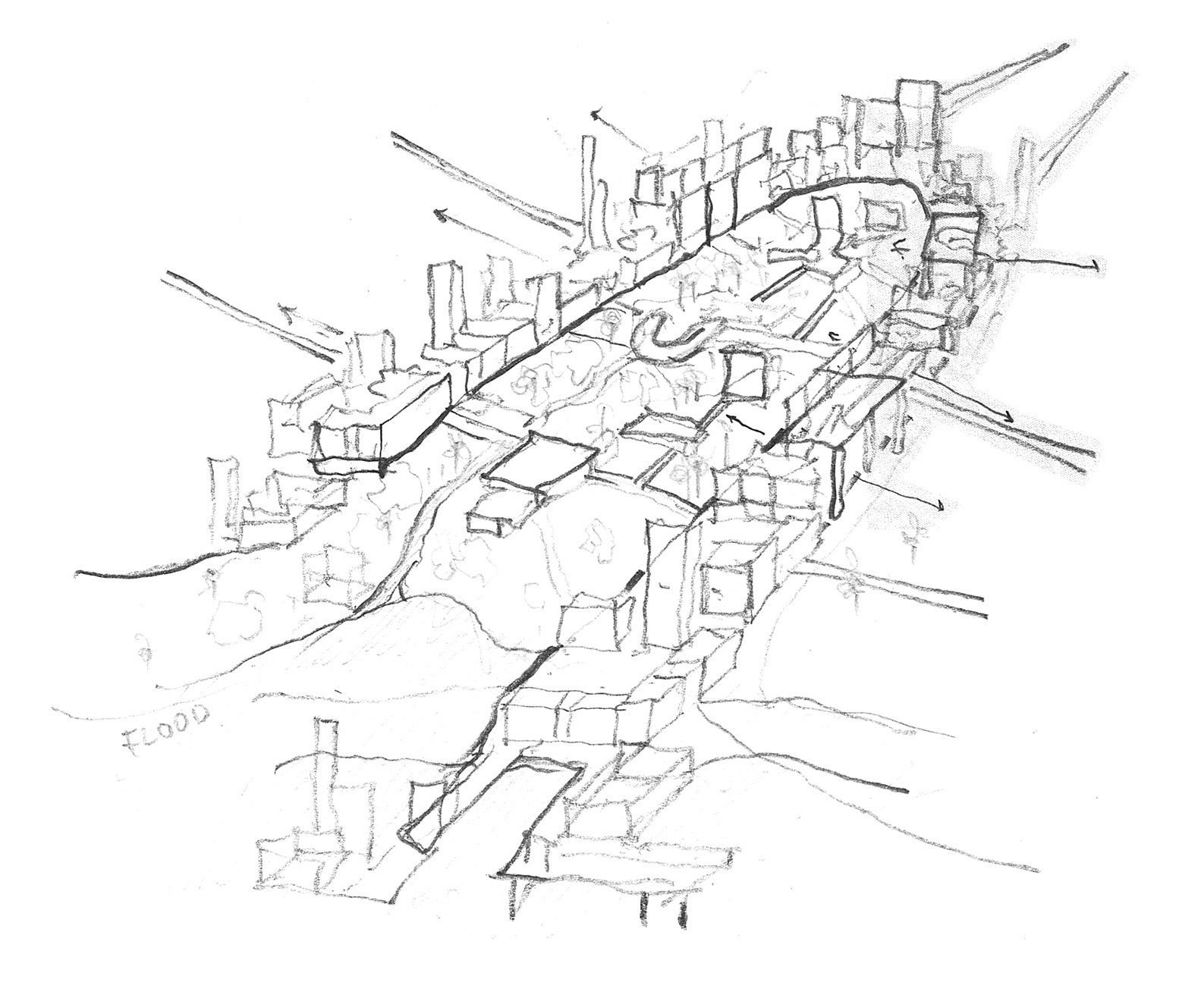
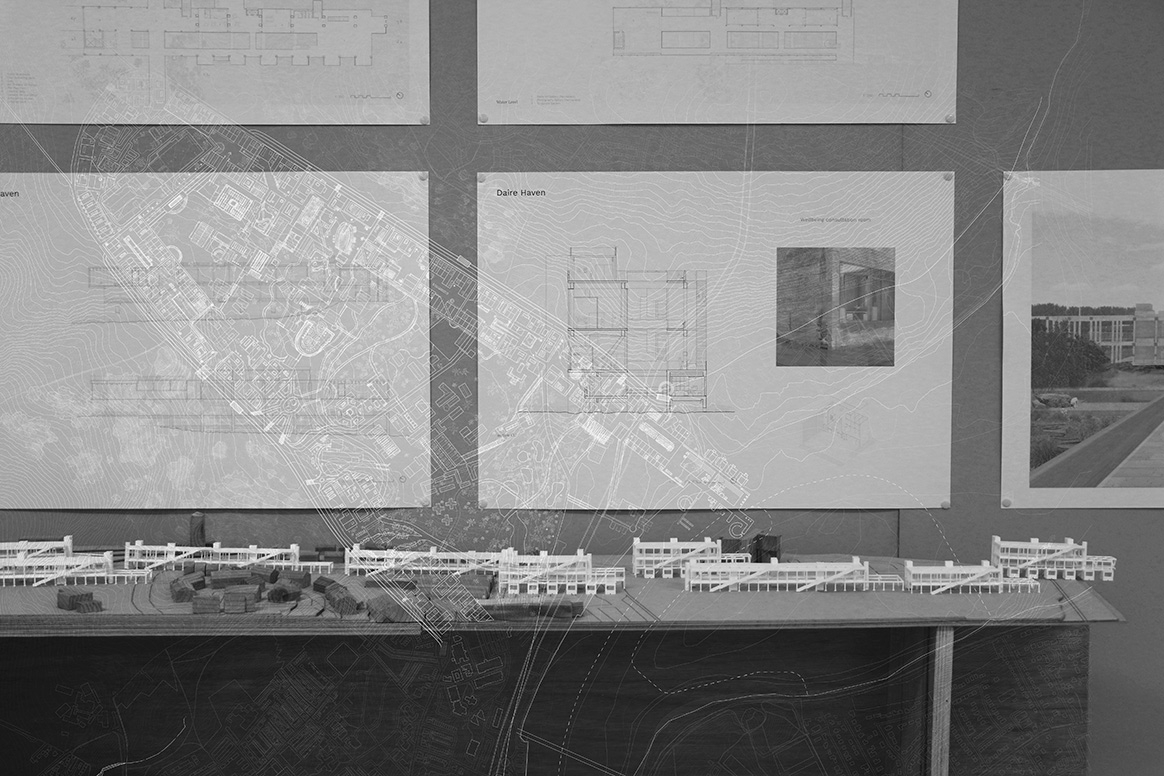
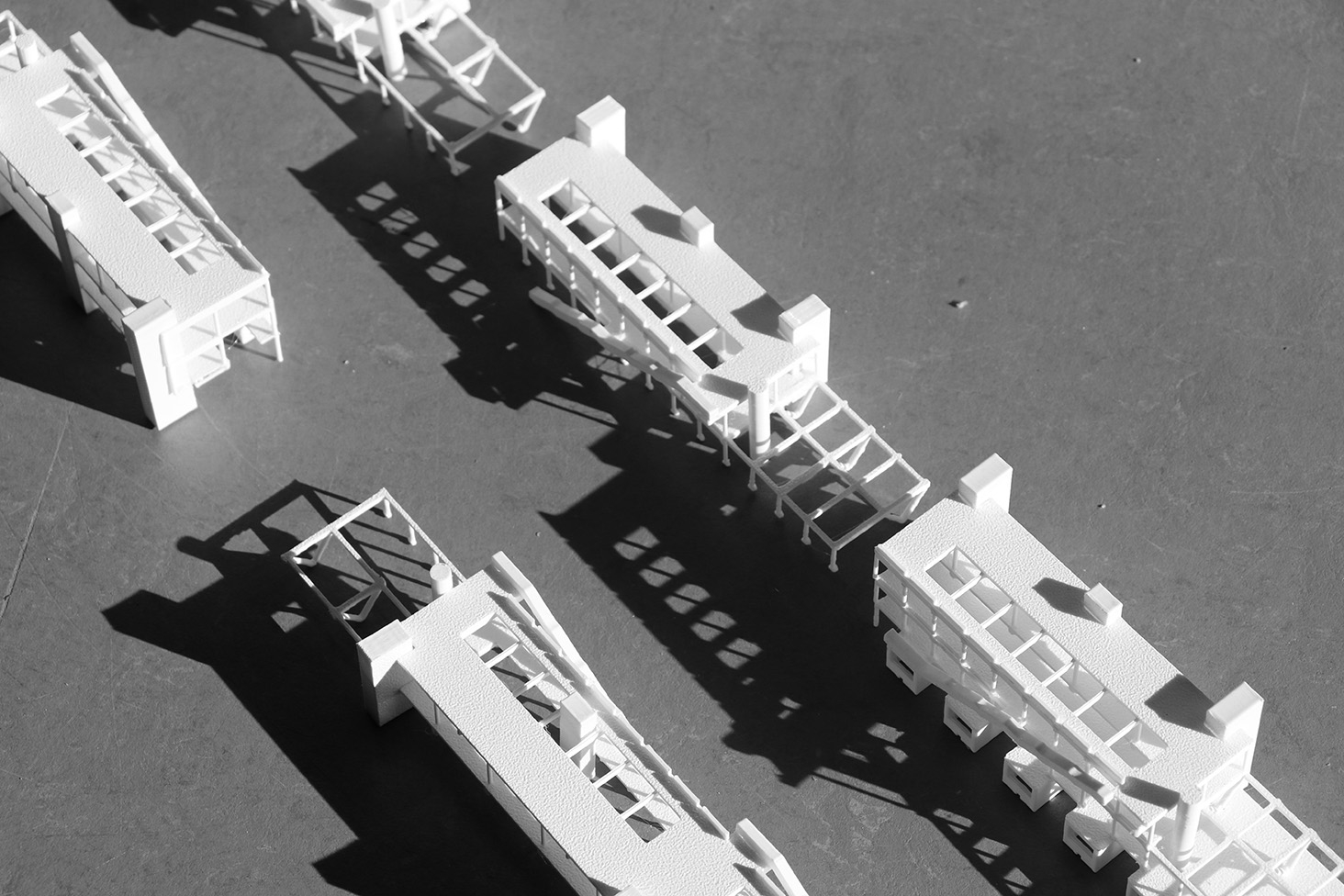
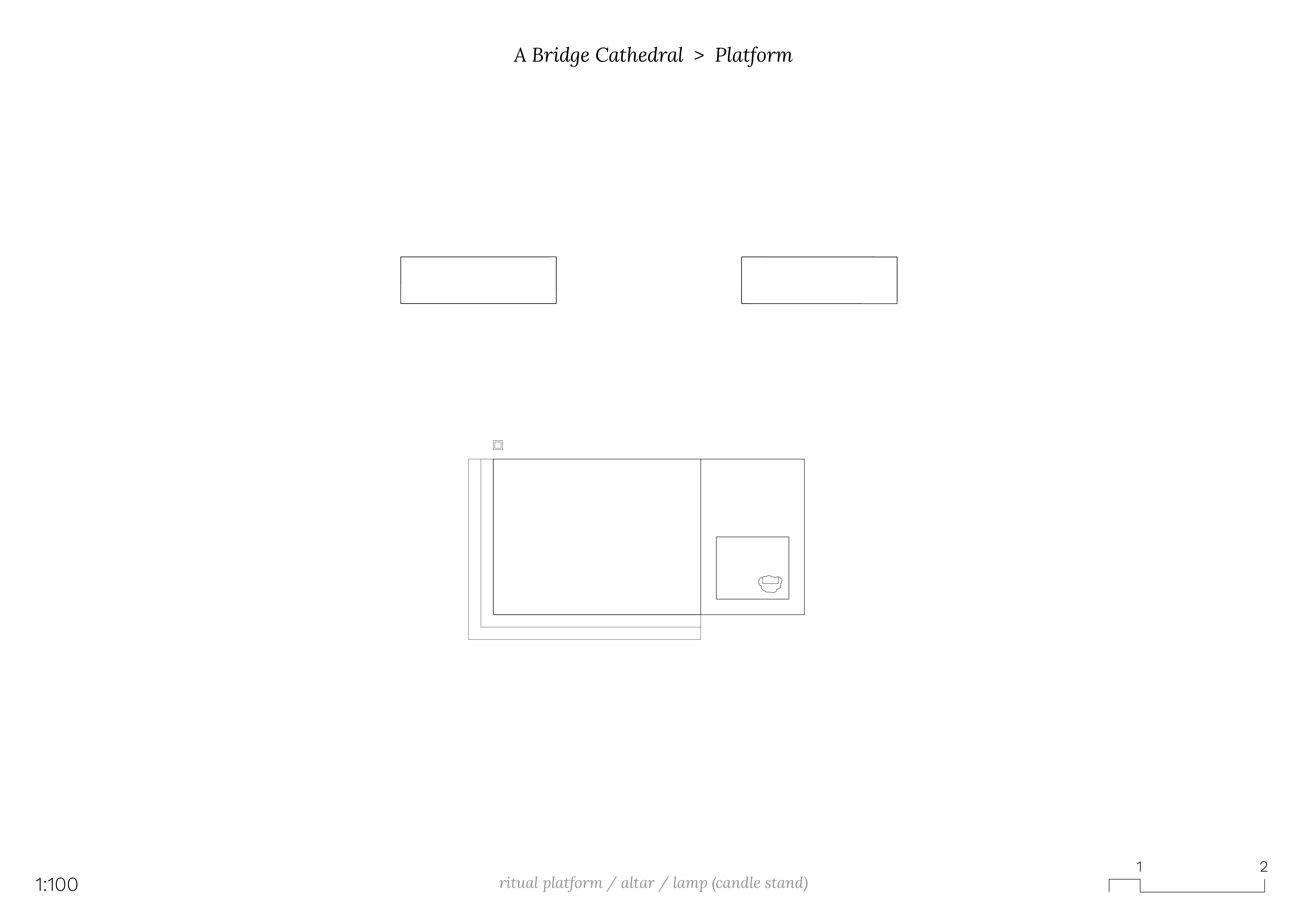
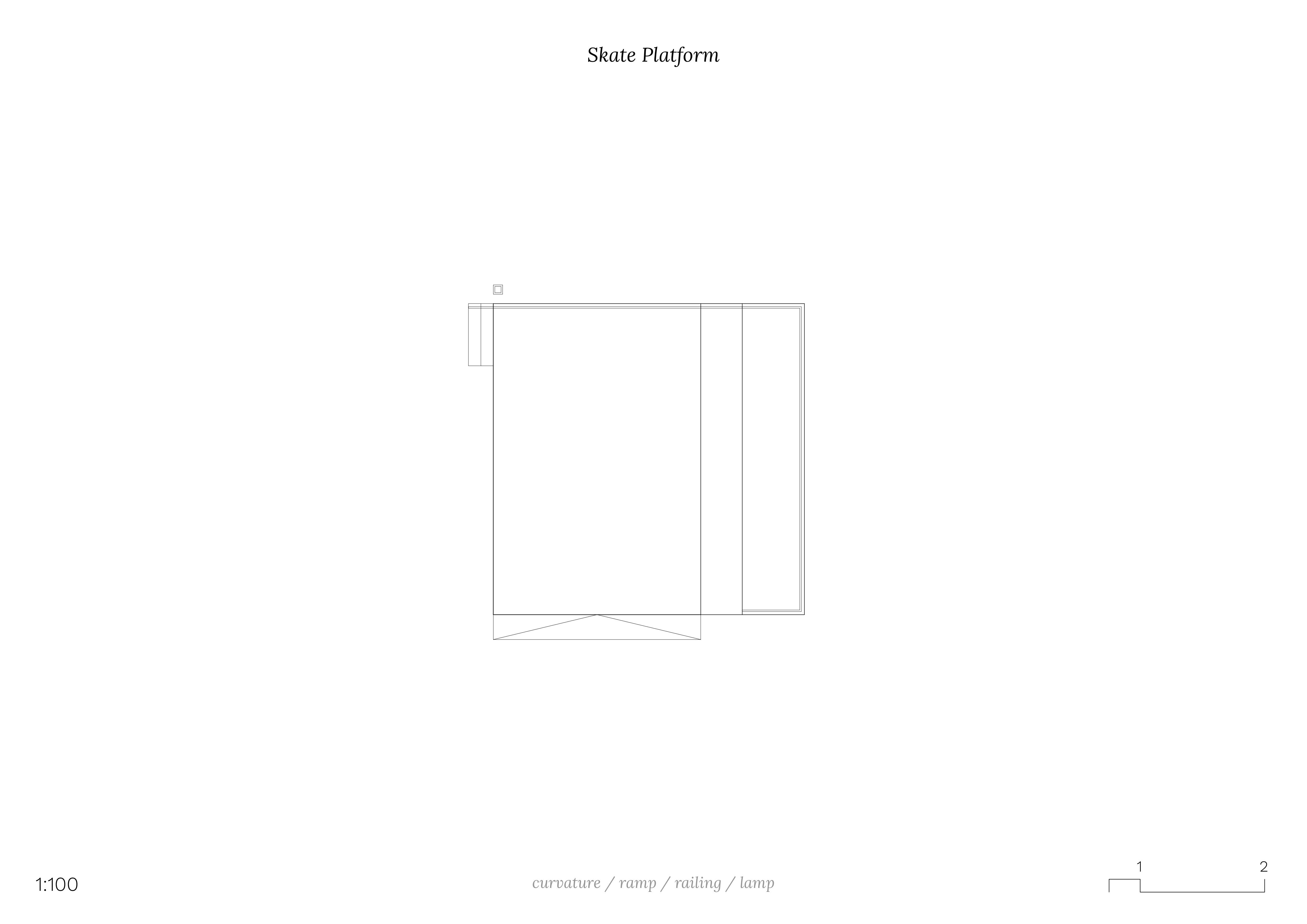
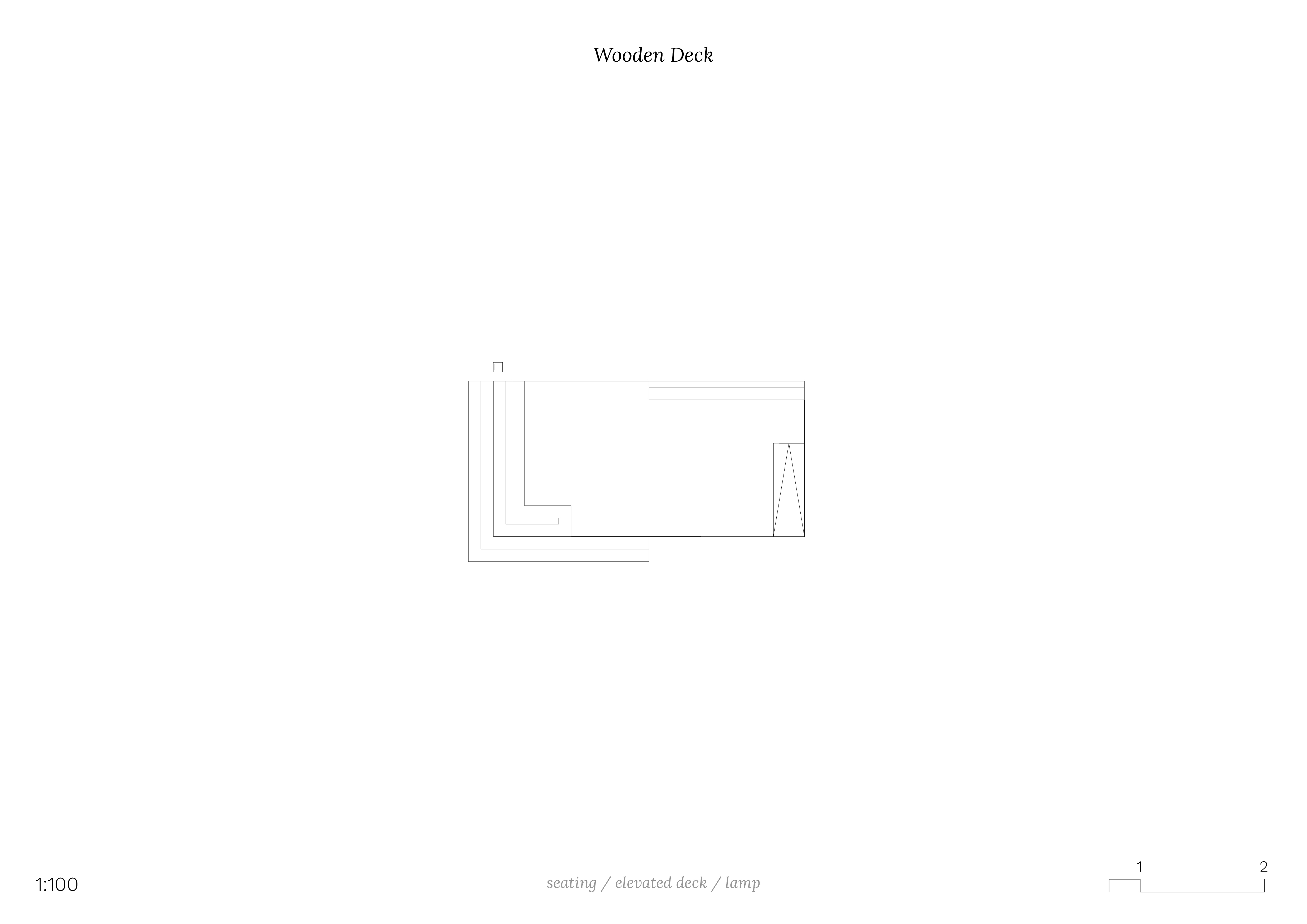
At Fort George Waterside, Daire Haven—the heart of this vision—emerges as a civic pier that frames resilience through architectural, ecological, and cultural lenses. Drawing from the density of the Walled City, it proposes an ‘intelligent ruin’ typology—adaptive, inhabitable, and enduring.
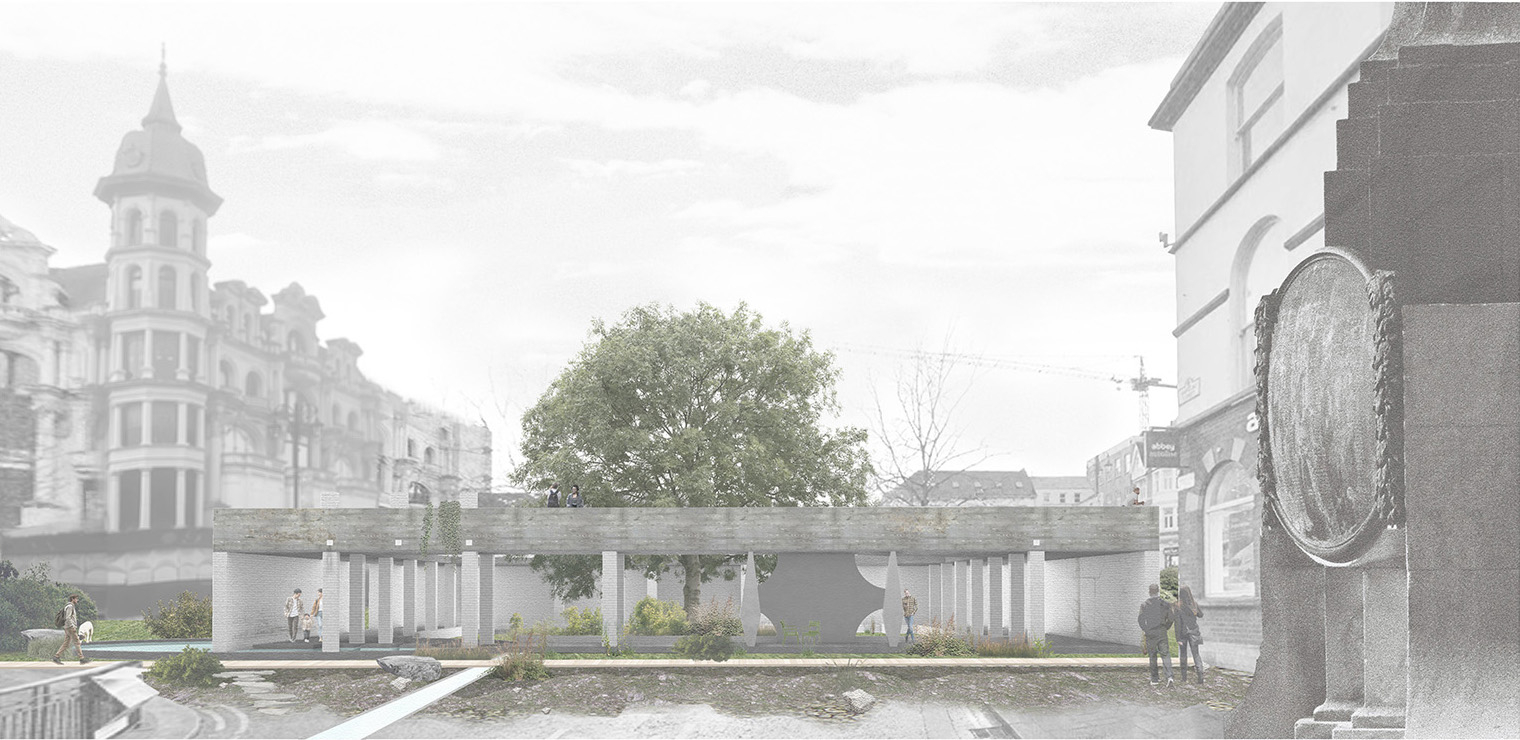
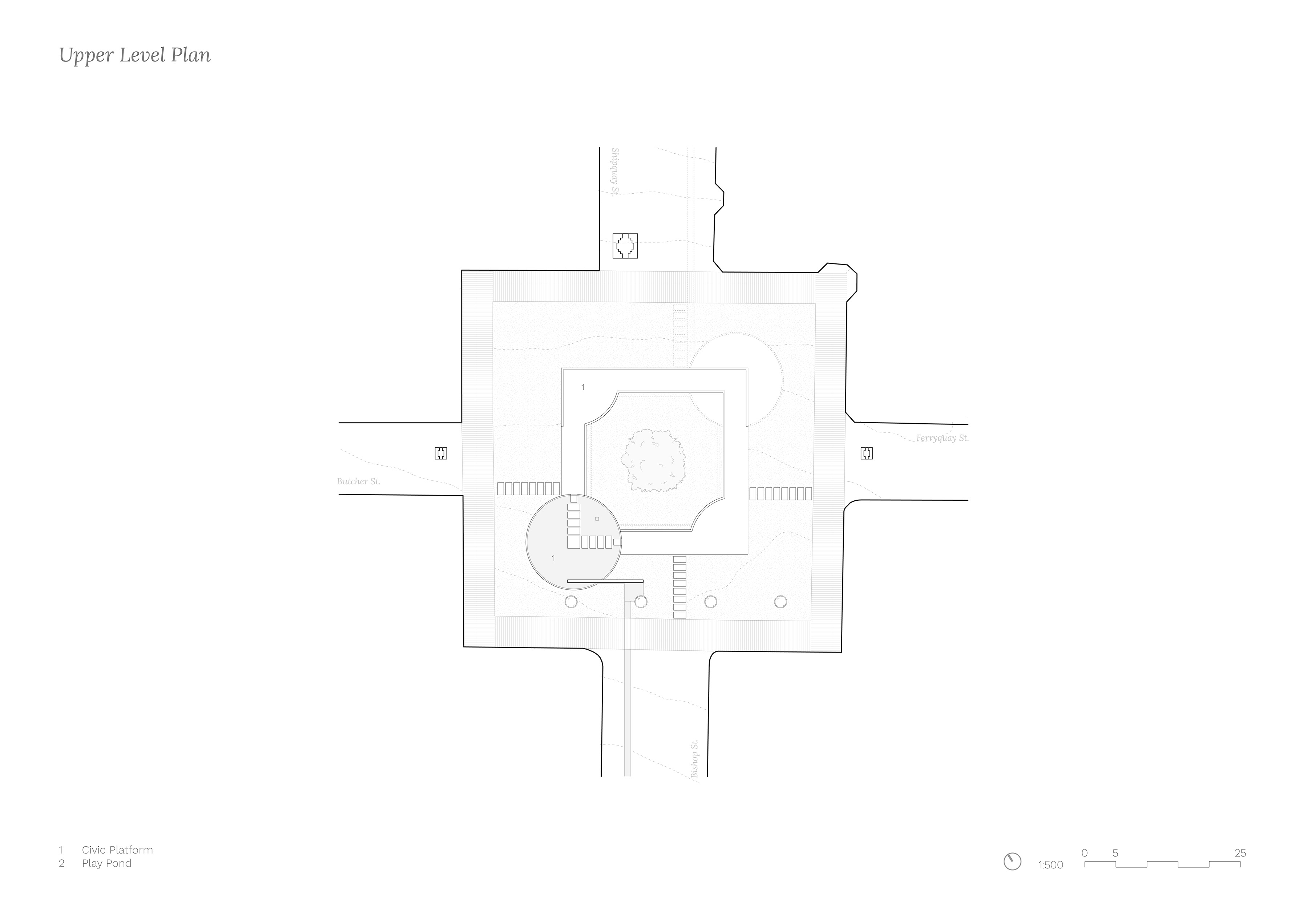
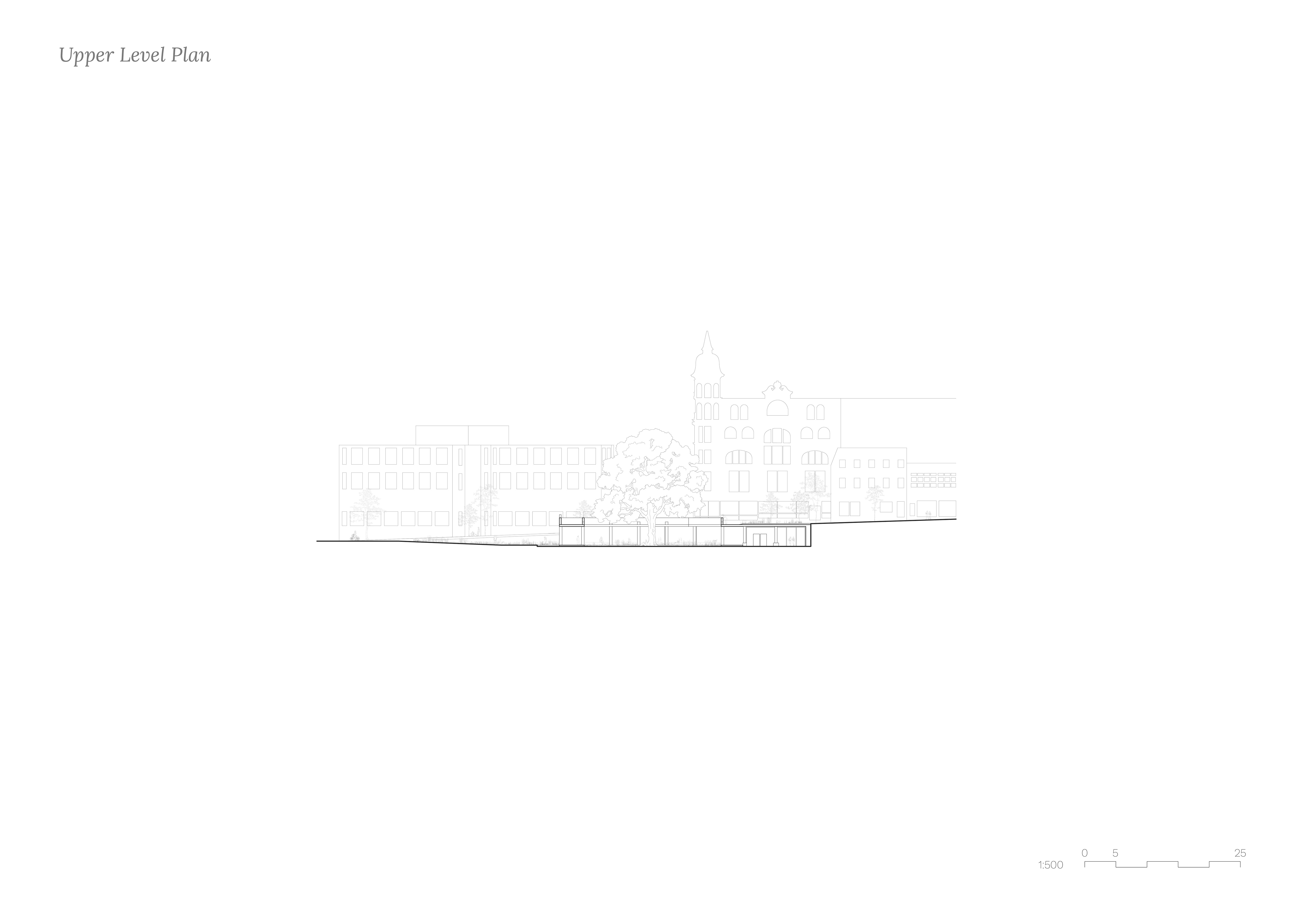
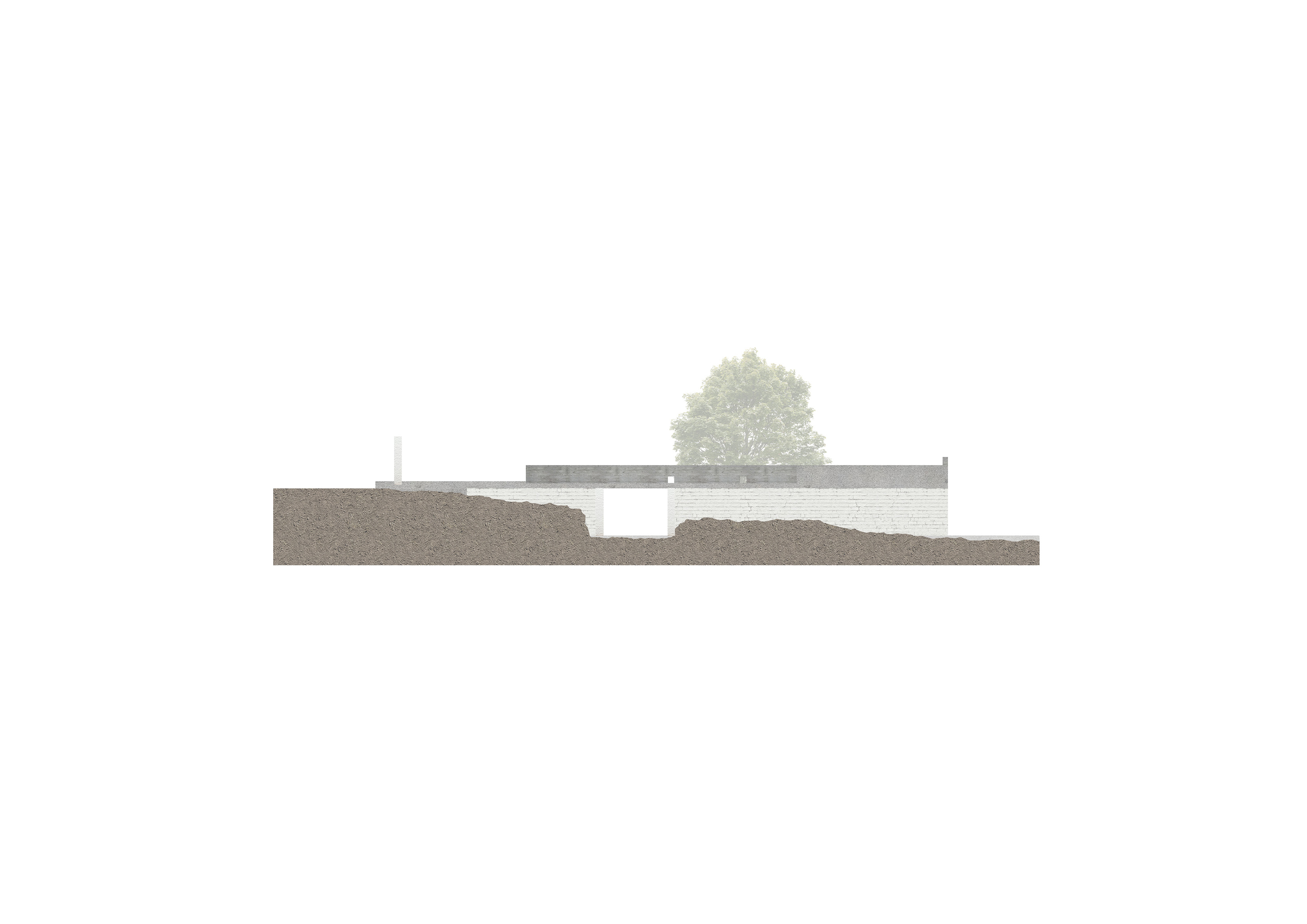
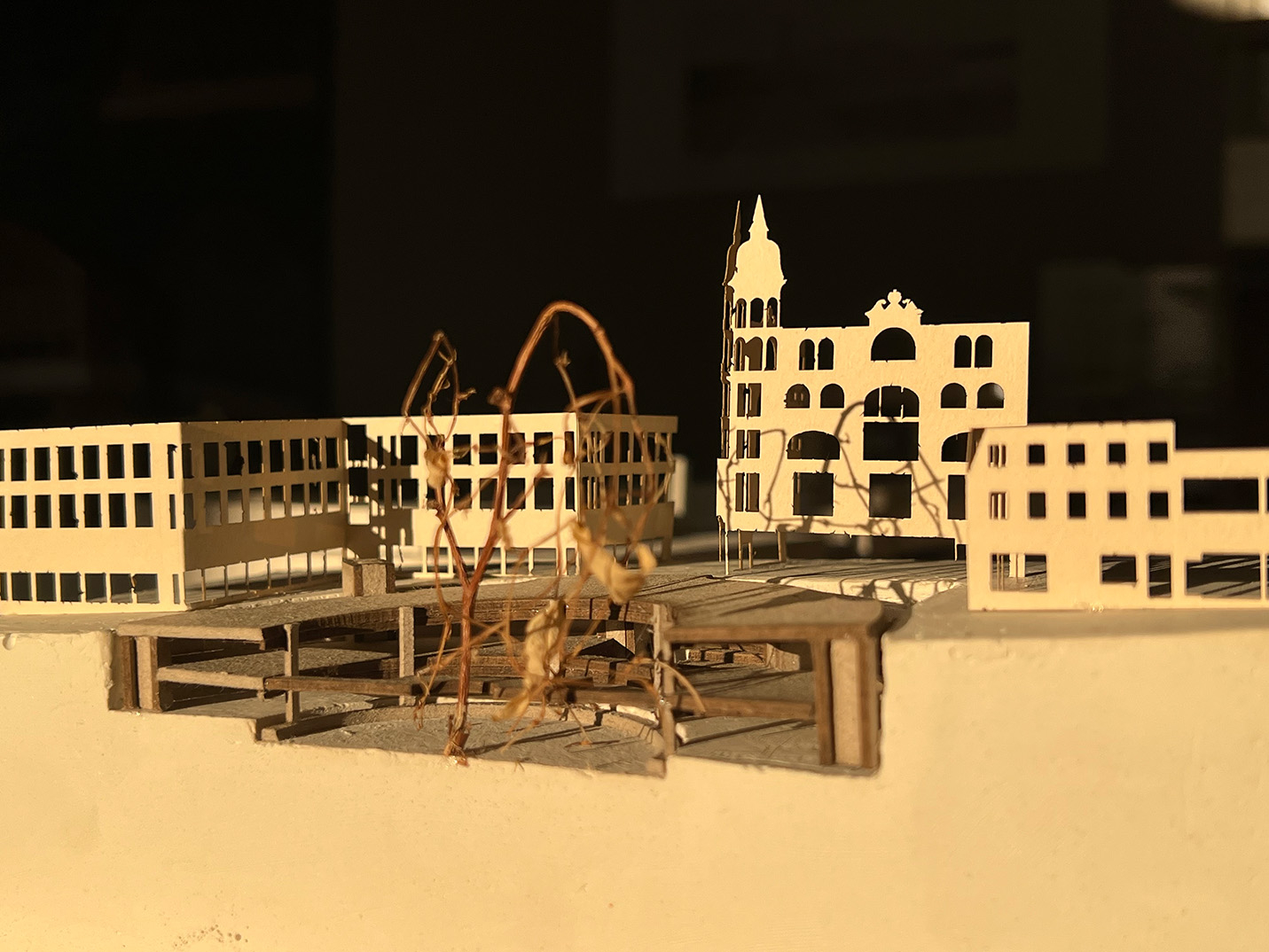
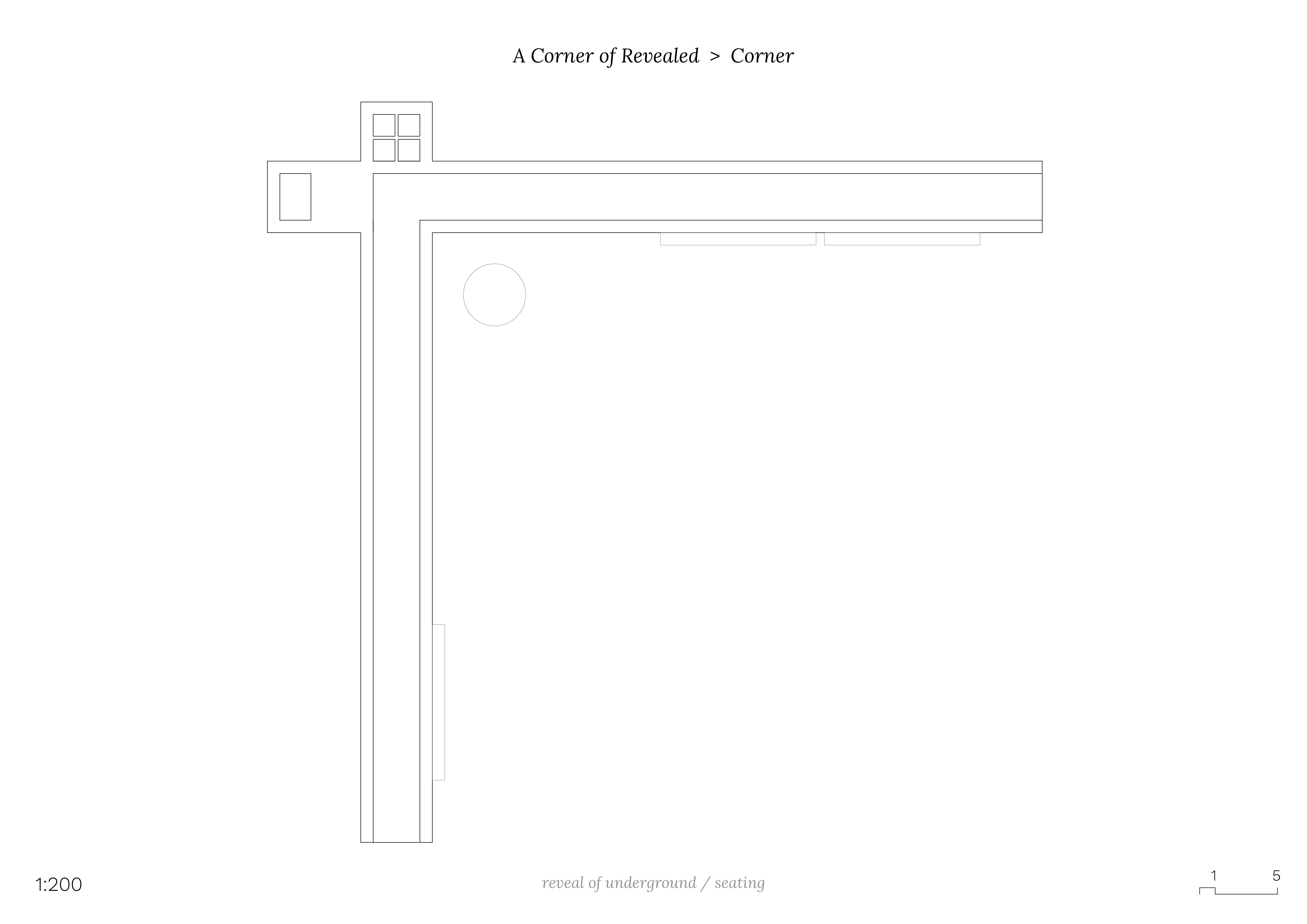
At the Diamond War Memorial, a micro-urban intervention revives this neglected civic core, tracing it back to its natural and social origins to restore its identity as an inclusive urban anchor.
Architecture becomes a mediator between damage and care, interweaving mental health, ecology, and public life into a more empathetic and resilient future for Derry.