![Grey toned image of man[left] and woman [right] sitting together.](/sites/default/files/styles/header_image/public/2026-05/TheFishermansWife.GSW_.jpg?itok=iqSLiN12)
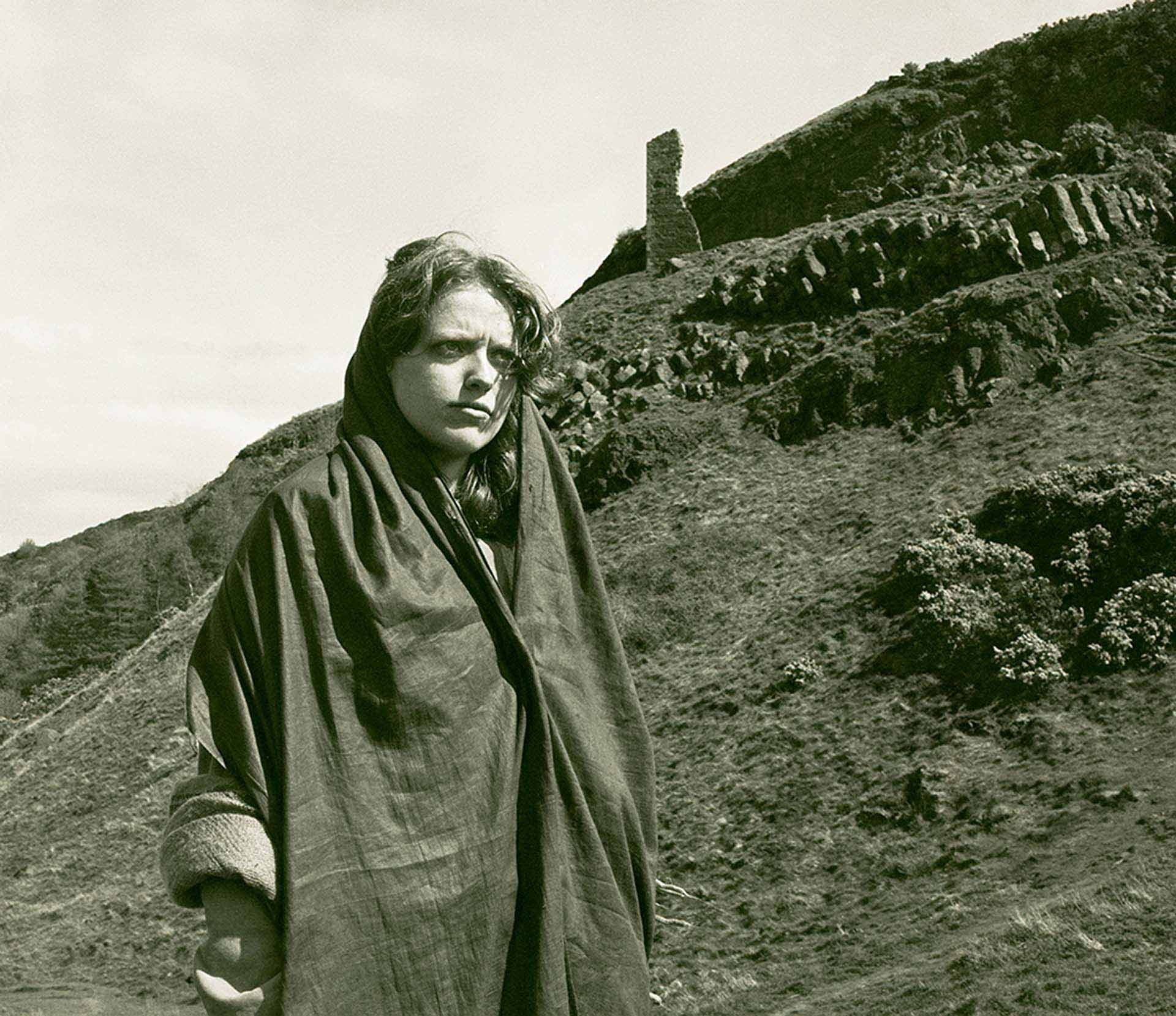
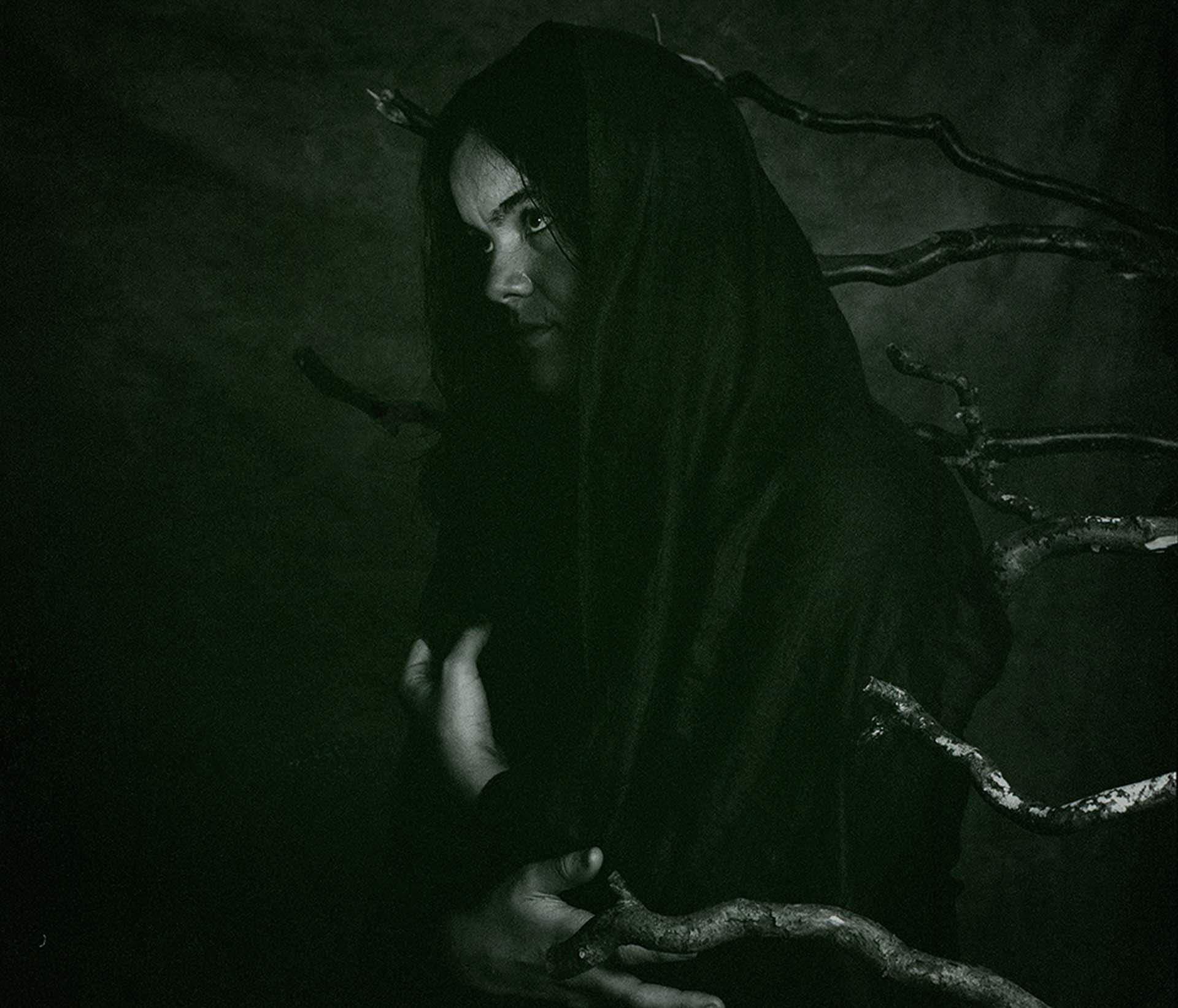
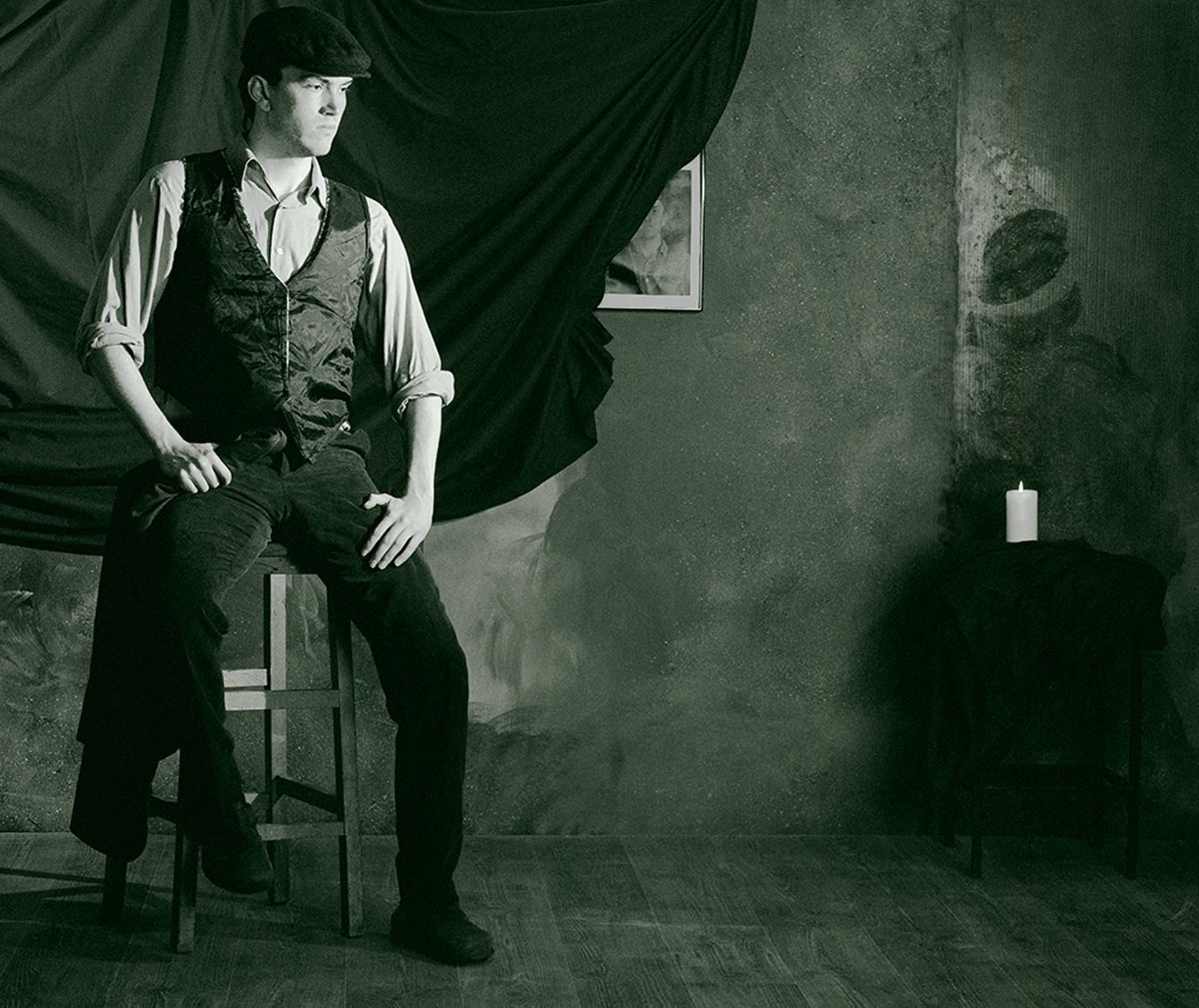
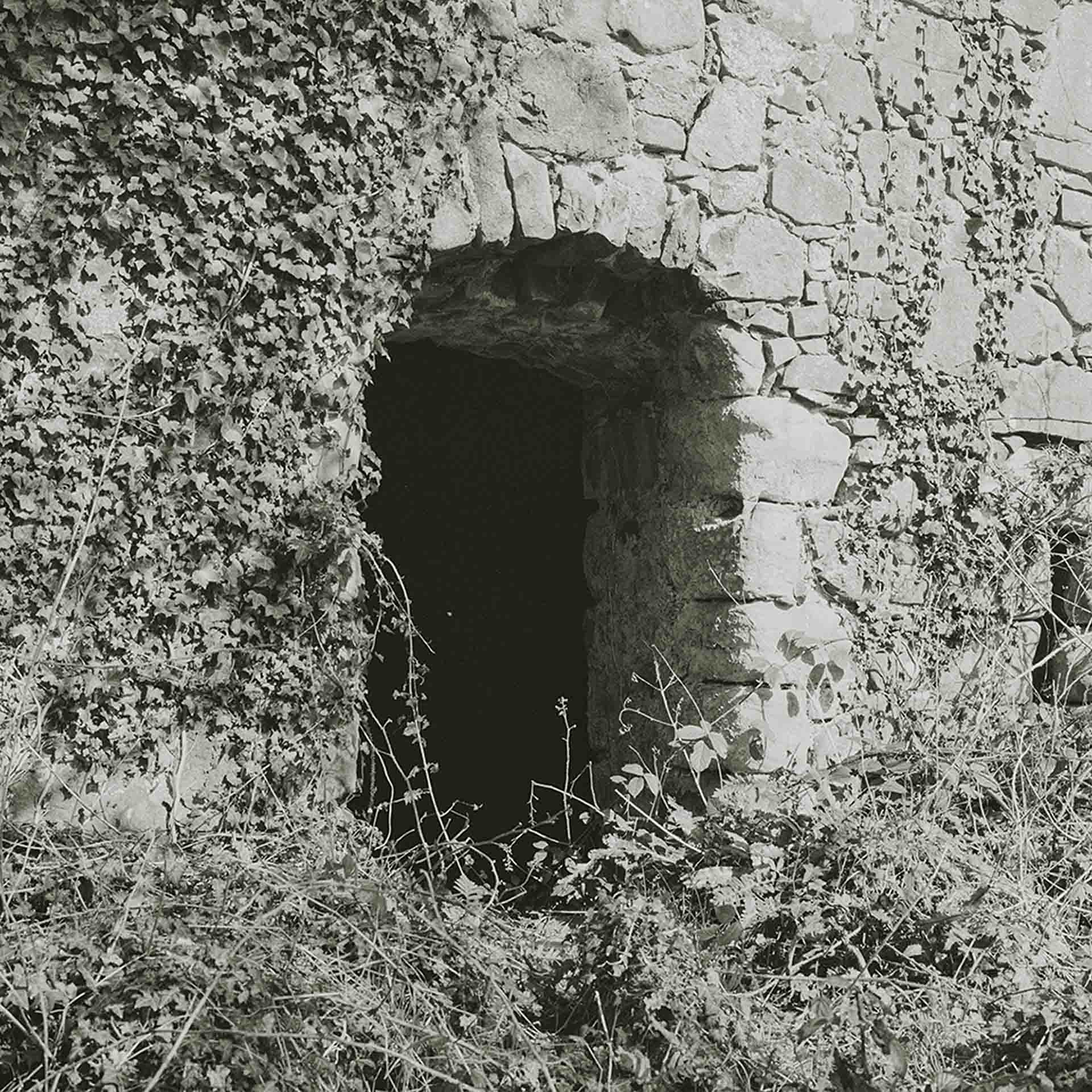
I think the thing most attractive about photography, video, or film (lens-based mediums) is the storytelling aspect, the narrative potential. Scotland itself is saturated in incredible stories. In Scotland you can enter into an archive; finding a book, photograph, sound or visual recording, and feel that you could spend an eternity creating work from these collections of items. It gives the process a feeling of eternity because you can consider everything being encapsulated within the site of the archive- the production of my work originates in the stories of these collections. Scottish stories become ever more visually enticing as they are rooted in Scotland’s unique landscapes, which in themselves excite the artistic mind. But in spite of these endless potentials, it feels like there are limitations for the physical nature of these works- style, genre, language.
The idea that historical narratives can only exist in the documentary, or that authenticity of time periods can only be adapted under certain restrictions to do justice. My work aims to show that with endless source materials available; there are in turn endless potentials for how these works may exist, and that the format of such is purely dependant on the emotions and atmosphere that these stories elicit. Because although some stories maybe real historical events, other can appear less evident in themselves. Mythology and folklore may appear fictional but have foundations in truth- what couldn’t be explained then that potentially can now.
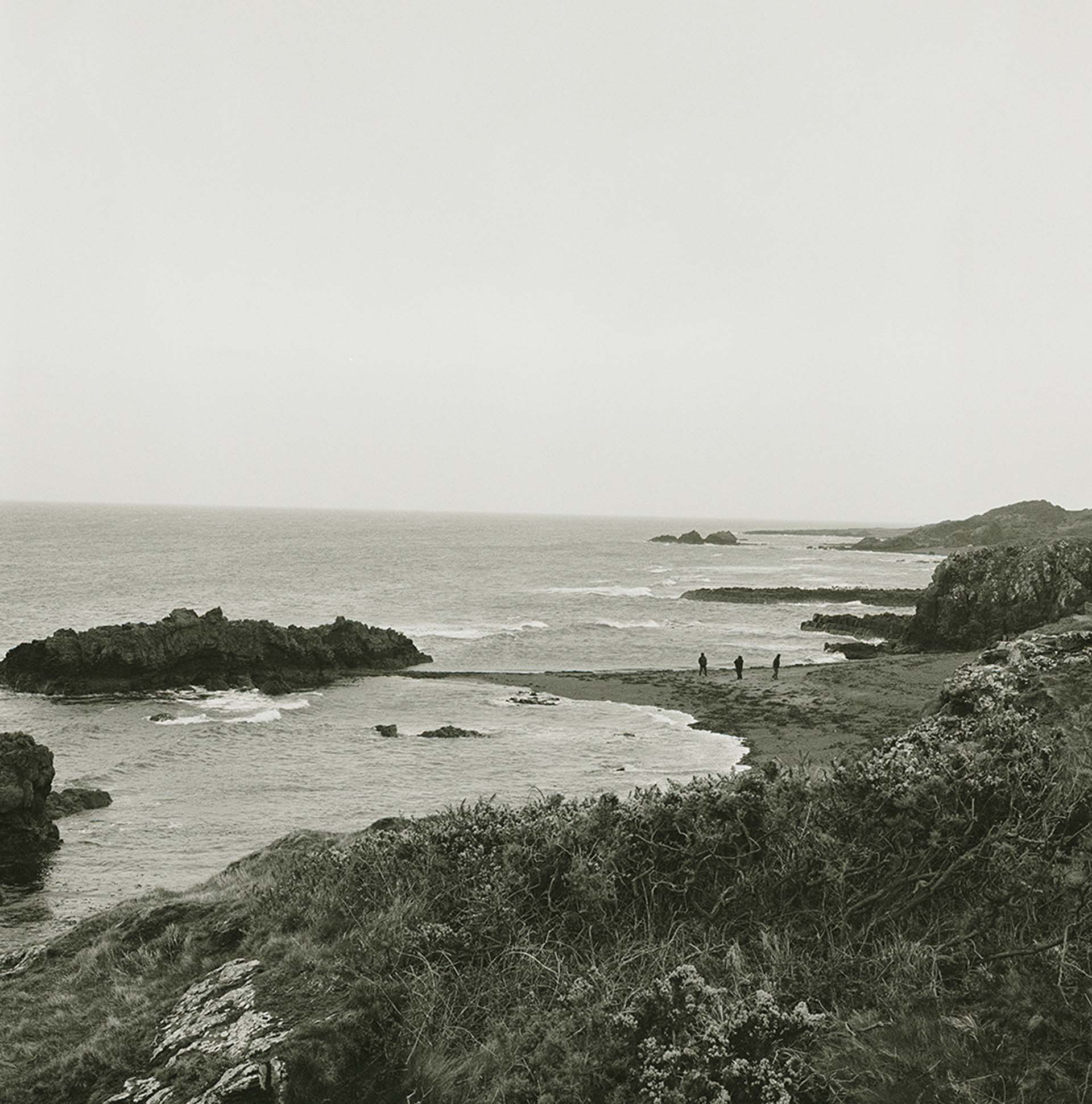
These stories question truth just as photography is question as a form of truth, as evidence of something. Combining archival research and stories of Scotland’s past to produce work within the genre of folk horror. In order to show that the works of these topics need not be limited to certain assumed methods of genre but instead in whatever form feels appropriate for the resurrection and emphasis of the story.