


Yura Li

“My Friend”


Project description
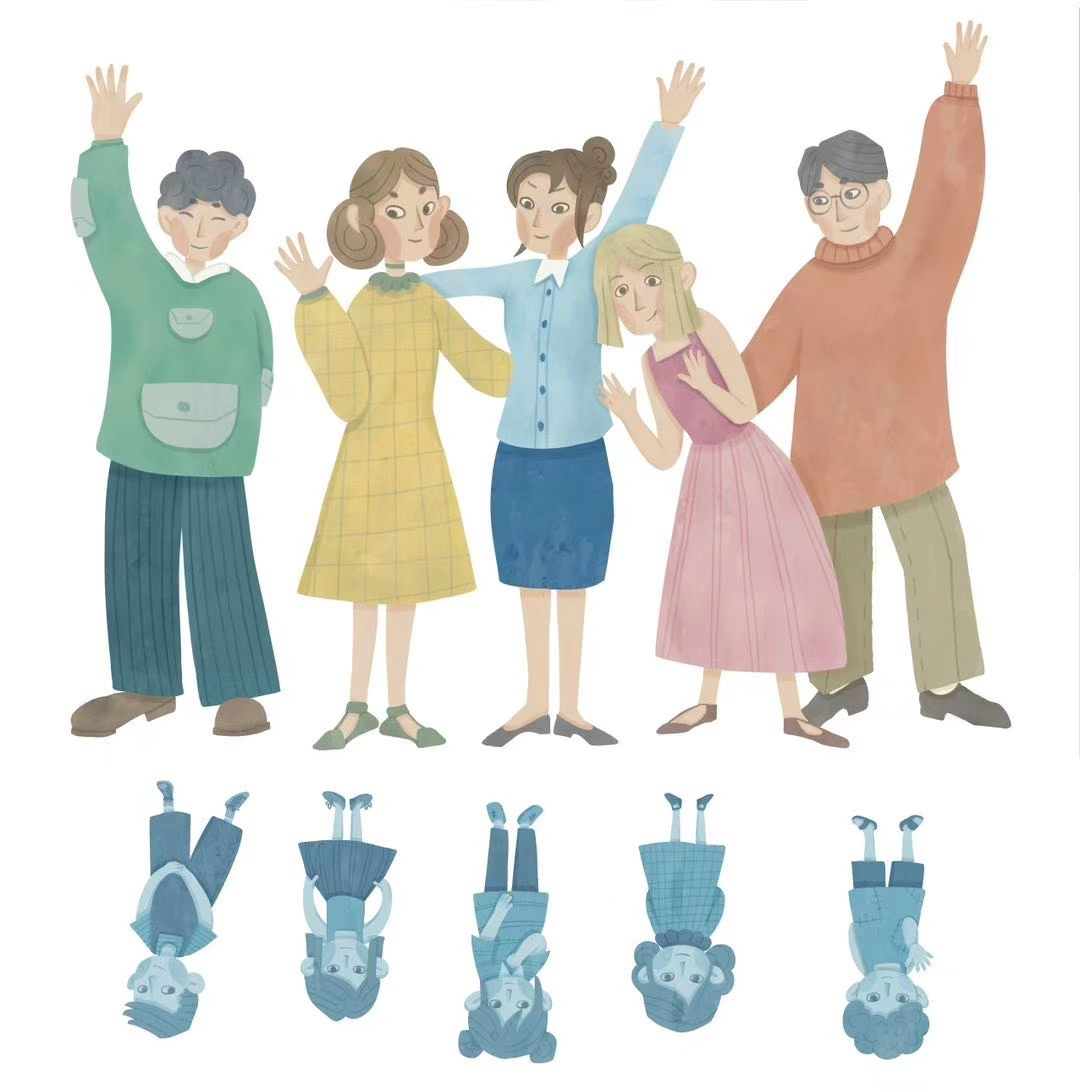
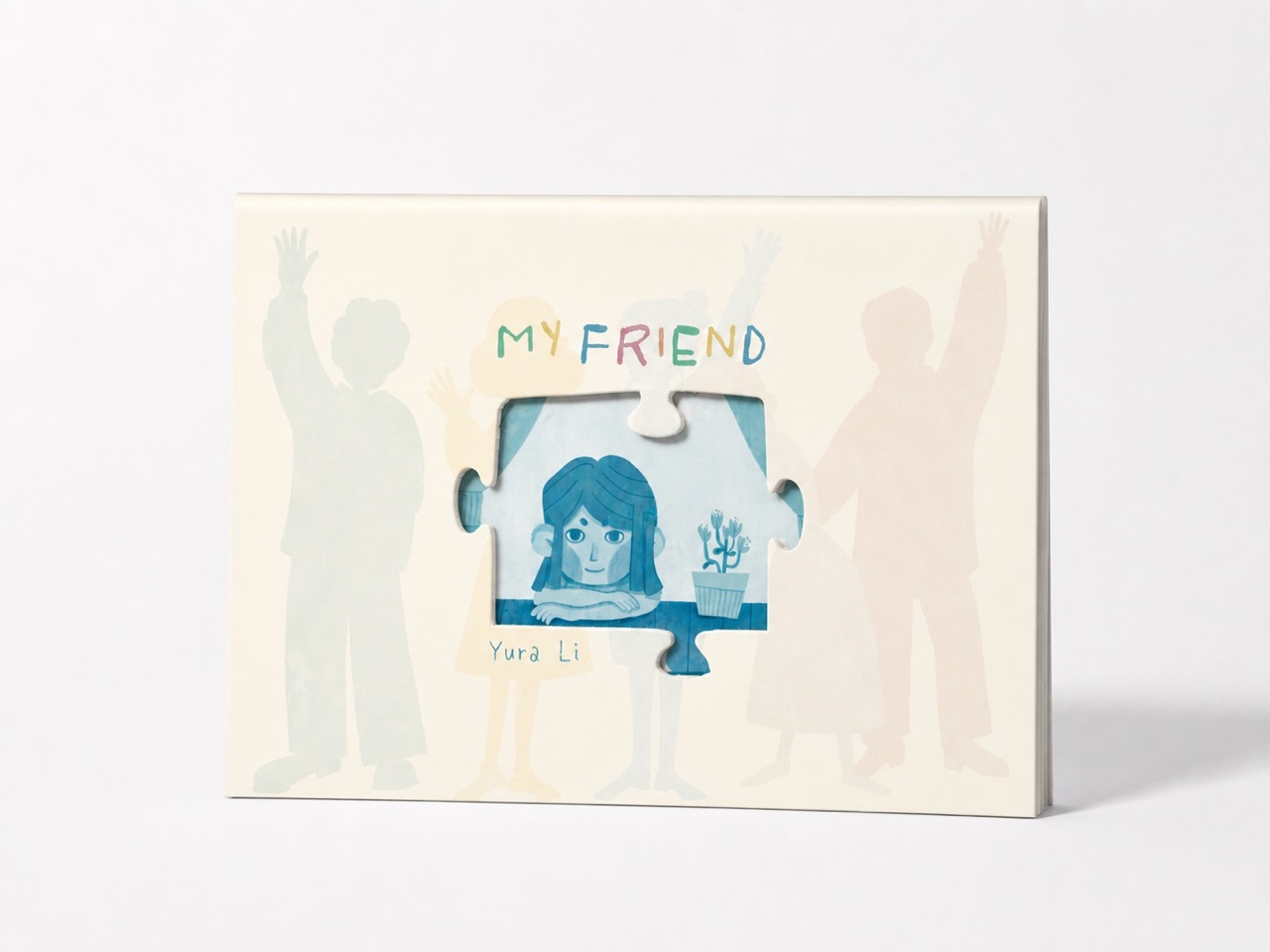
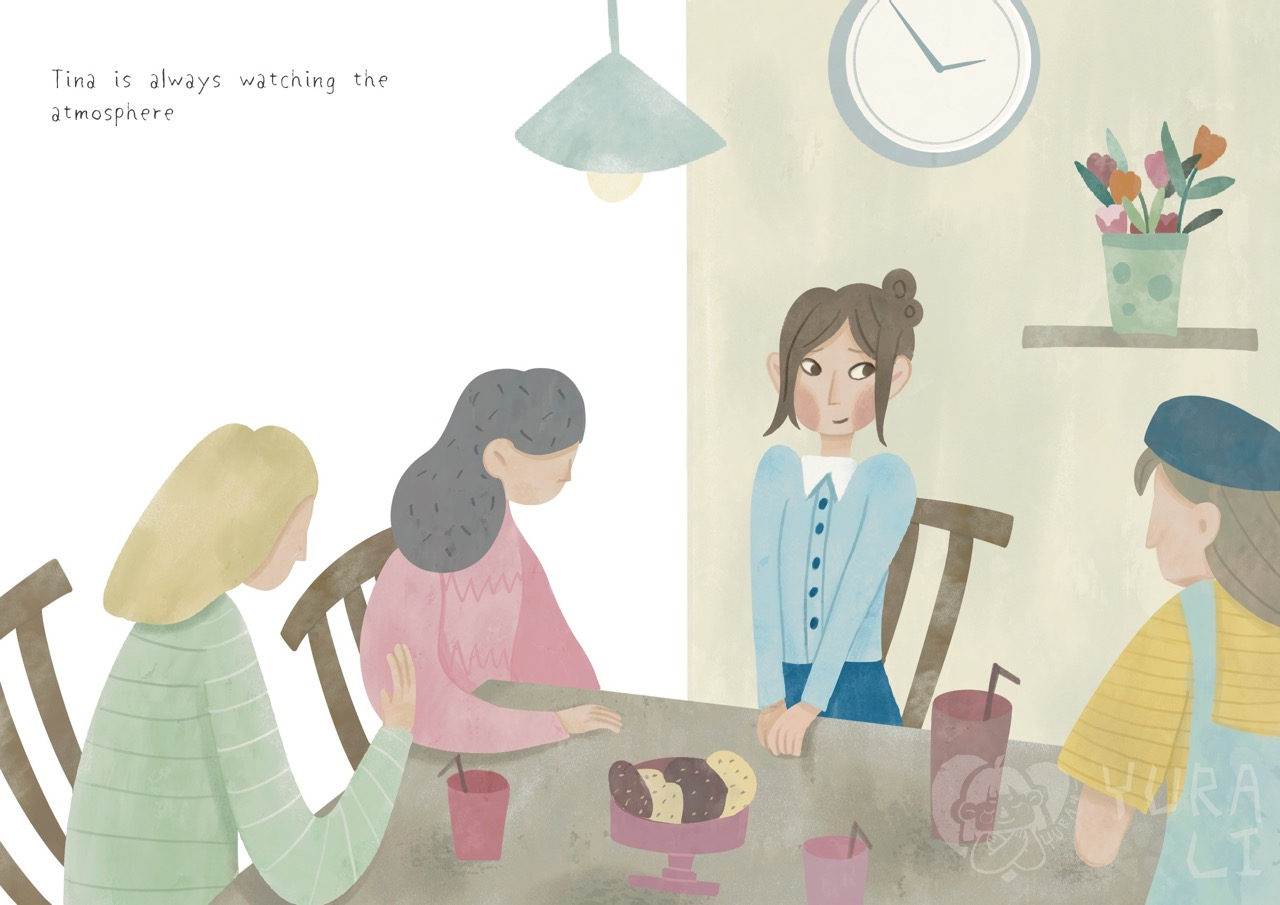
My Friends is a picture book for adults that explores how early experiences can leave quiet, invisible traces within us, and later surface through everyday habits.
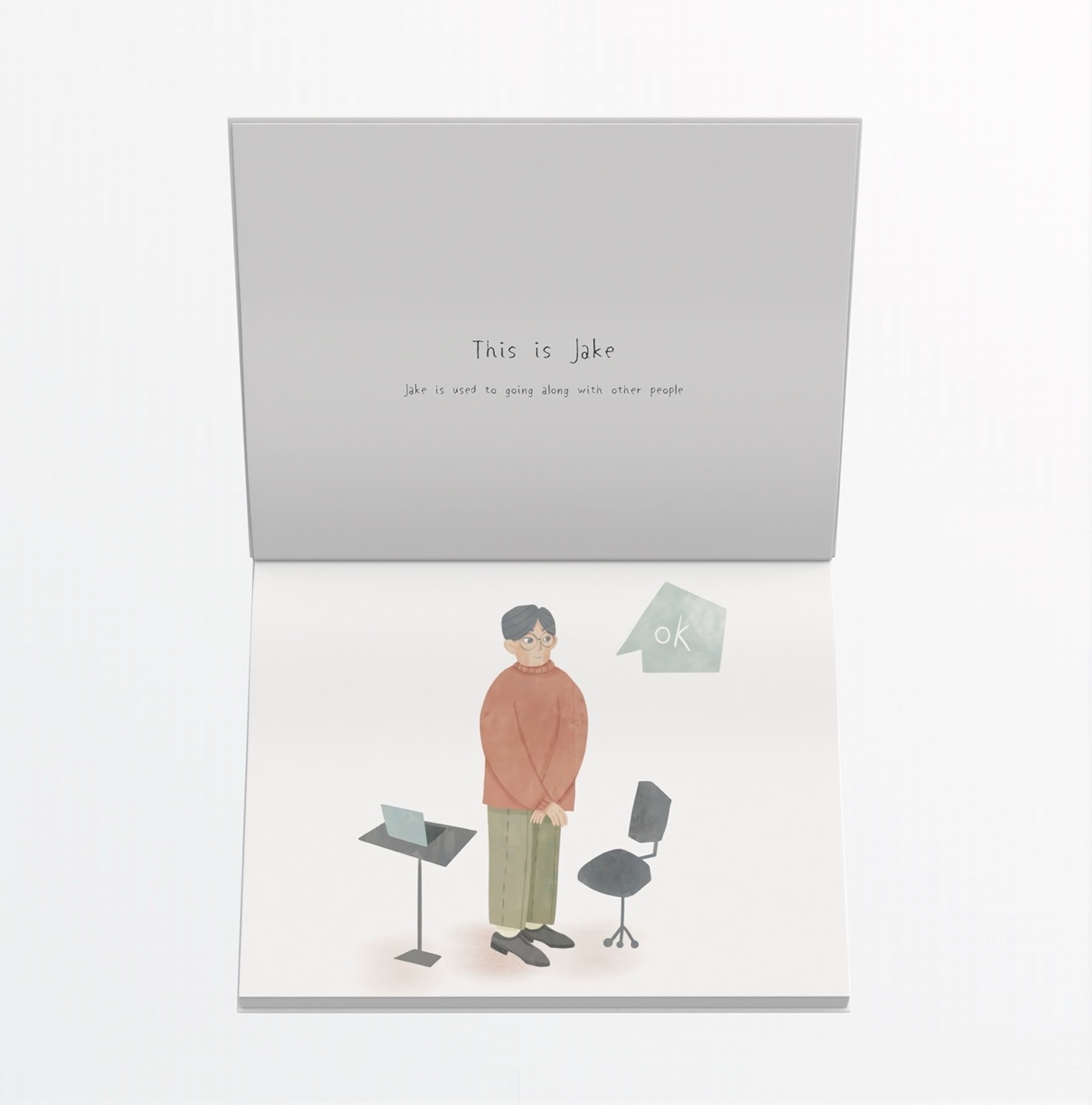
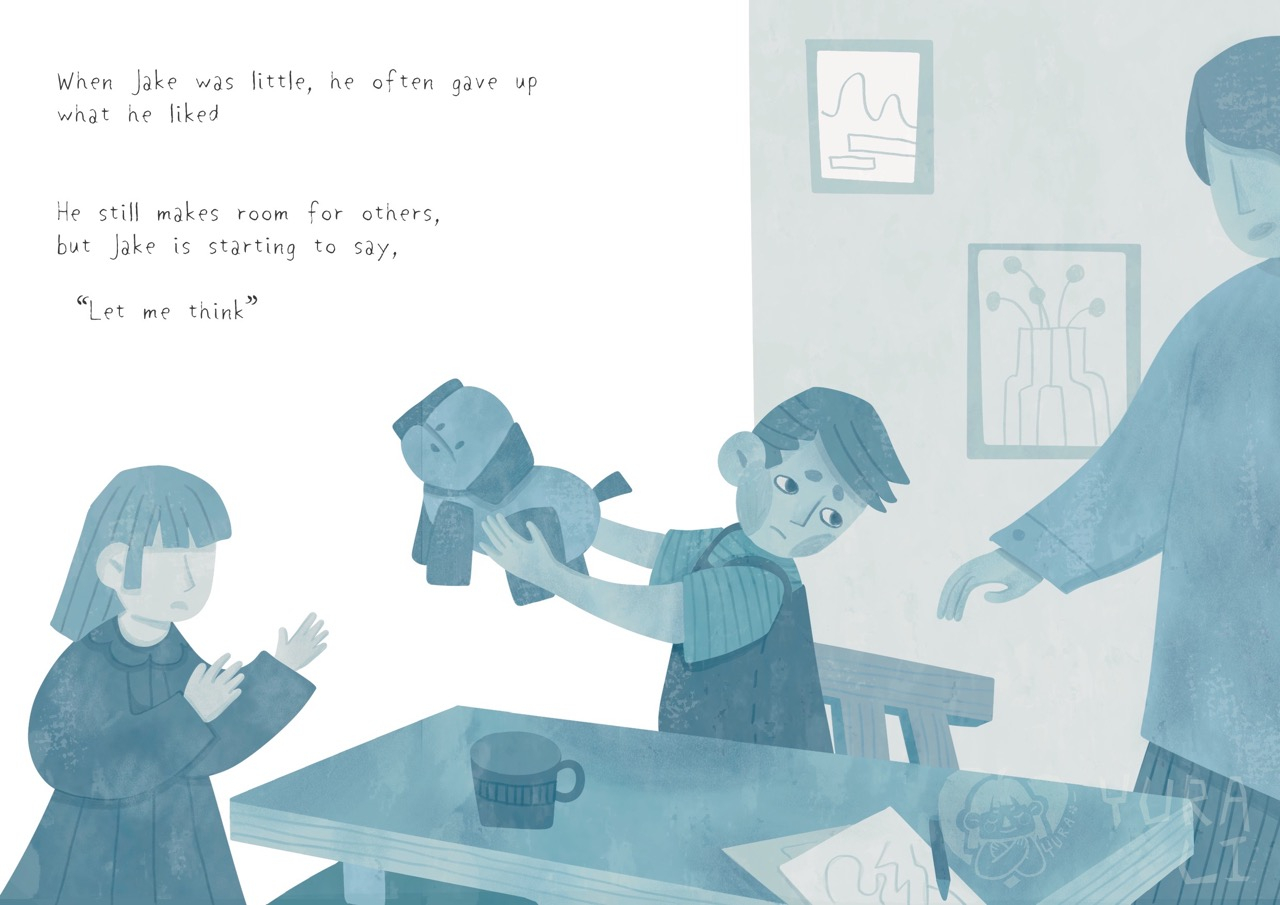
Some adult behaviours can function as self-protection. They are shaped by early environments and gradually become part of daily life. In this project, I group these traces into five types: trust and doubt, hyper-alertness, conflict avoidance, people-pleasing, and the need for control.
The story introduces five characters, each carrying one habit and one childhood echo. Through a mirrored layout that places adult scenes alongside childhood moments, the book invites readers to recognise these patterns with more clarity and kindness. The main message of the book is simple: these habits may still appear, but we can carry them more calmly and keep moving forward.
“MOMO'S FEELINGS ADVENTURE”


Project description
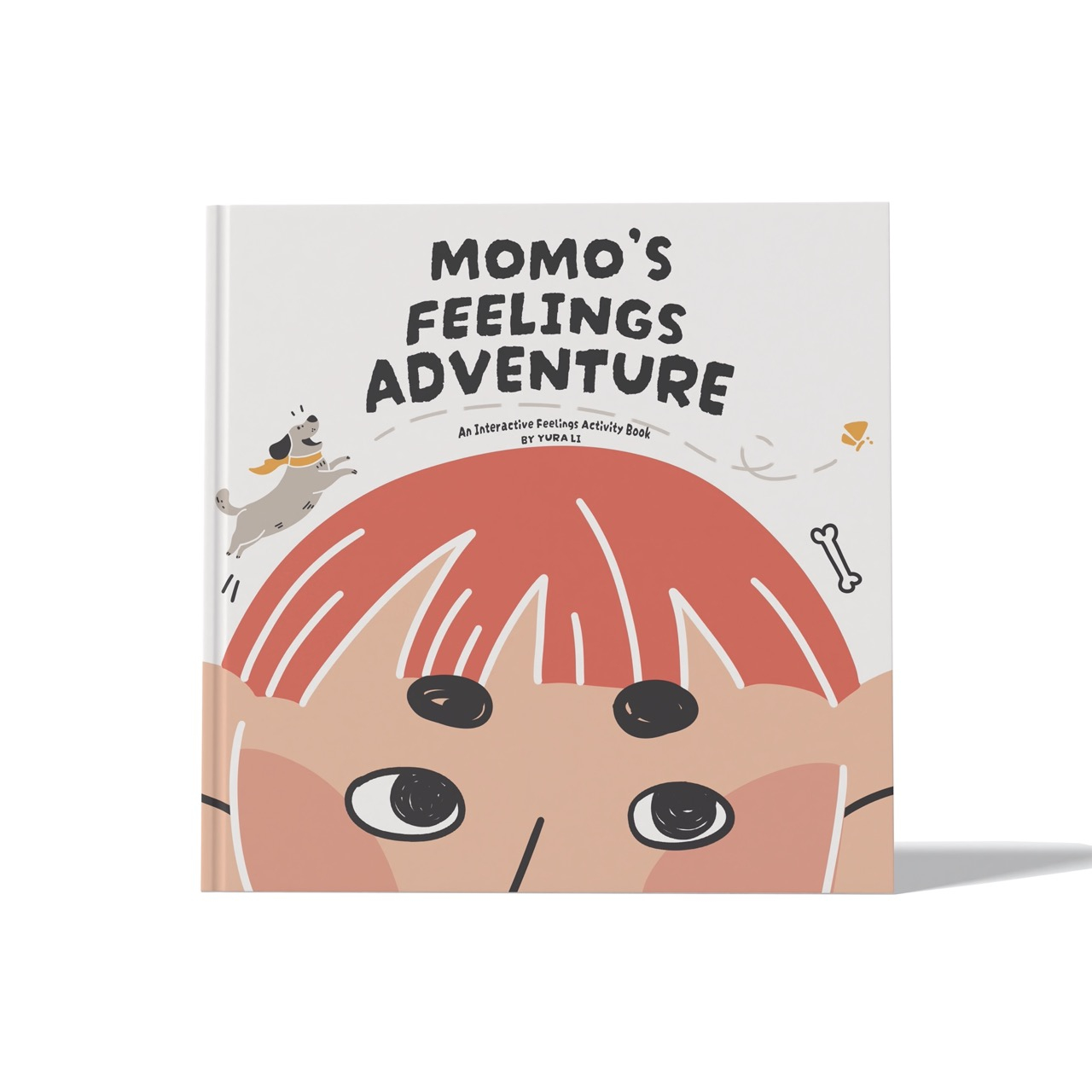
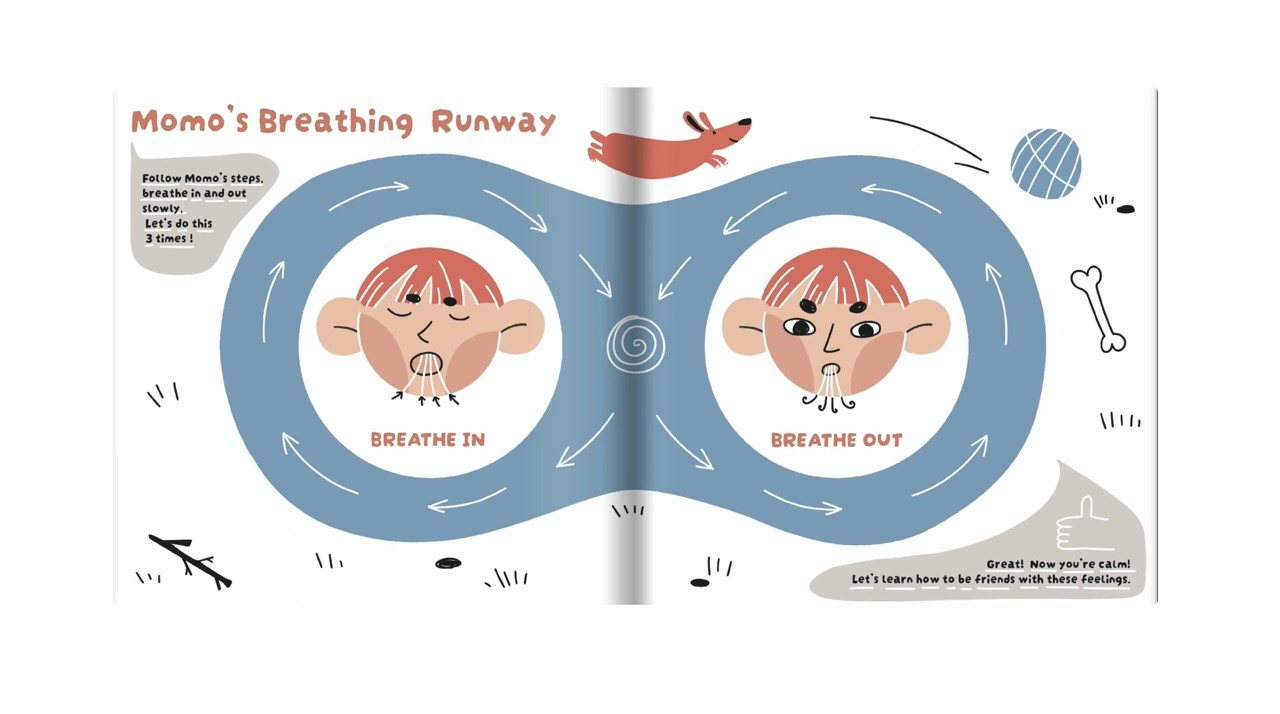
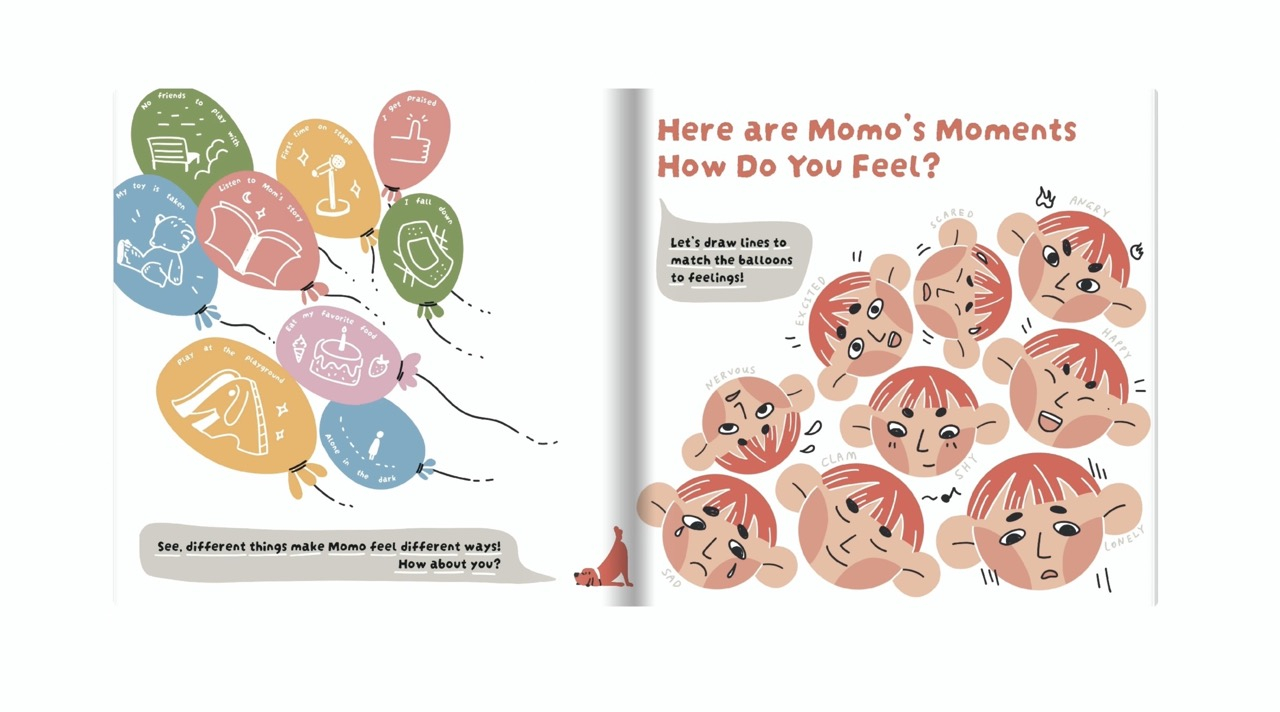
Momo’s Feeling Adventure is an interactive picture book for children aged 5–10, designed to support emotional learning through play.
Although emotional learning is increasingly included in school-based programmes, such as Social Emotional Learning (SEL), these methods are often difficult to transfer into everyday family life. At home, parents usually lack simple and practical tools to guide children through emotional moments. Meanwhile, most existing picture books focus on explaining emotions conceptually, but offer limited opportunities for active participation or behavioral practice.
This book helps children recognize, express, and manage their feelings in a gentle and accessible way. It also encourages shared interaction between children and parents, bringing emotional support into life.
“Shelter”


Project description
Please open the website at this link using your mobile phone: https://yurali.itch.io/shelter
Android mobile phone: https://mingziyuechangyuepianyi.cn/shelter/
Shelter is a short interactive illustration project made for young people who often feel unheard at home. Many teenagers feel misunderstood in everyday family conversations. Over time, being ignored, cut off, compared, or controlled can make speaking up feel pointless or unsafe. Shelter follows one main idea: feelings need to be recognized before anything else can happen. The project is built as four quiet “rooms”, each based on a shared root of distress: being ignored, being interrupted or dismissed, being compared to others, and being over-controlled. Players choose the room that feels closest to them and enter a calm space with subtle moving illustrations, soft night-toned colors, and gentle companion text. The writing stays simple and non-judgmental. It does not lecture. It does not force a happy ending. It stays with the feeling, then slowly brings in warmth and self-worth.
Shelter cannot change real-life situations. It can offer a pause. It can offer a quiet moment to breathe, feel seen, and remember that your feelings matter.