Project description

My personal quote this semester has been, 

“When people see, they know, they understand, and they can act.” 

Oftentimes, invisible design is associated with sustainability in landscape architecture. To me, sustainability is more than environmental performance. It is just as important, if not more, for the public to learn and understand why. I believe that intensity and beauty have the initial ability to draw people in. Drawing on it, I want to create a visual statement and work with nature’s cycles to curate a dynamic experience through visible hydrological systems, succession, and seasonal change.

Livingston has an abundance of open green space and a unique art history that is a defining feature across the 'New Towns' movement in Scotland during the 1900s. However, instead of creating and placing more sculptures throughout Livingston, I viewed the landscape as the exhibit itself. As a large estate land in Howden with swathes of lawn and uniquely scattered woodland islands, I saw Howden Park as a ‘Living Museum’.

Thick 2D paper model of Howden Park
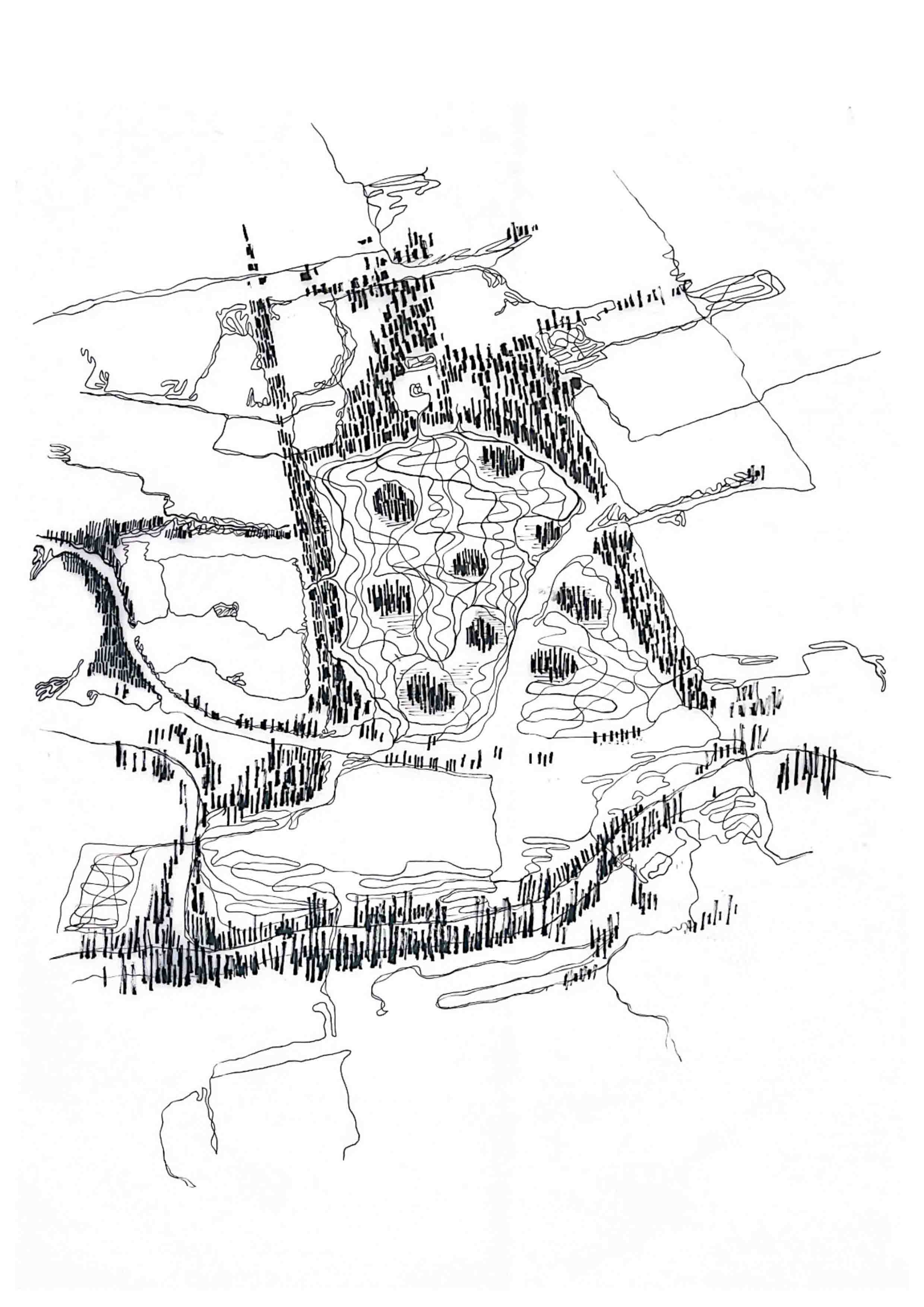
Constructed and Dynamic Site Inventory of Howden
Constructed and Dynamic Inventory of Howden, Livingston
The Living Museum

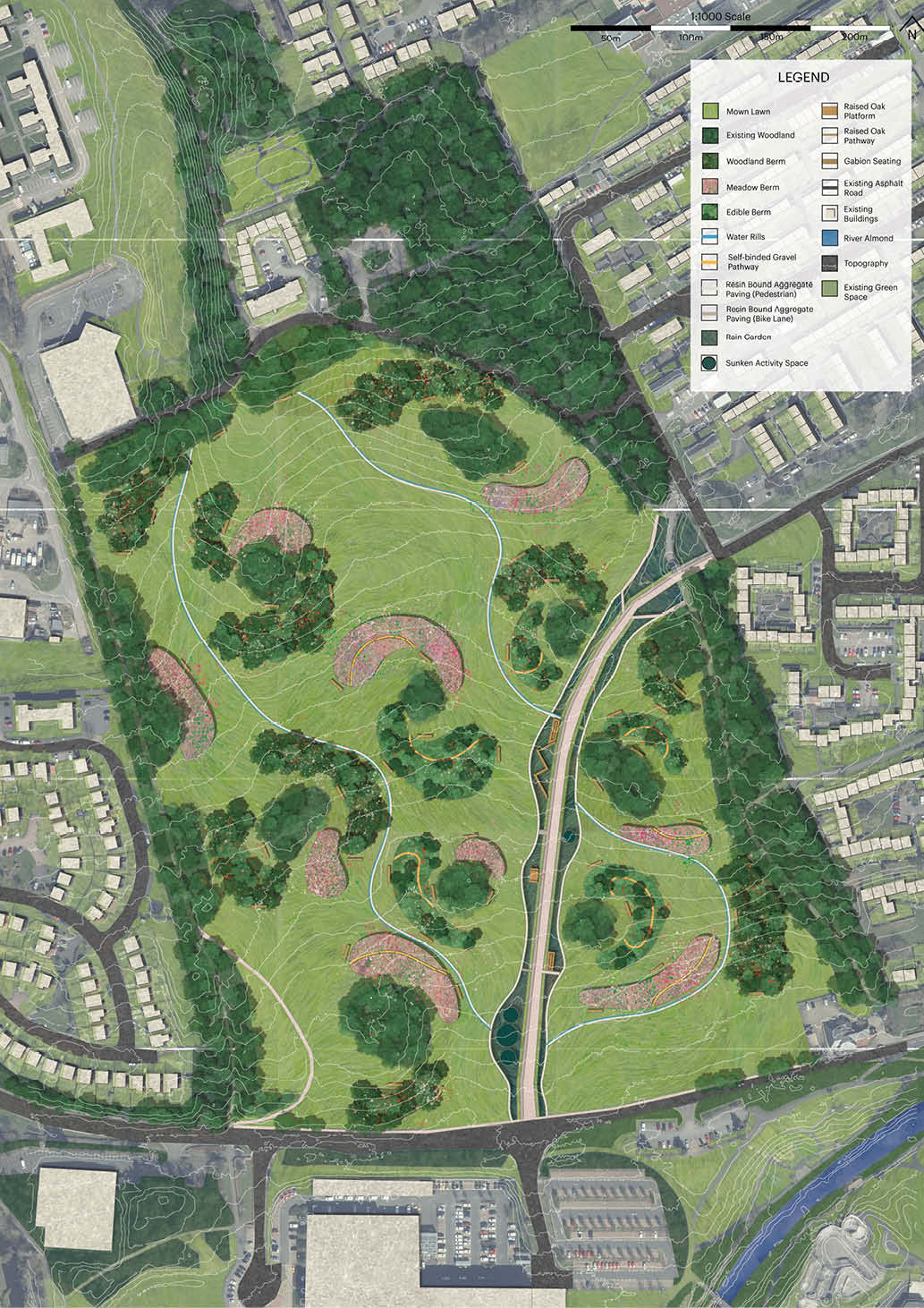
'The Living Museum' aims to draw attention by enlarging and enhancing Howden Park's natural systems. By guiding people to wander through a variety of raised and flat planting islands, view fluctuating water levels, and experience seasonal moments, it reveals the hidden cycles of nature. These visible moments encourage community engagement, ecological resilience, and identity within Livingston, creating longevity and building a connection between the human and more-than-human realm. 

'The Living Museum' Plan
Long section of 'The Living Museum'
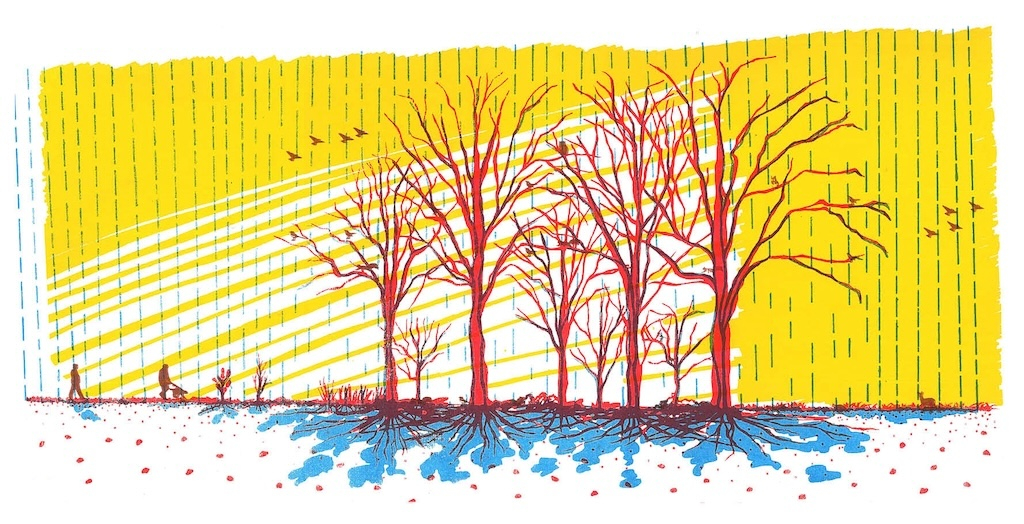
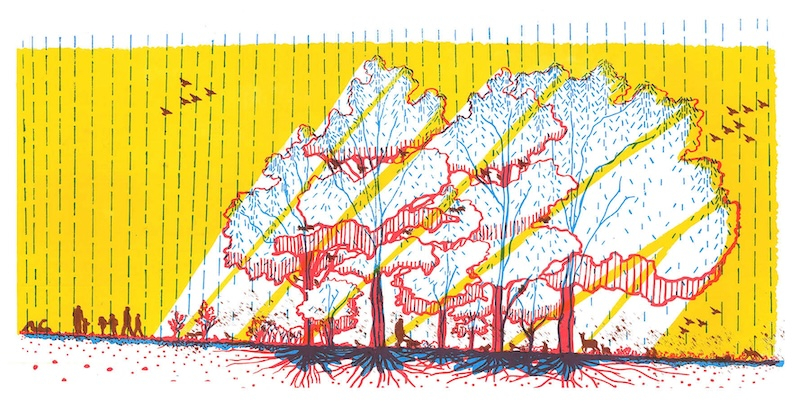
After 50 Years

After 50 years, 'The Living Museum' becomes both physically, ecologically, and socially embedded within the residents of Howden, and the rest of Livingston. 

As the design progresses, the planting islands will continue to succeed with management lessening as time goes on. The social and civic activity grows as organizations such as Wild Well Ways and schools begin to use the ground for learning, growing, and experiencing. Surrounding residents will use the space within their everyday lives and ‘The Living Museum’ will become an integral space and identity within Livingston. 

How 'The Living Museum' changes after 50 years

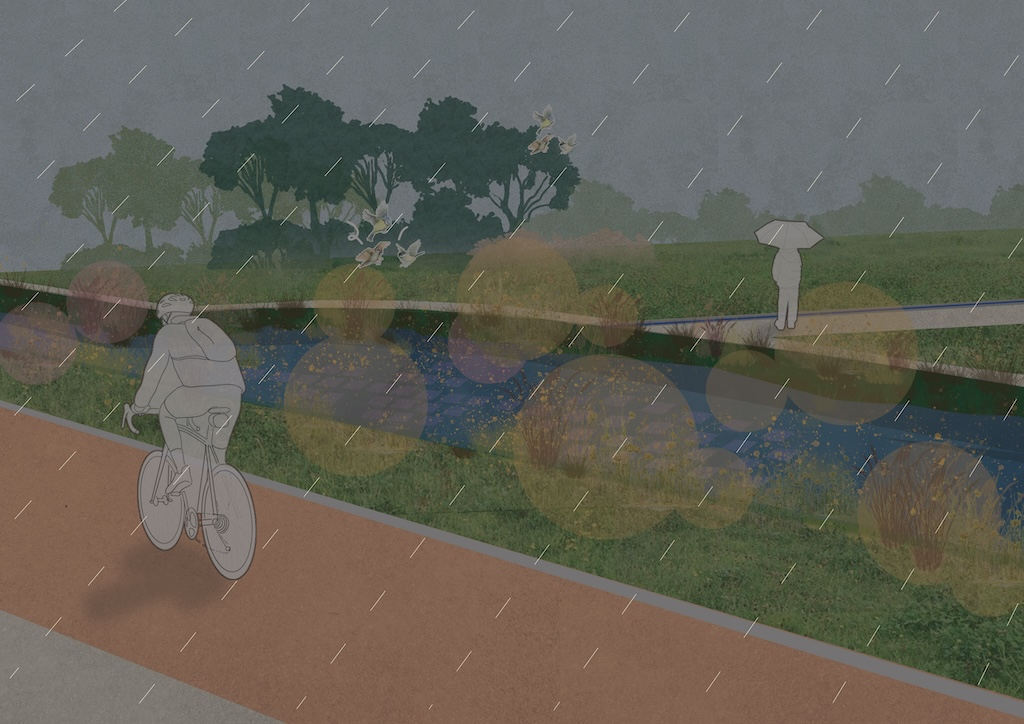
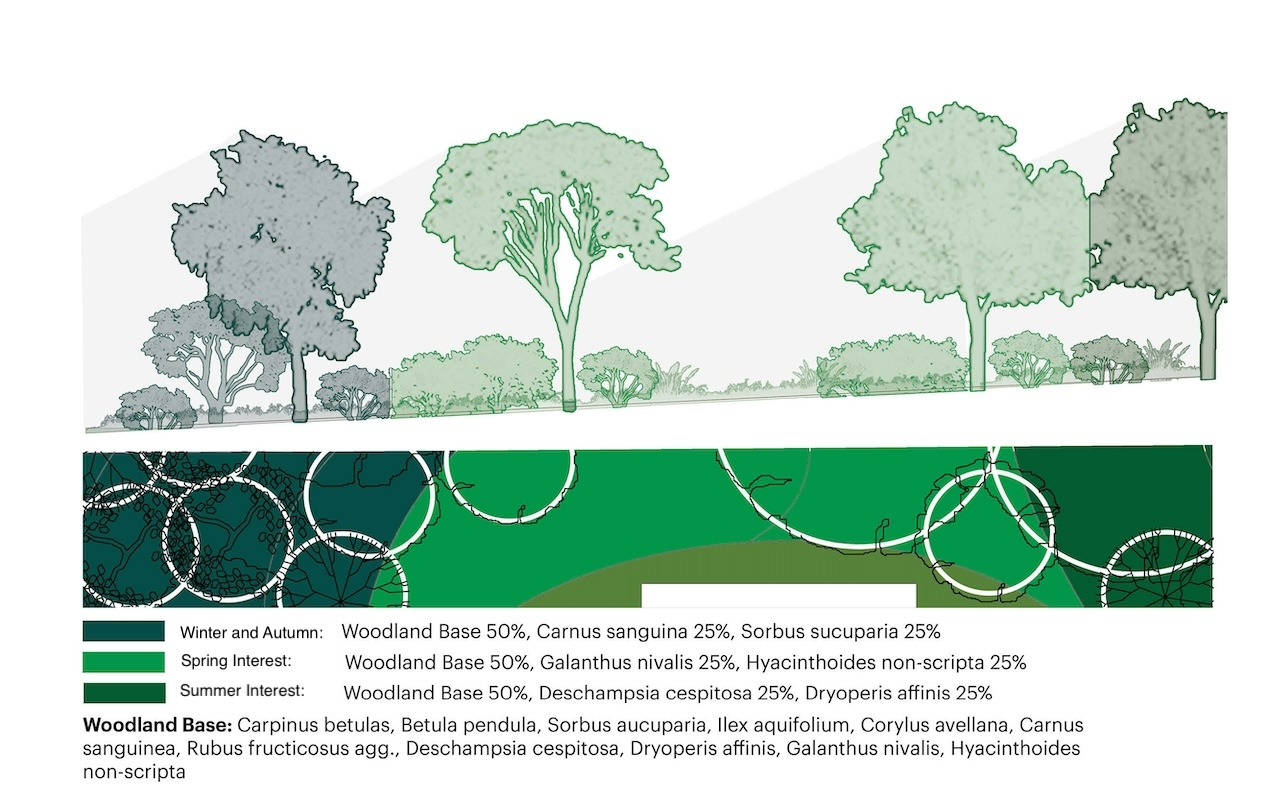
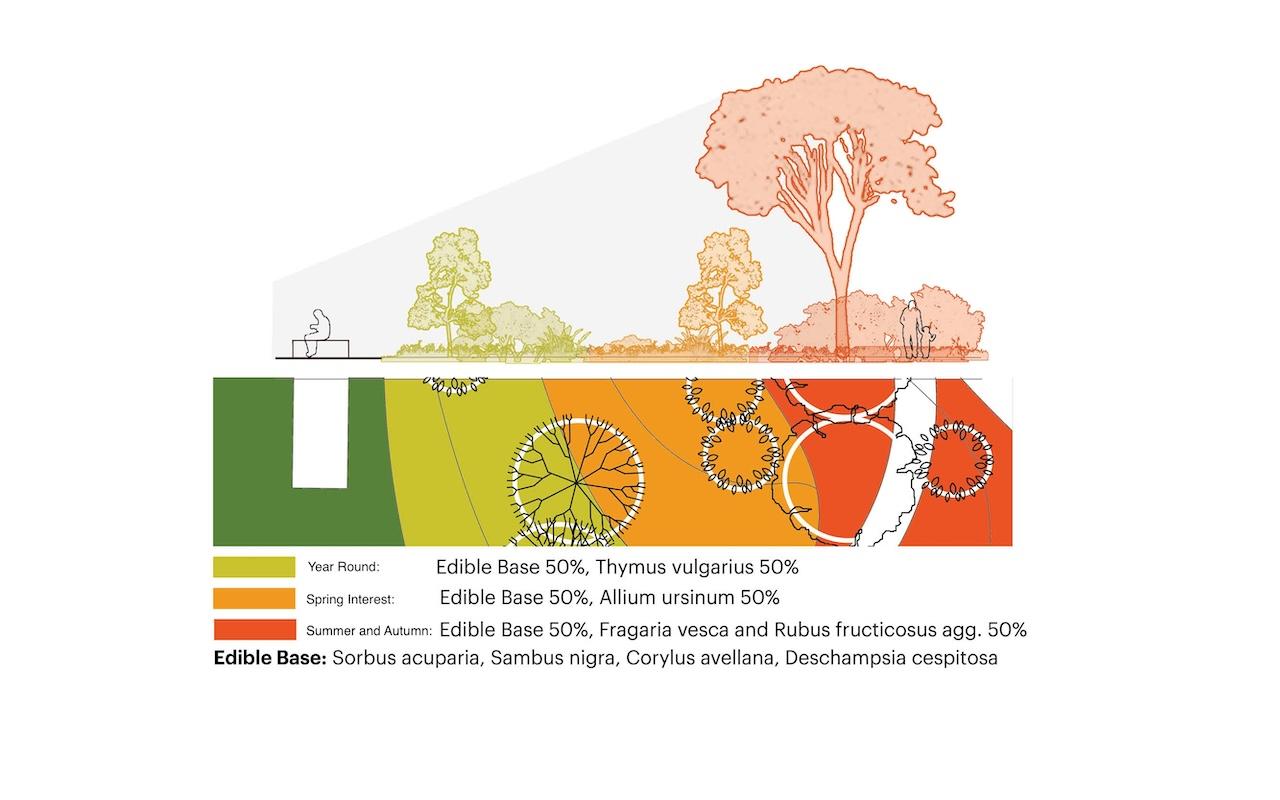
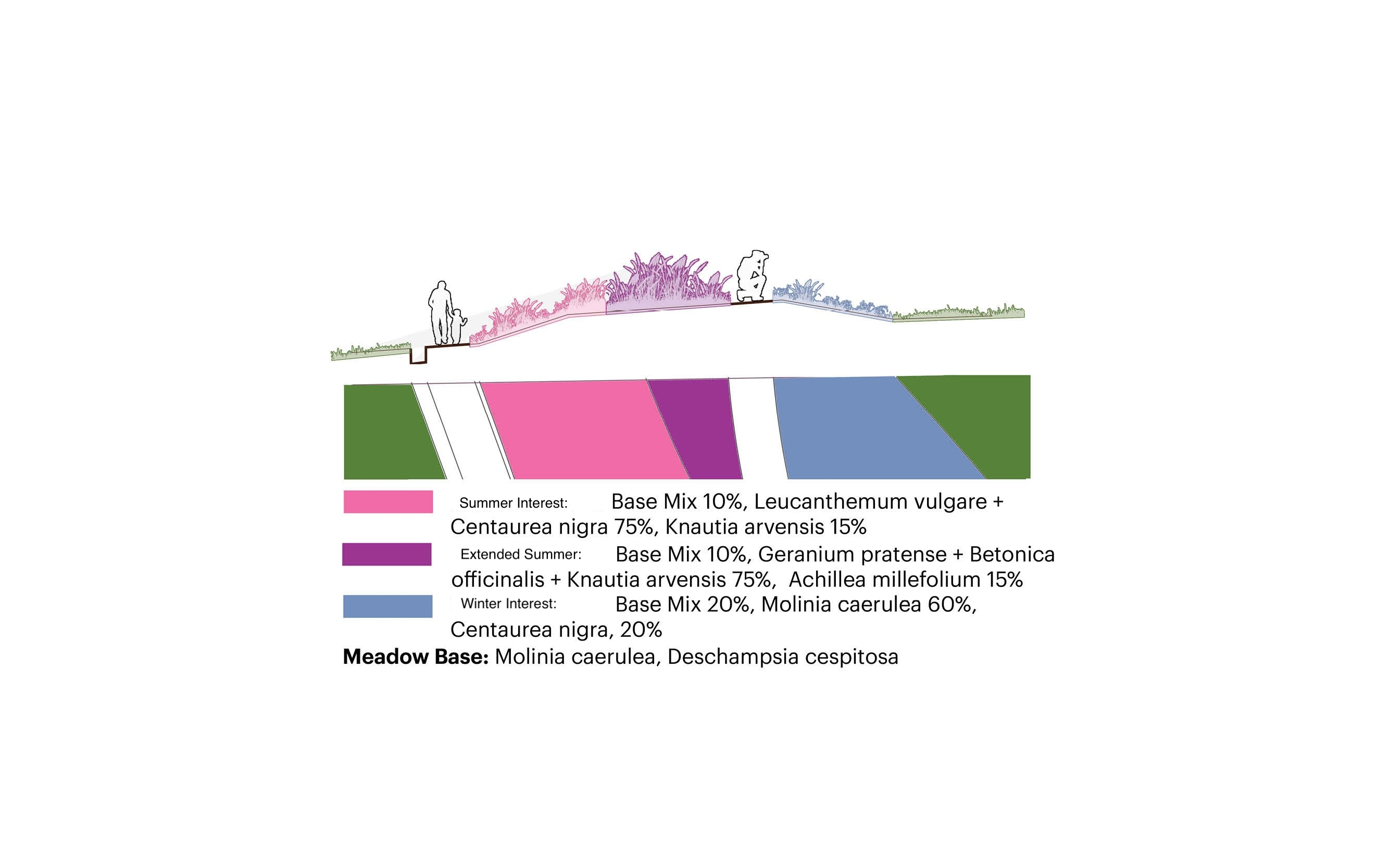
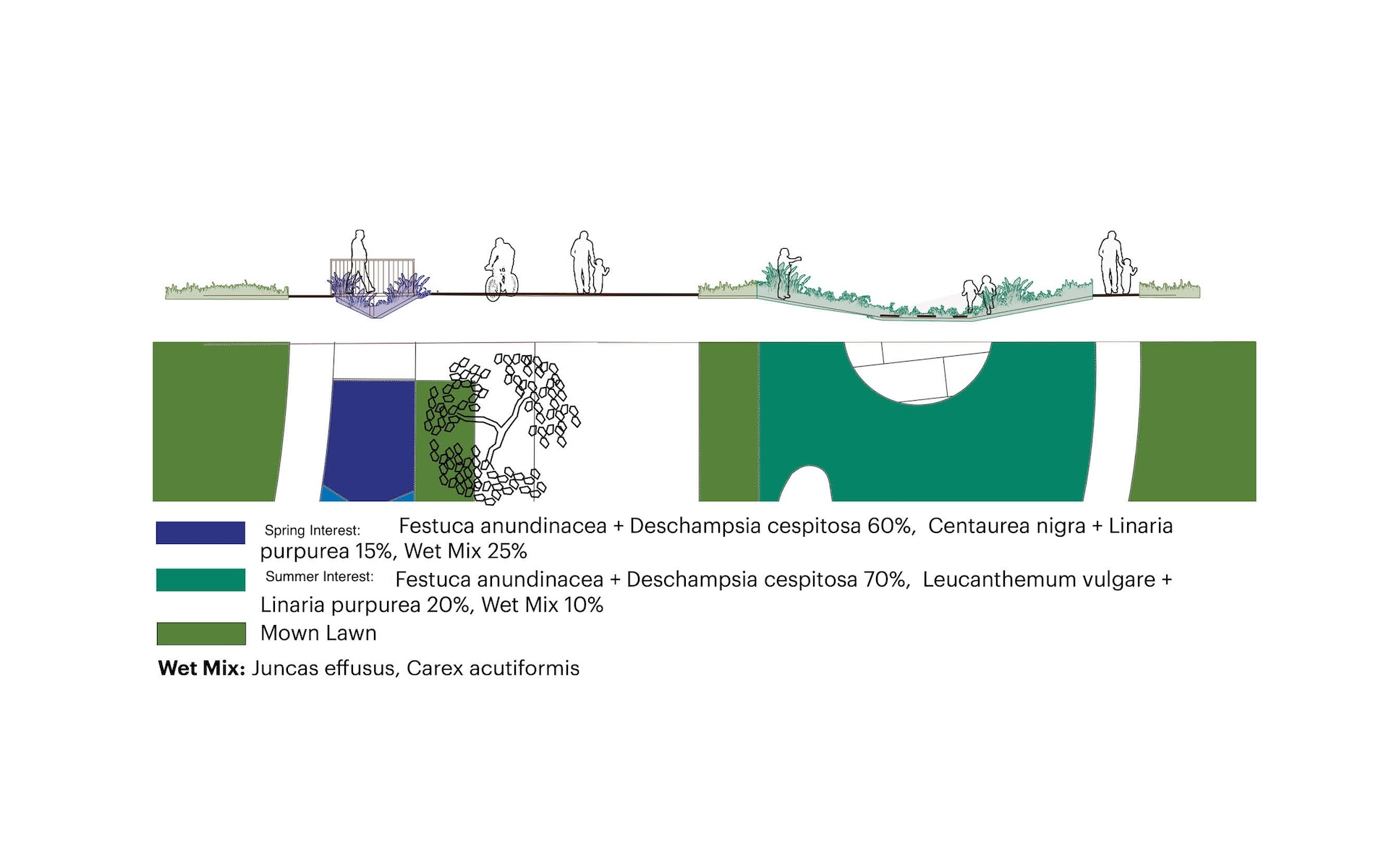
'The Living Museum' puts a strong emphasis on working with the natural systems onsite, which change drastically throughout the year. Therefore, my interventions involved working with and enhancing Howden Park's existing woodland islands, water flow, and activity. Like smaller exhibits in a typical gallery, the 'The Living Museum' curates key seasonal moments throughout the site. Within the year, residents will be able to see water fluctuate in the activity rain gardens, flowers blooming along the raised berms, residents foraging within the edible islands, and more. 'The Living Museum' stands to provide interest for everyone (humans and more than humans), and encourages engagement, identity, and ecological resilience within Howden and the wider Livingston.