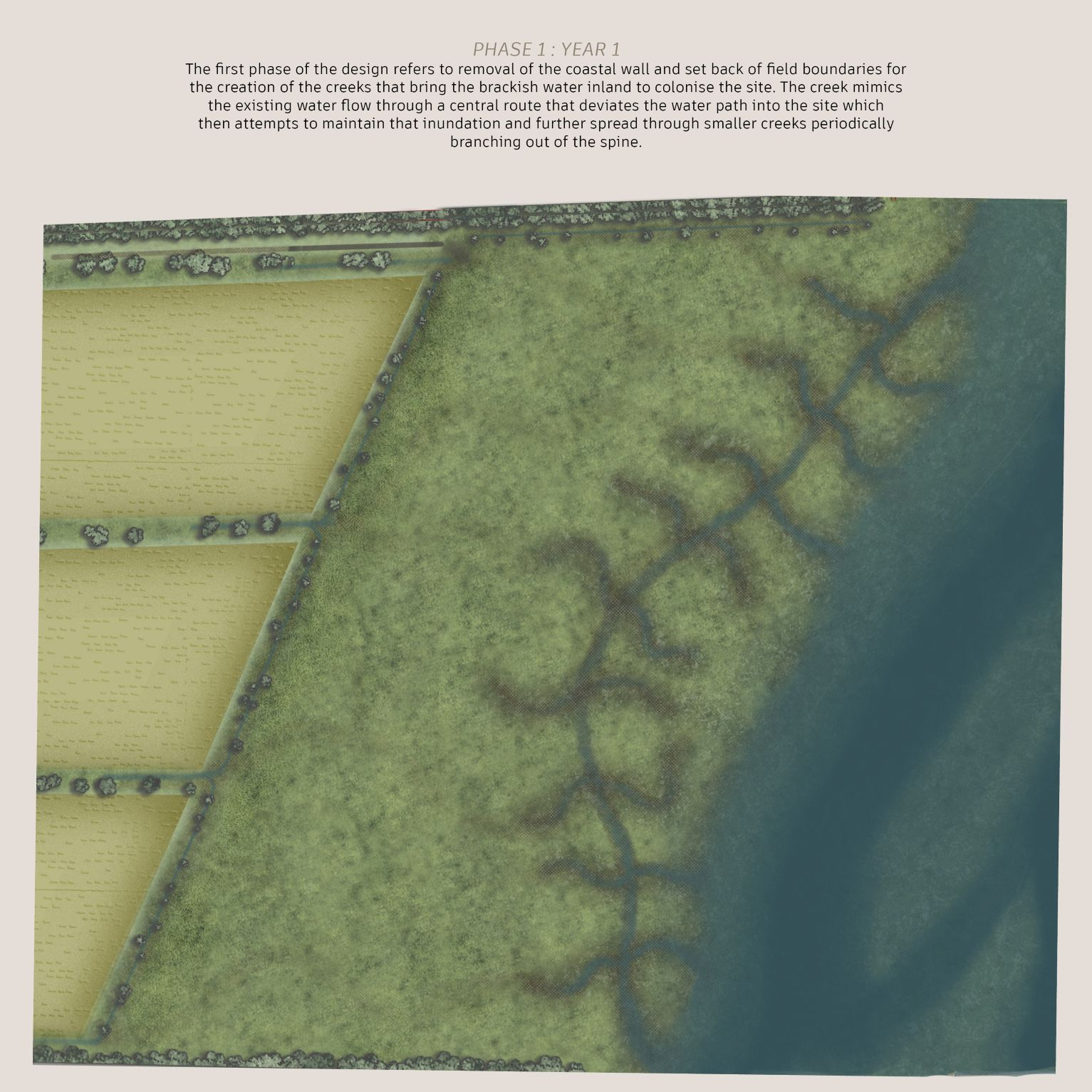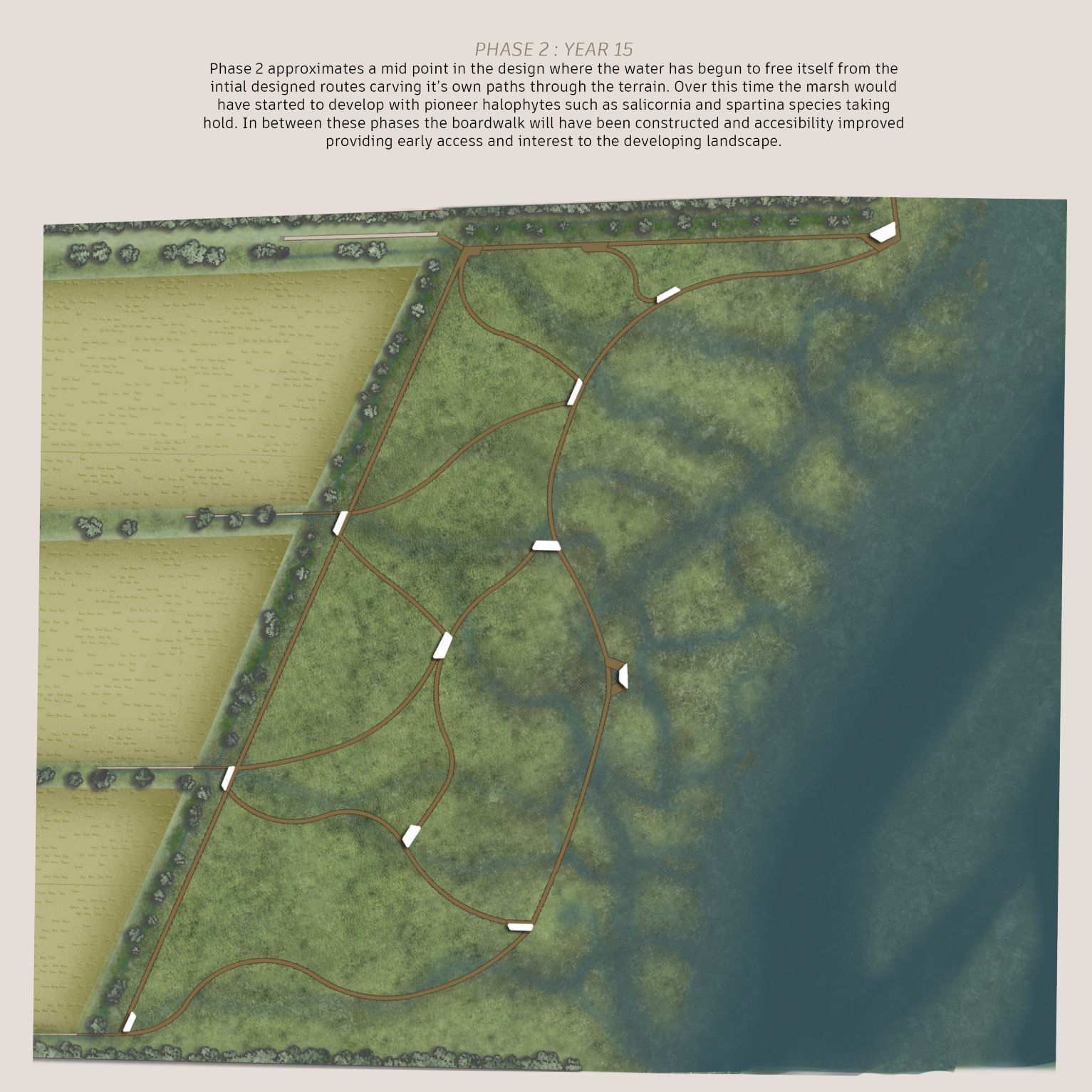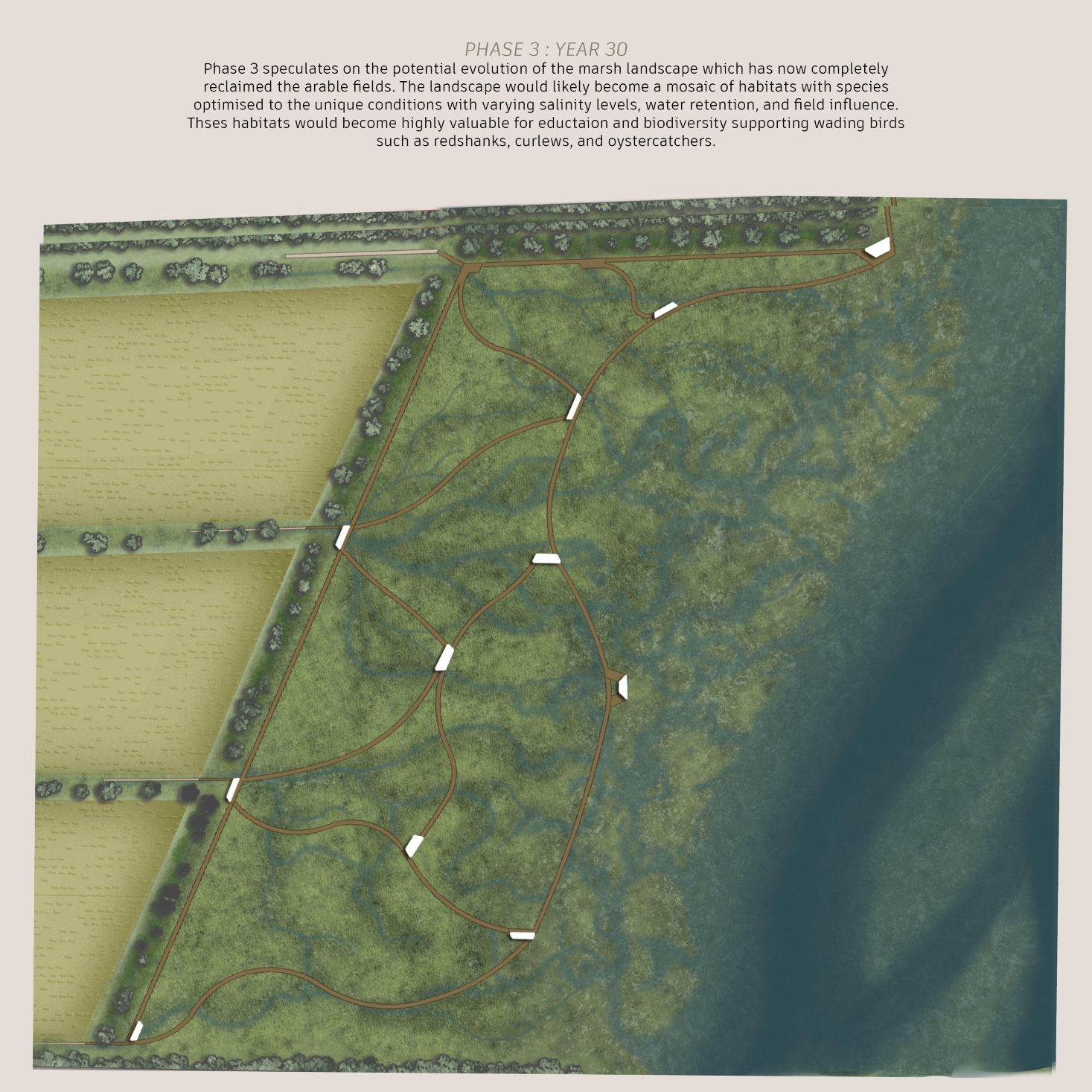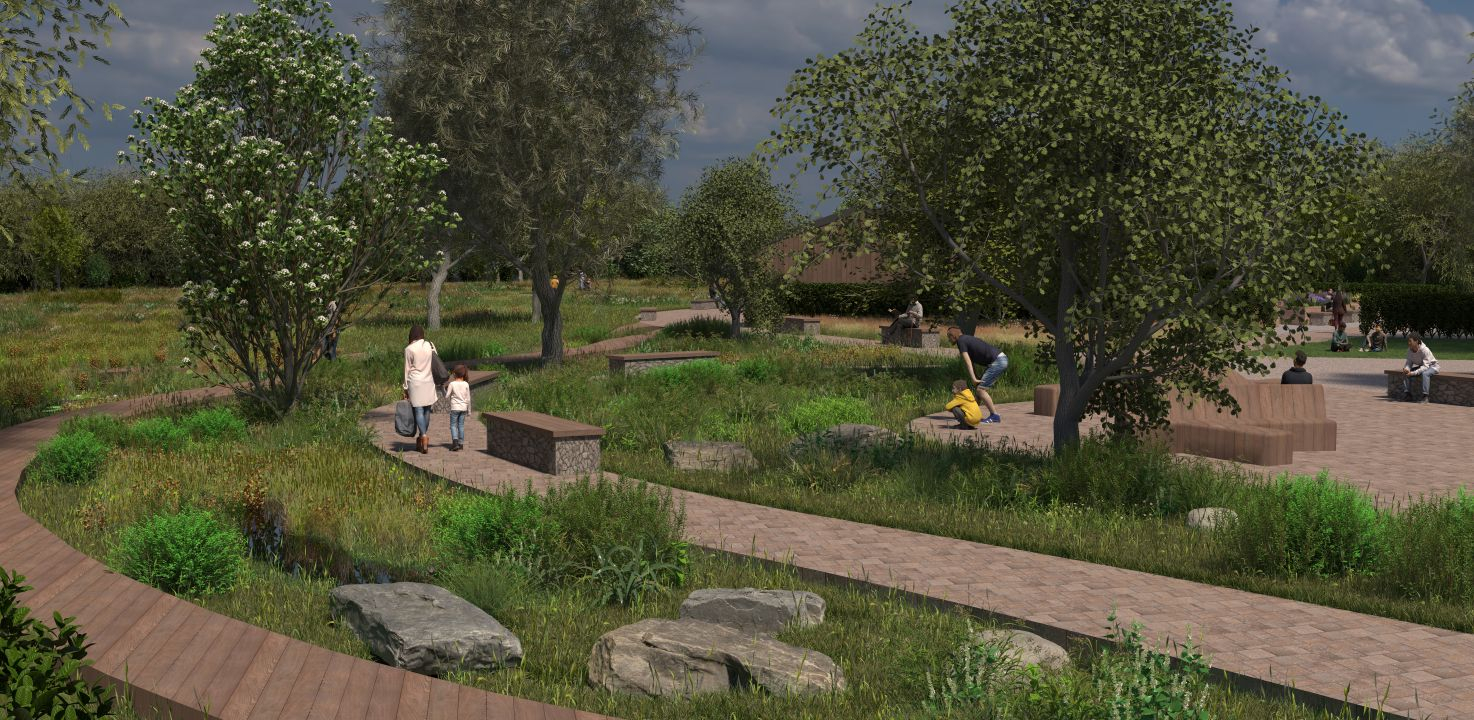


‘Common Ground’ refers to the interconnected nature of social and ecological features within landscapes highlighting the influence and presence of human, vegetative, and biodiverse communities within a common space.
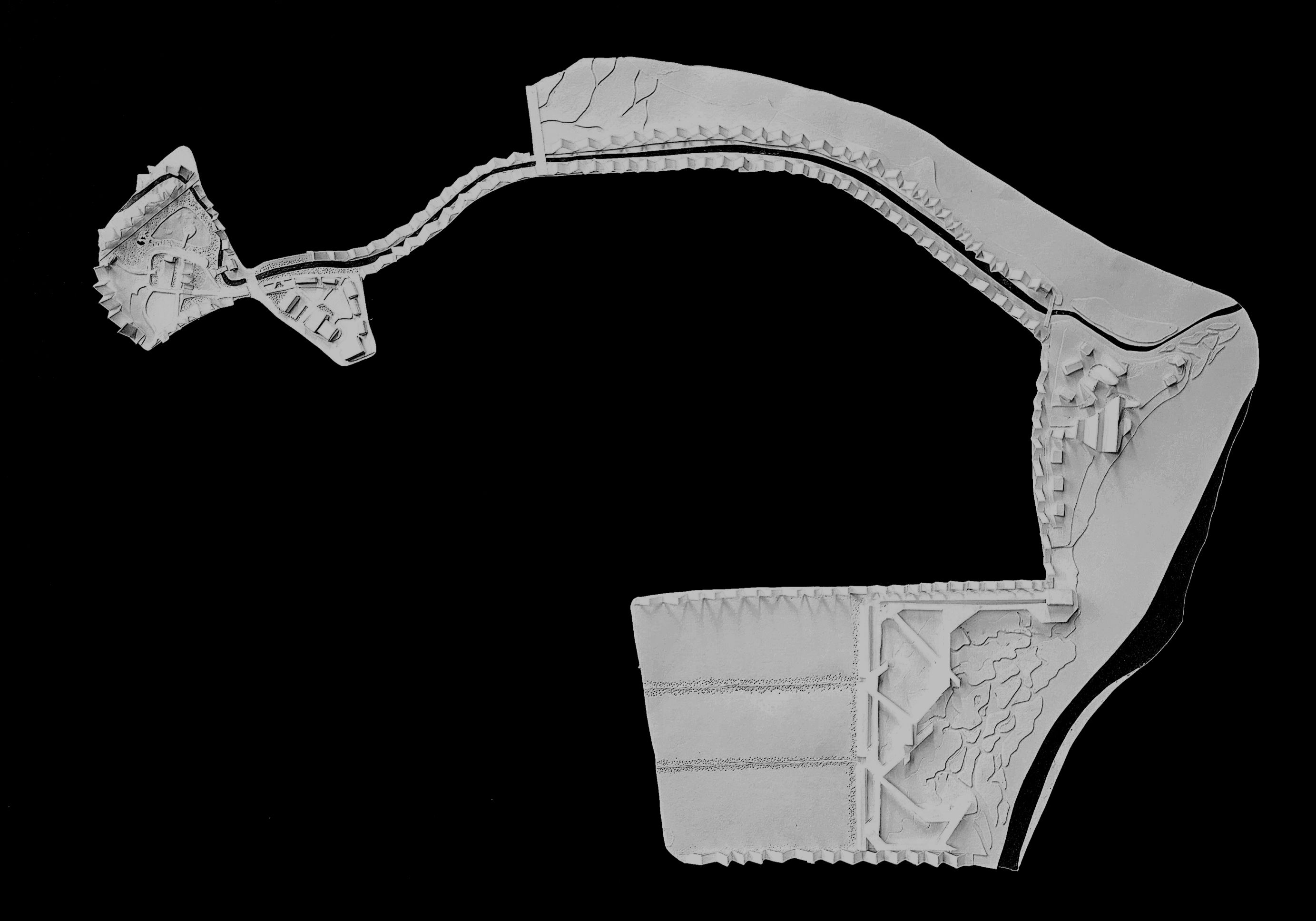
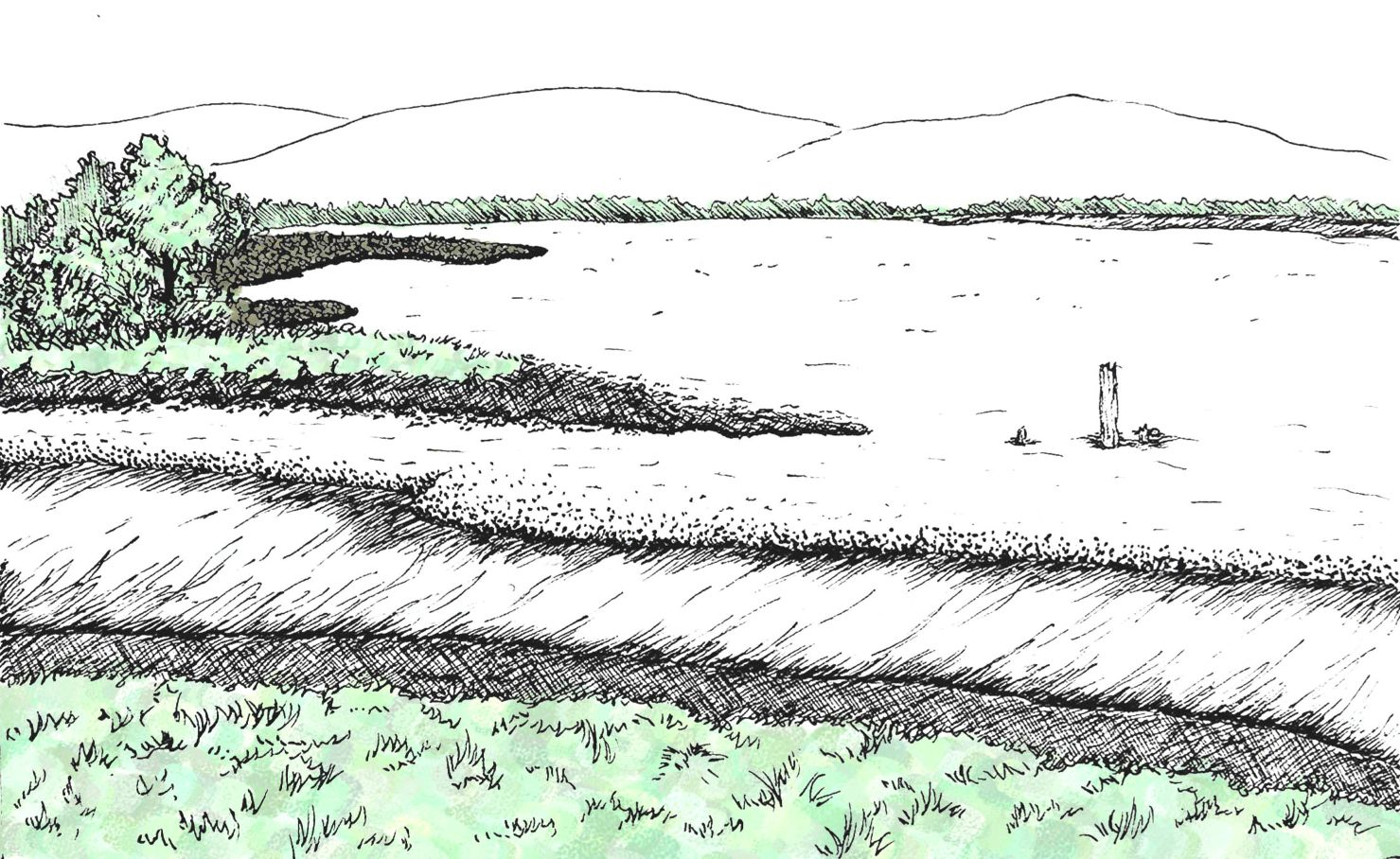
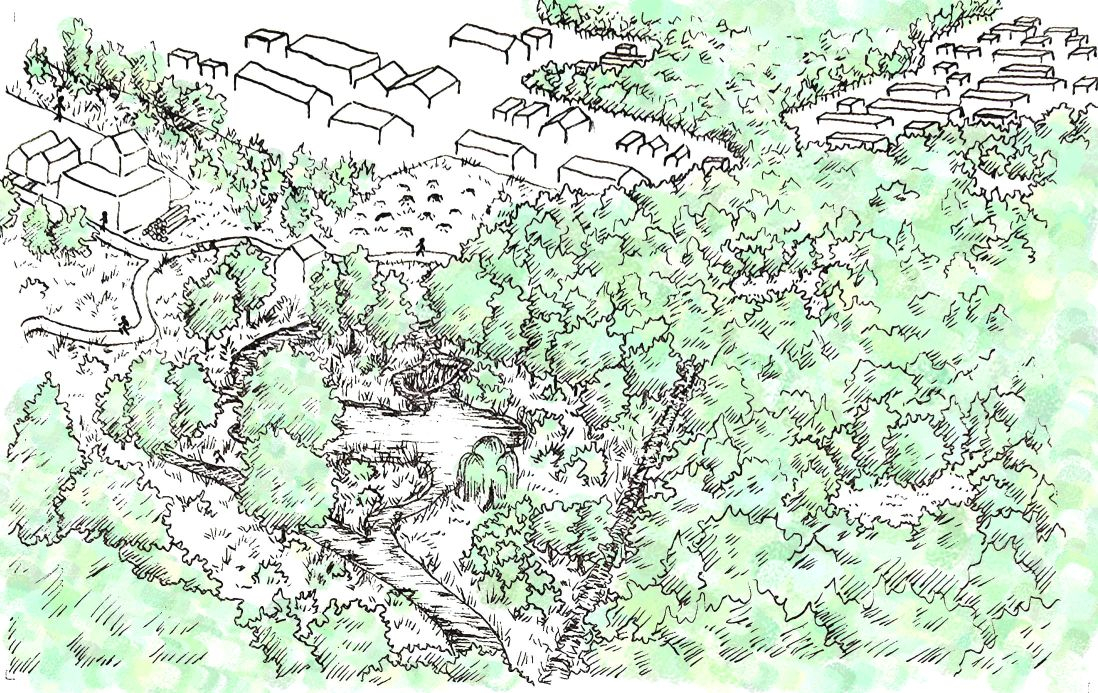
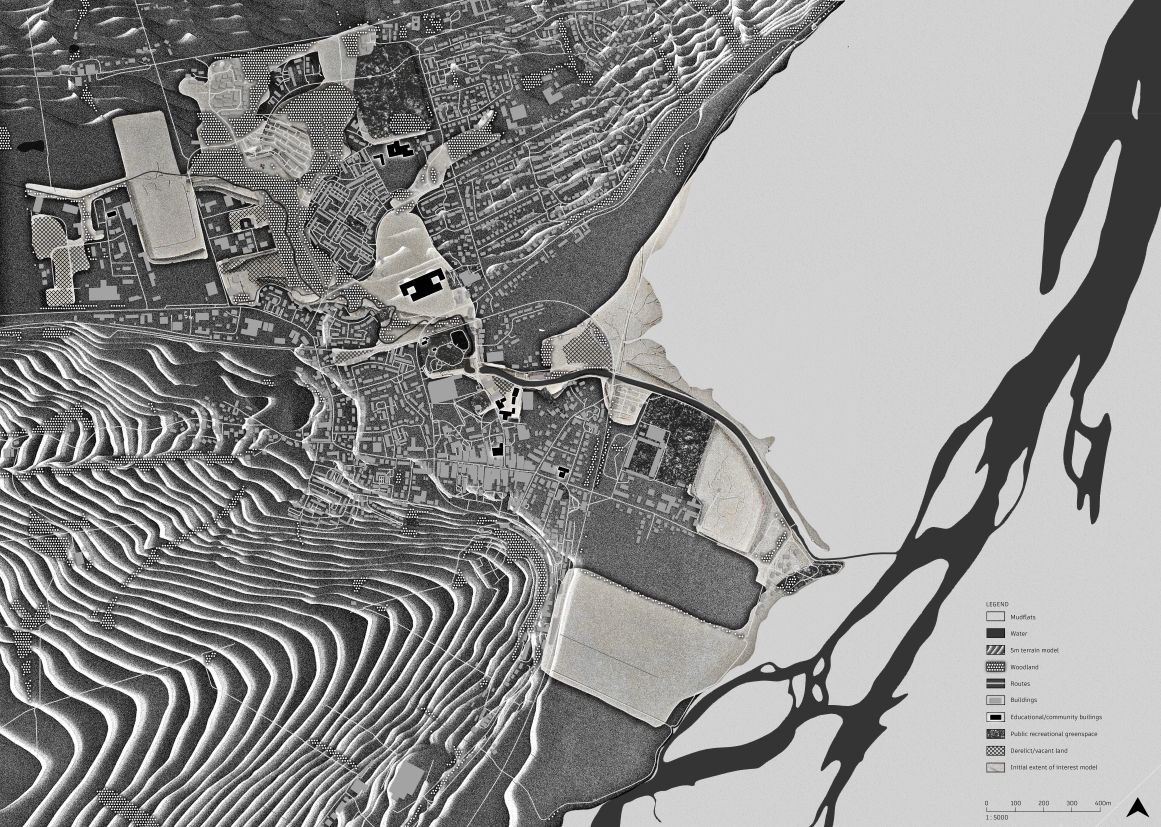
The project takes place in Dingwall, a small town in the Northeast of Scotland situated within the inner Cromarty Firth with the intention of providing community spaces that emphasise and encourage local stewardship within existing landscapes, habitats, and social areas. The aim of which is to improve overall knowledge of key systems, skills, and sustainable practices that can play a role in tackling the climate crisis and degrading landscapes, providing local people with opportunities to engage more directly with the development and care of their home.







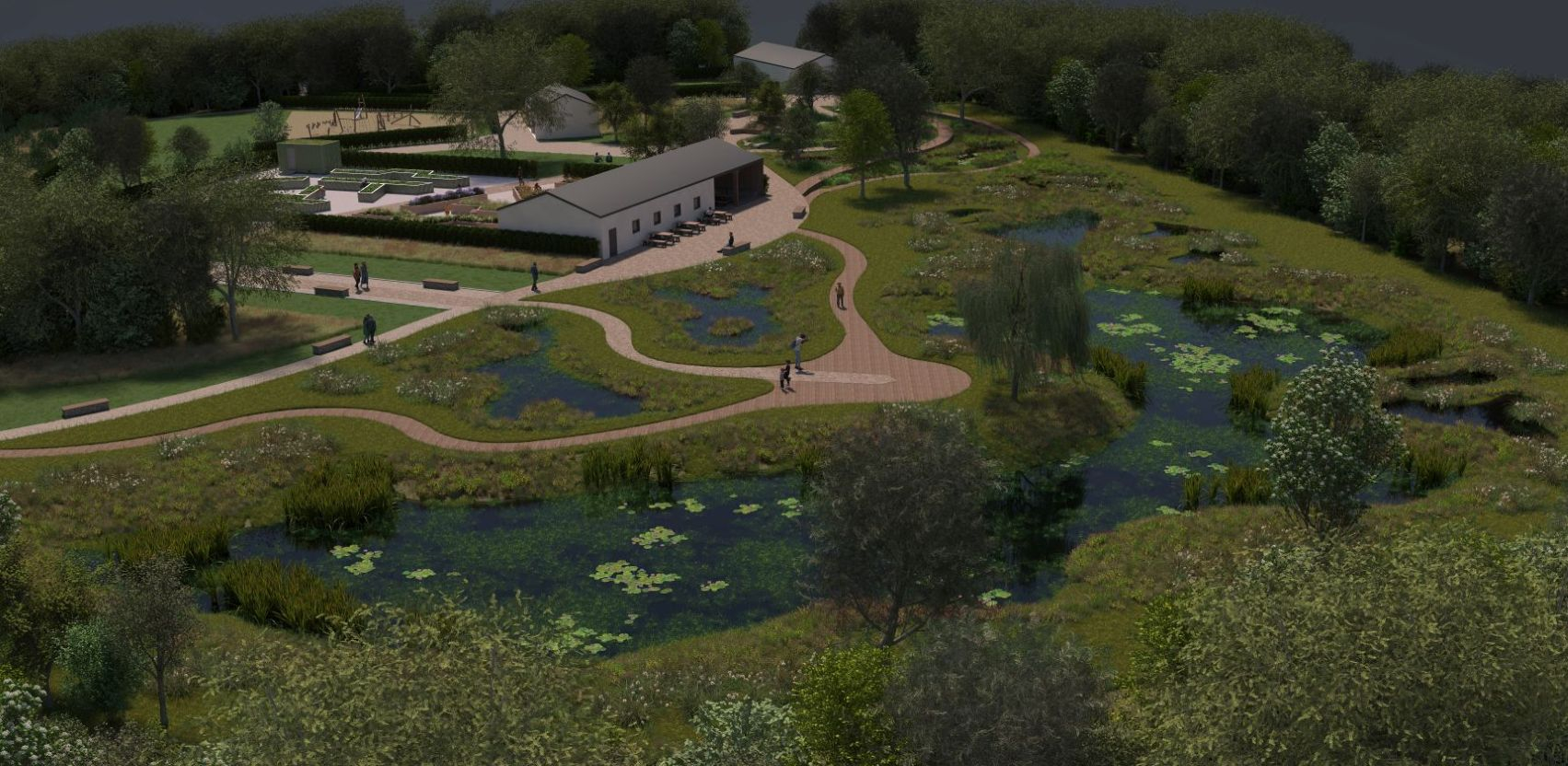
Dry Zone
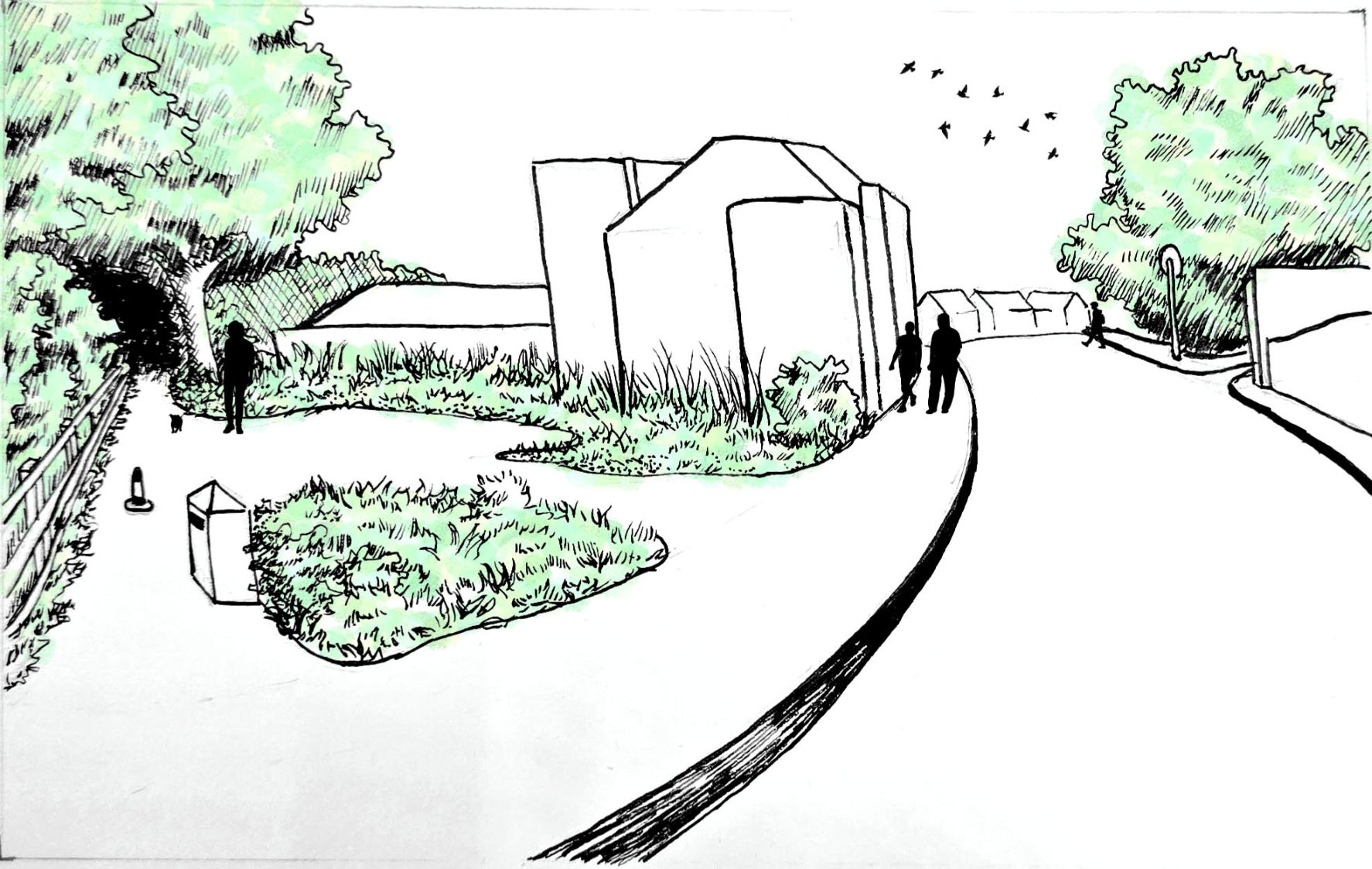
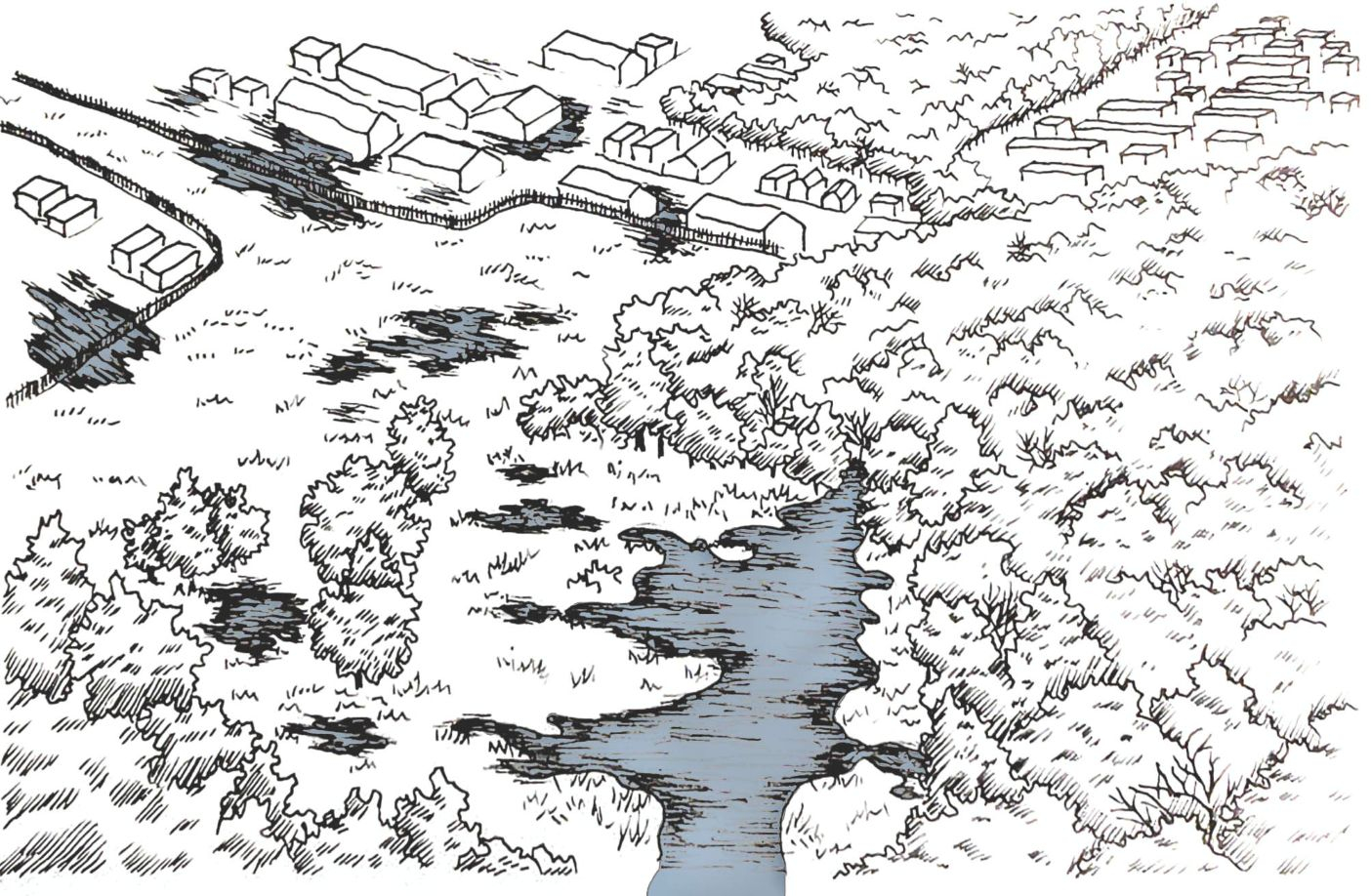
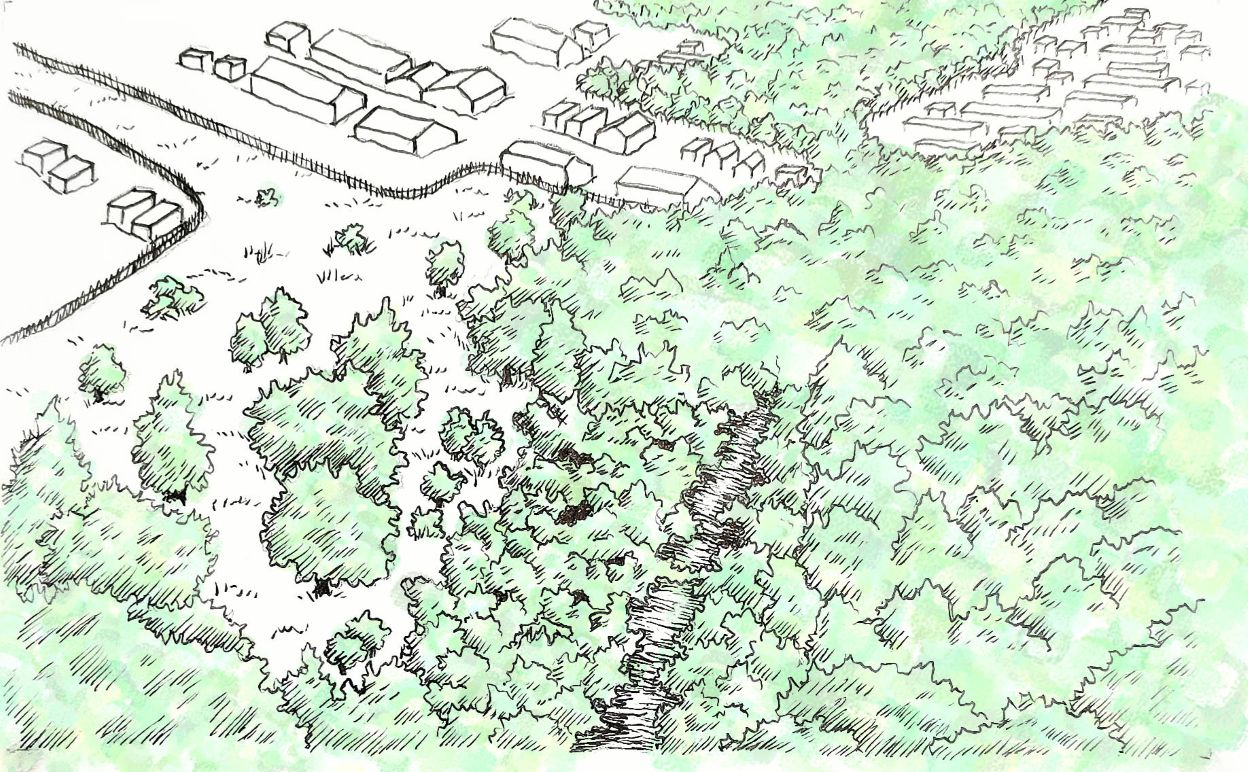
This area would typically remain dry throughout the majority of the year rarely being flooded or inundated. This area would likely have species such as crataegus monogyna, salix repens, cornus sanguinea and salix caprea etc.
Seasonal Flood Zone
This area would likely be occasionally inundated usually during damper months but dry out in the summer. This area might have species such as deschampsia cespitosa, molinia carerulea, geum rivale, and Lychnis flos-cuculi etc.
Marginal
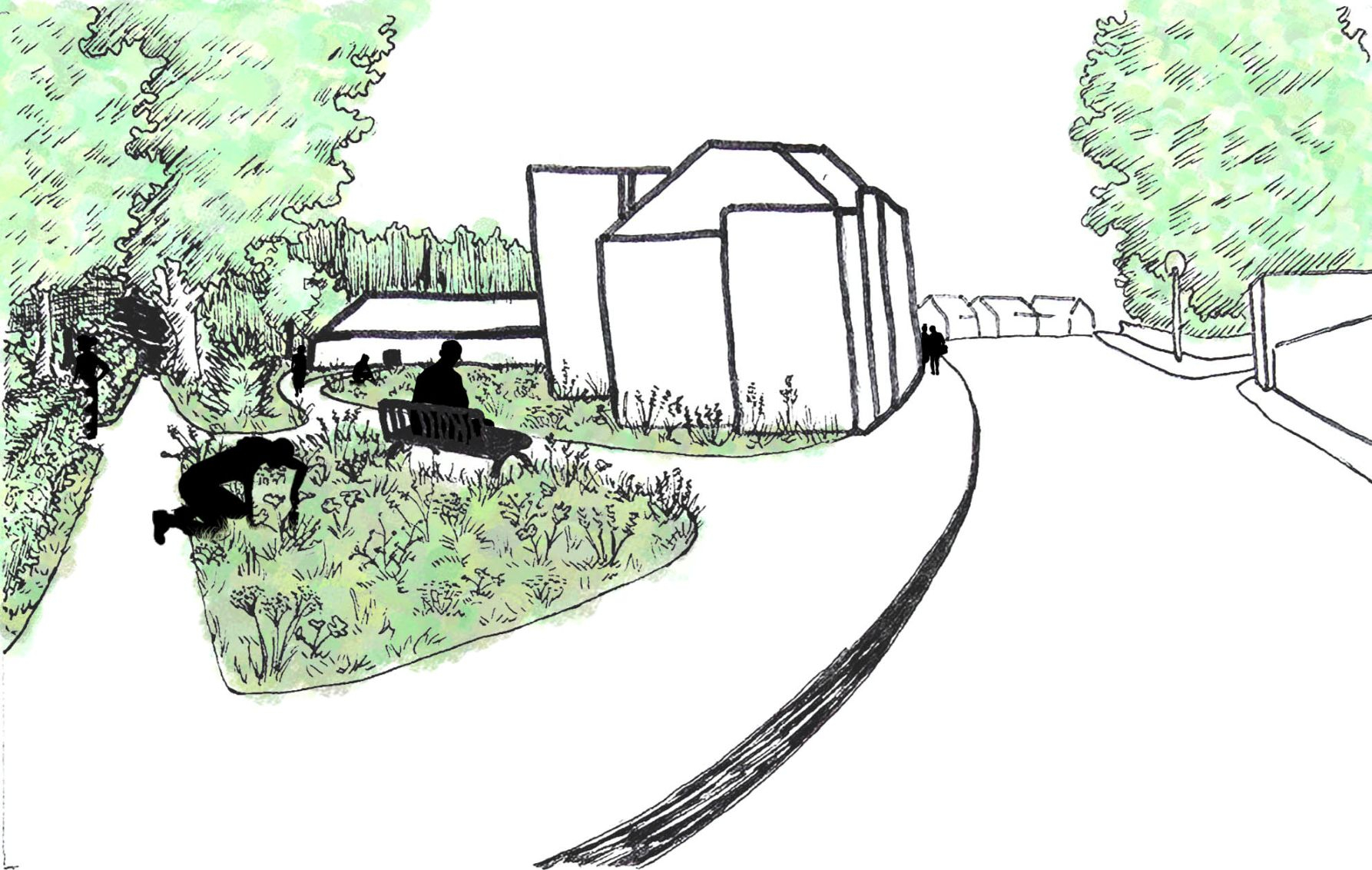
This area would regularly become inundated with wet margins and edges. Species in this area might include filipendula ulmaria, carex acutiformis, butomis umbellatus, and lythrum salicaria etc.
Permenent Wet
These areas refer to the deeper basins that form the permenent pools that hold water year round. These would feature species such as juncus effusus, caltha palustris, typha latifolia, and iris pseudocorus etc.