Project description

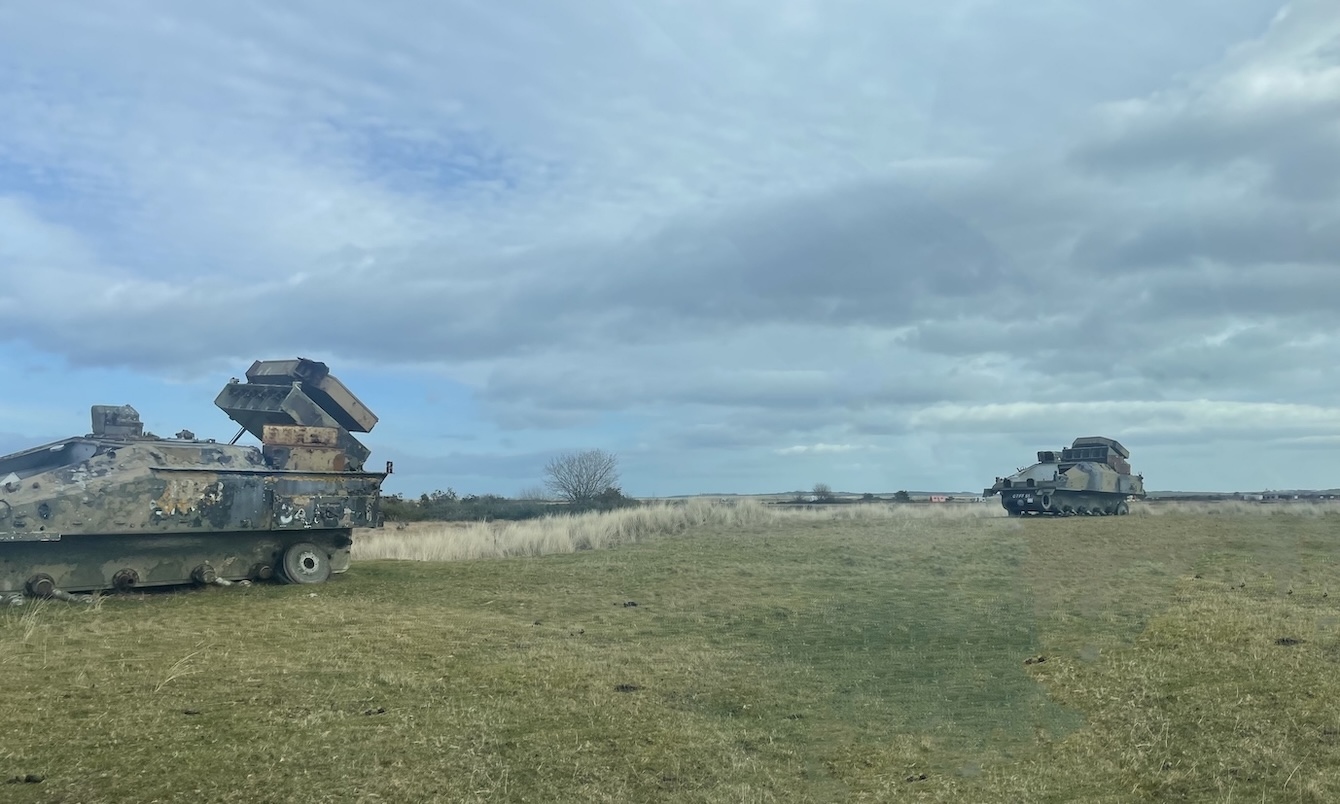
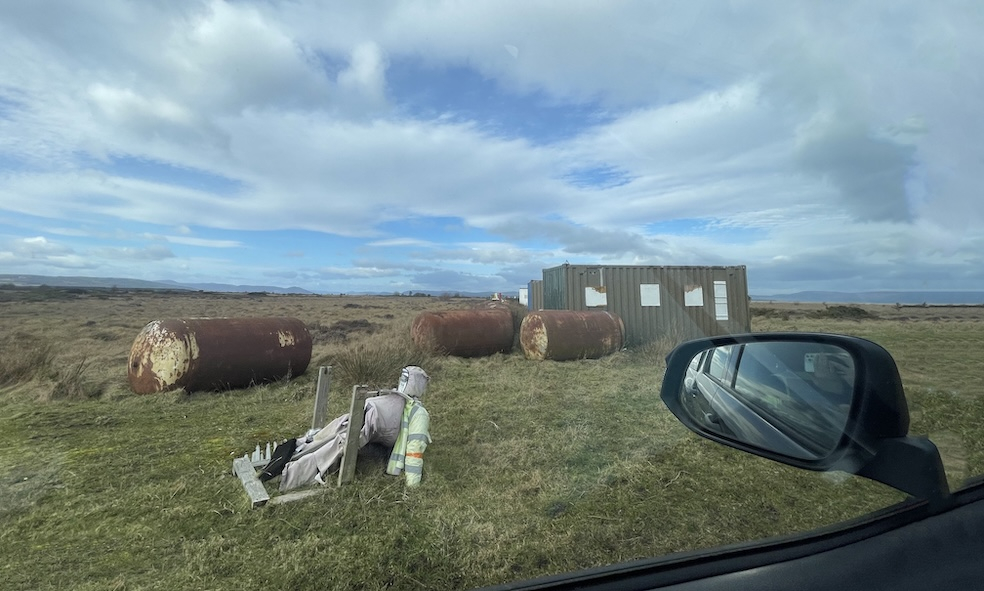
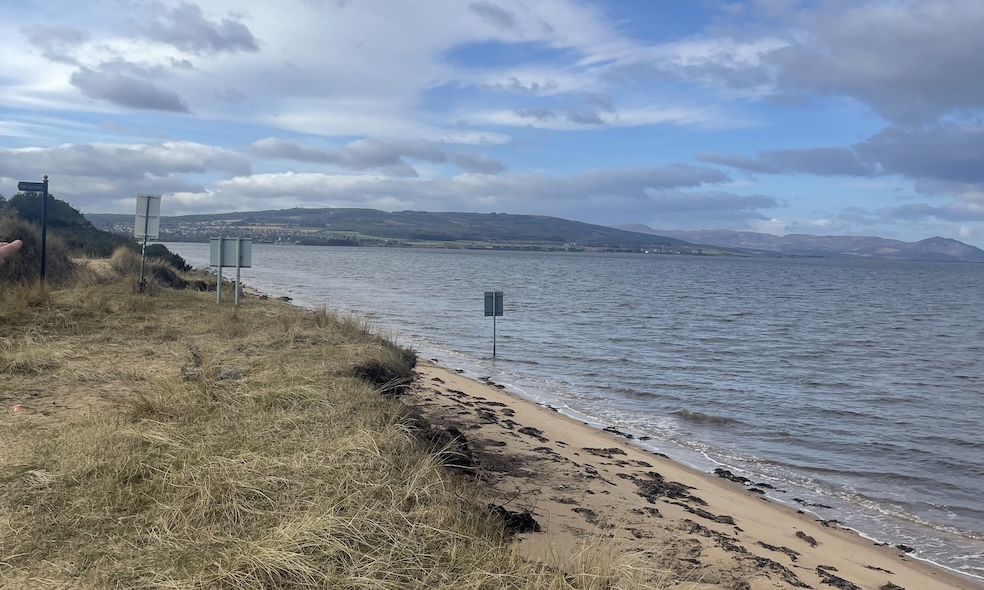
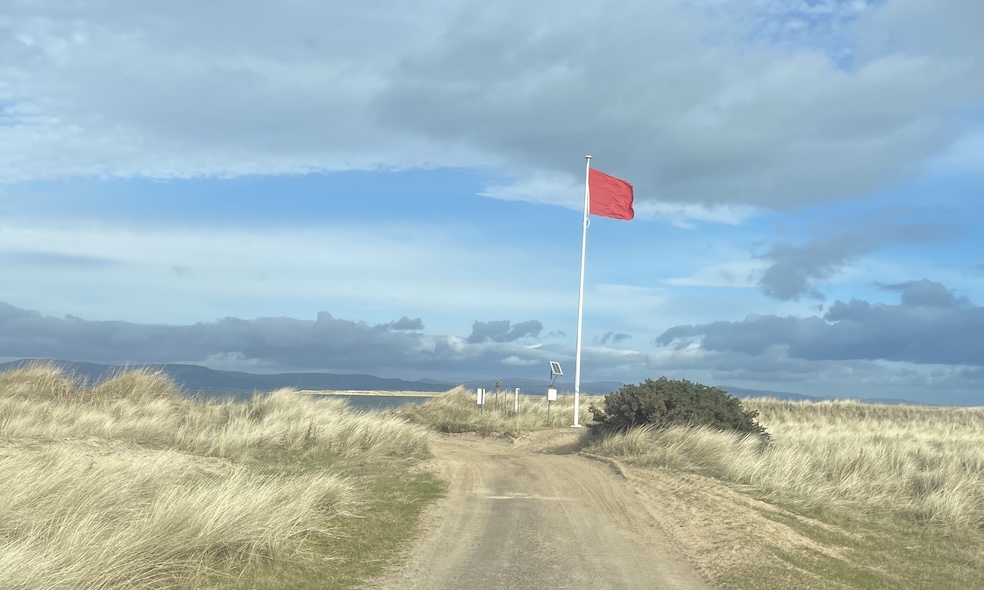
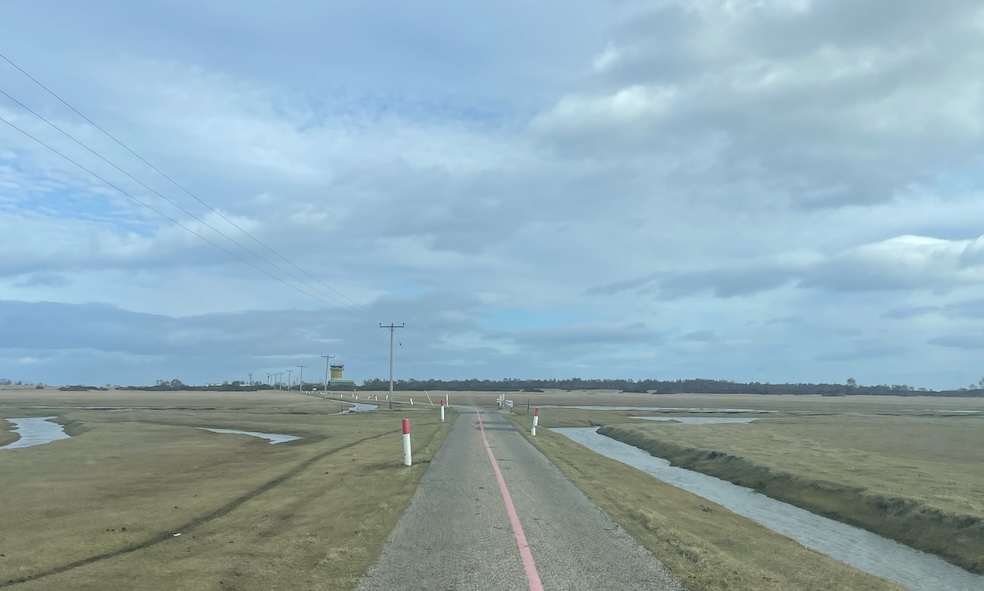
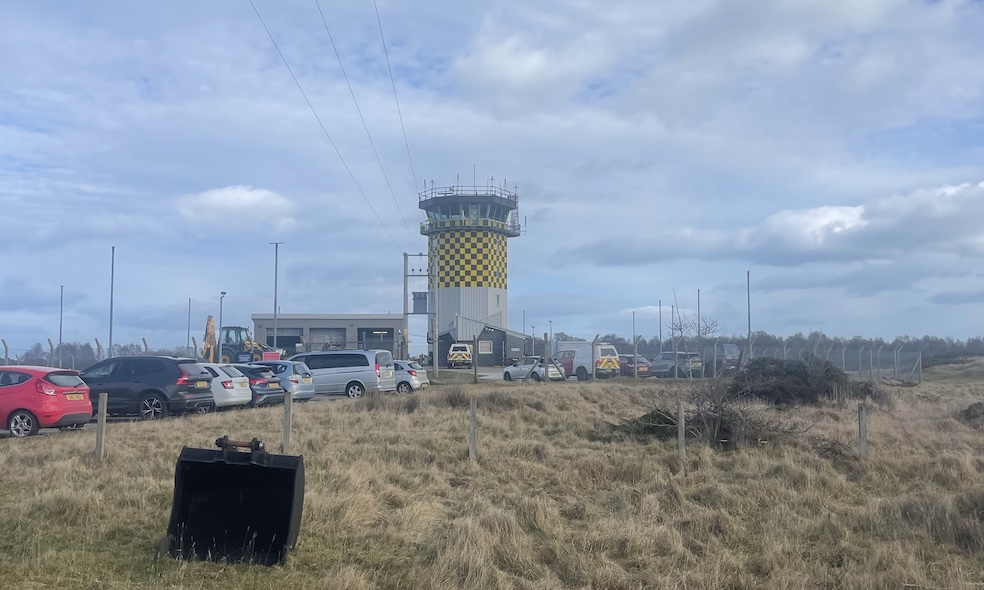
Good Neighbours explores Morrich more’s identity as a designated protected area in the North of Scotland, and as Tain’s Active Air Weapons Range used by the Ministry of Defence. Aiming to highlight the relationship between conservation efforts and military activity.

The project has a 3-tier approach; Public Access, Species Driven Ecological Design, and a Long-Term Climate Future Consideration. Driven by the plan to invite the public into the site, a proposed pause of the range’s activity for a few days allows visitors to learn about Morrich More. 

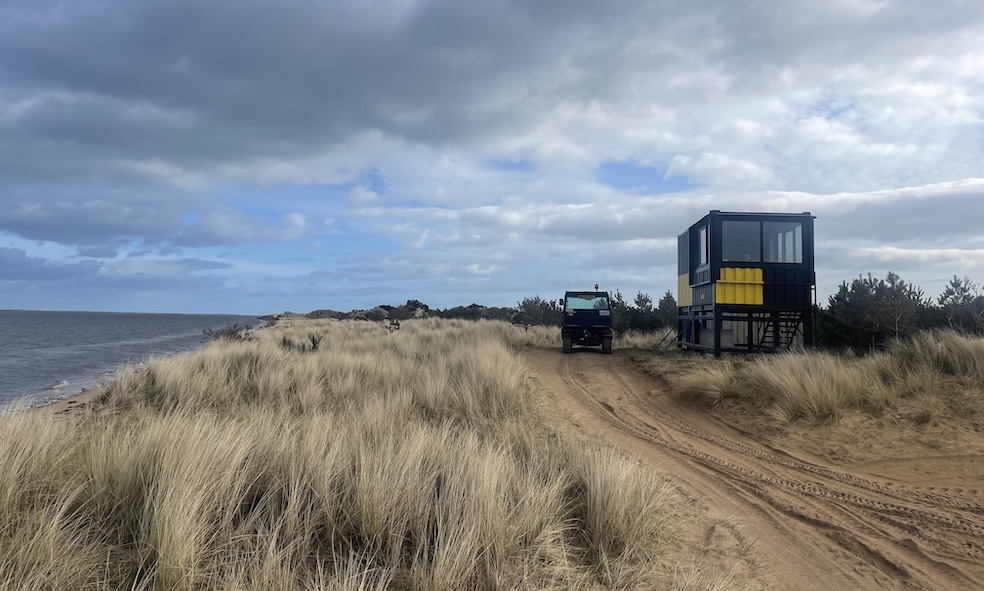
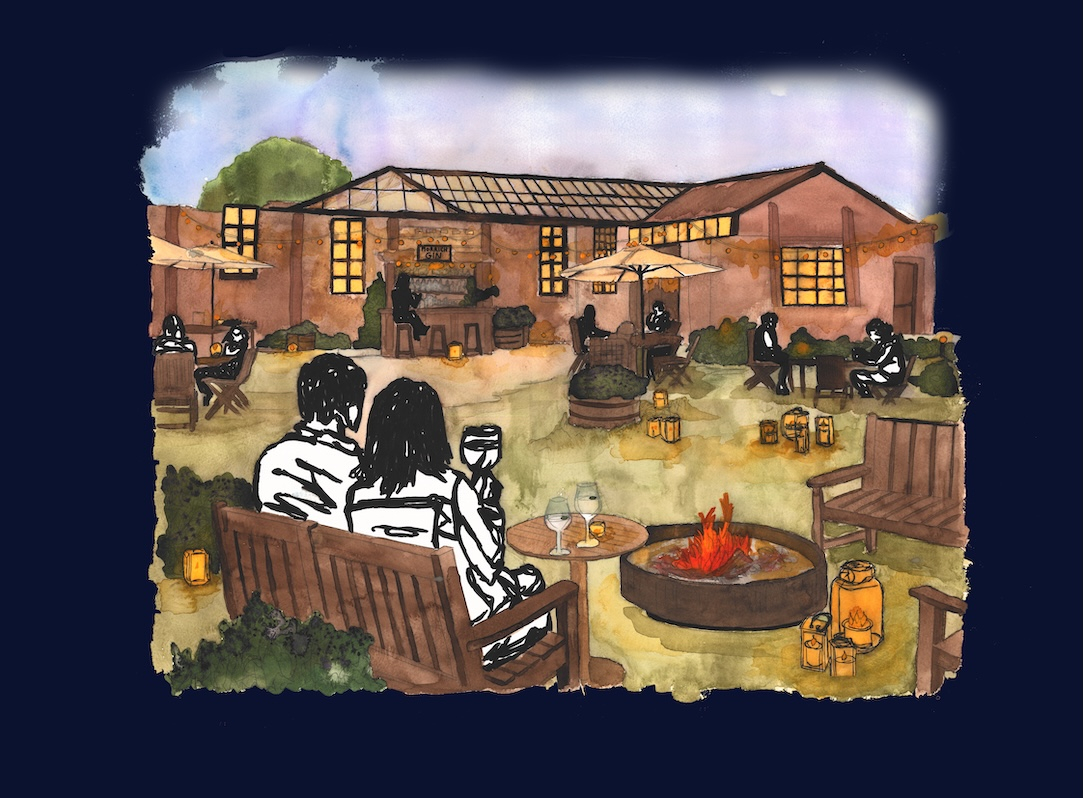
A network of paths linked to Morrich’s unique coastal habitats allow visitors to explore during the day. A second nocturnal experience is proposed to highlight rare species found on Morrich More. The species-driven design includes the creation of ‘Morrich Gin Garden’ to highlight to Coastal Juniper and the construction of a ‘Nocturnal Habitat Observer’ for the Galium Carpet Moth. 

Due to rising sea levels, Morrich More will be tidal or underwater in the future. Therefore, all proposed interventions are bio-degradable or removable to allow Morrich to naturally evolve. 

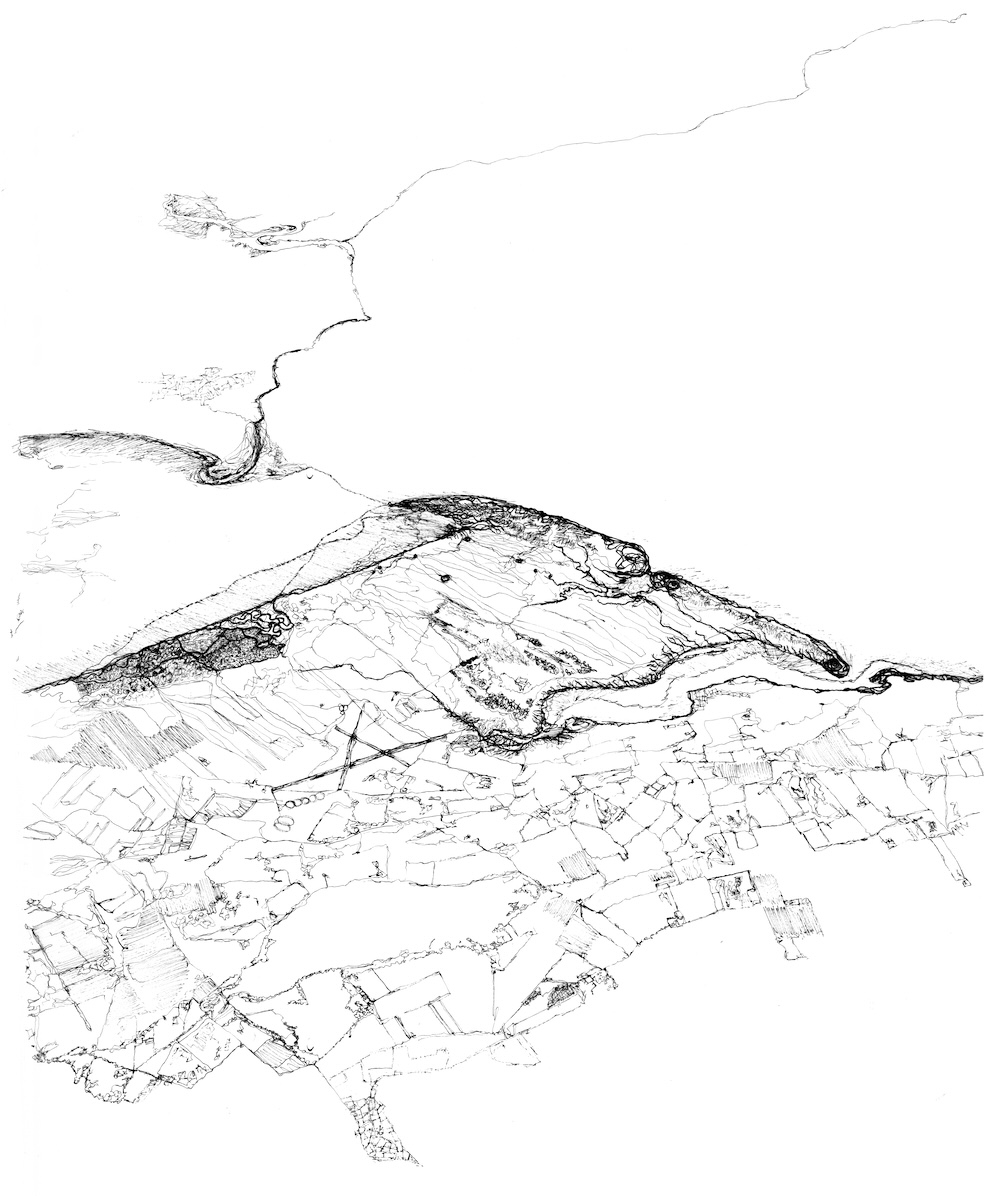
Hand-drawn Hatched Plan Drawing of Morrich More's Habitat's

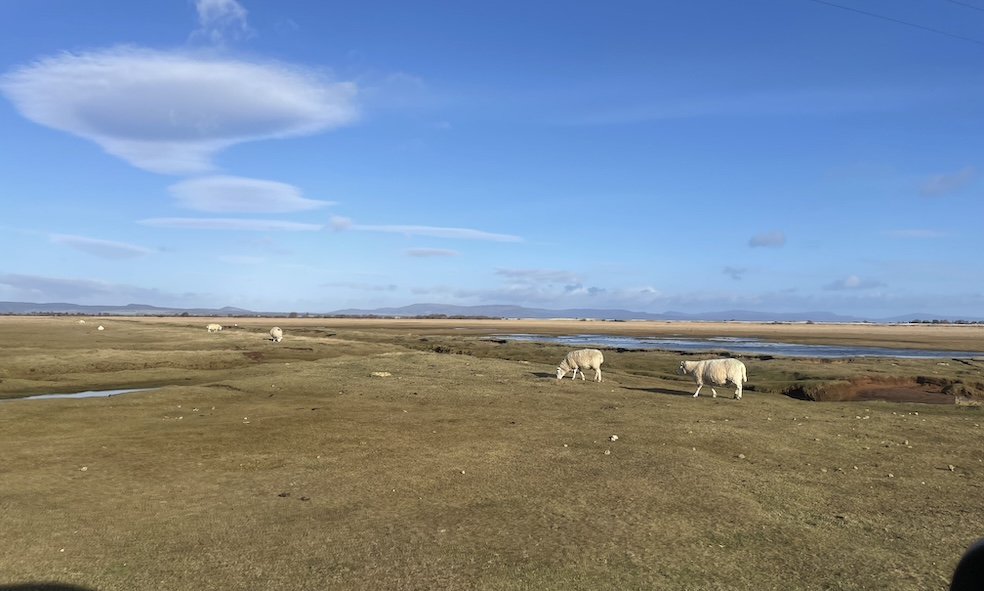
Protected for its unique 7000 year old coastal habitats, Morrich More is the most important site in the UK for Juniper on Sand Dunes and has 5% of Scotlands historic naturally occurring saltmarsh. 

This hand-drawn hatched plan represents Morrich's complex habitats mosaic.

A hand-drawn hatched drawing representing the habitat mosaic on Morrich More, Scotland.
Good Neighbours Site Overview Path Network Proposal

Three new paths are proposed to access Morrich More's Habitats. Each path has its own name relating to its identity within the habitat its in; 

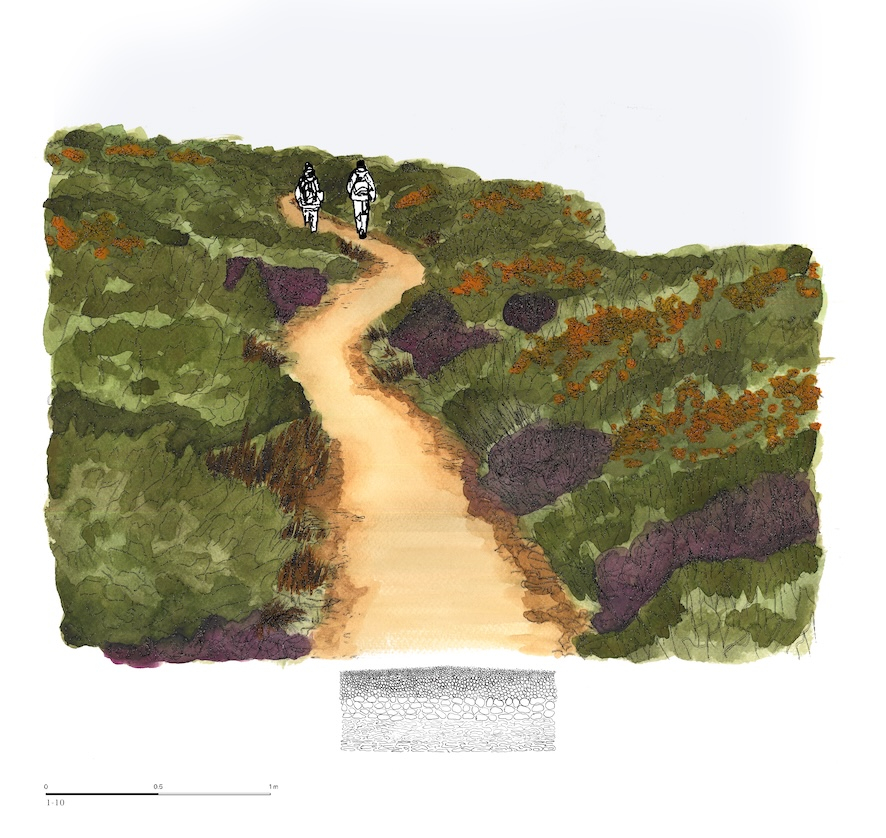
The Thread path (purple) going through the Heathland.

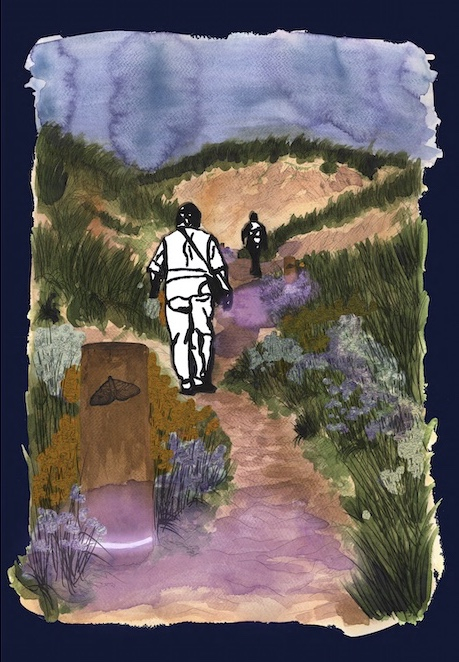
The Tuck Path (yellow) winding around the Sand Dunes.

The Float path (green), a timber boardwalk above the salt-marsh. 

Morrich More Site Overview Path Network Proposal
Species-Driven Ecological Design

The chosen three species relate directly to the relationship between Morrich More and Tain Air Weapons Range. 

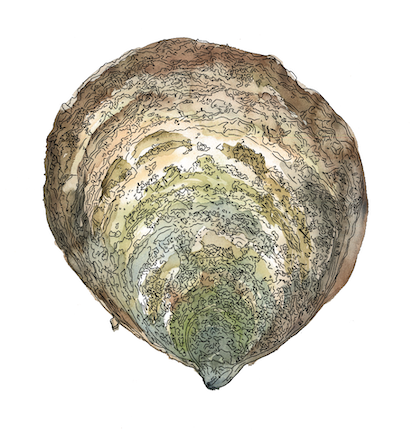
The Native Oyster is because Morrich More is losing 1m per annum on its west coast. By highlighting the Oyster species and linking it to the boat path experience, visitors can go into the Dornoch Firth and visit the restoration reef project by D.E.E.P, which will help with sediment catchment and coastal erosion. 

The Juniper links to the Thread path, and allows visitors to learn about the species up close. 

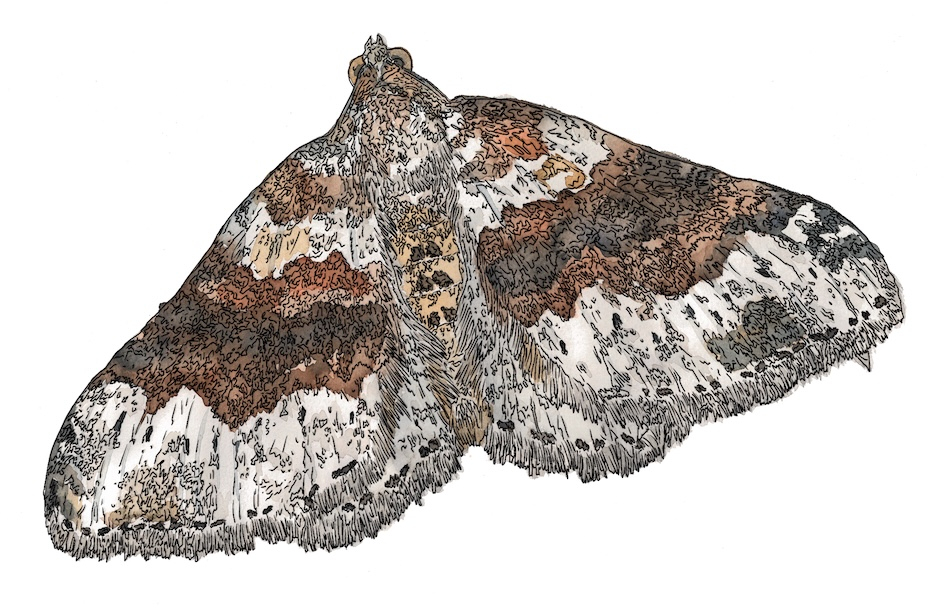
The rare Galium Carpet Moth links to the sand-dune Tuck path, and highlights its symbiotic relationship with Tain Air Weapons Range. It lives on the constantly disturbed sand boarders of the sand dune road the military use daily. If the military stop using it the sand stops being constantly overturned, the moth will eventually die out from Morrich More.

Species Driven Design Proposal

To link the species driven design and the public access initiative, the experience starts by exploring Morrich More during the day; visiting the oyster reef, walking through juniper, sand dunes, and above saltmarsh. 

After a long day, you are invited to visit the Morrich Gin Garden for a sun-downer. Created by re-purposing and renovating an old on-site WWII building, the summer garden offers gin made with Morrich juniper berries, served with local oysters.

From there, the nocturnal experience of Morrich More begins. Lit by low UV lighting, visitors wind their way around sand dunes, and arrive at the 'Nocturnal Habitat Observer'. Made to emulate the Galium Moth's Cocoon, attracted by the UV, visitors can sit inside and watch the moths, through a glass panel, in its natural habitat. 

Long-term Climate Future Considerations

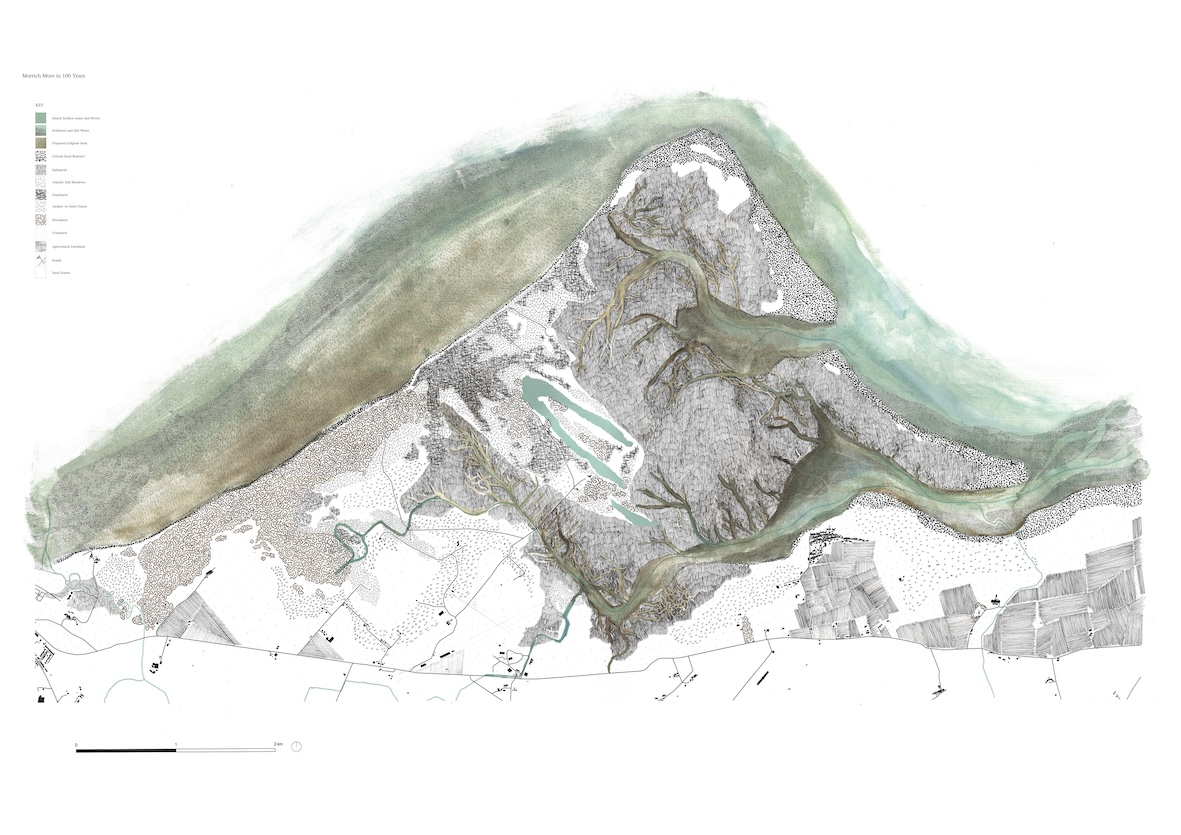
Due to sea-level rise, Morrich More will be mostly tidal saltmarsh or underwater in the coming future. The following hand-drawn hatched plan, shows my prediction of what Morrich More will look like in 100 years time. 

Hand-drawn Hatched plan, my prediction of what Morrich More will look like in 100 years time
Path Network in 50-100 years

The proposed paths on Morrich More are all made to be naturally degradable over time. They act as a landscape architecture installation, allowing visitors to access the unique habitats but only for a short time, before becoming apart of the natural landscape once more. 

Sand-Dune, Tuck path in 50 years time
Saltmarsh Boardwalk in 50 Years time
Heathland Thread path in 50 years time
Saltmarsh Boardwalk in 100 years time