Project description

A design intervention exploring our emotional response to unfamiliar materials through communal dining.

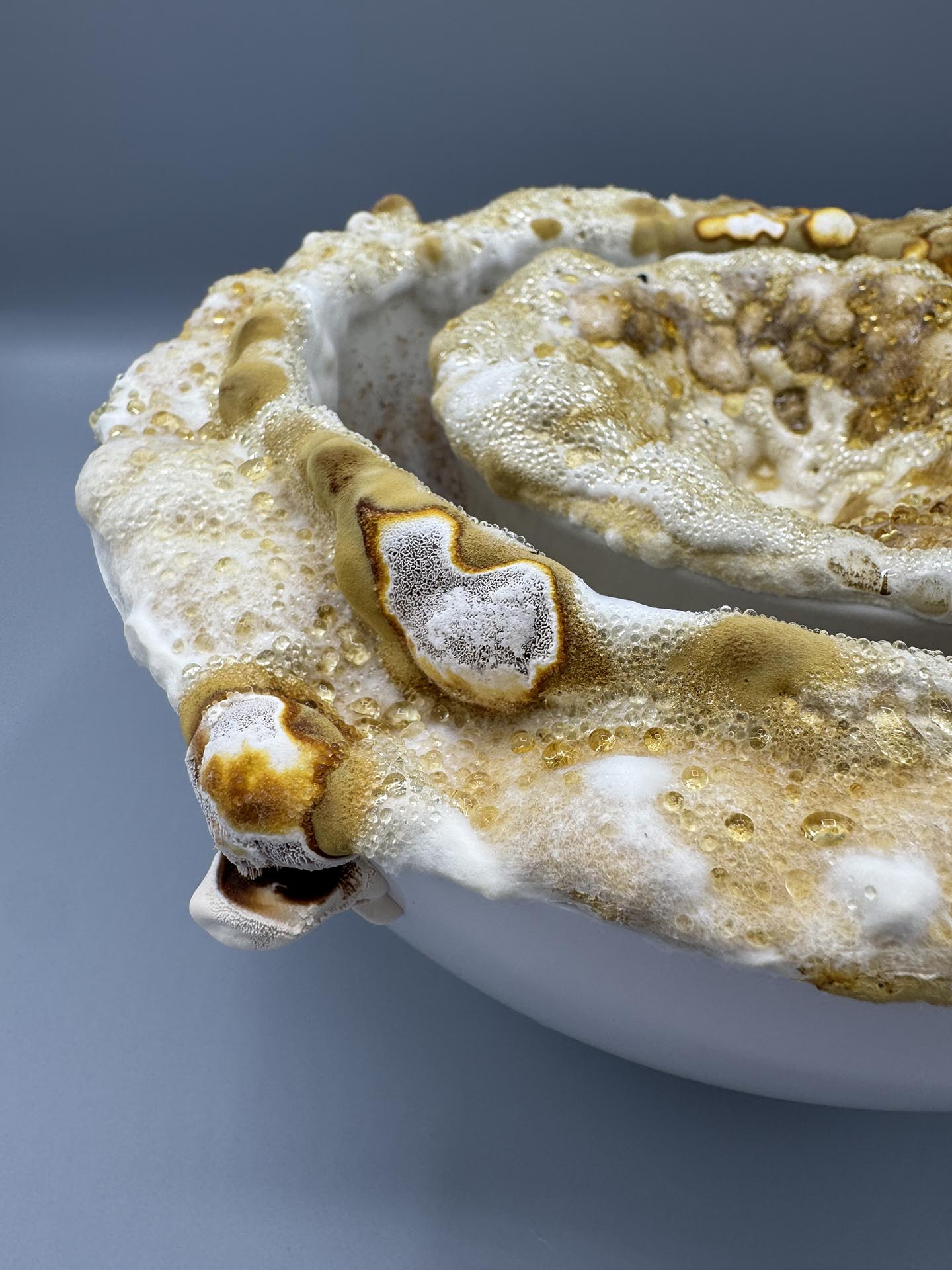
This project invites guests to question their emotional responses to biomaterials—specifically, mycelium—by placing them in a familiar setting: the dinner table. By casting bronze cutlery from mycelium textures and designing a dining experience around it, Dining With The Future explores how we might soften initial feelings of discomfort and instead spark curiosity.
The Design Challenge

How might we reduce feelings of disgust toward emerging biomaterials by changing their context of use?

Familiarity doesn’t guarantee comfort. Often, our reactions to sustainable materials aren’t based on logic—they’re emotional. This project tests whether design can reframe those emotions.

Key Making Moments

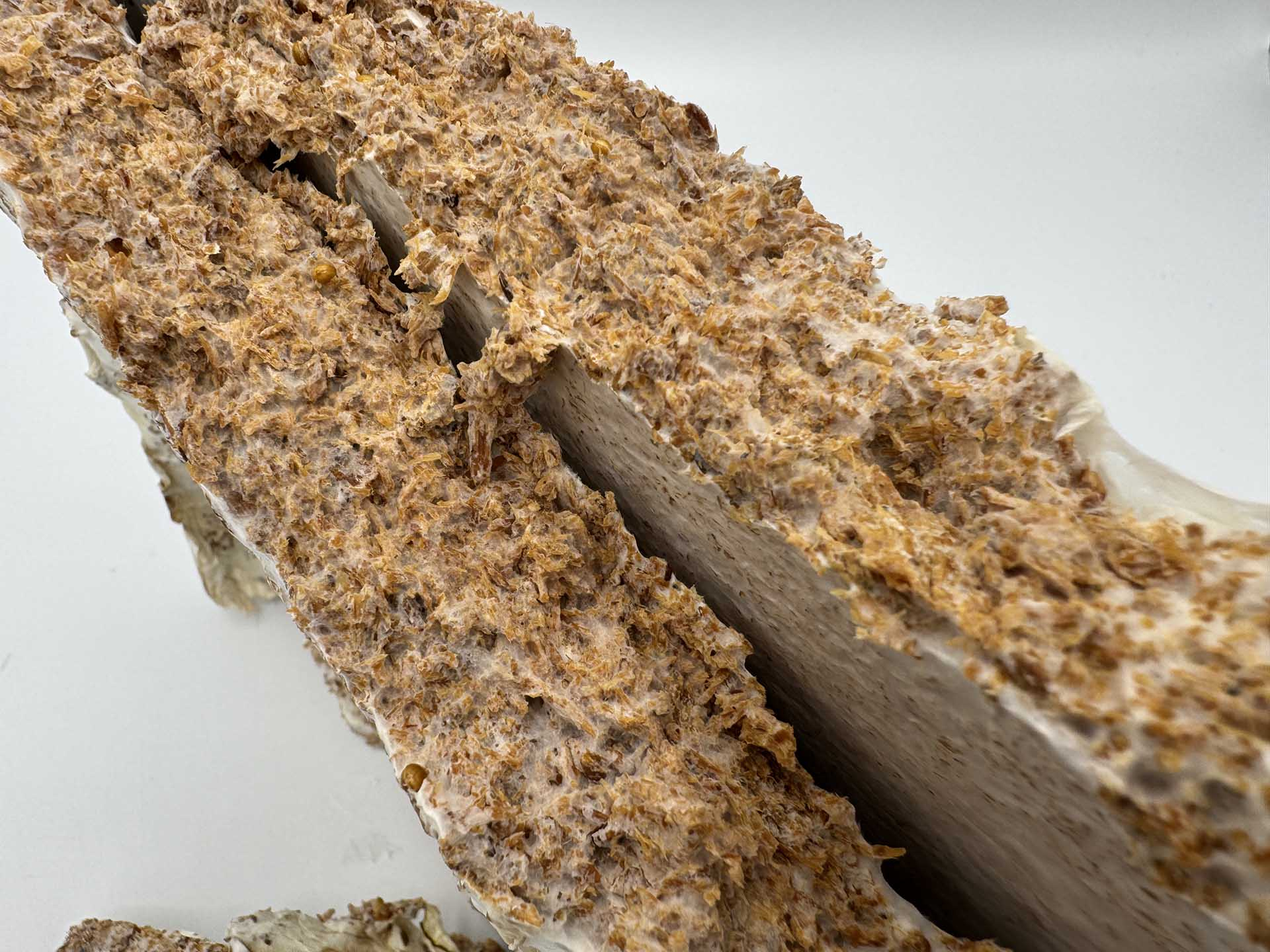
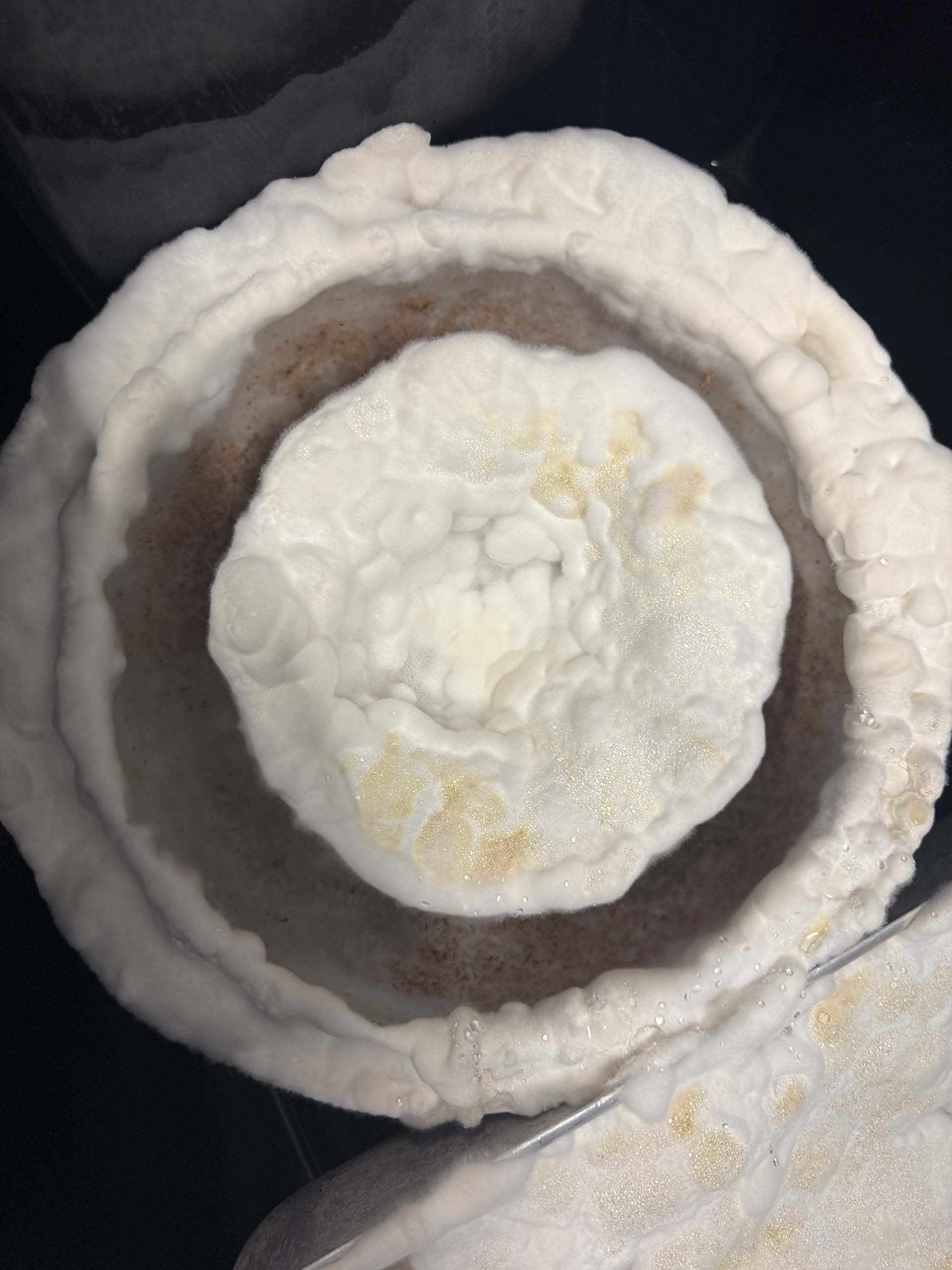
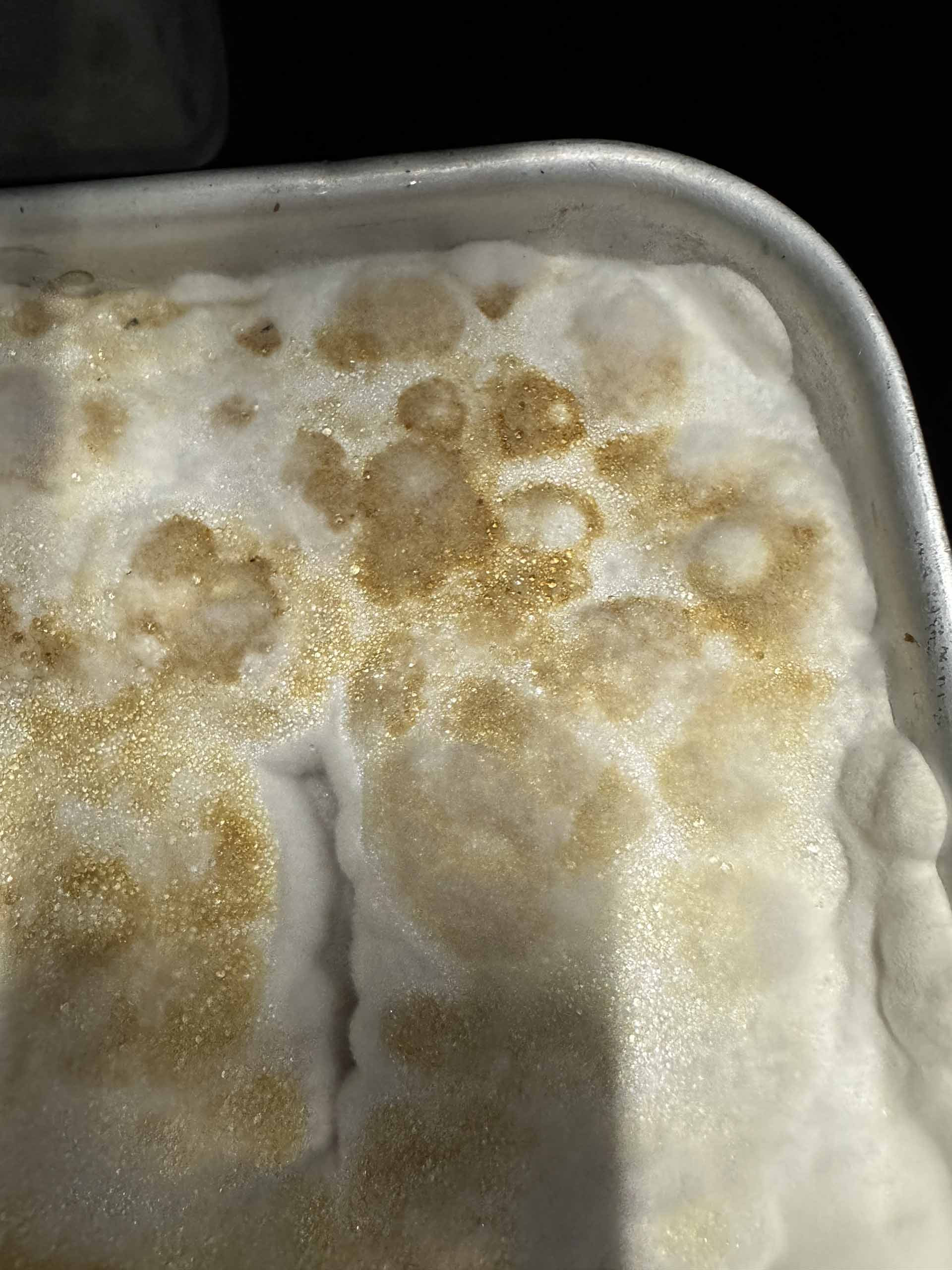
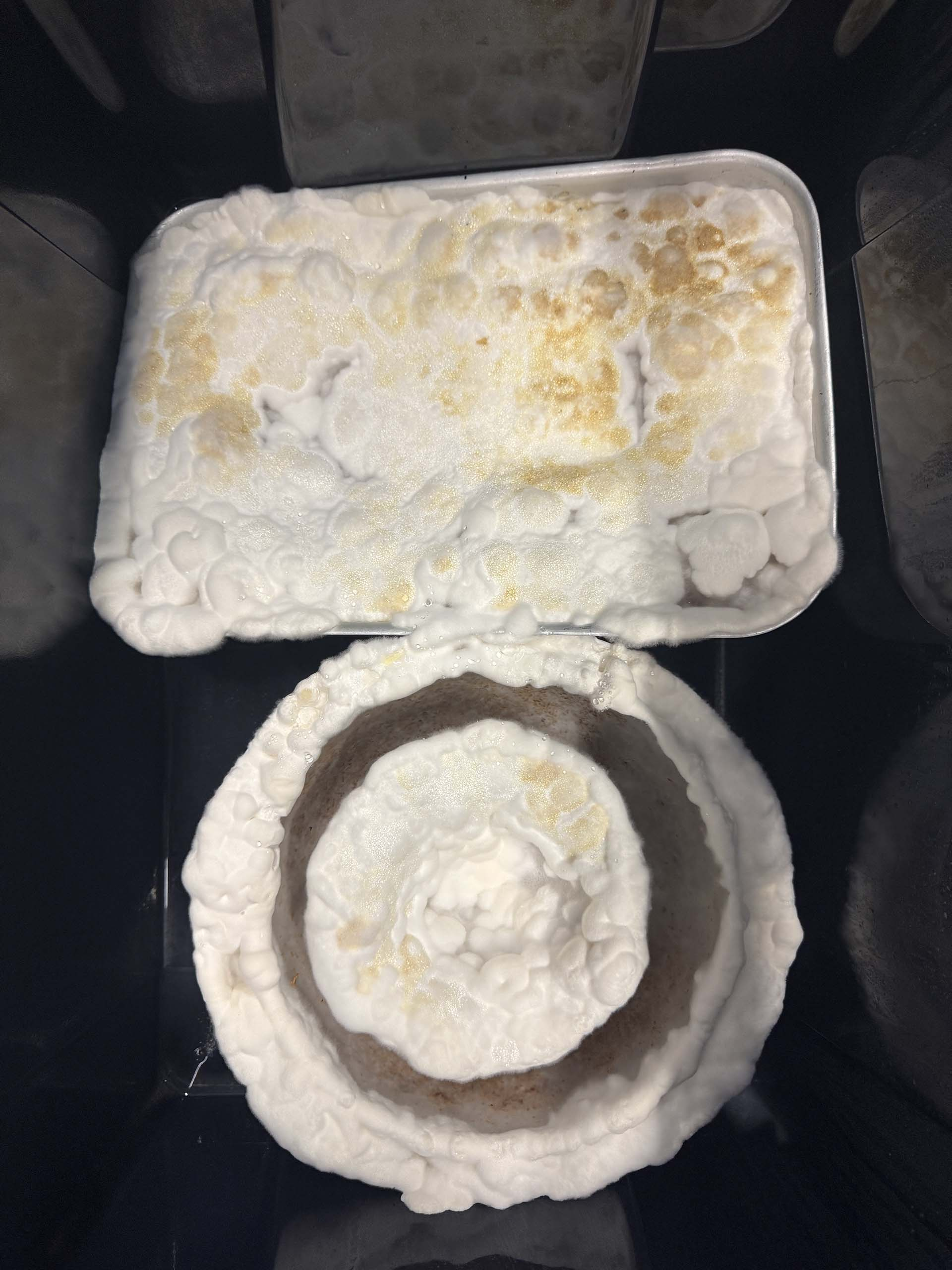
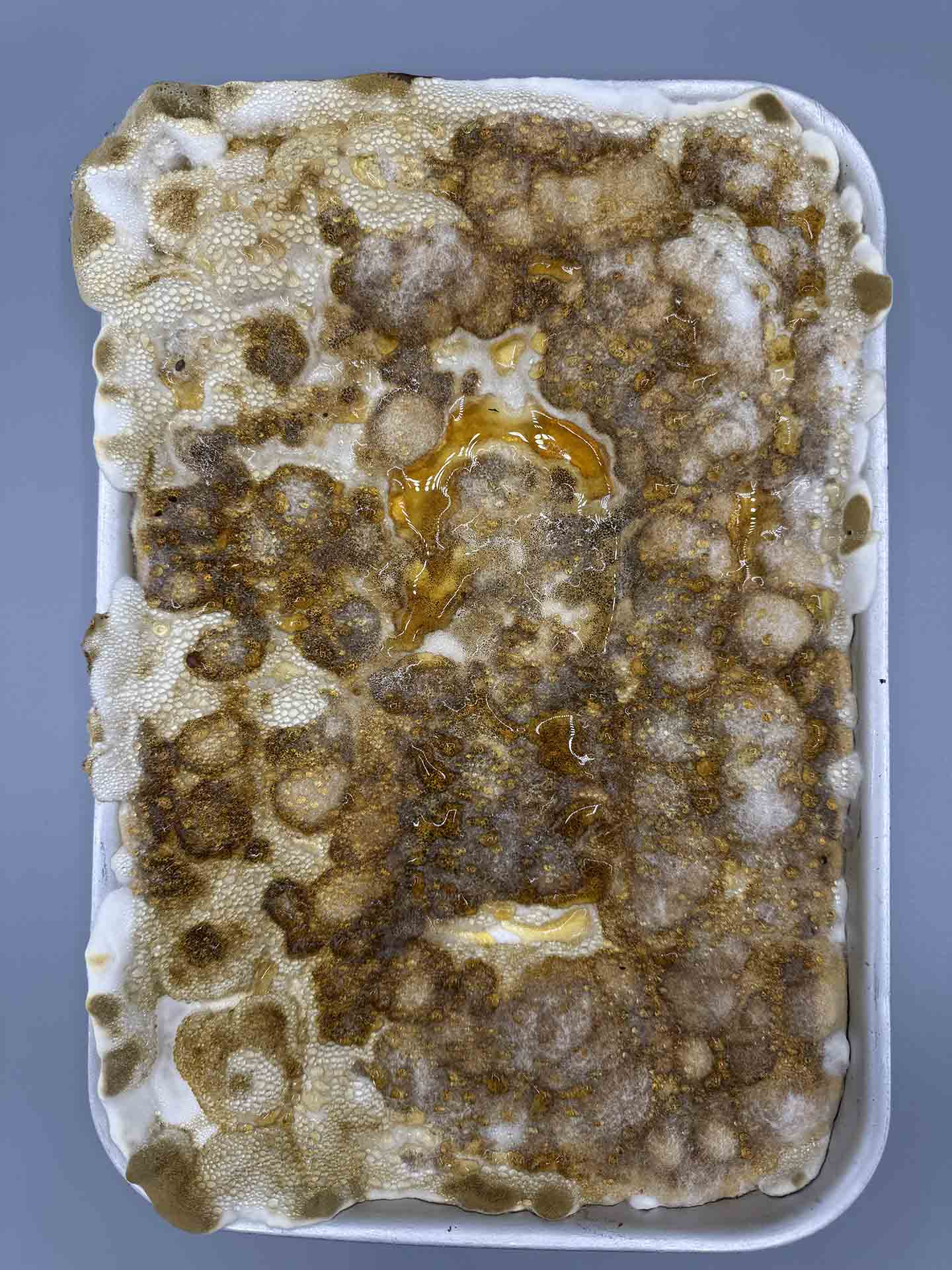
Mycelium Growth: Grown in sterilised conditions, shaped using 2-part sand moulds.

Bronze Casting: Three cutlery sets made to represent different stages of fungal texture.

Tactile Design: Every object—cutlery, cards, menus—was carefully considered for how it feels in the hand.

The Intervention: What Happened?

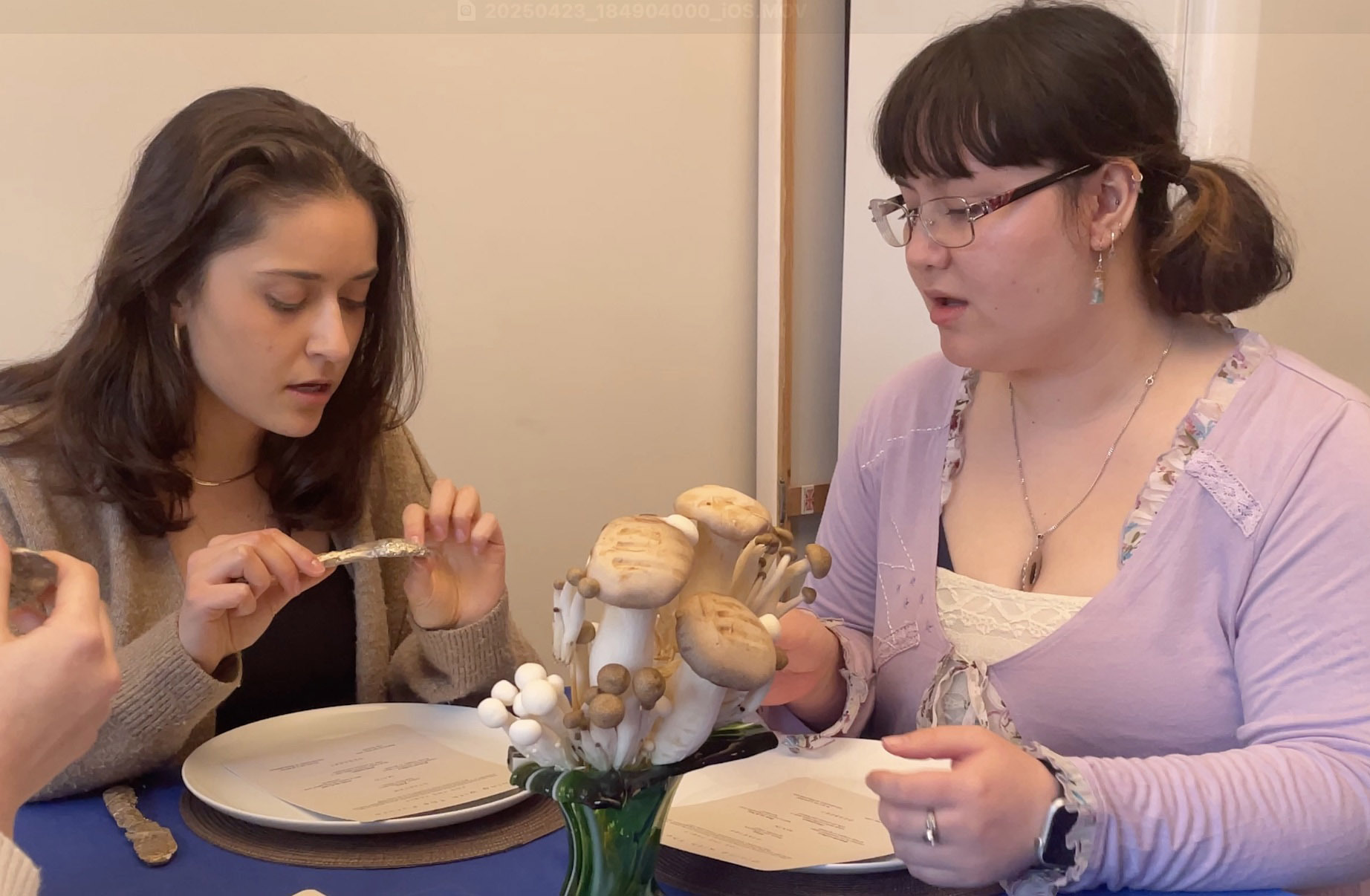
Guests attended a filmed dinner party, styled like Come Dine With Me. Each guest used a different cutlery set and played a custom “Would You Rather” card game, designed to provoke reflection on sustainability.

Scoring Categories:

Texture Appeal – Does it feel nice or off-putting?

Practicality – Did it affect how they ate?

Overall Experience – Would they use it again?

2 people at a table feeling casted cutlery
Guest Reactions

Week 1 (Early Growth): “Disgusting. I don’t want that in my mouth.”

Week 2 (Moderate Growth): “Kind of like the texture... once you get used to it.”

Week 3 (Full Growth): “I’d use this again—it’s actually kind of nice.”

This experiment revealed how fast emotional responses can shift when unfamiliar material textures are given time, context, and conversation.

So What?

Design can change more than objects—it can change minds.

This project shows that when unfamiliar materials are introduced in playful, social settings, they’re met with curiosity instead of rejection. Rather than lecture, it invited guests to touch, question, and reflect. This is how design bridges the gap between sustainable innovation and everyday life.

What's Next?

The format is flexible—this could be a workshop, a podcast, a reel, or a pop-up. Future iterations might explore other daily rituals like dressing, bathing, or commuting. With the right context, even the most unfamiliar materials can become part of the norm.

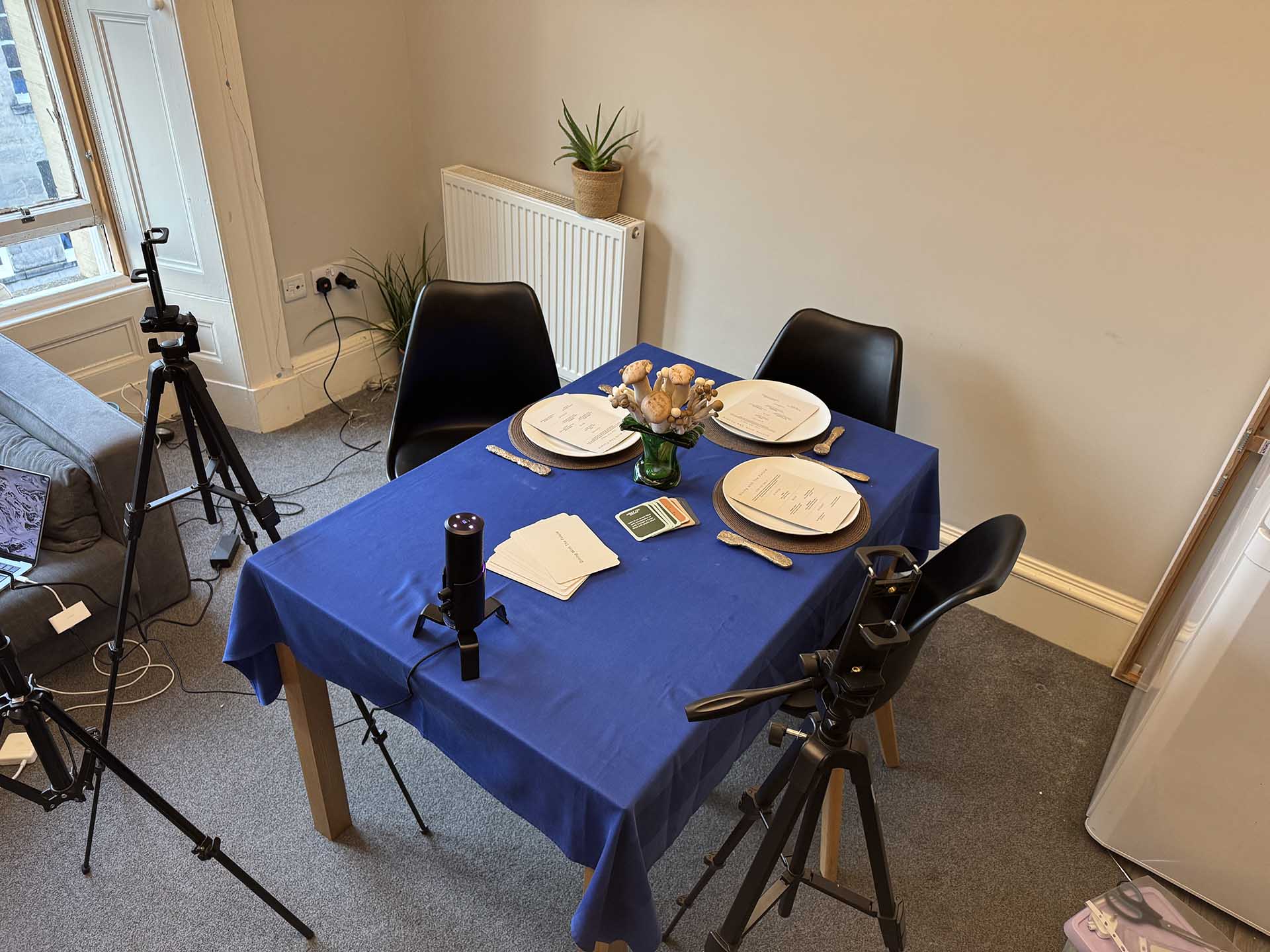
A behind the scenes shot of my filming set up
Dining With The Future – The Film

This short film captures the full dining intervention in action, inspired by the style of Come Dine With Me. Guests score the cutlery, play through speculative “Would You Rather” prompts, and share candid reflections on the emotional impact of unfamiliar materials.

Through humour, honesty, and tactile exploration, the video reveals how design can transform discomfort into curiosity.

As you watch, ask yourself: How would you respond if you were at the table?

About Lachlan

Lachlan is a designer and maker whose work explores the emotional and tactile connections individuals establish with objects. With a hands-on, craft-oriented approach, he crafts thoughtful physical experiences that stimulate curiosity and challenge conventional notions. Rooted in the act of making, his practice prioritises process, intuition, and the inherent storytelling capacity of materials to evoke reflection.


A portrait of Lachlan