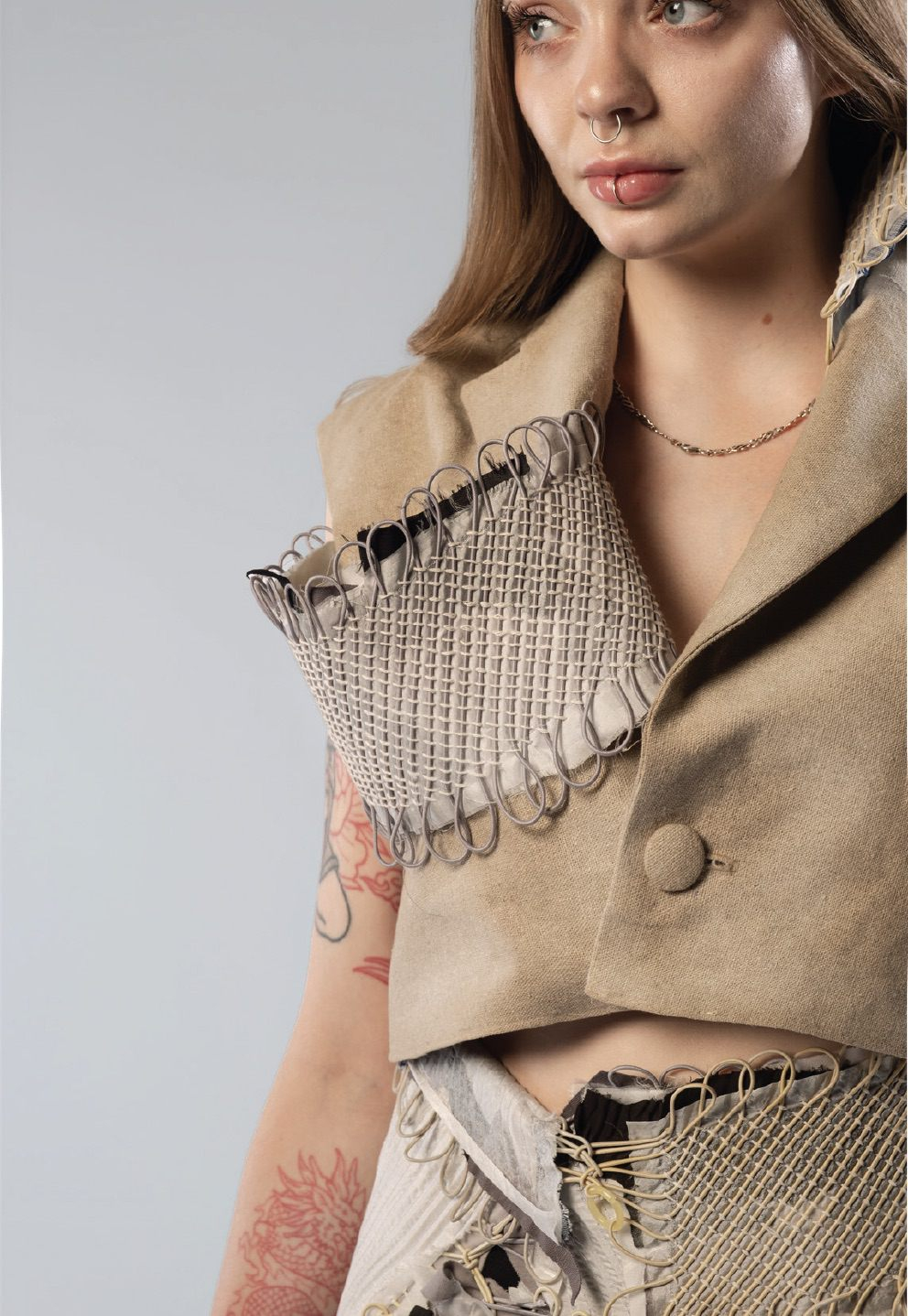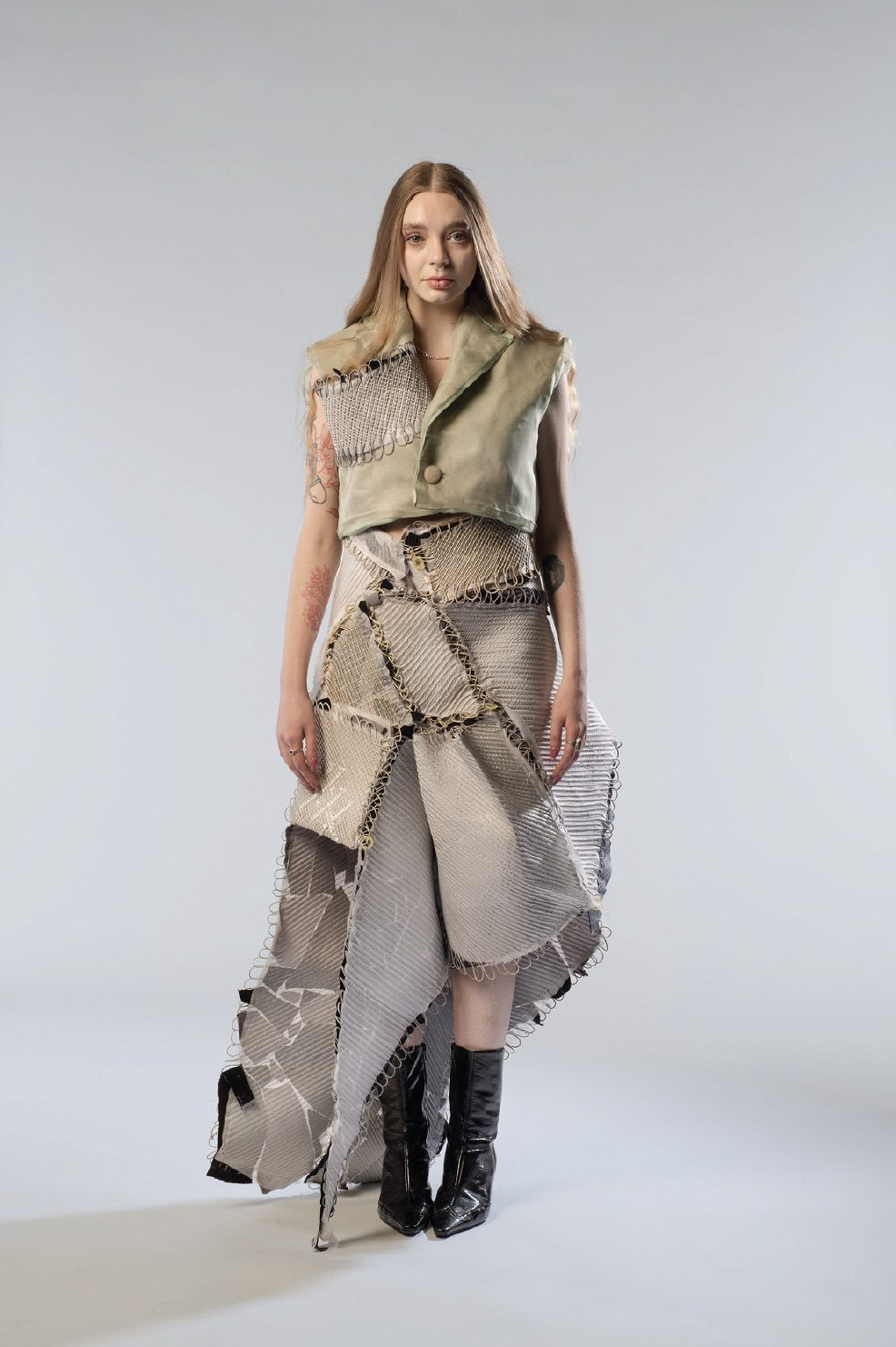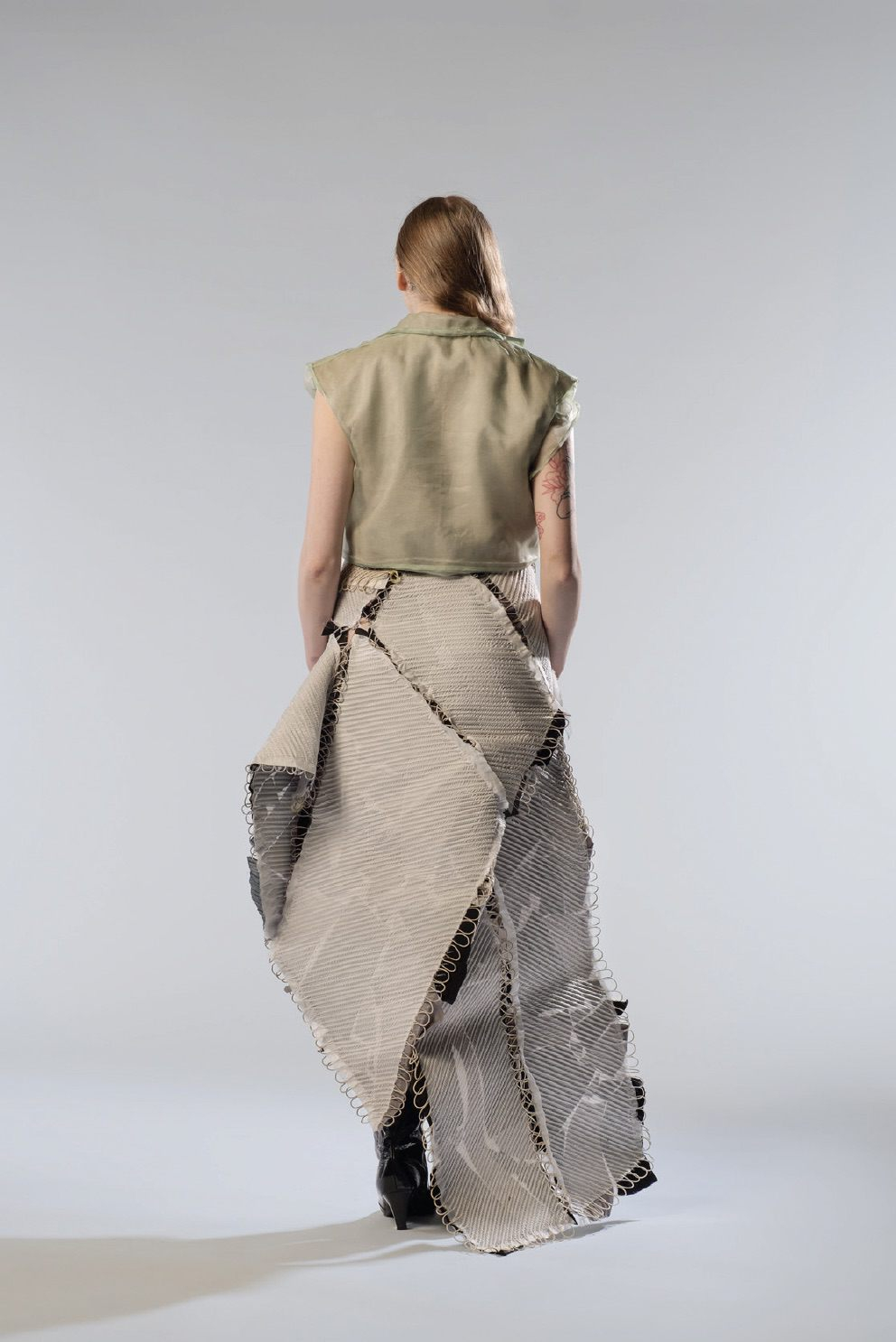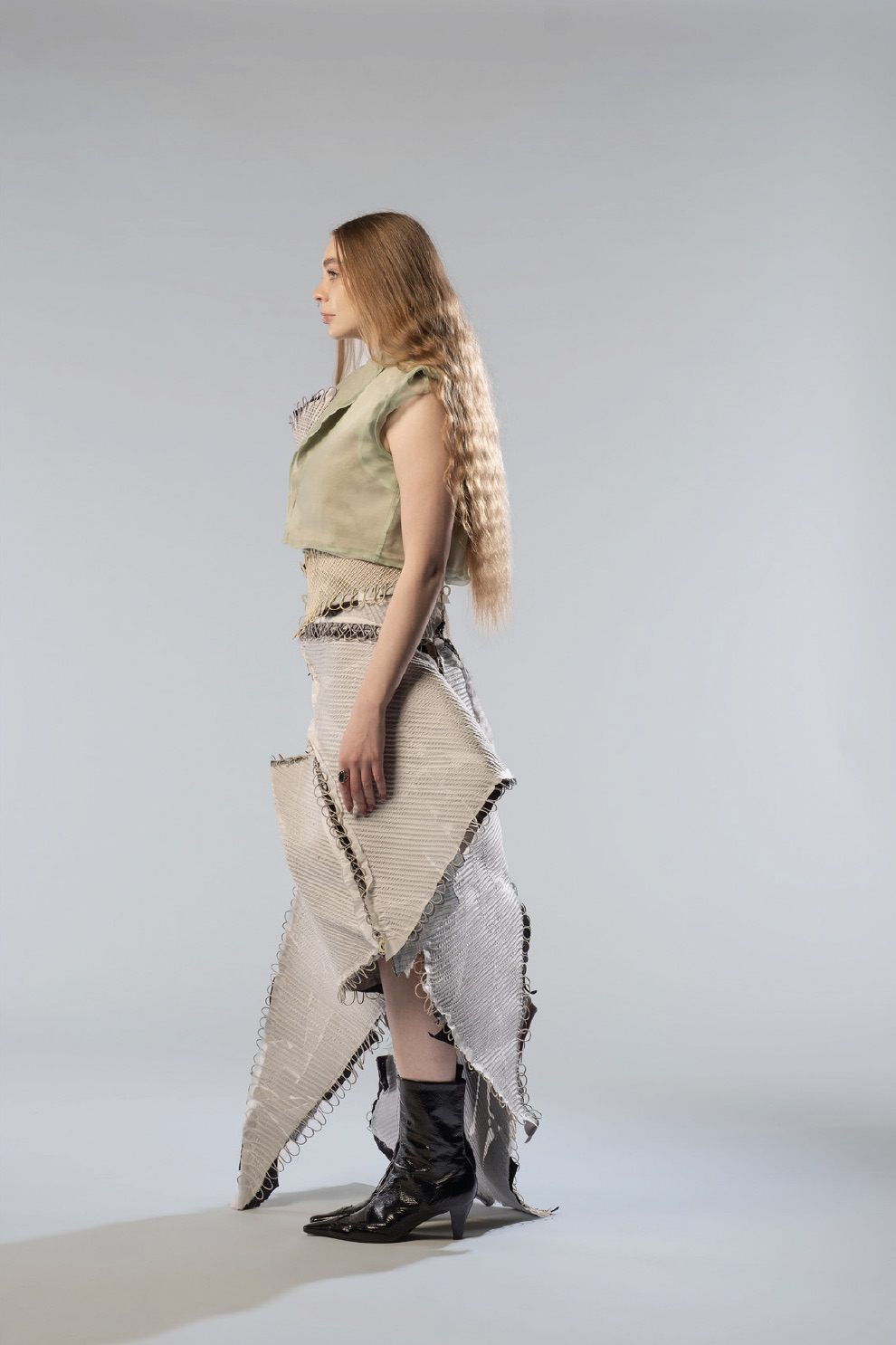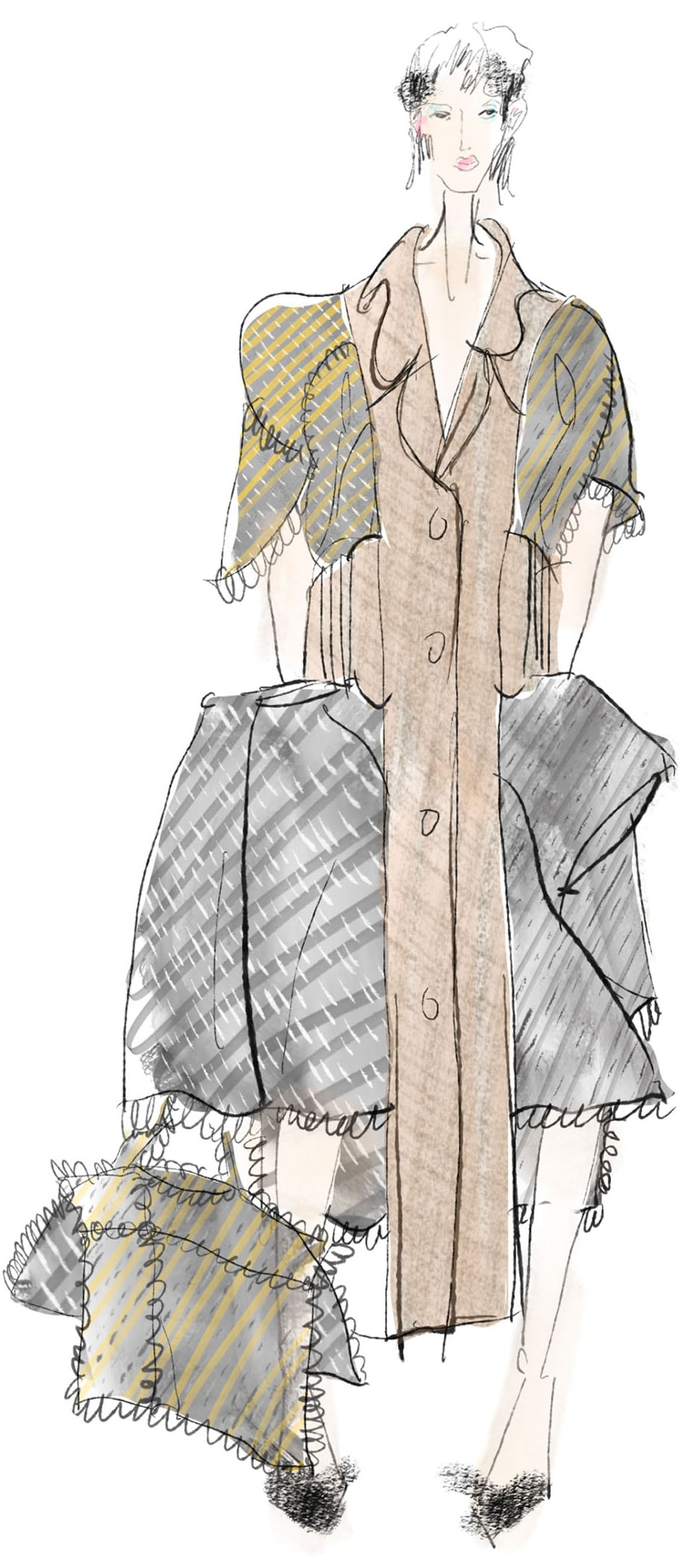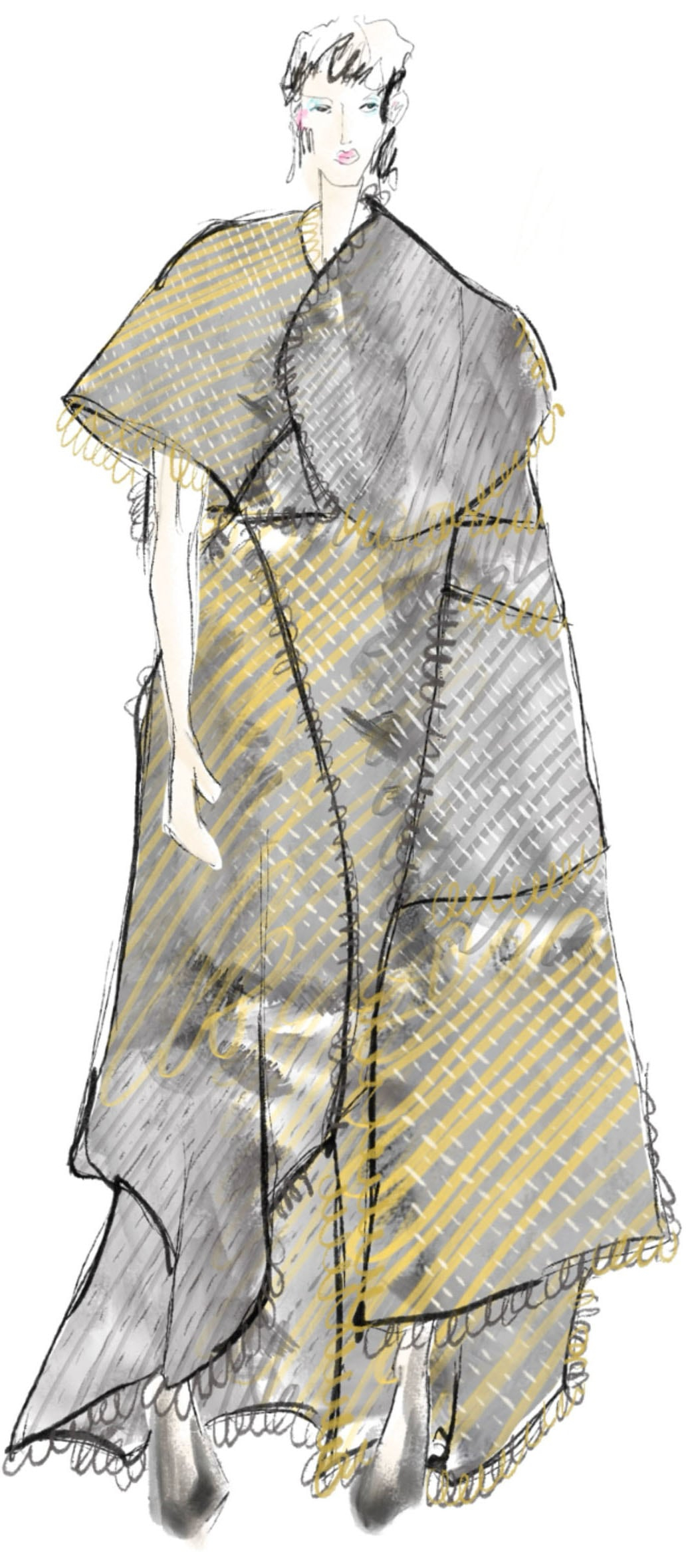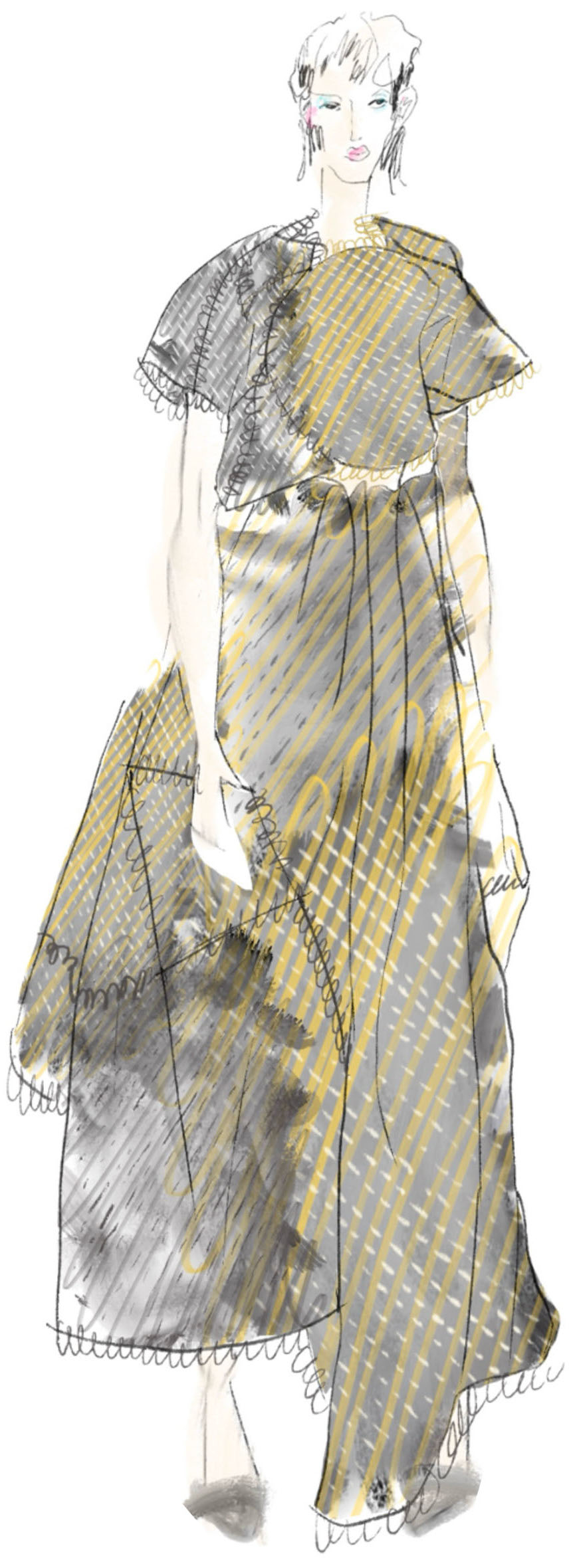
Project description

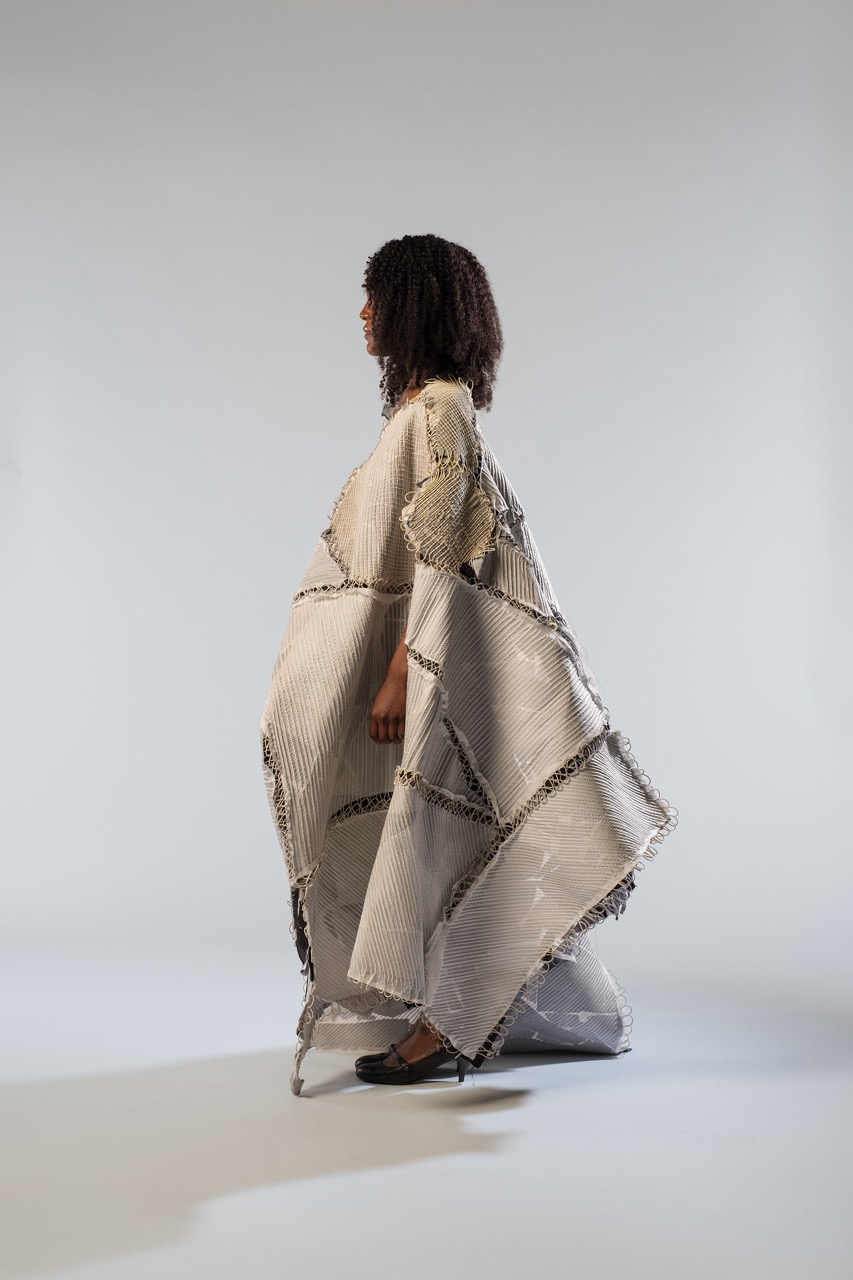
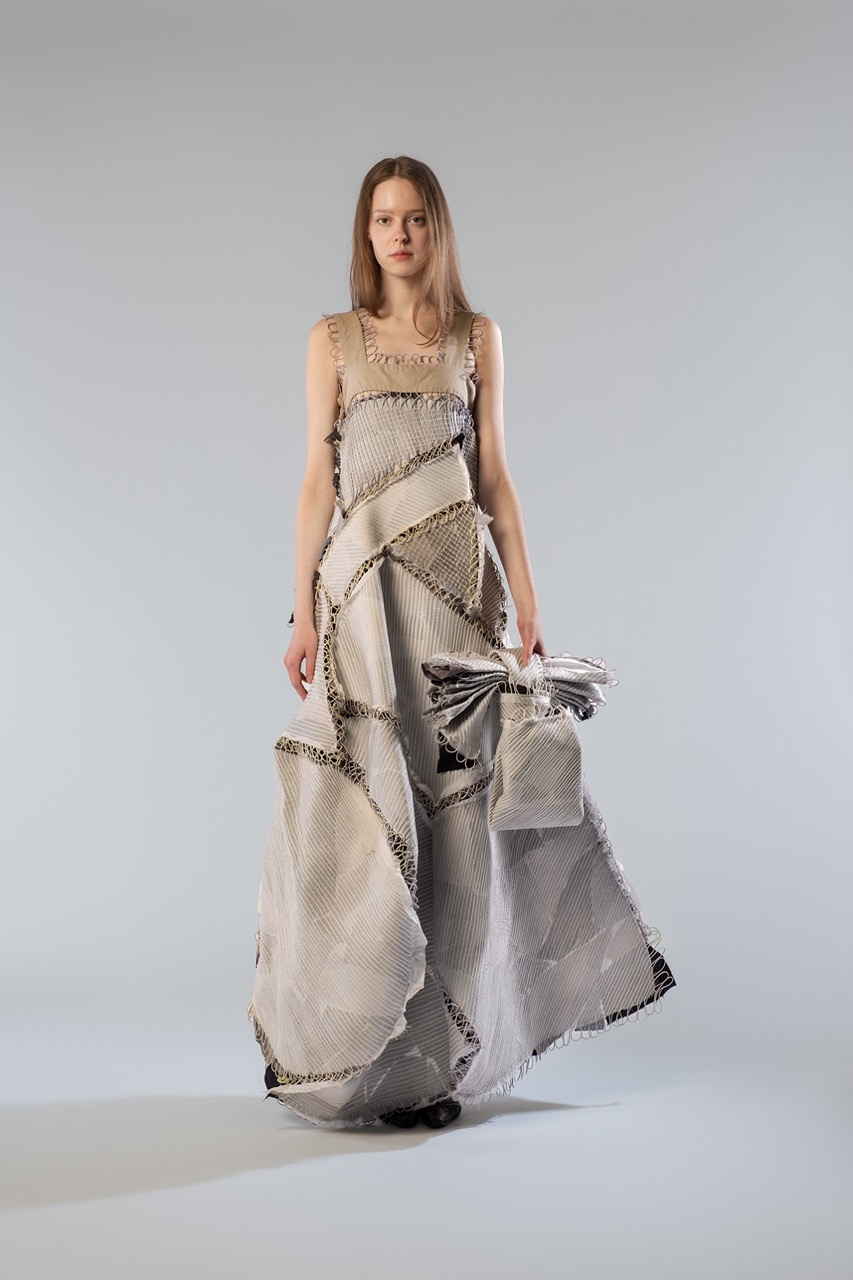
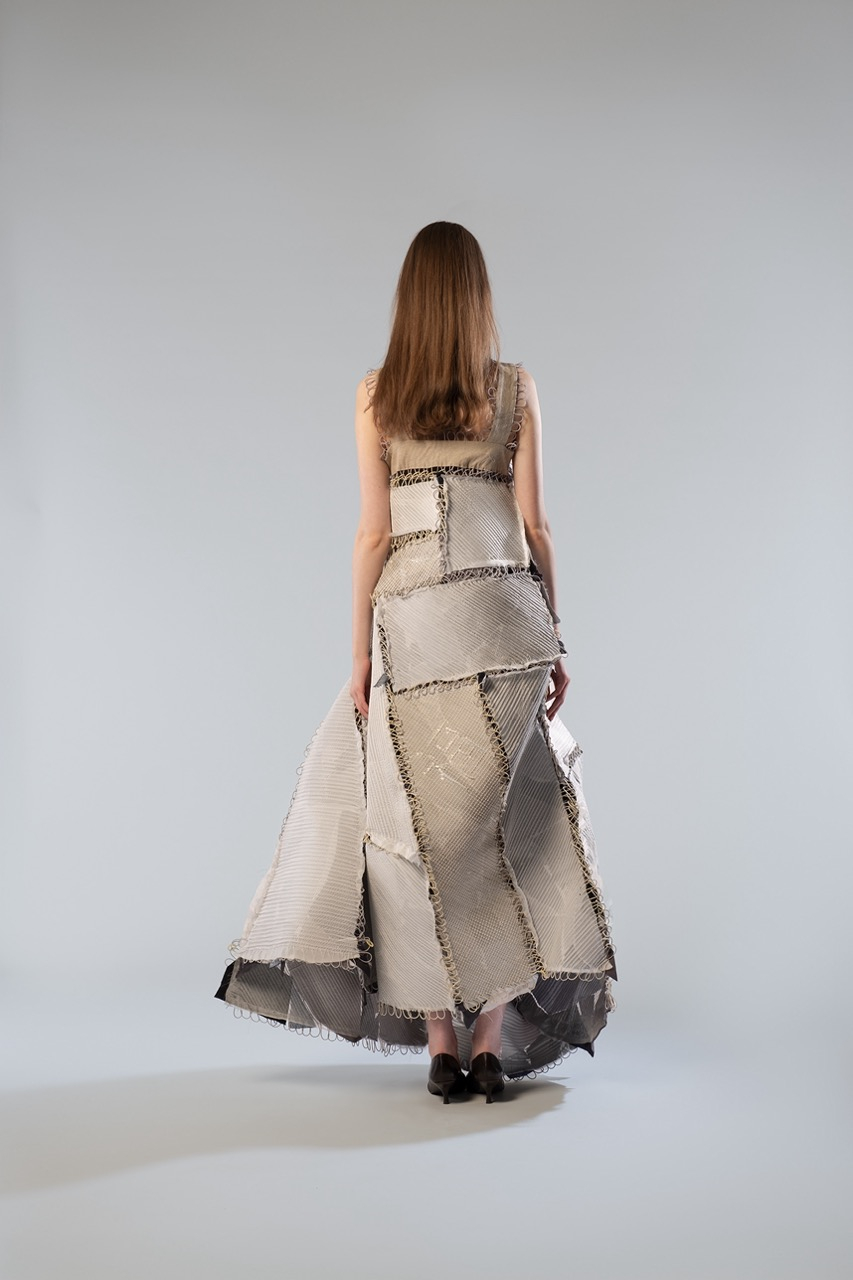
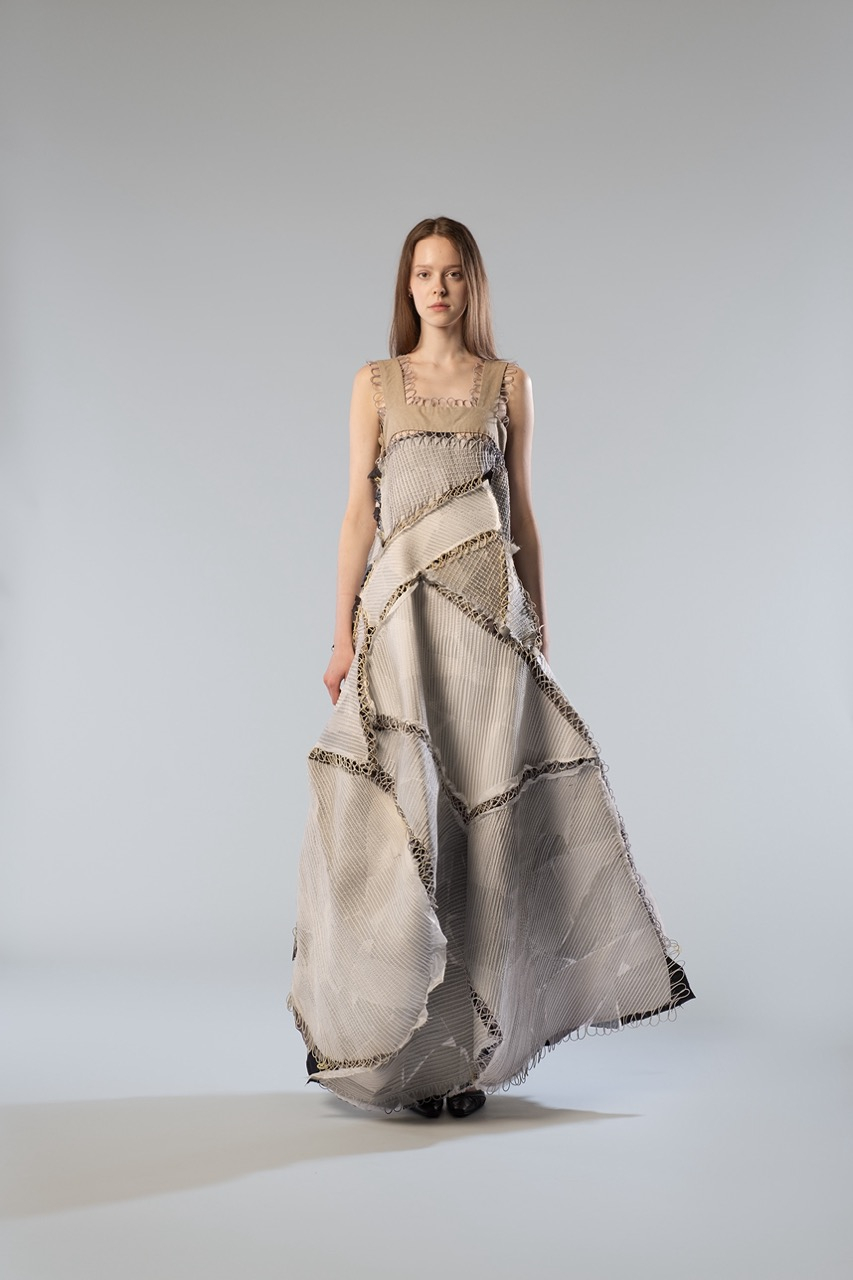
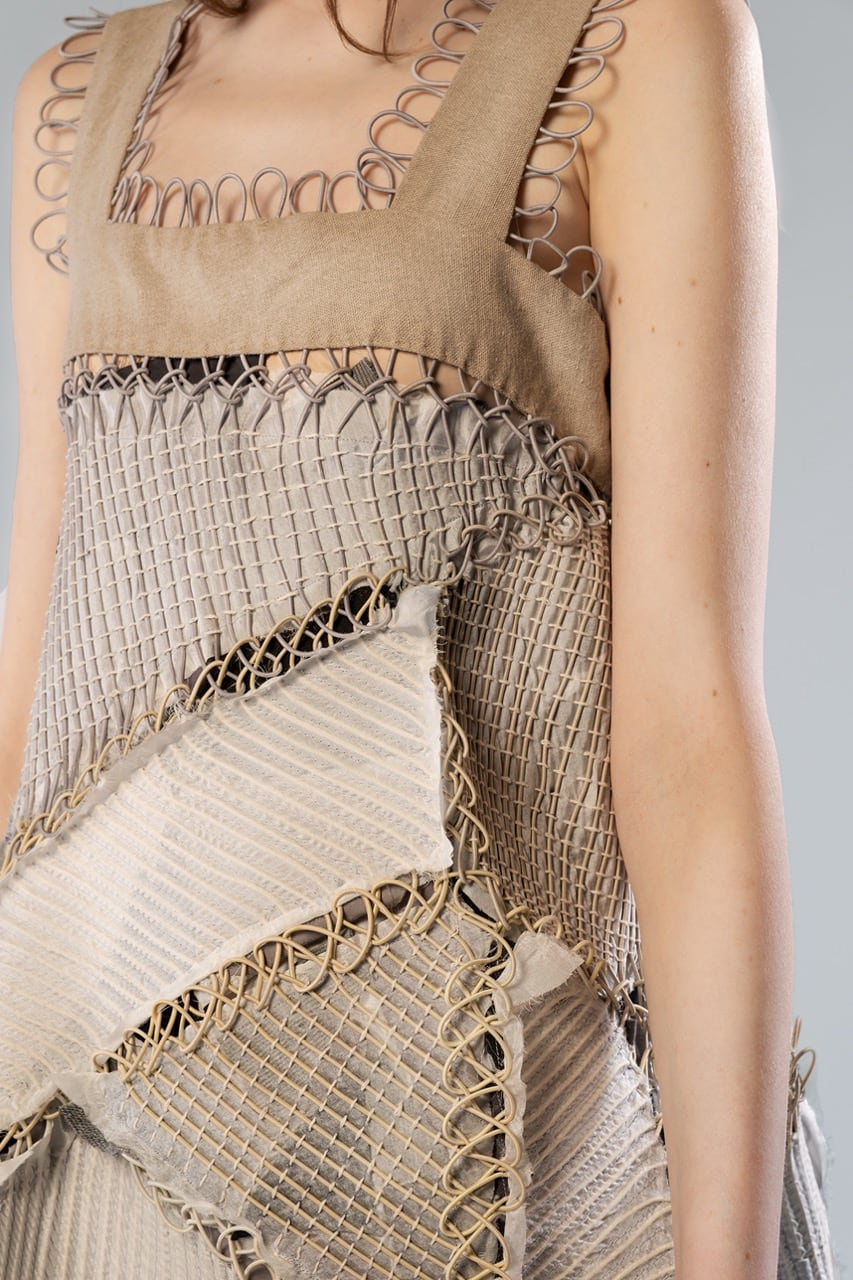
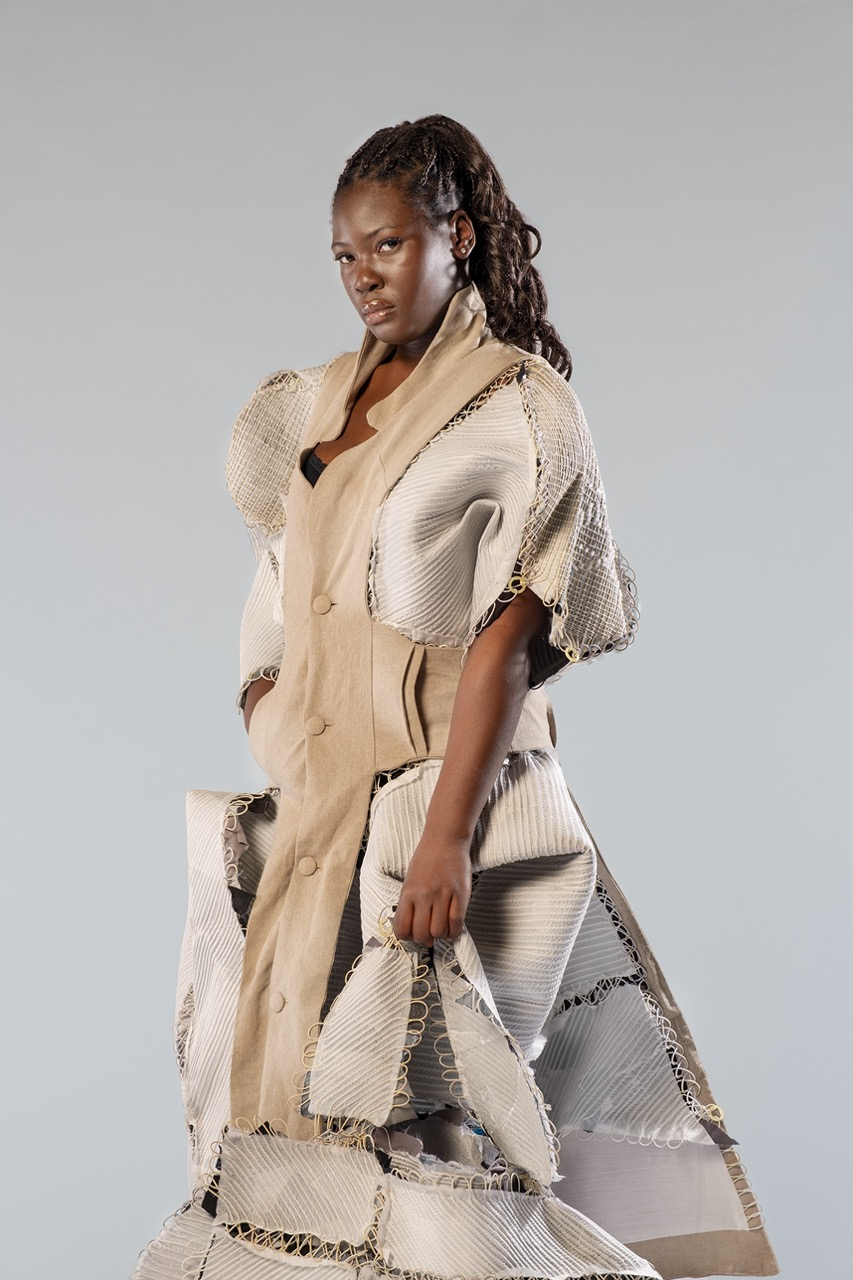
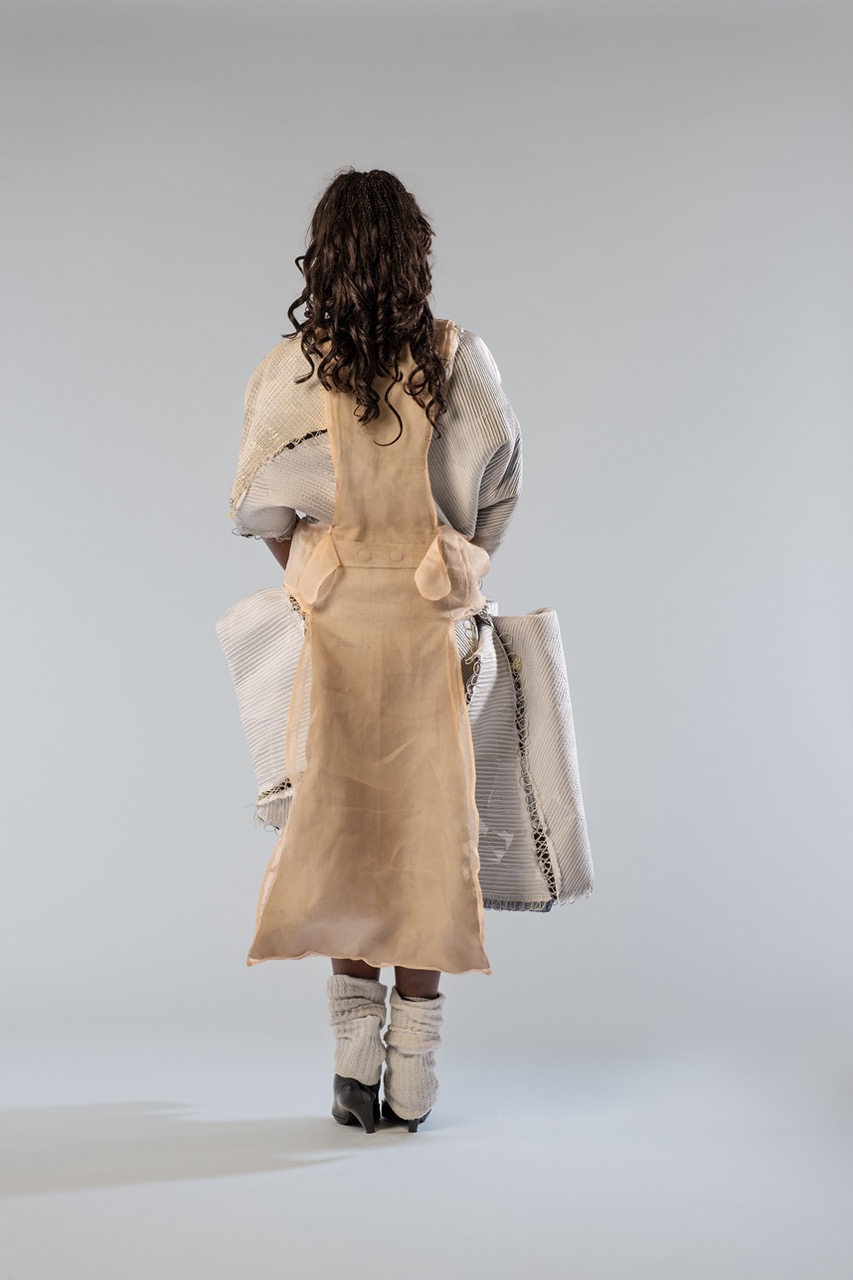
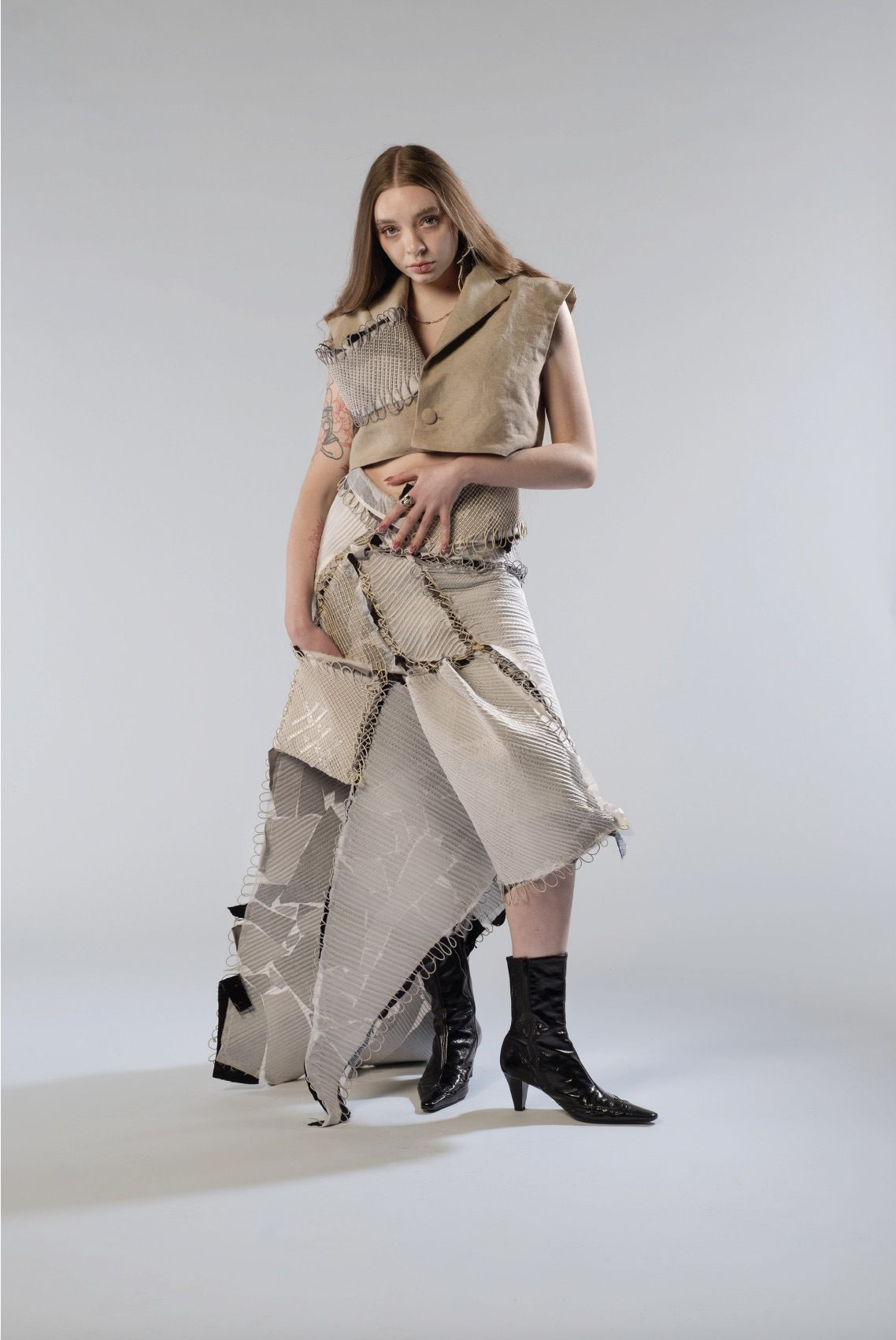
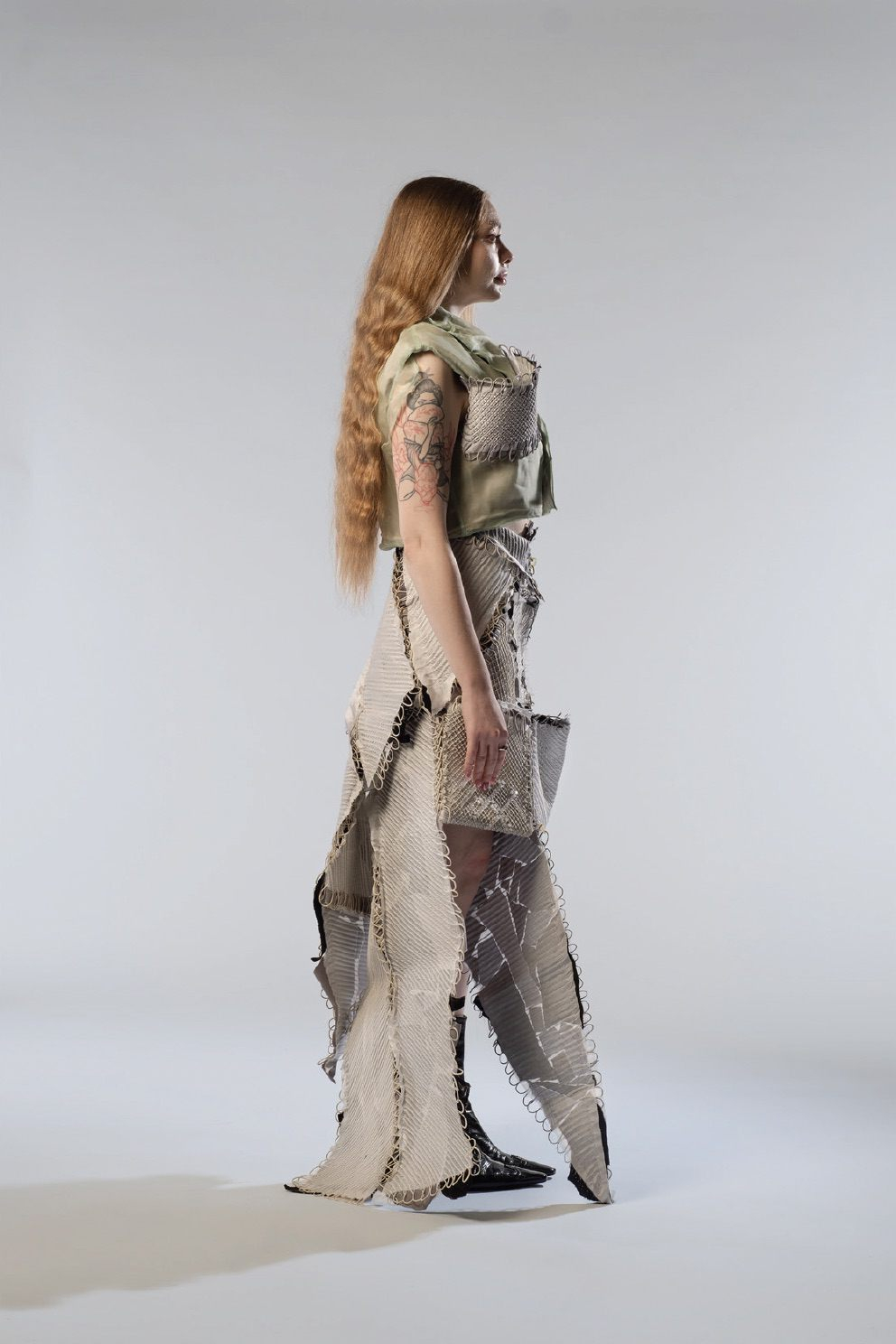
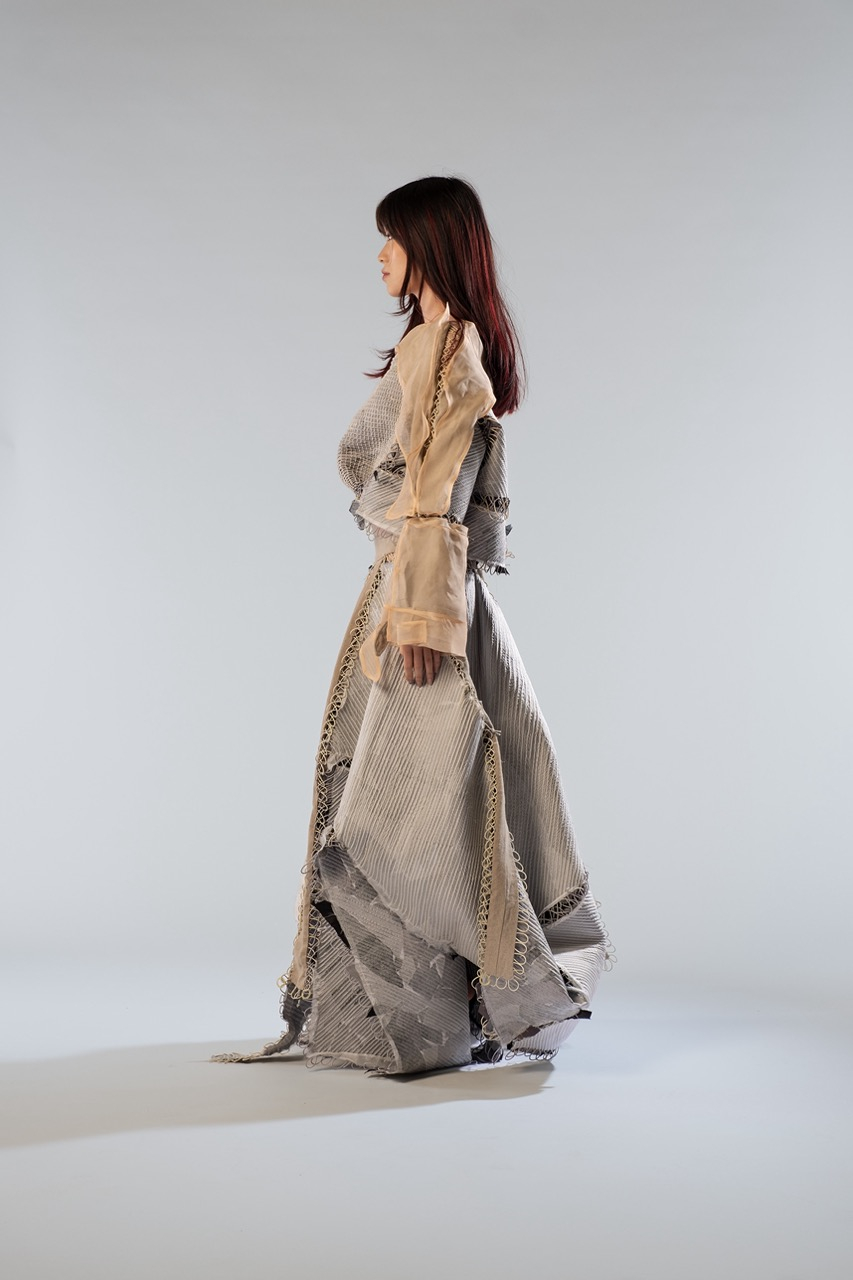
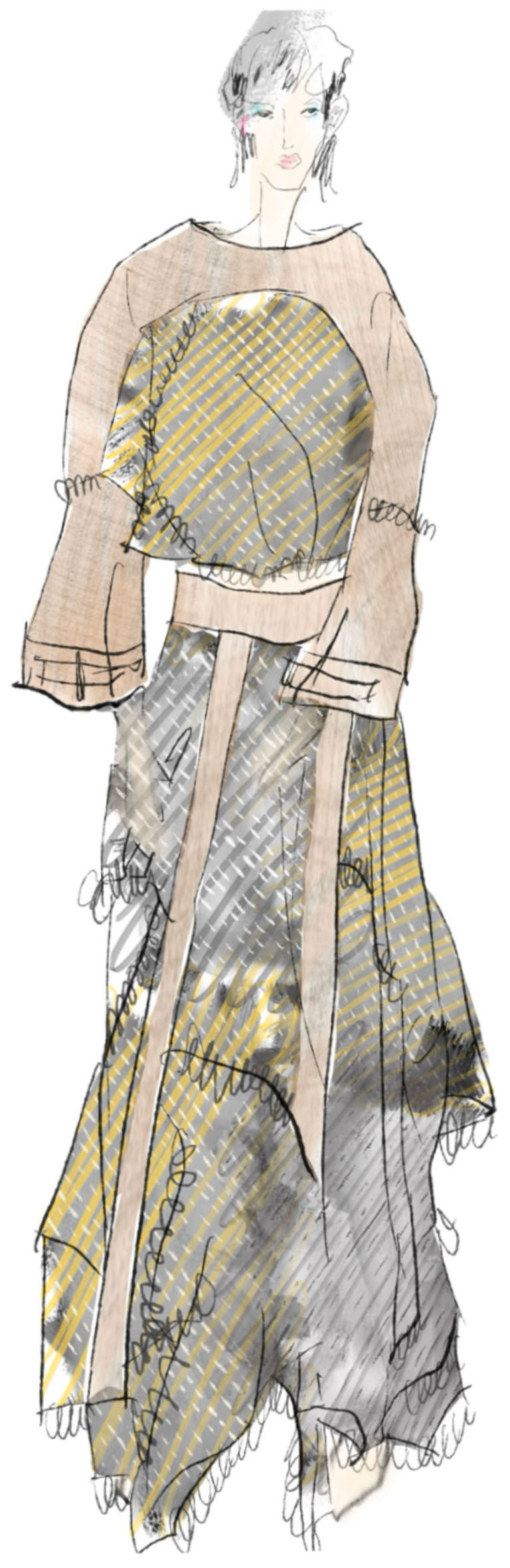
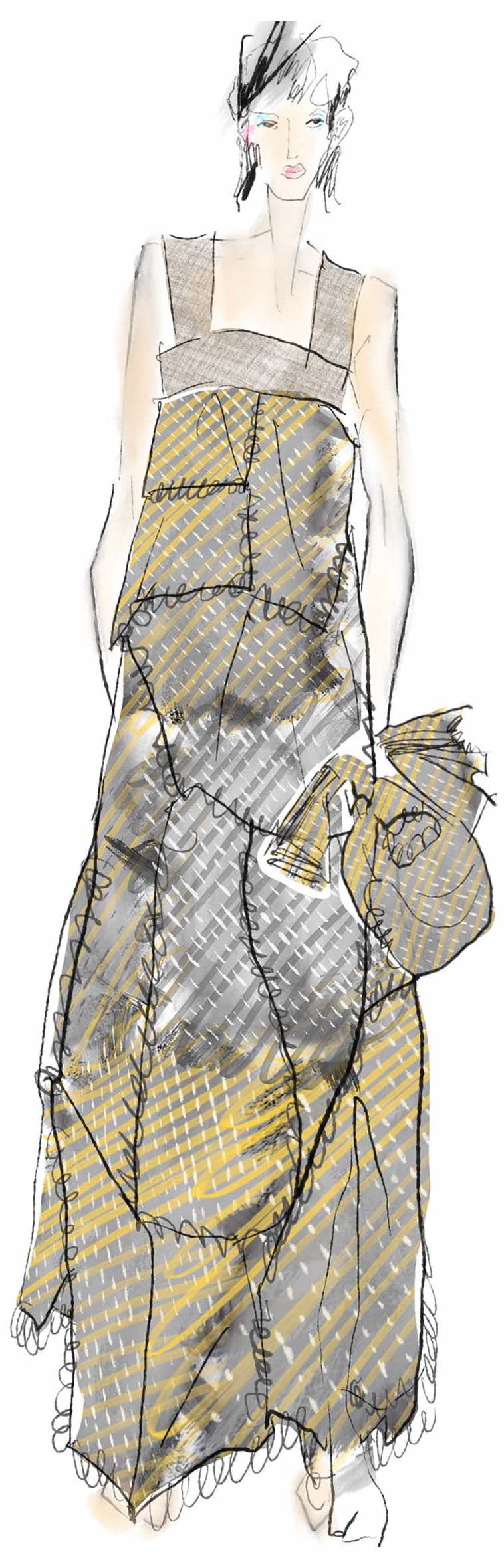
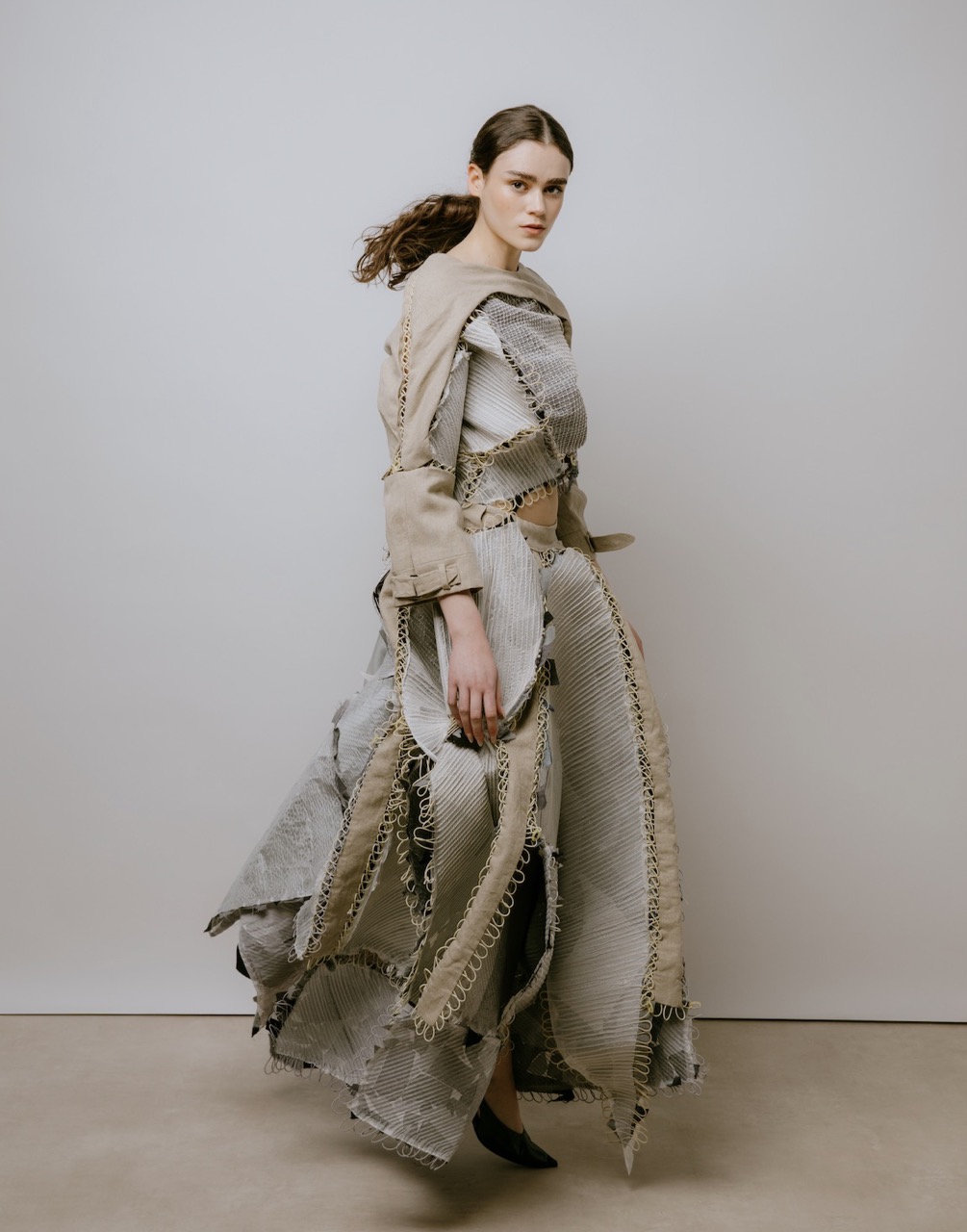
My design concept is drawn from two core threads: modular, play-driven silhouettes and memory-evoking textiles. Building on Jonathan Chapman’s idea of emotional durability, the project looks beyond material choices to ask how a garment can invite care and longevity through interaction and feeling.

Modularity turns clothing into a flexible system rather than a fixed object. By assembling and reconfiguring parts, the wearer becomes an active participant, shaping silhouette and identity in everyday use. In parallel, textiles rooted in my Beijing childhood explore a “dream-core” nostalgia formed amid rapid change, where familiar textures and symbols linger as quiet echoes. Tactility, rhythm, and crafted surfaces aim to trigger recollection and intimacy. Brought together, these two threads propose sustainability as a relationship: garments that people play with, keep close, and keep for longer—not only because they are responsibly made, but because they hold meaning.
Personal Design Philosophy

My design philosophy is rooted in two commitments: sustainability as responsibility, and participation as a way of making meaning. I view sustainability not as a trend or a checklist, but as a design discipline—an ongoing practice of reducing harm while expanding a garment’s capacity to last. This means designing with the full lifecycle in mind: construction that can be understood, taken apart, repaired, and renewed; details that invite maintenance rather than disposal; and decisions that prioritise longevity over novelty. When a garment can evolve instead of being replaced, sustainability becomes tangible in everyday use.
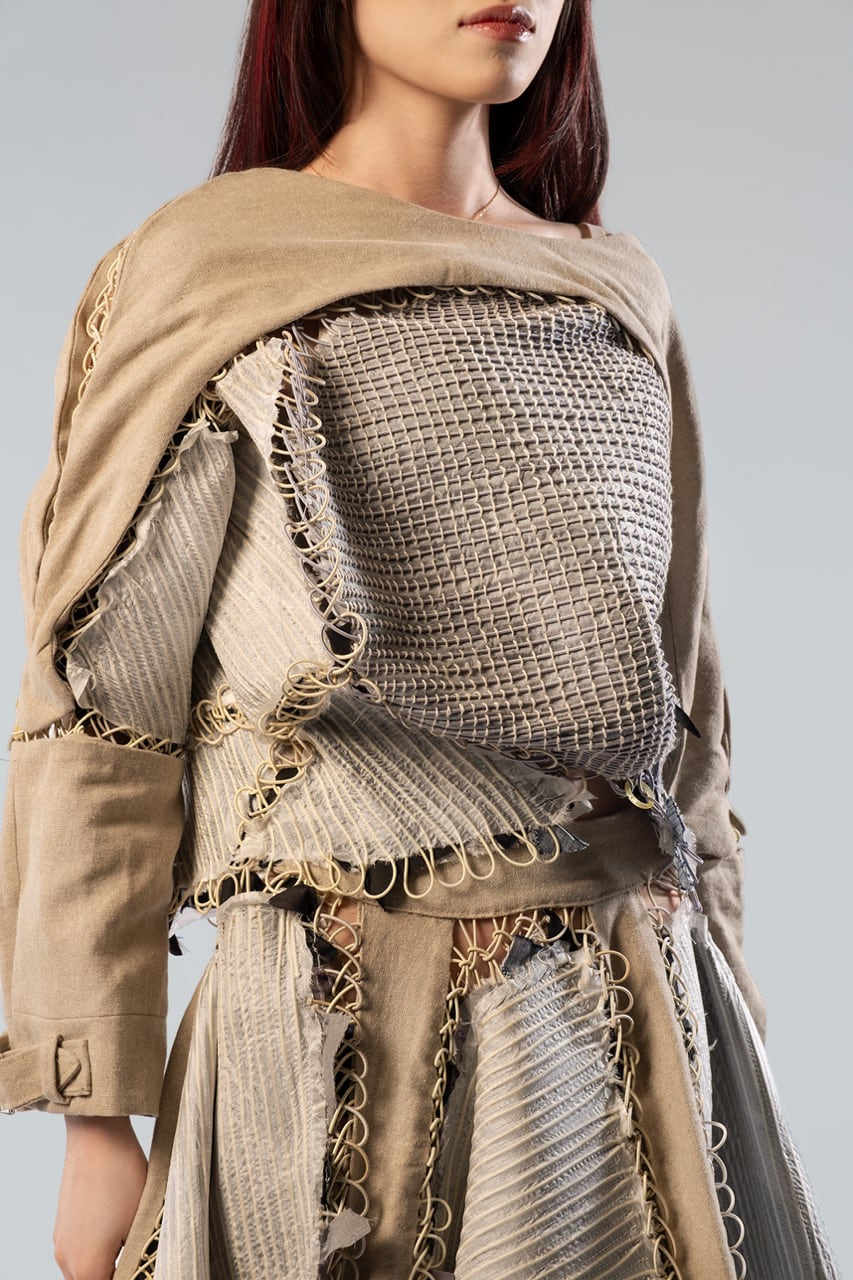
Equally central is participatory design. I am interested in garments that do not merely “fit” a body, but actively collaborate with the wearer—encouraging choice, re-interpretation, and personal authorship. Participation can be subtle: a wearer adjusting, rearranging, or re-styling elements; discovering multiple ways to inhabit a piece; and building attachment through repeated interaction. In this approach, the wearer is not a passive consumer but a co-creator, and the garment becomes a platform for self-expression, memory, and care.

Across different projects and aesthetics, I return to the same goal: to design clothing as a living relationship—practical, playful, and enduring. I want my work to support changing identities without demanding constant replacement, and to offer wearers the quiet satisfaction of shaping something that can stay with them for a long time.
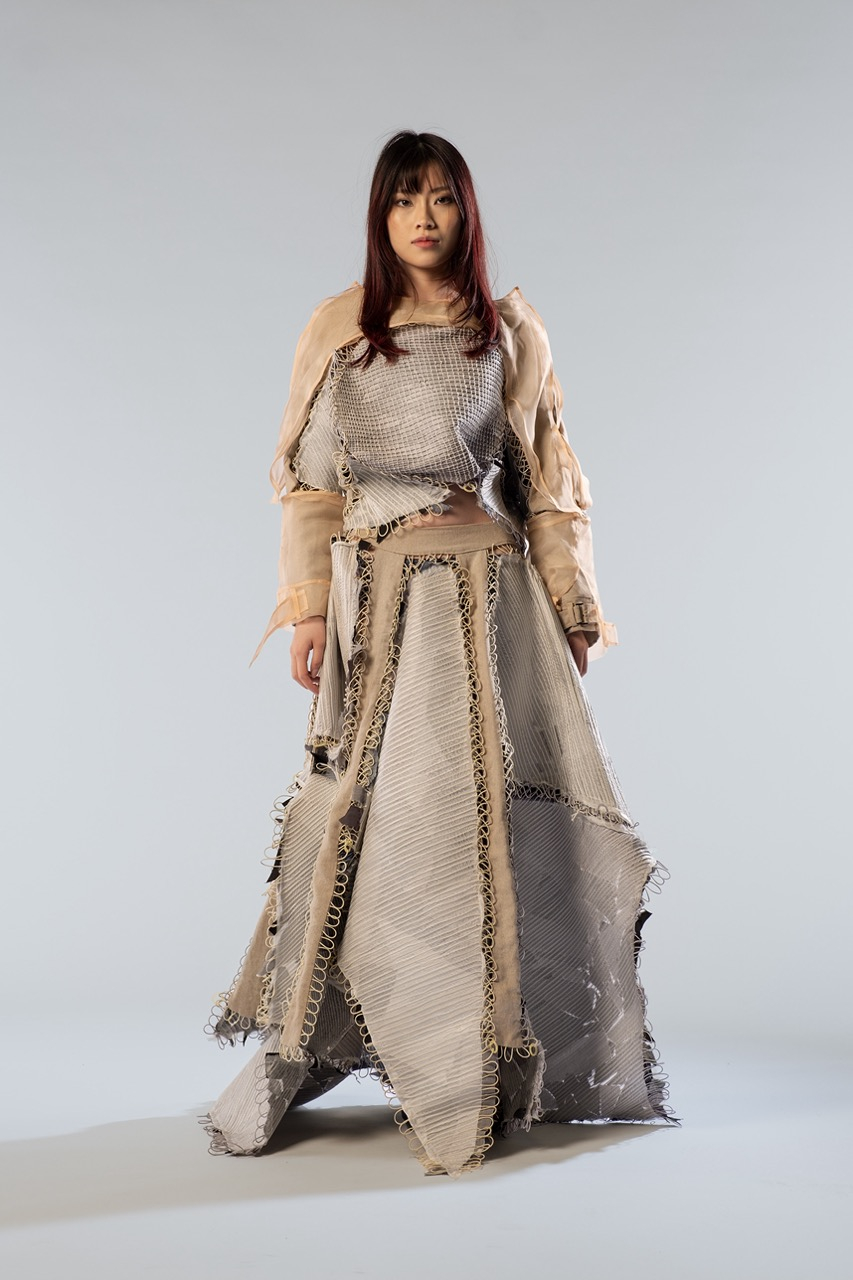
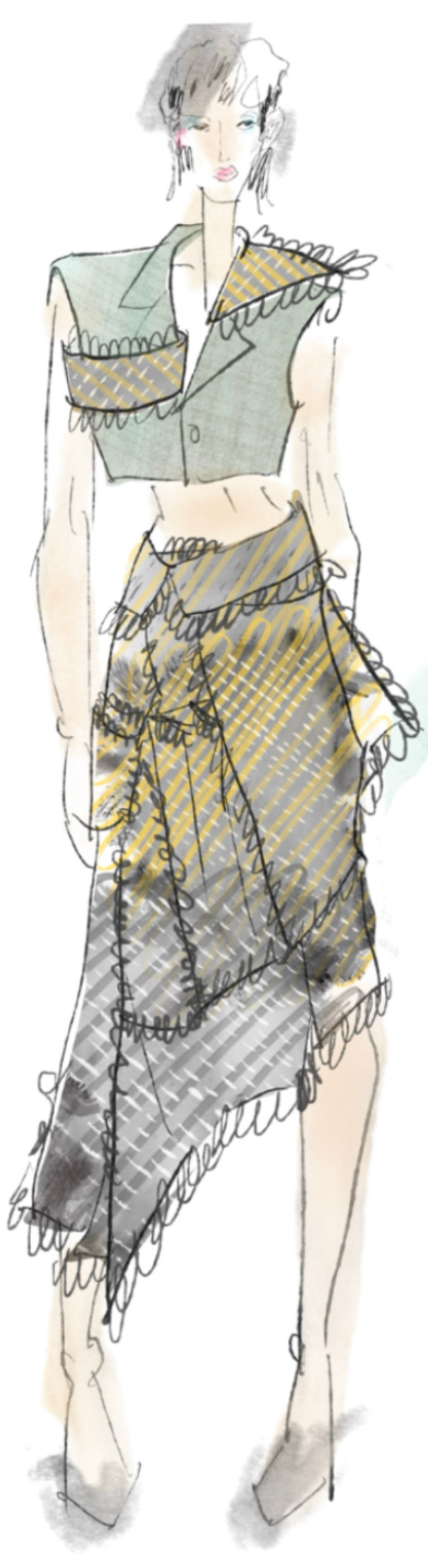
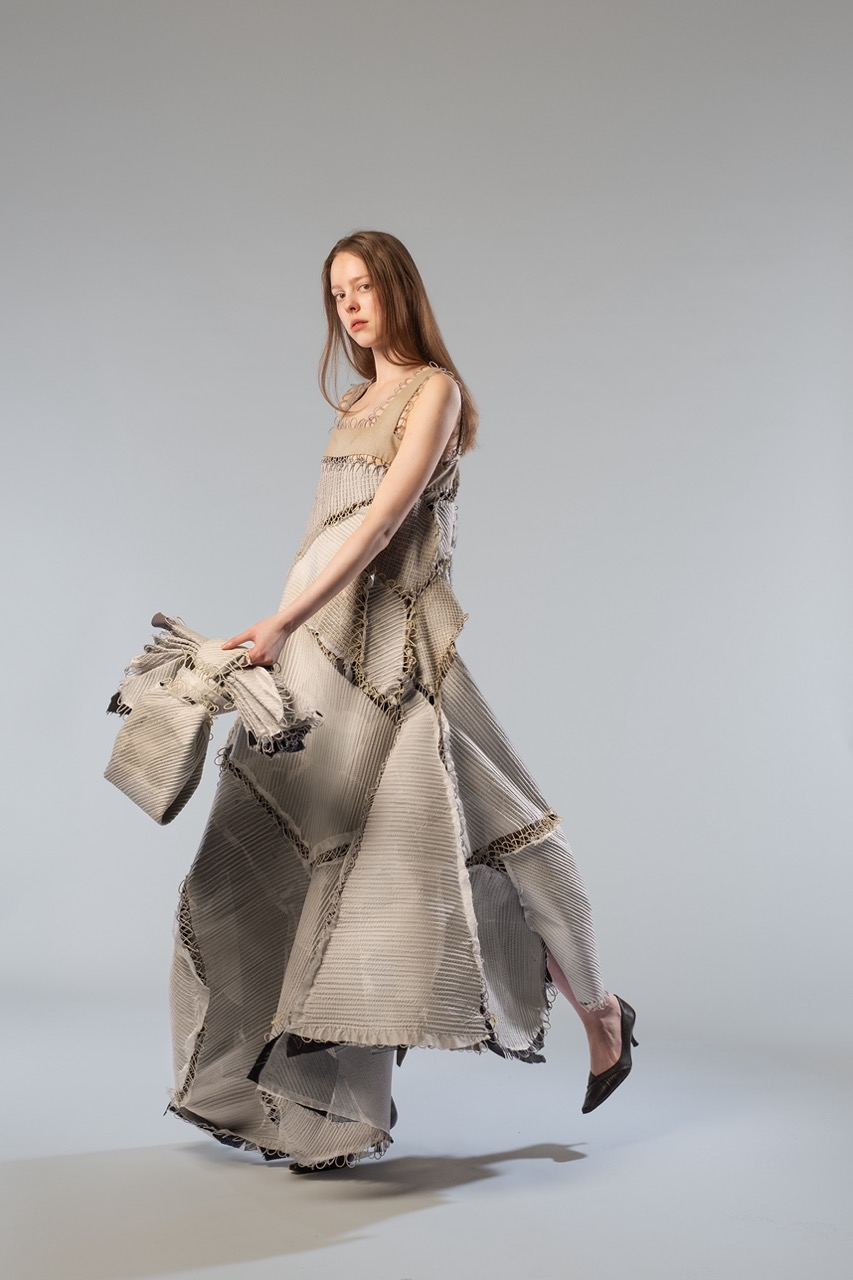
Look 3
Design, Styling, Directing Jinyang (Jinny) Zhang Model Talent: Mellisa Mcconnachie