bookmark View bookmarks ()
Bookmarks
bookmark ()
The University of Edinburgh | Edinburgh College of Art
ECA Graduate Show 2026
School
  • Visit ESALA
  • Architecture - BA/MA (Hons)
  • Architecture - MArch
  • European Masters in Landscape Architecture (EMiLA)
  • Interior Design - BA (Hons)
  • Landscape Architecture - MA
  • Landscape Architecture - MLA
  • Visit Art
  • Fine Art - MA (Hons)
  • Intermedia - BA (Hons)
  • Painting - BA (Hons)
  • Photography - BA (Hons)
  • Sculpture - BA (Hons)
  • Visit Design
  • Animation - BA (Hons)
  • Fashion - BA (Hons)
  • Film and Television - BA (Hons)
  • Graphic Design - BA (Hons)
  • Illustration - BA (Hons)
  • Jewellery and Silversmithing - BA (Hons)
  • Performance Costume - BA (Hons)
  • Product Design - BA (Hons)
  • Textiles - BA (Hons)
  • Visit History of Art
  • Visit Music
  • Acoustics and Music Technology - BSc (Hons)
  • Music - BMus (Hons)
 
Events
Student List
Performance
27 May 2026 18:00 - 22:00
ECA Film and TV Screening 2026

Malaya

Mai'dasar
Textiles - BA (Hons)
School of Art
leal.textiles@gmail.com
www.lealtextiles.uk
Follow:
  • Instagram Find us on Instagram
Kinilaw Mural Panel B

Mai'dasar Sculpture

Mai'dasar Sculpture
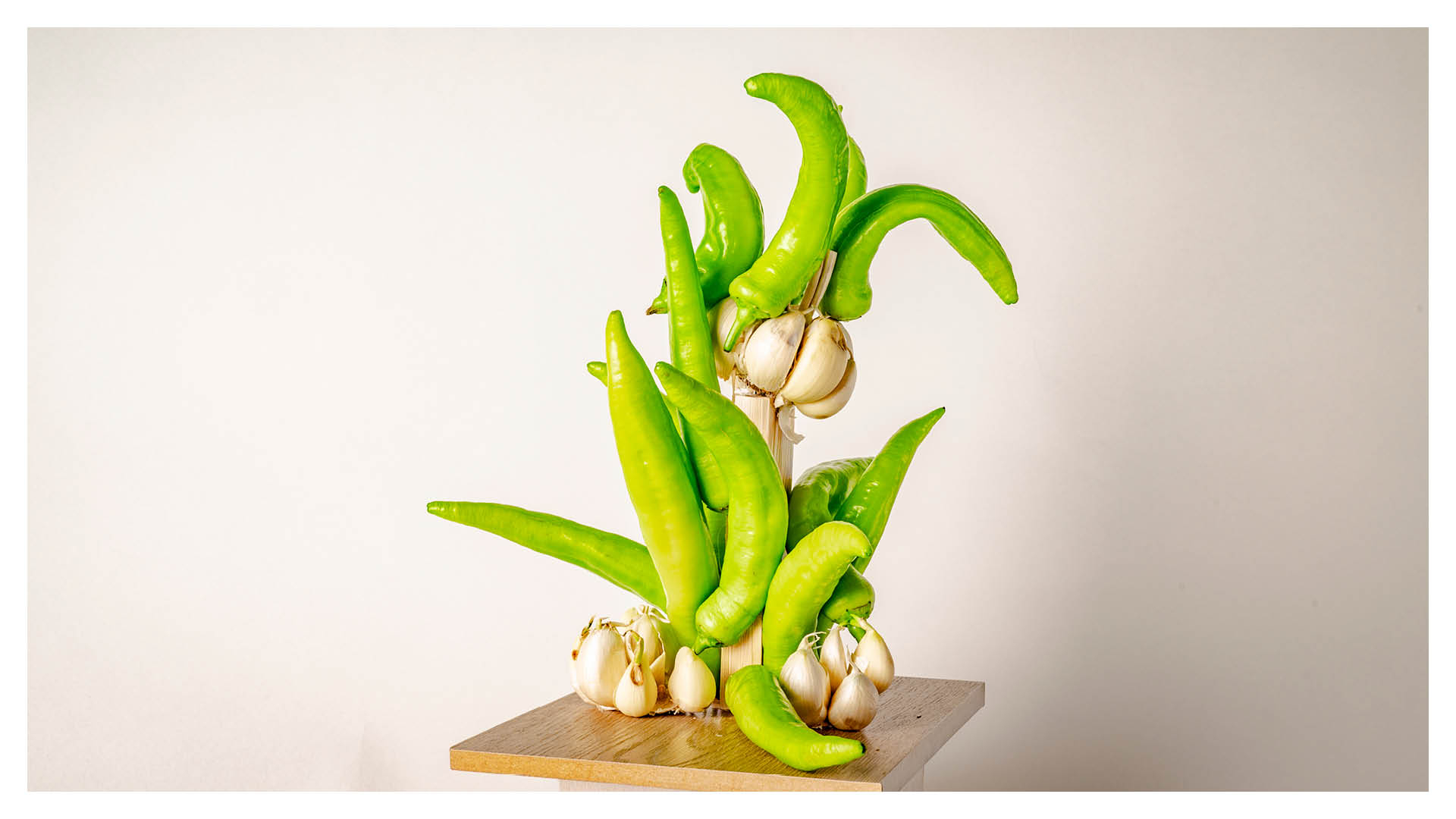
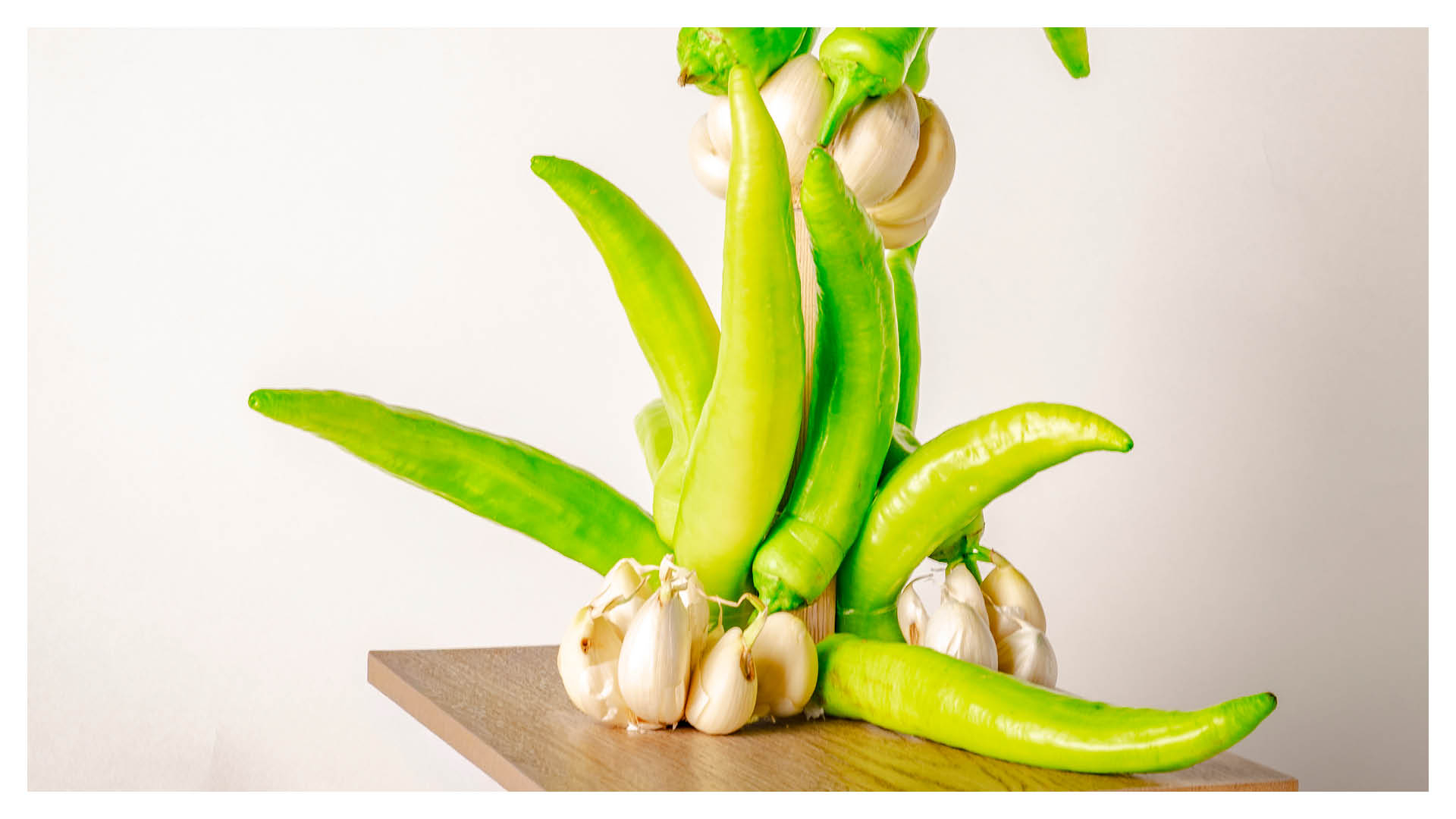
Is a joyful celebration of Filipino ancestral heritage through the culinary Mana. Mai’dasar [ma-ee-da-sar] is an Ilocano [ee-lo-ka-no] term meaning “to prepare”. It describes the narrative of preparing the ingredients or setting the table before a meal. These three significant ancestral dishes are explored and transformed into modern centrepiece food arrangements, which referenced content for the mural collection to evoke the narrative of reconnection, celebration and resilience.
Mai'dasar Sculpture: Kinilaw
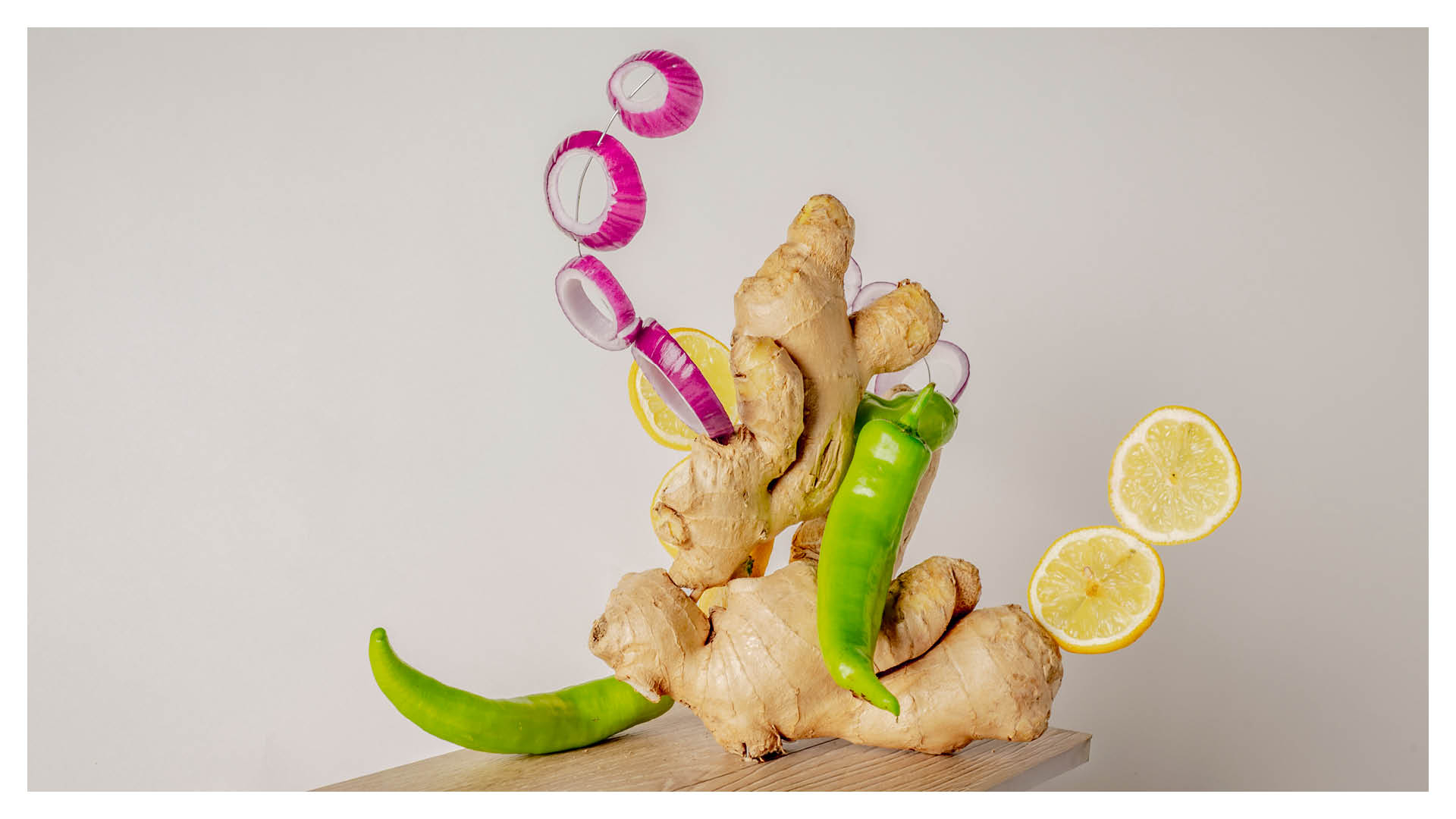
Kinilaw means to prepare it raw. It is a technique more than it is a “dish”.  Preparing fresh-caught white fish in acid, which in this process involves cooking the Galunggong mackerel scad with vinegar and citrus fruits like lemons to cure the fish. The red onions, ginger, green chillies, and tomatoes are added for texture, savoury and sweetness to mellow the slightly sharp notes.
Mai'dasar Sculpture: Paksiw
Paksiw is a traditional preserving technique that involves simmering fish.  The primary element of this dish is acidity; likewise, in Kinilaw, its flavour is all about sourness, using vinegar. Paksiw has traditionally been cooked in a palayok (earthenware pot) over a woodfire; this reflects the bond between people and their natural environment. Traditionally, Paksiw is served during the harvest season as a farmer’s takeaway meal, and it is best paired with rice.
Mai'dasar Sculpture: Sinigang
It is from the root word ‘sigang’, meaning stew. It is a sour base soup concocted with green tamarinds, tomatoes, and coconut vinegar. Before the Spanish colonial period, sinigang was a dish that was loved by Filipinos, and it is culturally acknowledged as one of the national food of the Philippines. It is best served during the monsoon season due to its warm, sour, and salty elements in sinigang, which “bring the kilig” or release serotonin that makes us feel good, according to food historians.

Malaya

Mai'dasar
Textiles - BA (Hons)
School of Art
leal.textiles@gmail.com
www.lealtextiles.uk
Follow:
  • instagram Find us on Instagram

Related student work

Is a joyful celebration of Filipino ancestral heritage through the culinary Mana. Mai’dasar [ma-ee-da-sar] is an Ilocano [ee-lo-ka-no] term meaning “to prepare”. It describes the narrative of preparing the ingredients or setting the table before a meal. These three significant ancestral dishes are explored and transformed into modern centrepiece food arrangements, which referenced content for the mural collection to evoke the narrative of reconnection, celebration and resilience.

Sculpture 1: Kinilaw

Kinilaw means to prepare it raw. It is a technique more than it is a “dish”. 

Preparing fresh-caught white fish in acid, which in this process involves cooking the Galunggong mackerel scad with vinegar and citrus fruits like lemons to cure the fish. The red onions, ginger, green chillies, and tomatoes are added for texture, savoury and sweetness to mellow the slightly sharp notes.

Sculpture 2: Paksiw

 Paksiw is a traditional preserving technique that involves simmering fish. 

The primary element of this dish is acidity; likewise, in Kinilaw, its flavour is all about sourness, using vinegar. Paksiw has traditionally been cooked in a palayok (earthenware pot) over a woodfire; this reflects the bond between people and their natural environment. Traditionally, Paksiw is served during the harvest season as a farmer’s takeaway meal, and it is best paired with rice. 

Sculpture 3: Sinigang

It is from the root word ‘sigang’, meaning stew. It is a sour base soup concocted with green tamarinds, tomatoes, and coconut vinegar. Before the Spanish colonial period, sinigang was a dish that was loved by Filipinos, and it is culturally acknowledged as one of the national food of the Philippines. It is best served during the monsoon season due to its warm, sour, and salty elements in sinigang, which “bring the kilig” or release serotonin that makes us feel good, according to food historians. 

Share:
  • facebook Follow us on Facebook
  • linkedin Follow us on LinkedIn
Textiles - BA (Hons)

Textiles - BA (Hons)

student list
Malaya
leal.textiles@gmail.com
Textiles - BA (Hons)
School of Art
Ella Blow
ellablow@outlook.com
Textiles - BA (Hons)
School of Design
Lucie Halbert
withloveluire@gmail.com
Textiles - BA (Hons)
School of Design
Honey Hughes
honeyhughes03@icloud.com
Textiles - BA (Hons)
School of Design
Jennifer Yu
jenniferyudanni@gmail.com
Textiles - BA (Hons)
School of Design
Previous

Jennifer Yu

Next

Ella Blow

Footer

2026. Edinburgh College of Art Graduate Shows

View previous years

  • Contact
  • Website accessibility
  • Freedom of information
  • Terms and conditions
  • Privacy policy
© 2026 Edinburgh College of Art. All Rights Reserved. The University of Edinburgh is a charitable body, registered in Scotland, with registration number SC005336, VAT Registration Number GB 5929507 00, and is acknowledged by the UK authorities as a "Recognised body" which has been granted degree awarding powers.