Tarras Valley Peatland
Peatland Kinship Through Public Making

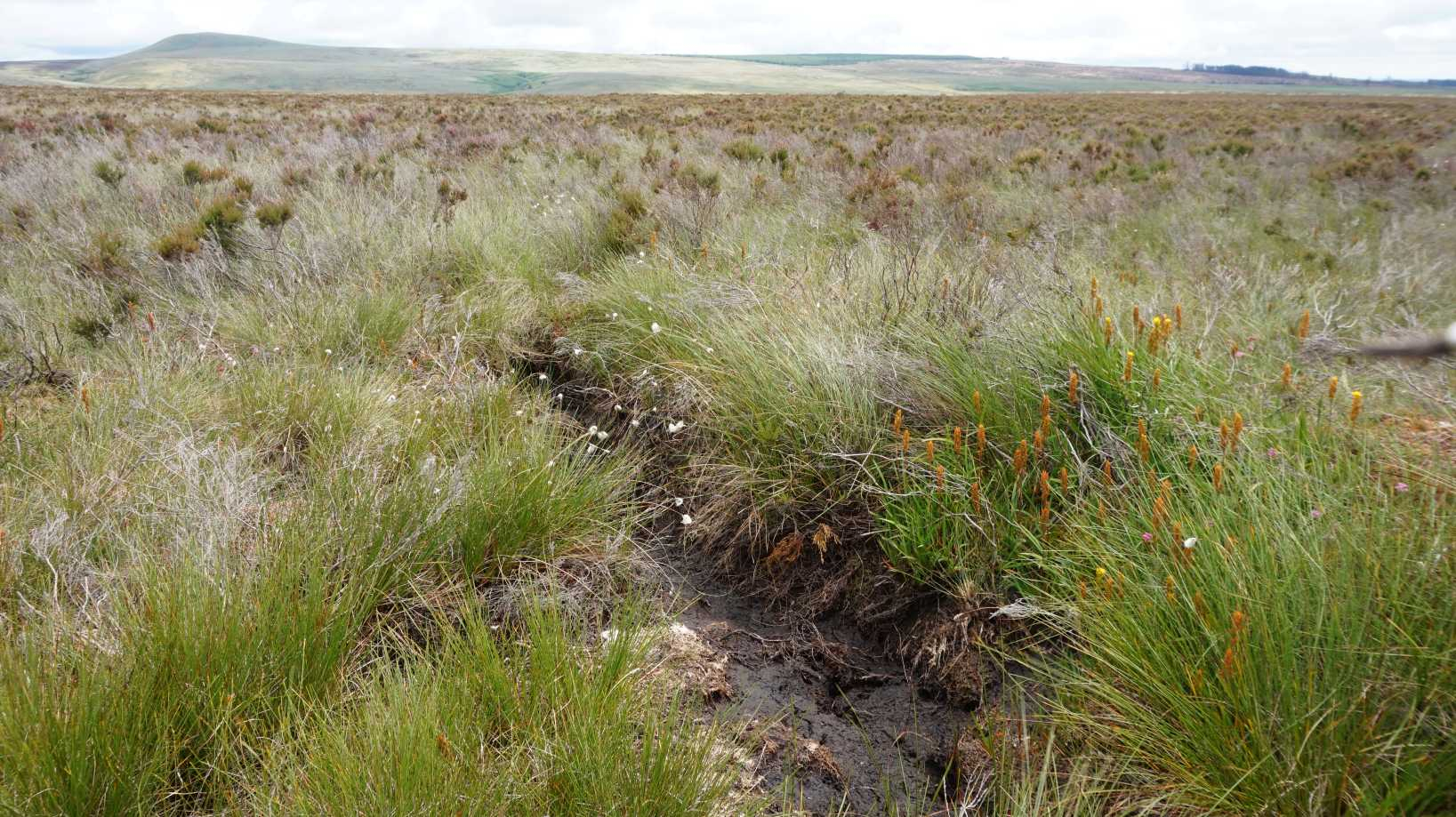
Scotland's peatlands cover almost a quarter of the country's land. However, 80% are degraded and releasing carbon, contributing around 20% of Scotland's carbon emissions, on par with the transport sector. Although restoring these fragile landscapes is essential for climate action, they are often remote, easily damaged, and difficult to experience without causing further disturbance. 

This project explores how people might develop a sense of connection to peatlands without physically visiting them—a concept I describe as non-proximal encounter. Working in collaboration with the Crichton Carbon Centre in Dumfries and Galloway, I use felted sheep fleece left over from peatland restoration research to create a woven work that echoes peat's slow accumulation of around 1 mm each year. The finished textile will form the backdrop for a dance performance by choreographer Kerry Morris: https://glenkens.scot/community-events/land-notes-festival-moving-over-time 

Together, the making, performance, and conversations generated through the project explore how artistic practice can foster attention, care, and connection to peatlands from a distance. 

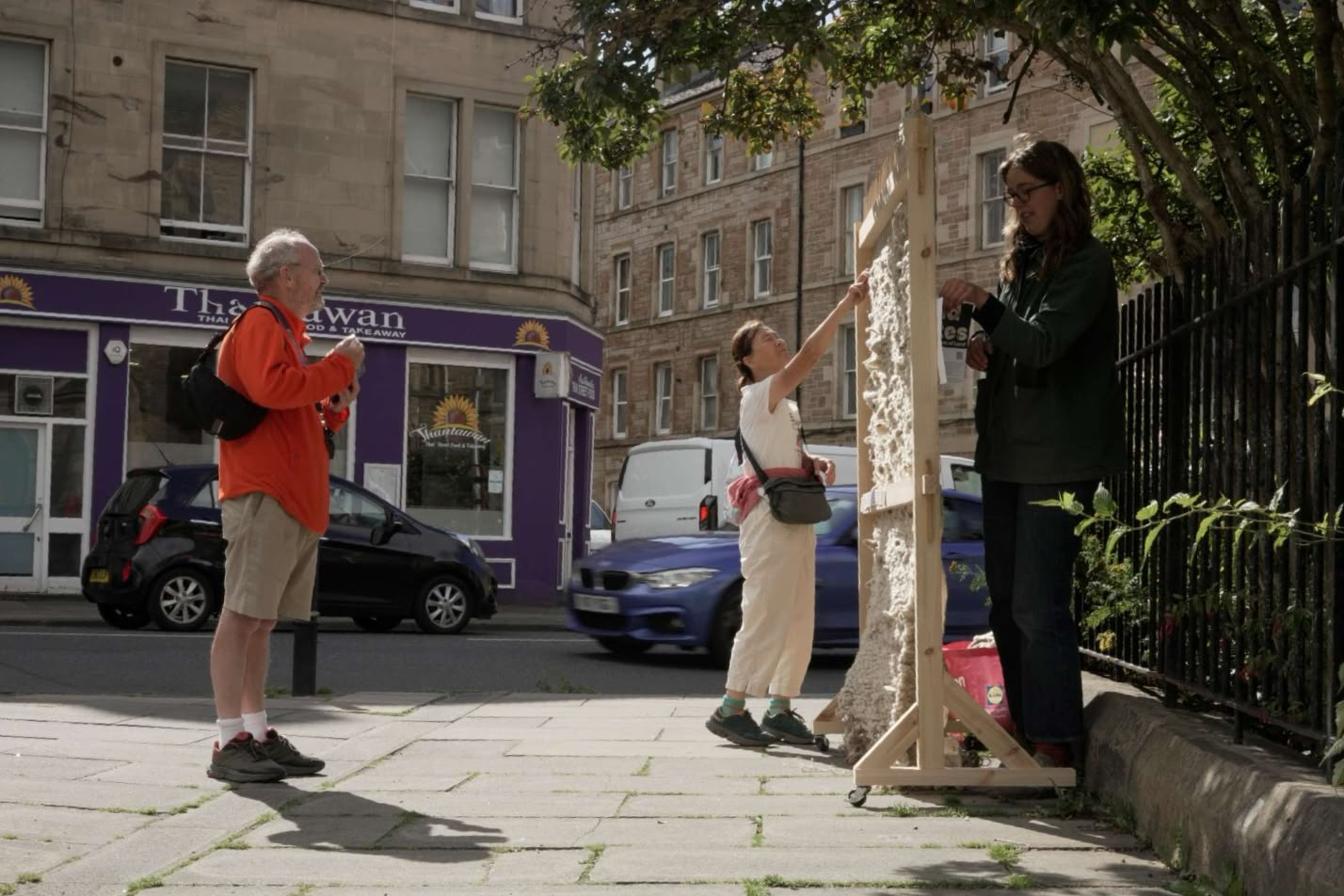
Weaving on large loom in public, with strangers touching the weave
Why Weaving?

Peatlands form through countless tiny accumulations over thousands of years. Weaving is similarly built through slow, repetitive acts that gradually become something larger than the individual gesture.

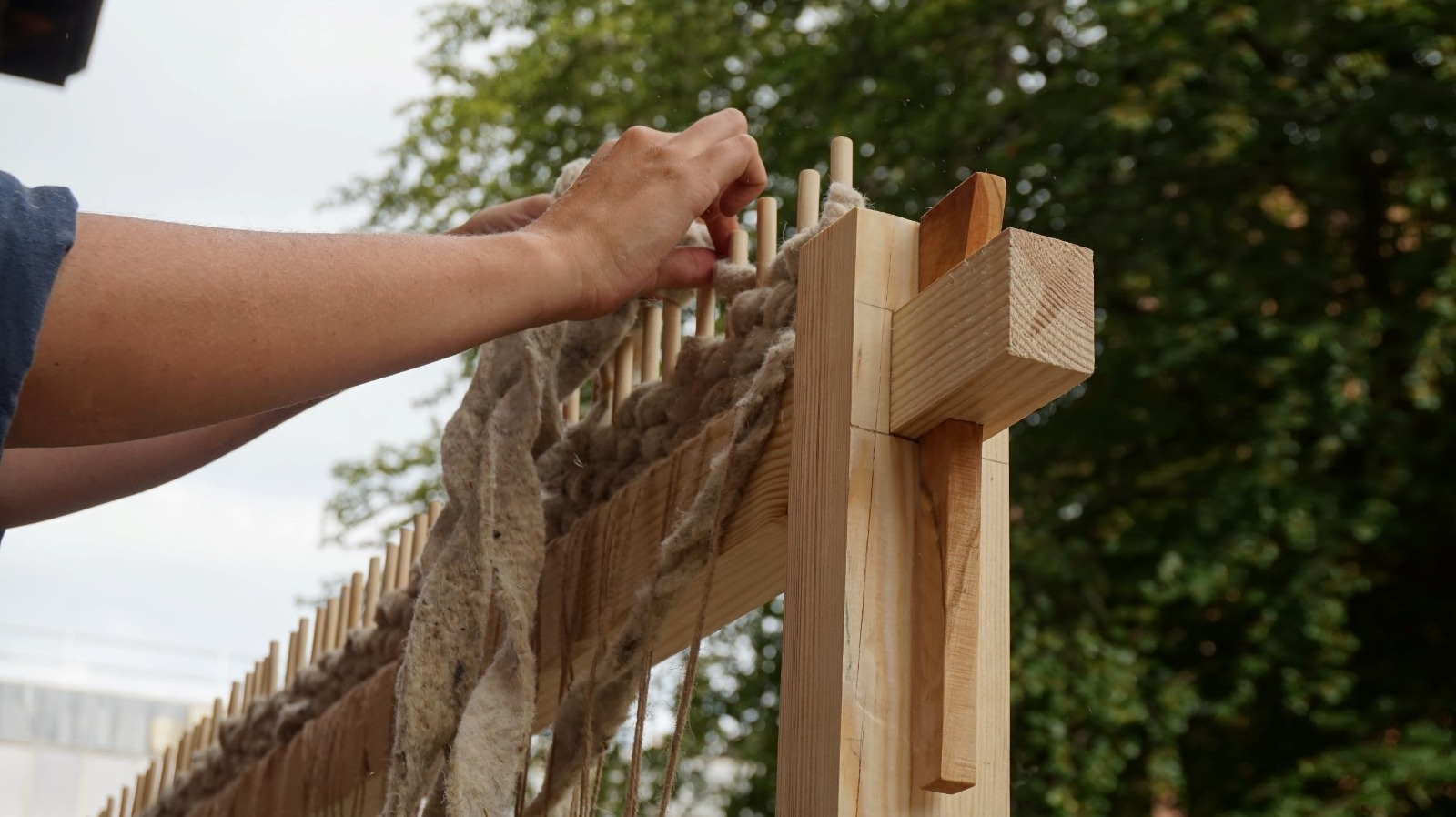
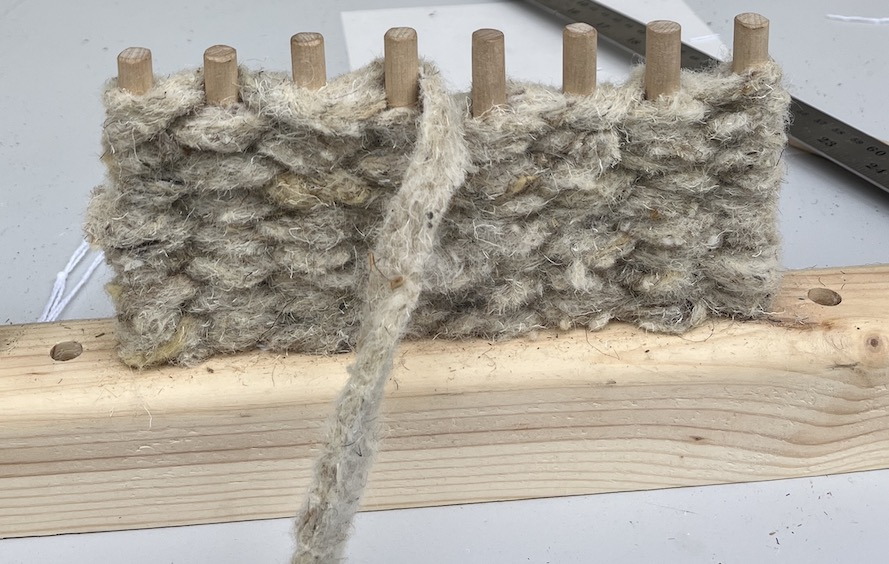
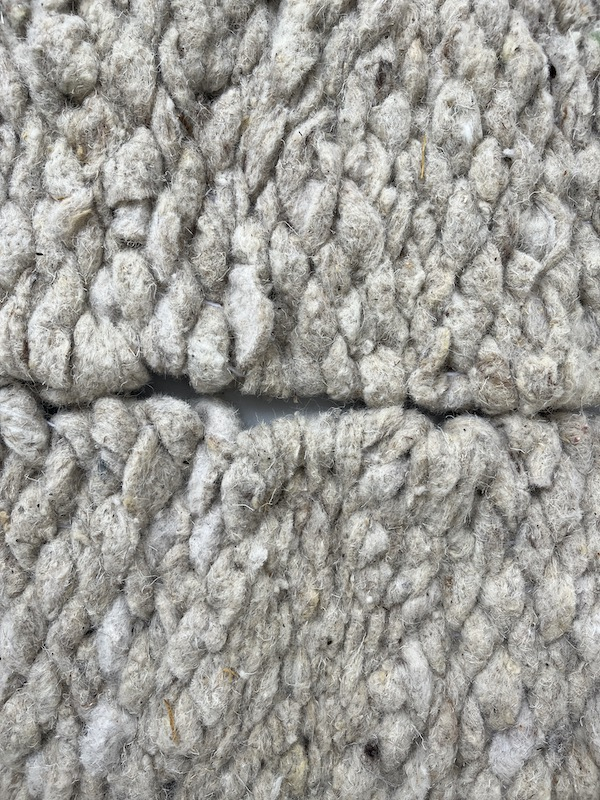
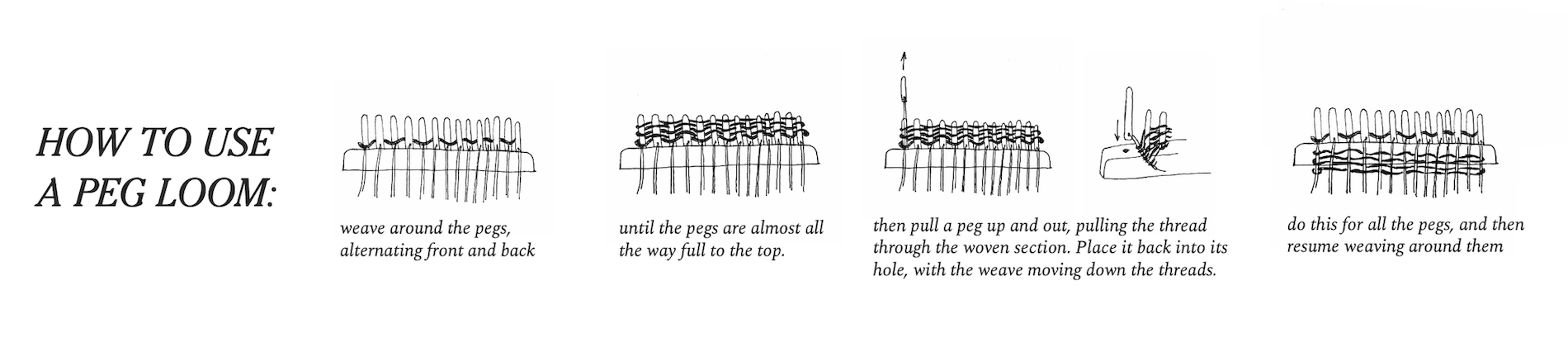
I experimented with how the sheep fleece might translate the ecological processes of peatland formation. Using various weaving techniques on my peg loom, I investigate how making might communicate the slow temporalities of peatland and capture some of their physical attributes (texture, stata, & direction).

About the Material

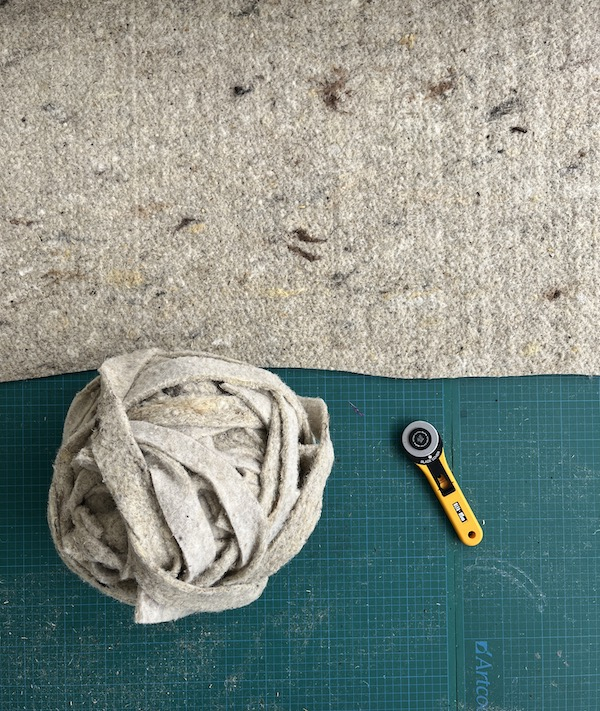
The felted sheep fleece used as the primary material in this project originates from the Crichton Carbon Centre's Wool Trial, a research project investigating whether locally sourced wool can be used as a biodegradable alternative to imported coconut coir in peatland restoration.

Bundles of wool are installed across eroding peat surfaces to slow water flow, reduce erosion, trap sediment, and create conditions that support the re-establishment of peat-forming vegetation. By repurposing this surplus research material, this project extends its journey from ecological restoration into artistic practice, exploring new ways of engaging with peatland landscapes. The attention and questions generated by moving the large, unwieldy bales of wool made for an additional and informative layer of "encounter" within the project.
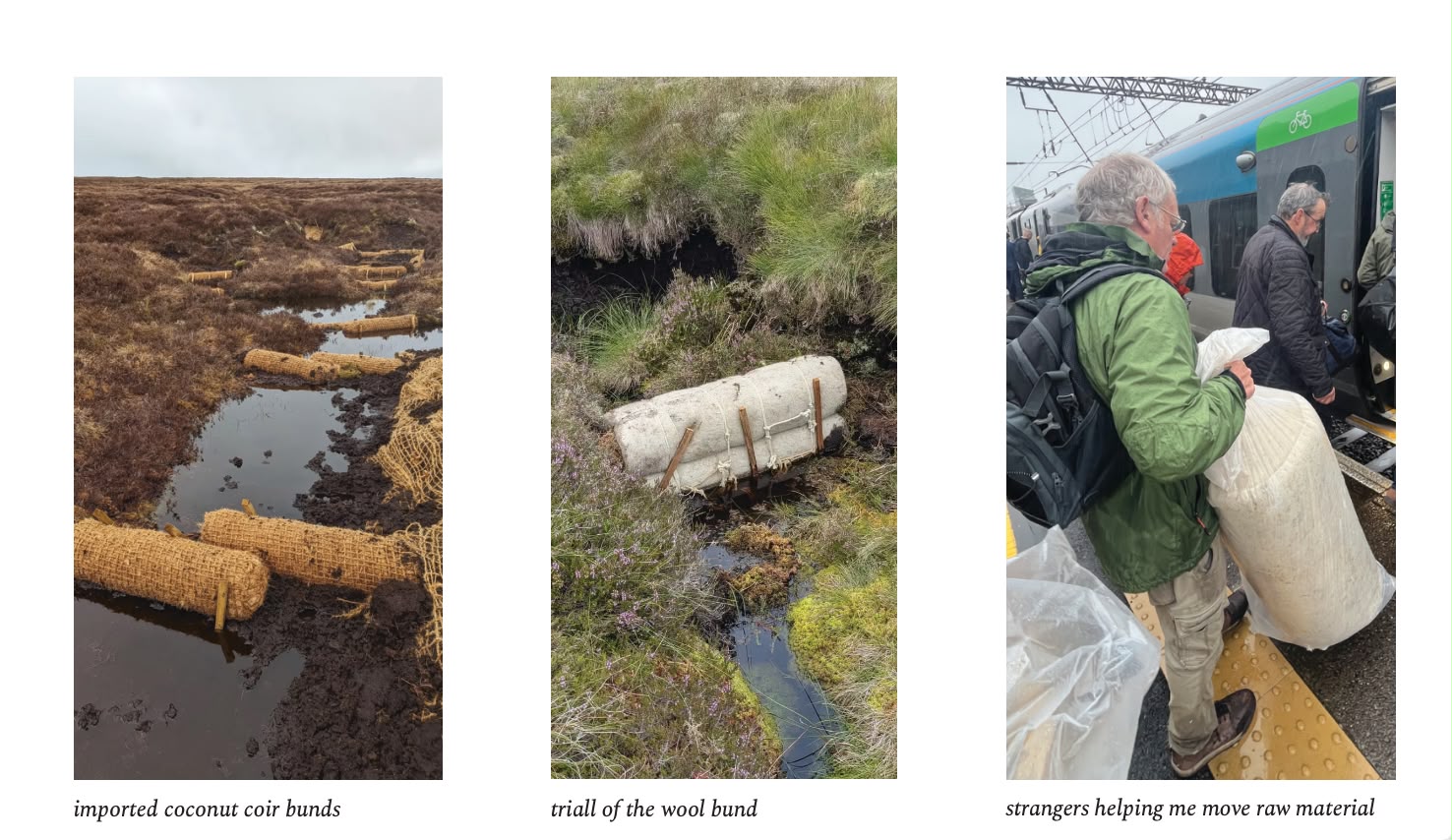
Showing different styles of restoration bunds, and strangers helping me carry material