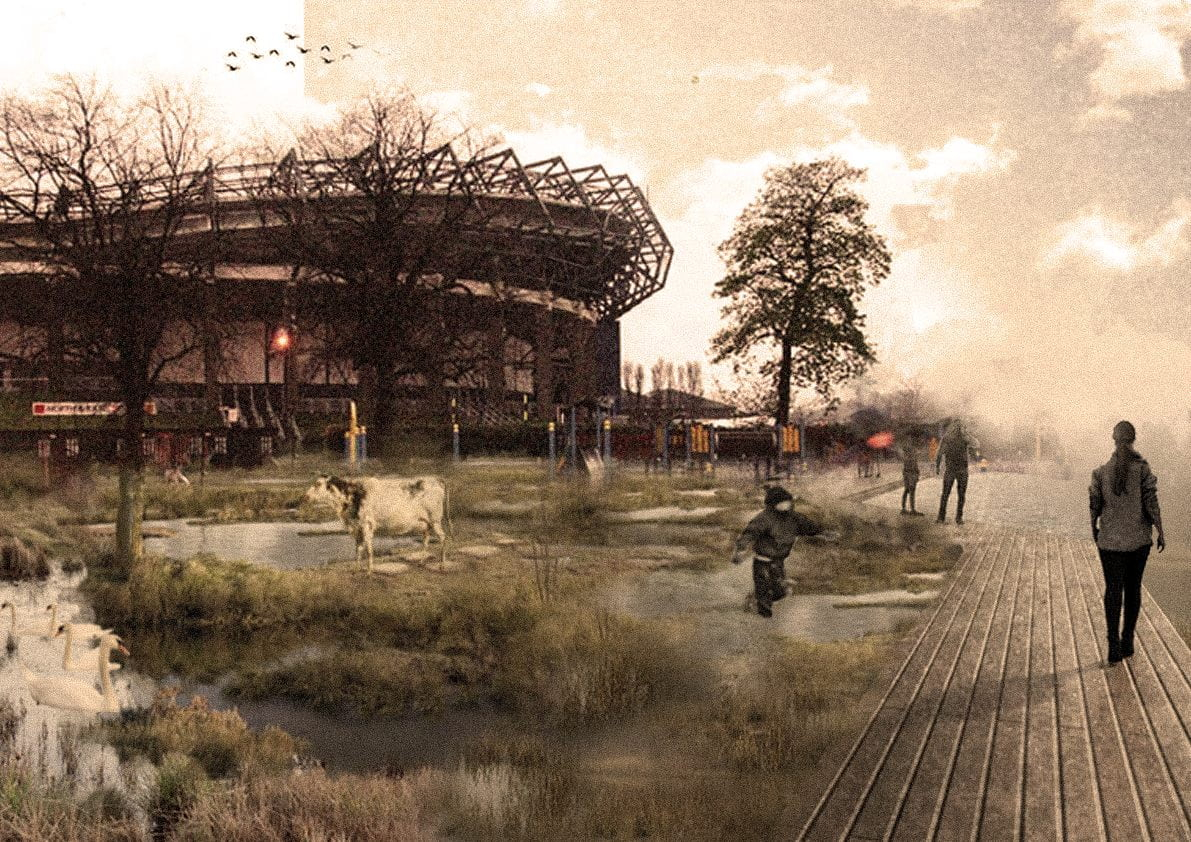
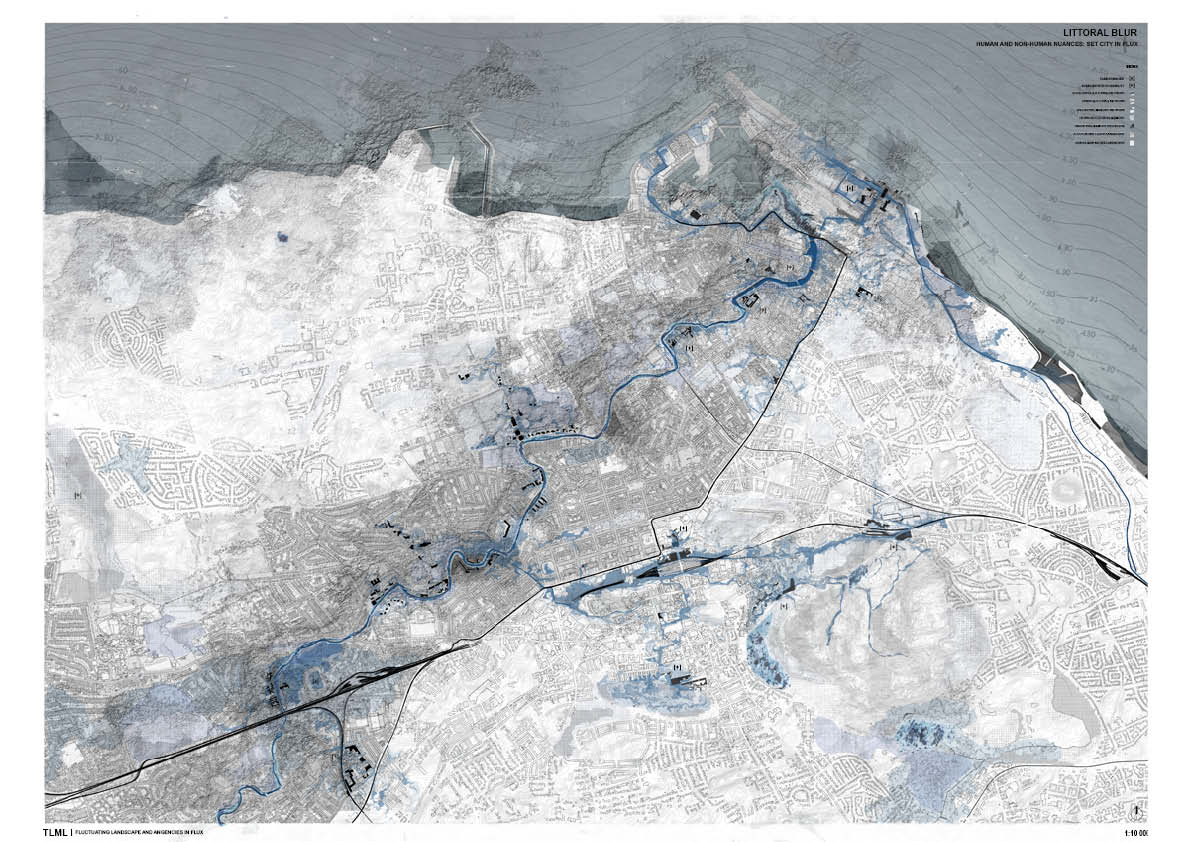
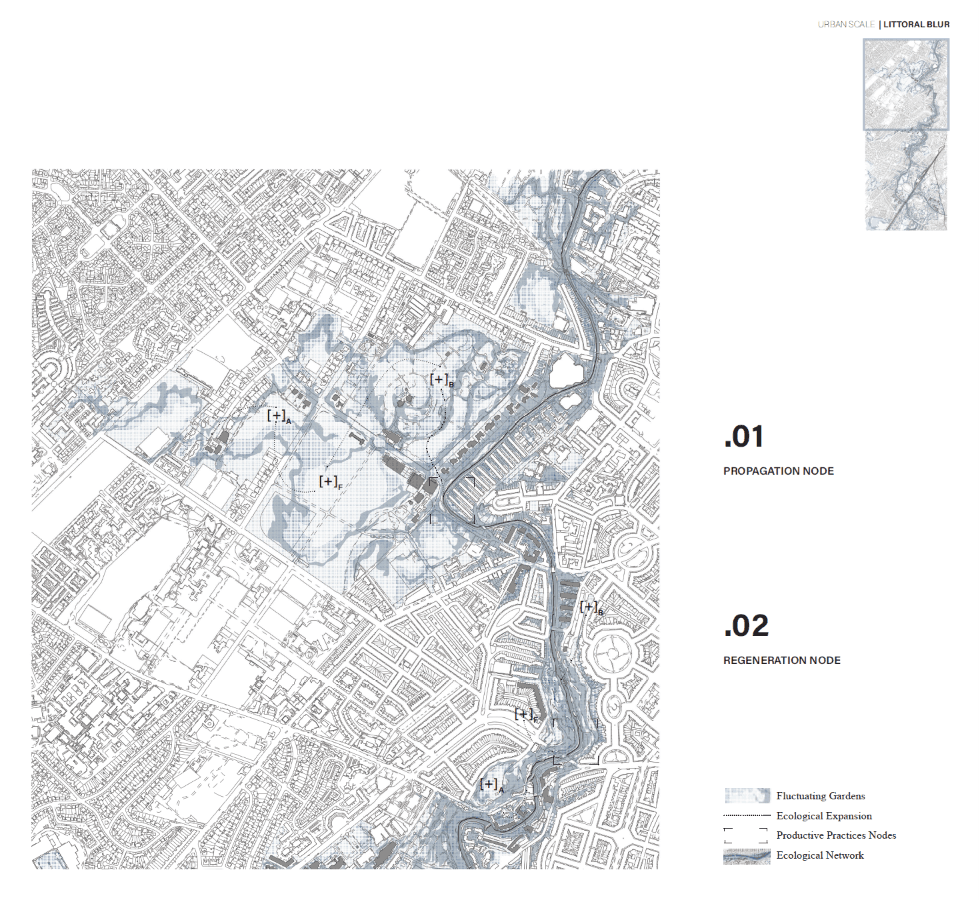
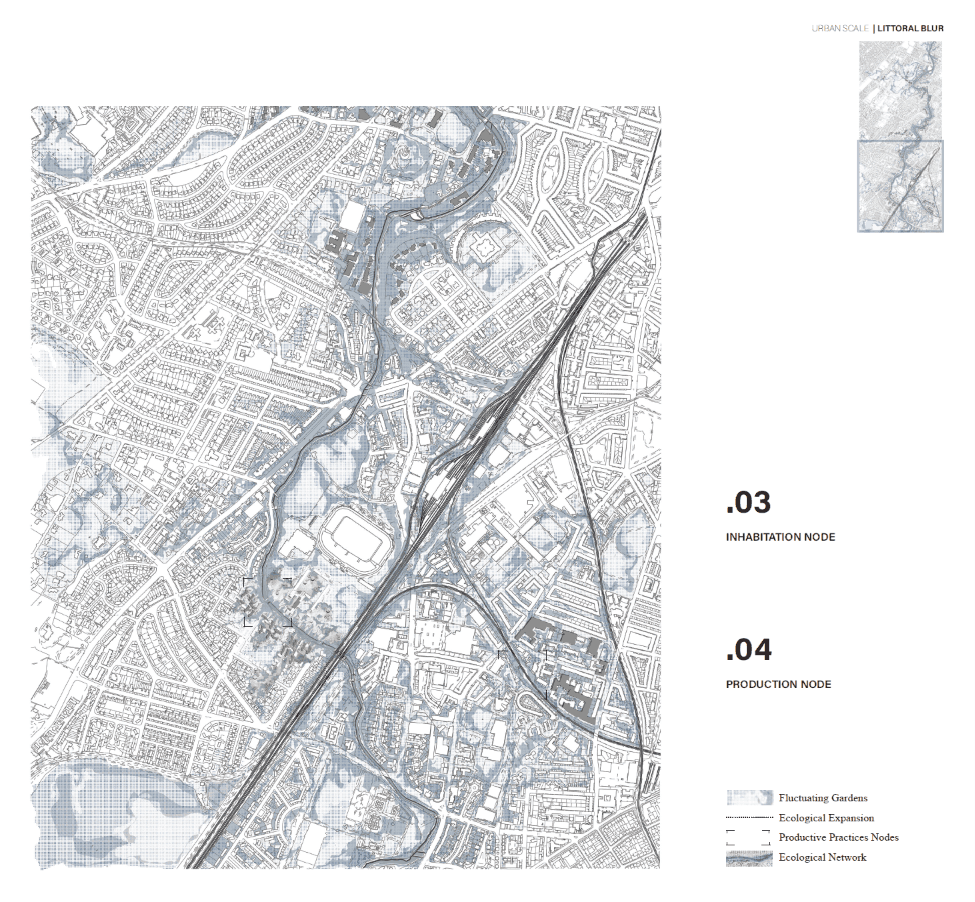
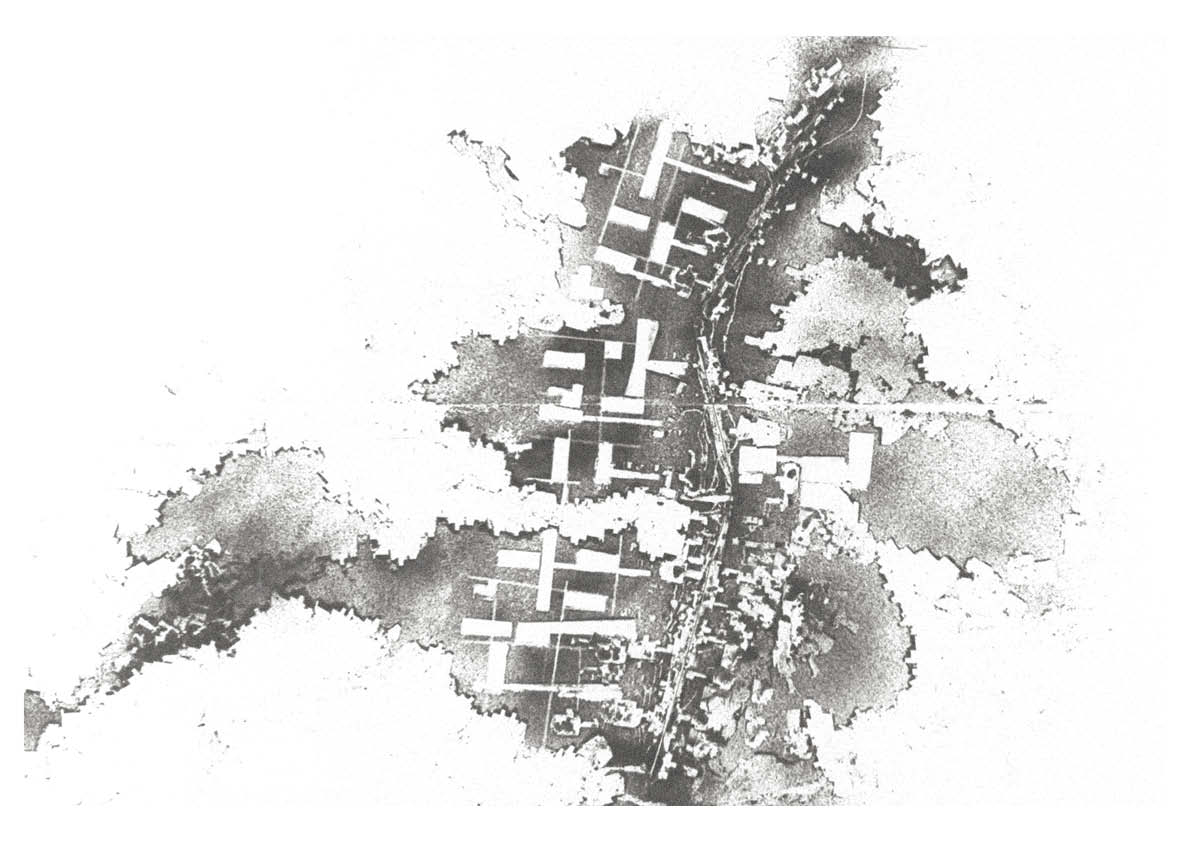
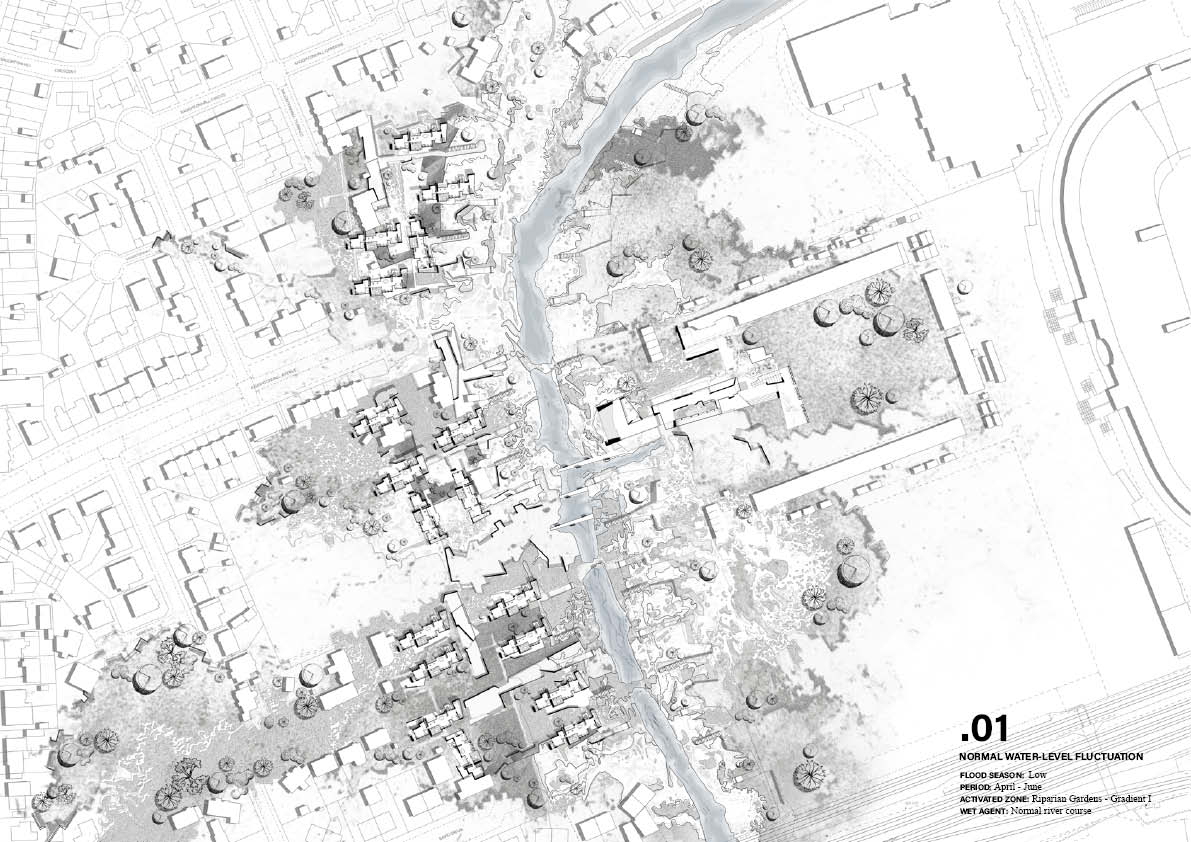
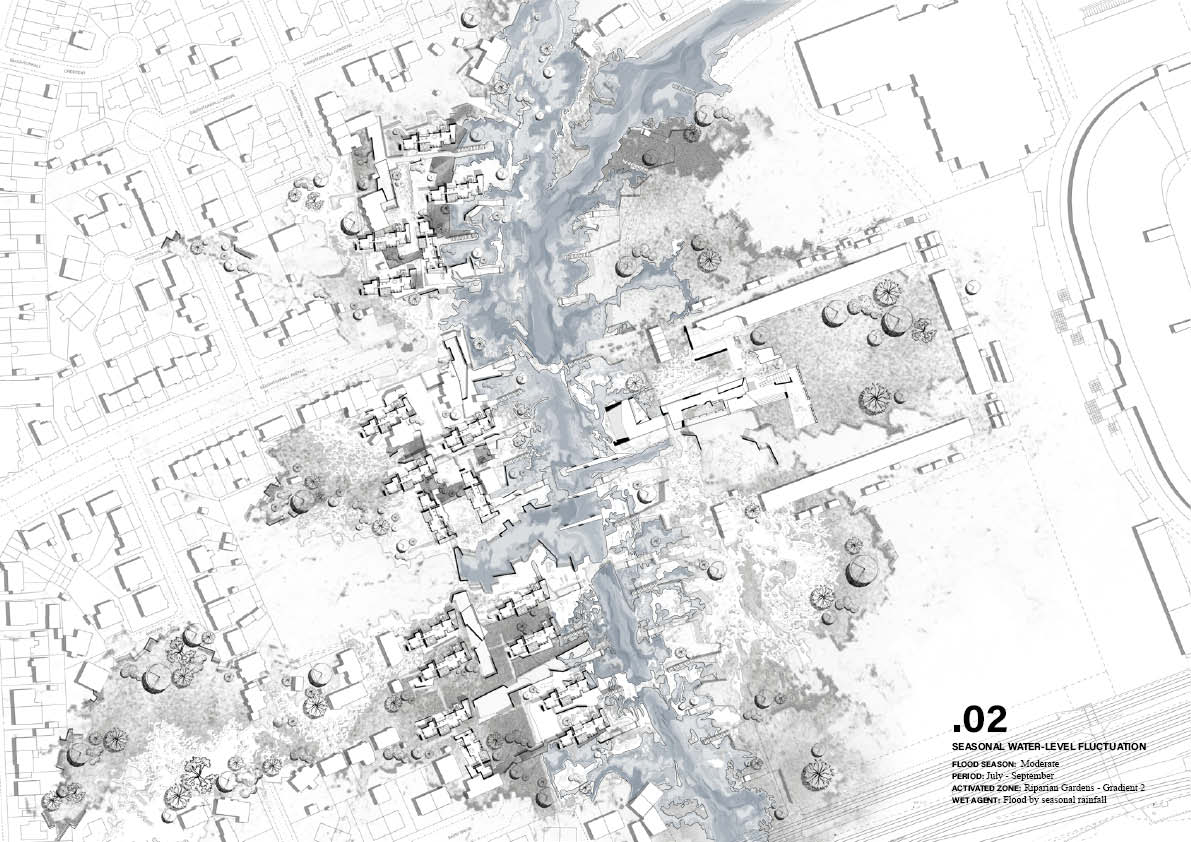
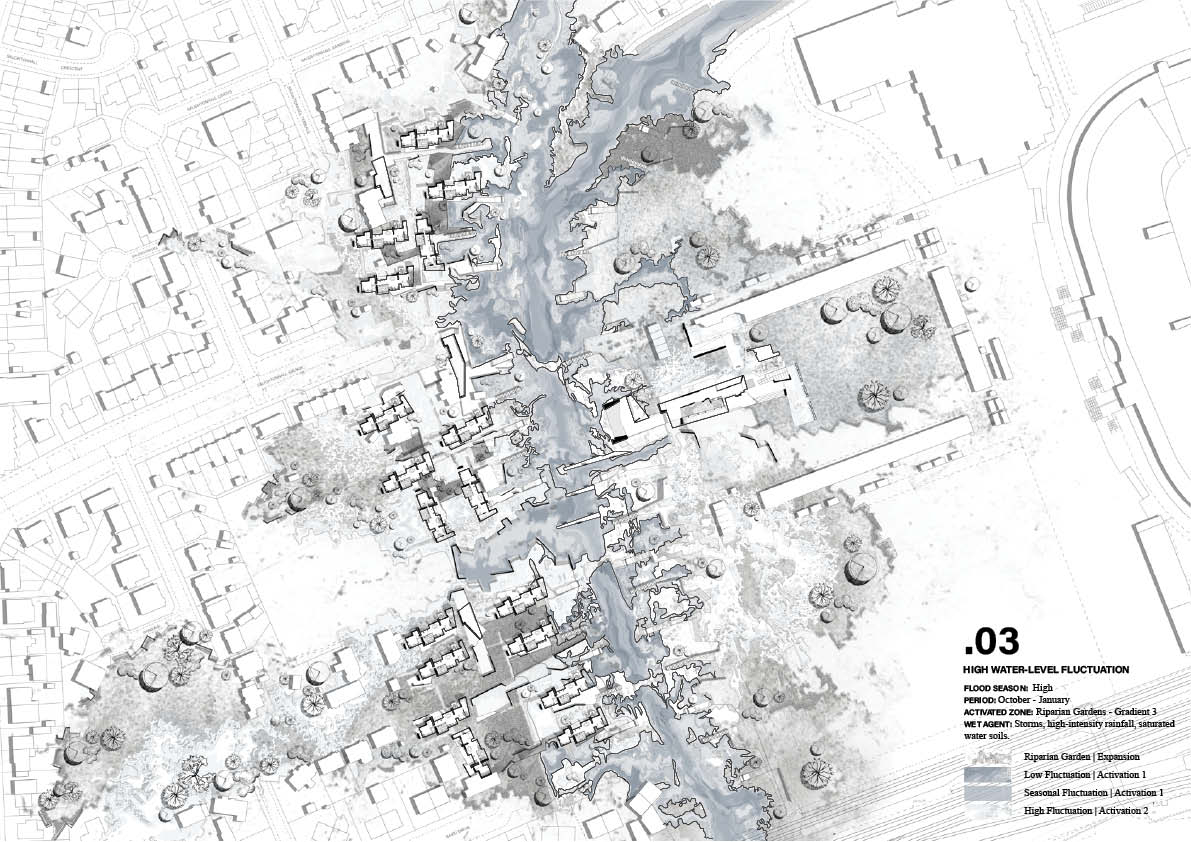
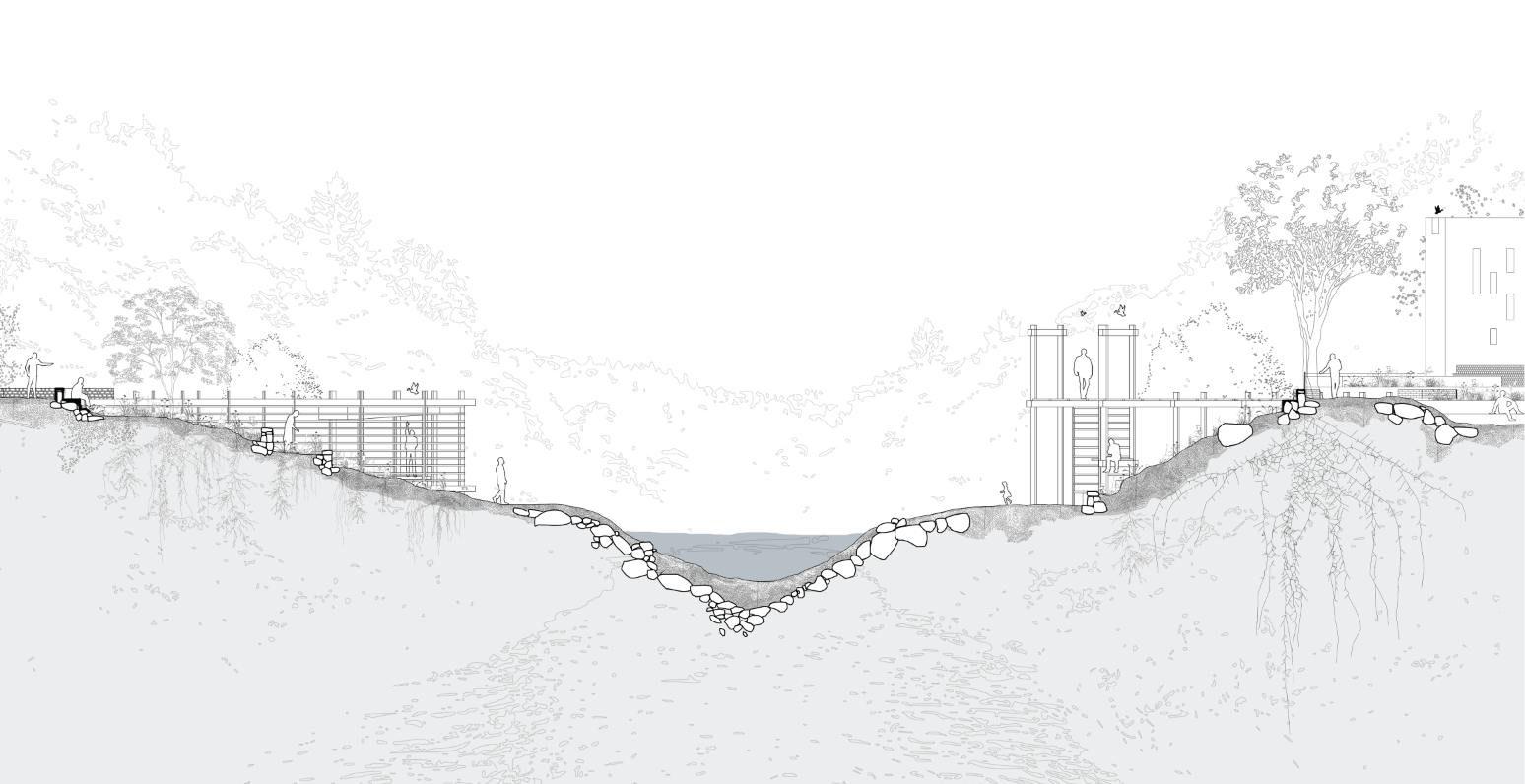
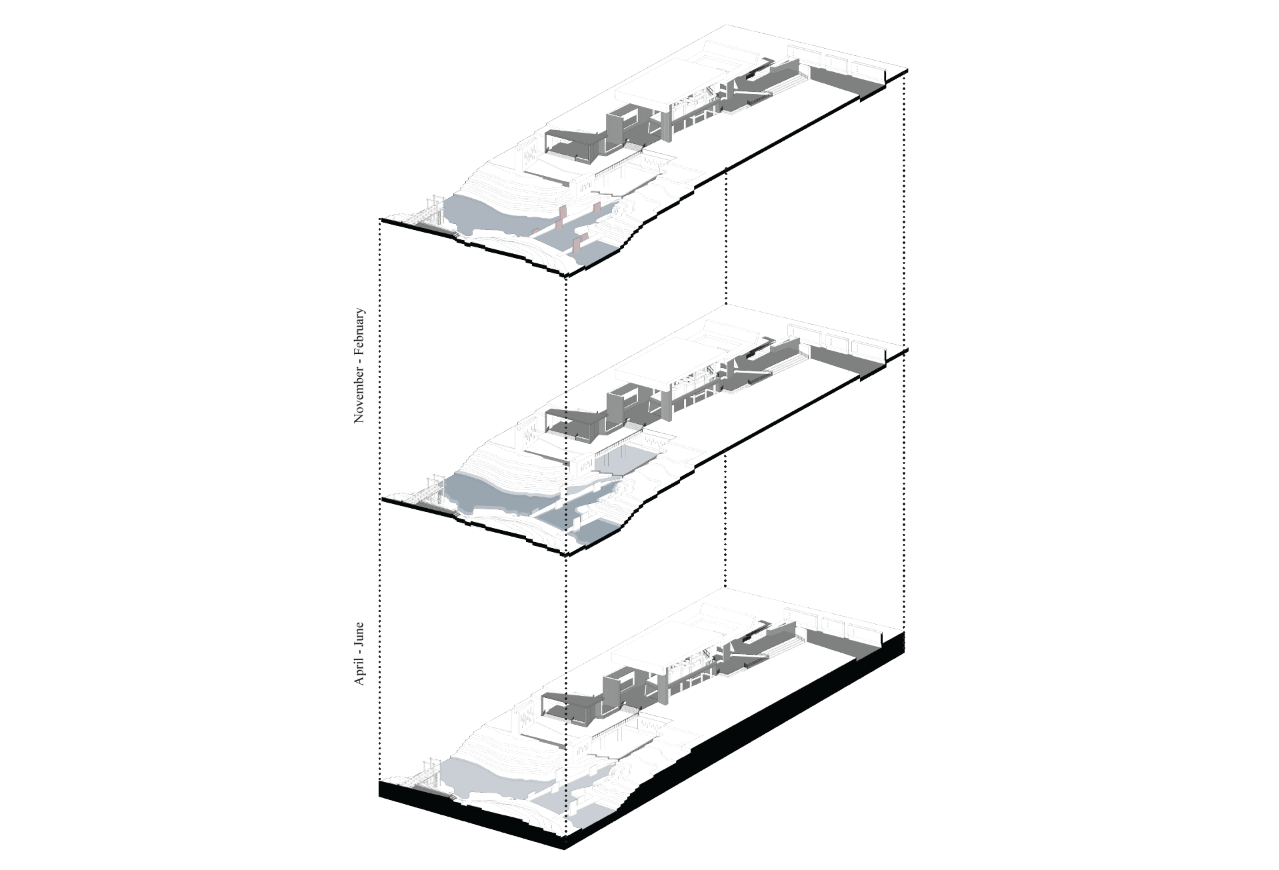
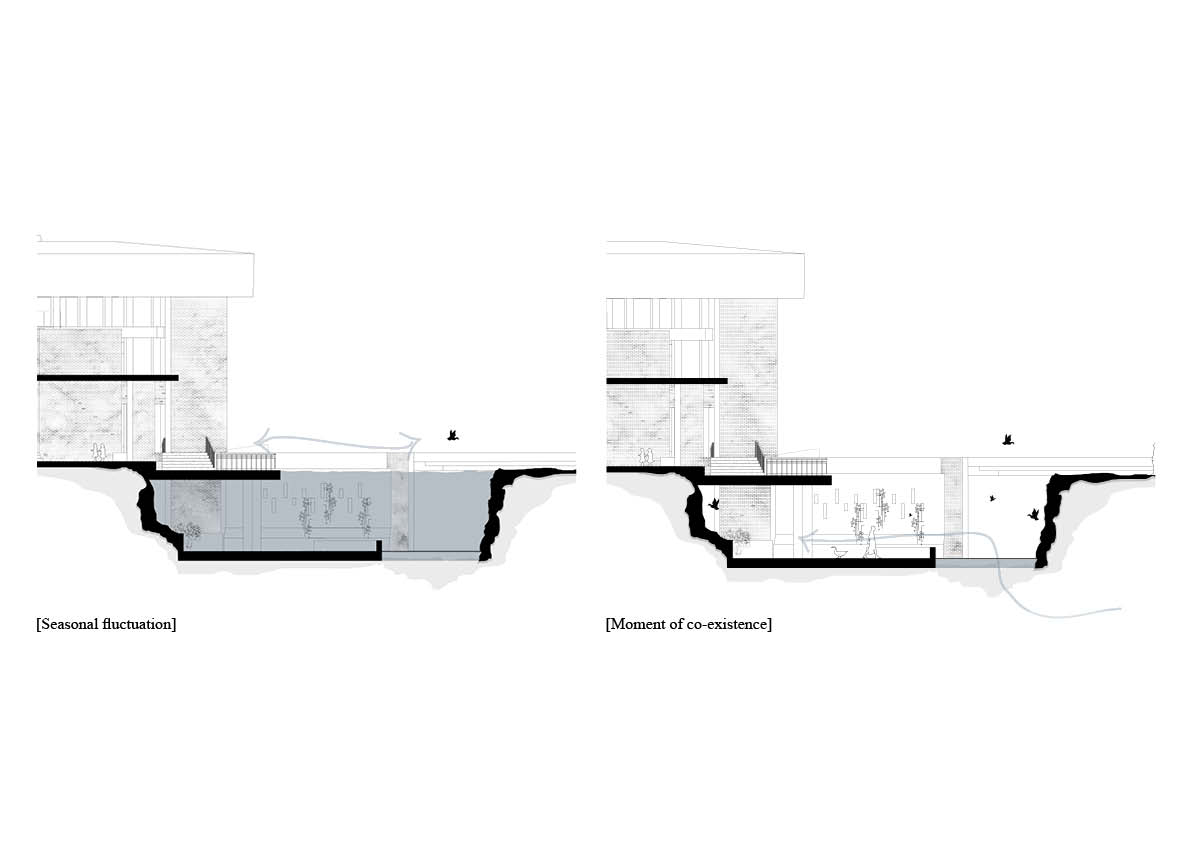
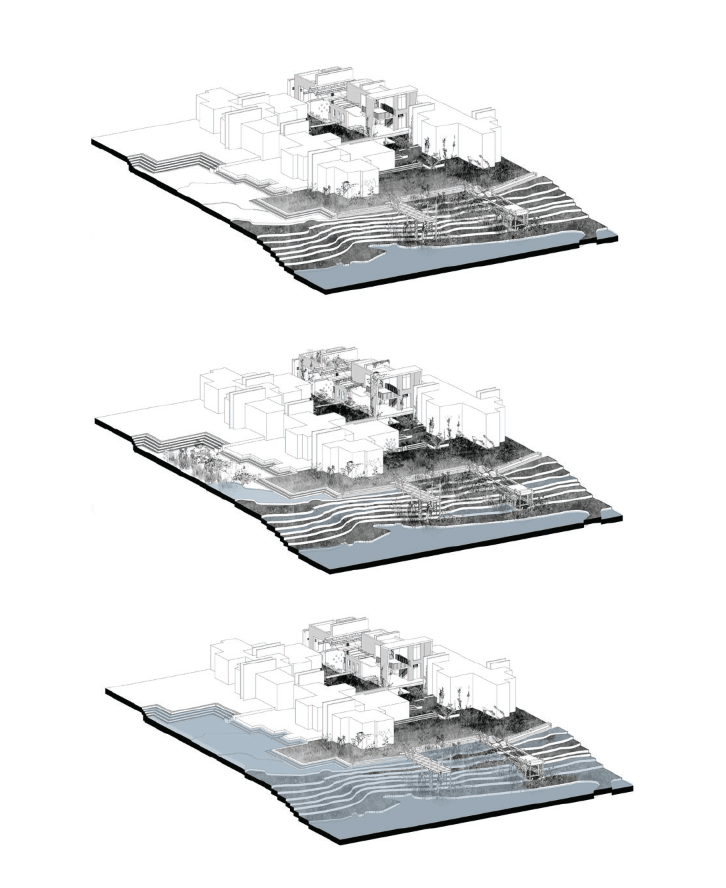
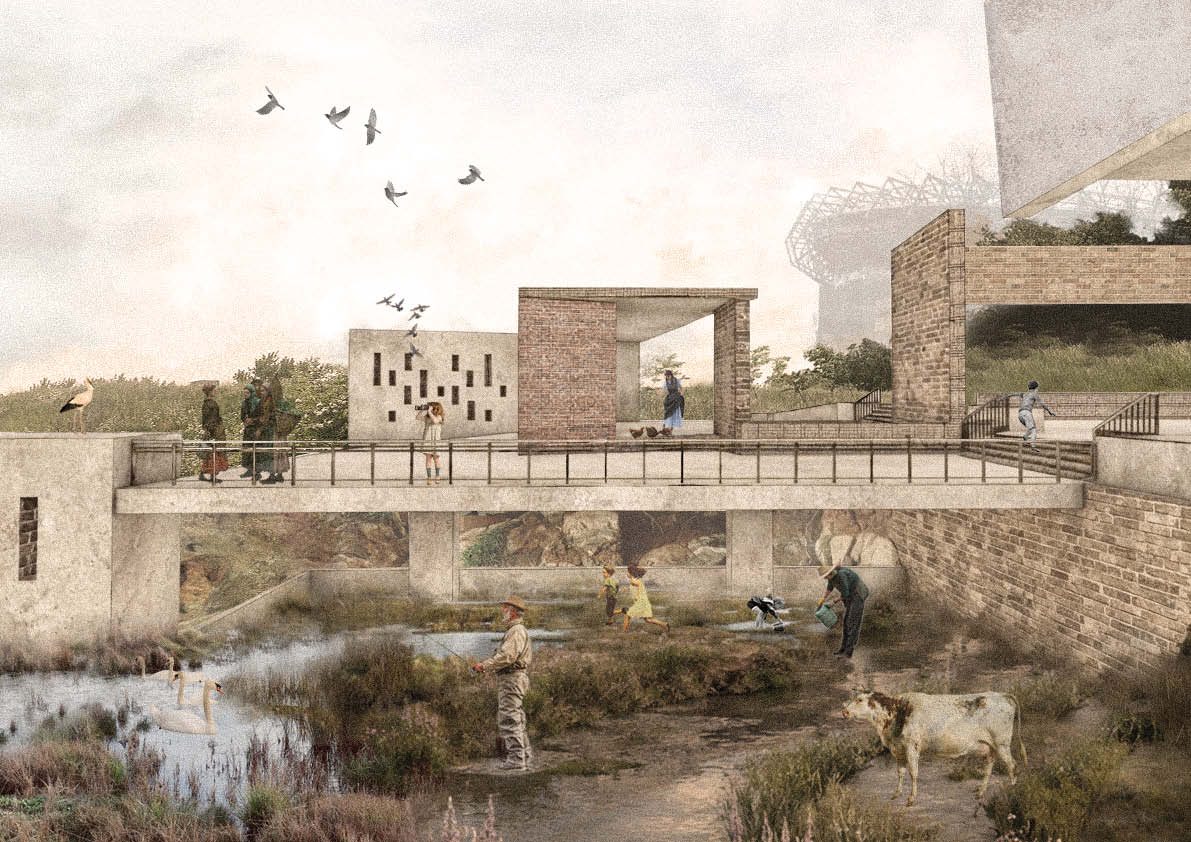
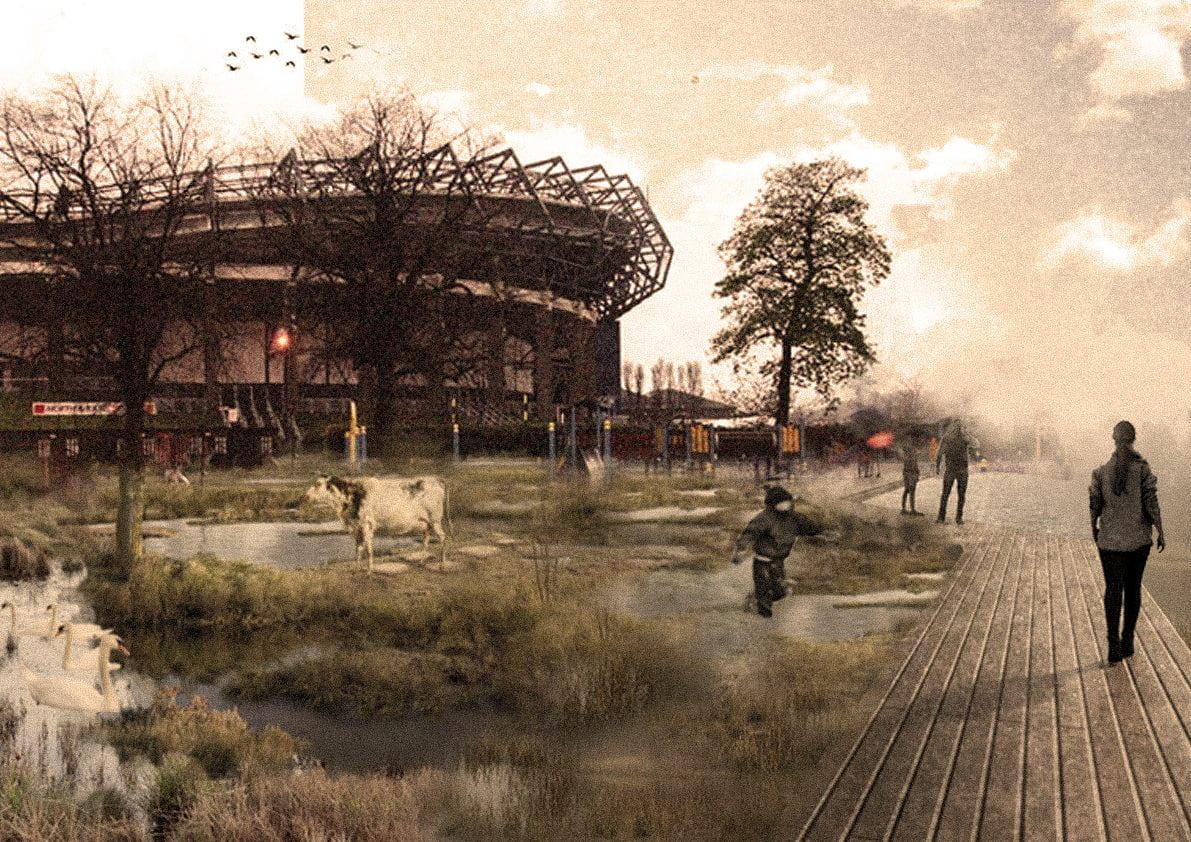
New Balgreen imagines a fluctuating littoral urbanism emerging from the latent ecological memories of the lost Corstorphine Loch. The flood of April 2000 is understood as a moment in which the ground revealed its capacity to remember, exposing a hydrological condition that had not been entirely erased. This event becomes the basis for imagining a new form of urban inhabitation in which fluctuation is not suppressed, but spatially manifested through the cyclical return of water.
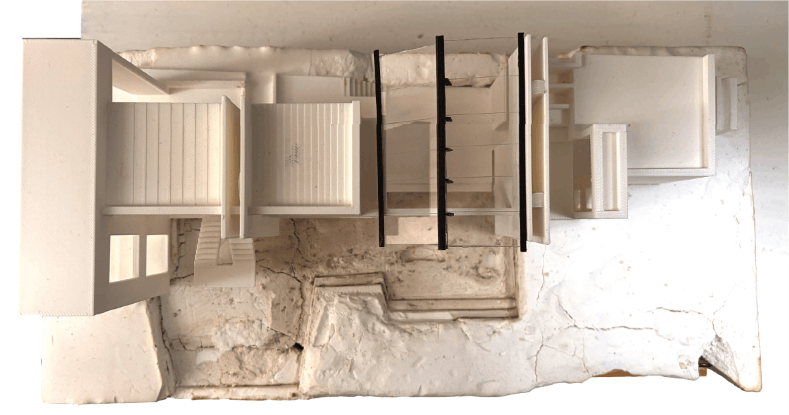
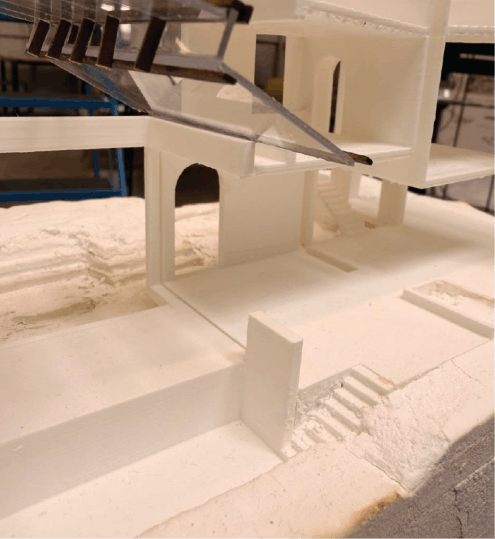
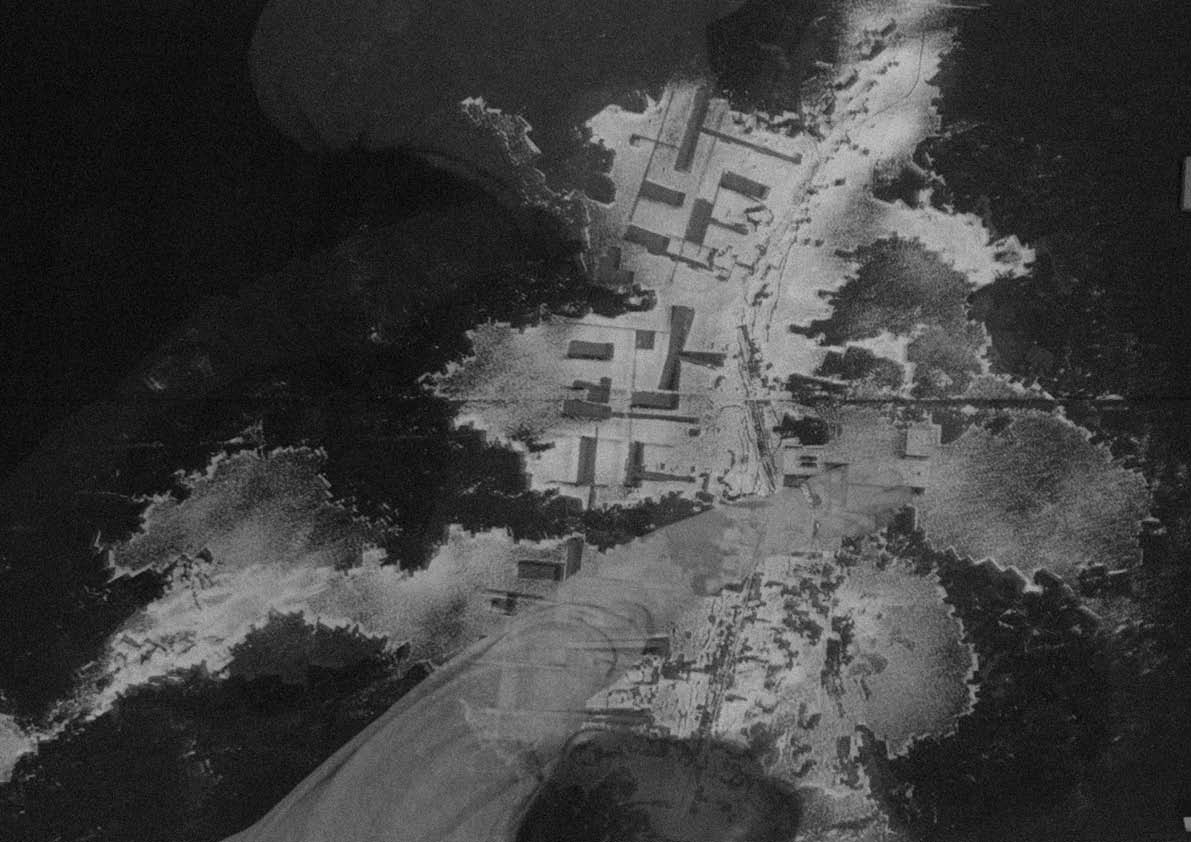
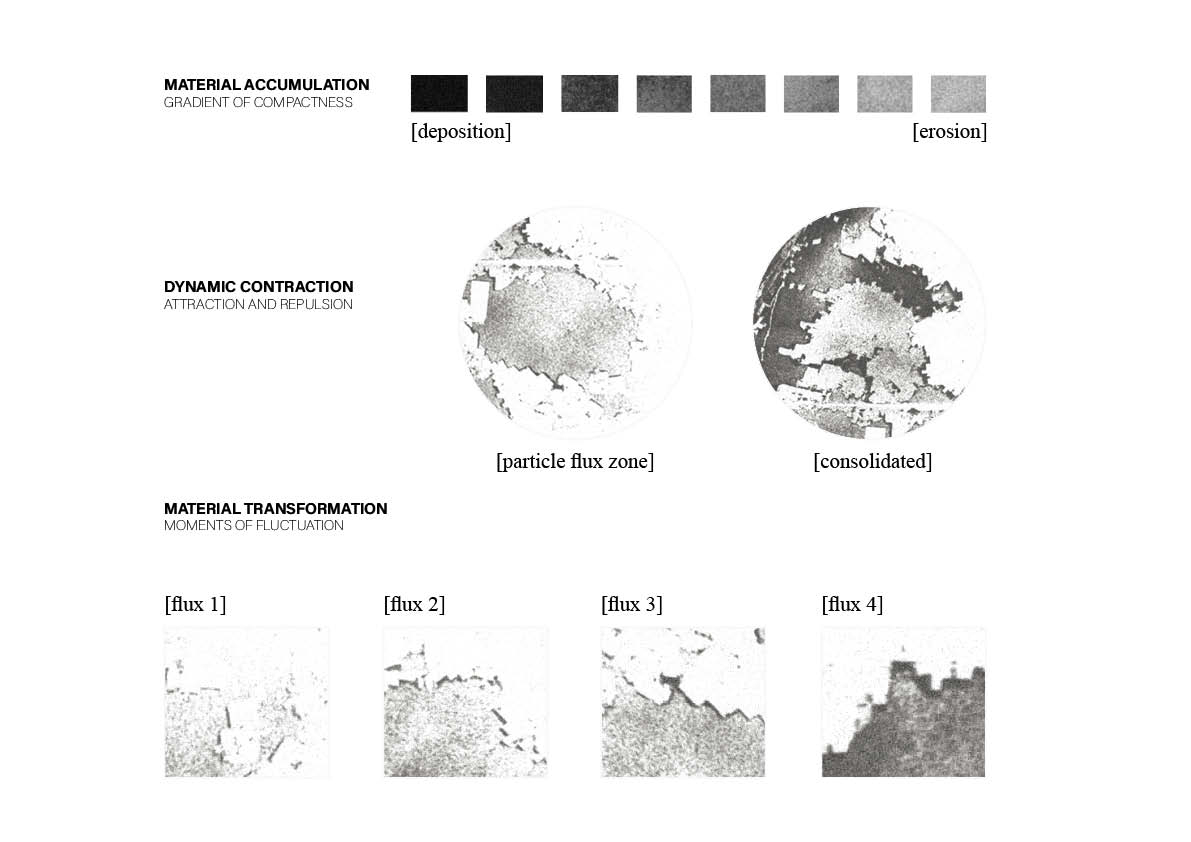
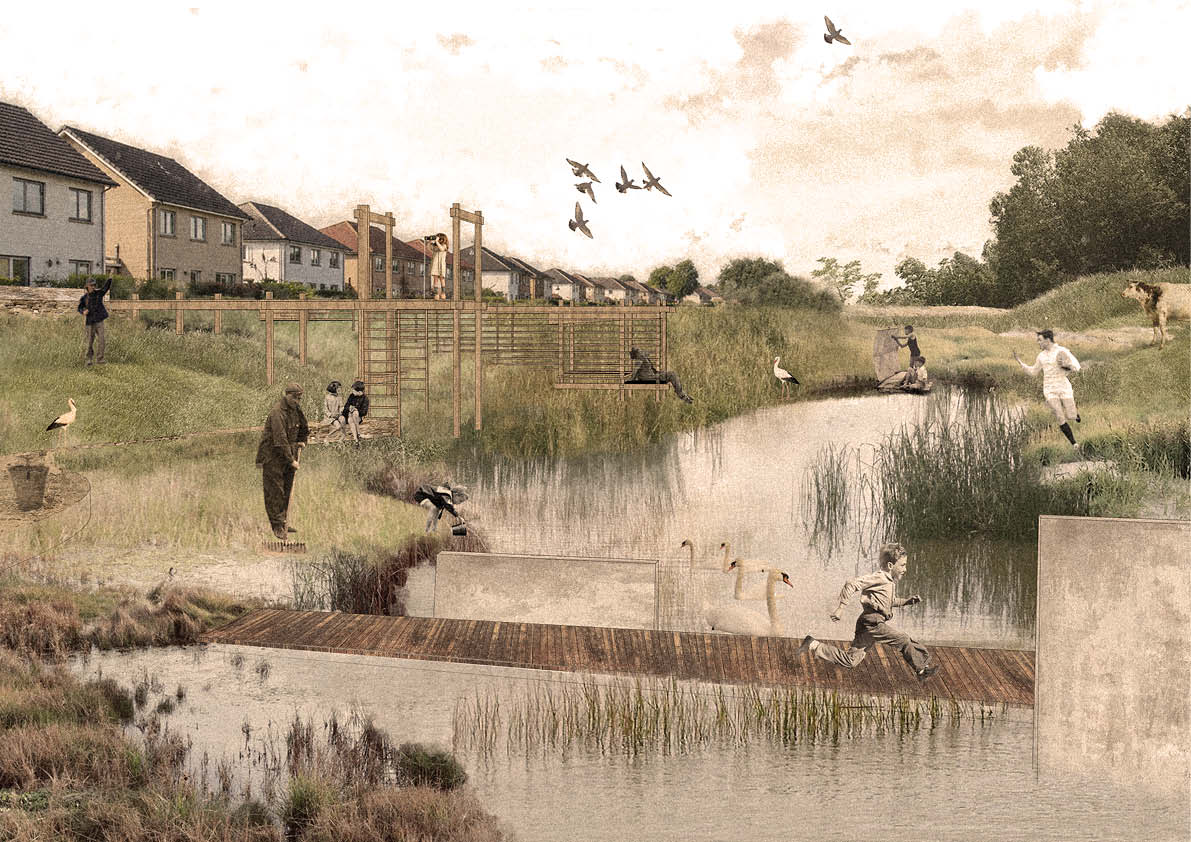
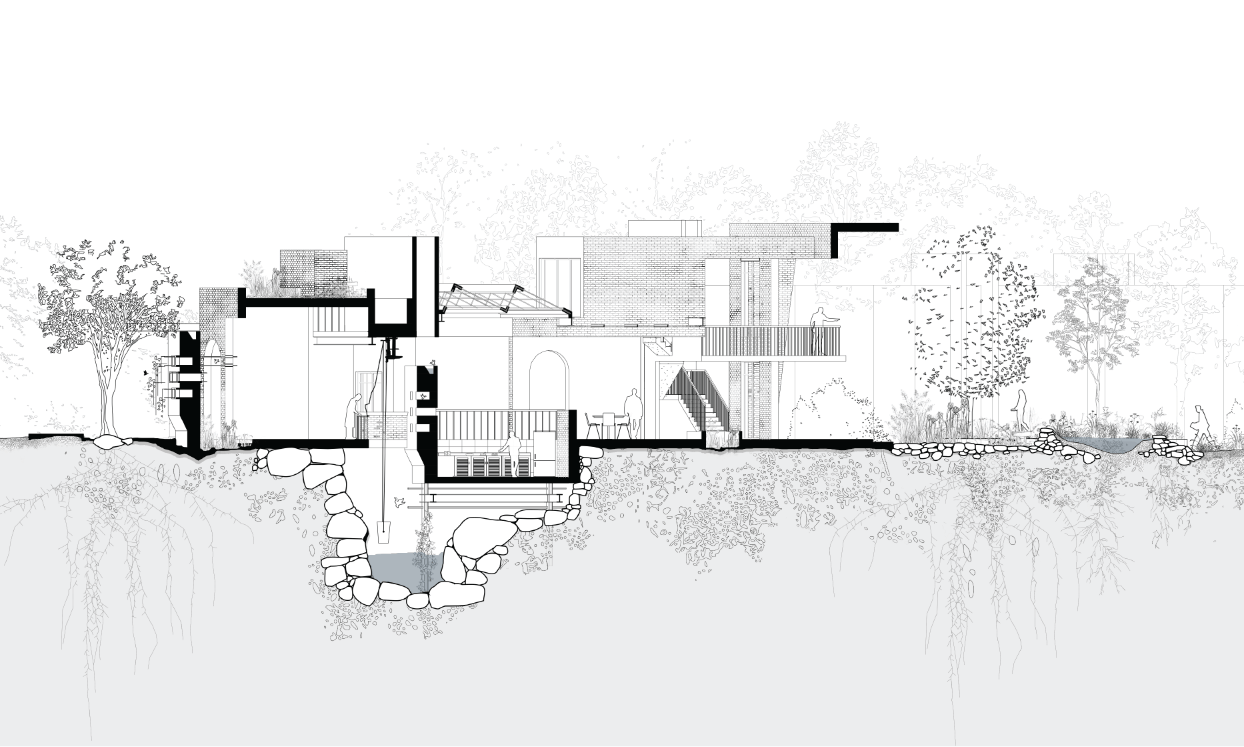
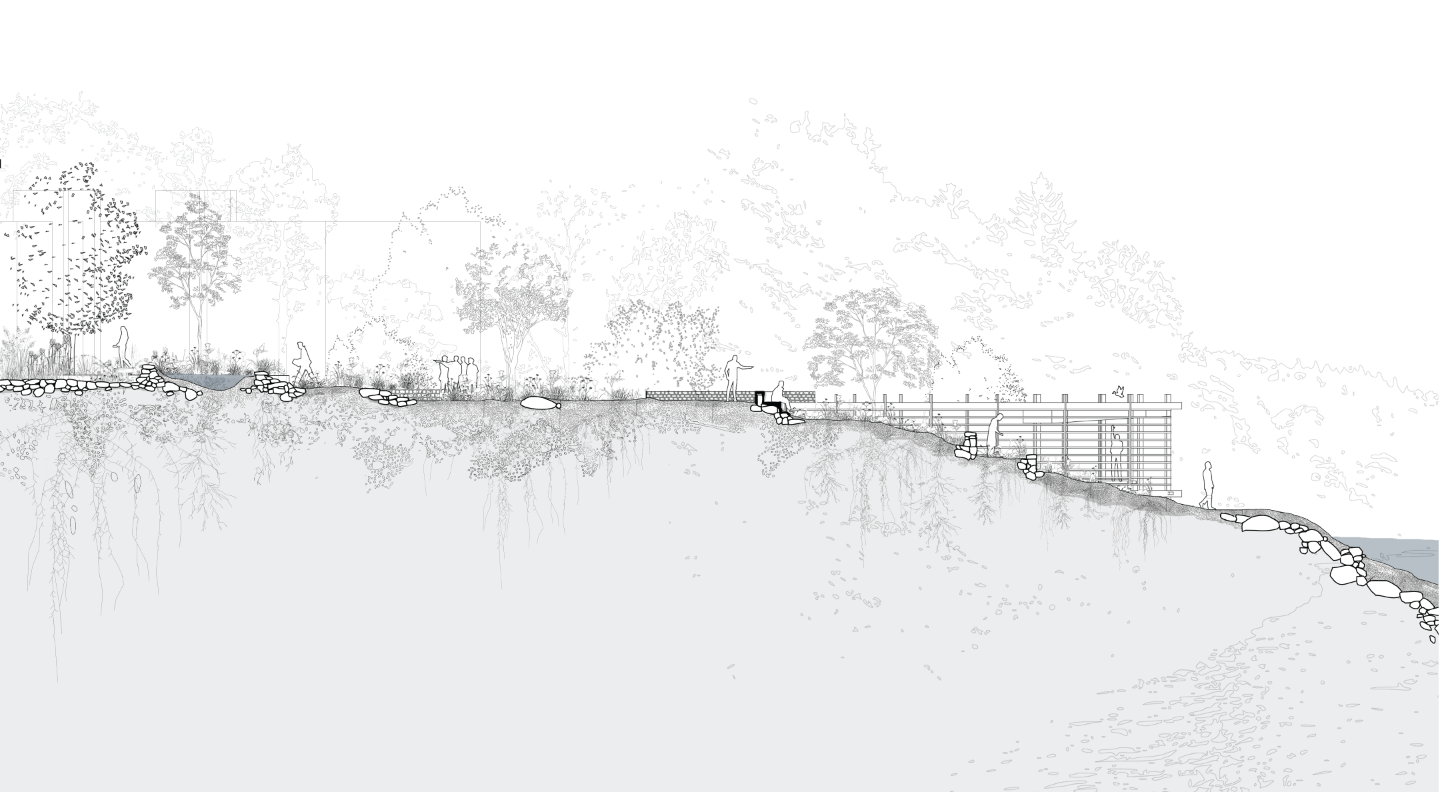
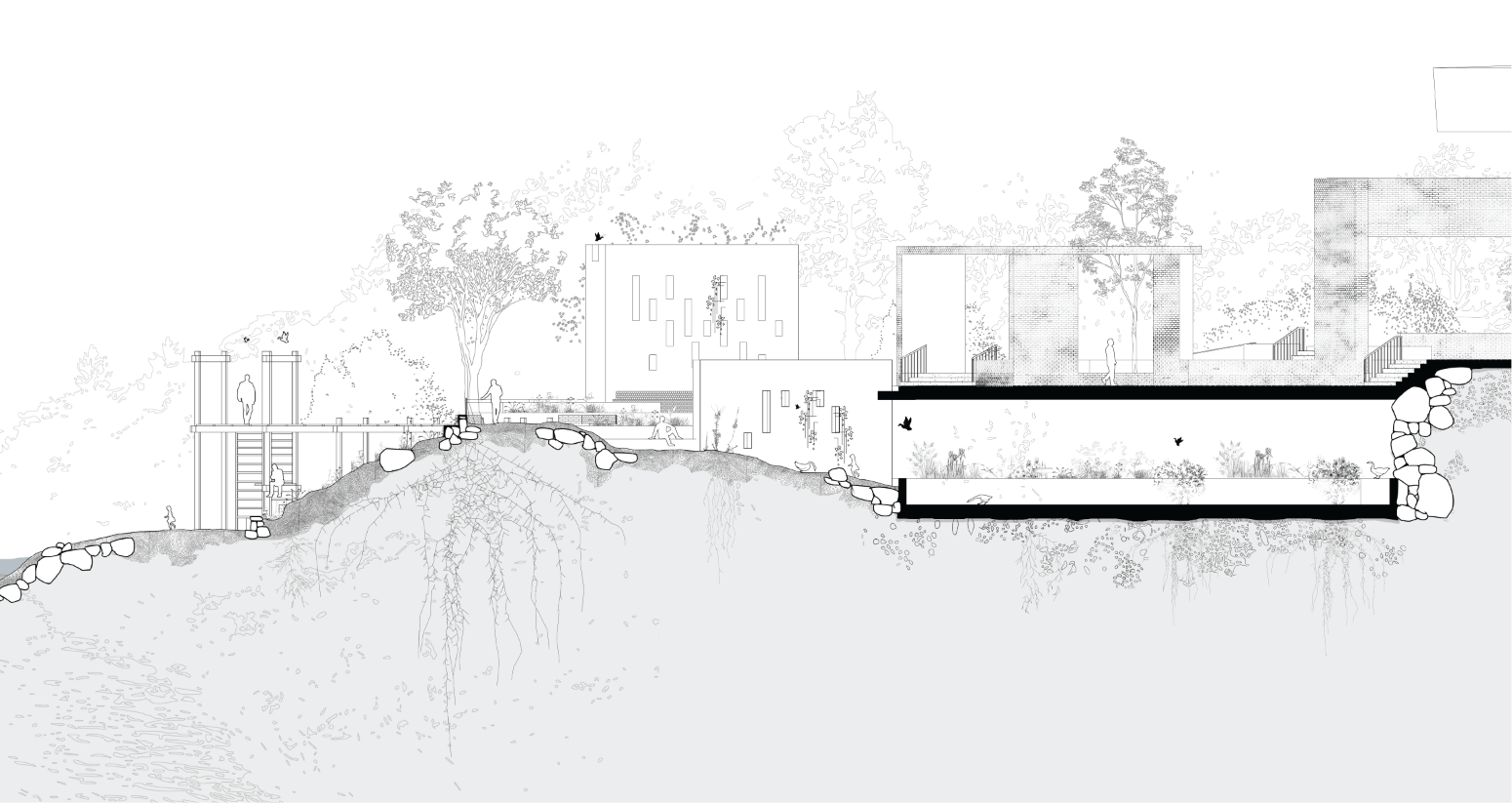
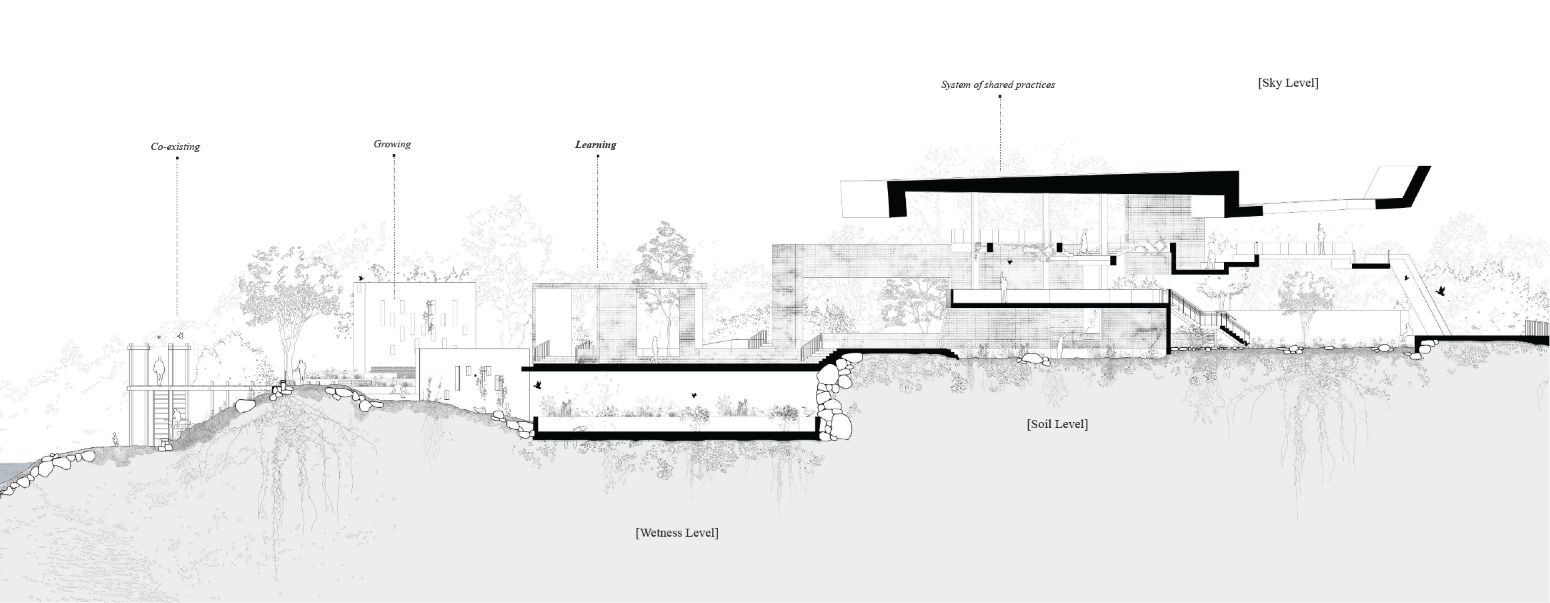
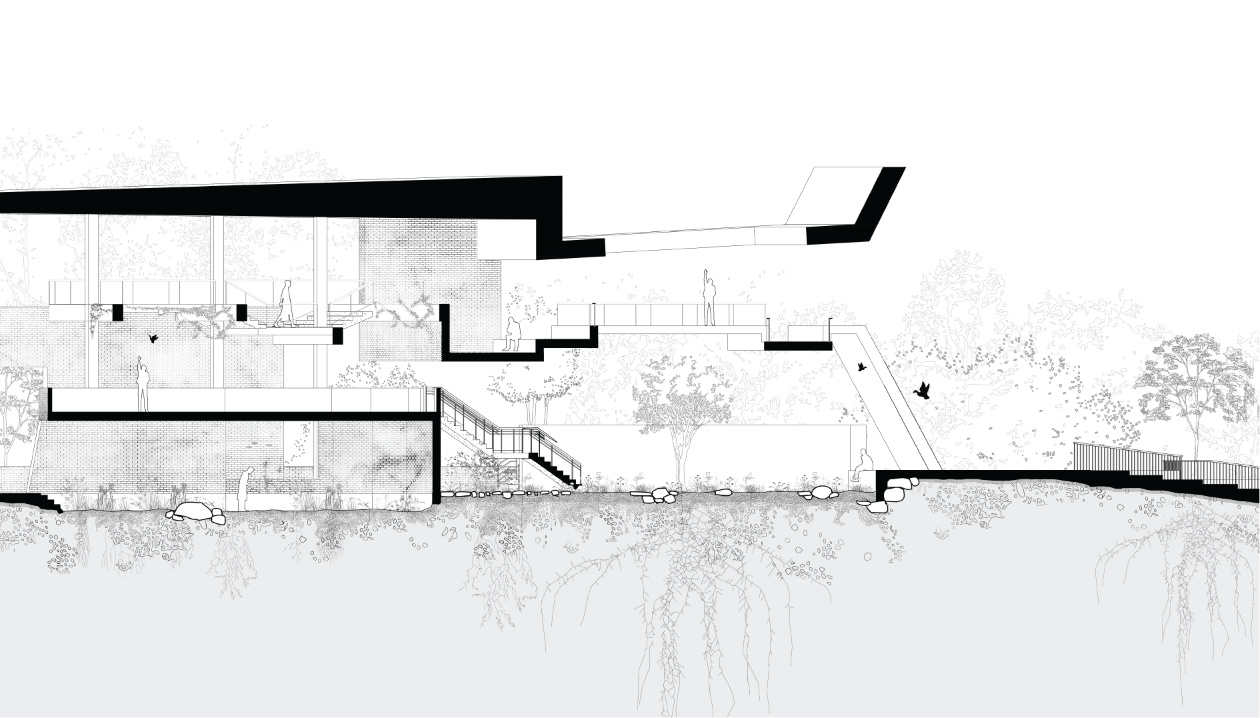
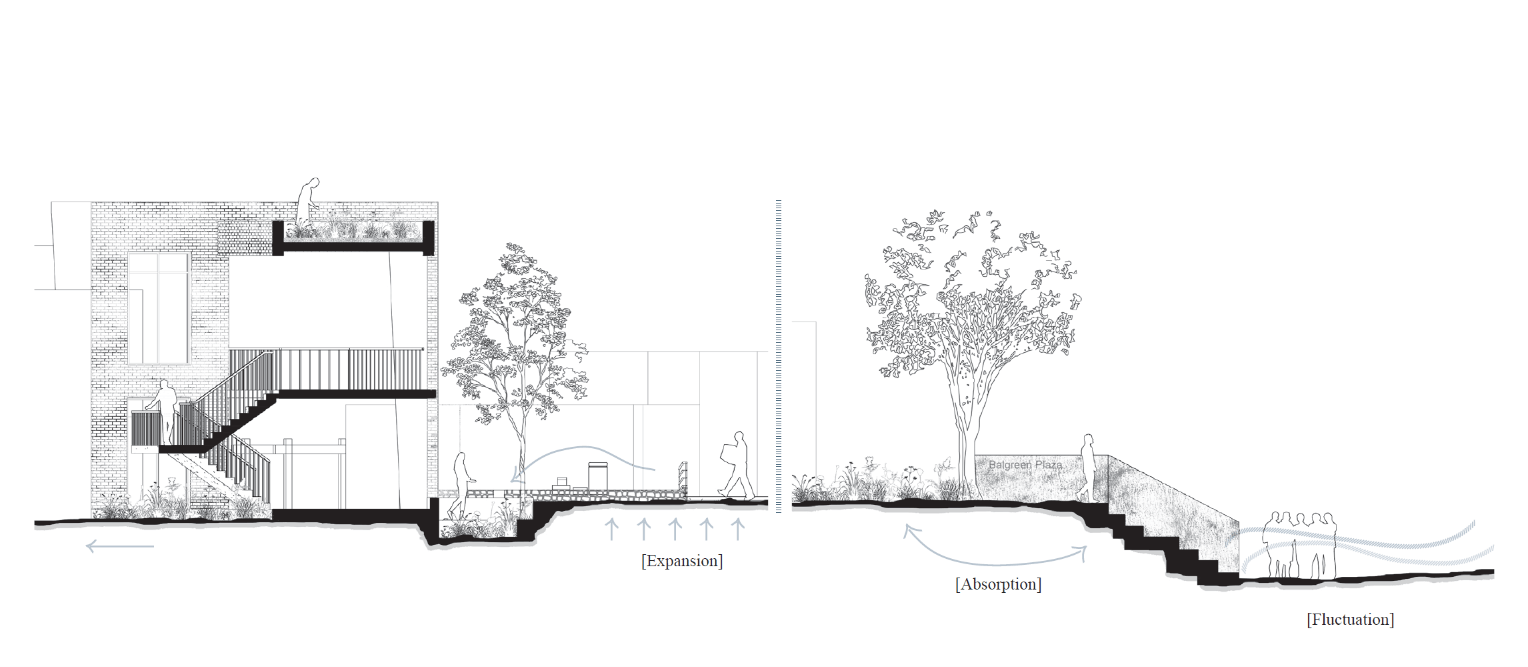
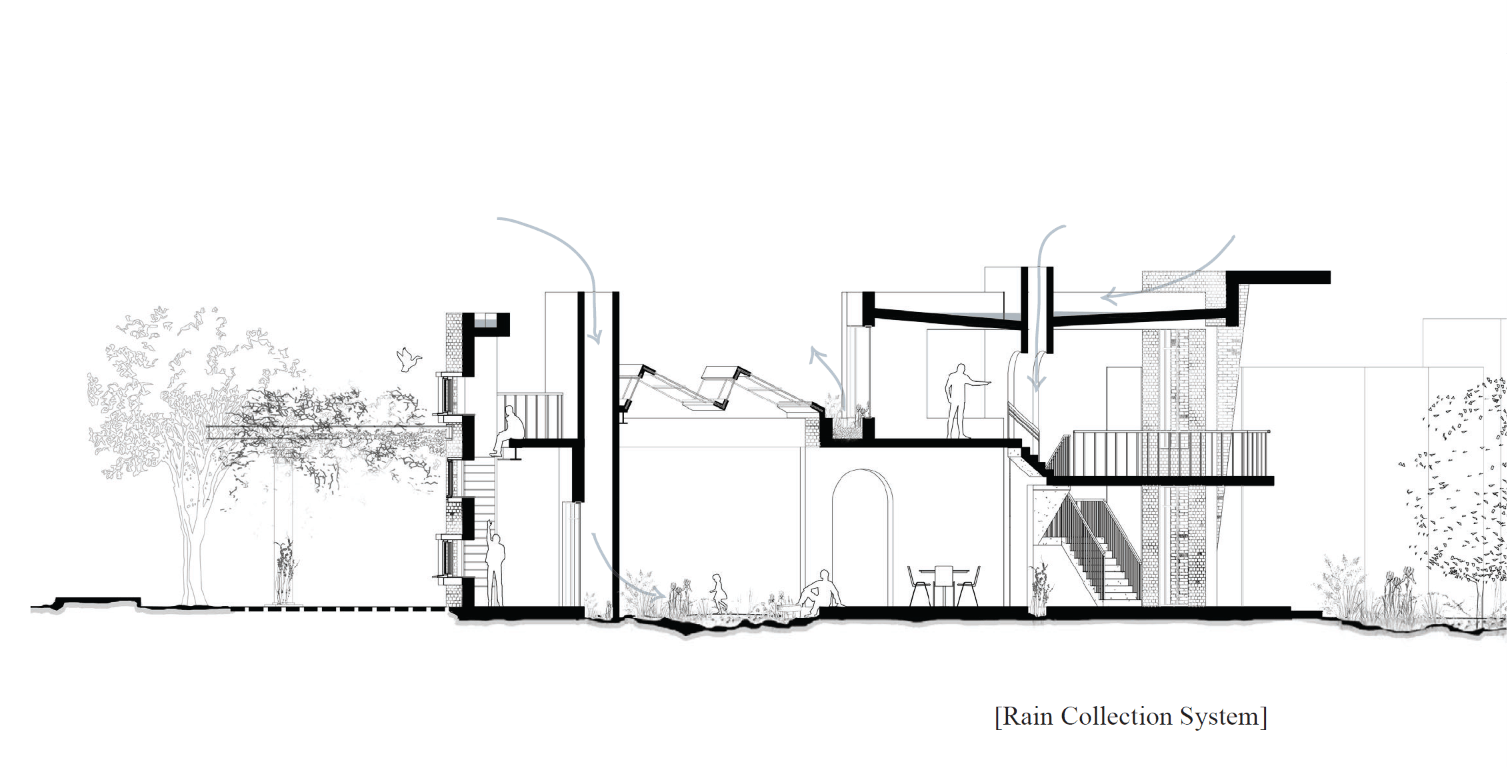
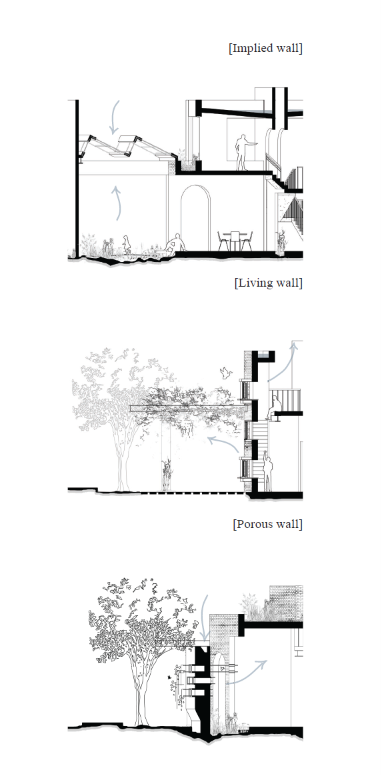
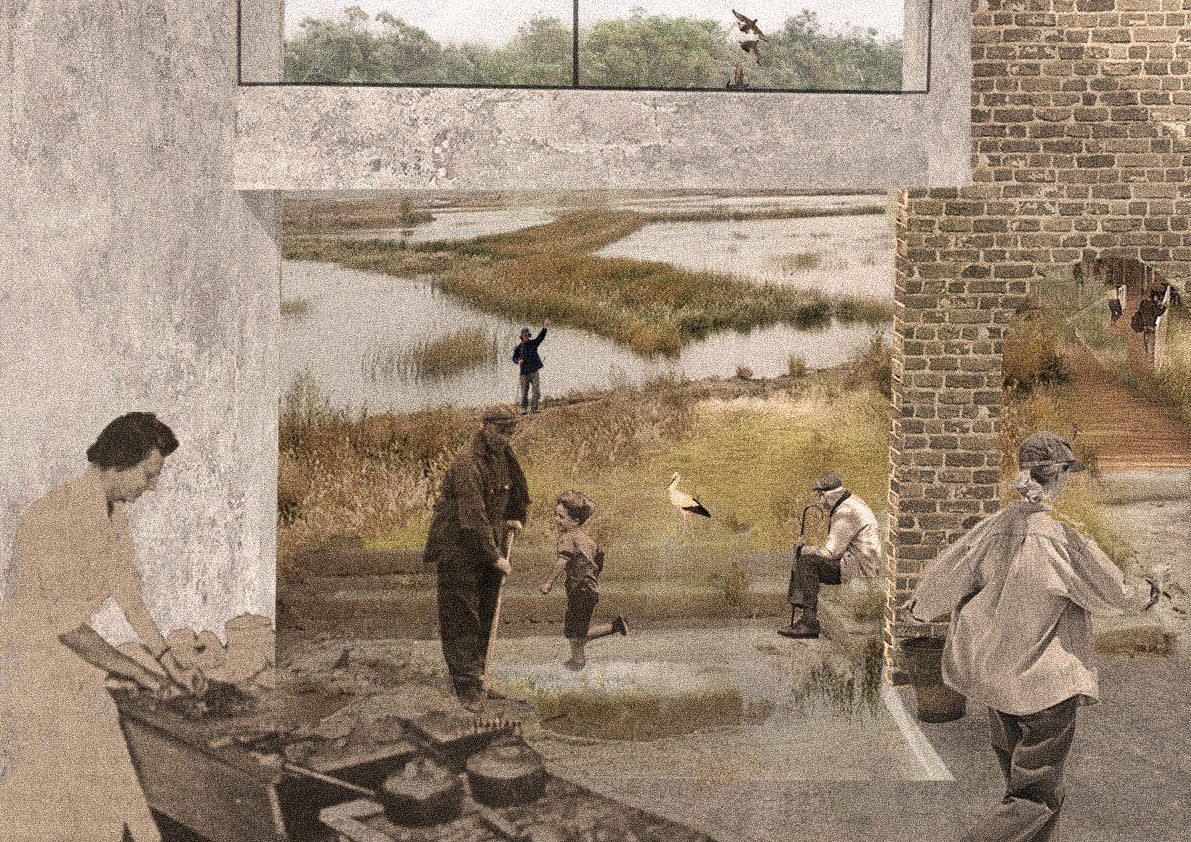
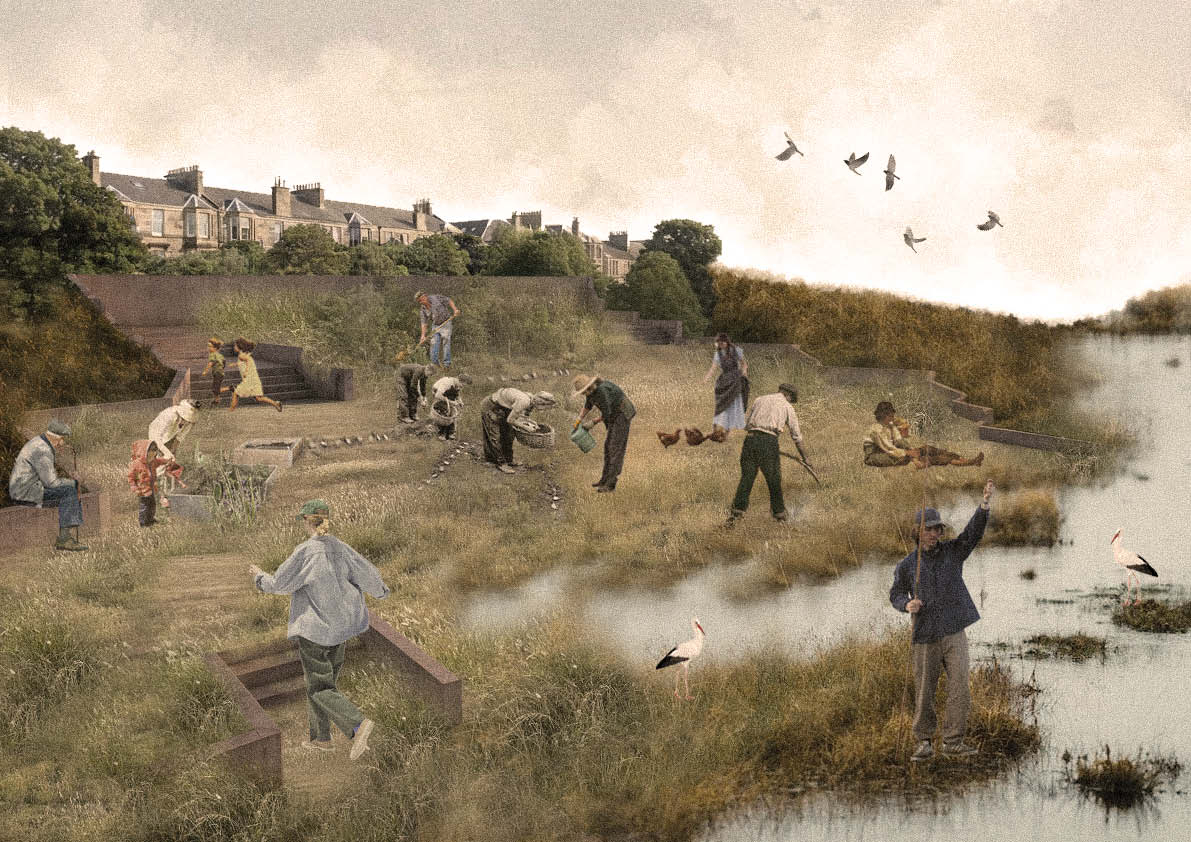
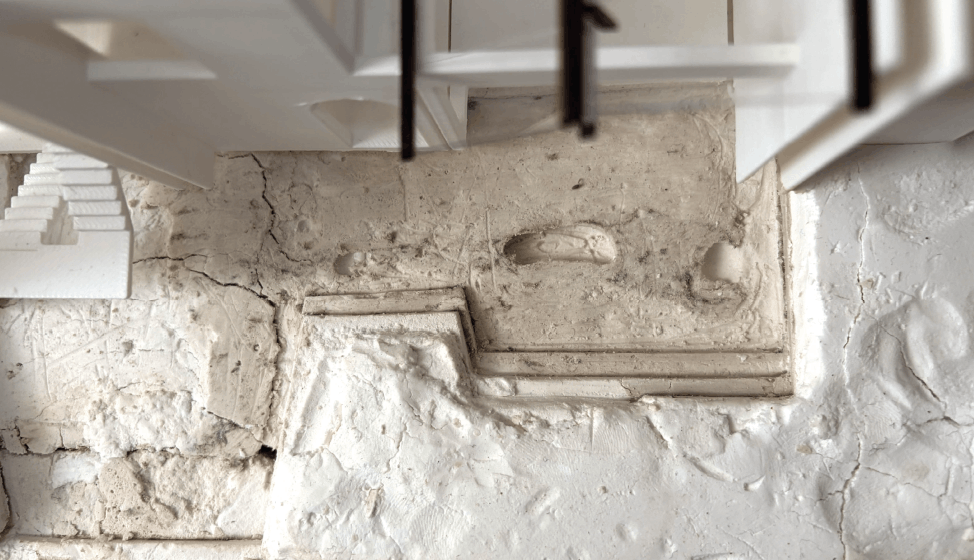
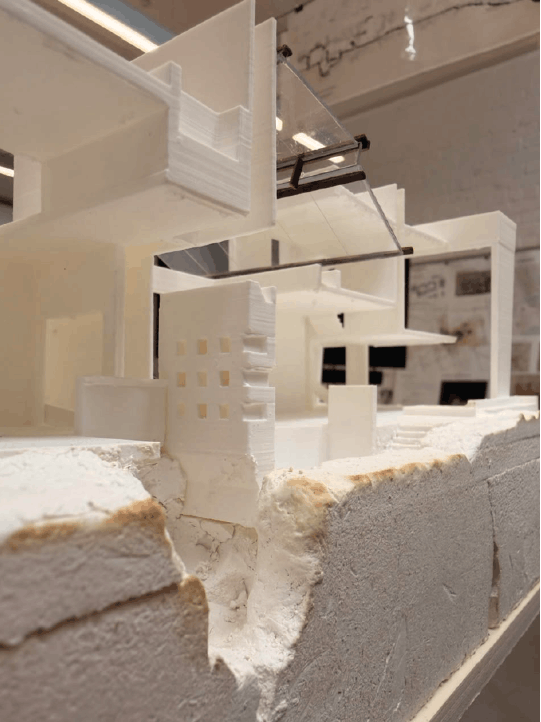
The project proposes a network of living houses, floodable plazas, productive landscapes and communal gardens embedded within the Balgreen floodplain. As water fluctuates, spaces shift between human and non-human inhabitation, allowing ecological processes to occupy the ground and become part of the everyday life of the community. Domestic cultivation extends beyond the individual house into interconnected communal grounds, where production, exchange and collective practices are shared. Through silt accumulation, water collection and the expansion of littoral and grassland ecologies, the architecture operates as an extension of the productive landscape from Metropolitan scale down to Mobiliario and body scale.
New Balgreen establishes a shared territory in which human occupation and embedded ecologies continuously negotiate space. The project imagines the city as a fluctuating landscape, where the traces of what has been lost are not reconstructed, but allowed to return through the behaviour of the ground, the movement of water and the collective inhabitation of the littoral.
- “Perhaps the future of our cities begins when we rediscover the embedded ecologies that have always been alive within the landscape.”


![Blurring the [littoral] wall in the Living Ecotone](/sites/default/files/styles/carousel_image/public/2026-07/MR_0%20%281%29.png?itok=c0Cq5nRF)