
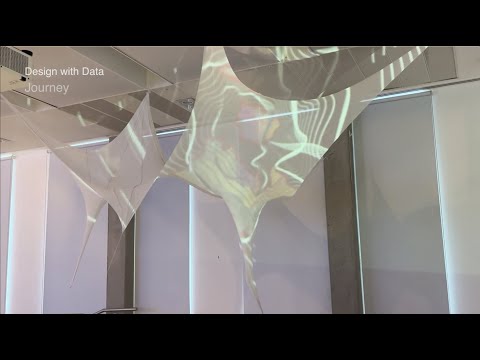

Data-driven embodied interaction design—Journey


Project 1: Data-driven embodied interaction design—Journey
Every year, over 20 tons of frogs and toads are killed on roads across the UK , revealing the growing tension between wildlife migration and urban development. Journey is an embodied spatial data sculpture designed to bring this often-invisible ecological crisis into public awareness. Centered on Holyrood Park in Edinburgh, the installation uses local topographic data to represent a nationwide issue. Through this sensory and data-driven experience, we invite audiences to reflect on the broader impact of urbanization on non-human lives and to imagine more harmonious ways of coexisting with the natural world.
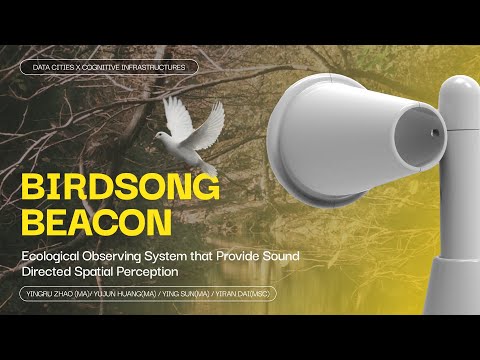
Project 2: Birdsong Beacon
In an era where the sounds of nature are increasingly replaced by urban noise, we have designed a sound-based spatial perception system that guides the gaze through audio cues, encouraging people to reconnect with nature and fostering the creation of biophilic cities.
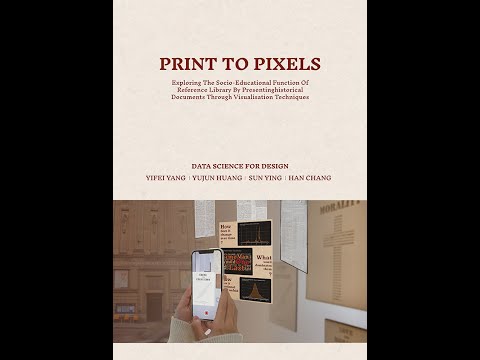
Dissertation: A Mixed Reality-Based Gamified Experience to Alleviate Anxiety in Public Spaces
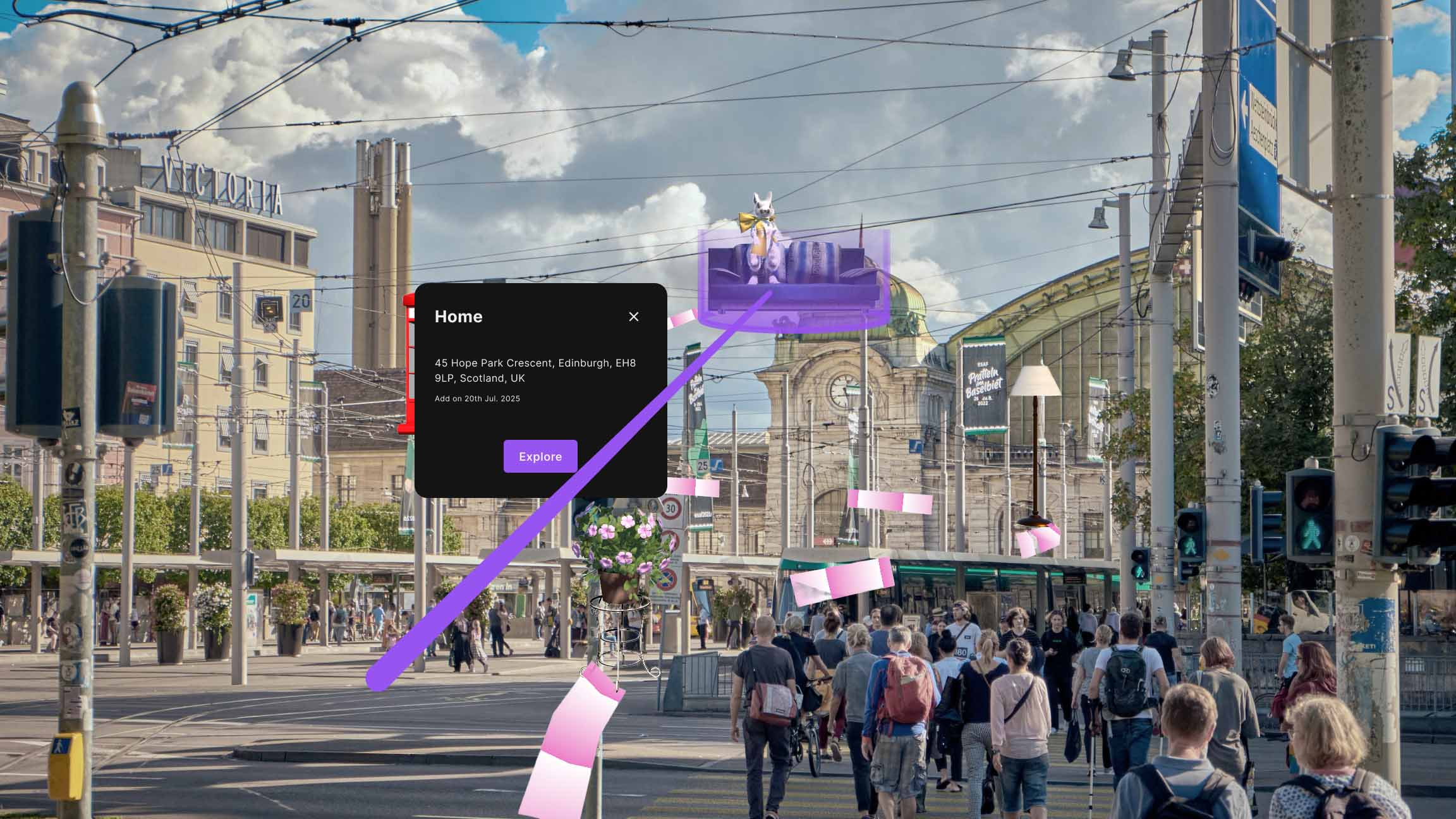
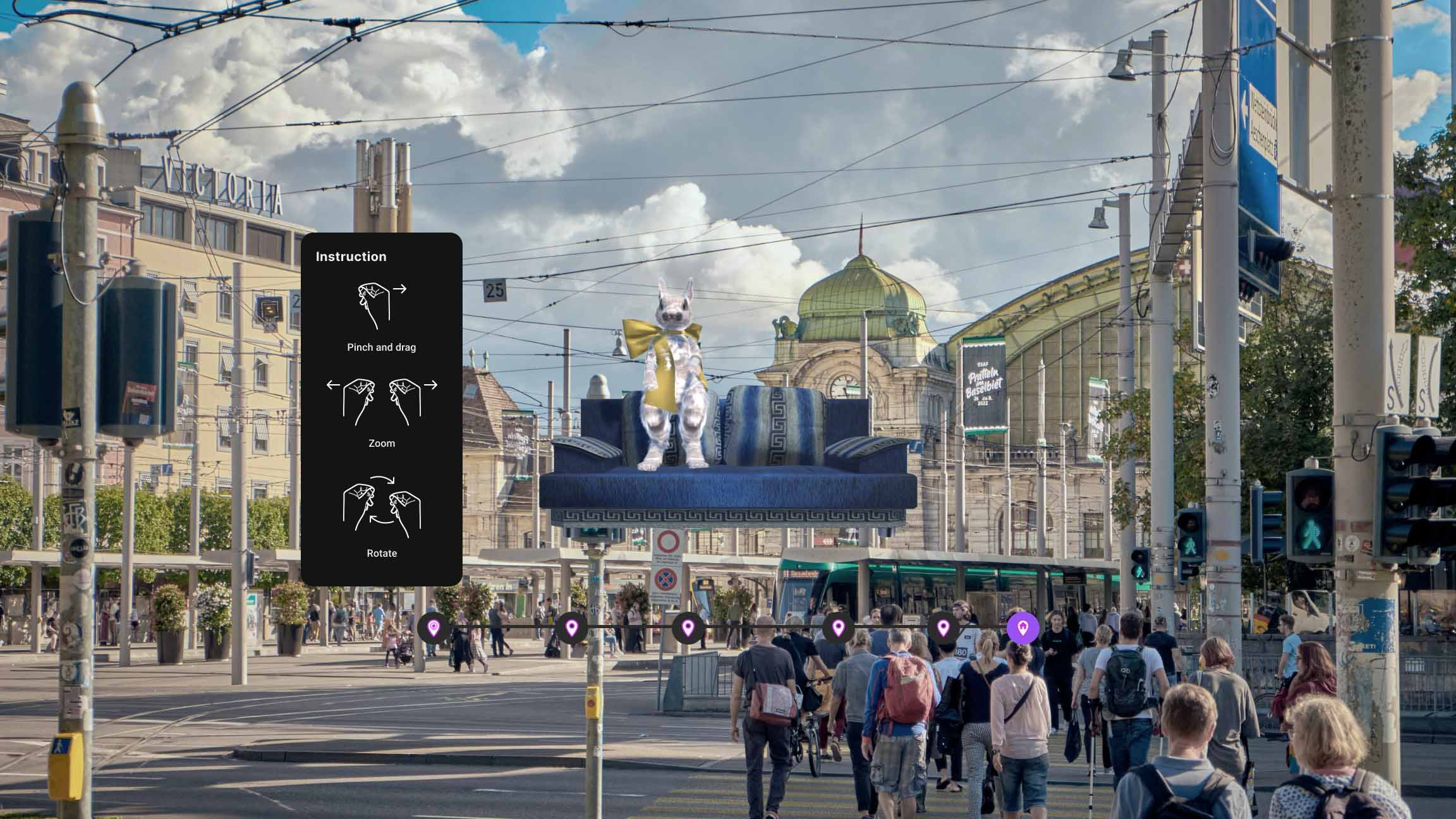
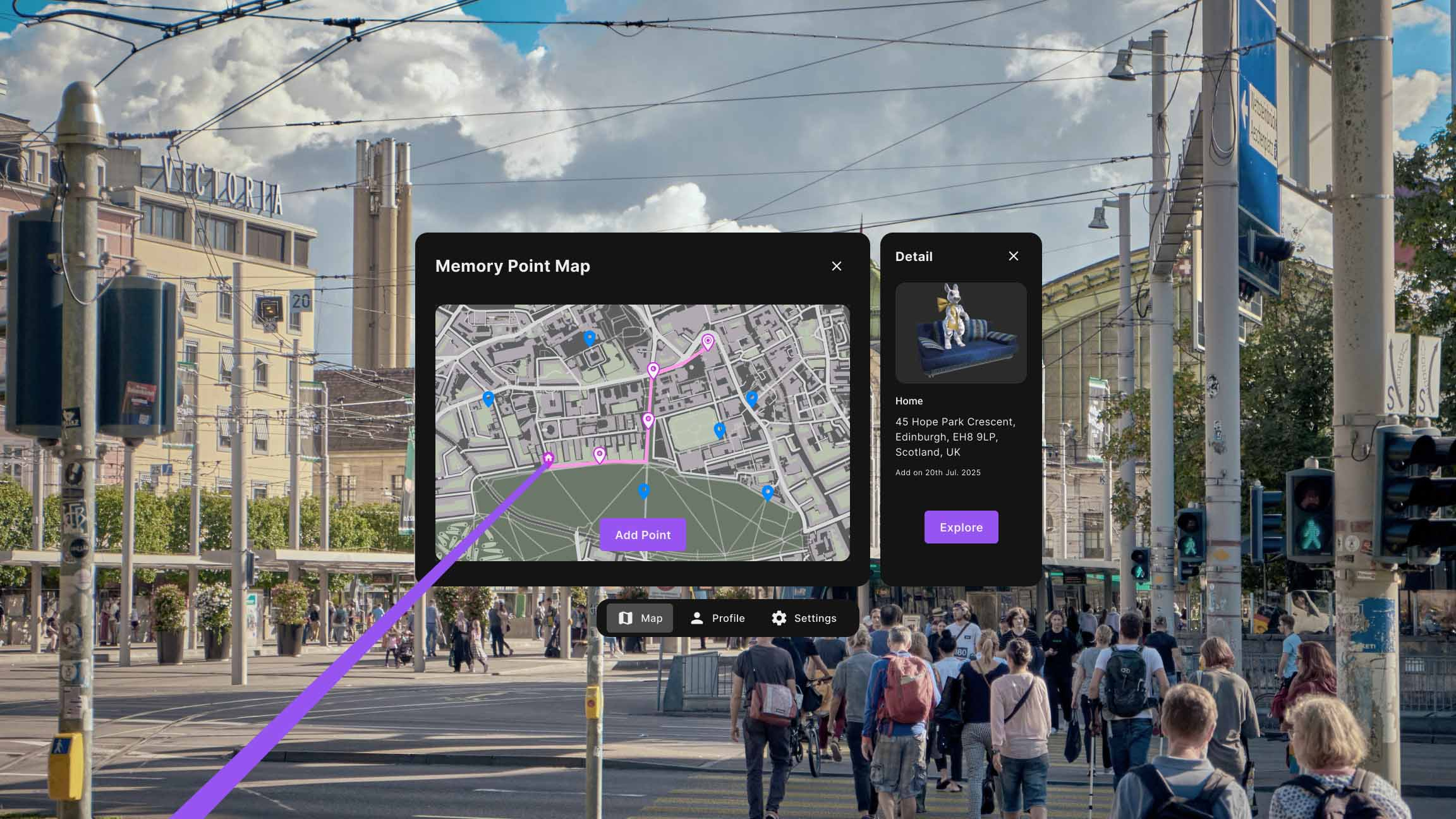
Public spaces serve as a crucial resource for achieving spatial justice in cities, and ensuring the rights of marginalised groups to use and develop public spaces is a means of realising social justice. However, current public spaces can induce anxiety for some non-neurotypical individuals, leading them to avoid such spaces. The development of MR technology offers new opportunities to address anxiety in public spaces. This dissertation views anxiety as a situated state influenced by individual’s spatial perception rather than merely a clinical psychological symptom. Based on transitional object theory, it explores the design possibilities of MR transitional spaces in responding to anxiety in public spaces and conducts preliminary testing to assess the effects of the design. The research findings indicate that the design outcomes have positive effects on user engagement, immersion, and emotional experience, providing insights for future design of more suitable MR interactive experiences to address anxiety and more reliable testing methods for MR mental health applications.
Interface Preview
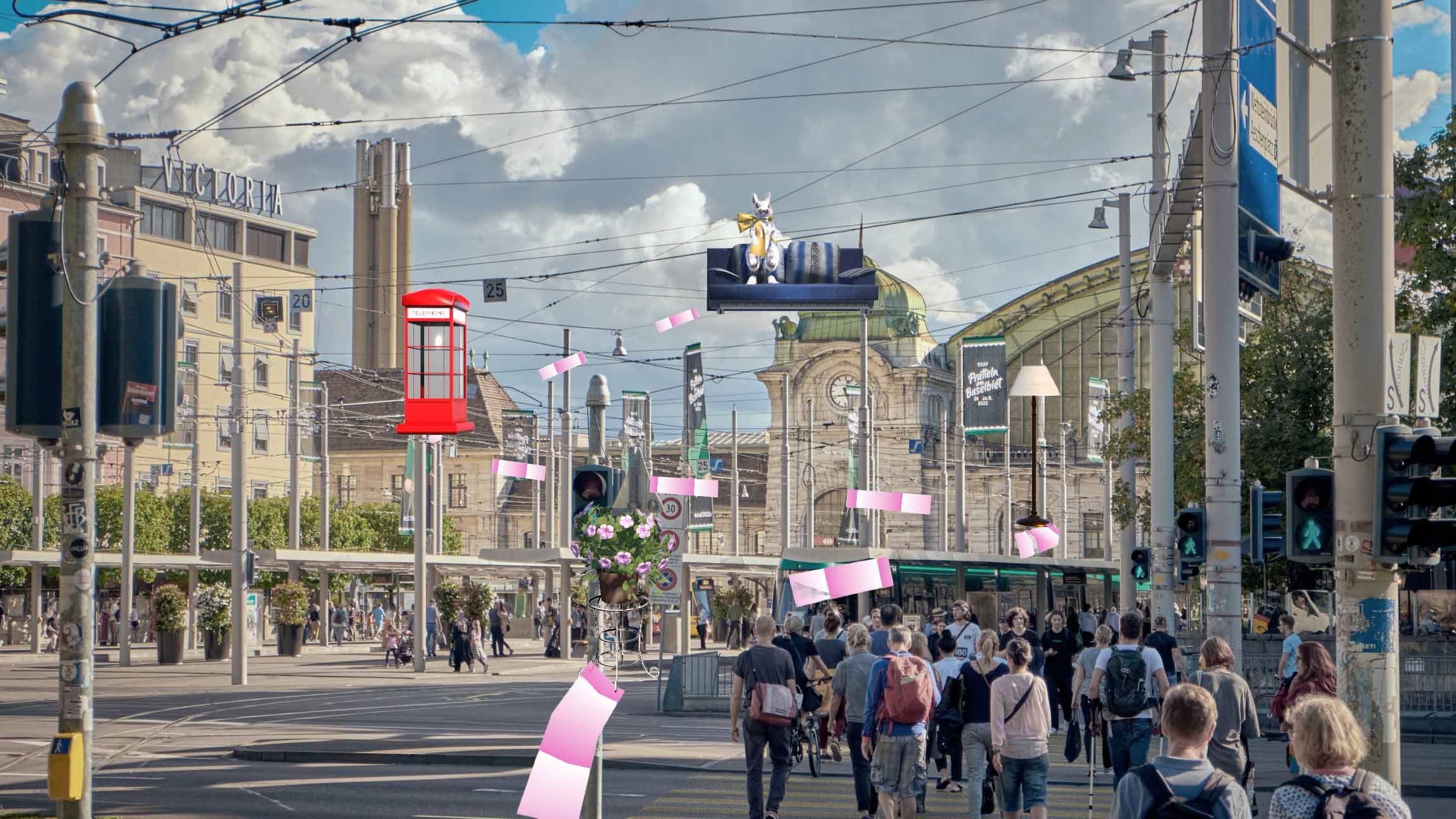
CalmCompass_UI_1
CalmCompass_UI_2
CalmCompass_UI_3
CalmCompass_UI_4


Share:

