


Yizhou
Seduction is Violence

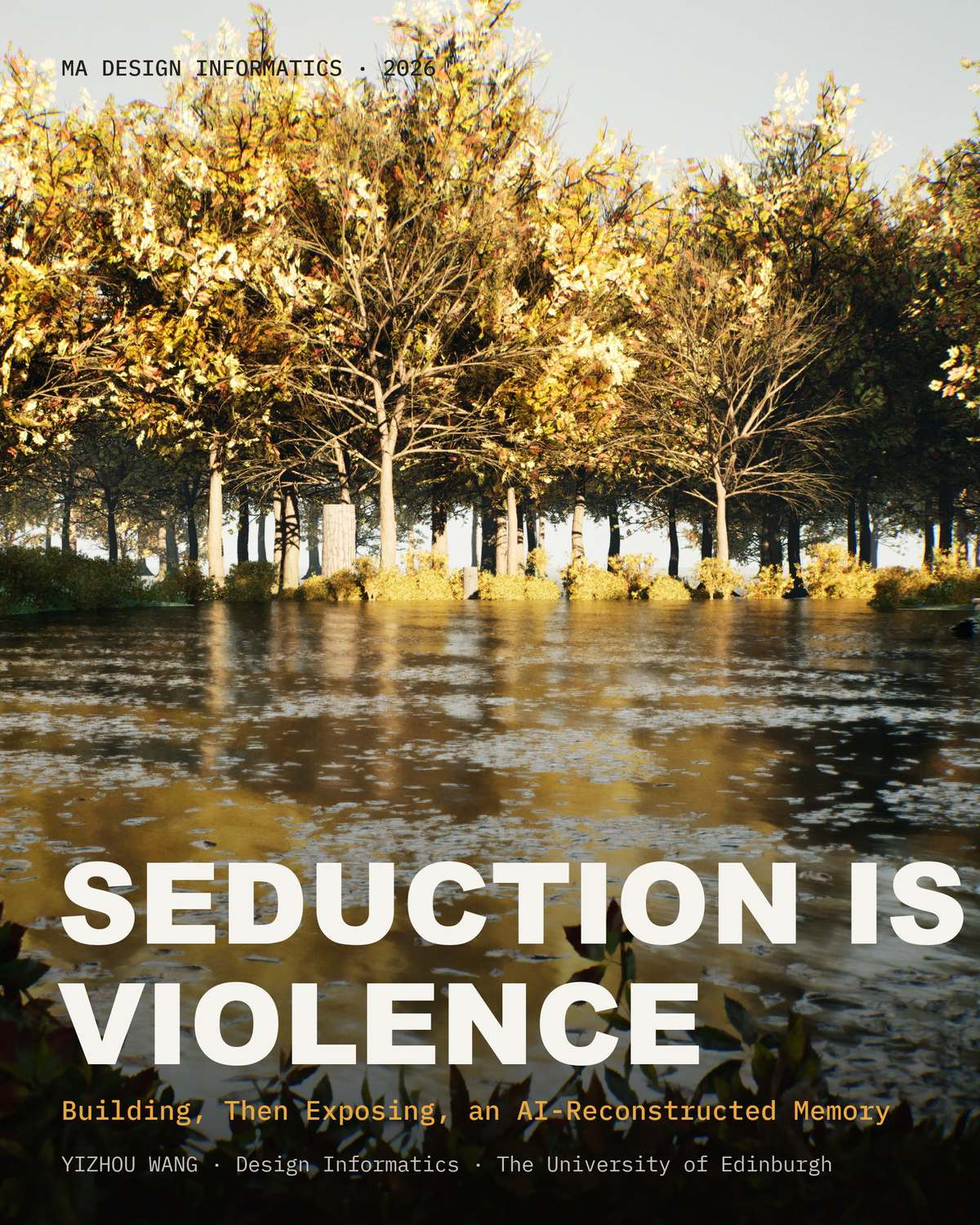
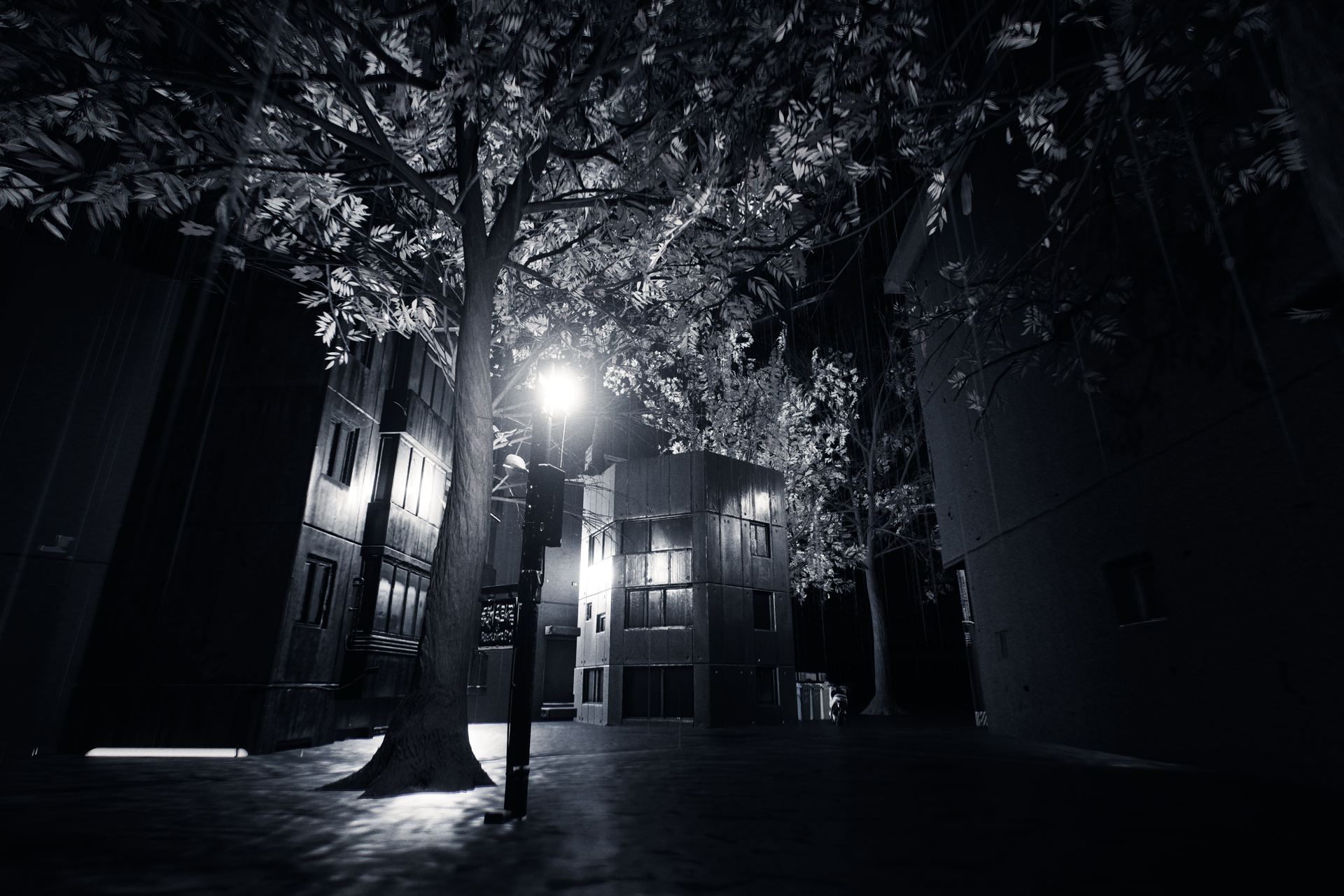
Step inside. A lamp hums over a night street, petals drift onto dark water, rain beads on a scooter's seat, afternoon light pools on a wooden floor. Four places you can walk through. Stay as long as you like — then ask how much of it was real.
Four places
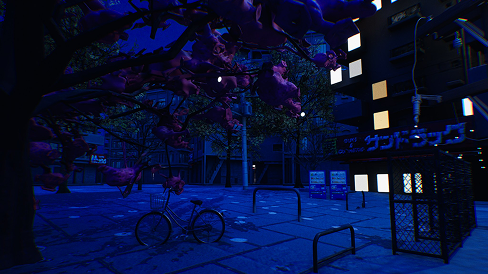
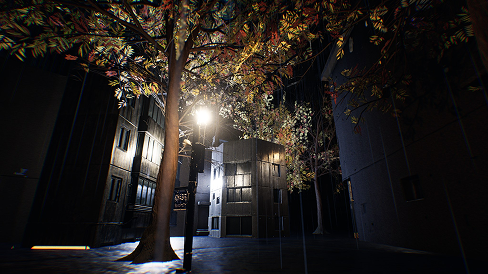
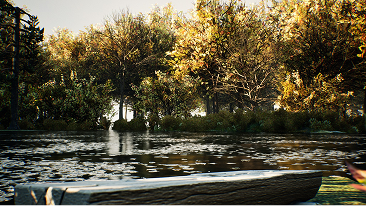
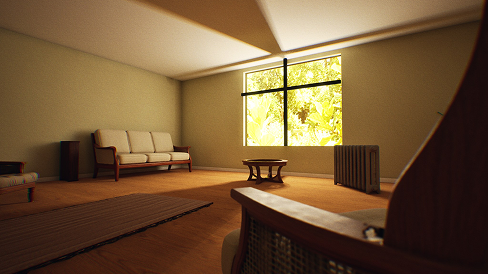
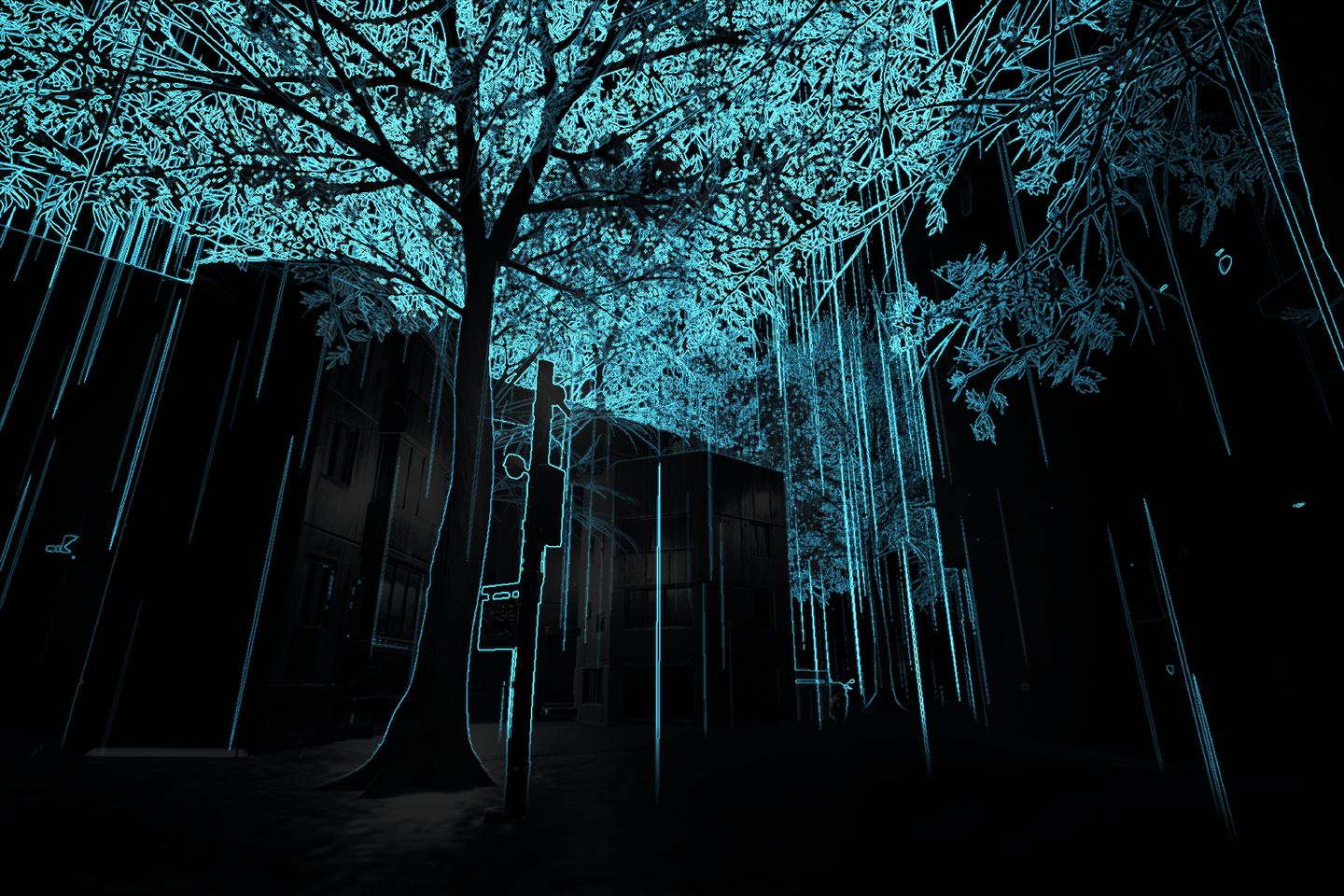
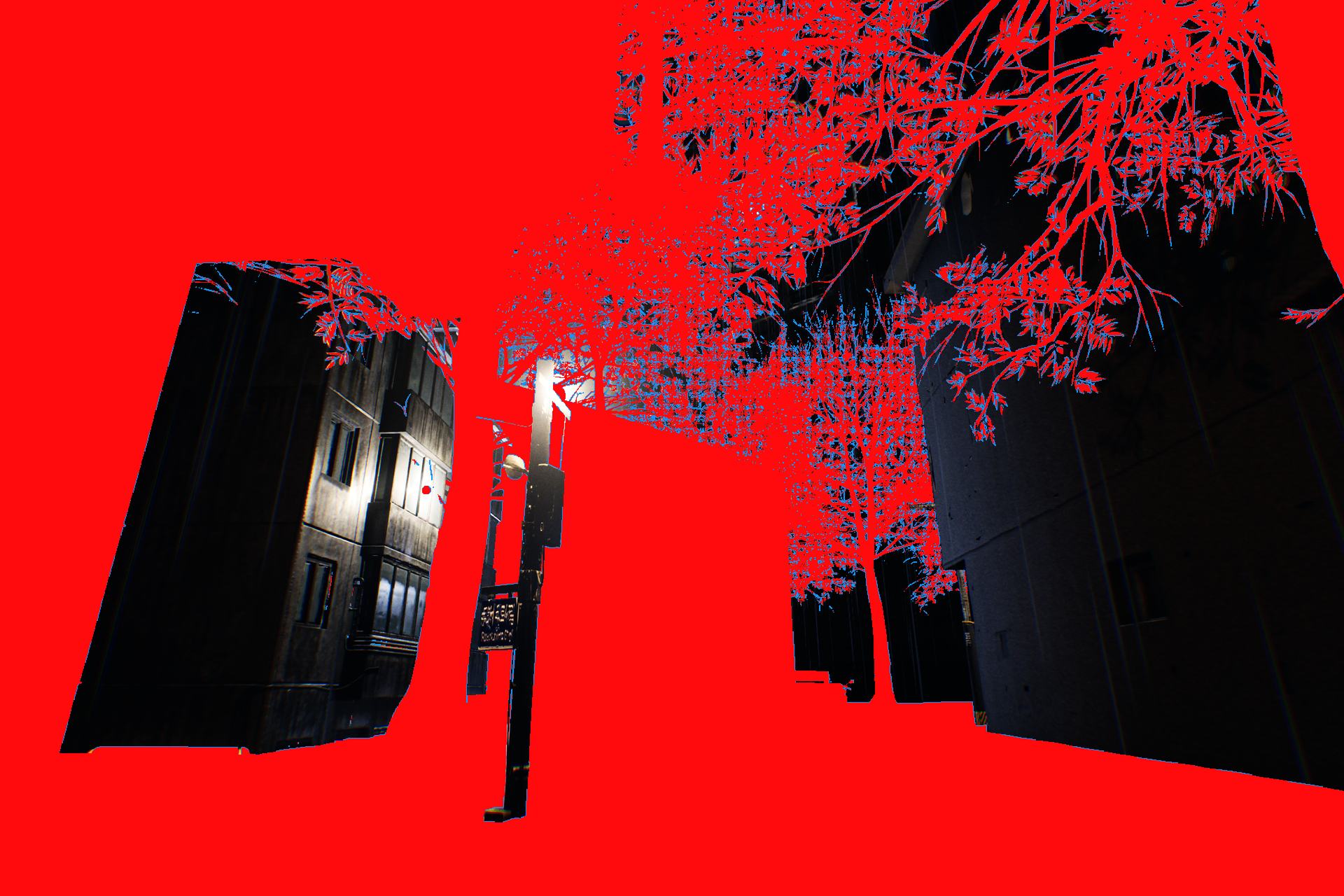
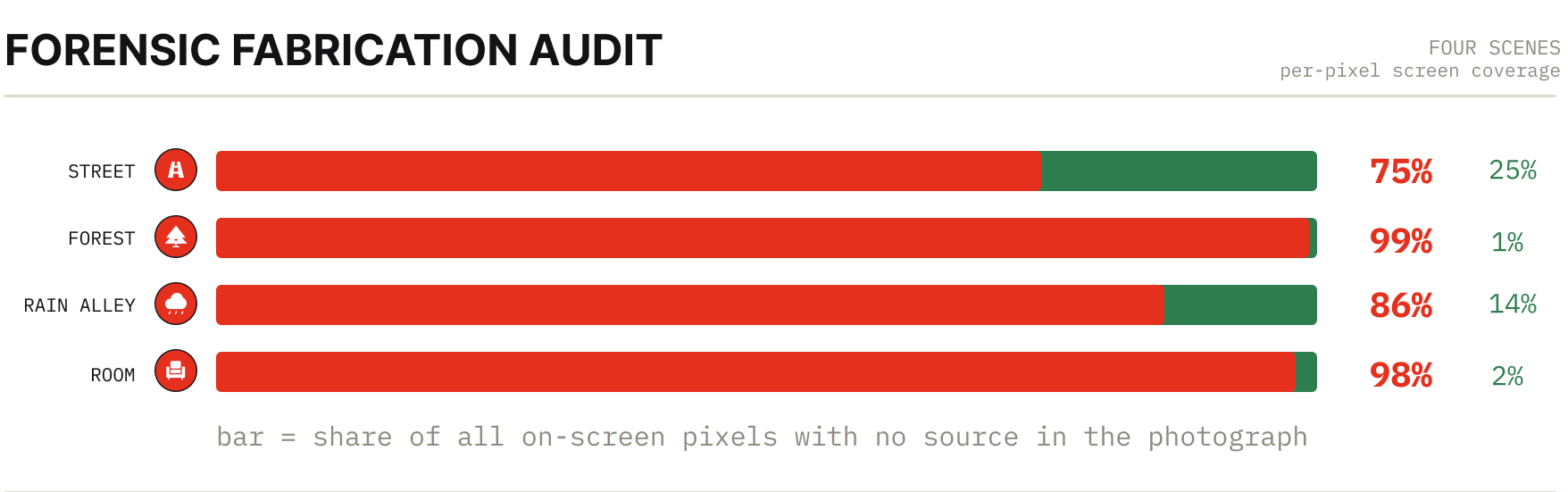
Seduction is Violence begins with one real photograph and ends with a place you can walk through. A generative pipeline, built in Python and Unreal Engine 5.7, expands the photo into a photoreal 3D scene, inventing whatever the image never showed. Four scenes: a street, a forest lake, a rain alley, a sunlit room. Once the pipeline was finalised, its output was never curated. Then a keypress drains the image to wireframe and floods every fabricated surface red, driven by the pipeline's own provenance record. Between 75% and 99% of what is on screen was invented. The harm of AI memory reconstruction is deception by omission; the line that matters is disclosure versus concealment, not AI versus no AI.
From one photograph to a world
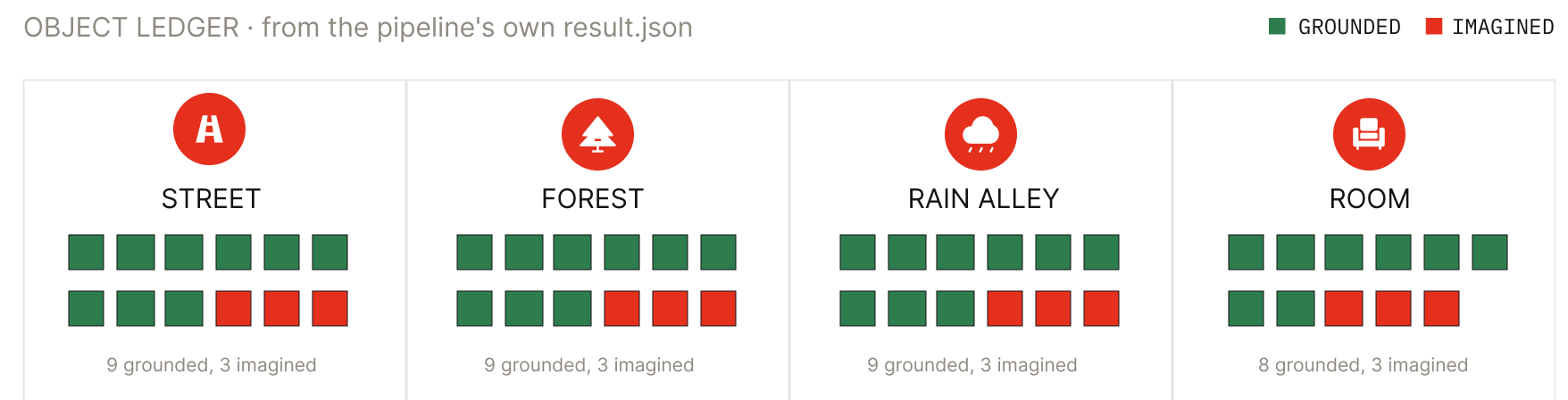
Gemini reads one photograph and rules on every object the scene will need: grounded, with evidence in the photo, or imagined, invented to fill the gaps. Each verdict is logged verbatim to result.json. Gemini then paints an image for every object, plus the sky and textures; Tripo 3D turns the images into meshes; Depth-Anything V2 gives the terrain its relief; deterministic code assembles the scene. Once the pipeline was finalised, its output was never curated: no picking, no retouching, no re-rolls.

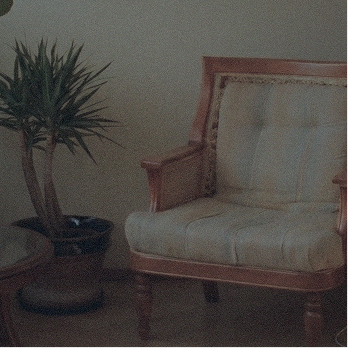
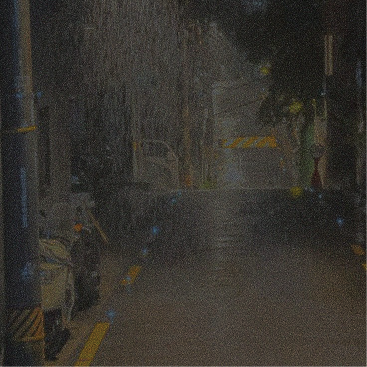
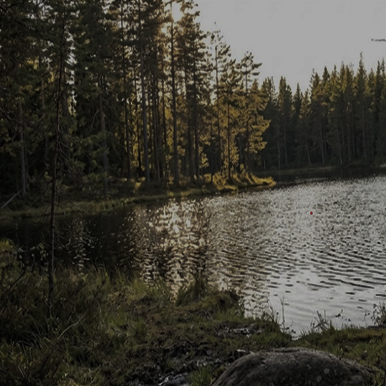
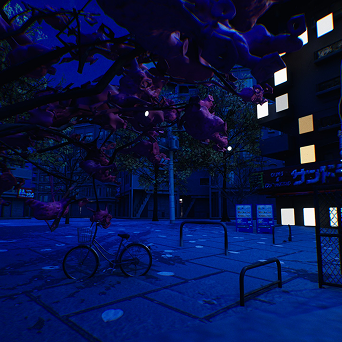

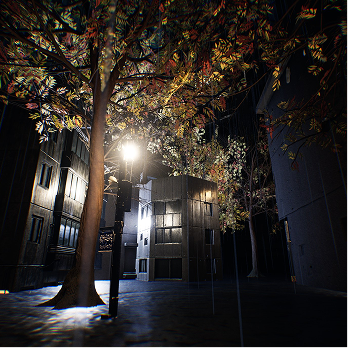
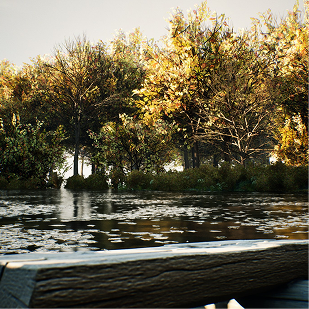
Press R
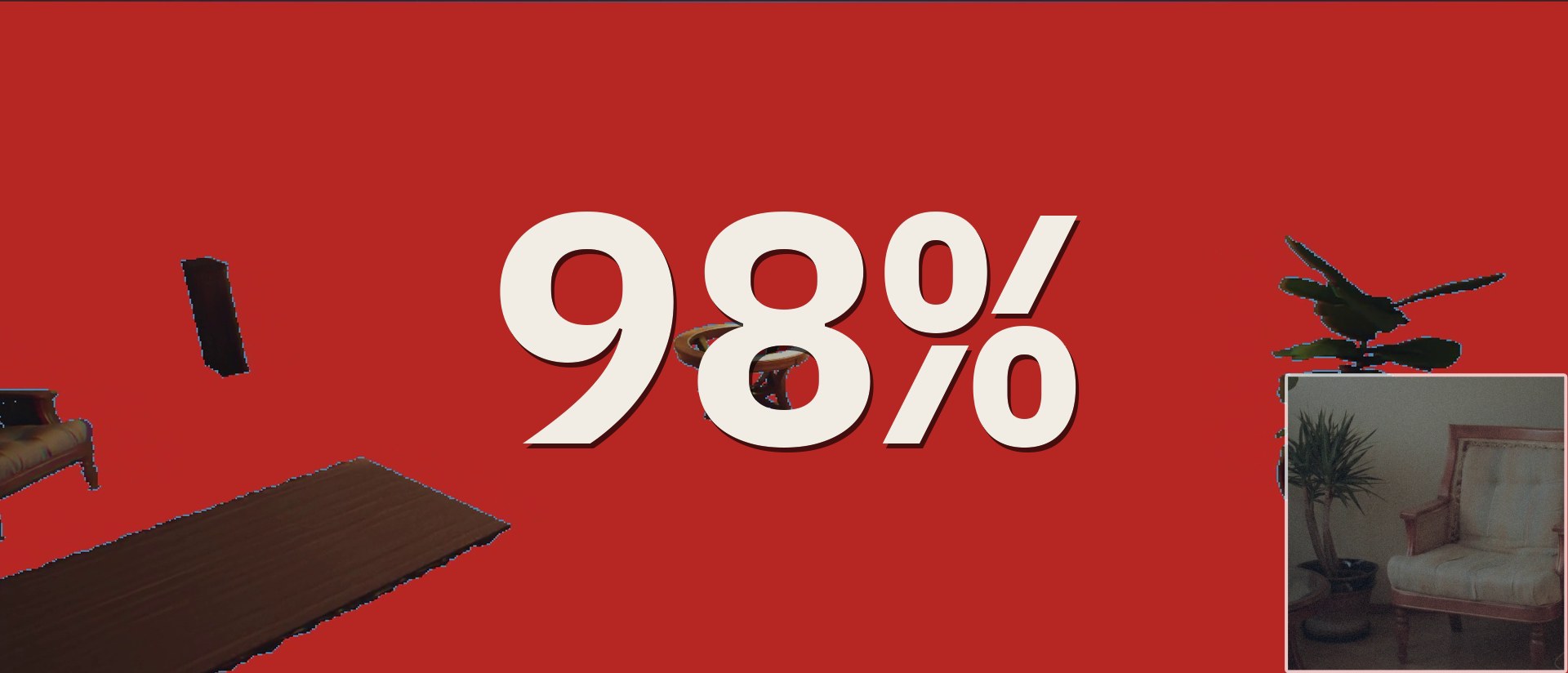
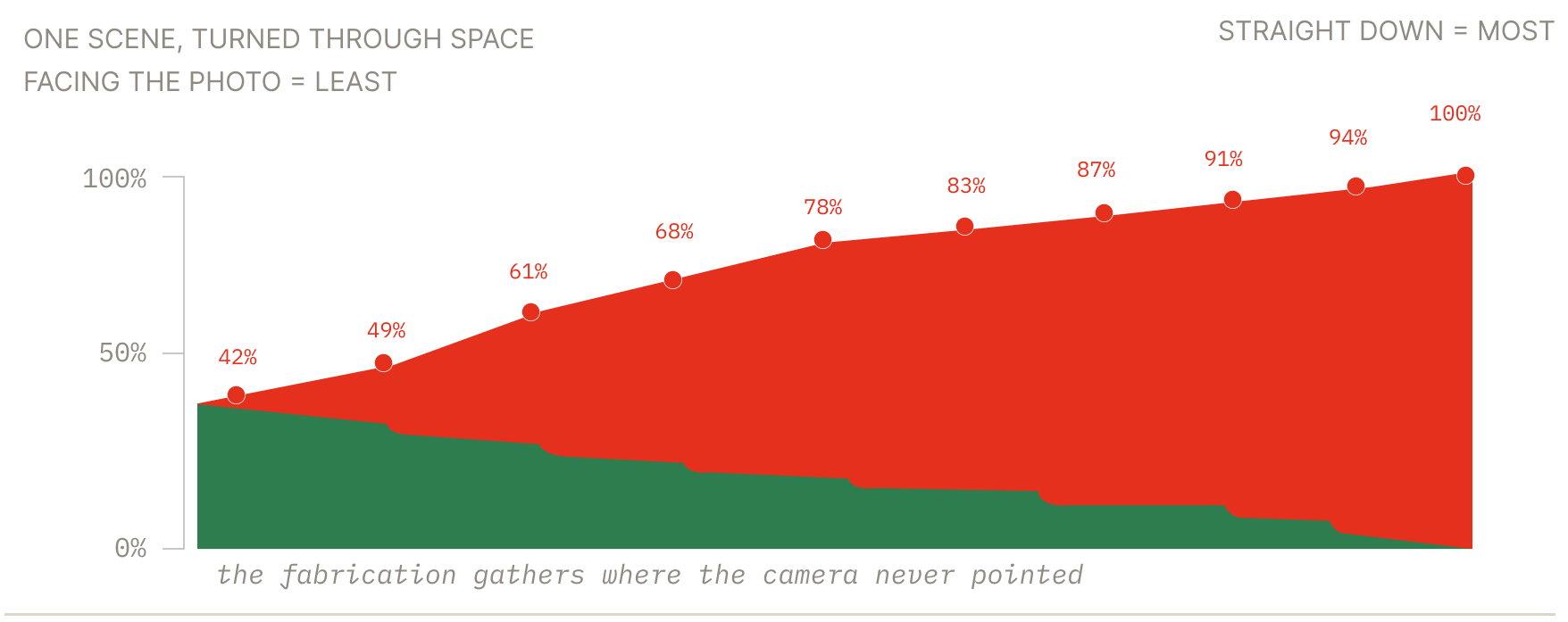
Walk as long as you like, then press R. The image drains to wireframe and every fabricated surface floods red, driven by the pipeline's own provenance record — the result.json written while the scene was built — not an overlay made after the fact. Audited across ten viewpoints, fabrication covers 75% of the street, 86% of the rain alley, 98% of the room and 99% of the forest lake. Those figures are a floor, not a ceiling. The same seduction, disclosed — this time you asked to see it.
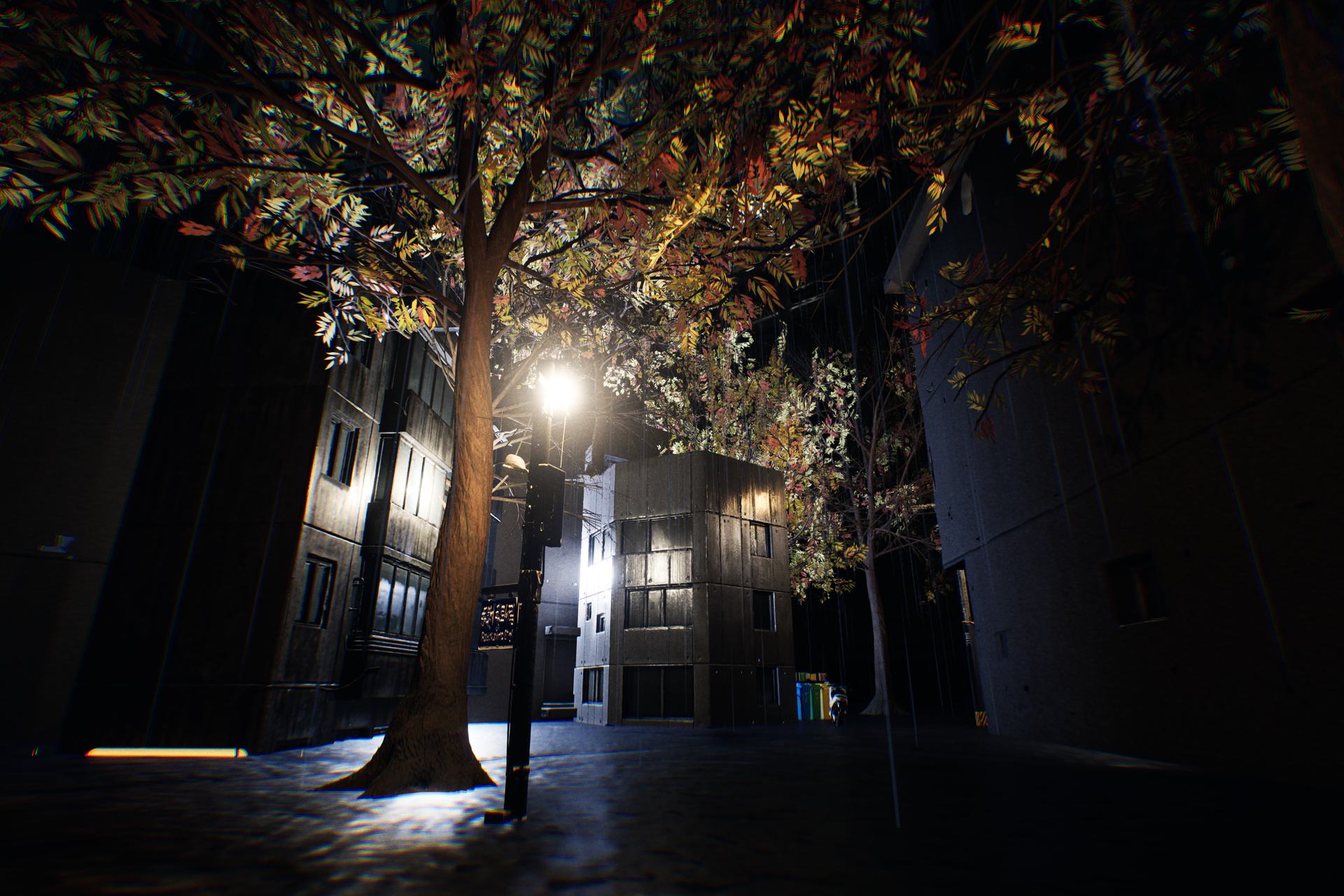
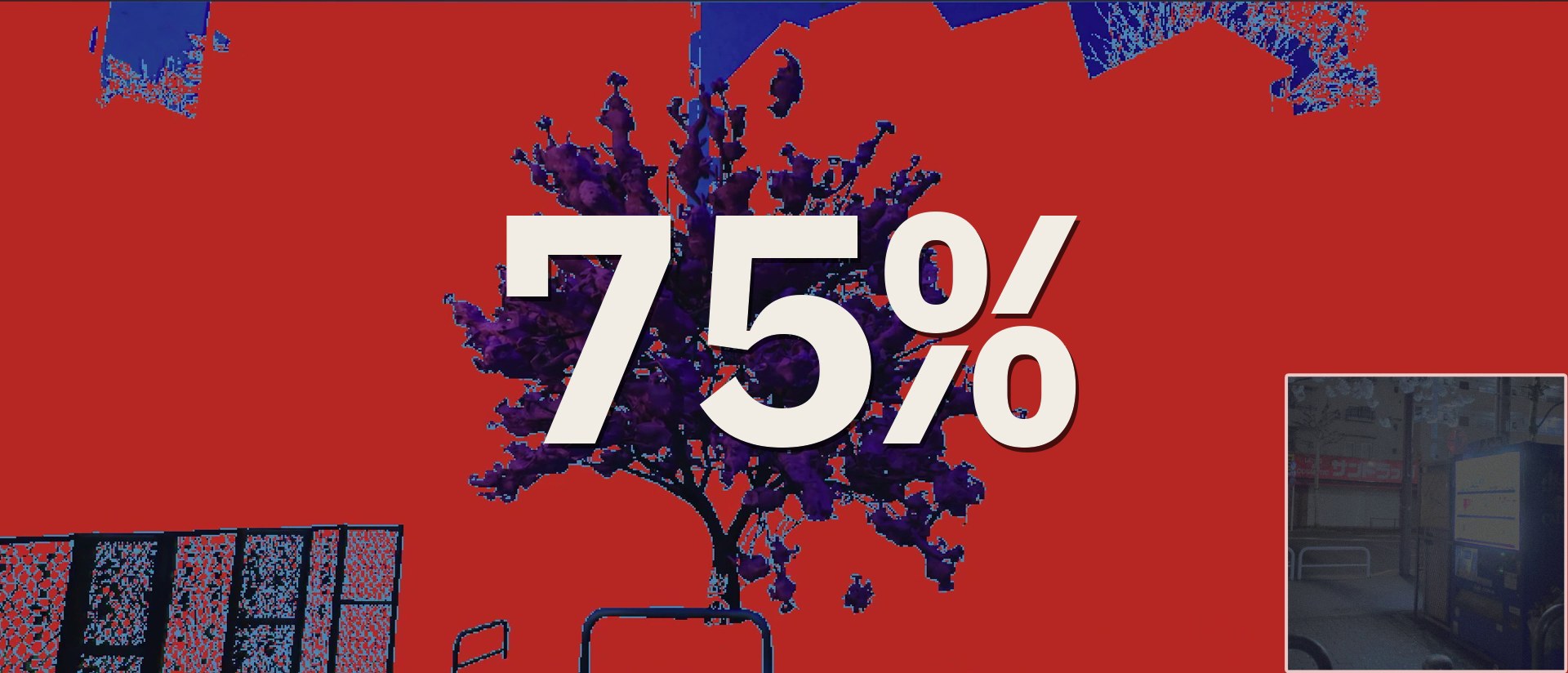
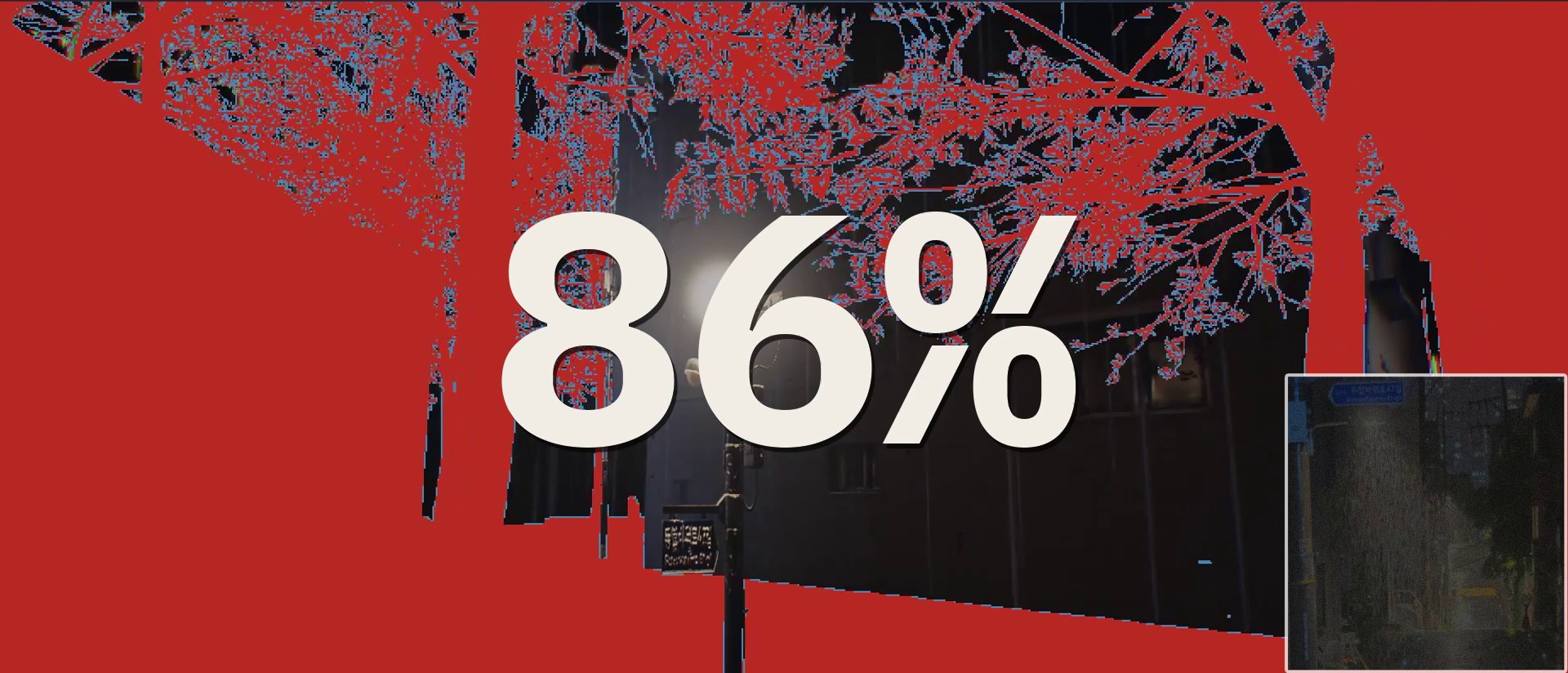
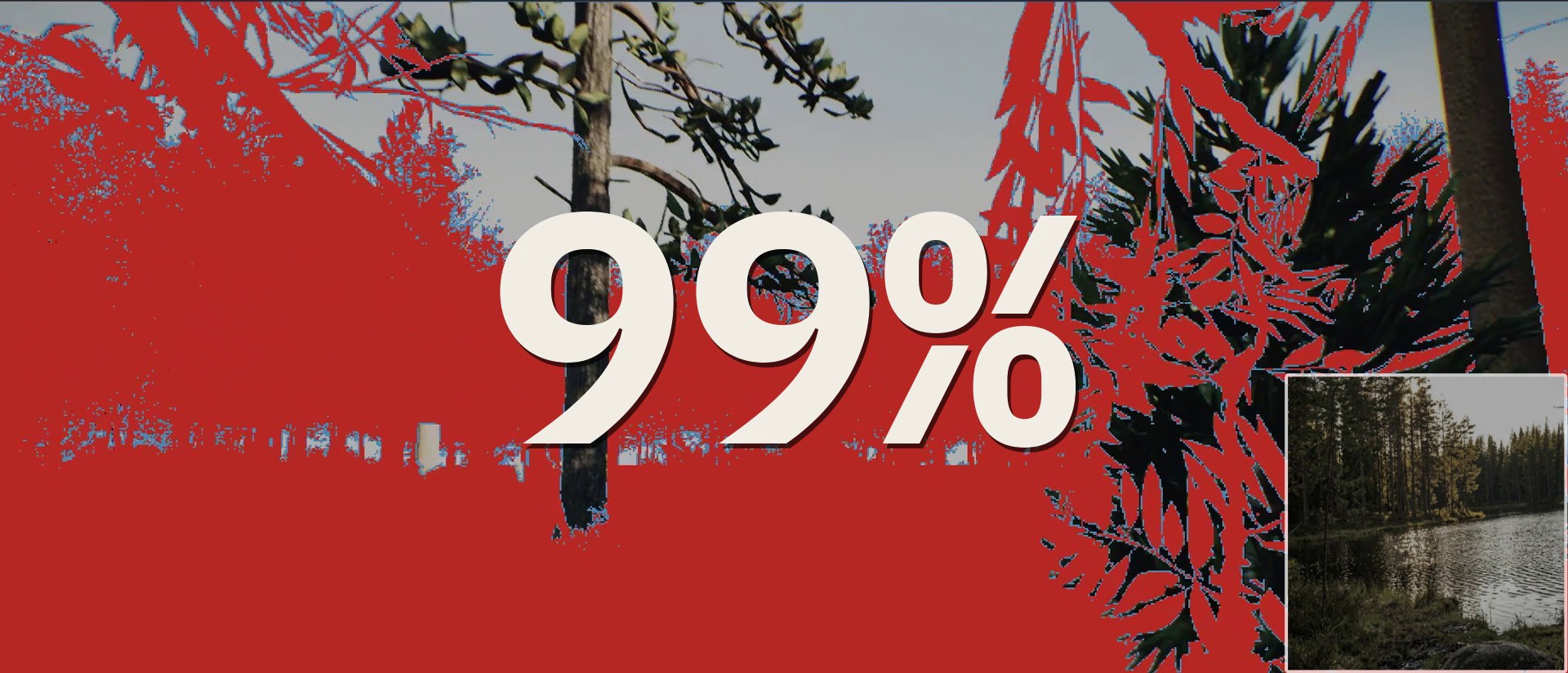
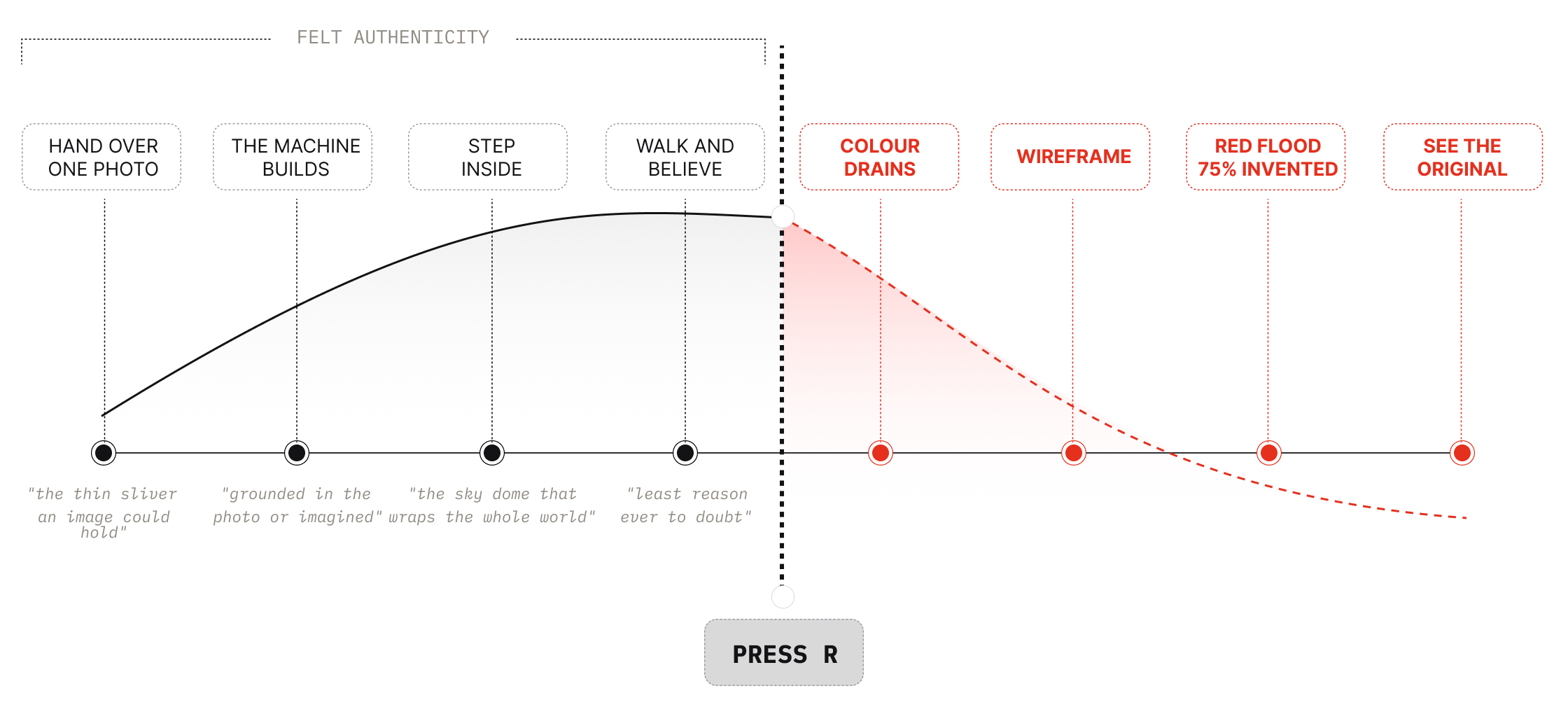
The seduction is the violence. Not because the scene lies, but because it lies beautifully and never says so. A reconstruction that feels like memory quietly replaces the past it claims to serve; the harm is deception by omission. The line that matters is not AI versus no AI. It is disclosure versus concealment.
AI Use & Disclosure
AI built most of this work, and that is the point. Gemini made every scene judgement and painted every image, sky and texture; Tripo 3D generated the meshes; Depth-Anything V2 the terrain depth; Lyria the music. The assembly code and the ambient-sound and SFX synthesis are the author's own. Every AI contribution is on the record: verbatim judgements in result.json and a ten-viewpoint fabrication audit, all in the open repository. The project argues for disclosure; its documentation practises it.
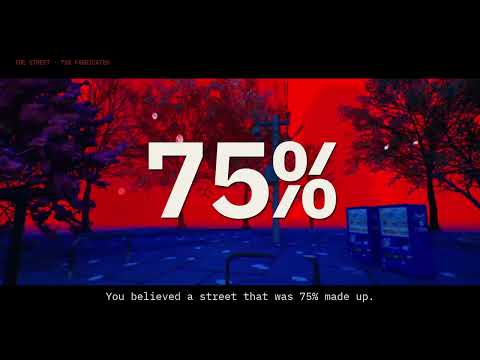

The film runs the whole arc in two minutes: the walk, the doubt, the reveal. Press play — this time, you know to ask.
Yizhou
Seduction is Violence
Share: