Biography

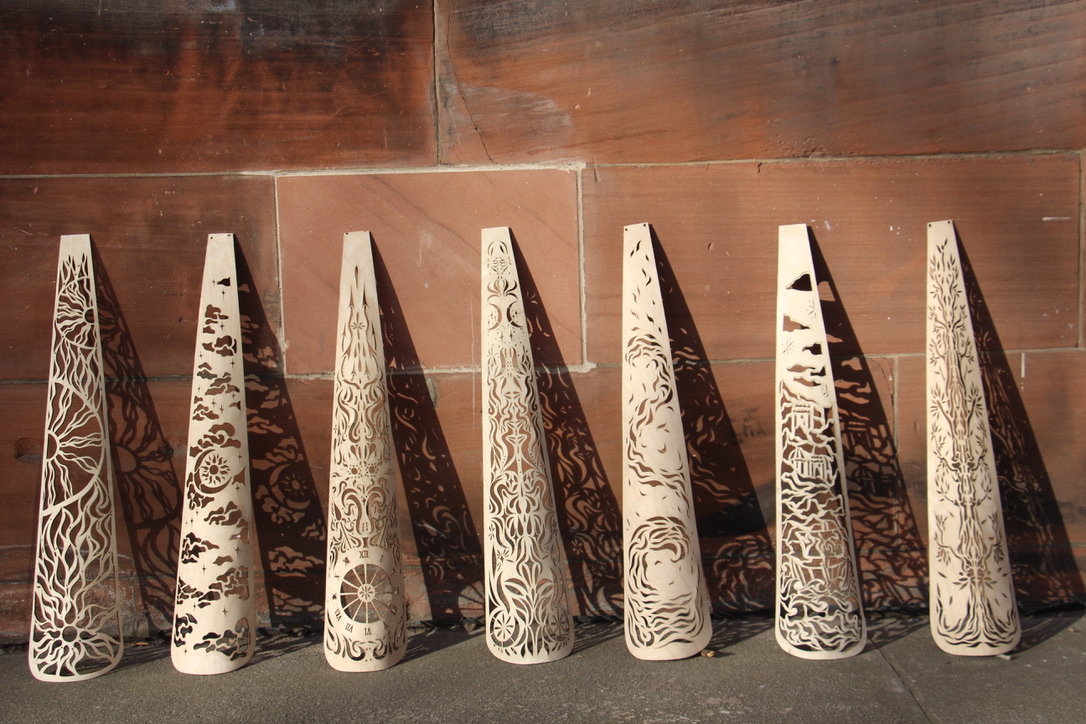
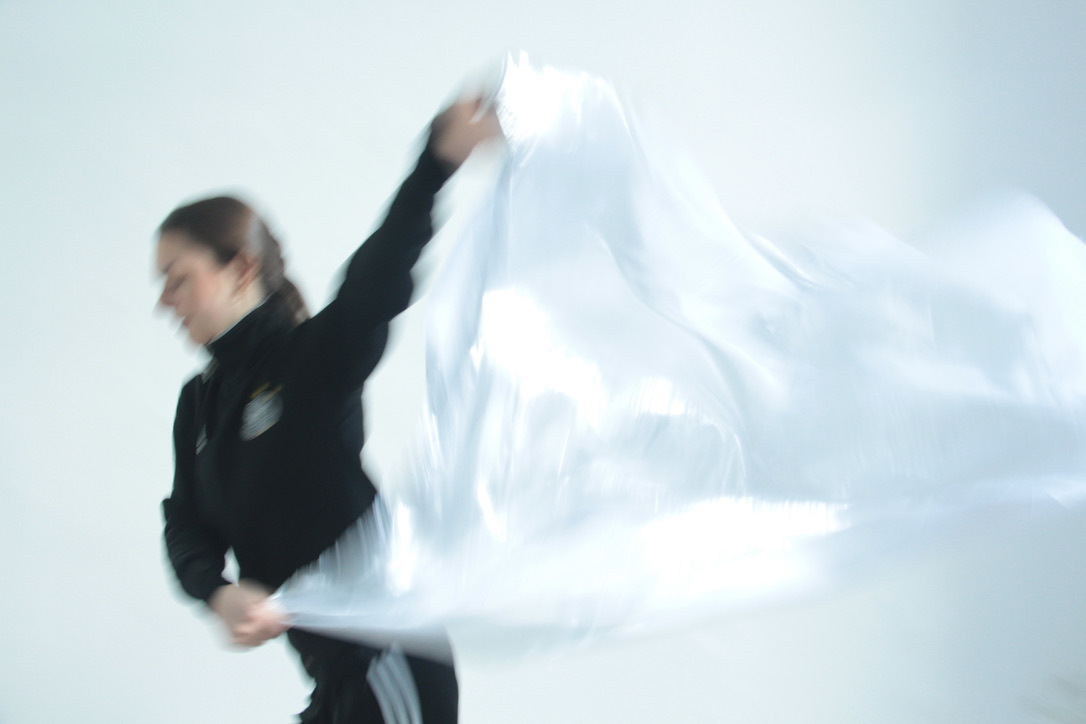
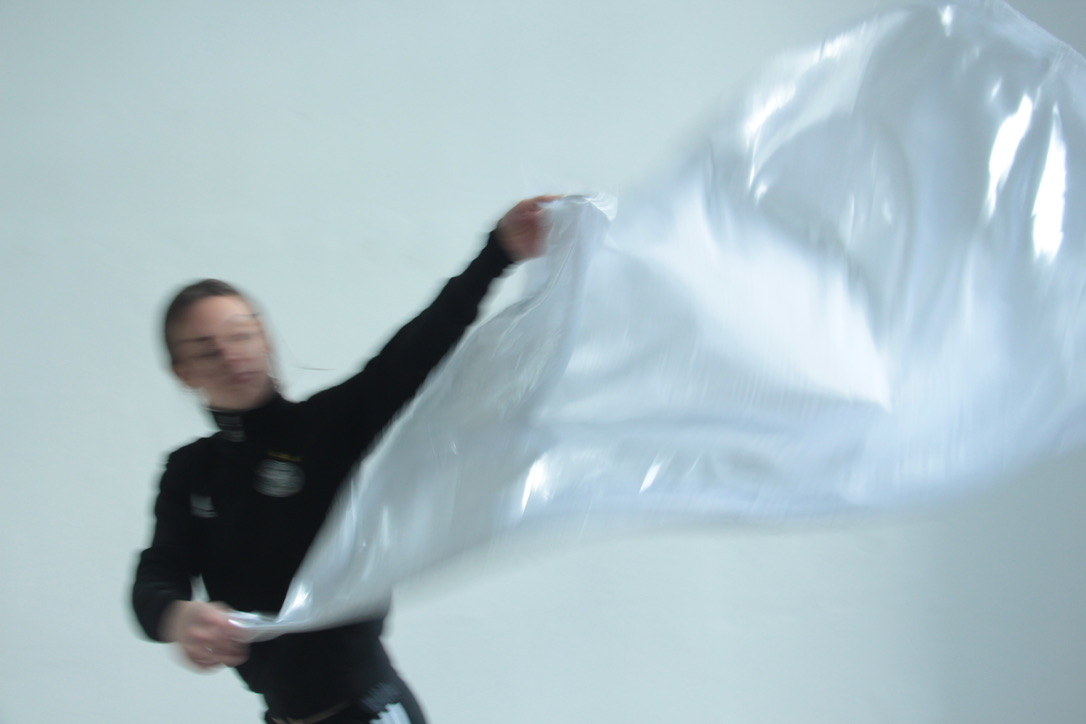
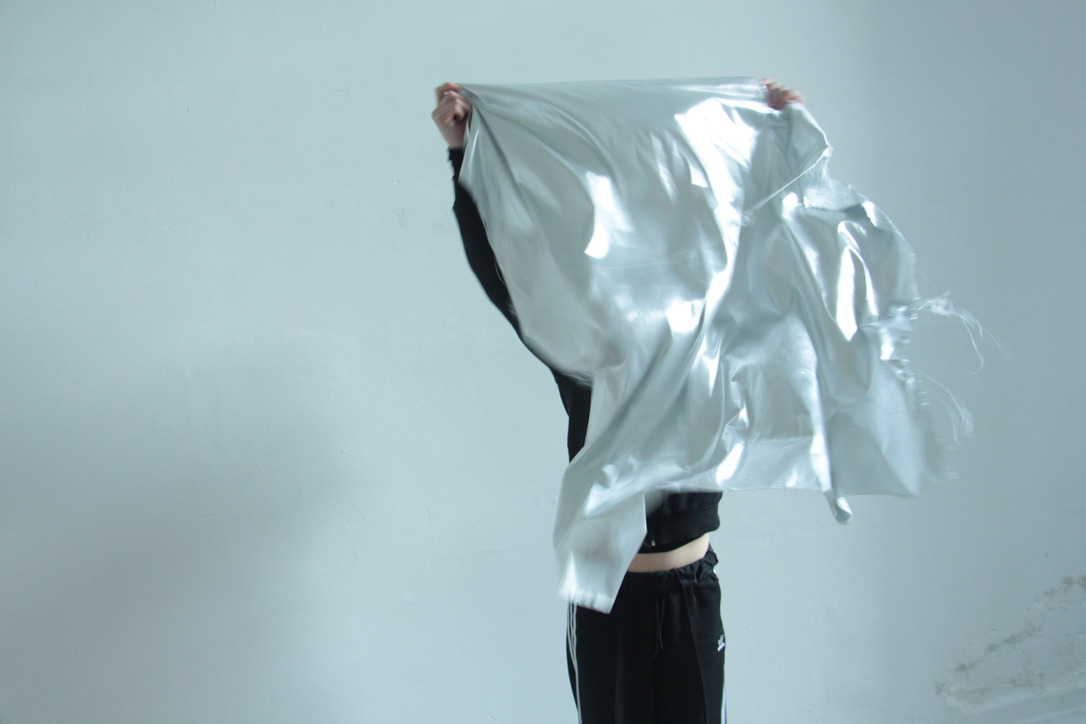
My practice is highly detail-oriented and focuses on craftsmanship and innovation. Through experimentation, my work embraces the use of unconventional materials as structured silhouettes, pushing the boundaries within costume design. By combining durable, unconventional materials with narrative-led design, I balance architectural structure with the fluidity of woven textiles.

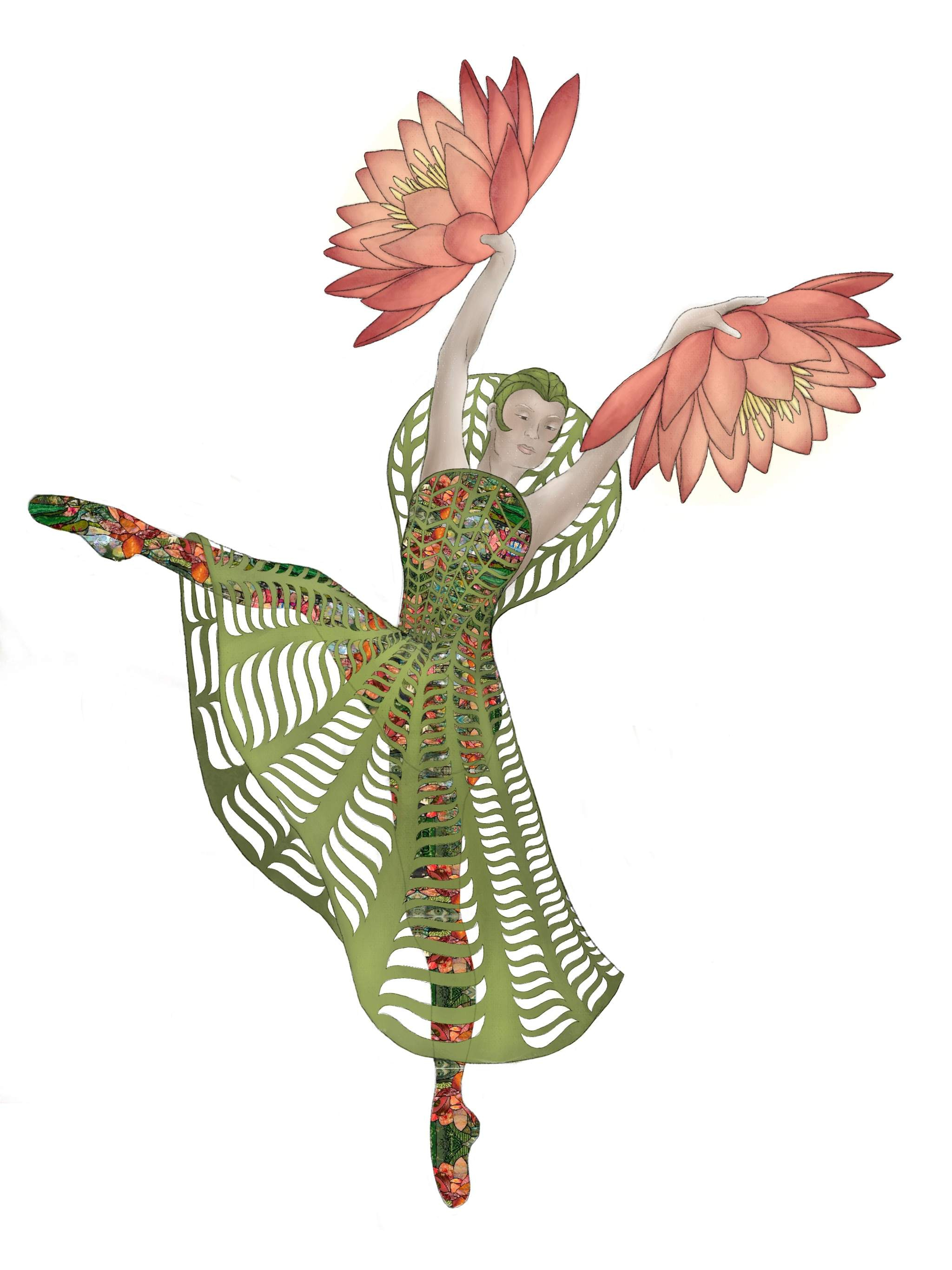
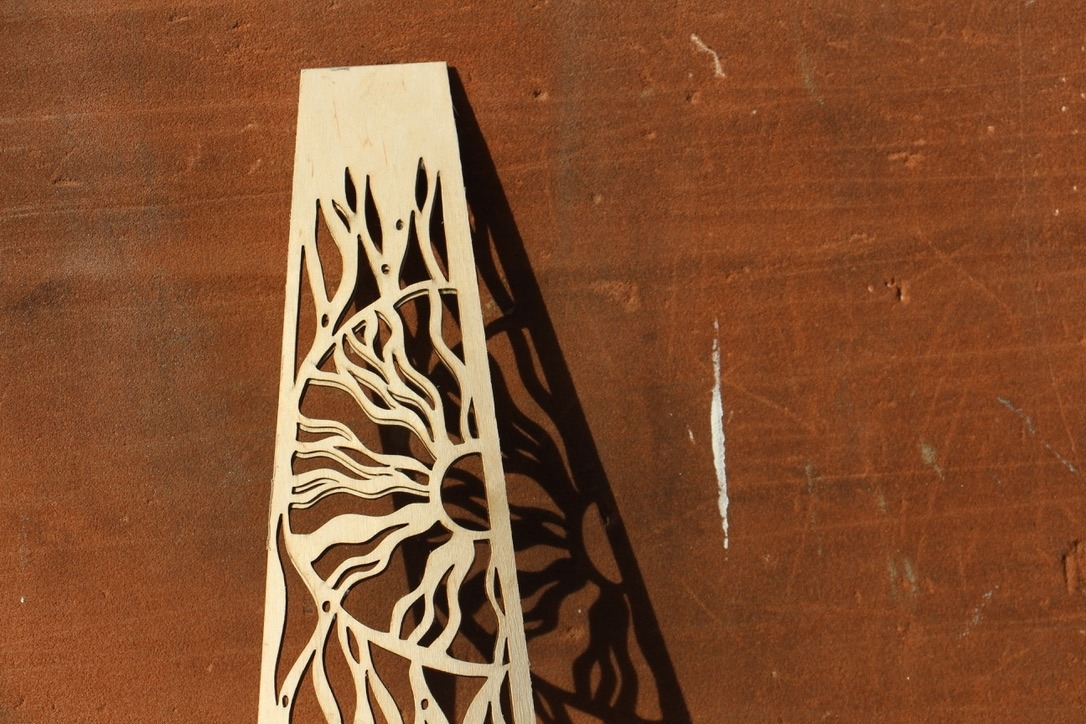
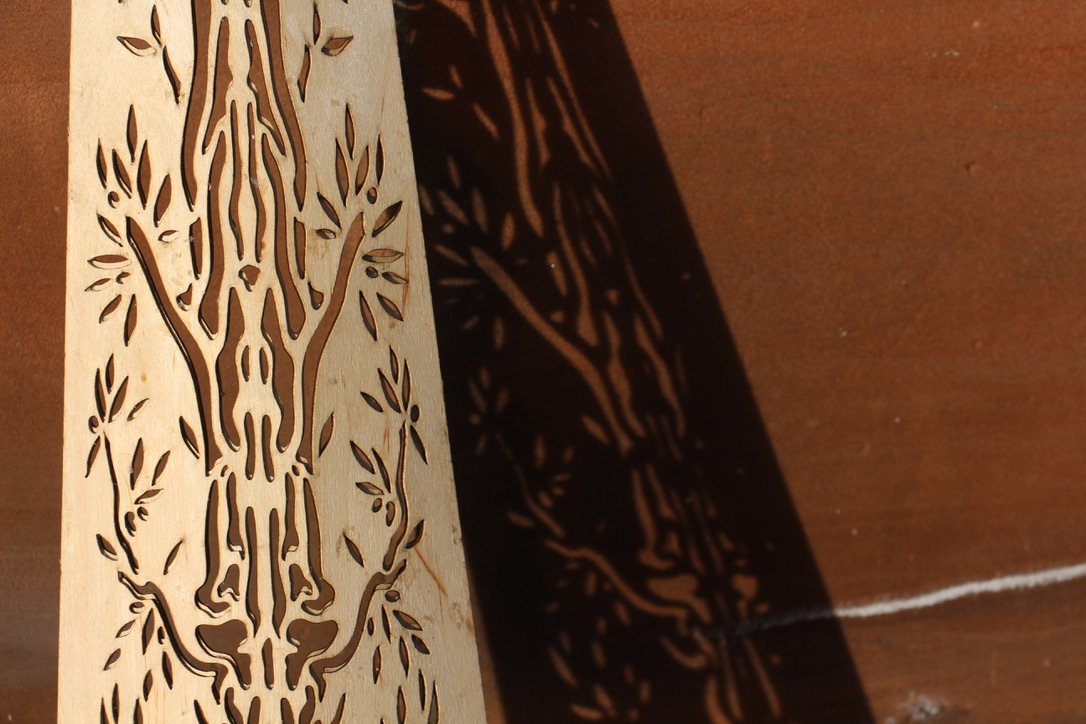
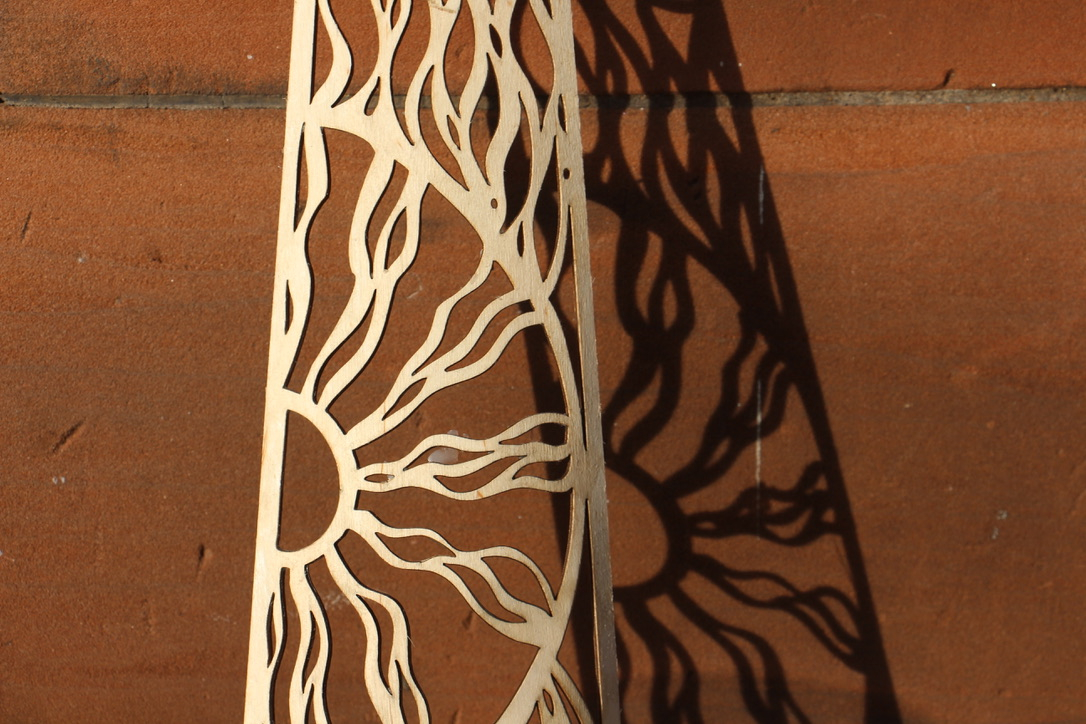
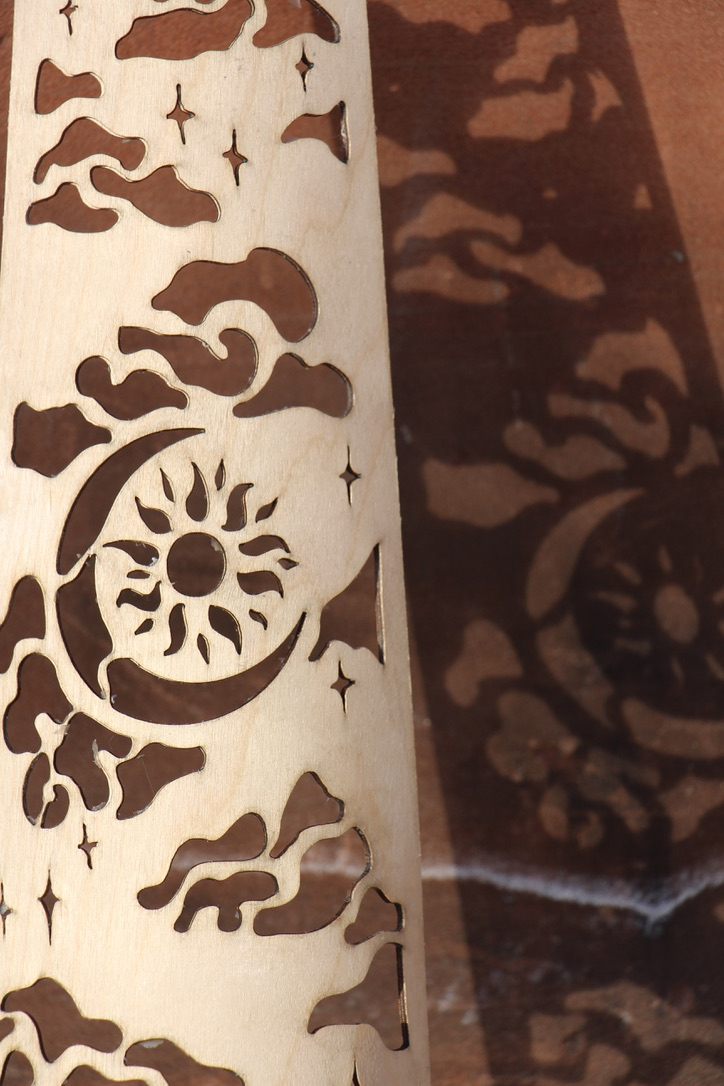
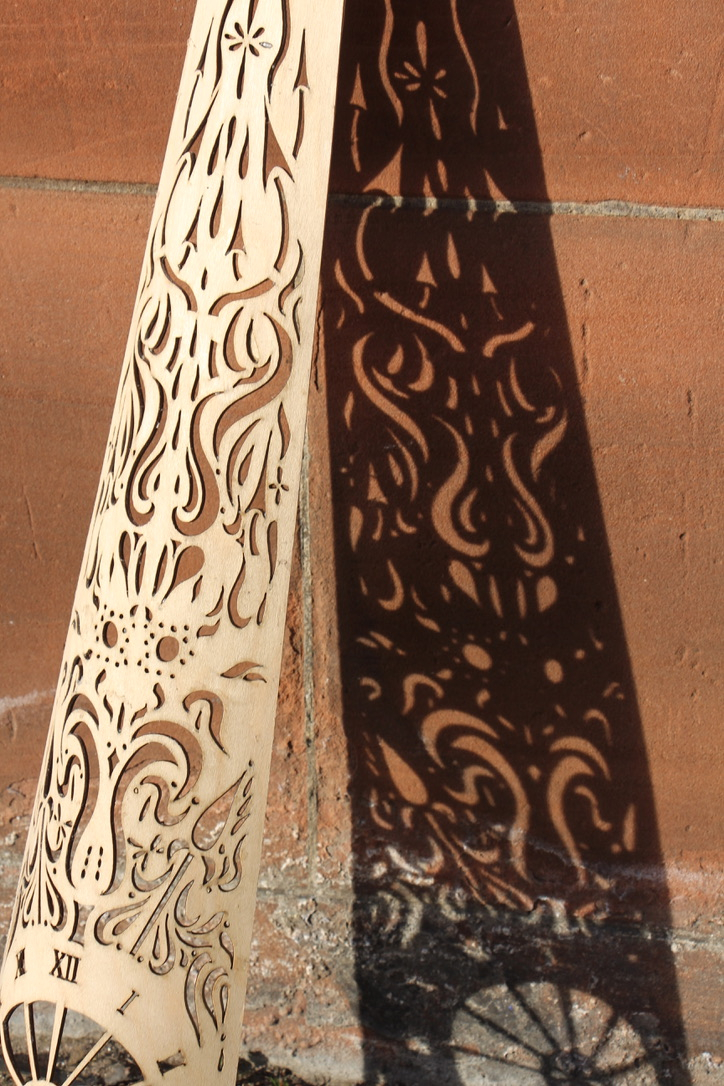
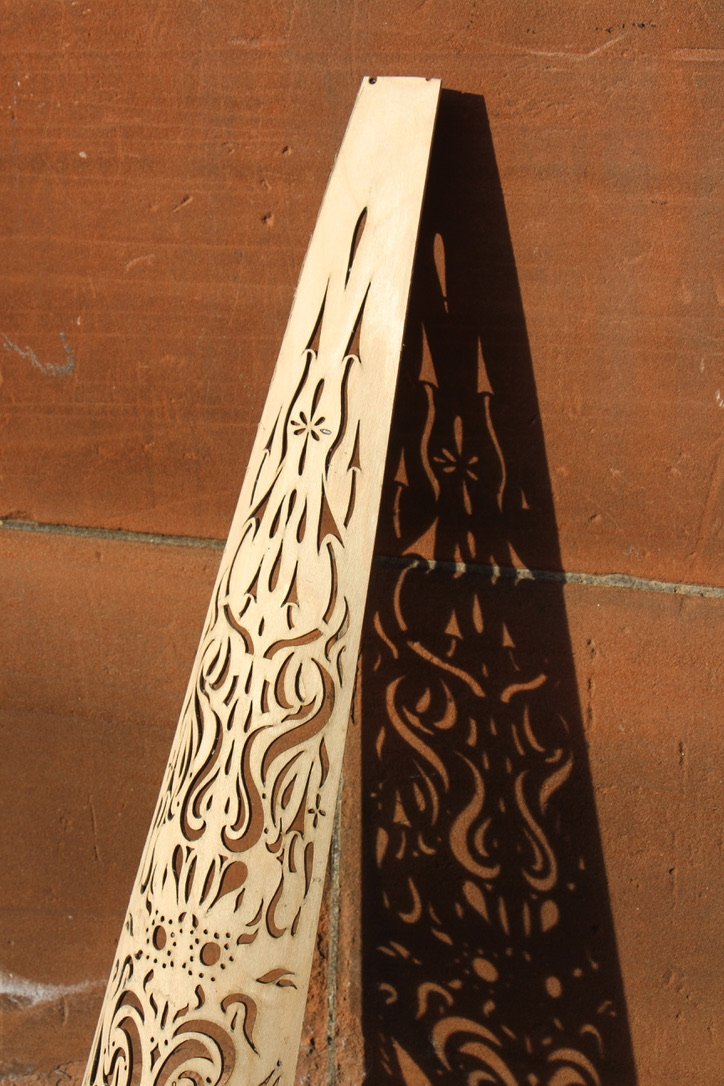
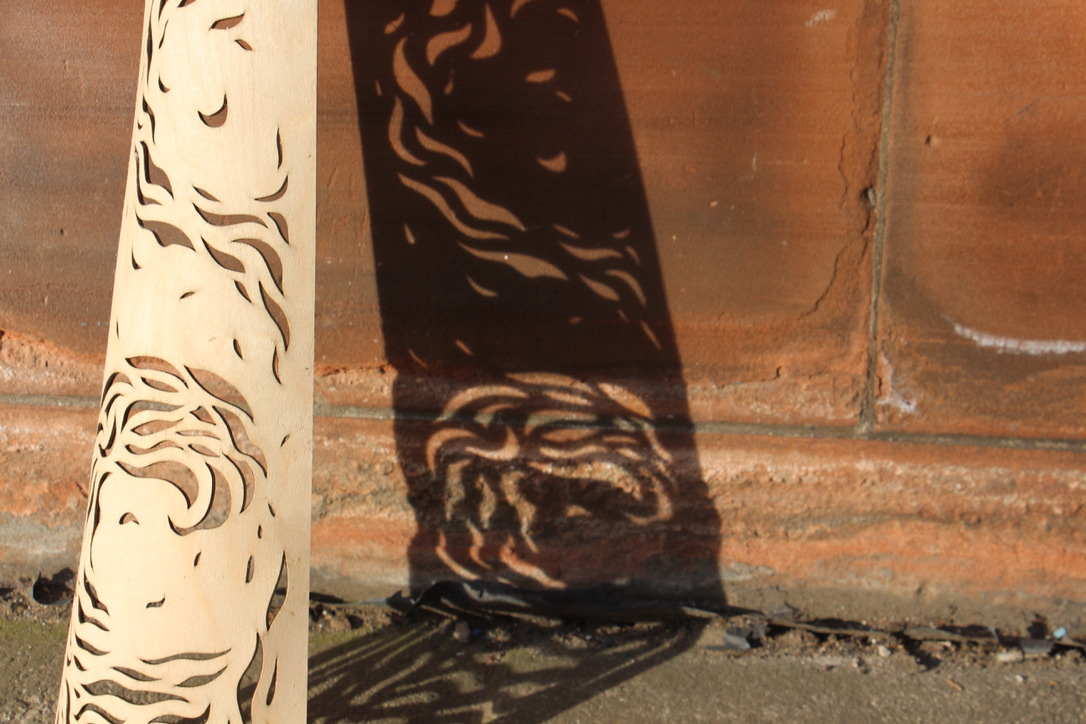
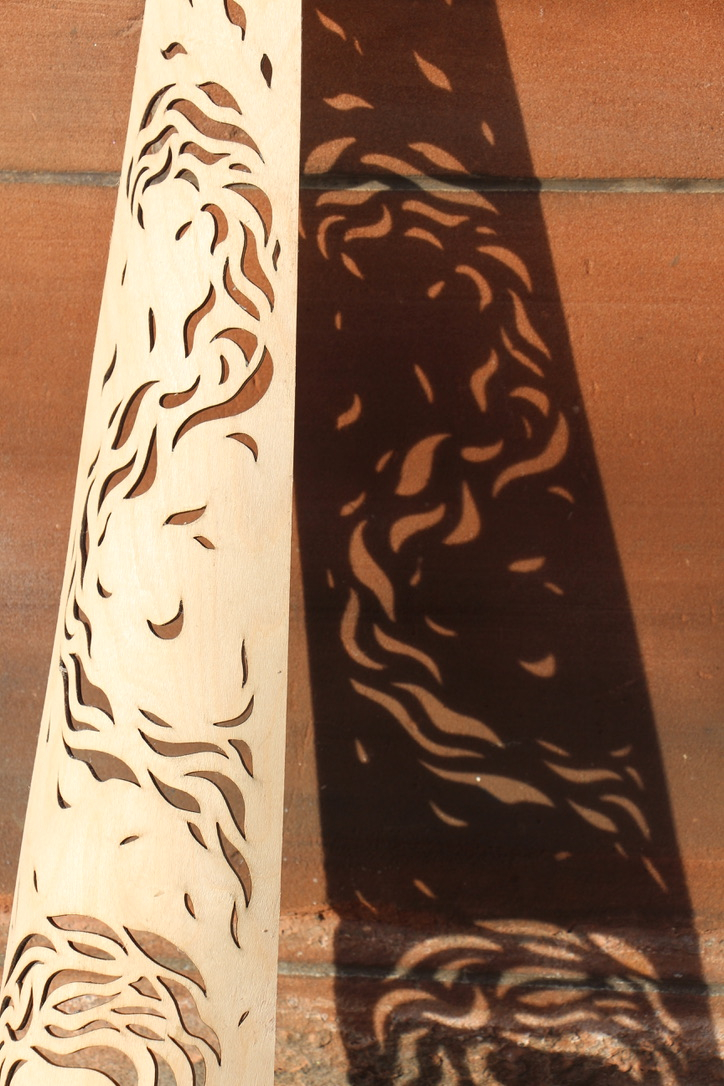
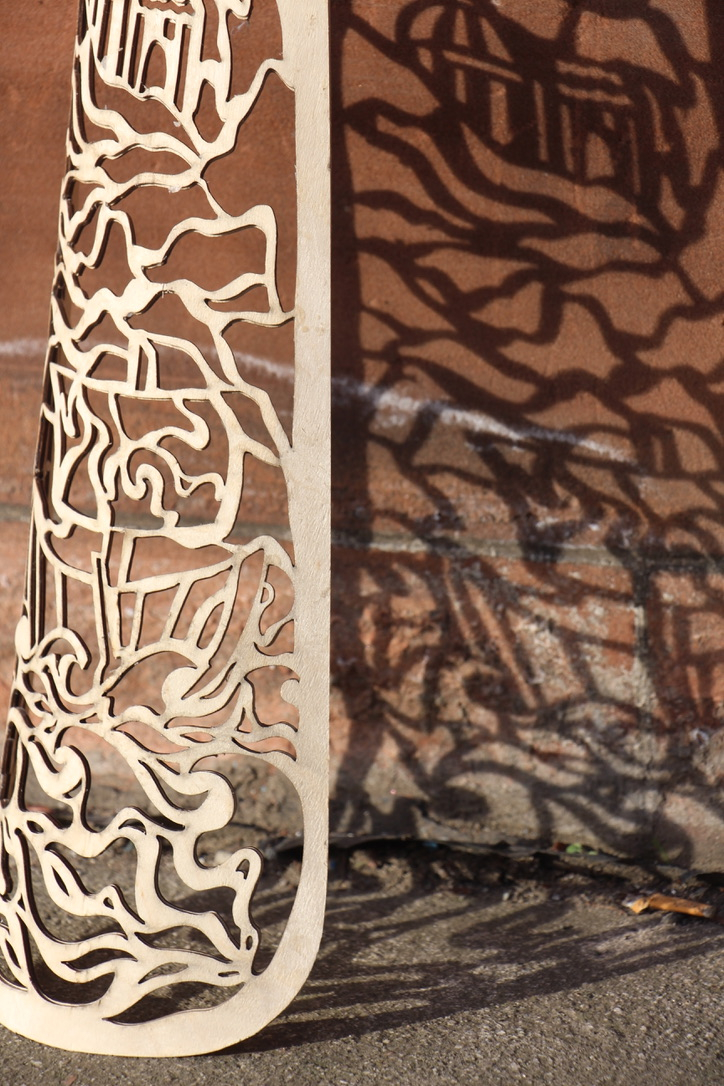
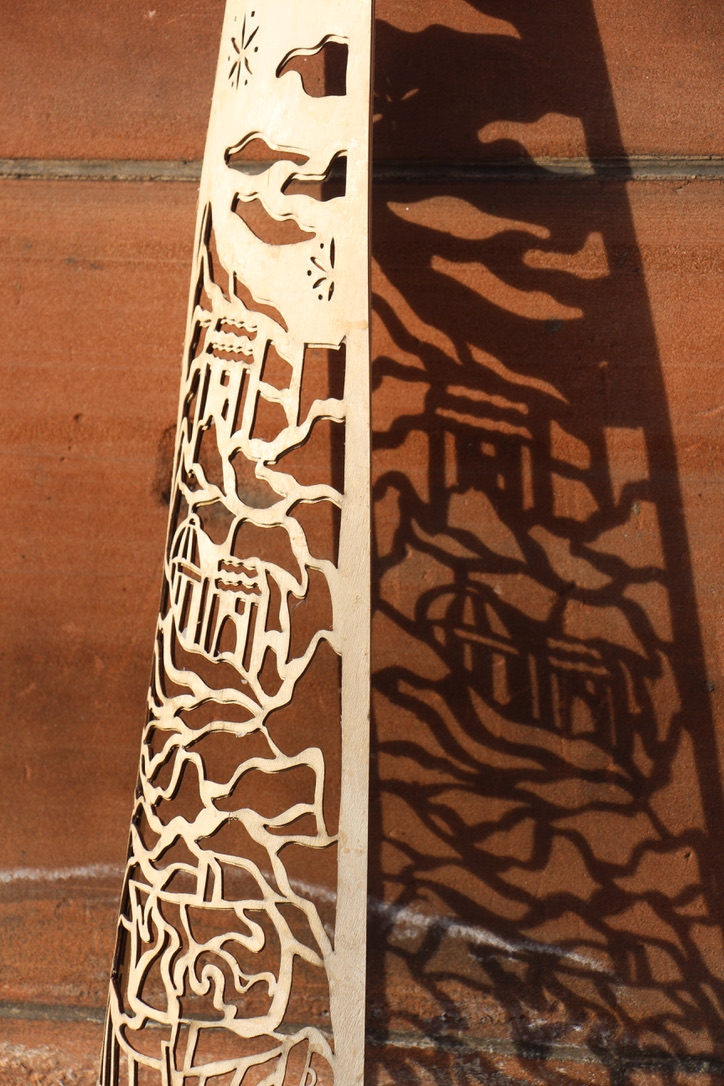
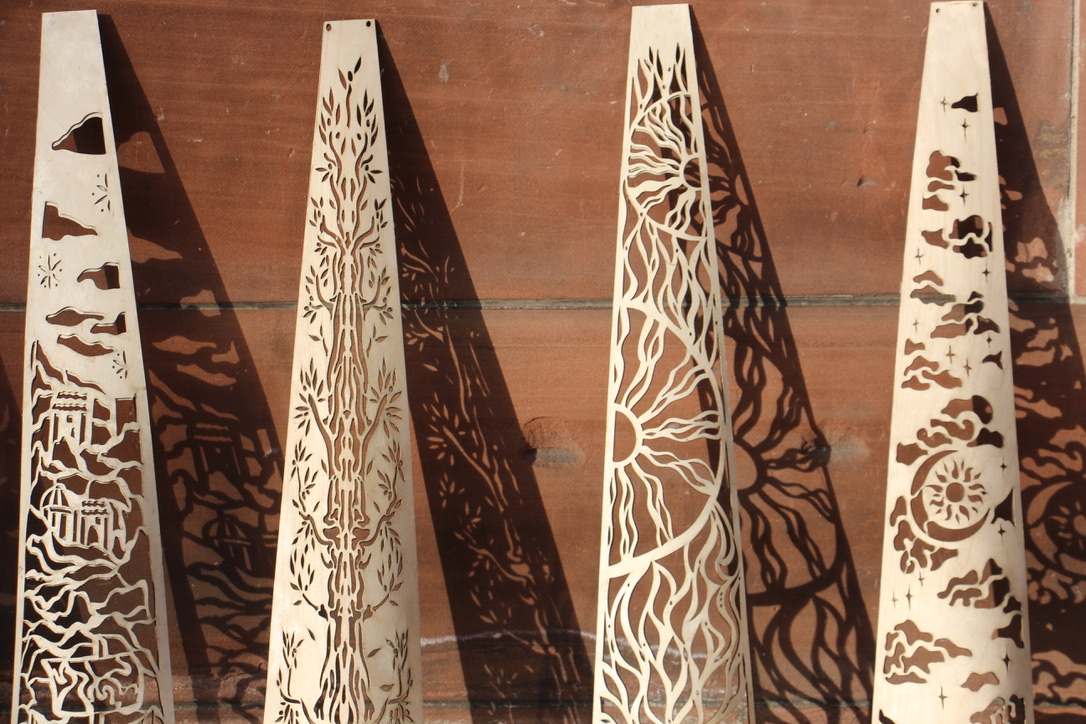
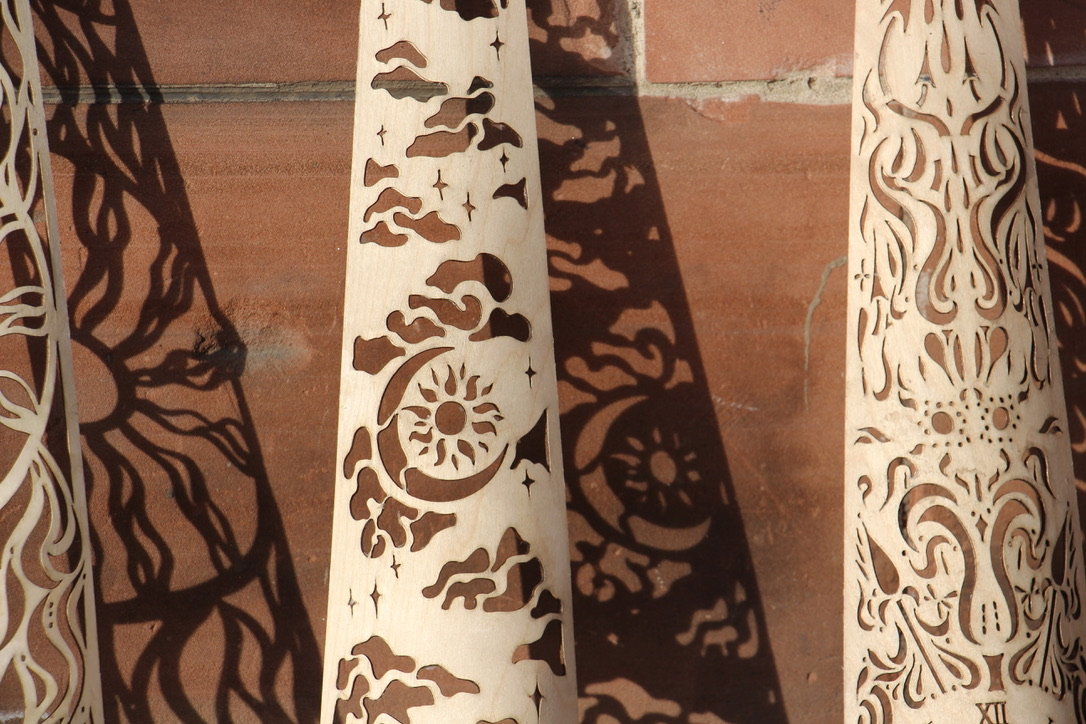
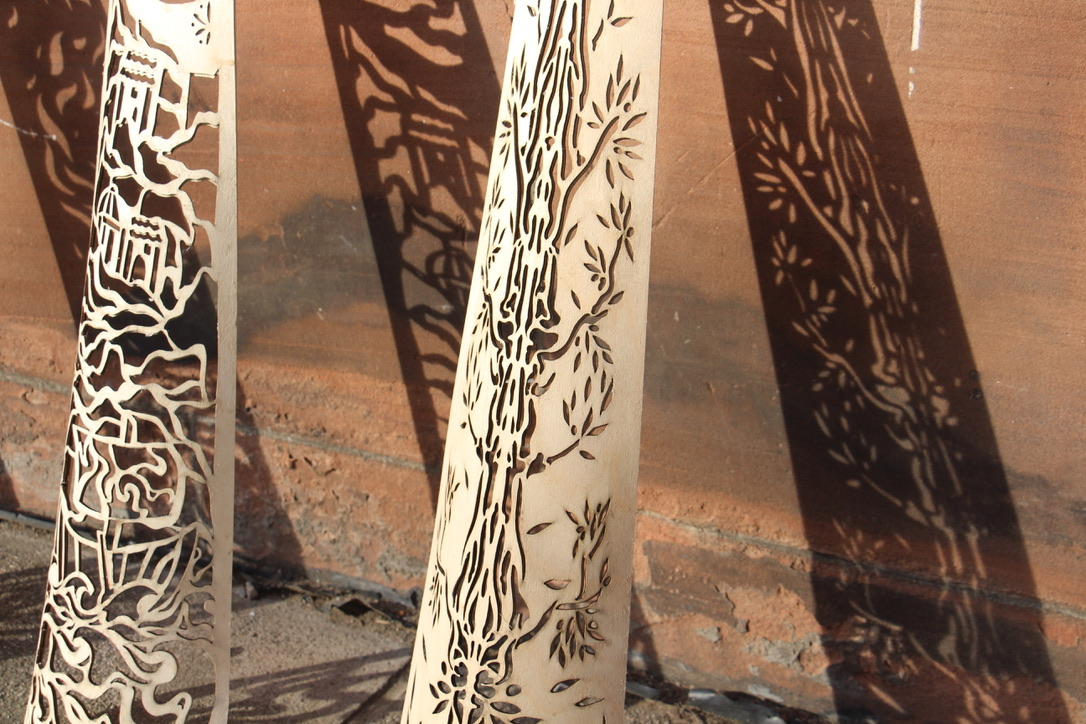
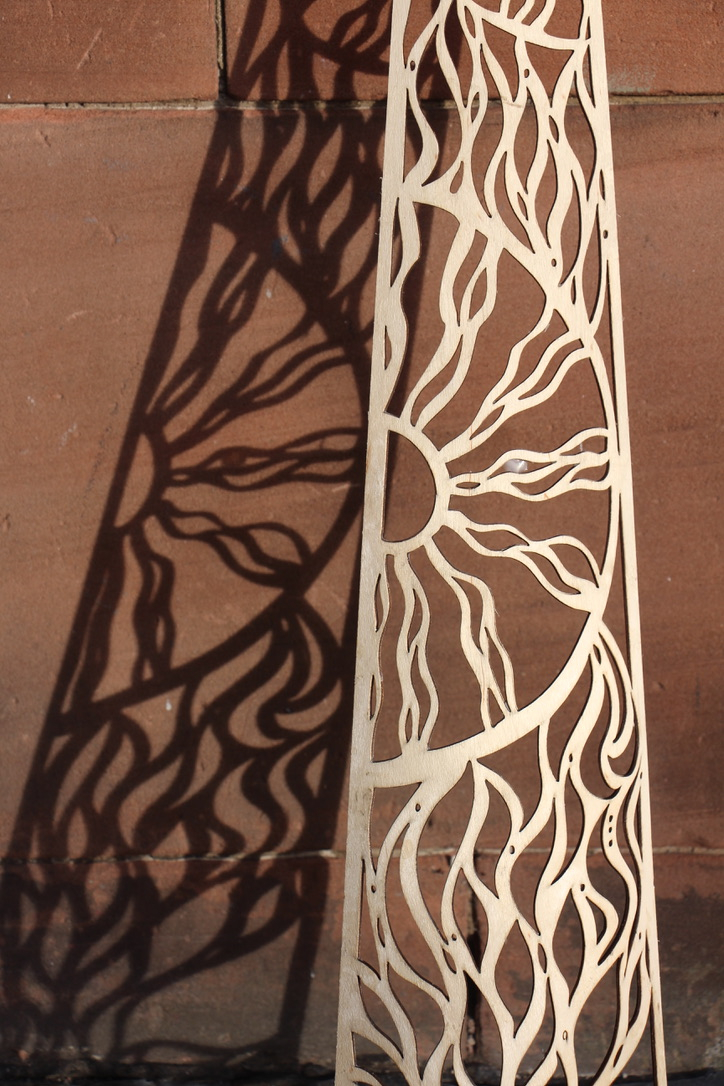
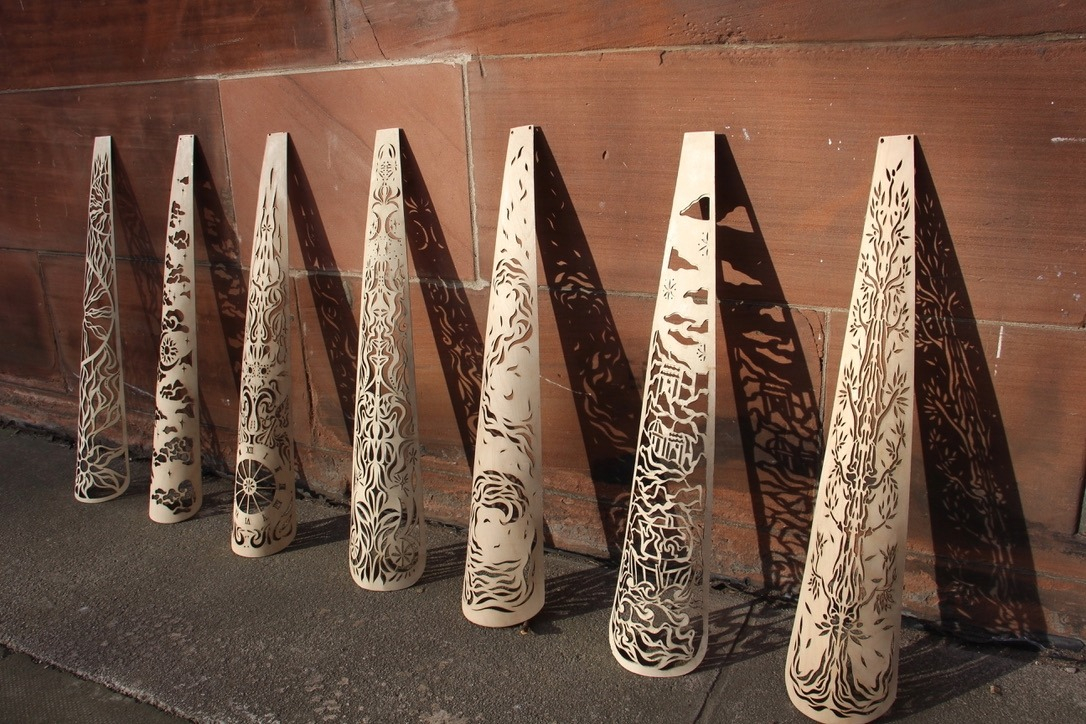
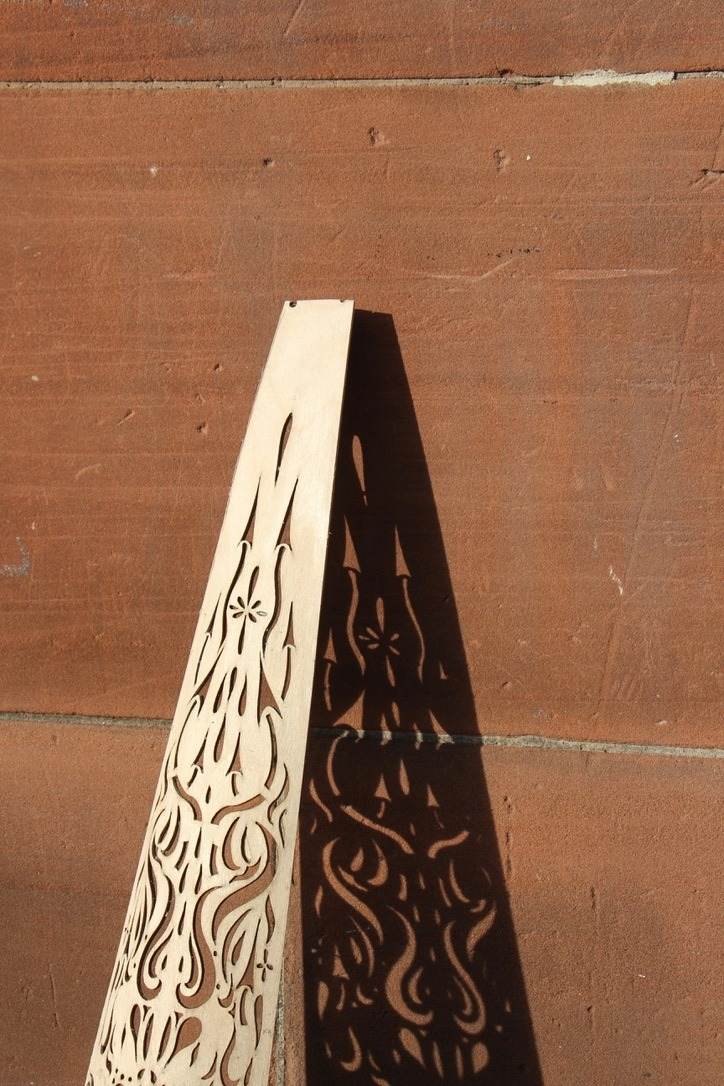
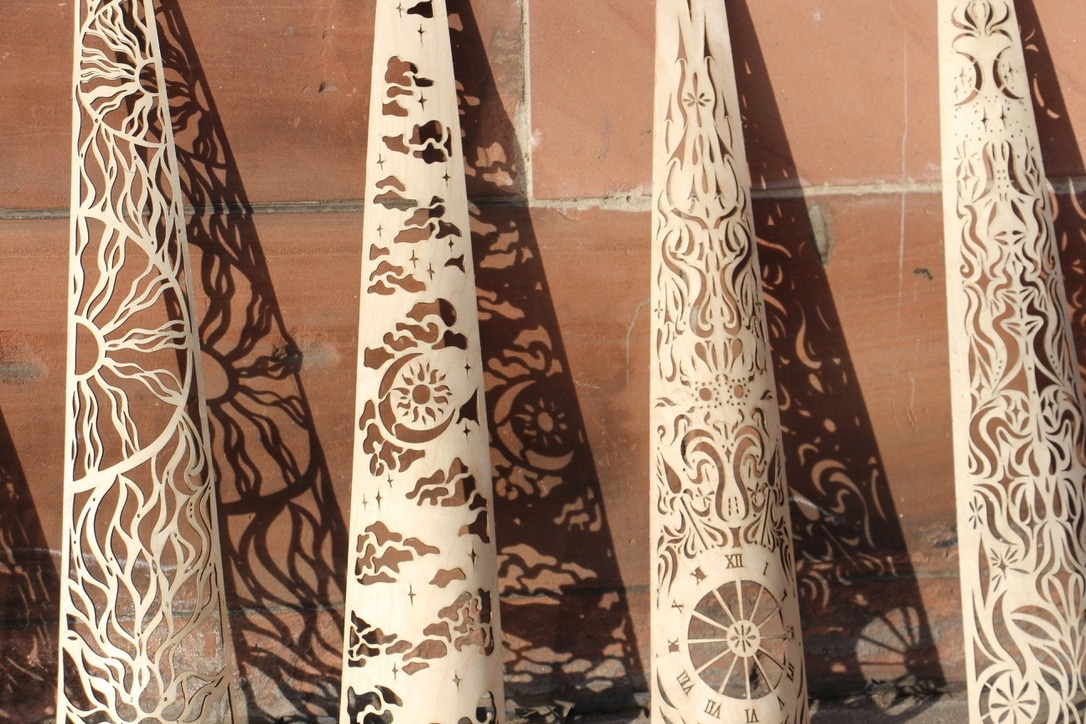
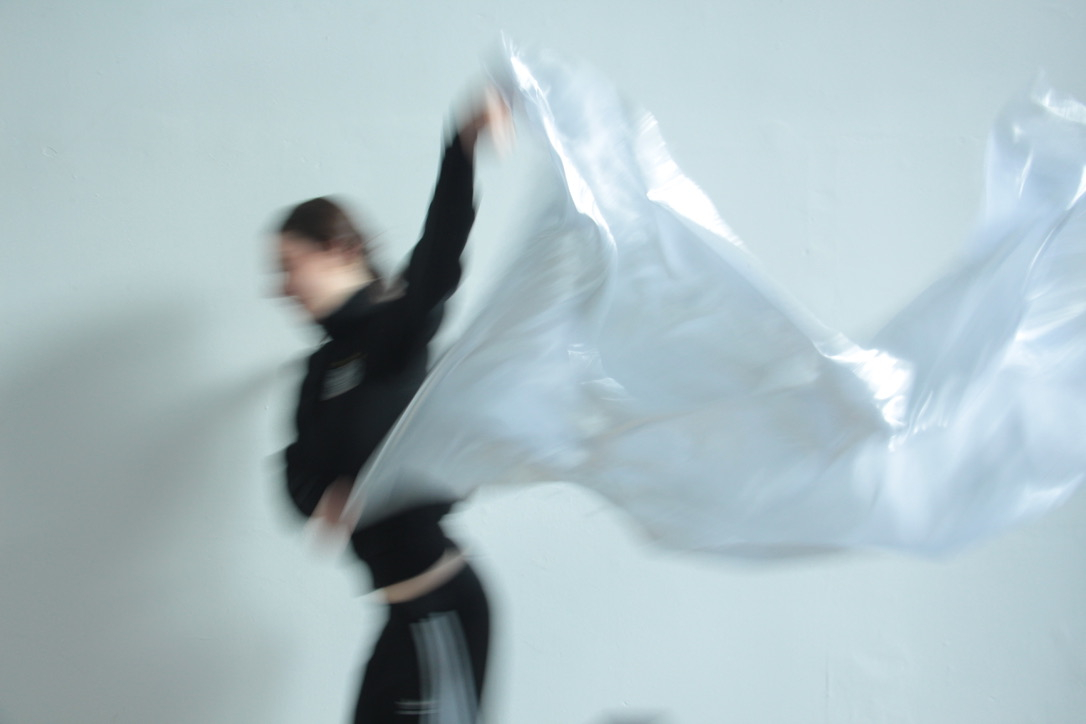
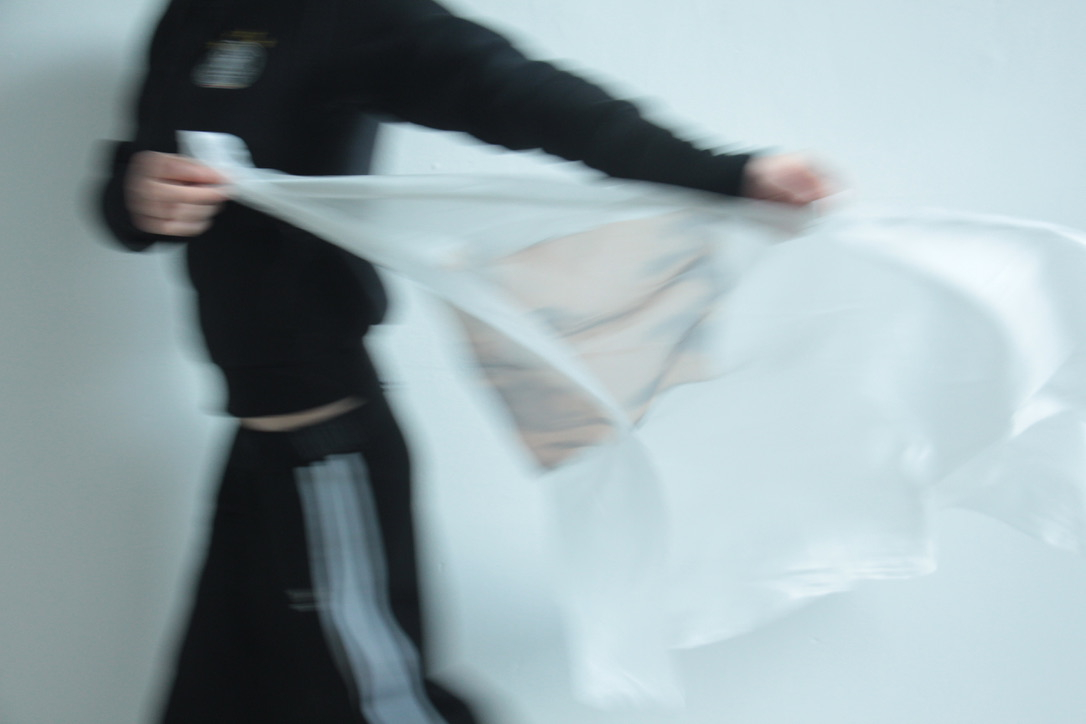
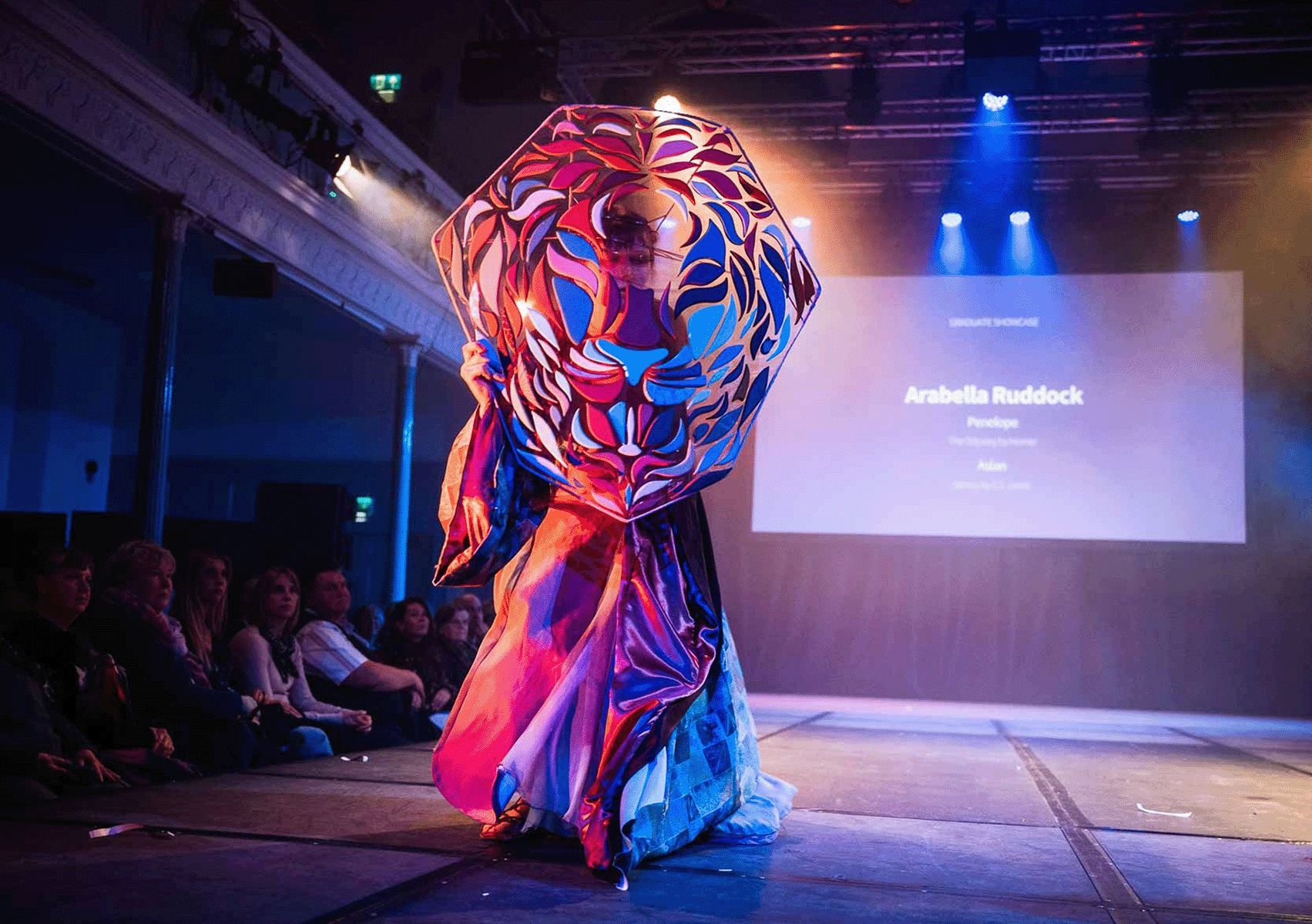
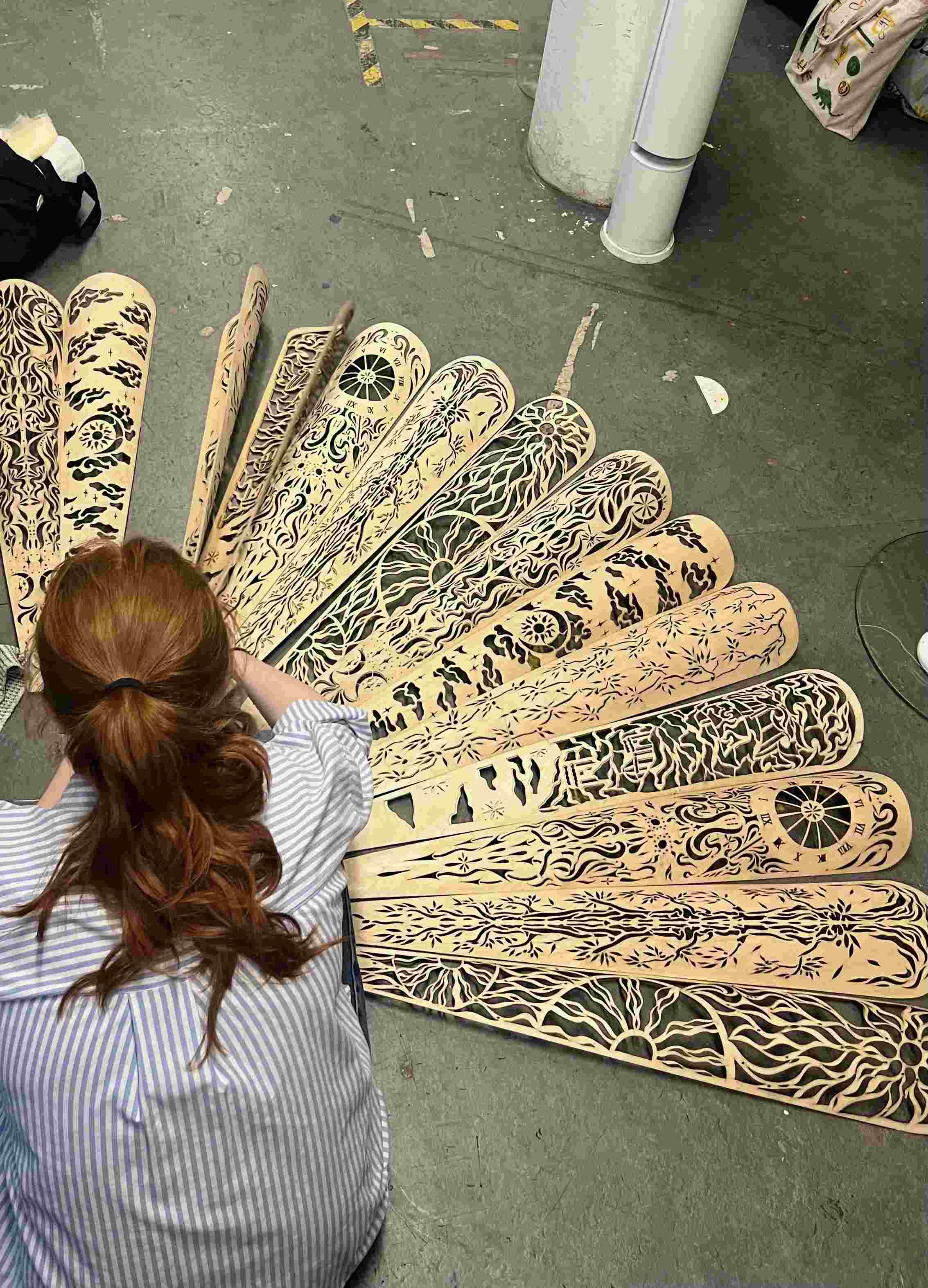
I investigate the relationship between material, light, and movement, creating layered compositions that transform through shadow and illumination. Through the use of CAD software and digital fabrication processes, I develop symbolic motifs that embody elements of a character's narrative. In dance performance, where storytelling is communicated through movement rather than dialogue, these design elements enable costume to become an active narrative device, shaping the audience's interpretation of the work.

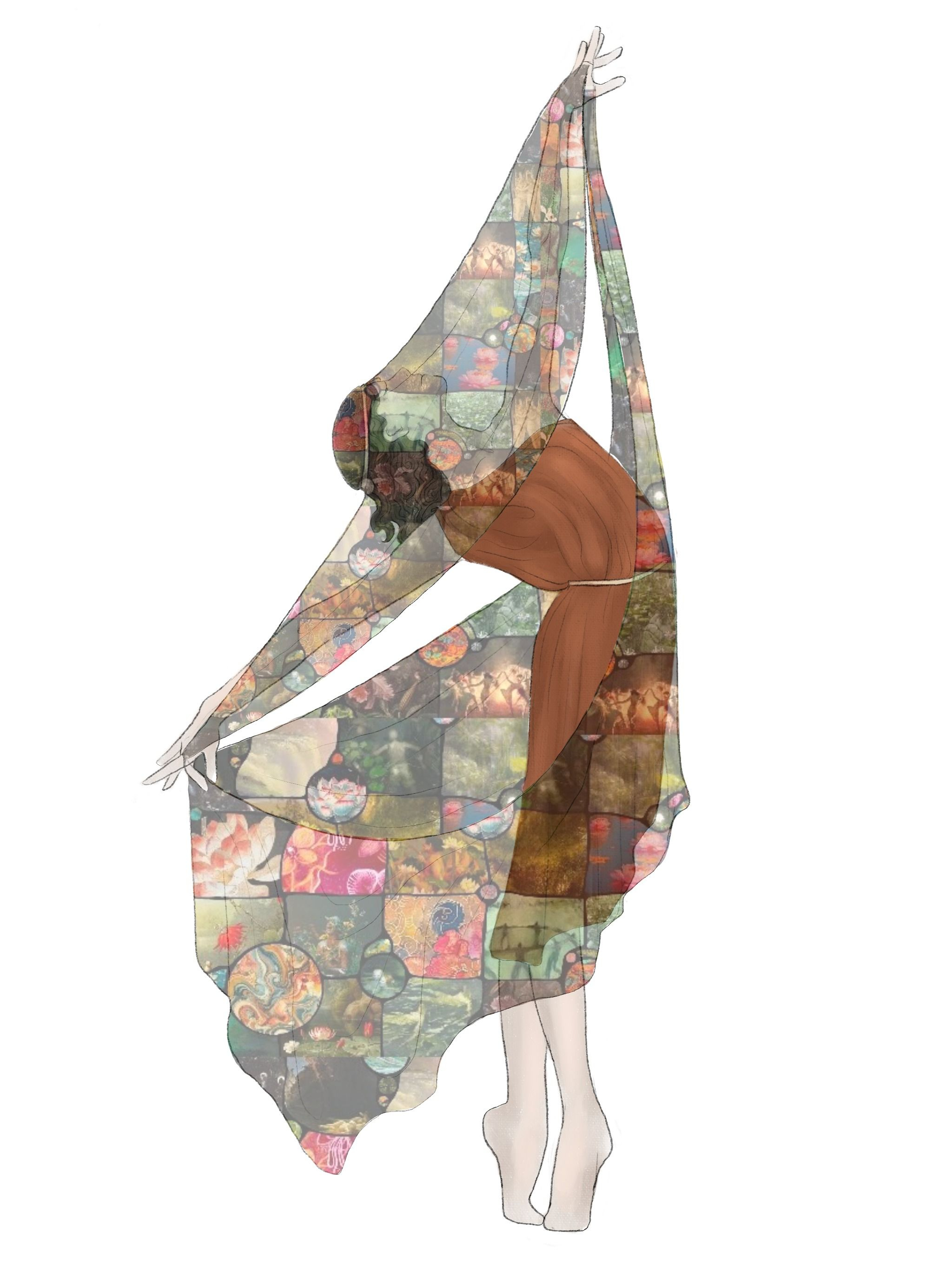
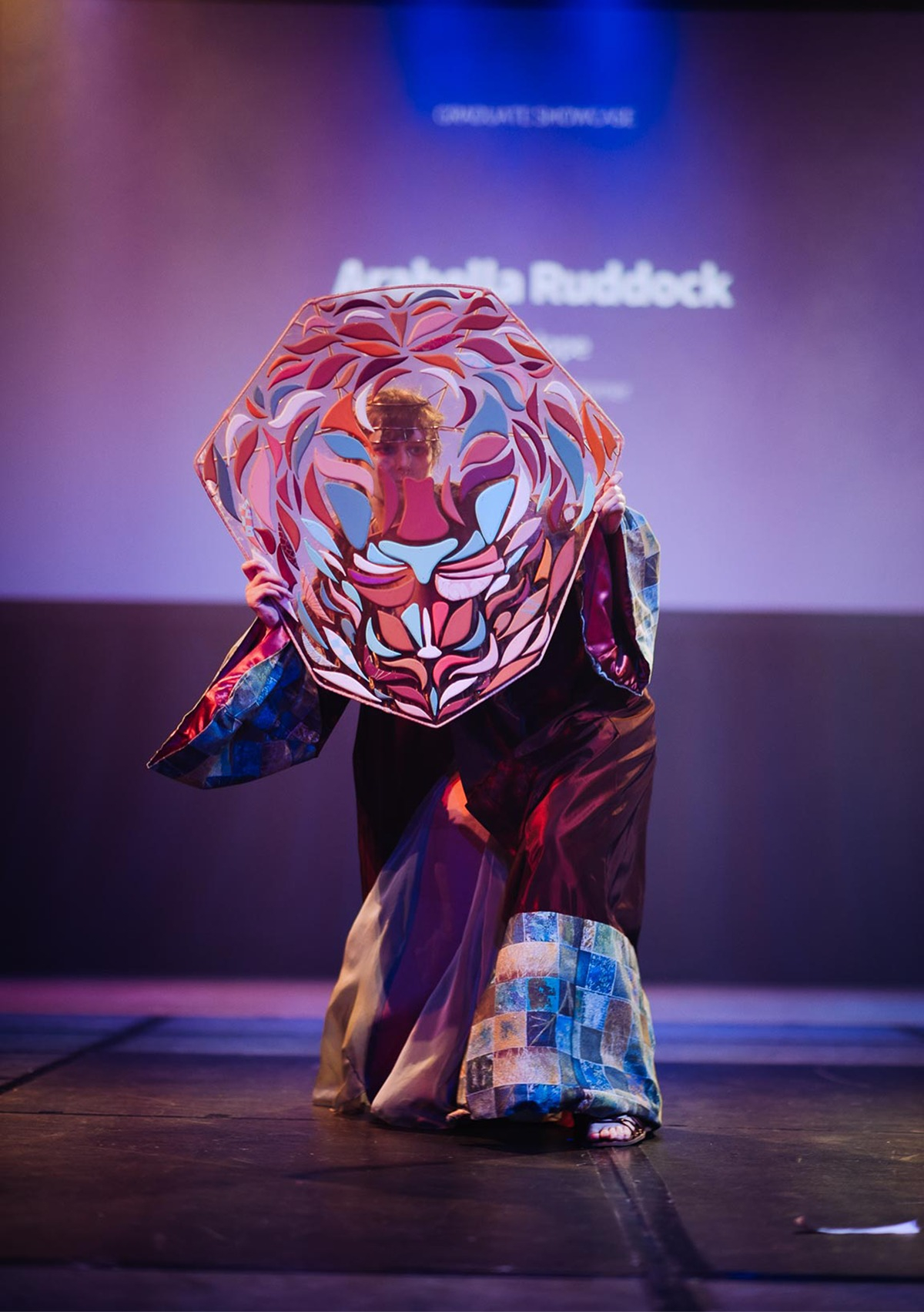
The visual language of mosaics and stained glass informs my practice, particularly their ability to communicate complex narratives through symbolism, composition, and the manipulation of light. These qualities are translated into my costume designs through layered materials, crafted motifs, and shadow play, allowing garments to become active storytellers within performance.
Production process
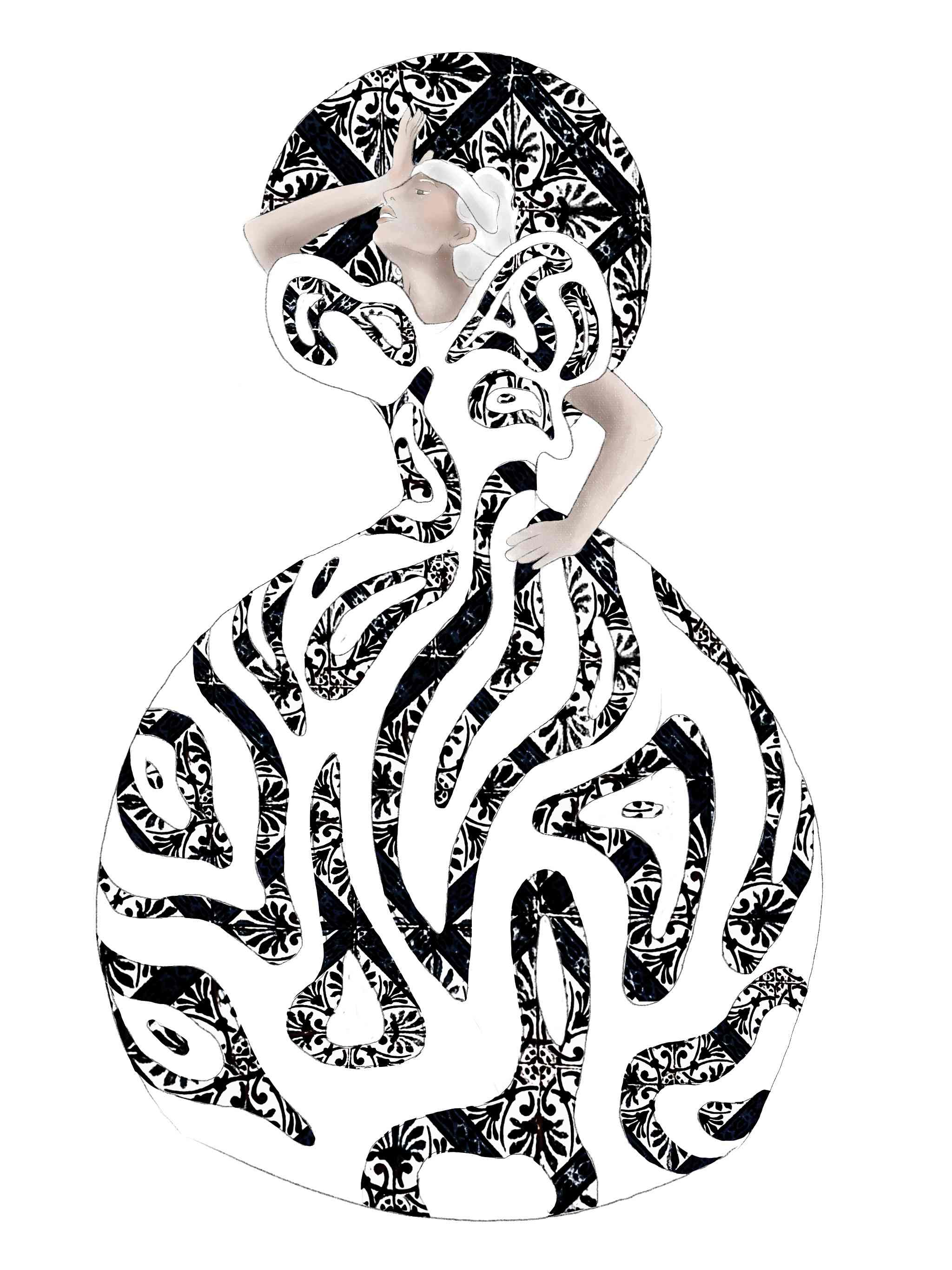
The Odyssey

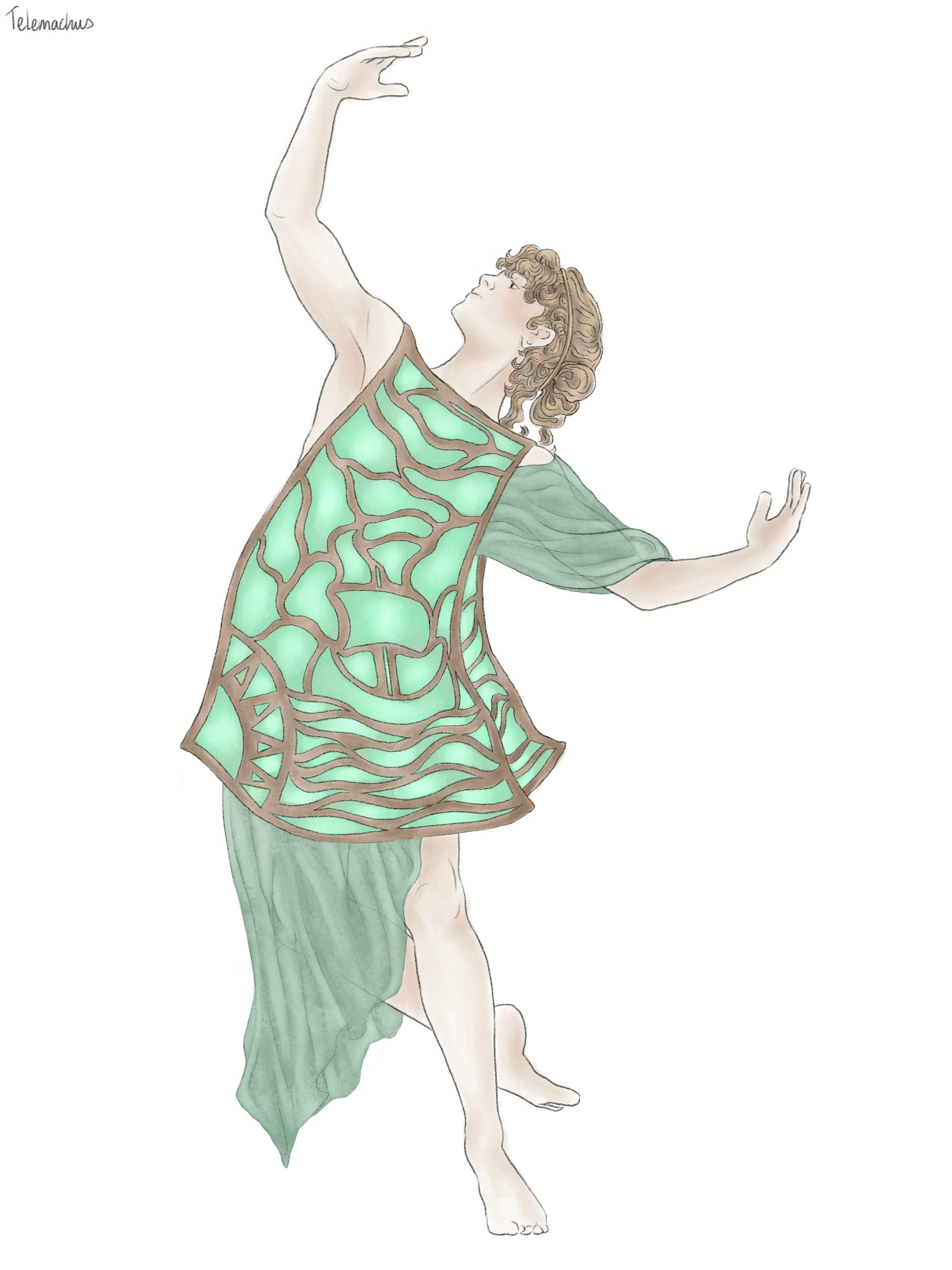
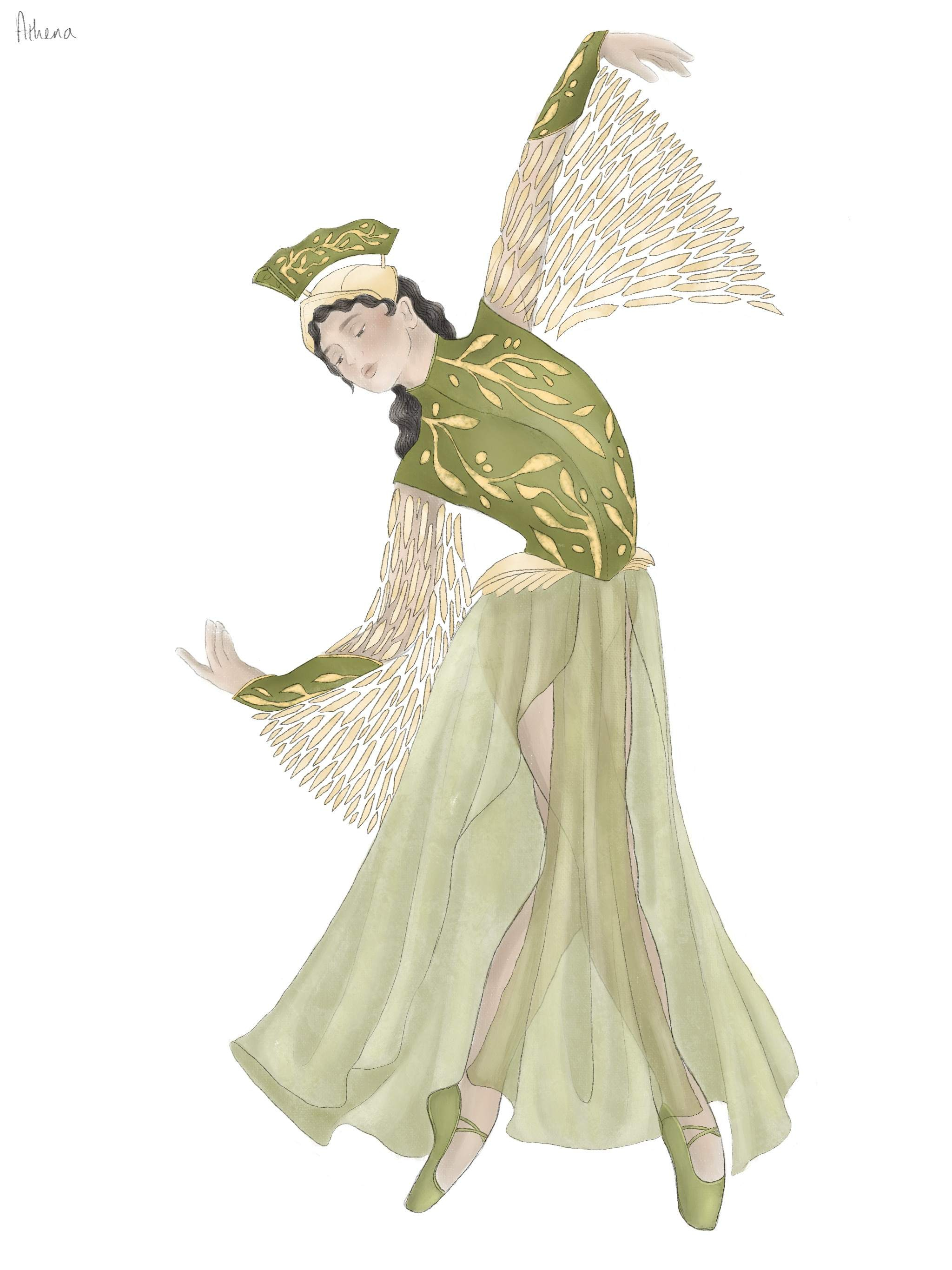
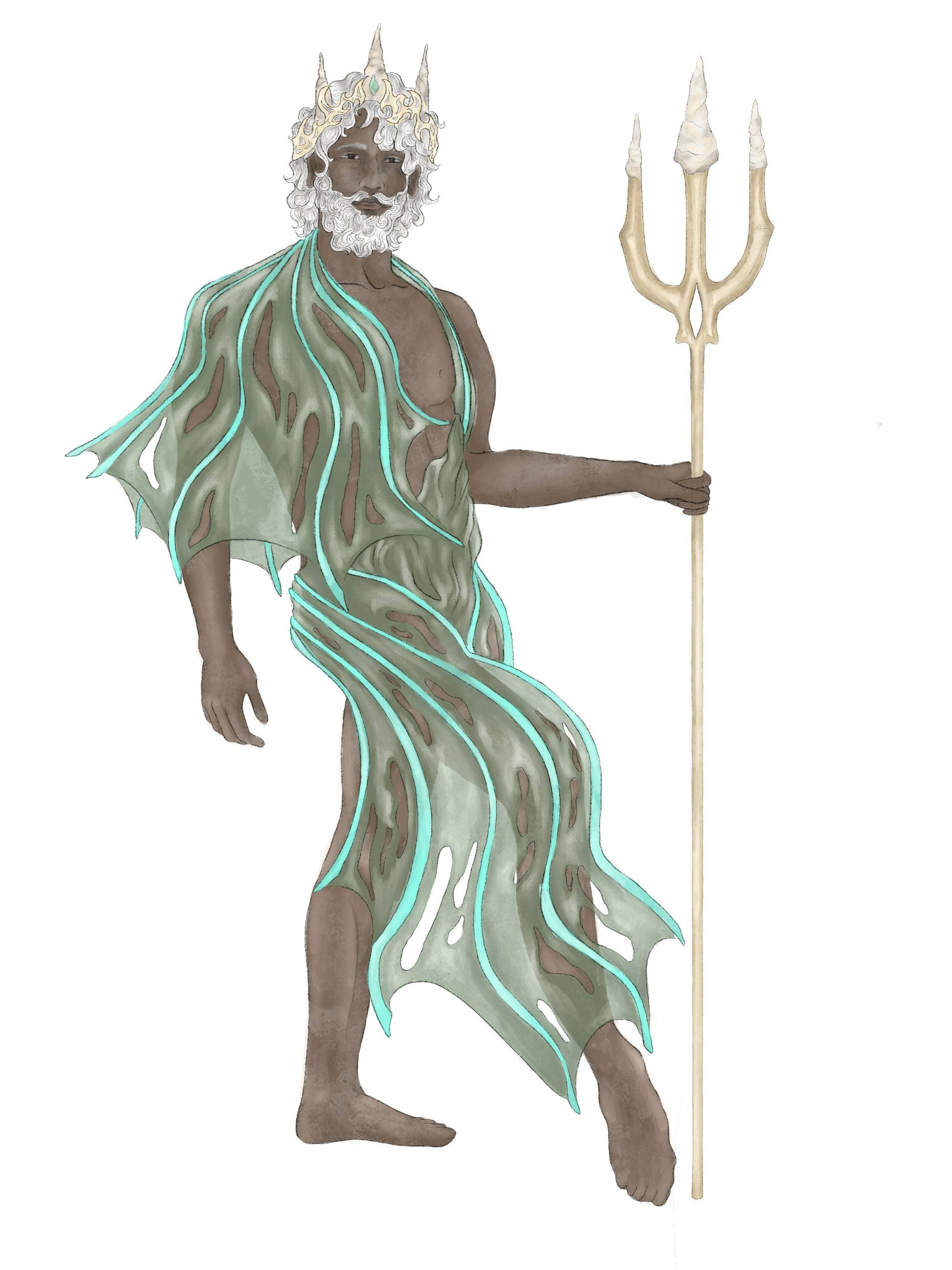
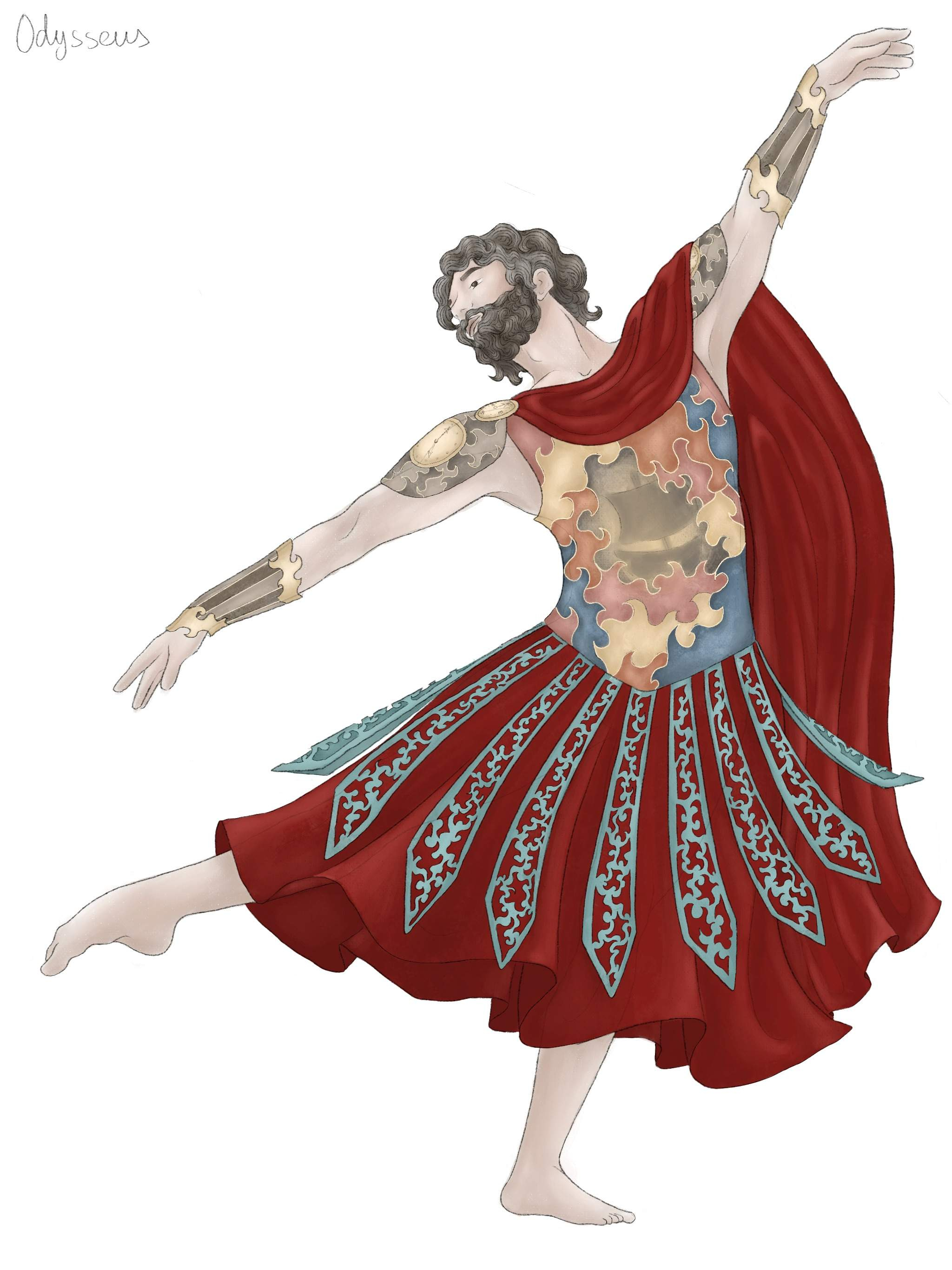
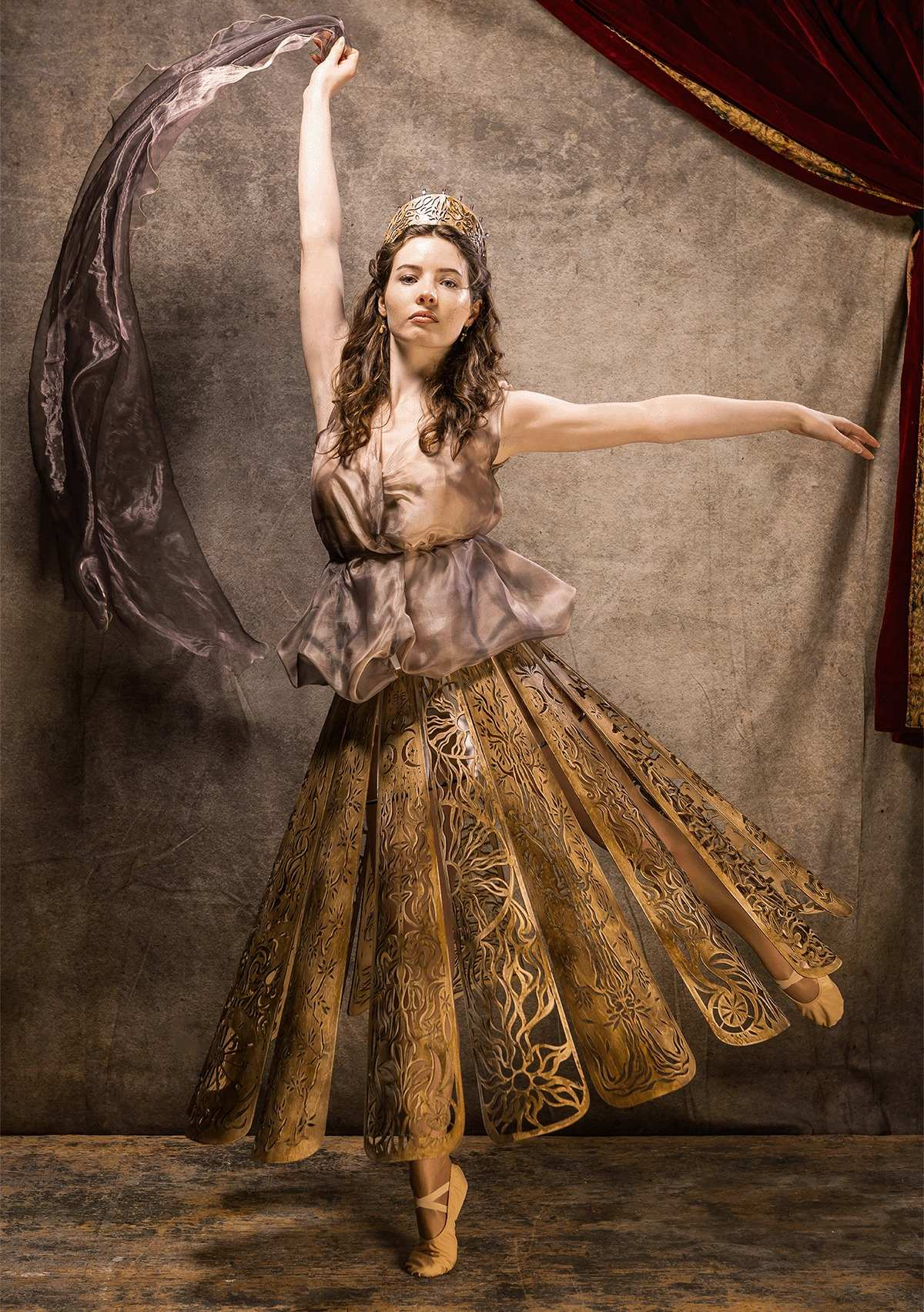
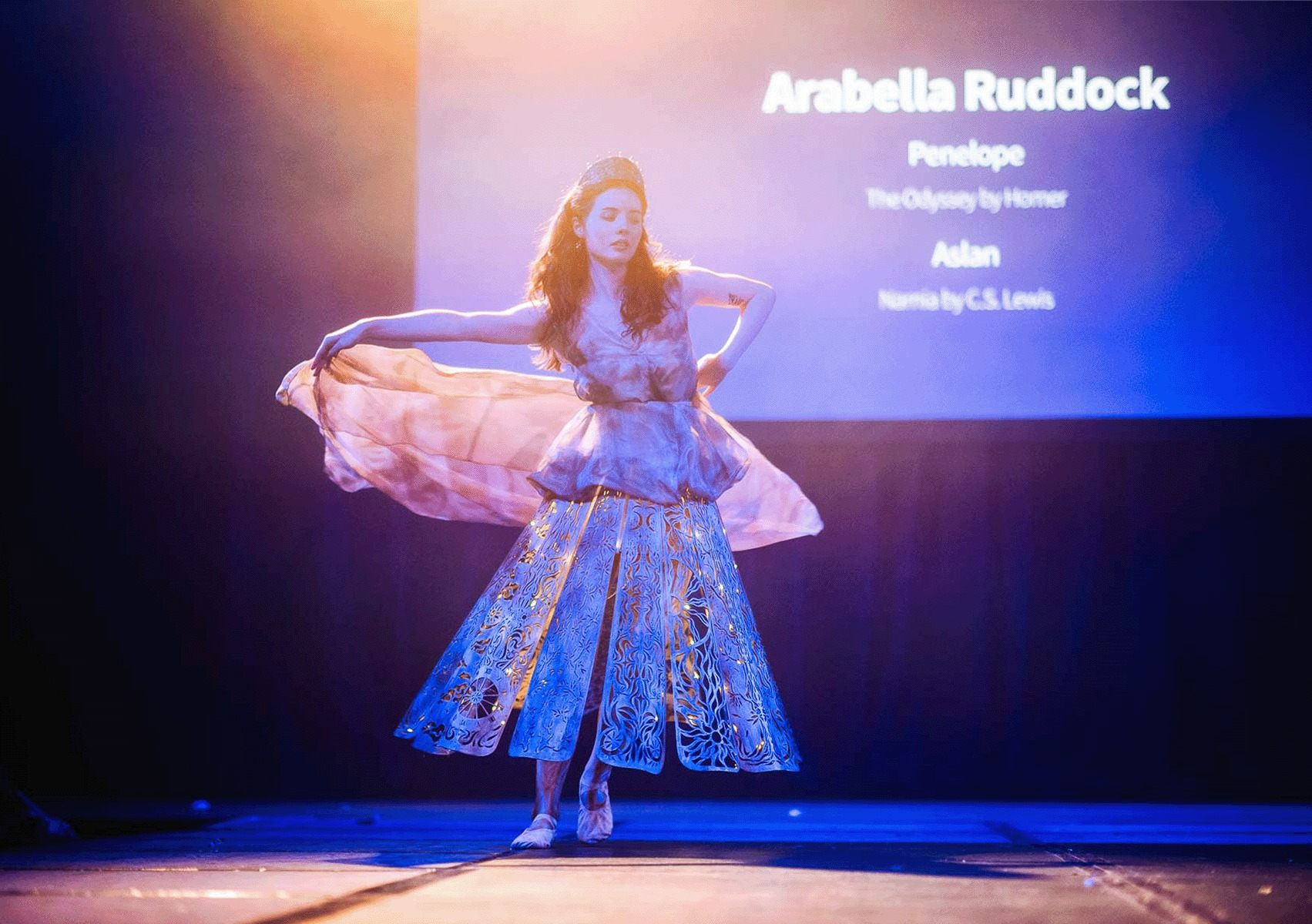
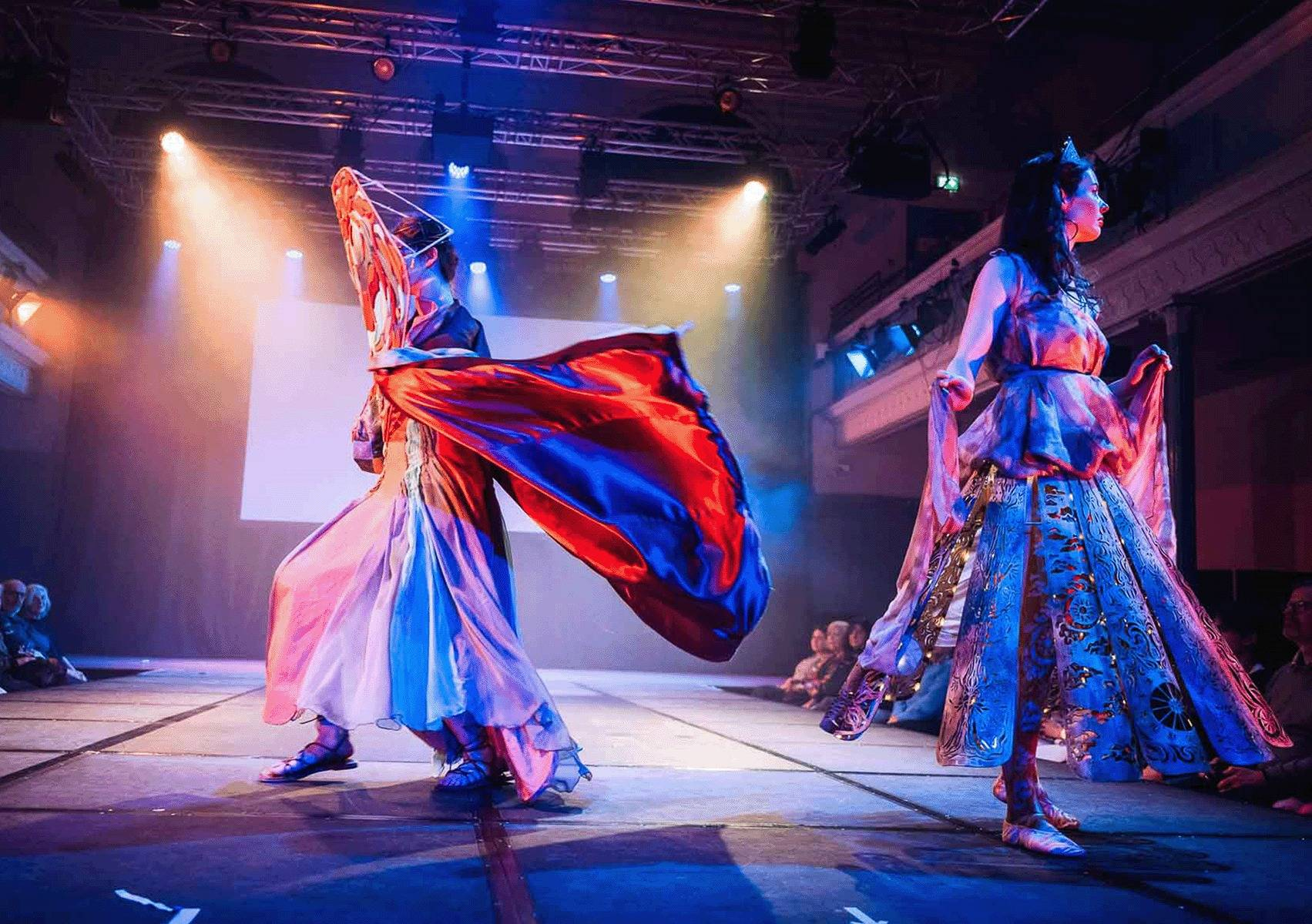
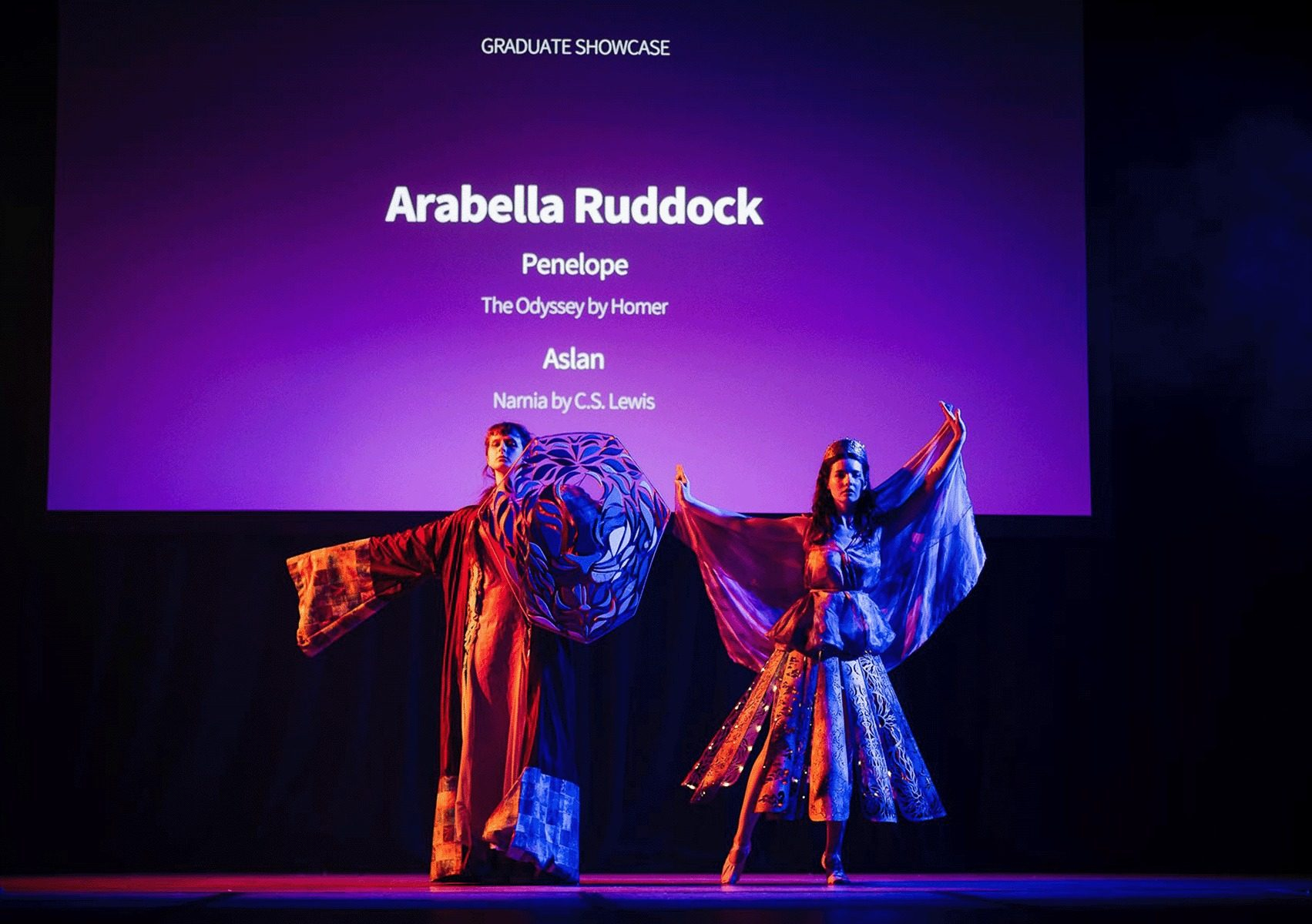
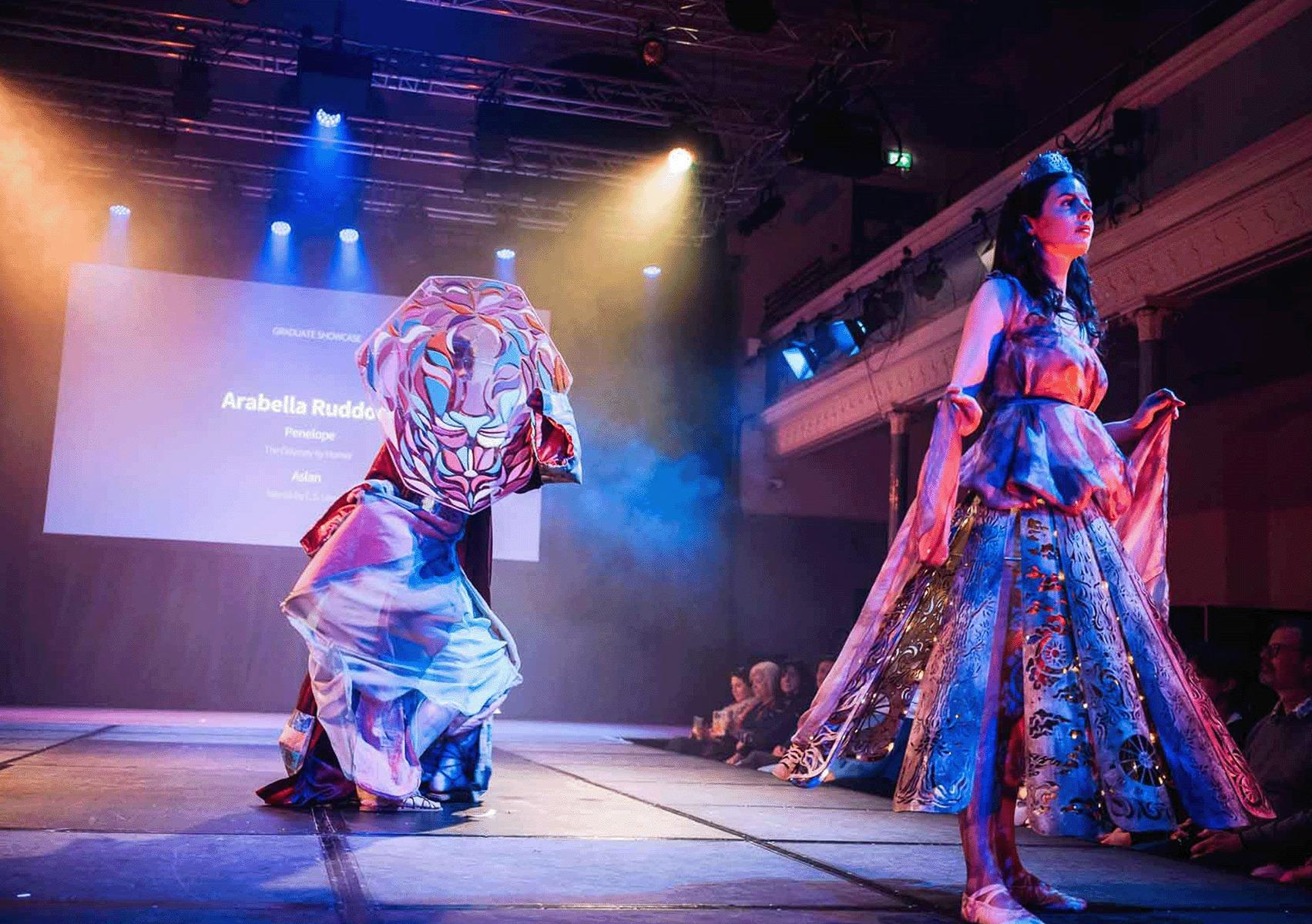
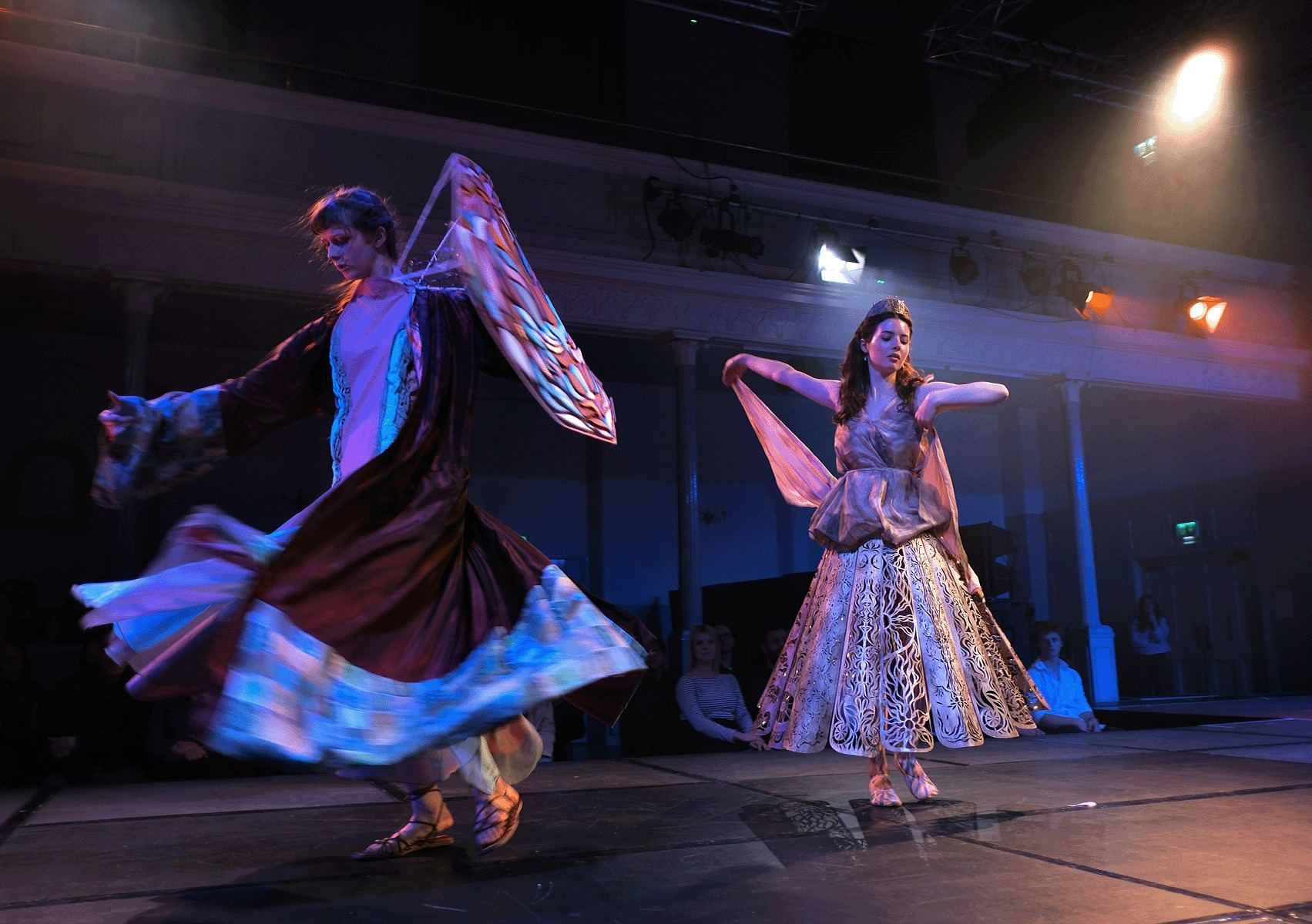
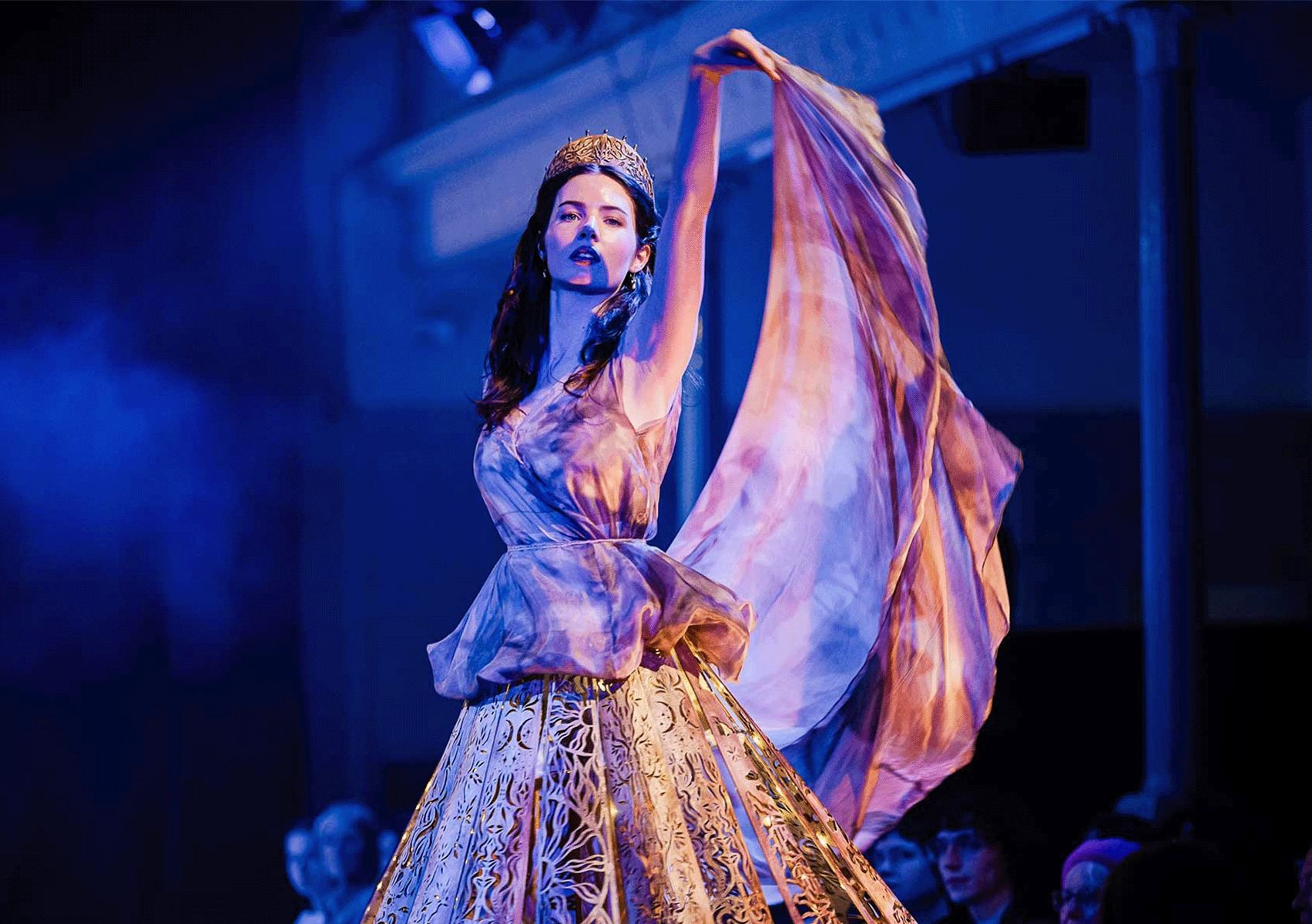
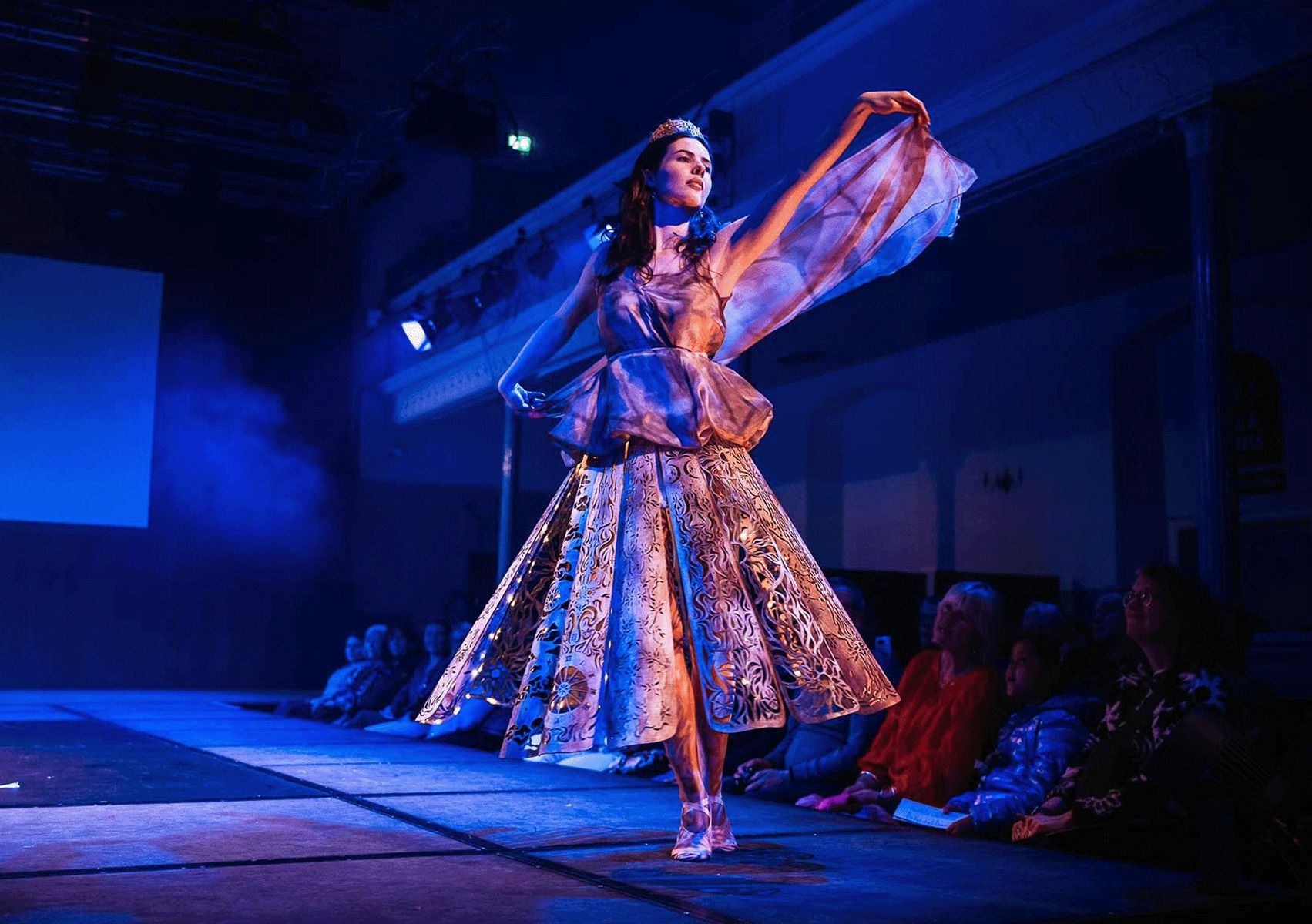
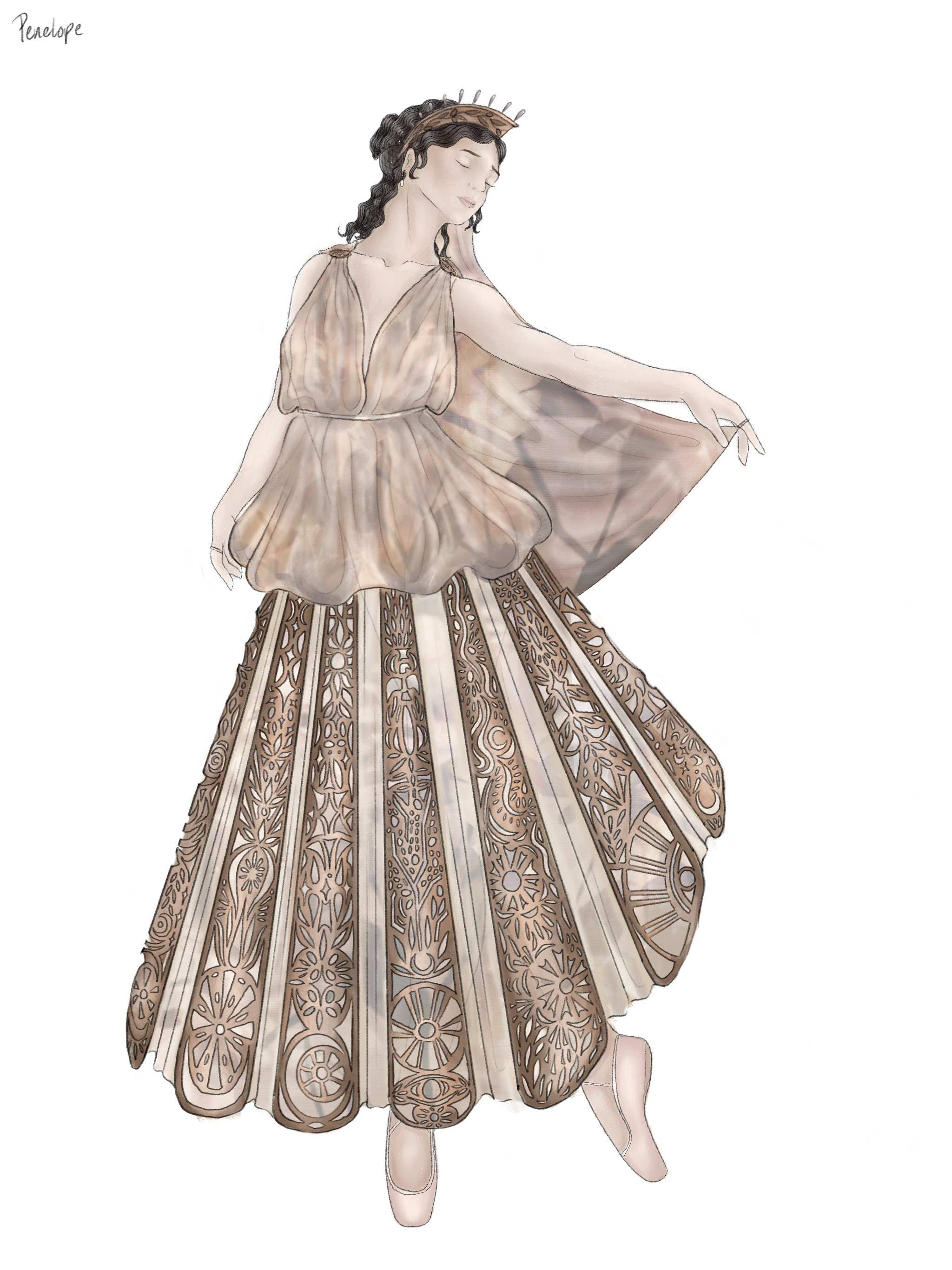
This project reimagines The Odyssey as a contemporary ballet production, using costume and design to enhance visual storytelling. Inspired by Grecian forms and silhouettes, the costumes reinterpret classical aesthetics through a contemporary lens, incorporating soft draping, asymmetry, and layered construction to support the fluidity of movement. Lightweight fabrics are selected for their responsiveness to light and motion, amplifying the visual impact of choreography.

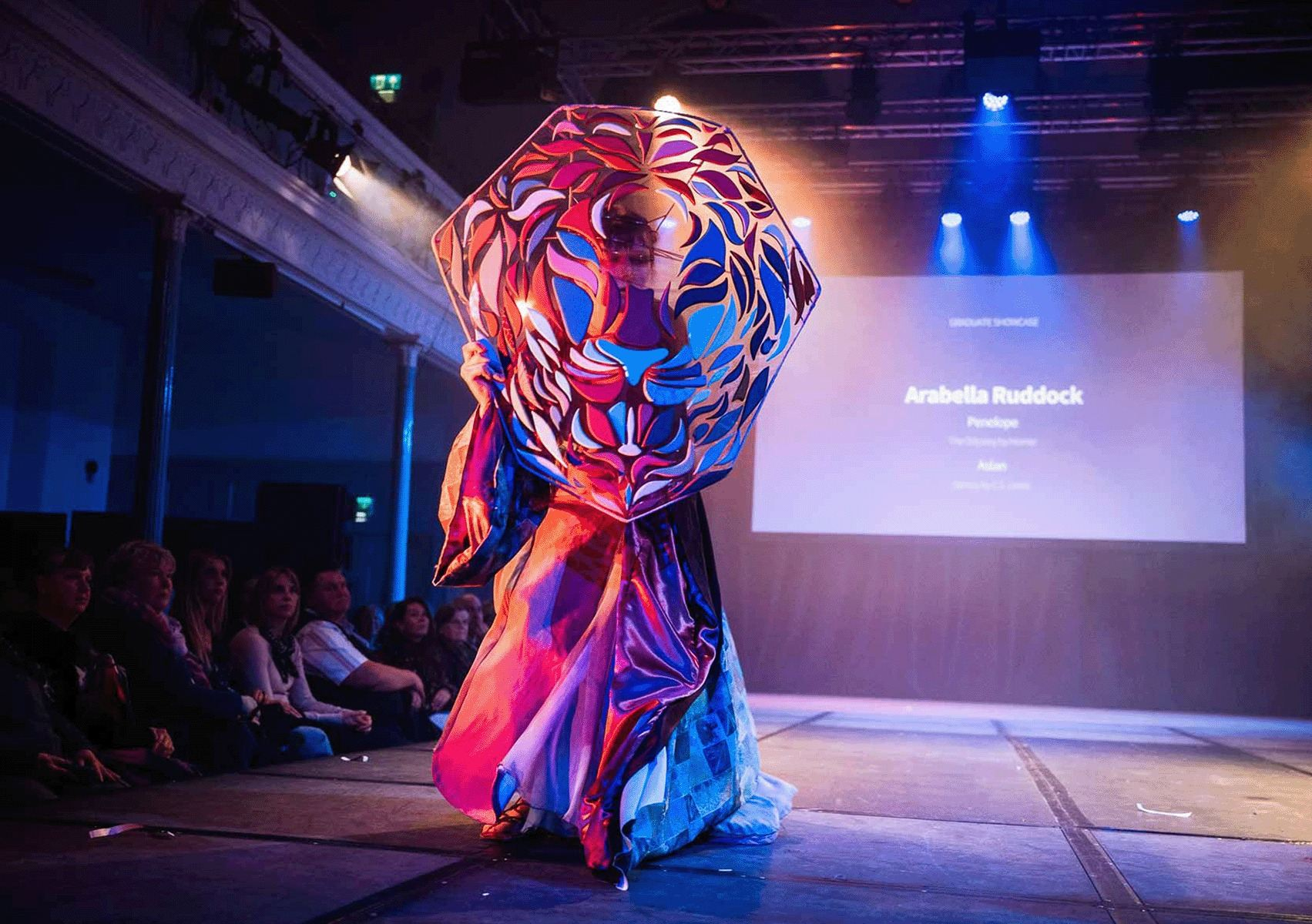
A key influence is the visual language of stained glass, explored through colour, transparency, and the interaction of light across costume surfaces. Combined with stage lighting, these elements create shifting visual effects that reinforce the ethereal and divine qualities of the narrative.
Colour theory is used to define character identity and emotional development, with distinct palettes reflecting personality, status, and narrative function. Through the integration of fabric, colour, light, and movement, the project creates an immersive interpretation of The Odyssey that emphasises both symbolism and atmosphere.

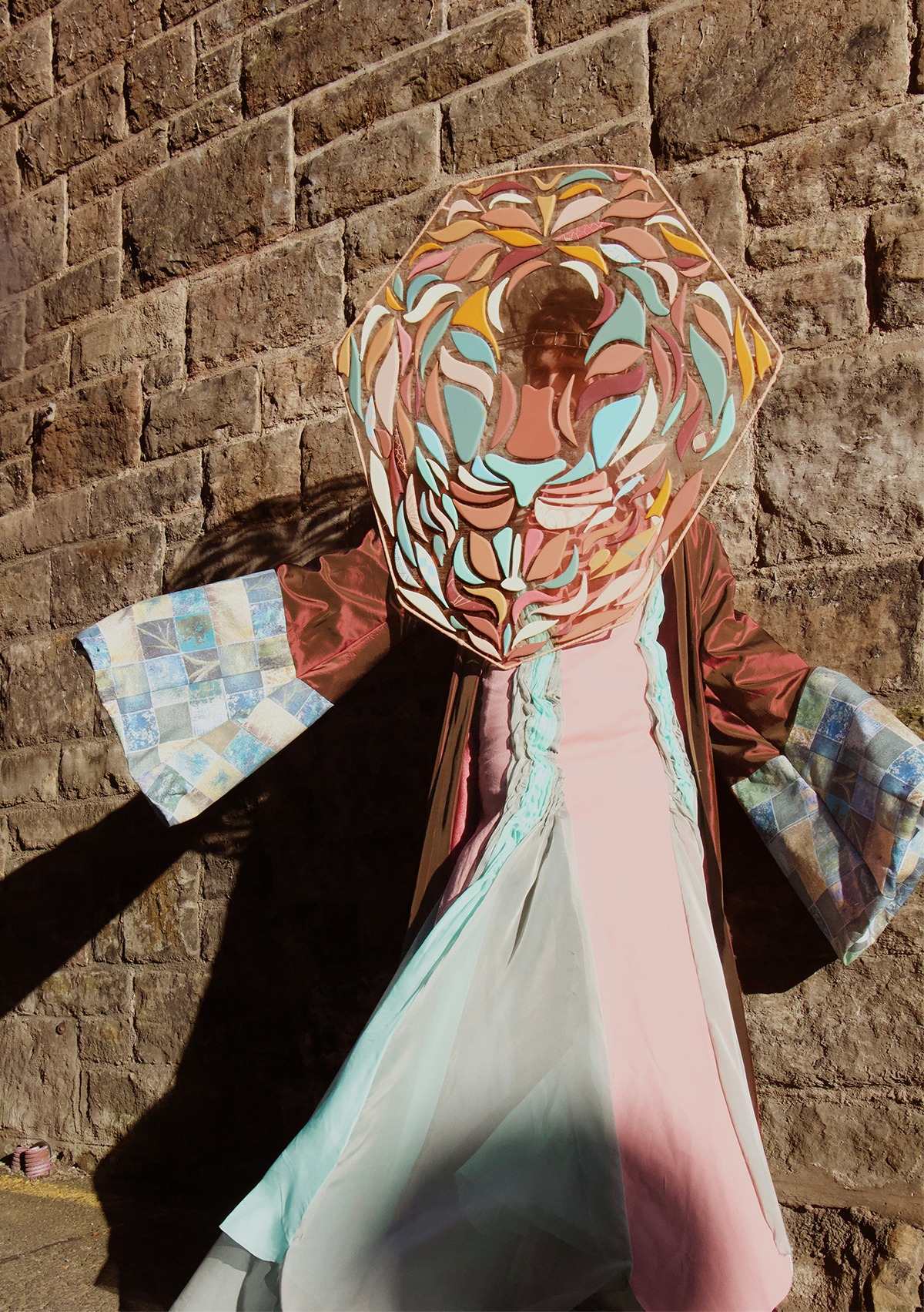
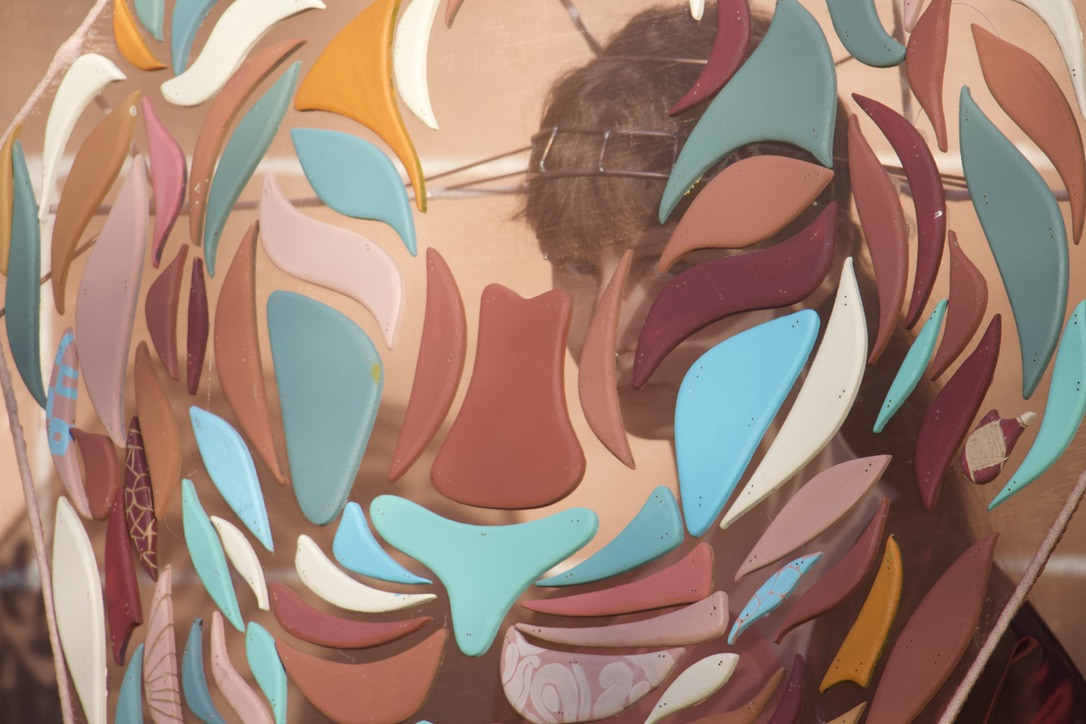
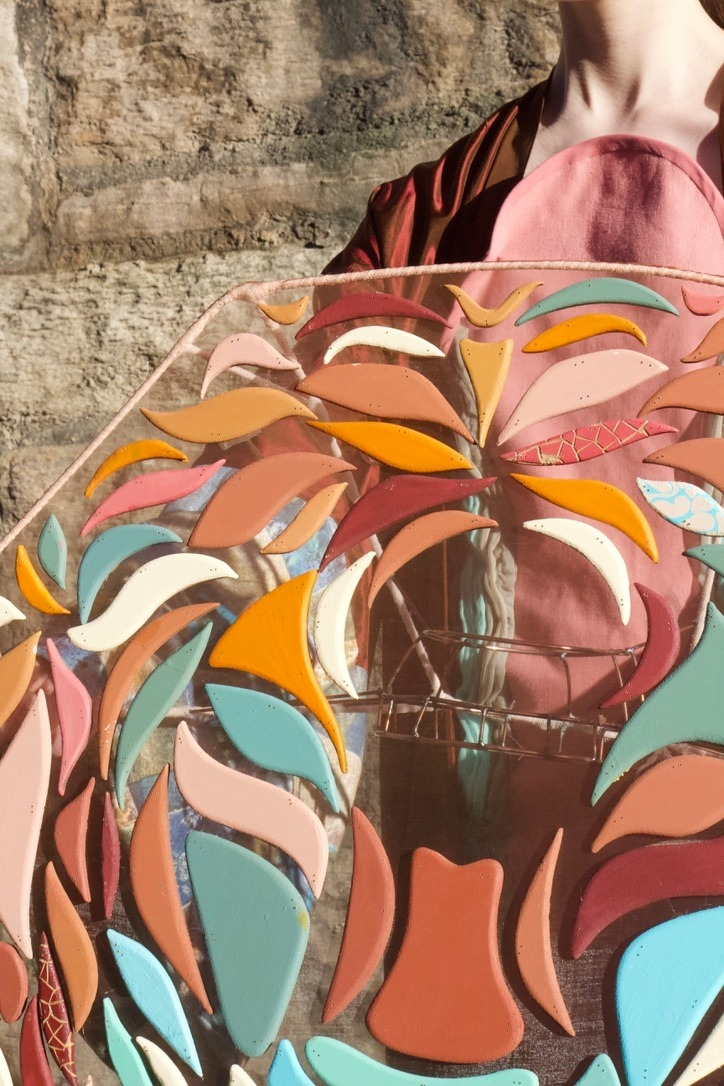
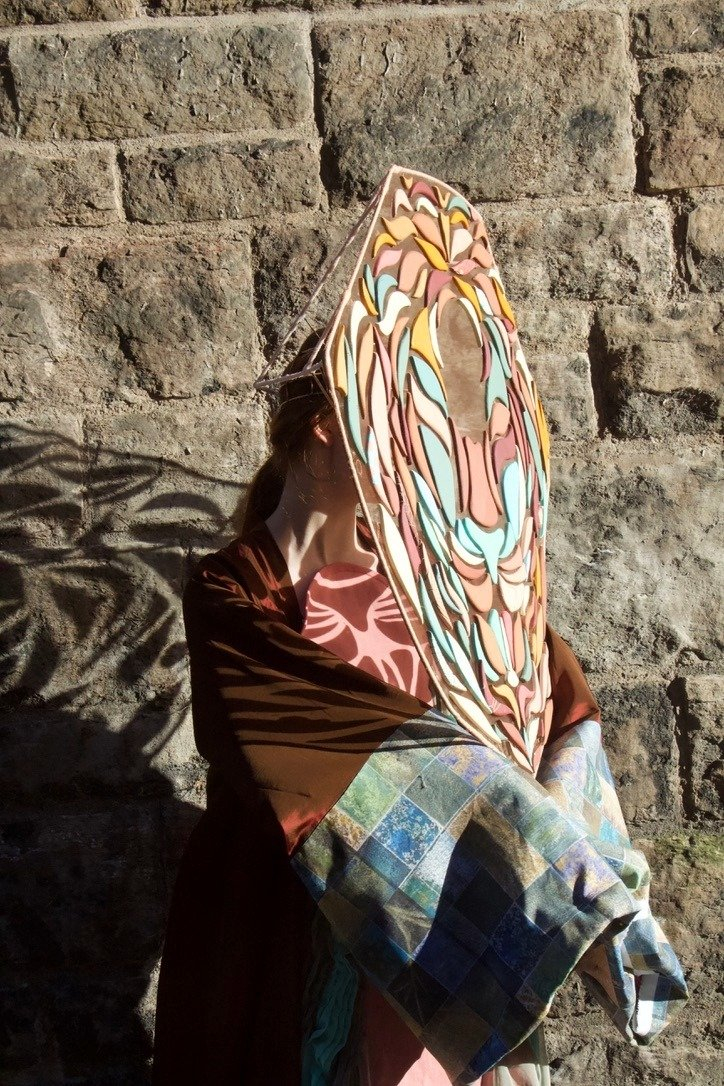
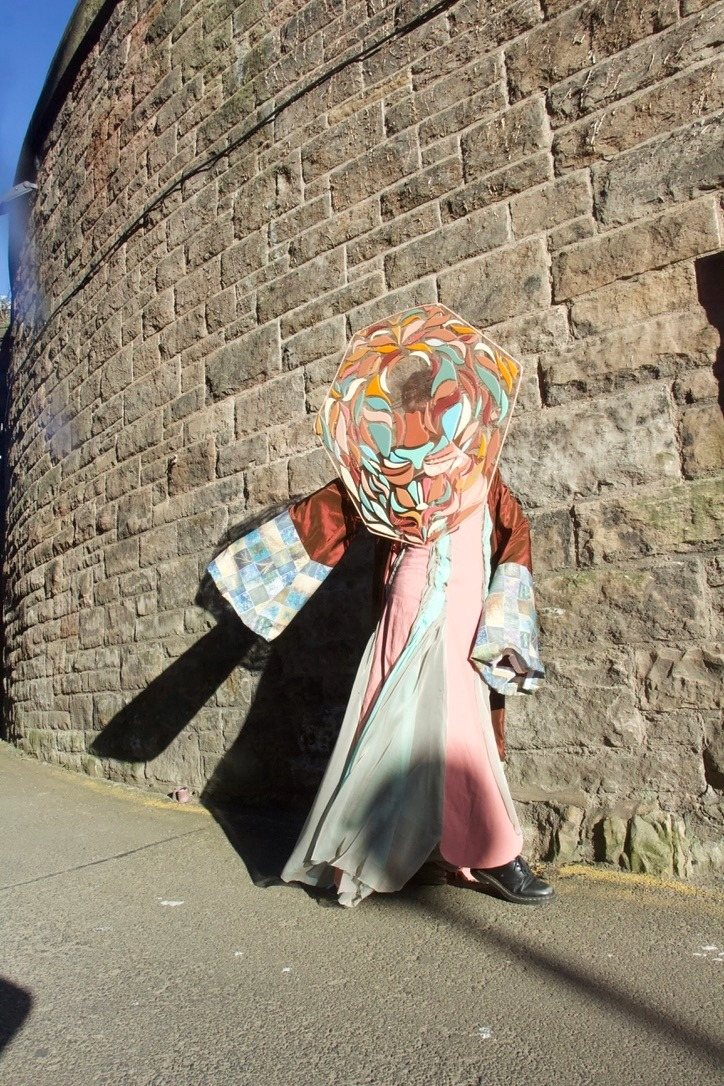
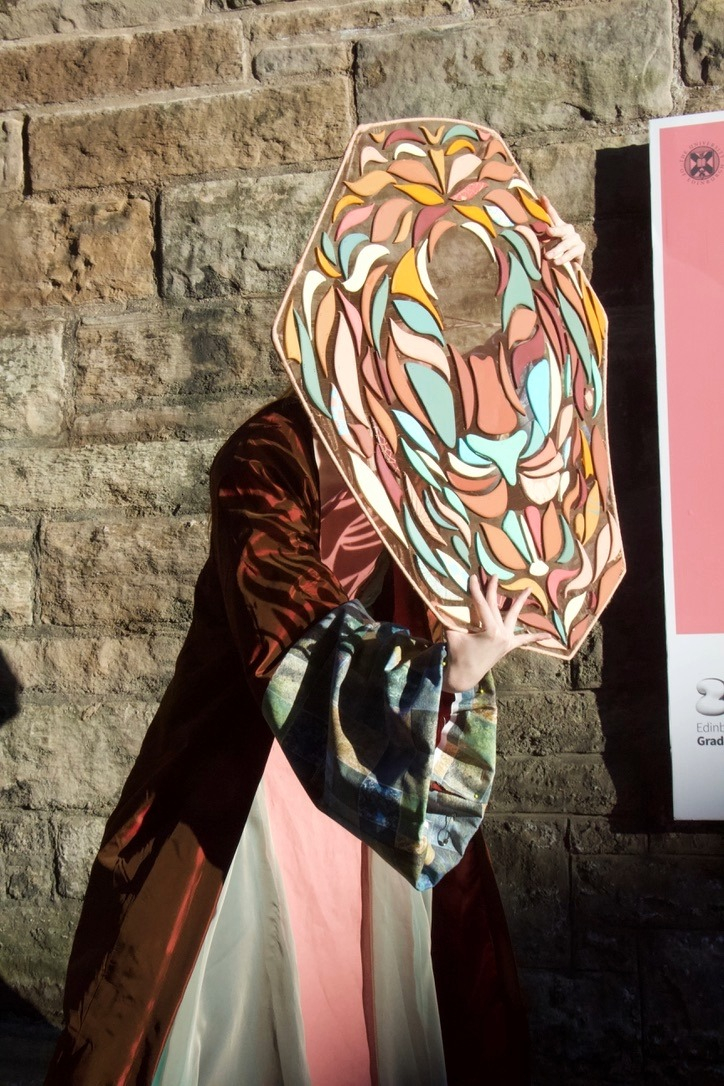
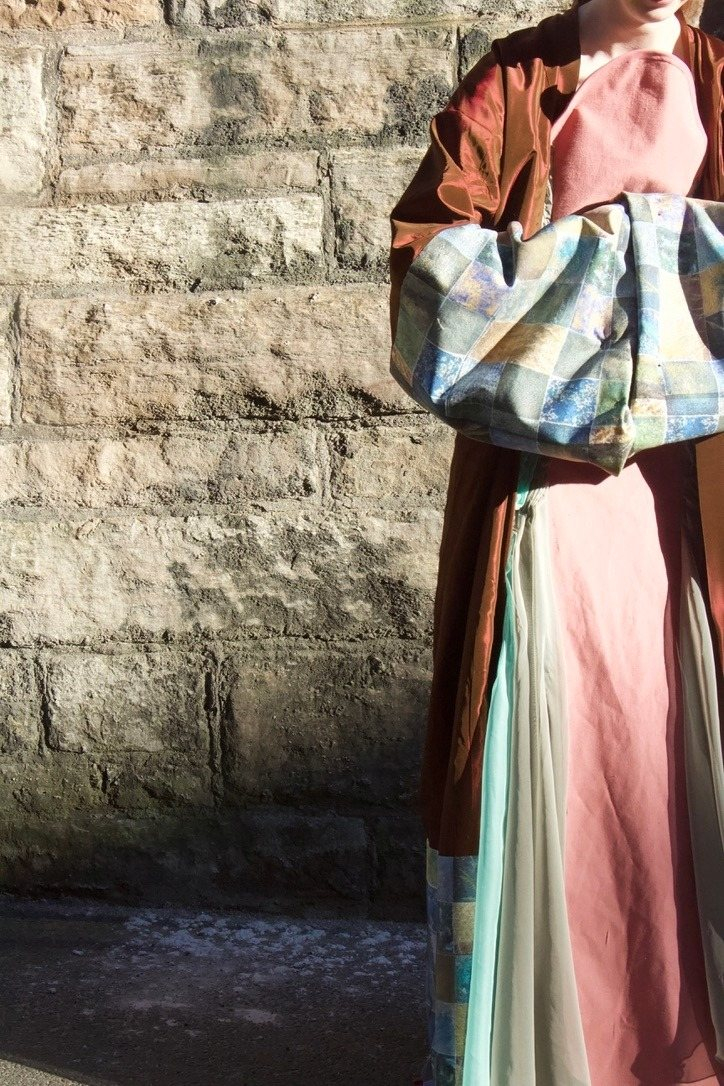
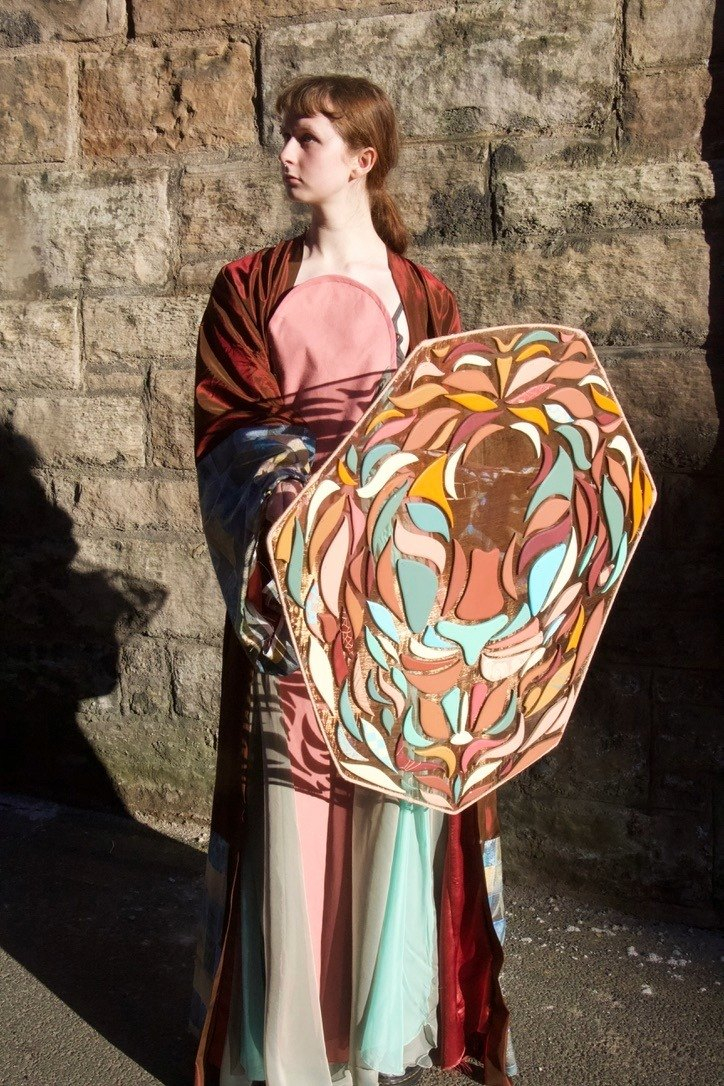
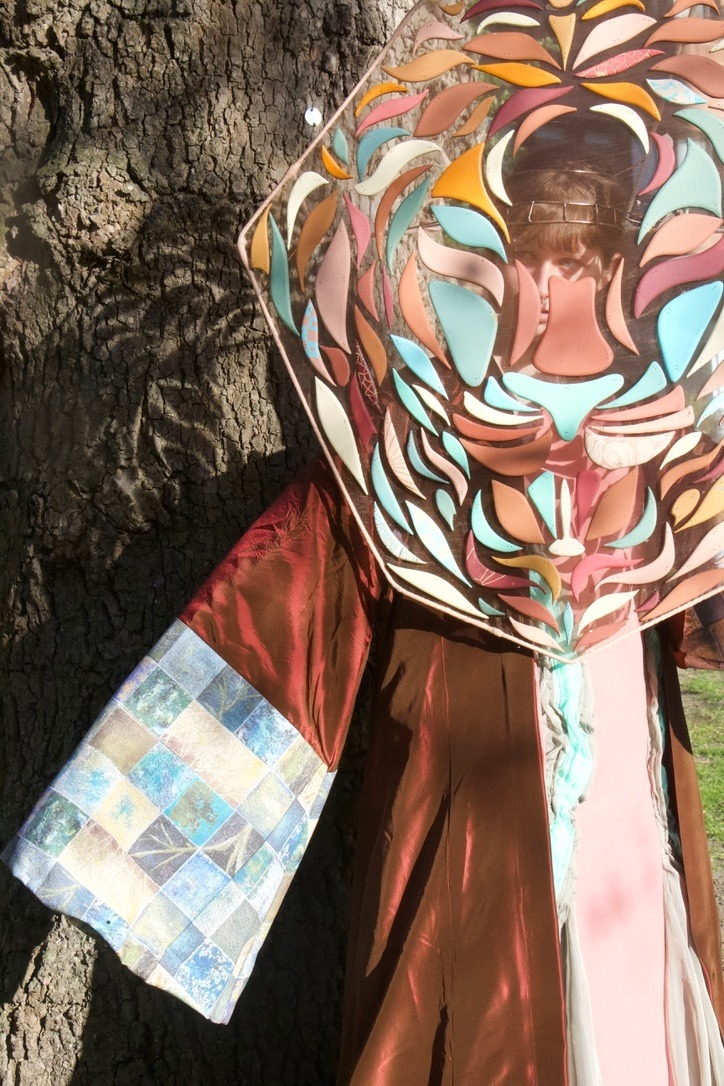
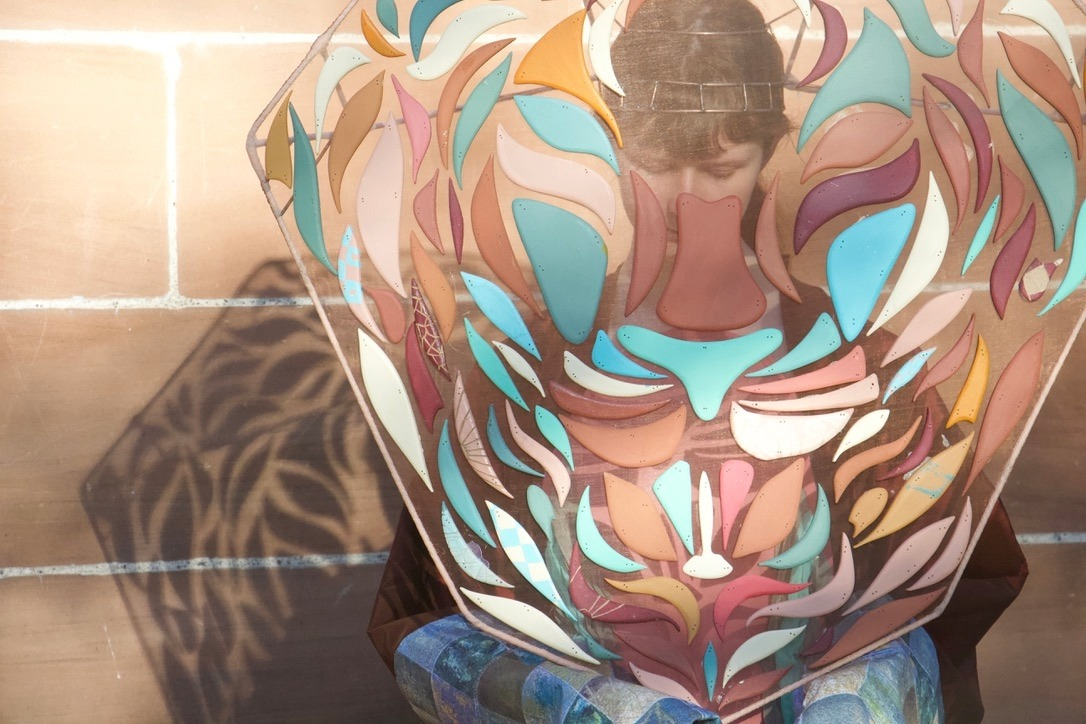
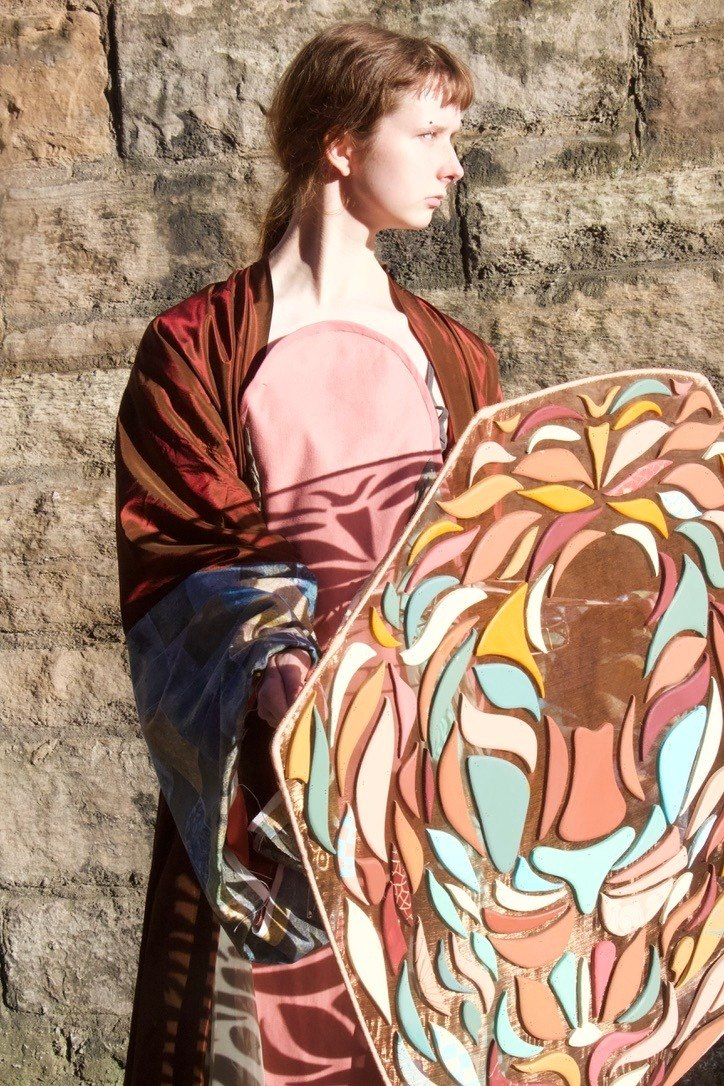
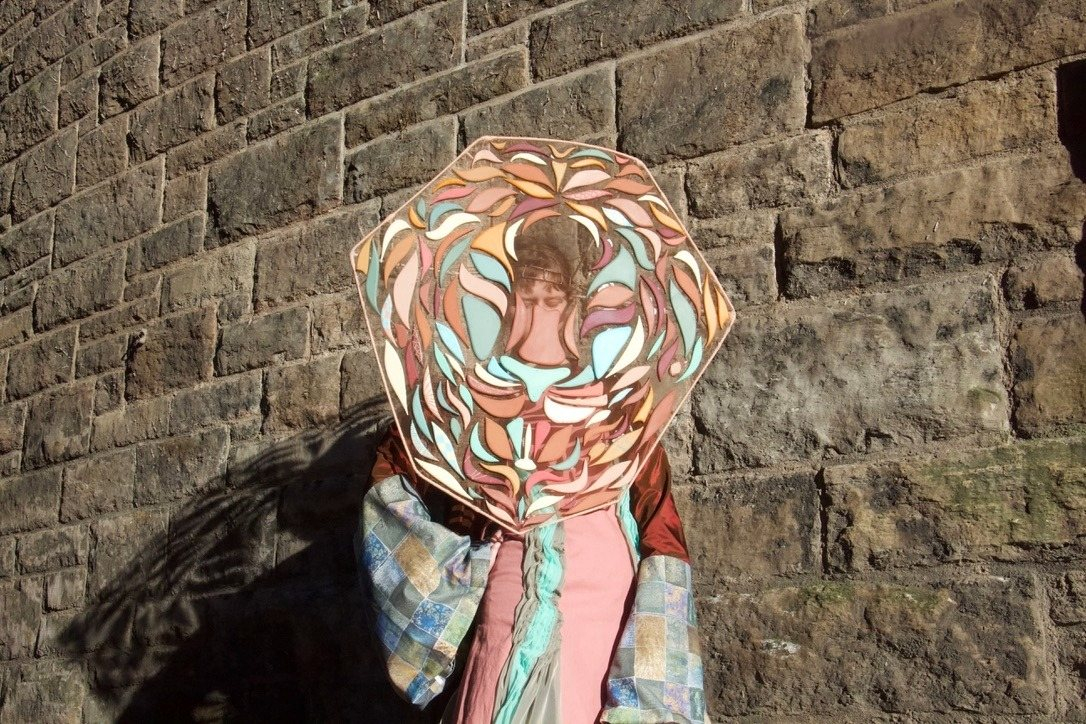
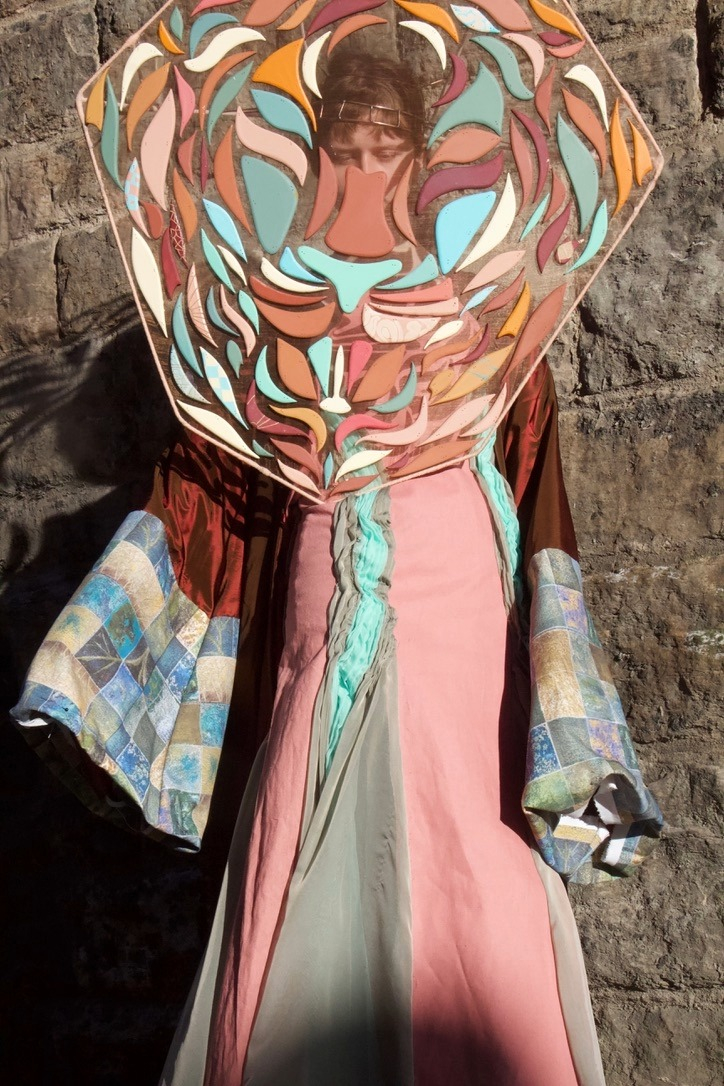
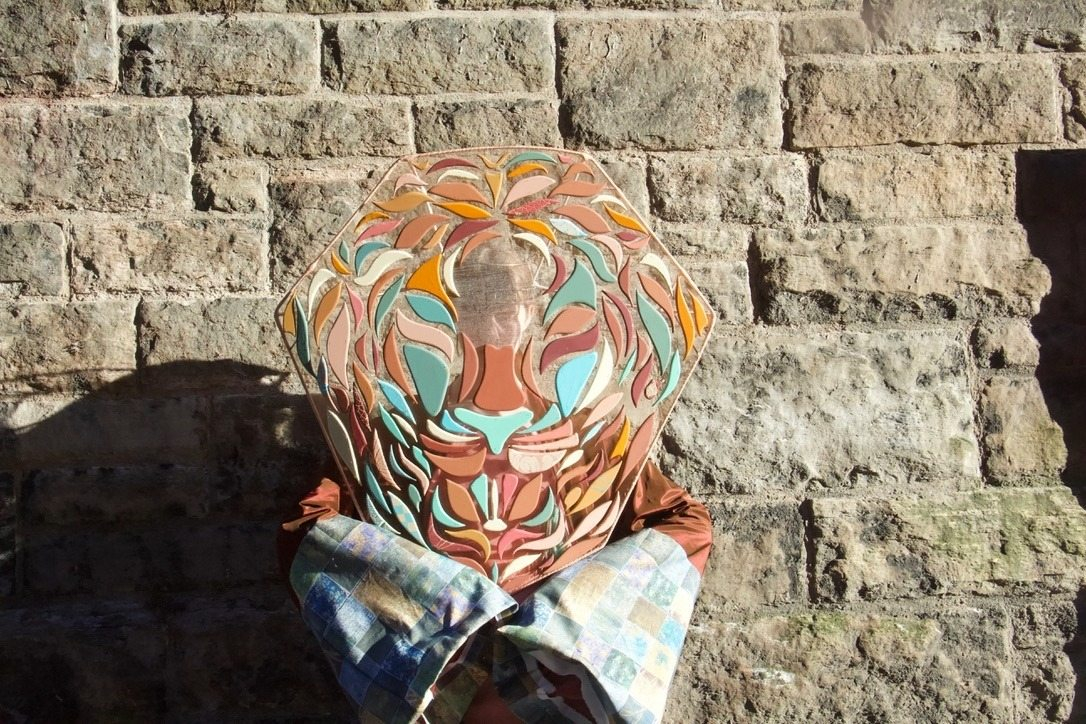
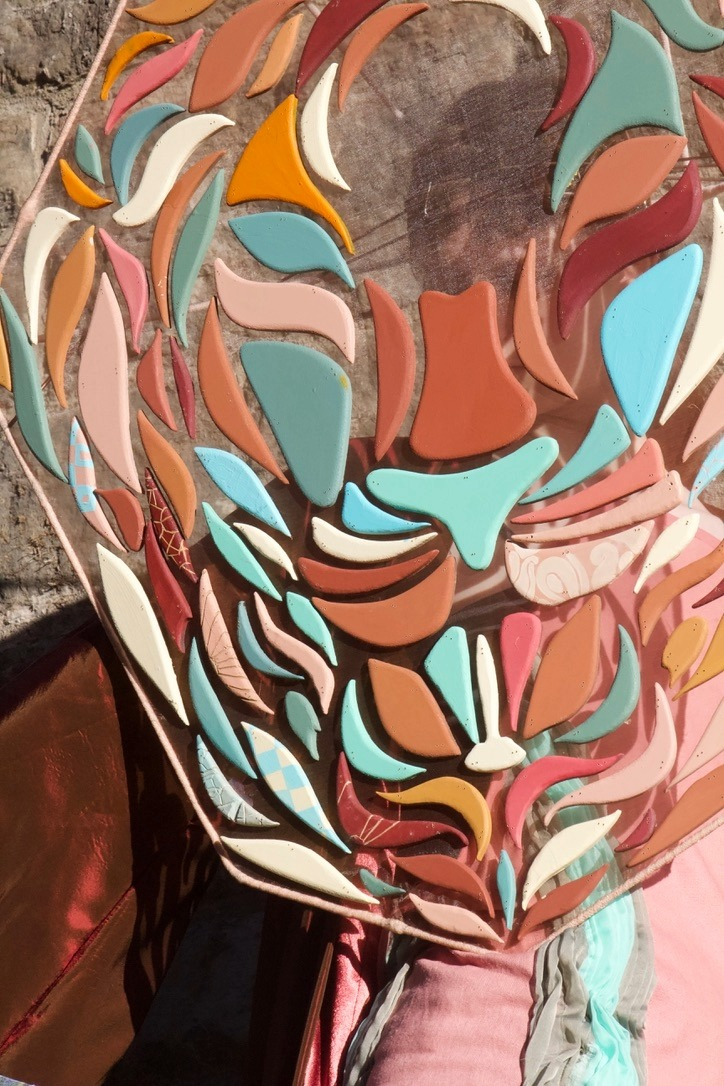
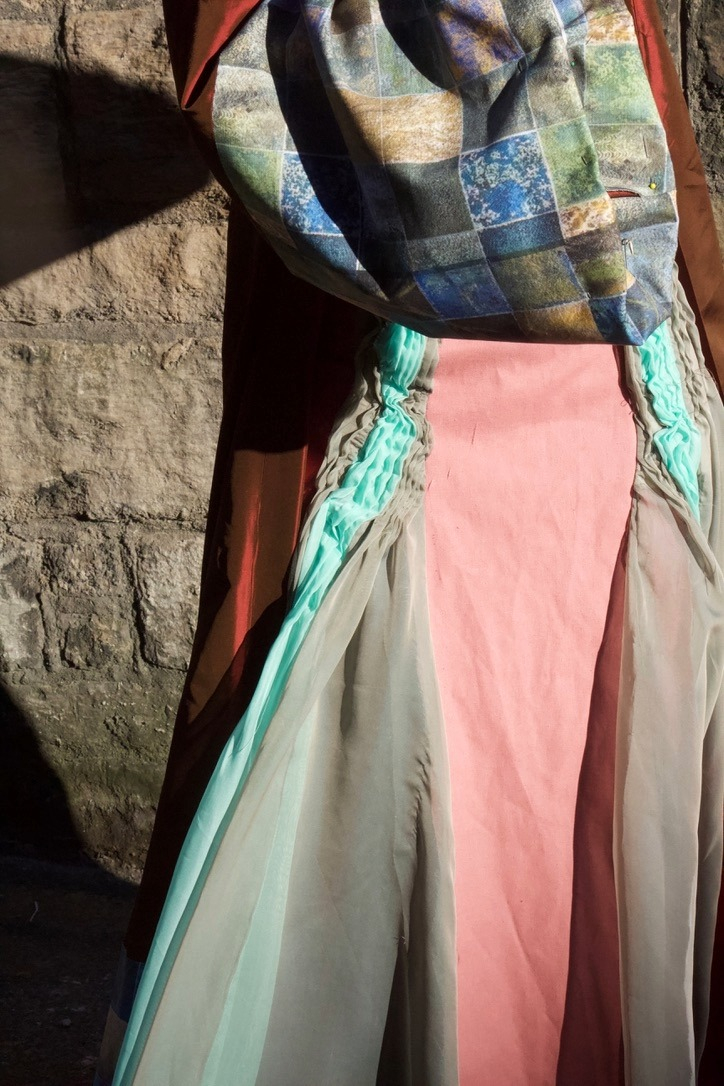
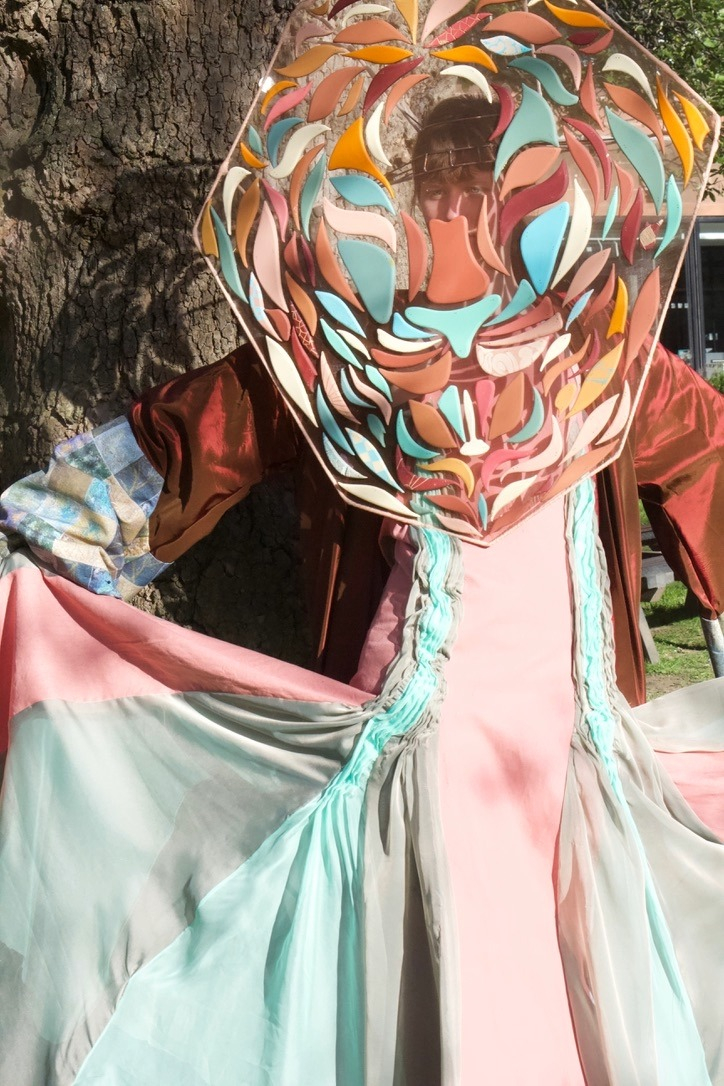
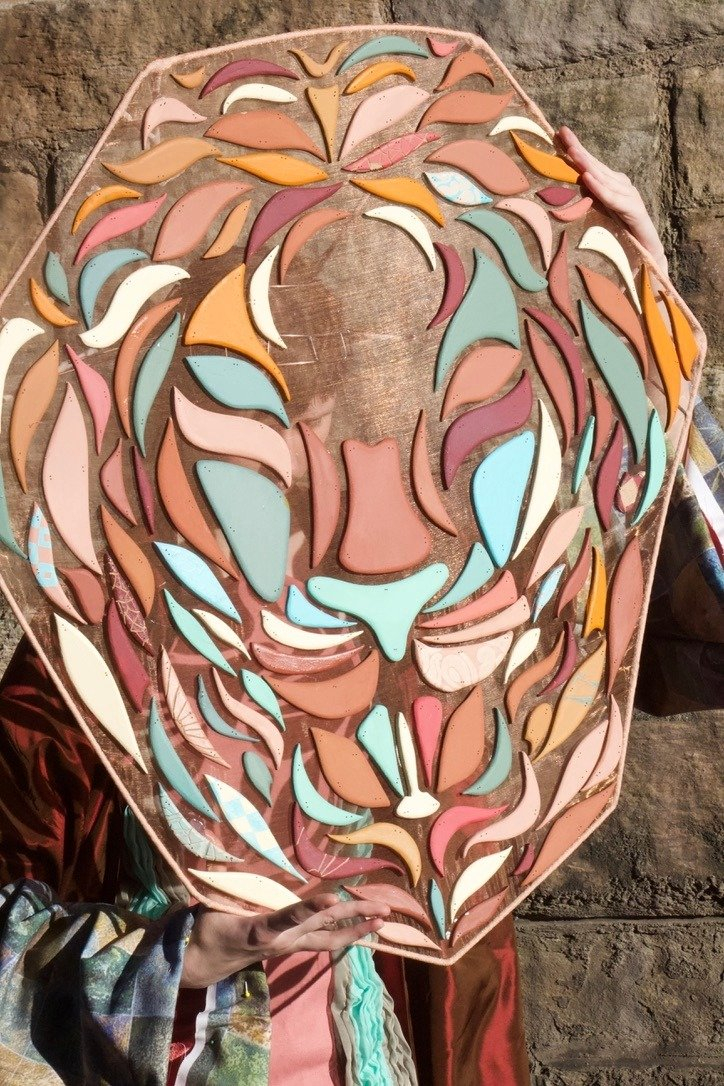
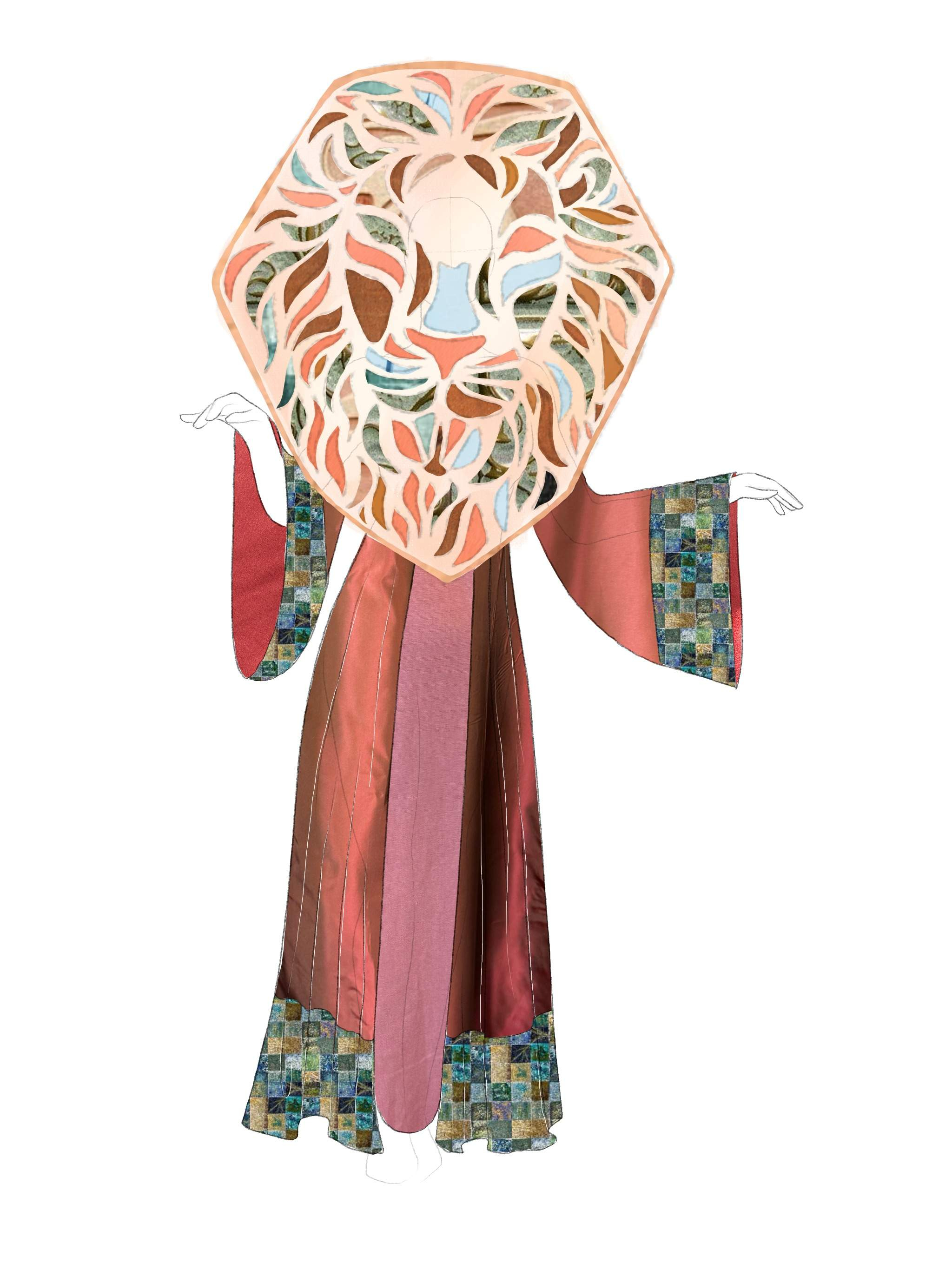
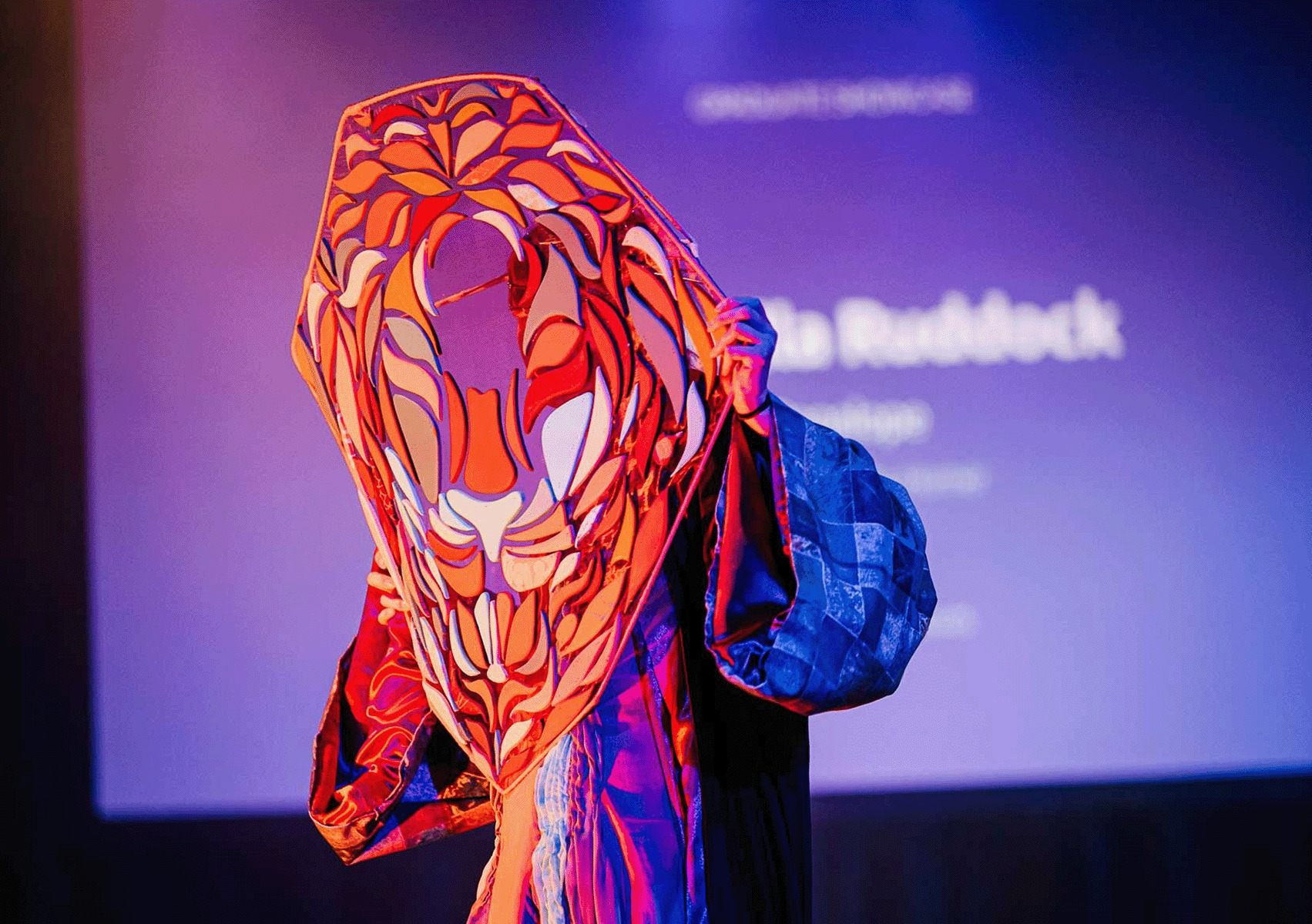
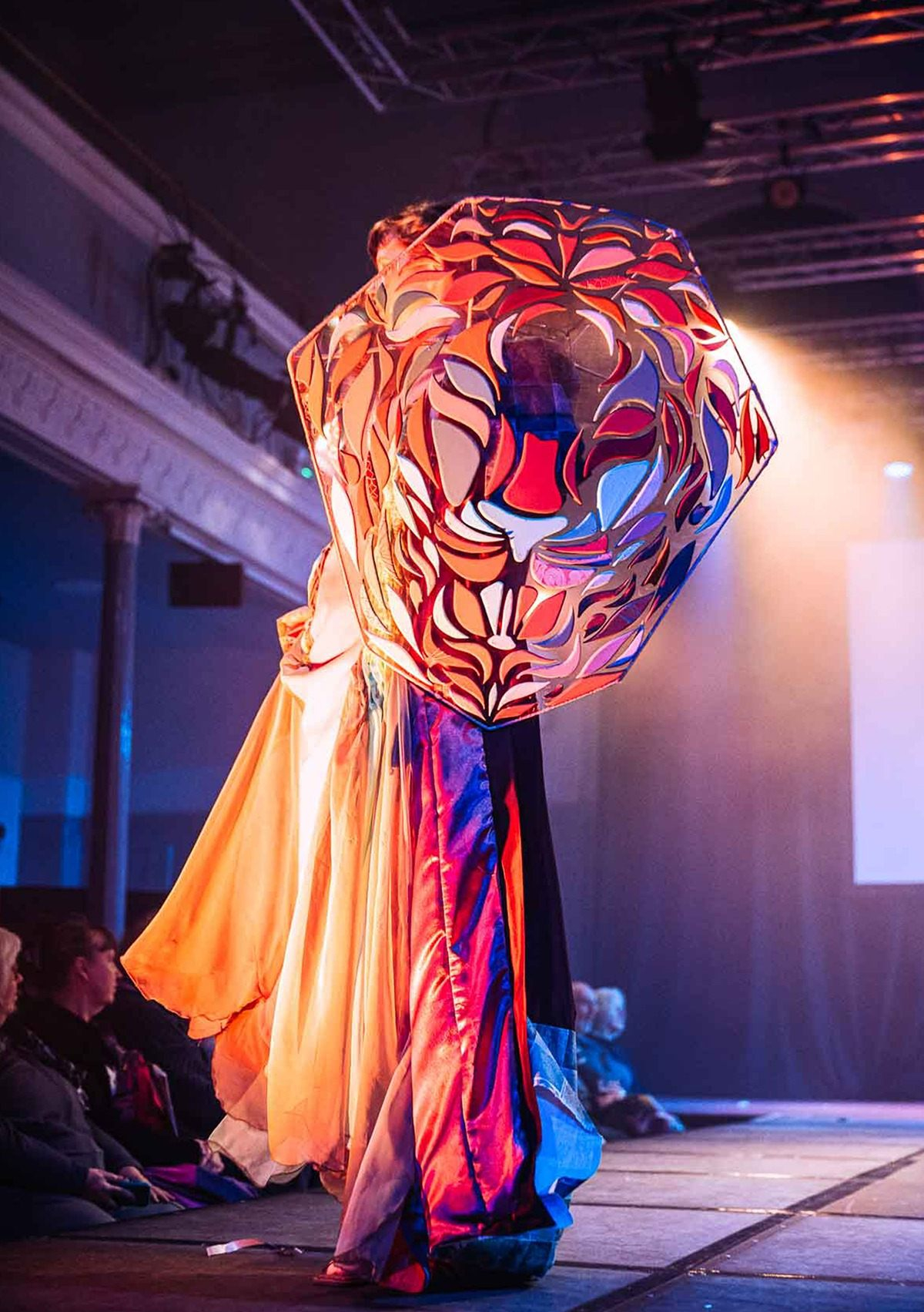
Aslan reimagined for theatre

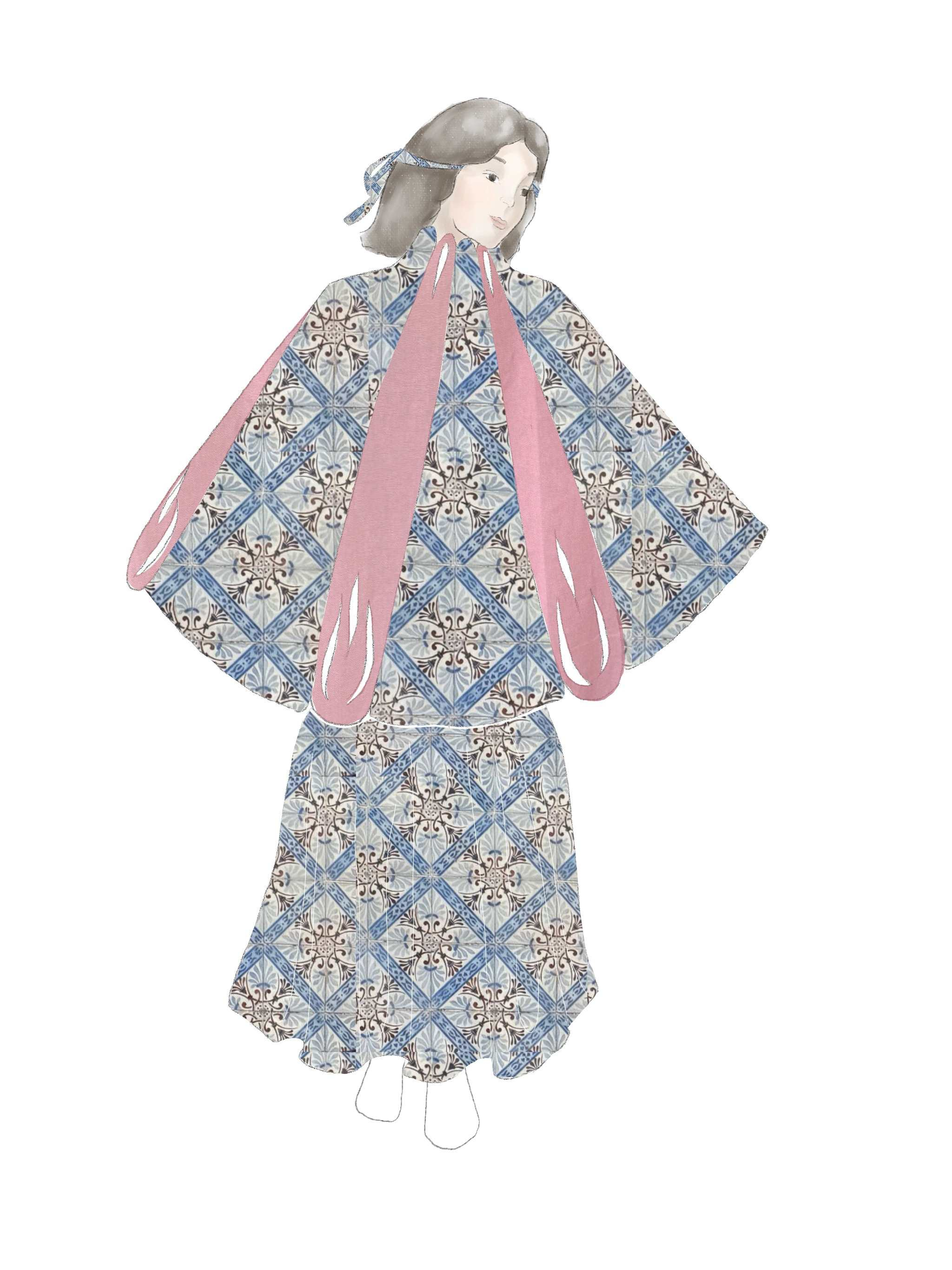
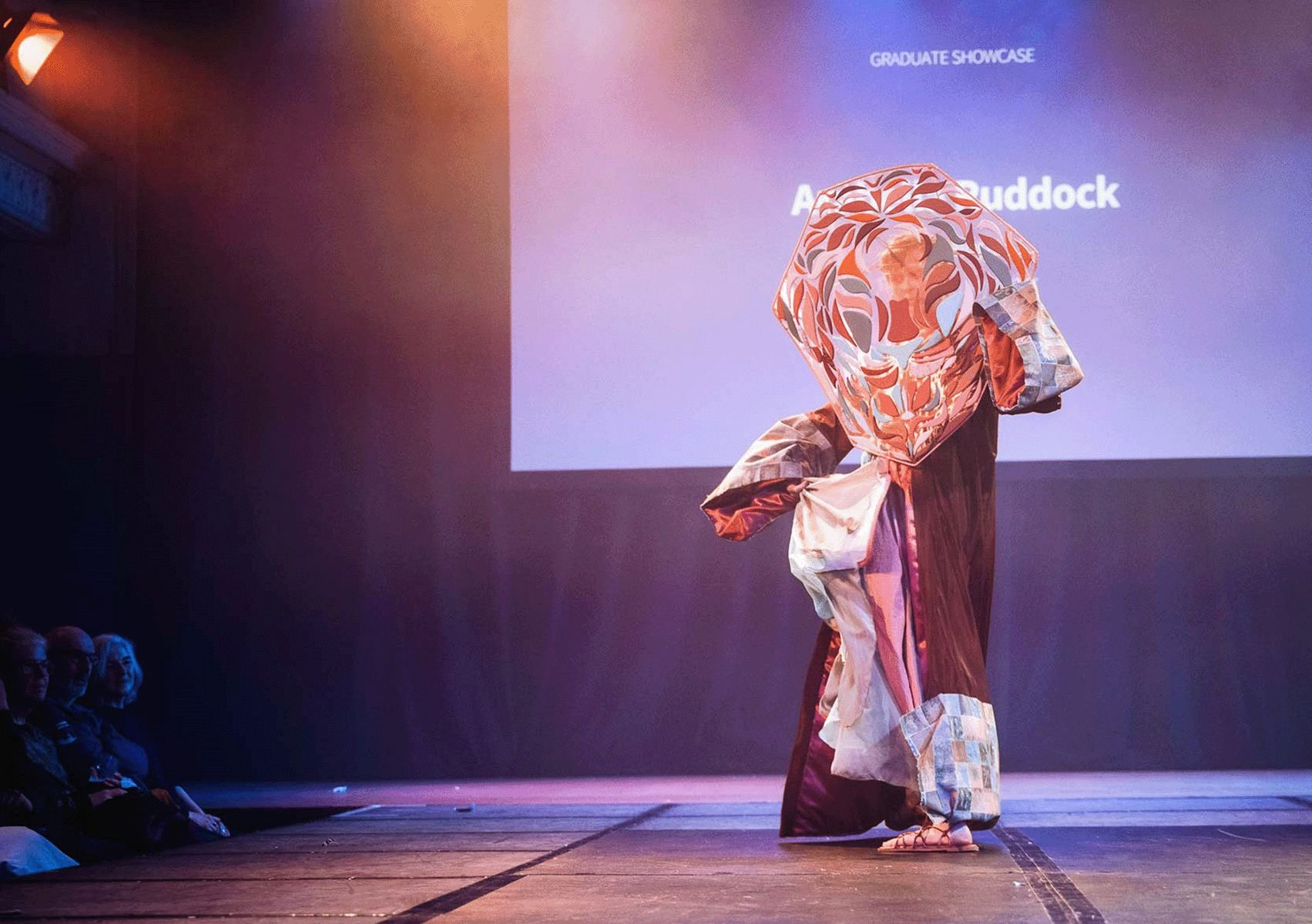
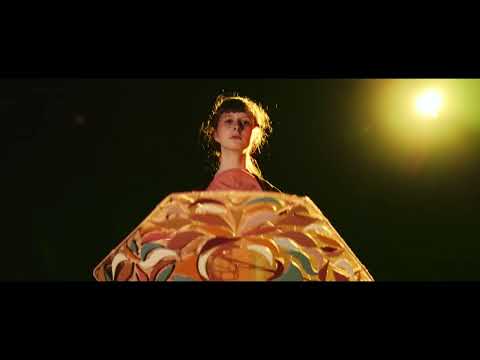
This interpretation of Aslan is informed by the Italian town of Narni, the geographical inspiration behind the world of Narnia. Drawing from Mediterranean architecture and decorative arts, the design incorporates mosaic-inspired motifs and a palette of rich blues, turquoise, terracotta, and sunlit greens. These colours reflect the warmth and vibrancy of the Mediterranean landscape while also reinforcing Aslan’s role as a symbol of wisdom, guidance, and renewal. The structured mosaic forms reference the craftsmanship and history of the region, creating a visual connection between place, culture, and narrative. Through the interplay of colour, pattern, and texture, the design evokes a sense of timelessness and spiritual authority, reimagining Aslan within a theatrical world rooted in the origins of Narnia itself.

Aslan
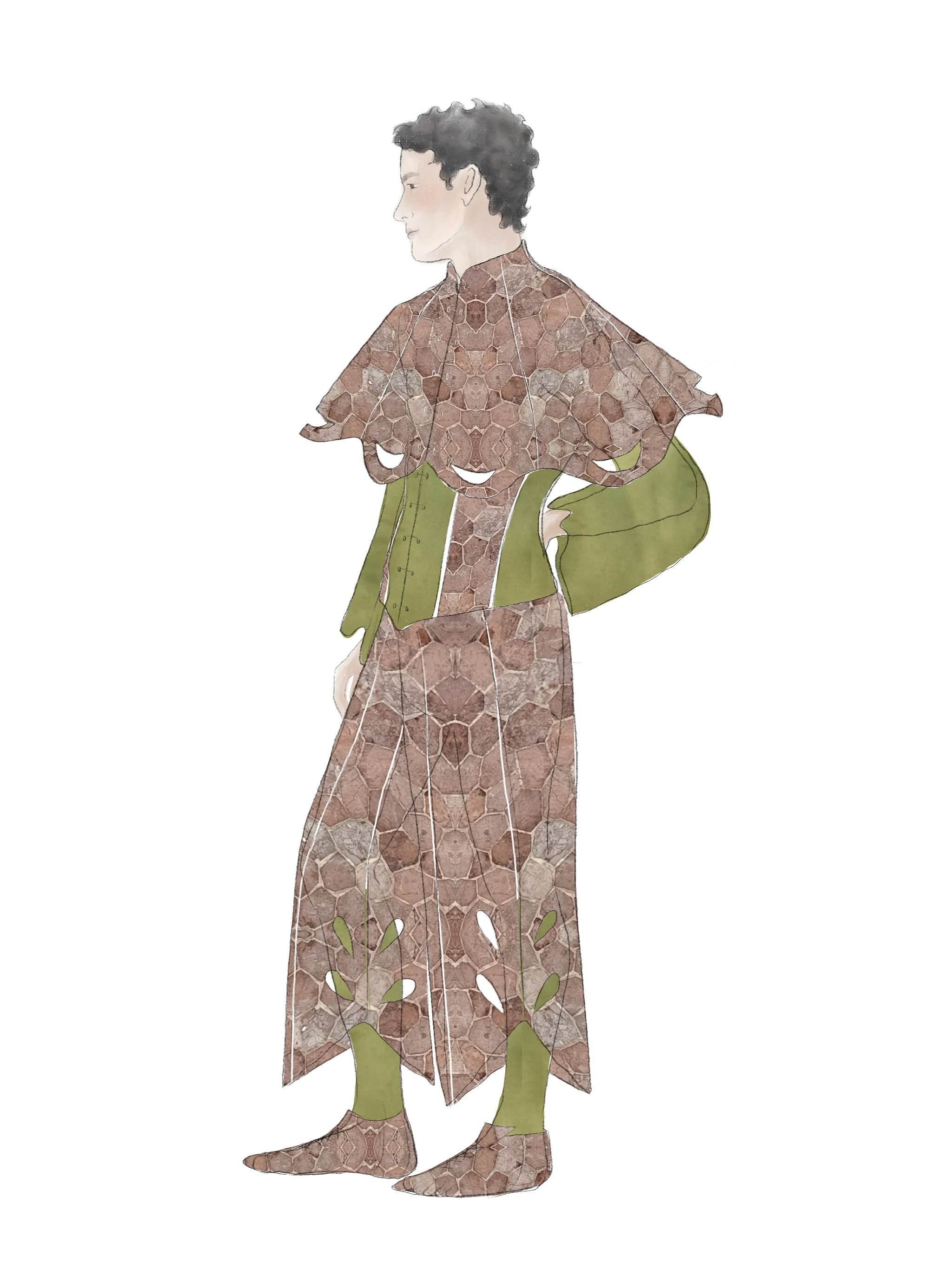
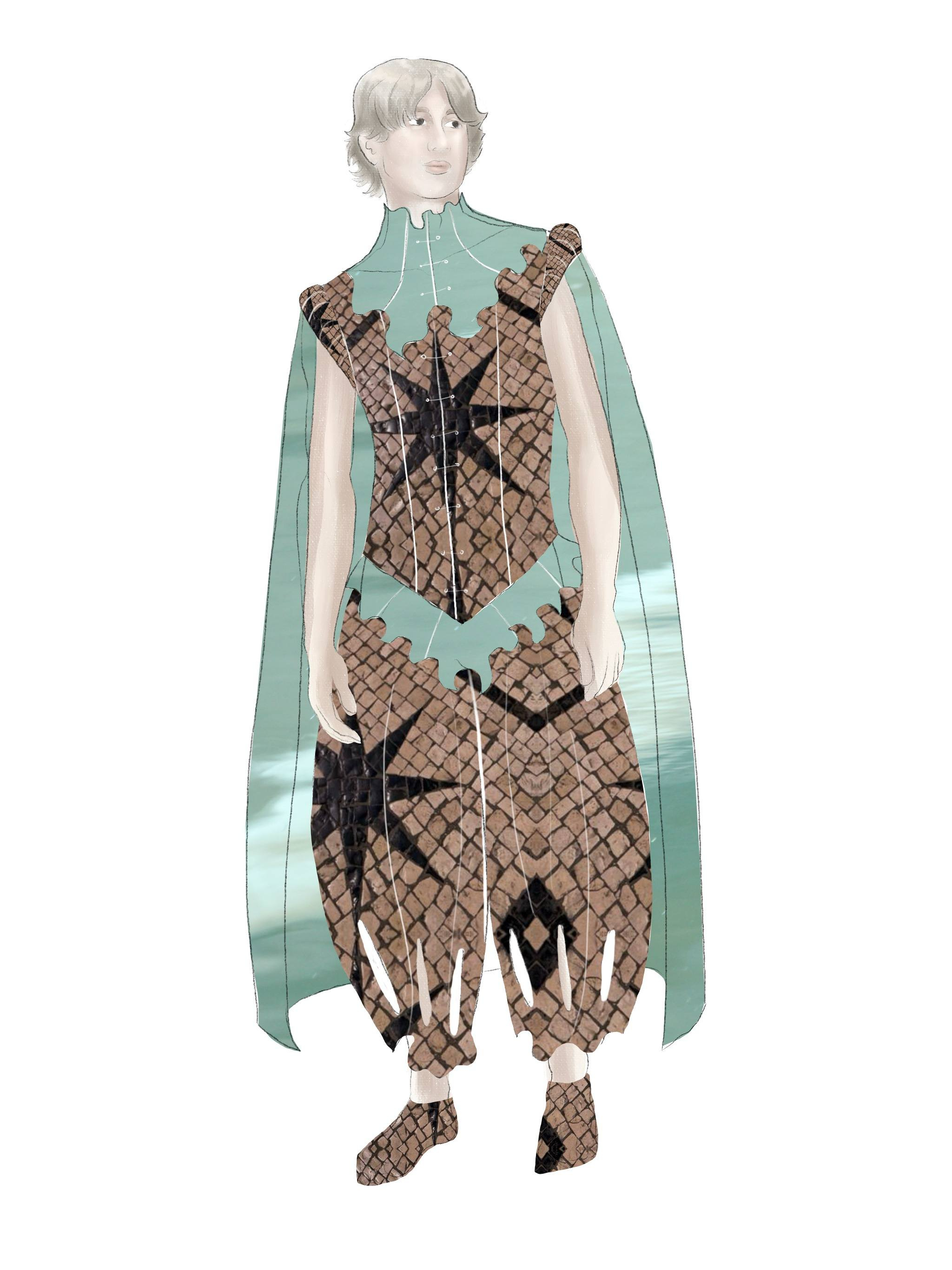
Narnia

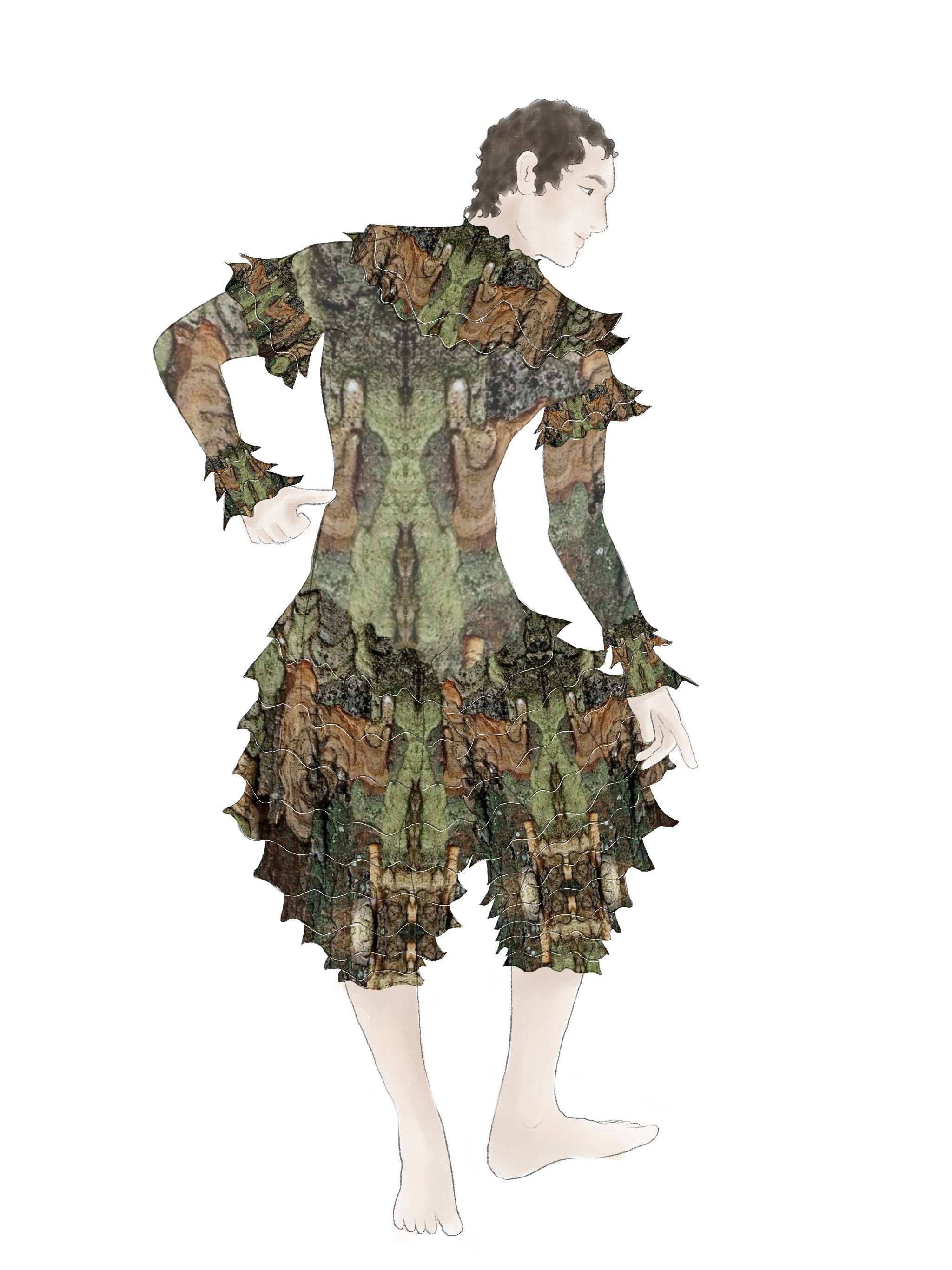
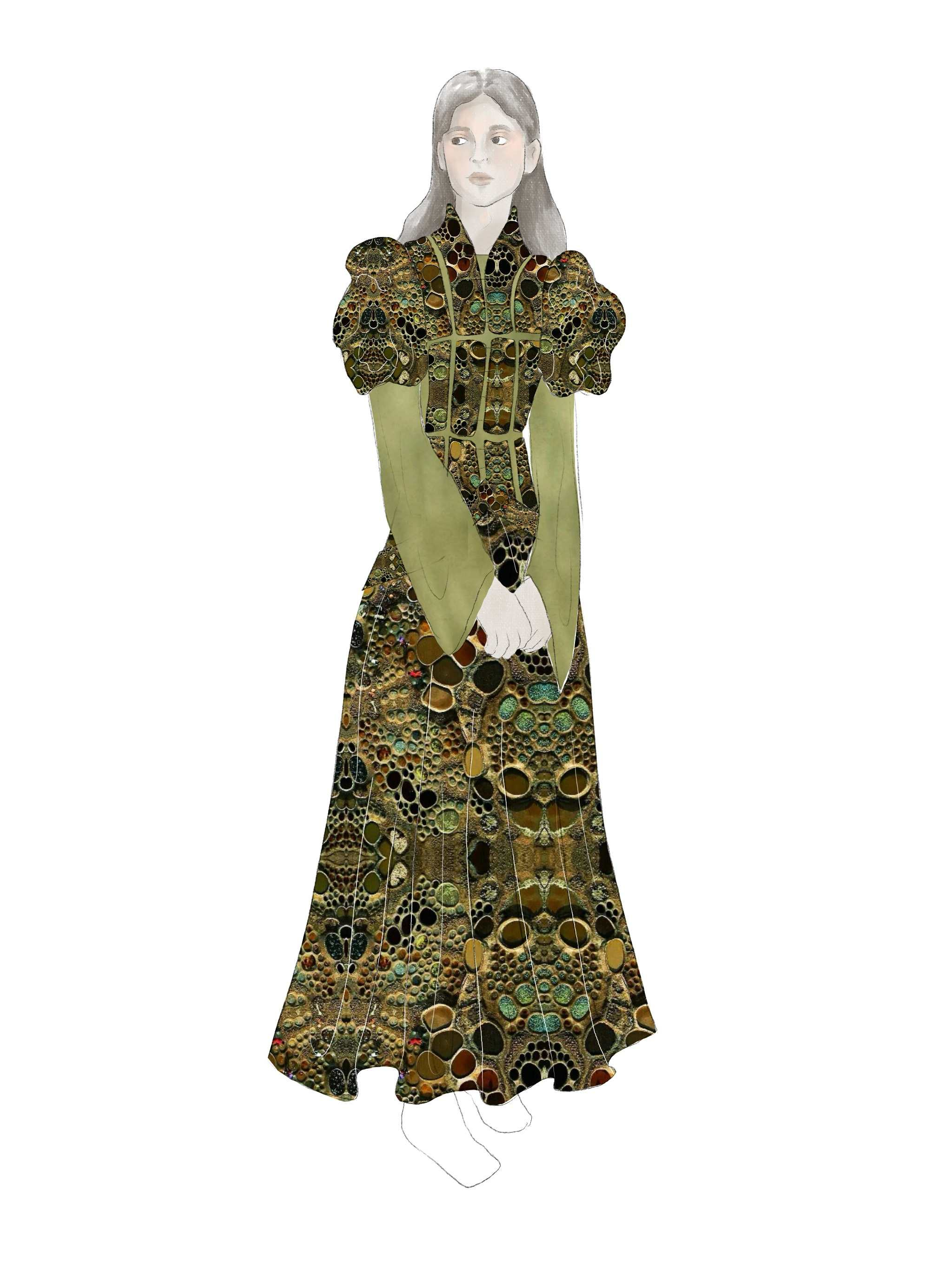
This project reimagines The Chronicles of Narnia through the Italian town of Narni, the real-world inspiration behind C.S. Lewis's fictional realm. Drawing influence from Renaissance art, Mediterranean architecture, and Umbrian landscapes, the design merges Italian cultural heritage with fantasy storytelling. Costume designs incorporate mosaic-inspired motifs, historical silhouettes, and a palette of warm Mediterranean tones and gold, creating a world that exists between history and myth. Through the use of colour, pattern, and craftsmanship, the project explores themes of transformation, identity, and belonging, positioning costume as a key narrative device within the production.